Evidence
What the evidence shows
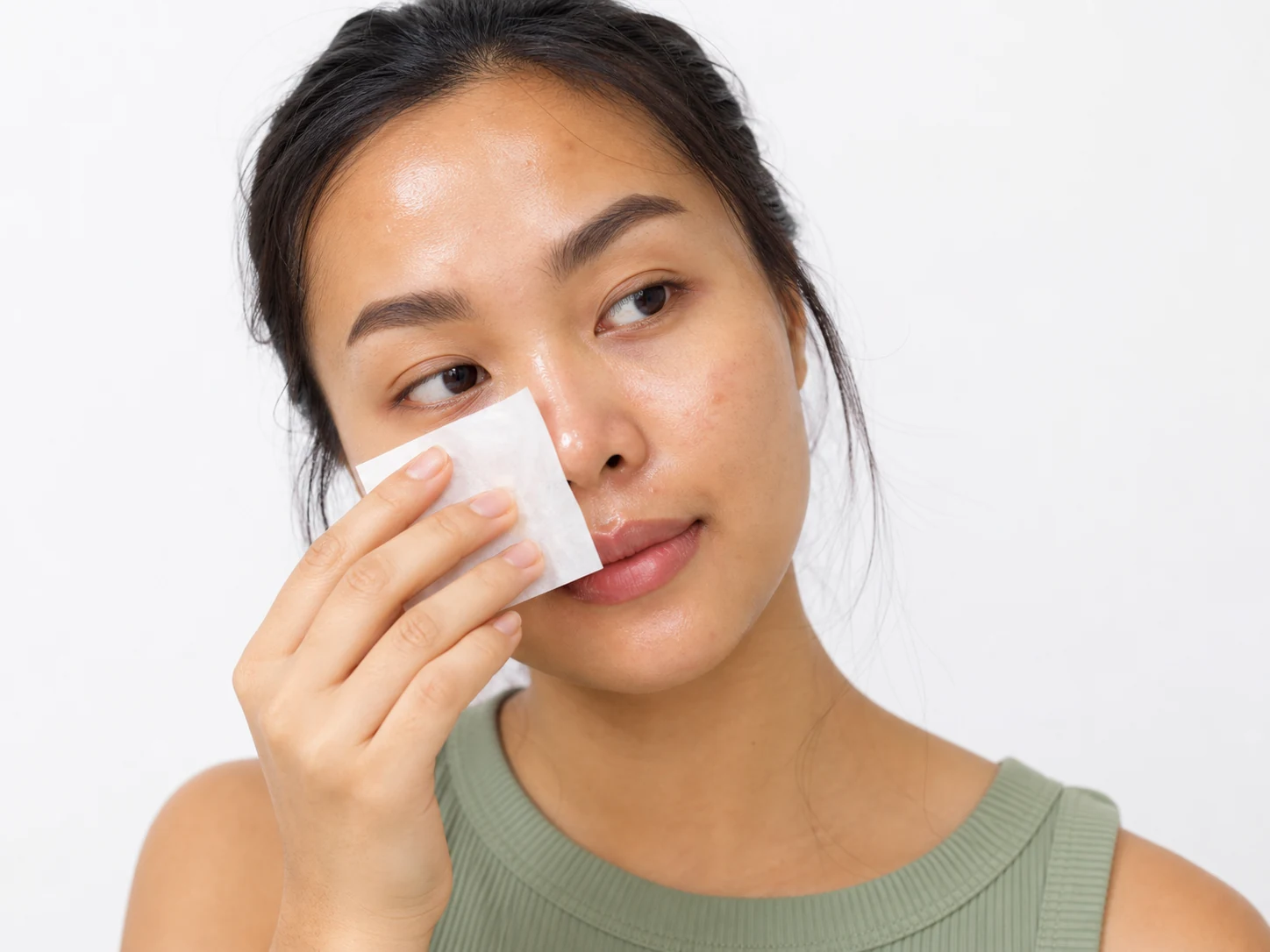
Oily skin is not a problem to be solved - it's a characteristic to be managed. Trying to eliminate oil entirely will only damage your barrier and create more problems.
Use this section to decide
Does this advice apply to me?
Find the concern or goal closest to yours, then use the fit signal to decide how much weight to give this guide.If your goal is
Niacinamide for oil controlUsually relevant- Fit signal
- Often useful
Well-supported for sebum regulation
If your goal is
Salicylic acid for poresDepends- Fit signal
- Possible fit
Excellent for clearing congestion
If your goal is
Gentle cleansingUsually relevant- Fit signal
- Often useful
Essential for maintaining balance
If your goal is
Over-drying (not recommended)Personal response varies- Fit signal
Makes oiliness worse long-term
Explanation
How it works
Use niacinamide
Vitamin B3 derivative that helps regulate sebum production over time.
Incorporate salicylic acid
Oil-soluble exfoliant that helps clear pores and prevent blockages.
Consider retinoids
Vitamin A derivatives that can help normalize cell turnover and oil production.
Manage stress and diet
Stress and high-glycemic diets can increase oil production.
Practical use
How to use it
Adopt a gentle, consistent routine
Use a gentle cleanser, oil-free moisturizer, and SPF daily.
Incorporate oil-regulating ingredients
Add niacinamide, salicylic acid, or a gentle retinoid.
Be patient and consistent
Results from oil management take weeks to months of consistent use.
Safety
Side effects and cautions
- Trying to eliminate all oil from your skin
Oil is essential for skin health; the goal is balance, not elimination.
- Using harsh products that strip the skin
This triggers more oil production as the skin overcompensates.
- Skipping moisturizer
Dehydrated skin produces more oil to compensate.
Fit
Who should be careful
- Anyone hoping for a complete transformation
Worth noting
Small details that can change the answer
- Sebum Function. Sebum protects the skin, provides antimicrobial protection, and prevents water loss.
- Genetic Factor. Your baseline oil production is primarily determined by genetics.
- Hormonal Influence. Androgens stimulate sebum production; this is why oiliness often peaks during puberty.
- Manageable Factors. Skincare, stress, and diet can all influence how oily your skin feels on a day-to-day basis.
You can't "get rid" of oily skin, and you shouldn't want to.
Sebum is essential for skin health and protection.
You can significantly manage oil production with the right skincare and lifestyle.
Niacinamide, salicylic acid, and retinoids are key oil-management ingredients.
Avoid harsh products that strip the skin and trigger more oil production.
Science
The biology of sebum production
Sebum is produced by sebaceous glands, which are found in the highest concentrations on the face, scalp, chest, and back. Production is primarily controlled by androgens (male hormones present in both sexes), which stimulate the glands to produce more oil. Genetics determines both the number of sebaceous glands and their sensitivity to hormonal signals.
- Sebaceous Gland
- A gland in the skin that produces sebum, the skin's natural oil.
- Androgen
- A male sex hormone (present in both sexes) that stimulates sebaceous gland activity.
Risks
What not to do with oily skin
Common mistakes that actually make oiliness worse.
- Over-washing or using harsh, stripping cleansers
- Skipping moisturizer (this can trigger more oil production)
- Using alcohol-based astringents and toners
- Over-exfoliating with acids or physical scrubs
- Using products with pore-clogging (comedogenic) ingredients
Ingredient Compatibility
Key ingredients for oily skin
Regulates sebum production and reduces inflammation.
Use 2-5% daily.Oil-soluble exfoliant that clears pores and reduces congestion.
Use 0.5-2% 2-3 times weekly.Normalize cell turnover and can reduce oil production.
Start with a gentle retinol 2-3 times weekly.Antimicrobial and oil-regulating properties.
Found in many oily skin formulations.Strips the skin and triggers compensatory oil production.
Avoid products with high alcohol content.Questions
Frequently asked questions
Can oily skin become less oily with age?
Yes, oil production typically declines with age, especially after menopause for women and in the late 30s-40s for men.
What's the fastest way to reduce oily skin?
There is no quick fix, but using niacinamide and salicylic acid can start showing results in weeks.
Can diet affect oily skin?
Yes, high-glycemic diets and dairy may increase oil production in some people.
Is it bad to have oily skin?
No! Oily skin has advantages - it tends to age more slowly, develop fewer wrinkles, and have a more resilient barrier.