Evidence
What the evidence shows
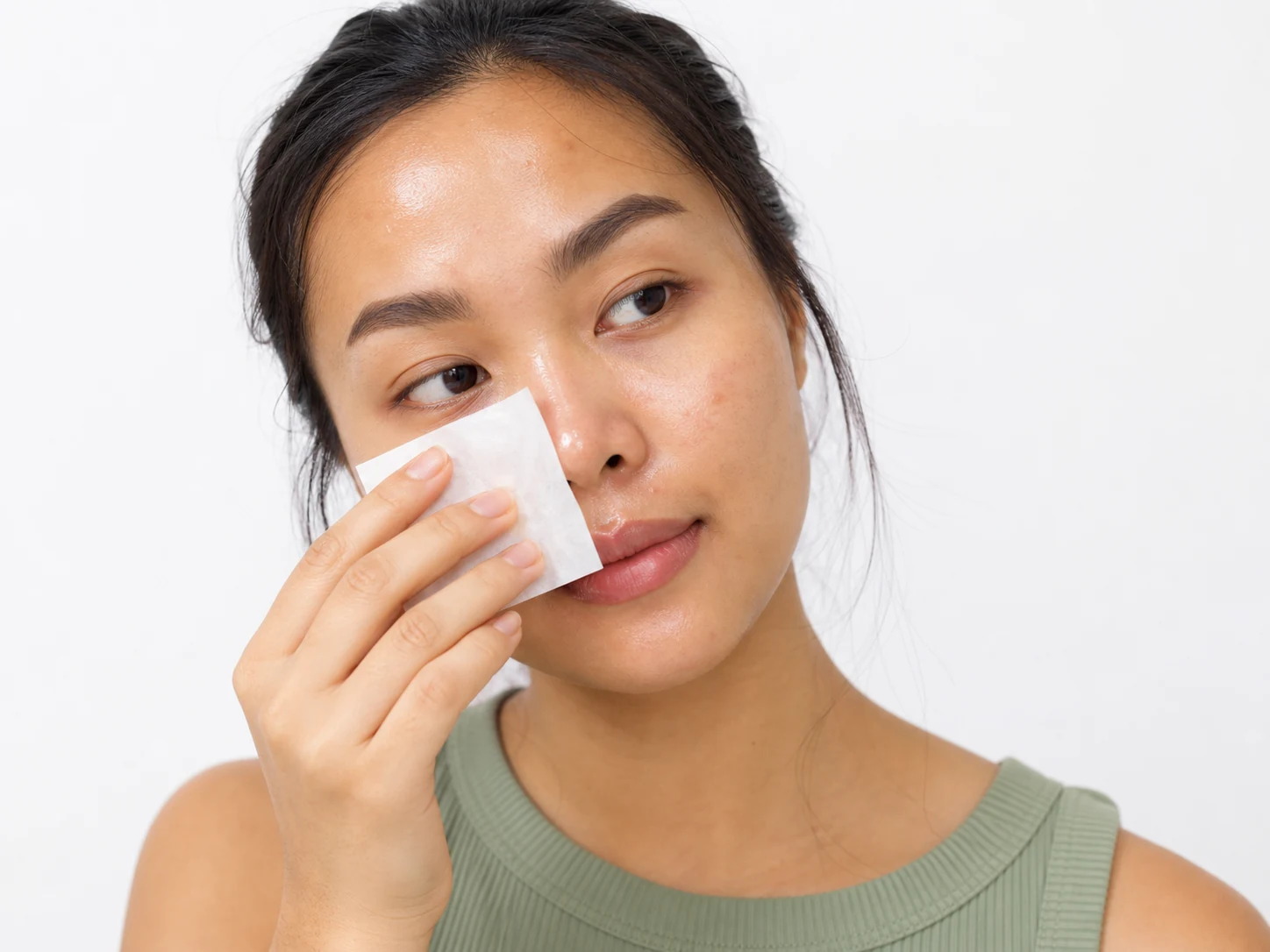
Acne requires several factors working together, excess oil, dead skin buildup, bacteria, and inflammation, so oily skin raises the odds of a breakout without guaranteeing one.
Use this section to decide
Does this advice apply to me?
Find the concern or goal closest to yours, then use the fit signal to decide how much weight to give this guide.If your goal is
Direct causeUse caution- Fit signal
- Limited evidence
No
If your goal is
Contributing factorDepends- Fit signal
- Possible fit
Yes, strongly
If your goal is
Key bacteriaUse caution- Fit signal
- Limited evidence
C. acnes
If your goal is
ManageableUsually relevant- Fit signal
- Often useful
Yes
Research notes already in this guide
- Excess sebum is a well-established contributing factor in acne development.
- Clinical research consistently links clogged pores, bacteria, and inflammation to visible acne lesions.
- Treatments targeting oil regulation, like salicylic acid and retinoids, are well supported for managing acne.
Explanation
How it works
Excess sebum production
Oily skin generates more sebum than pores can easily manage.
Dead skin cell buildup
Sebum mixes with shedding skin cells inside the follicle.
Pore blockage
The mixture forms a plug that traps oil and debris in the follicle.
Bacterial growth and inflammation
C. acnes multiplies in the blocked pore, triggering an immune response.
Practical use
How to use it
Manage oil without over-stripping
Use gentle, oil-free cleansers and lightweight moisturizers to avoid triggering rebound oil production.
Support healthy cell turnover
Gentle exfoliation with salicylic acid can help prevent dead skin cells from combining with oil to clog pores.
Address inflammation early
Spot treatments with benzoyl peroxide or similar ingredients can help calm active breakouts.
Safety
Side effects and cautions
- Assuming all oily skin will develop acne
Oiliness raises risk but doesn't guarantee breakouts, other factors matter too.
- Over-drying skin to fight acne
This can irritate the skin barrier and potentially worsen the problem over time.
- Ignoring the role of dead skin buildup
Gentle exfoliation can help prevent pores from clogging alongside oil control.
Fit
Who should be careful
- Explaining acne in people without notably oily skin, where other factors dominate
Helpful context
What else is worth knowing
What the evidence suggests
Excess sebum production is one of the four primary factors implicated in acne pathogenesis.
This is well established across dermatological literature on acne mechanisms.
Worth noting
Small details that can change the answer
- Sebum. Excess sebum is one of several factors that contribute to clogged pores.
- Dead skin cells. Slower or uneven shedding of dead skin cells can combine with oil to block pores.
- Bacteria. Cutibacterium acnes thrives in the oxygen-poor environment of a clogged pore.
- Inflammation. The visible redness and swelling of acne comes from the immune system's response to bacterial buildup.
Oily skin doesn't cause acne directly but raises the risk by providing excess sebum.
Acne forms through a chain of events: oil buildup, dead skin cells, clogged pores, and bacterial inflammation.
Cutibacterium acnes bacteria thrives in the oxygen-poor environment of a blocked pore.
Managing oil without over-stripping the skin is key to reducing acne risk.
Gentle exfoliation and targeted treatments can address the other steps in the acne process.
Explanation
The four-step path from oil to acne
Oil, dead skin, bacteria, and inflammation working together.
Acne typically forms through a chain of events: excess sebum production, buildup of dead skin cells, blockage of the pore, and bacterial overgrowth leading to inflammation. Oily skin raises the risk primarily at that first step by providing more raw sebum for the process to begin with.
Why oily skin raises acne risk
- More sebum available to combine with dead skin cells
- Larger, more active pores that can trap debris more easily
- A more favorable environment for acne-related bacteria to multiply
- Hormonal factors that increase both oil production and acne risk simultaneously
Common myths about oily skin and acne
Myth
Oily skin always leads to acne.
Reality
Oiliness increases risk but doesn't guarantee breakouts; many factors are involved.
Myth
Drying out oily skin completely will stop acne.
Reality
Over-drying can irritate skin and potentially trigger more oil production, worsening the problem.
Questions
Frequently asked questions
Does having oily skin guarantee I'll get acne?
No, oiliness increases risk but acne depends on several factors working together, including pore clogging and bacteria.
Can I stop acne by eliminating all oil from my skin?
No, and trying to do so can irritate skin and potentially worsen oil production and breakouts.
What ingredients help break the oil-to-acne cycle?
Salicylic acid, niacinamide, and benzoyl peroxide are commonly used to address different steps in that process.
Is acne from oily skin different from other types of acne?
The underlying mechanism is generally the same; oily skin simply provides more of the raw material that contributes to clogged pores.
References
Sources
The notes below are drawn from the evidence already cited in this guide. They are not a complete bibliography.
- Excess sebum is a well-established contributing factor in acne development.
- Clinical research consistently links clogged pores, bacteria, and inflammation to visible acne lesions.
- Treatments targeting oil regulation, like salicylic acid and retinoids, are well supported for managing acne.