Evidence
What the evidence shows
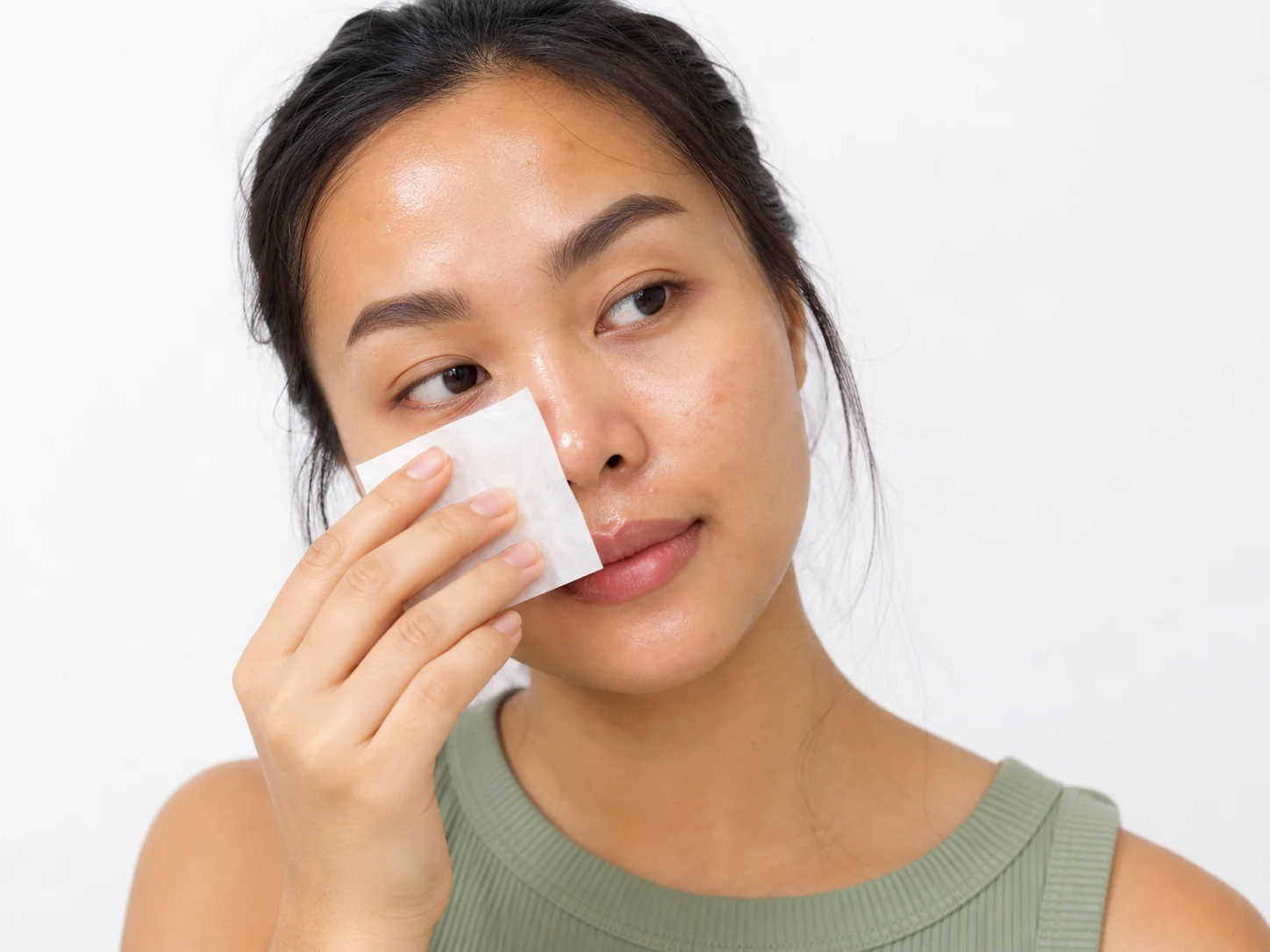
Oily skin is not a sign of poor hygiene or care; it reflects how sensitive your sebaceous glands are to hormonal signals, which is largely inherited rather than something within daily control.
Use this section to decide
Does this advice apply to me?
Find the concern or goal closest to yours, then use the fit signal to decide how much weight to give this guide.If your goal is
Main driverUse caution- Fit signal
- Limited evidence
Overactive sebaceous glands
If your goal is
Key hormoneUse caution- Fit signal
- Limited evidence
Androgens
If your goal is
HotspotDepends- Fit signal
- Possible fit
T-zone
If your goal is
Best approachUsually relevant- Fit signal
- Often useful
Gentle, consistent routine
Explanation
How it works
More glands per area
The forehead, nose, and chin have a higher density of sebaceous glands than the cheeks.
Glands respond to hormones
Androgens stimulate these glands to produce sebum.
Oil reaches the surface
Sebum travels up the hair follicle to the skin's surface.
Shine becomes visible
Excess sebum accumulates faster than it can be absorbed or wiped away.
Practical use
How to use it
Switch to a gentle cleanser
Use a non-stripping, sulfate-free cleanser morning and night.
Add a lightweight moisturizer
Choose an oil-free, non-comedogenic formula to maintain balance.
Be patient with rebound effects
Give a new routine several weeks before judging results, since oil production can take time to stabilize.
Safety
Side effects and cautions
- Over-washing the face to combat shine
Cleanse gently twice daily and let a stable routine reduce rebound oiliness
- Avoiding moisturizer altogether
Use a lightweight, oil-free moisturizer to keep skin balanced
- Assuming oily skin means poor hygiene
Recognize oiliness as primarily genetic and hormonal, not a hygiene issue
Fit
Who should be careful
- Sudden, severe oiliness paired with other symptoms, which warrants a medical check for hormonal causes
Helpful context
What else is worth knowing
What tends to help oily skin
A few ingredients commonly used to manage excess oil.
Worth noting
Small details that can change the answer
- Genetic Link. Oily skin tendency is strongly influenced by inherited genetics.
- Hormonal Trigger. Androgens are the primary hormones that stimulate sebaceous gland activity.
- T-Zone Concentration. Sebaceous glands are more densely concentrated in the forehead, nose, and chin.
- Rebound Effect. Over-cleansing can prompt skin to produce even more oil to compensate.
Oily skin is primarily driven by overactive sebaceous glands, largely set by genetics.
Androgens are the key hormones that regulate how much sebum these glands produce.
The T-zone tends to be oilier because it has a higher density of sebaceous glands.
Over-cleansing can trigger a rebound effect that makes oiliness worse.
A gentle, consistent routine manages oiliness more effectively than stripping it away aggressively.
Science
What controls sebum production
Sebaceous glands respond to hormonal signals, particularly androgens, which bind to receptors in the gland and stimulate oil production. The number and sensitivity of these receptors varies between individuals, which is a major reason why some people naturally produce more sebum than others.
- Sebaceous gland
- A small gland in the skin that produces sebum, an oily, waxy substance.
- Androgens
- A group of hormones, including testosterone, that influence oil gland activity.
Avoid
Habits that can worsen oiliness
Strips oil and can trigger rebound oil production
Can signal skin to produce more oil to compensate for dryness
Irritates skin and can worsen oil production over time
Dos Donts
What actually helps manage it
Do
Removes excess oil without triggering a rebound
Keeps skin hydrated without adding heaviness
Avoid
Can worsen oiliness by disrupting the skin's balance
Irritates skin and can increase oil production
Results Timeline
What to expect with a consistent routine
- 11-2 weeks
Reduced midday shine with gentle cleansing and lightweight hydration
- 24-6 weeks
More balanced oil production as any rebound effect settles
- 3Ongoing
Oiliness managed but genetics still set the underlying baseline
Questions
Frequently asked questions
Does oily skin mean I don't need moisturizer?
No, skipping moisturizer can actually worsen oiliness by disrupting the skin's natural balance.
Will oily skin change as I get older?
Oil production often decreases somewhat with age, though genetics still play a major ongoing role.
Can diet affect oily skin?
Diet may have a modest influence for some people, but hormones and genetics are the primary drivers.
Is oily skin linked to acne?
Yes, excess sebum can contribute to clogged pores, which is why oily skin is often associated with a higher likelihood of acne.