A gentle place to begin
A few first stops if “Why...” questions still feel new.
Questions that begin with “Why…”
The satisfying “why” behind redness, oil, flaking, and other everyday mysteries.
56 calm answers for the moments you hover over a bottle, or a habit, and wonder what comes next.

Popular guides
Why
Azelaic acid is one of the few that seems to have found a way around that trade-off almost entirely.
Azelaic acid occupies an unusual middle ground in melasma treatment: strong enough to interrupt pigment production, gentle enough to be considered safe for long-term and even pregnancy-adjacent use.

Why
Hydroquinone does something more direct: it walks straight into the melanocyte and jams the machinery that makes pigment in the first place.

Why
Yet it's a named ingredient in one of dermatology's most established melasma prescriptions, the so-called triple combination cream.

Why
Once you know where to look, oily, dry, combination, sensitive, and normal skin each announce themselves fairly clearly, without needing a lab test.
Why
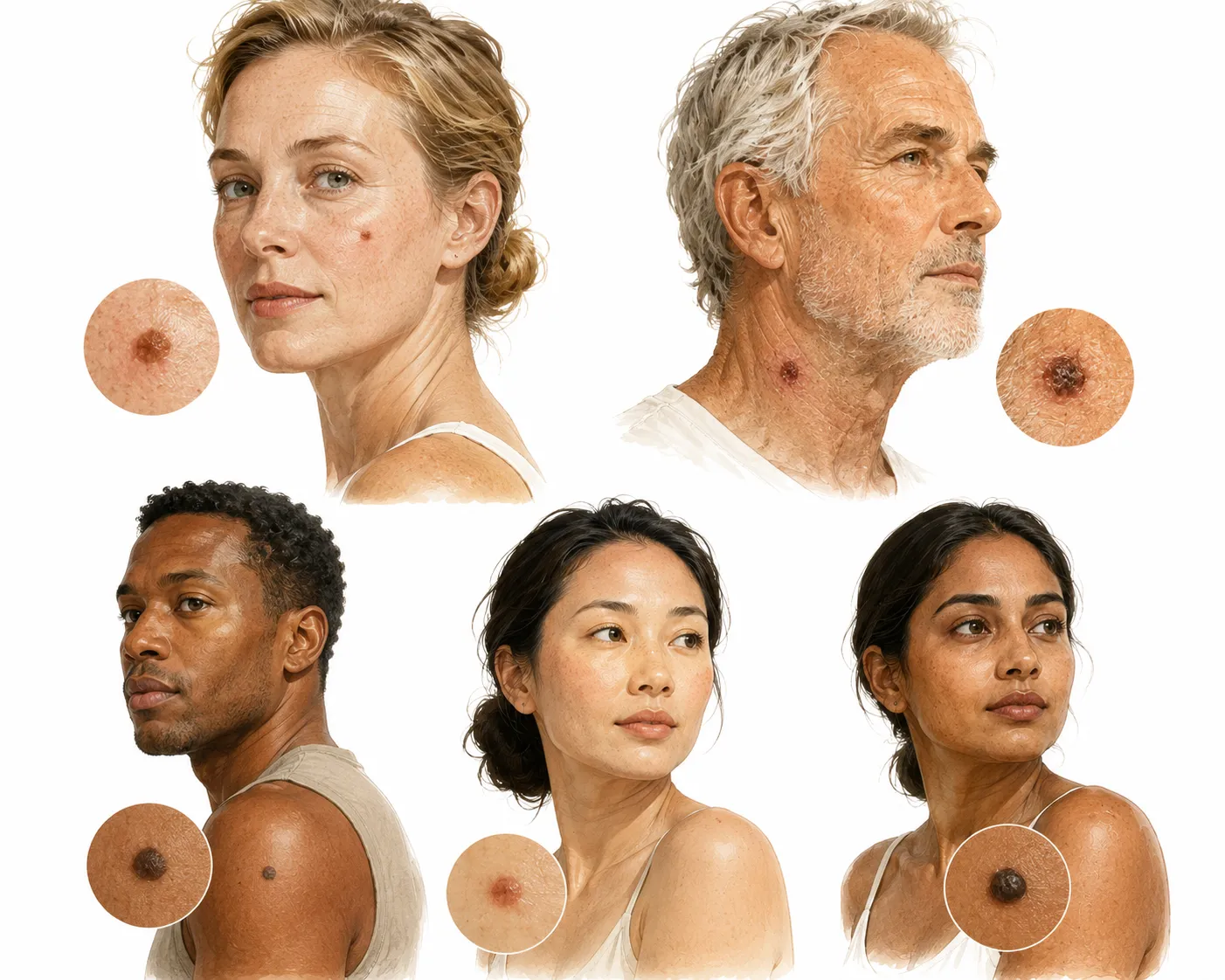
The three most common types tend to show up in different disguises: a pearly bump, a scaly patch, or a mole that starts breaking its own rules.

Why
In practice, dermatologists and estheticians often note that true "normal" skin, with no oiliness, dryness, or sensitivity to speak of, is one of the least commonly reported categories among adults.
Depending on how you define "skin type," the rarest could mean true normal skin, which few adults actually have, or Fitzpatrick Type I skin, the palest and most sun-sensitive category, which is genuinely uncommon worldwide.
Why
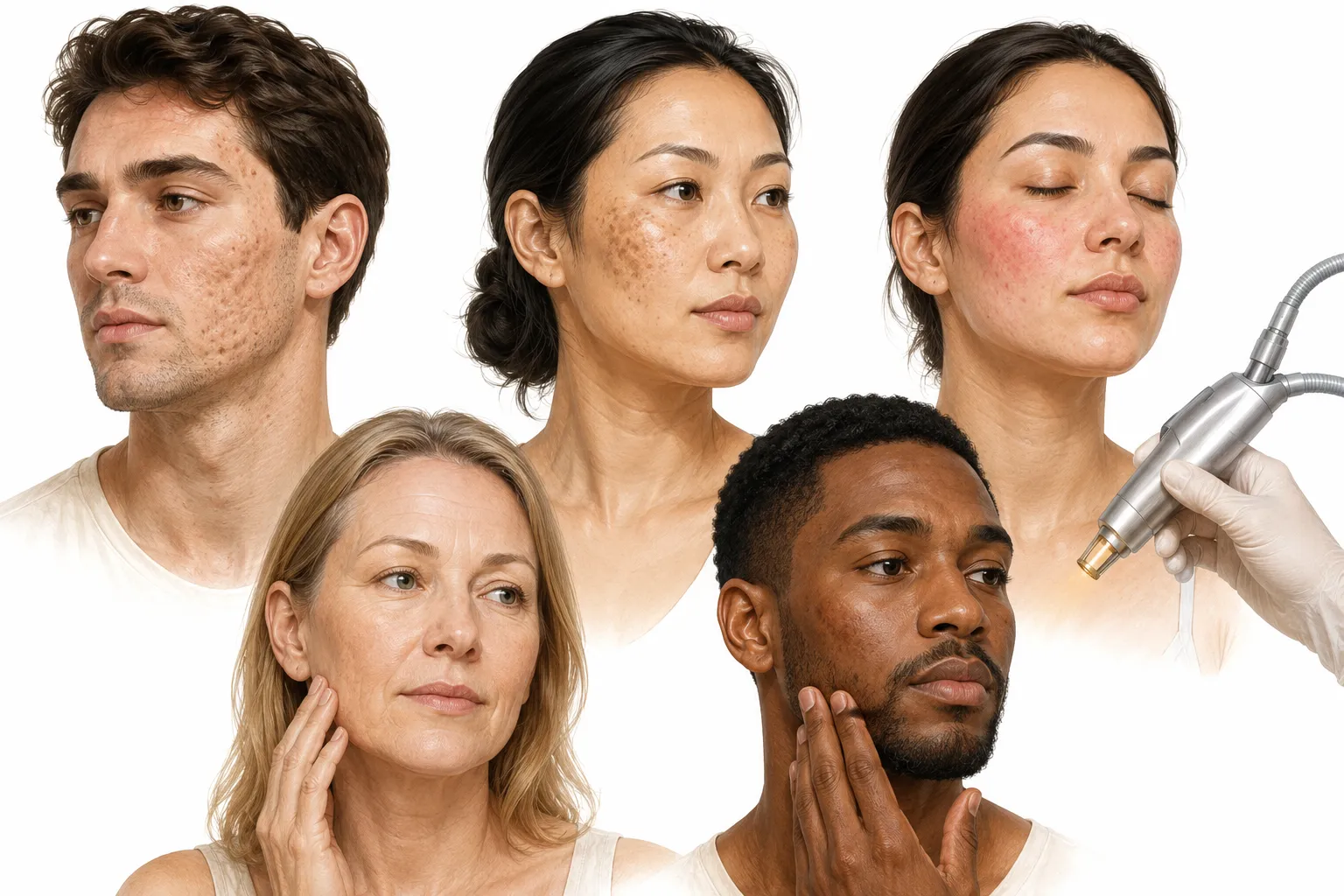
In reality, dermatology uses a whole toolbox of different lasers, each tuned to a specific wavelength that targets a specific structure in the skin, whether that is pigment, blood vessels, or hair follicles.
Why
The surprising thing is that niacinamide is still one of the most well-studied ingredients. The avoidance is more about how it's being used than about the ingredient itself.

Why
The reason is almost comically simple: saliva, which is wonderful for digesting lunch, is fairly hostile to skin, and this patch of skin gets doused in it constantly.

Why
When that system gets disrupted, usually by the very cotton swab most people reach for to "clean" the ear, the result is often dry, flaky, itchy skin rather than a cleaner canal.

Why
At roughly half a millimeter thick, it is thinner than almost any other skin on the body, which is exactly why it dries out, reddens, and reacts to things long before the rest of your face notices anything is wrong.
Eyelid skin is the thinnest on the entire body, which makes it wonderfully expressive but also the first place to show dryness, irritation, and reactions that would go unnoticed almost anywhere else.

Why
What actually determines whether your skin runs dry or oily has more to do with your oil glands and the structure of your skin's outer wall than with how much water you drink.
Start with the popular ones above, or scroll the full set when you are in a browsing mood.
Why
Azelaic acid is one of the few that seems to have found a way around that trade-off almost entirely.
Azelaic acid occupies an unusual middle ground in melasma treatment: strong enough to interrupt pigment production, gentle enough to be considered safe for long-term and even pregnancy-adjacent use.
Why
Hydroquinone does something more direct: it walks straight into the melanocyte and jams the machinery that makes pigment in the first place.
Why
Yet it's a named ingredient in one of dermatology's most established melasma prescriptions, the so-called triple combination cream.
Why
Once you know where to look, oily, dry, combination, sensitive, and normal skin each announce themselves fairly clearly, without needing a lab test.
Why
The three most common types tend to show up in different disguises: a pearly bump, a scaly patch, or a mole that starts breaking its own rules.
The three most common types - basal cell carcinoma, squamous cell carcinoma, and melanoma - tend to look different from one another, but all three are worth having checked by a professional rather than diagnosed from a photo online.
Why
In practice, dermatologists and estheticians often note that true "normal" skin, with no oiliness, dryness, or sensitivity to speak of, is one of the least commonly reported categories among adults.
Why
In reality, dermatology uses a whole toolbox of different lasers, each tuned to a specific wavelength that targets a specific structure in the skin, whether that is pigment, blood vessels, or hair follicles.
Why
The surprising thing is that niacinamide is still one of the most well-studied ingredients. The avoidance is more about how it's being used than about the ingredient itself.
Niacinamide has been a skincare darling for years, but a growing number of people are reporting negative reactions. Some are avoiding it altogether. The reasons range from overuse to genuine sensitivity to formulation issues.
Why
The reason is almost comically simple: saliva, which is wonderful for digesting lunch, is fairly hostile to skin, and this patch of skin gets doused in it constantly.
The skin ringing the mouth has a habit of drying out faster than almost anywhere else on the face, and the culprit is usually something you do dozens of times a day without noticing.
Why
When that system gets disrupted, usually by the very cotton swab most people reach for to "clean" the ear, the result is often dry, flaky, itchy skin rather than a cleaner canal.
Why
At roughly half a millimeter thick, it is thinner than almost any other skin on the body, which is exactly why it dries out, reddens, and reacts to things long before the rest of your face notices anything is wrong.
Why
What actually determines whether your skin runs dry or oily has more to do with your oil glands and the structure of your skin's outer wall than with how much water you drink.
Why
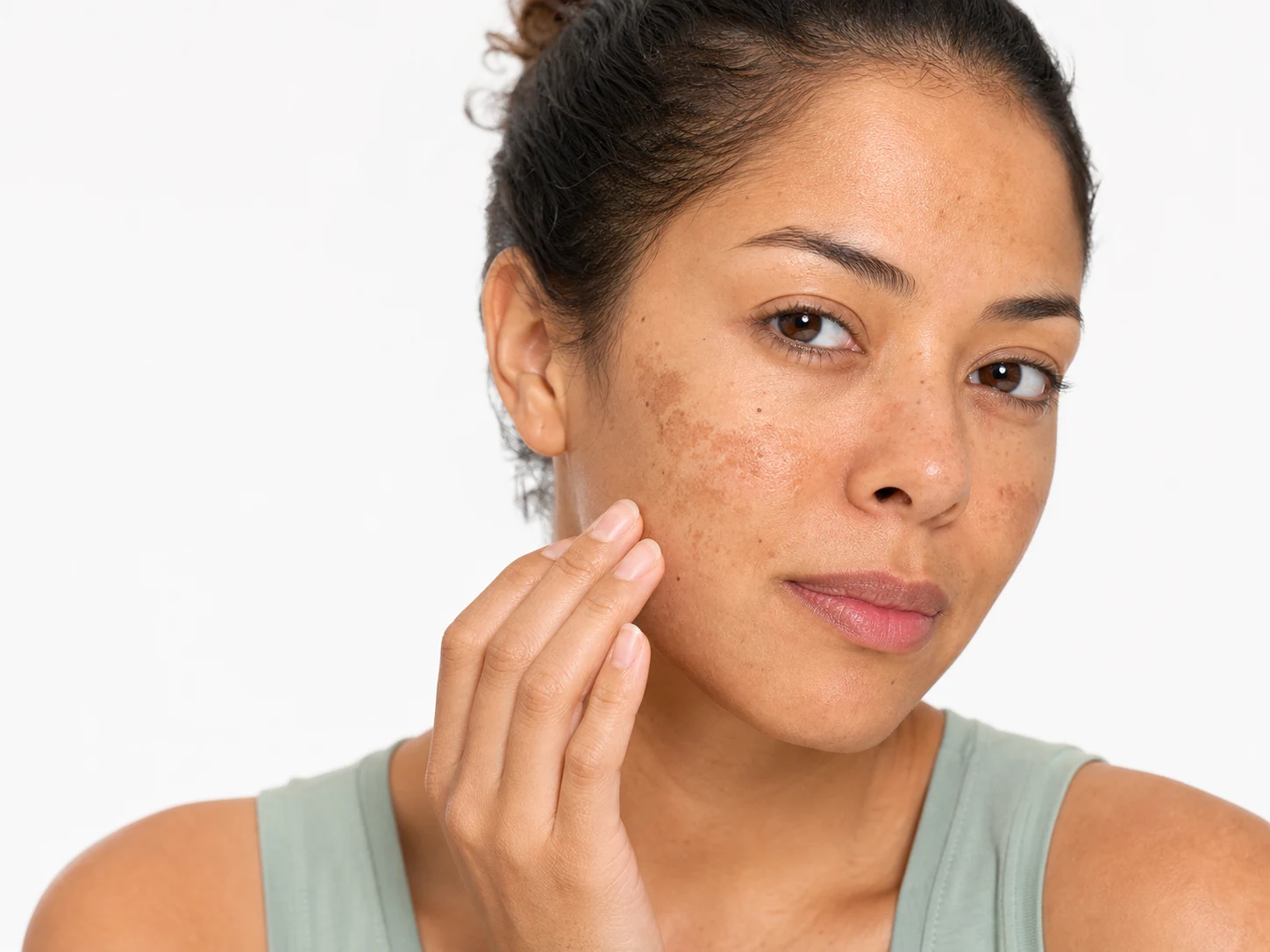
Hyperpigmentation isn't a single condition with a single cause. It's a symptom, and there are several common reasons it shows up.
Hyperpigmentation is one of the most common skin concerns, but the reasons behind it vary widely. Understanding your cause is the first step to treating it.
Why
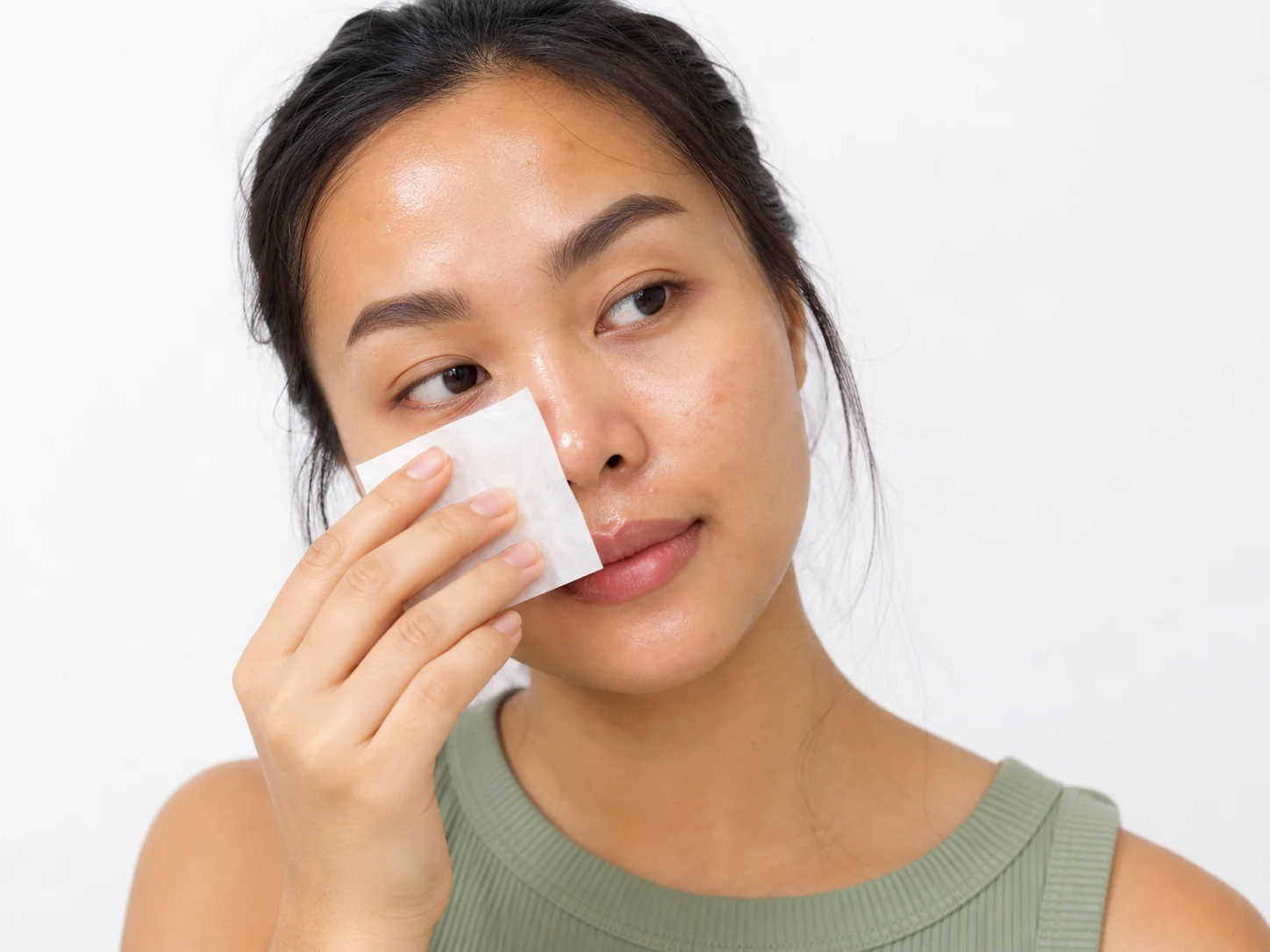
That shine comes from sebaceous glands producing more oil than the skin actually needs, a tendency set largely by genetics and hormones rather than anything you did that morning.
Why
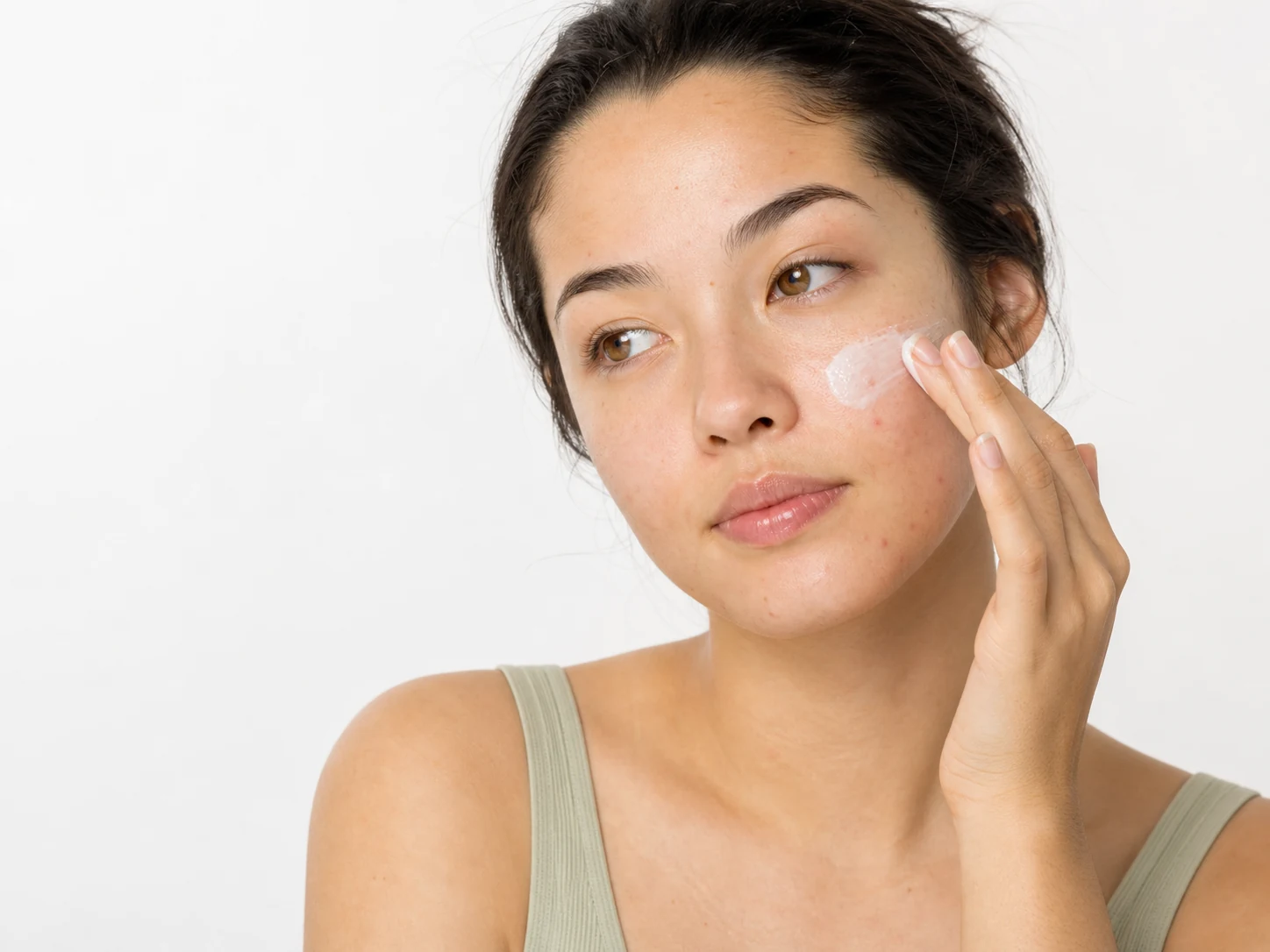
That difference usually comes down to how intact the skin's outer barrier is and how easily irritants can reach the nerve endings just beneath it.
Sensitive skin gets treated as a vague, catch-all label, but there is a fairly consistent biological story behind why some skin reacts to products and weather that other skin barely notices.
Why
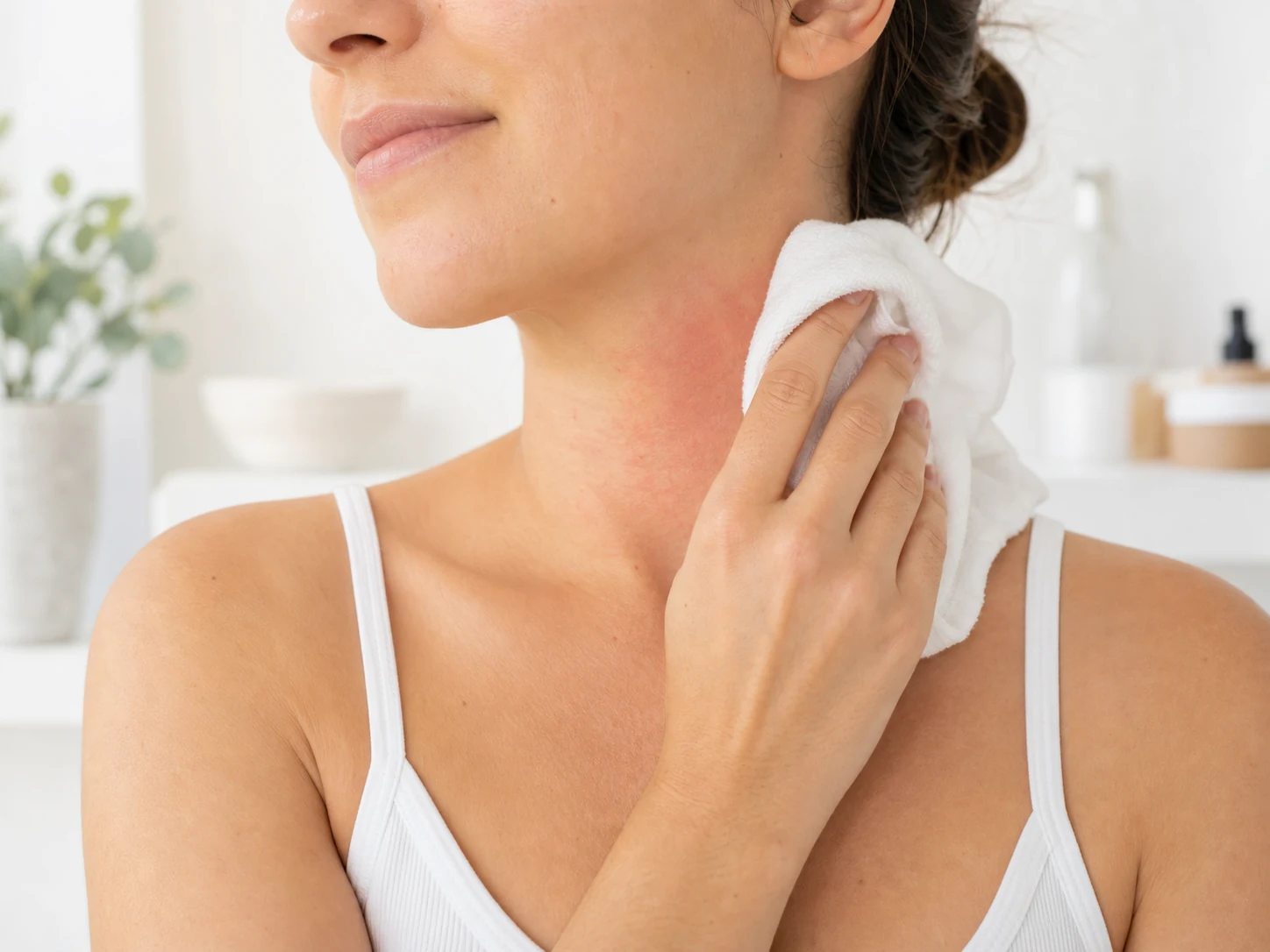
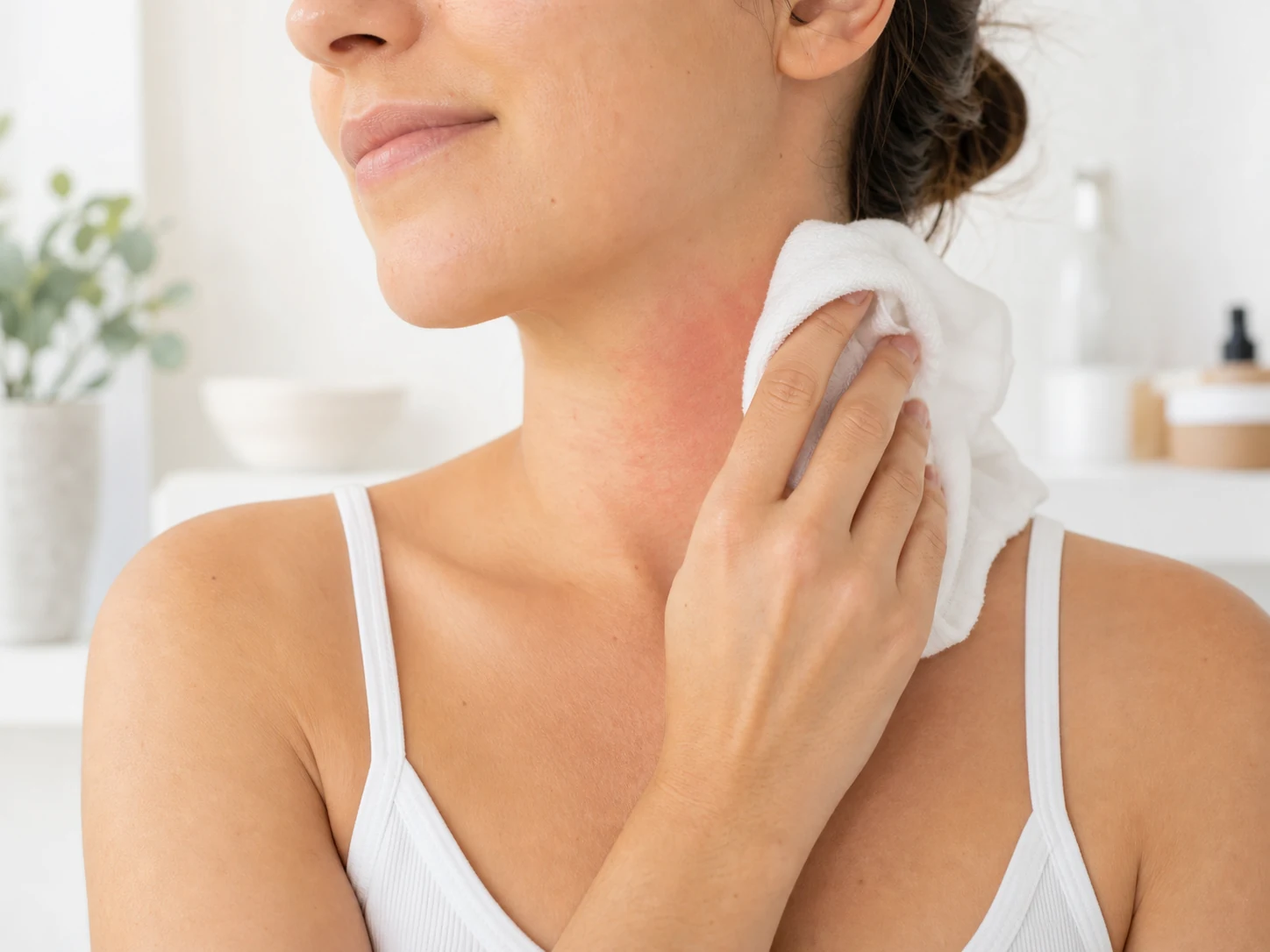
It's like your skin has a grudge against you, and it's determined to keep this rash going.

Why
It's a classic "where did that come from?" moment, and it can feel deeply unfair.
The sudden appearance of melasma can be alarming. It's a condition that often feels like it comes out of nowhere, but there's usually a recent event or change that explains the sudden onset.
Why
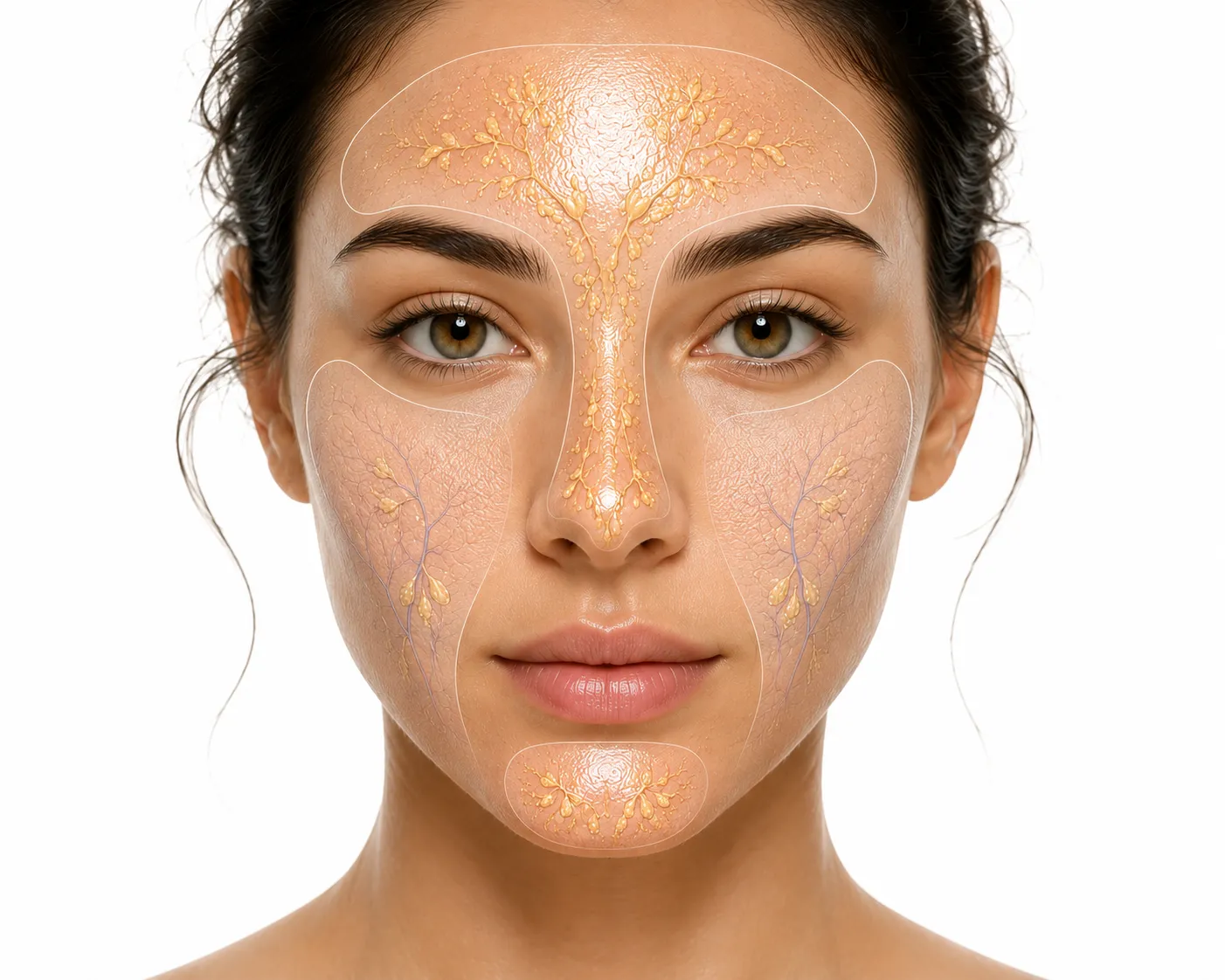
That split is not random; it follows the actual density of oil glands across your face, which was never evenly distributed to begin with.
Why
When skin dries out, the very barrier meant to shield nerve fibers from the outside world thins out, leaving those nerves more exposed and more easily triggered.

Why
But why is the face the target of this particular type of pigmentation, when other areas of skin are just as prone to sun damage?

Why
But in melasma, that brilliant system becomes a little too enthusiastic, turning a protective mechanism into a cosmetic challenge.
Melasma is a pigmentation puzzle. It's not a single event but a process triggered by a cascade of internal and external signals, leading to a common but often misunderstood skin condition.

Why
Why, out of all the sun-exposed skin on your body, is your face the main stage for melasma?
Melasma has a favorite location, and it's not random. The face is the most common site for a variety of reasons, each rooted in skin biology and environmental exposure.

Why
Melasma is what happens when the safety mechanism gets stuck in the "on" position.
Why
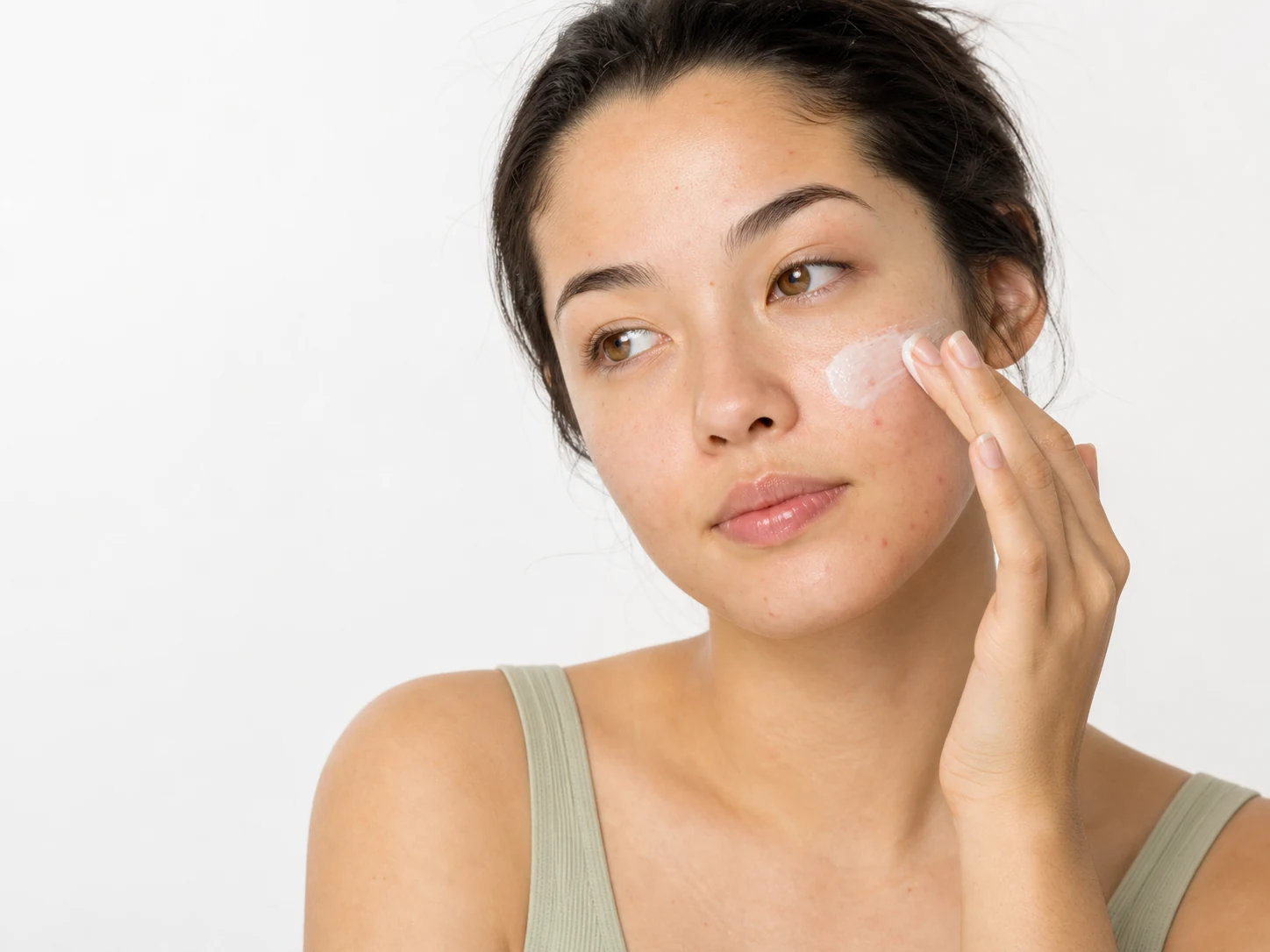
More often than not, this sudden sensitivity is not a mysterious new trait but a sign that something recently chipped away at the skin's protective barrier.
Why
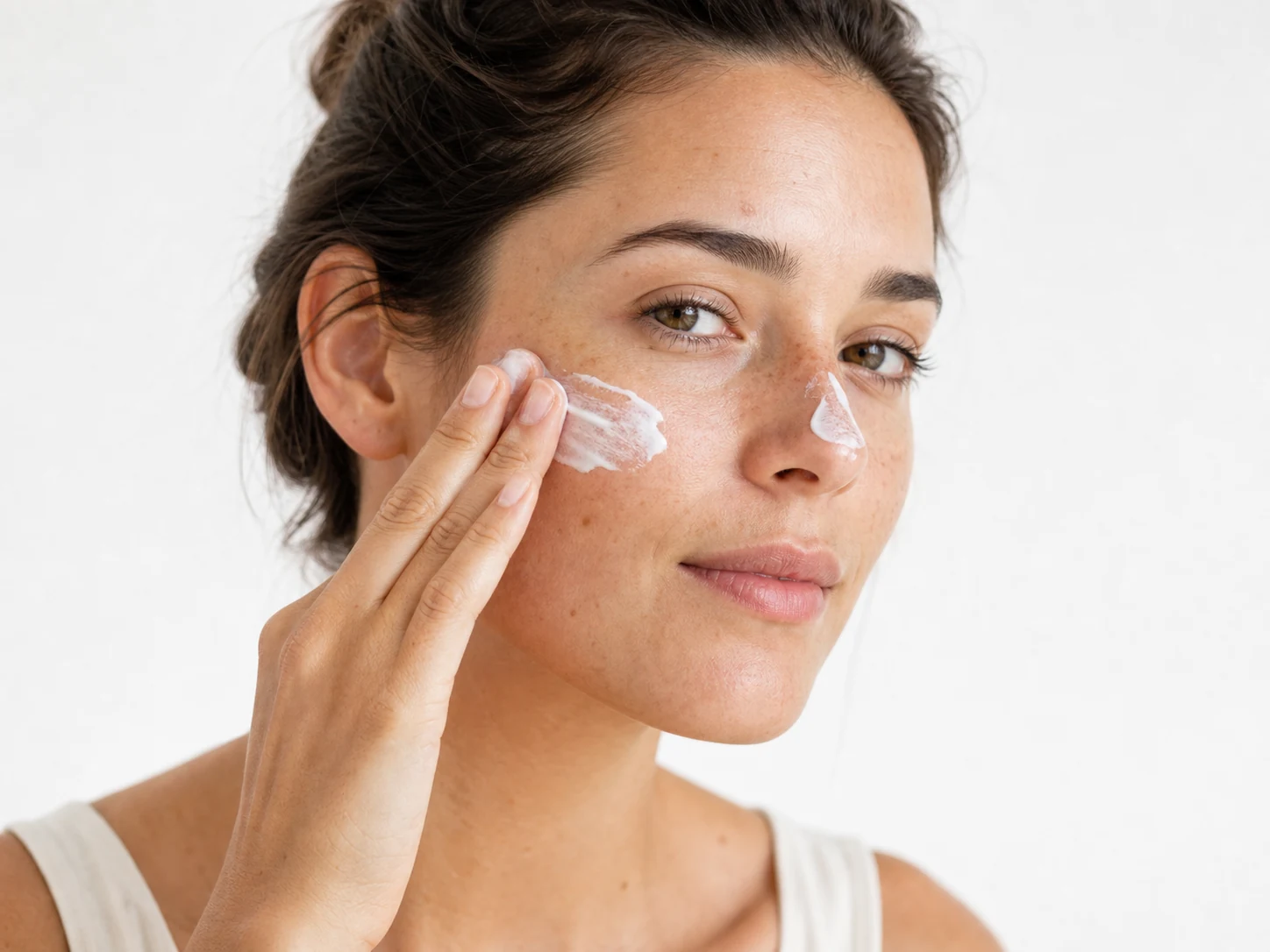
The surprising thing is that niacinamide is one of the most well-tolerated skincare ingredients, so breakouts are usually not caused by the niacinamide itself.
Niacinamide is supposed to help acne, not cause it. But for some people, it does the opposite. It's a frustrating experience that can be hard to explain, but there are usually reasons behind it.
Why
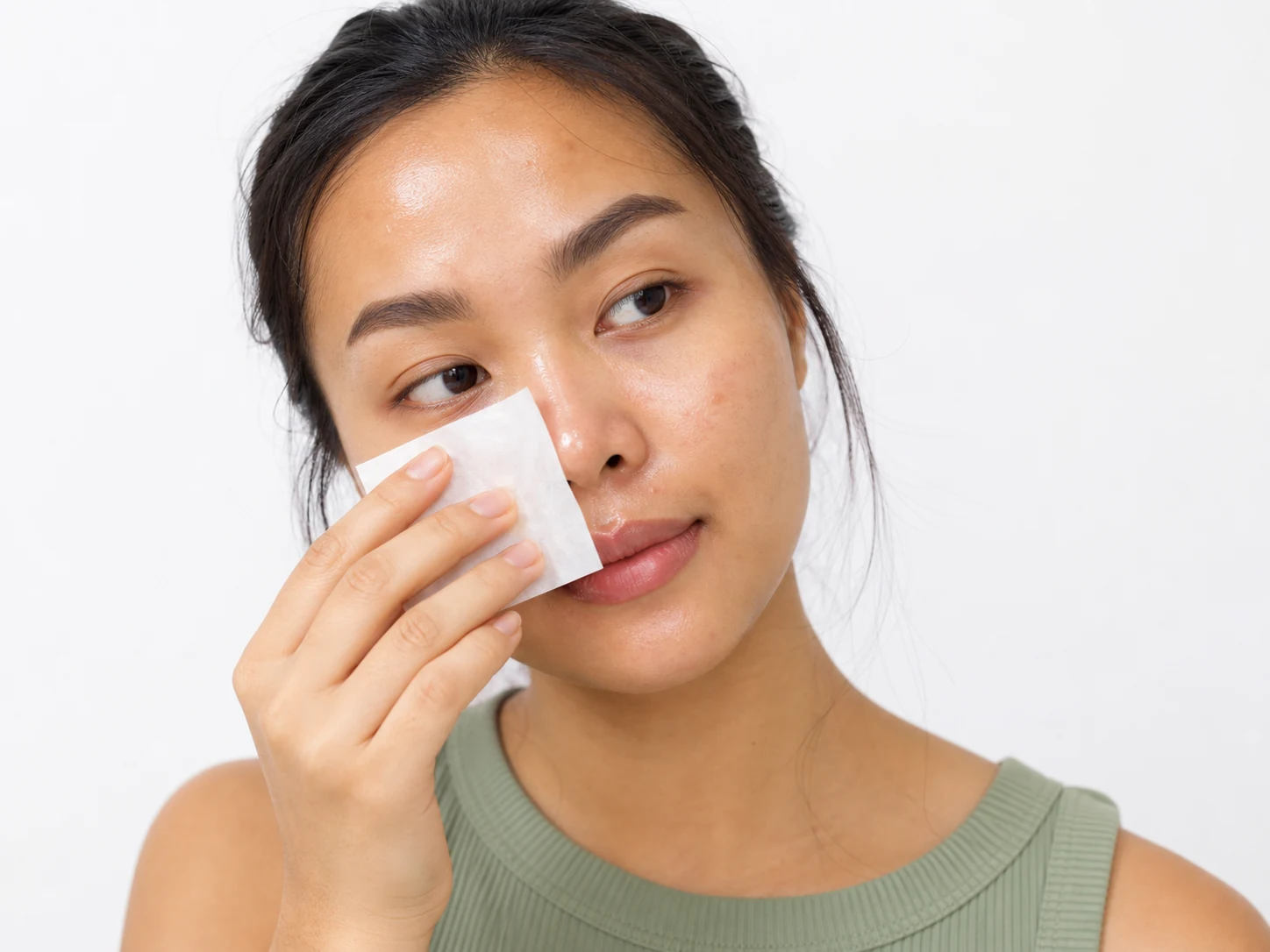
Niacinamide is supposed to be anti-inflammatory and acne-fighting, yet some people break out from it.
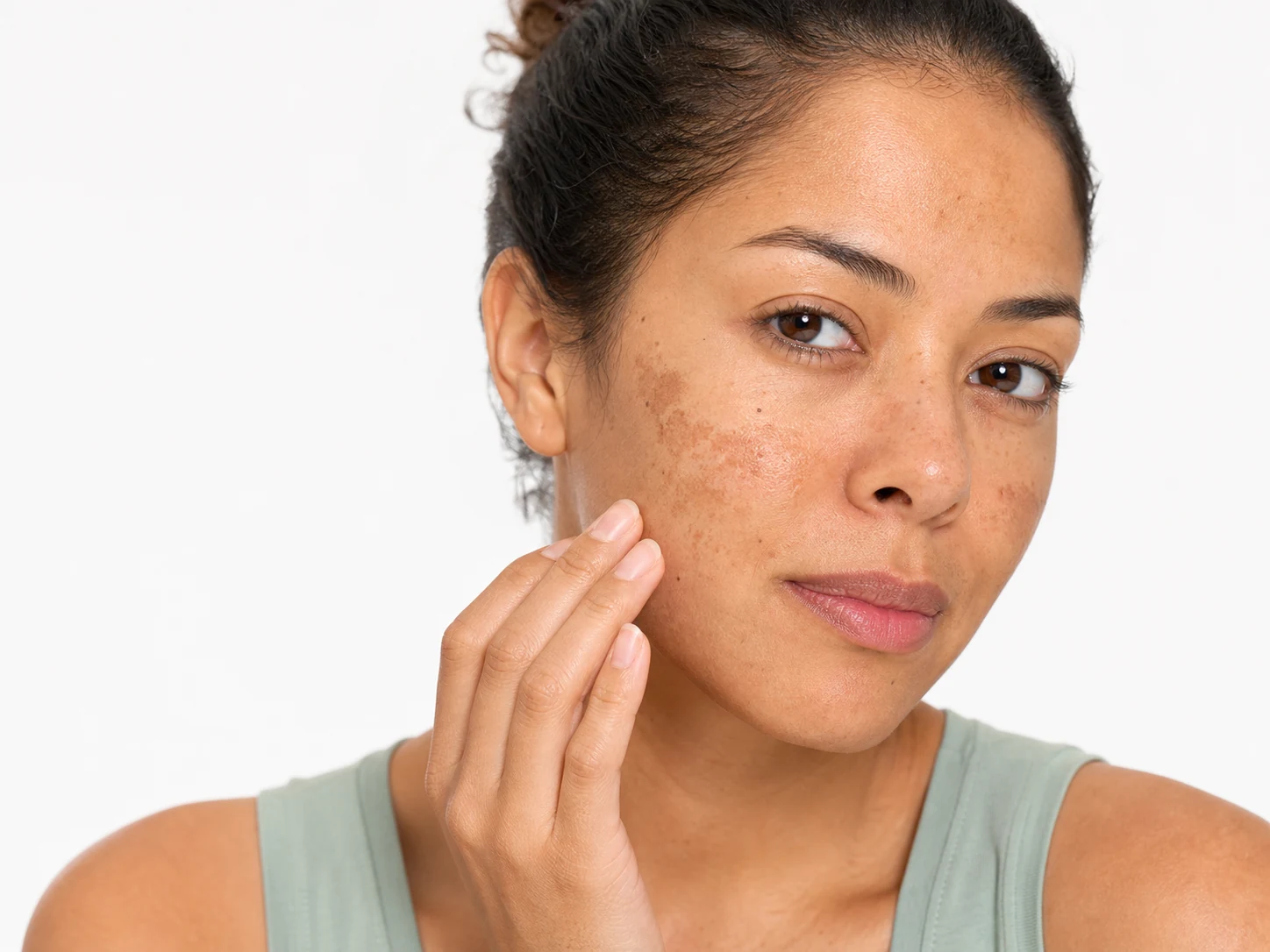
Why
The surprising thing is that niacinamide is one of the most well-studied brightening ingredients, so a darkening effect seems to contradict everything we know about it.
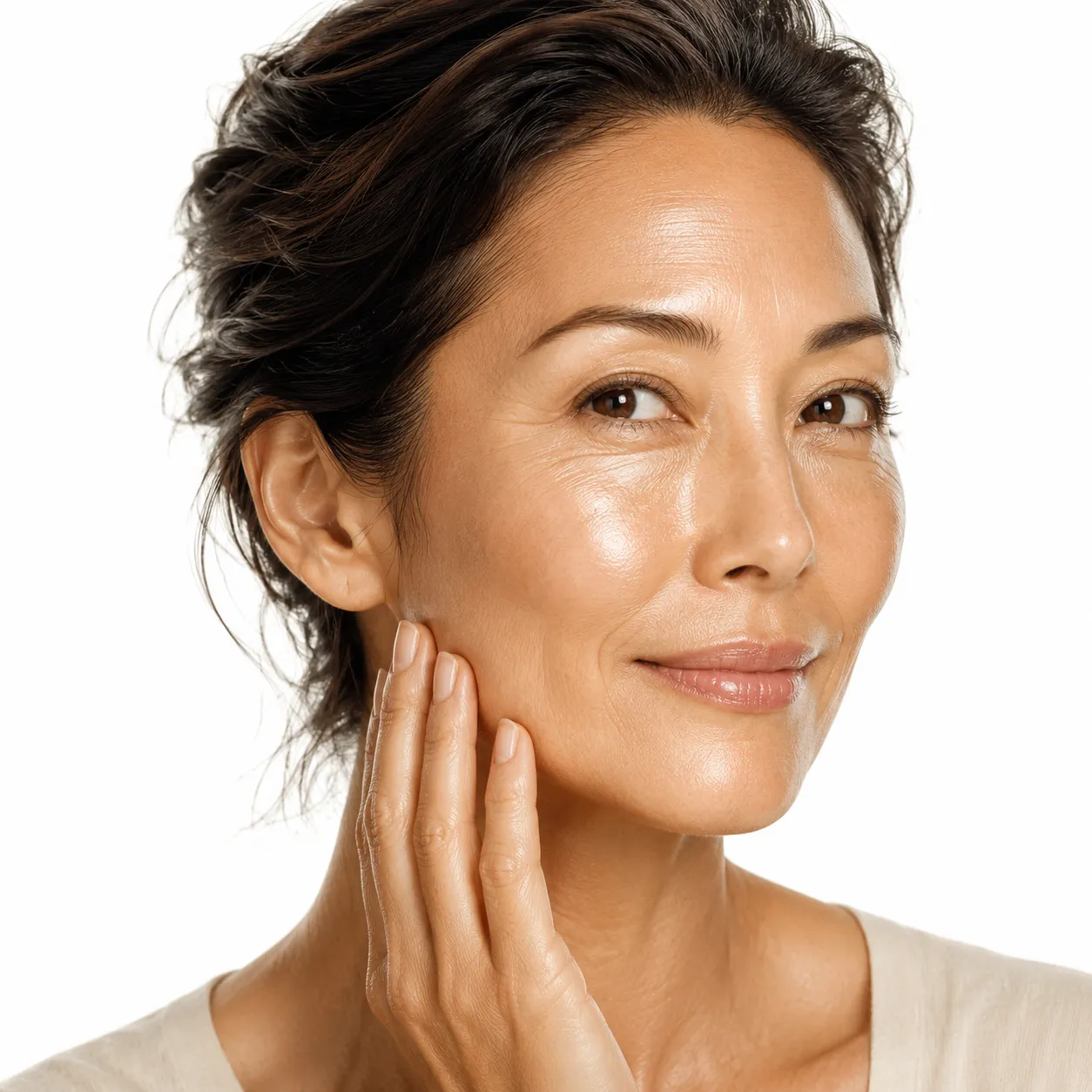
Why
While dry skin types often see fine lines and wrinkles appear first, oily skin seems to hold onto its smoothness for longer.
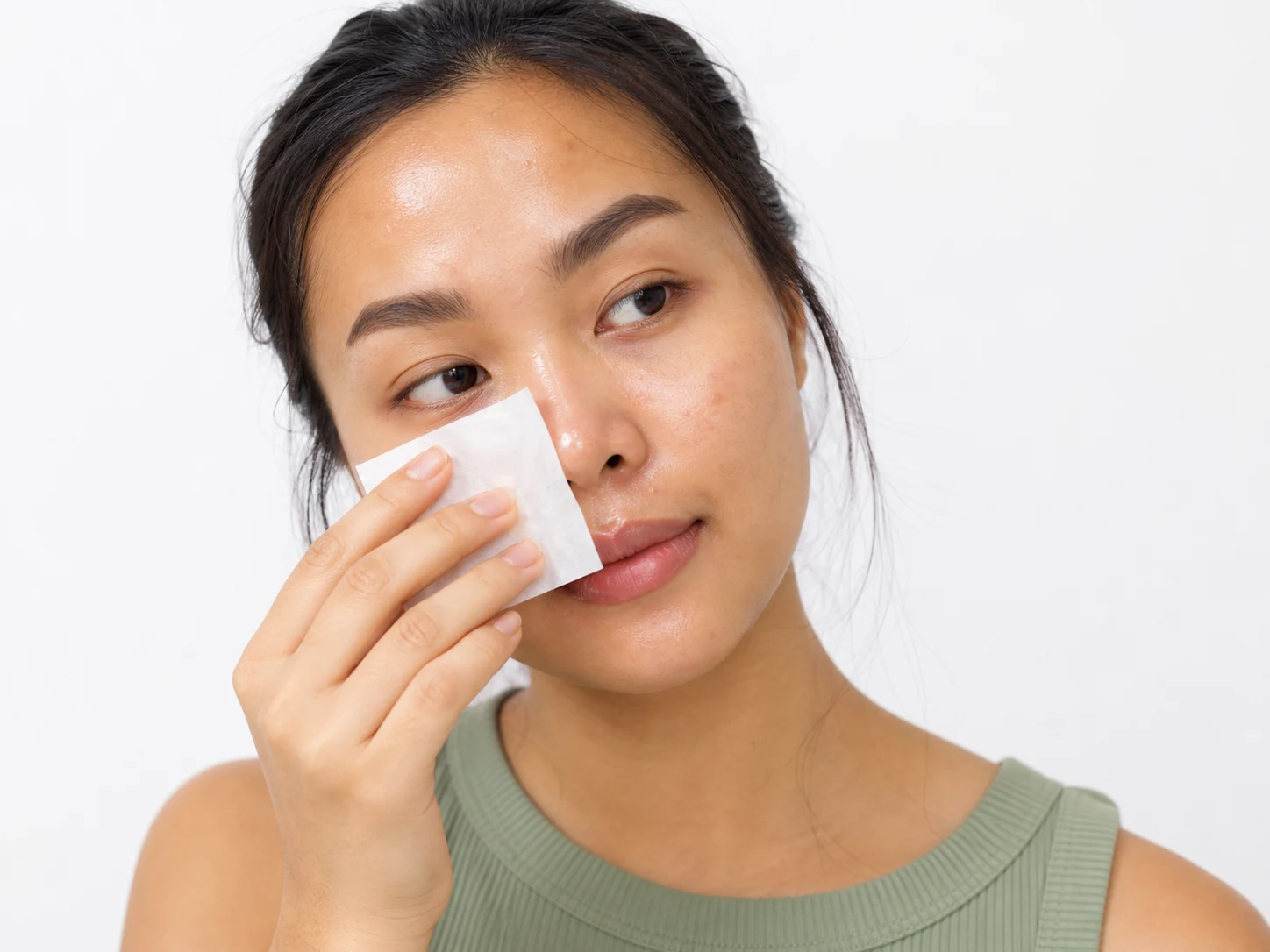
Why
It is not that the oil glands take a holiday, it is that winter attacks the skin's water supply from several directions at once.
Cold outdoor air holds less moisture, indoor heating dries it out further, and hot showers strip away surface oils, all at once. Oily skin can handle a lot, but winter attacks the barrier from multiple directions simultaneously, which is why shine often gives way to tightness and flaking once temperatures drop.
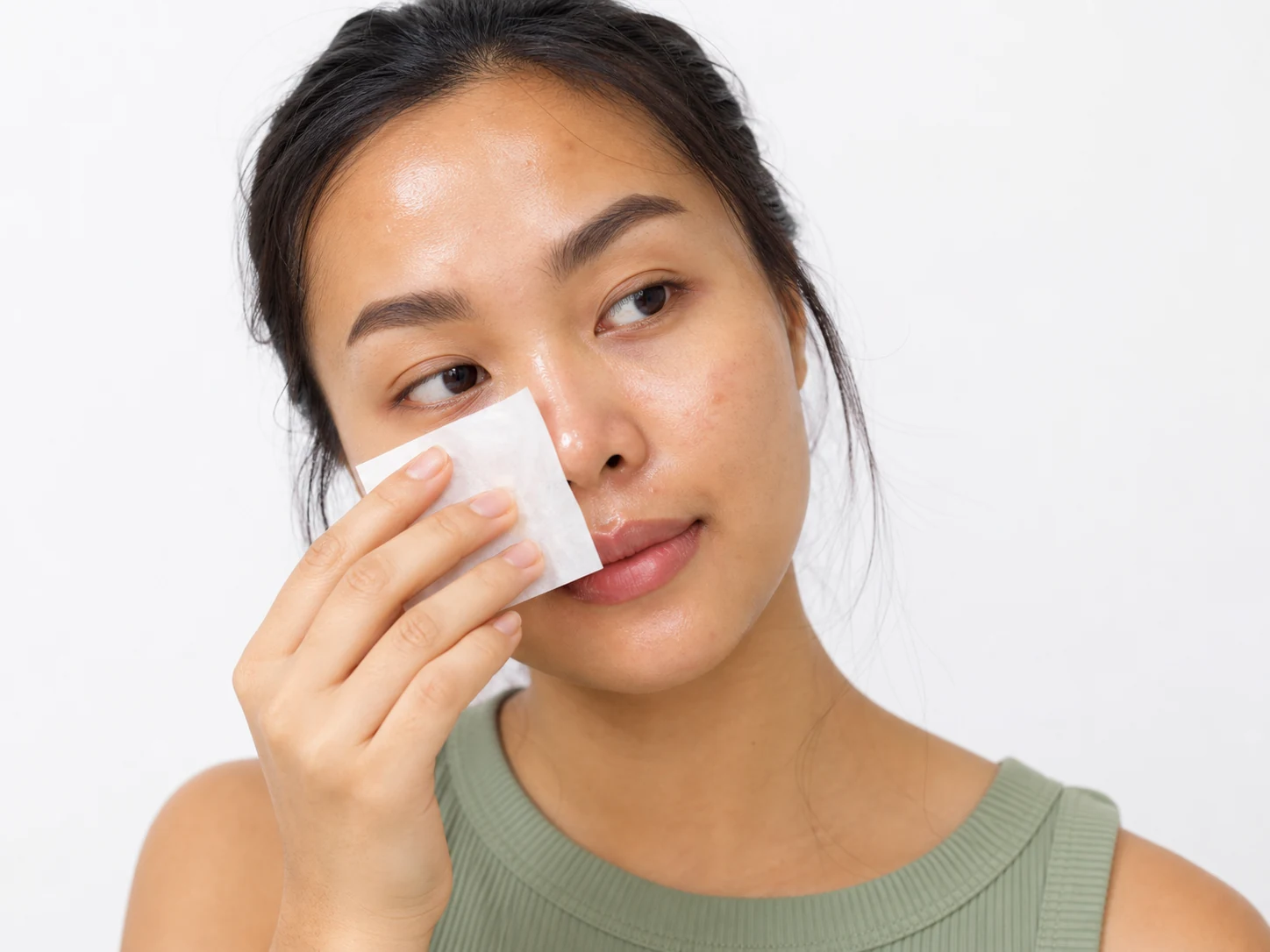
Why
The oil glands have not necessarily gone anywhere, something else in the system has changed.
Why
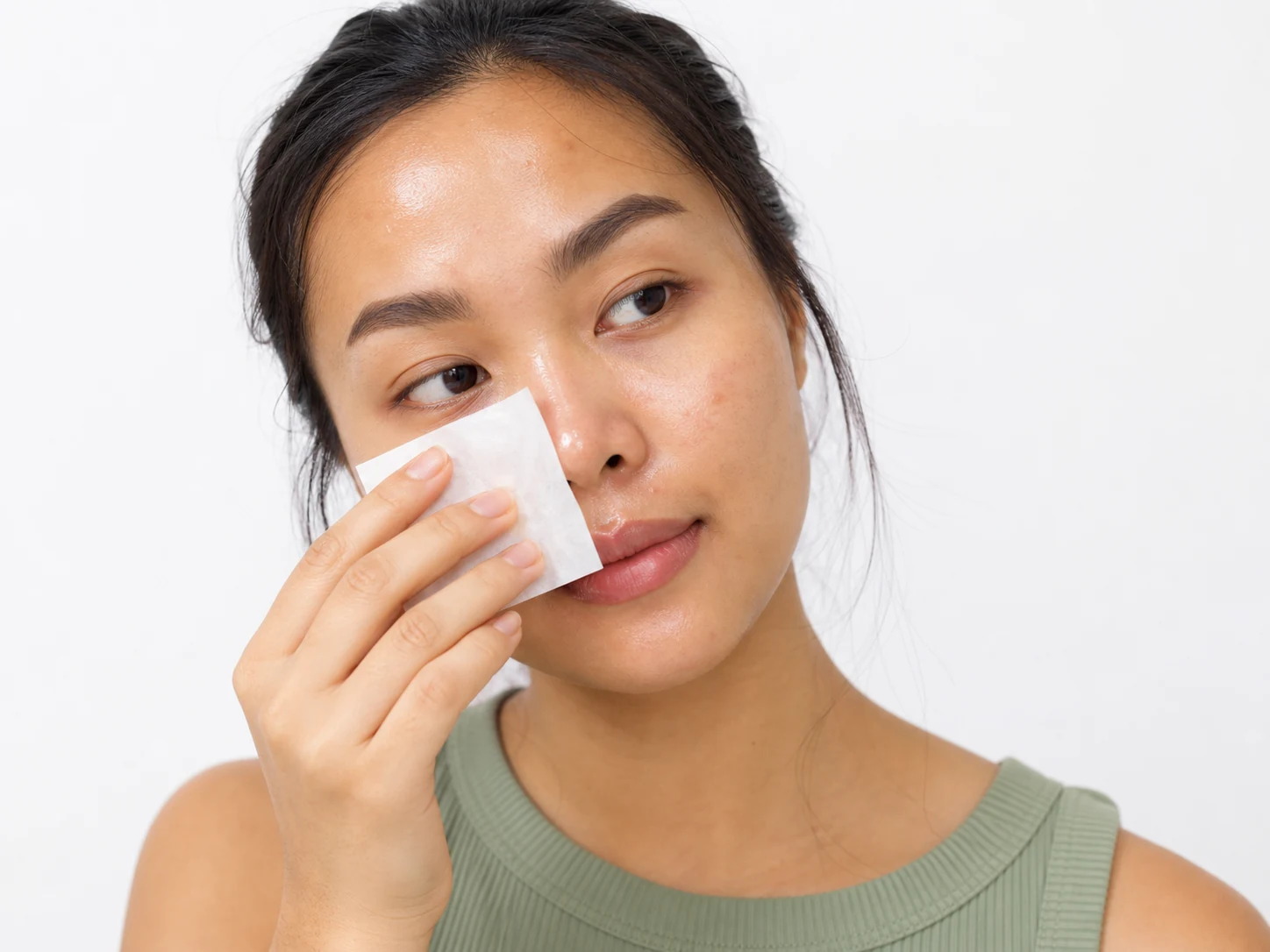
The relationship is real, but it's more of a supporting role than a starring one, oil sets the stage, but it takes a few more players to actually cause a breakout.
Why
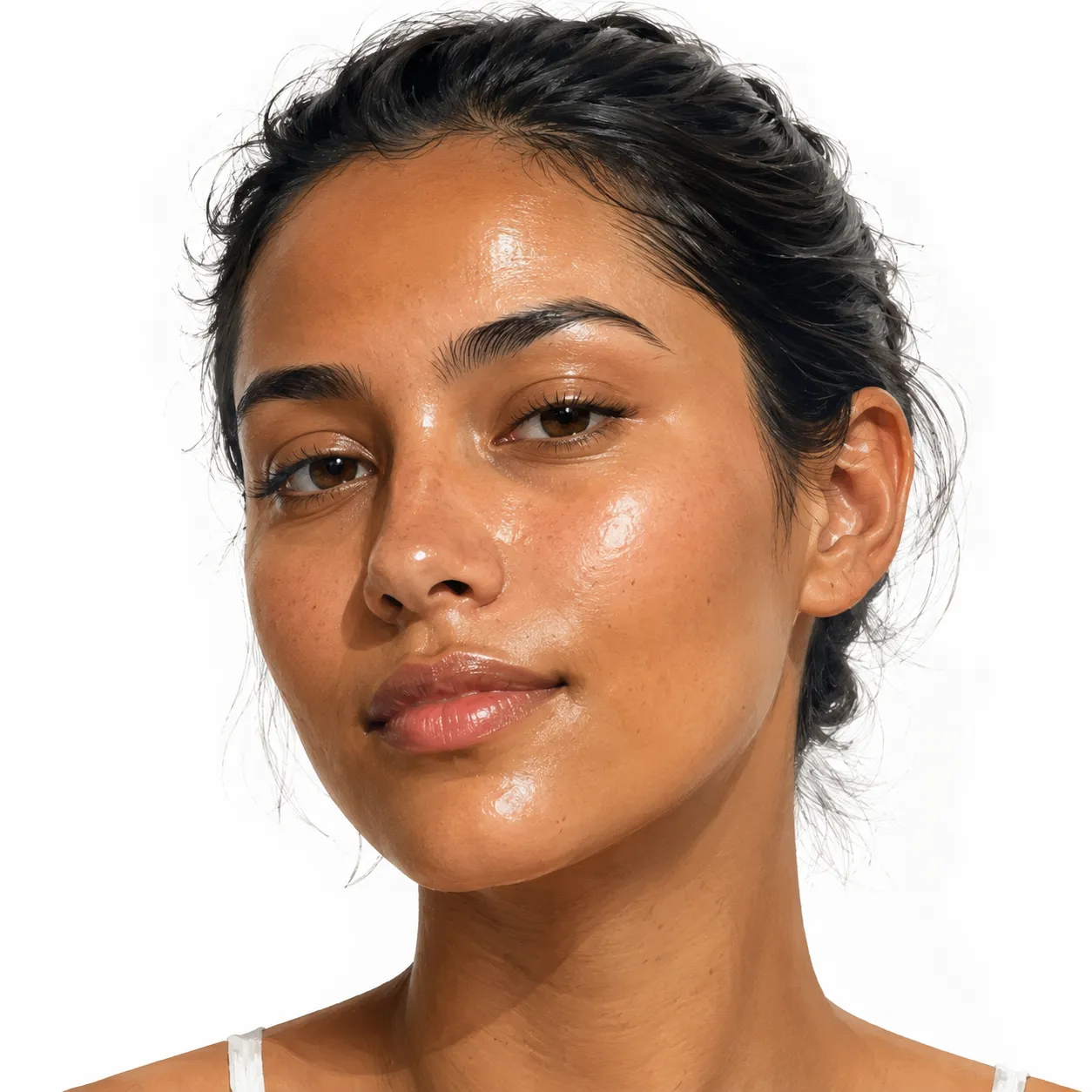
Oily skin, which tends toward acne and the inflammation that comes with it, ends up with a lot of these pigment-producing events.
Why
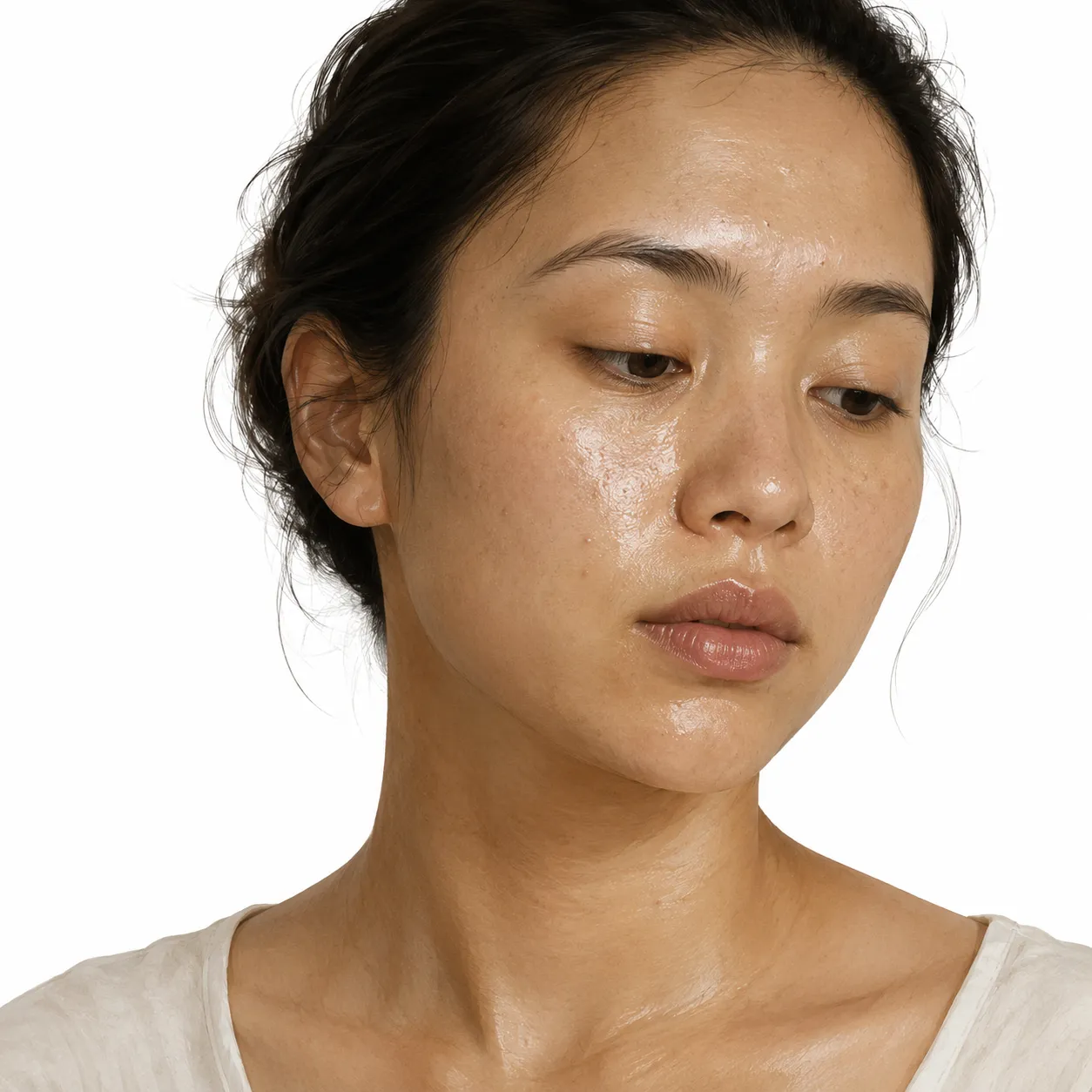
The oil is there, so where's the glow? The answer lies not in the oil itself, but in what it's doing to the skin's surface.
Oily skin has a paradoxical relationship with glow. It can look shiny and greasy, yet somehow still dull and lackluster. The problem isn't the oil itself - it's what the oil does. Oily skin tends to hold onto dead skin cells, which scatter light and give the skin a flat, tired appearance that no amount of shine can fix.
Why
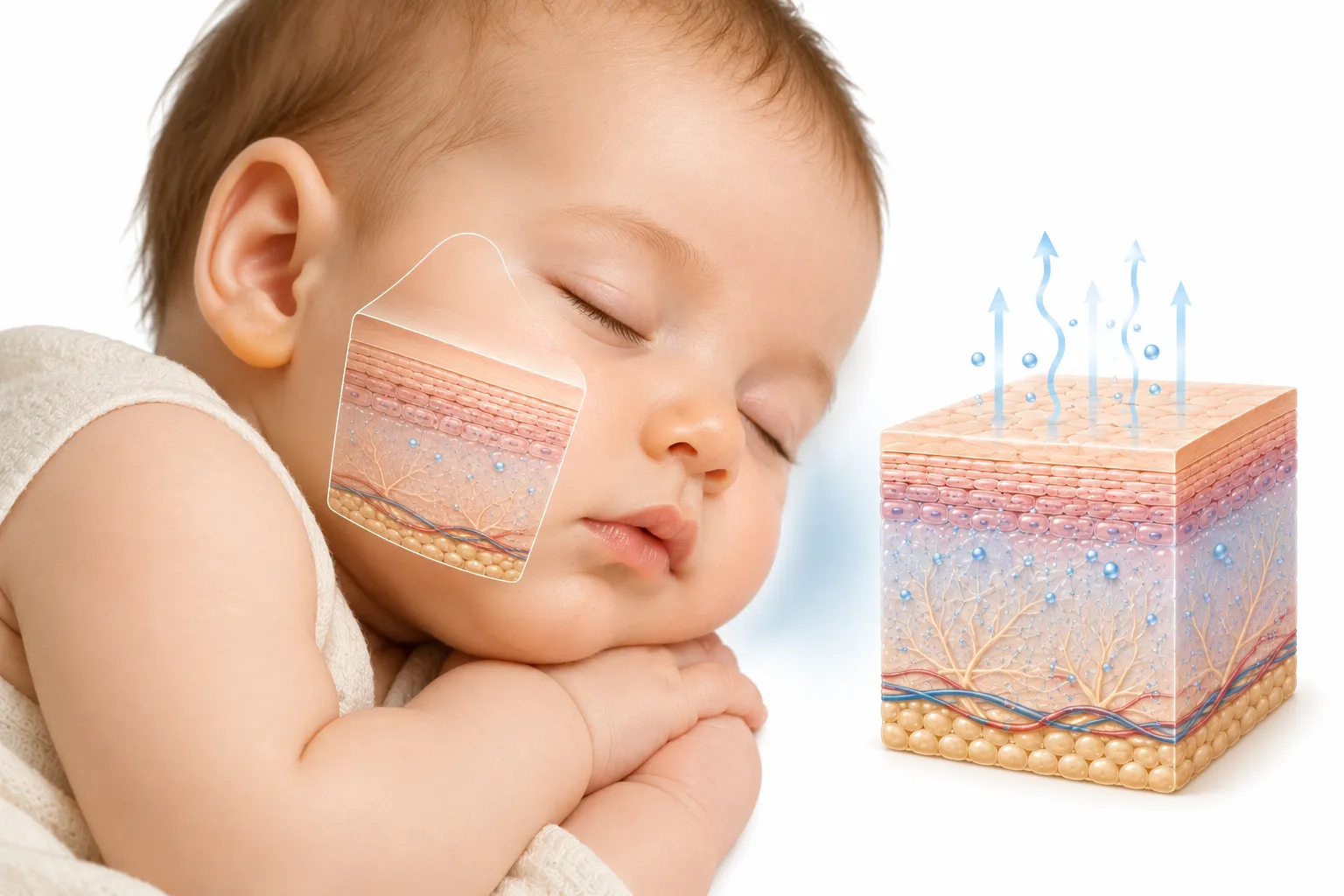
The same qualities that make baby skin so pleasant to touch also make it highly sensitive, prone to dryness, irritation, and reactions.

Why
It's not just dehydration from frequent urination, though that plays a part. Diabetes fundamentally changes how the skin regulates moisture, long before other symptoms appear.
Why
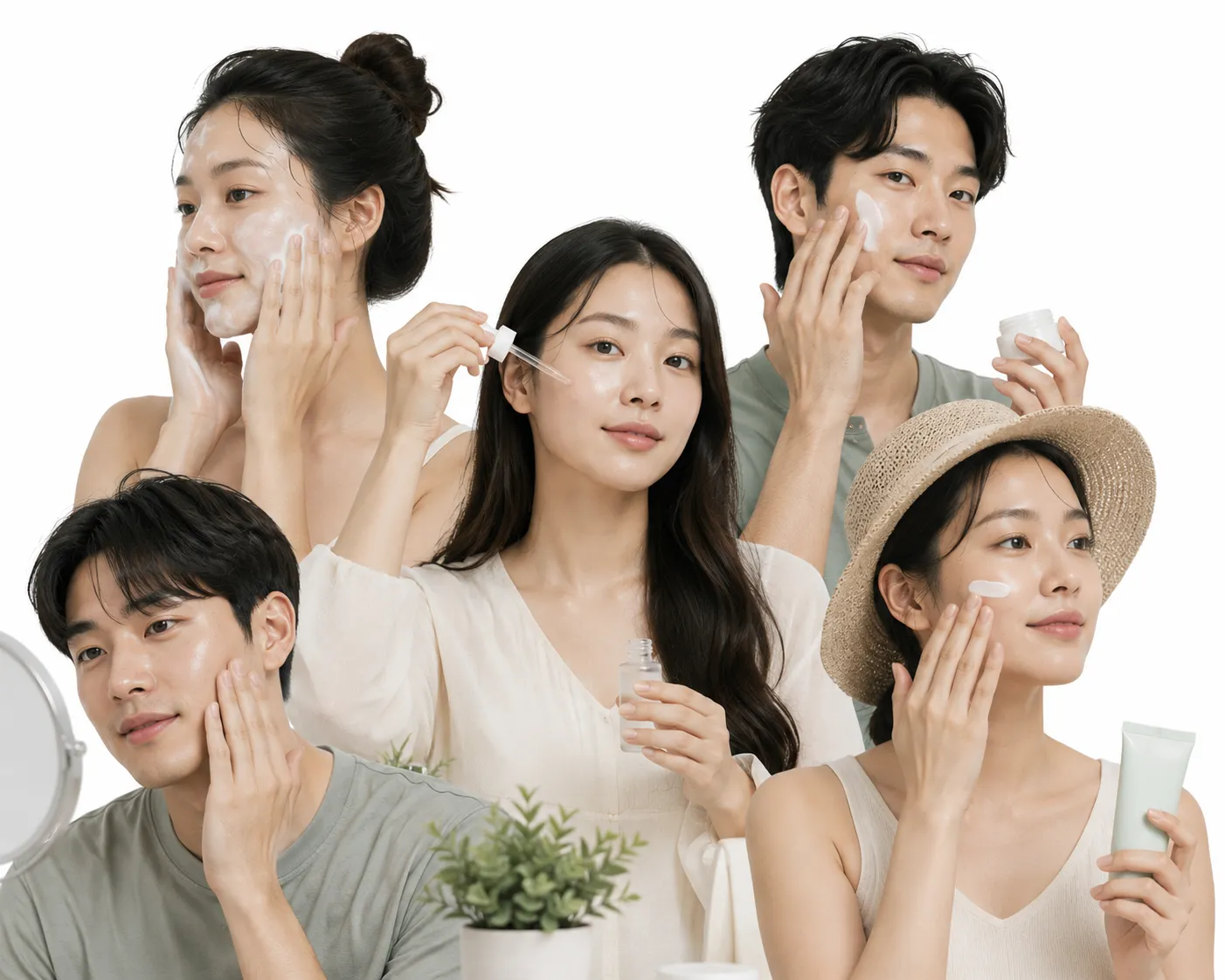
A lot of what looks like magic is actually consistency: gentle cleansing, layered hydration, and sunscreen treated as a non-negotiable daily habit rather than an occasional afterthought.
Part reputation, part genuine routine culture: South Korea's widespread emphasis on gentle, consistent, multi-step skincare, layered hydration, and diligent sun protection plays a bigger role than any single miracle ingredient.

Why
But when you break it down, it's caused by a very specific combination of factors that affect millions of people, and the pattern is remarkably predictable.
Melasma is caused by a well-defined chain of events. It's not a mystery but a predictable response of the skin to a specific set of triggers that vary from person to person.

Why
Melasma rarely cooperates that way; patches that seem to have cleared can return within weeks of a single unprotected afternoon outdoors, which makes it feel less like a stain and more like a recurring weather pattern.
Why
The frustration is real, but the reasons are usually simple.
Why
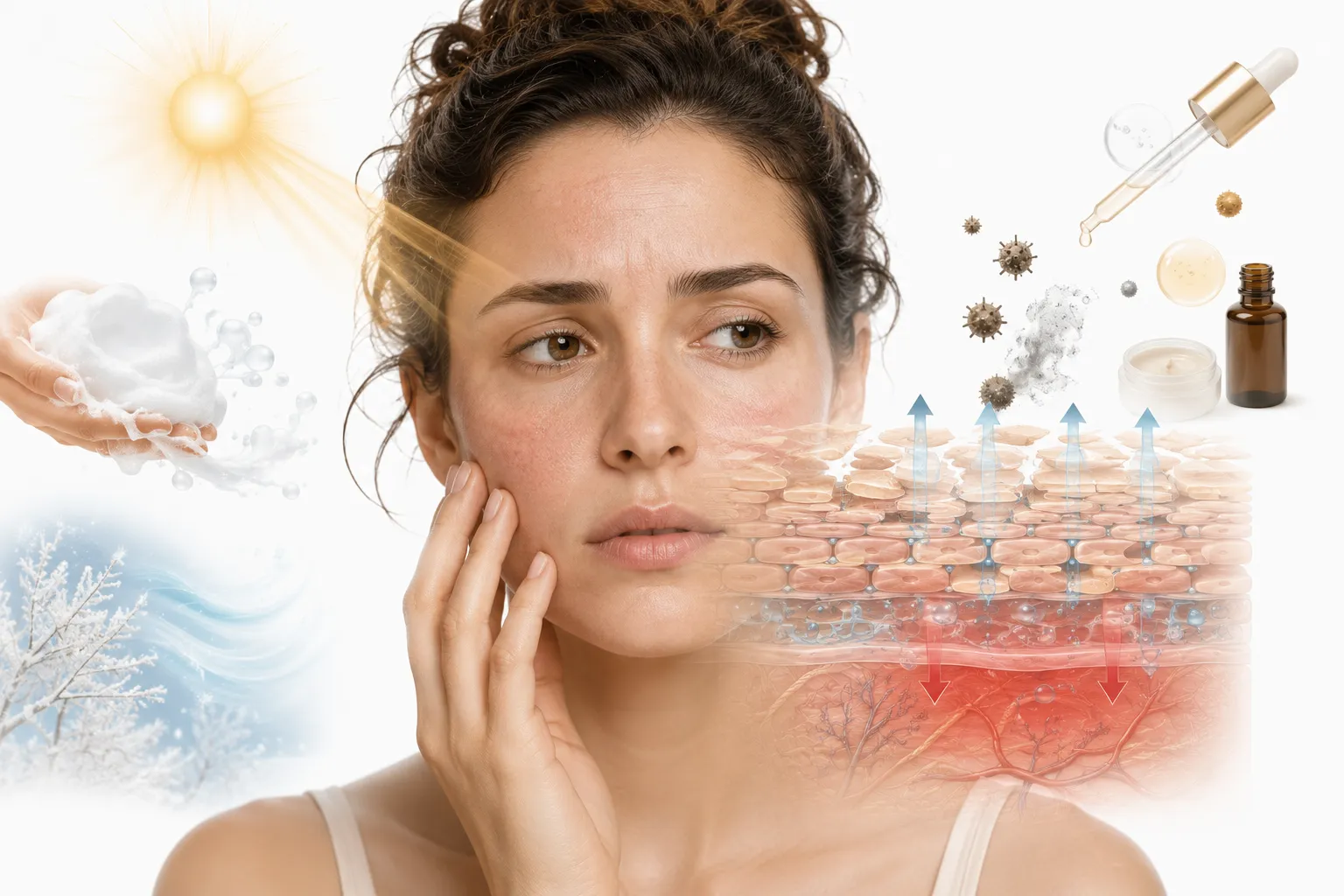
In the vast majority of cases, the explanation is not mysterious at all, it is sitting somewhere in the last few weeks of product changes, weather shifts, or habits that quietly went a bit too far.
Why
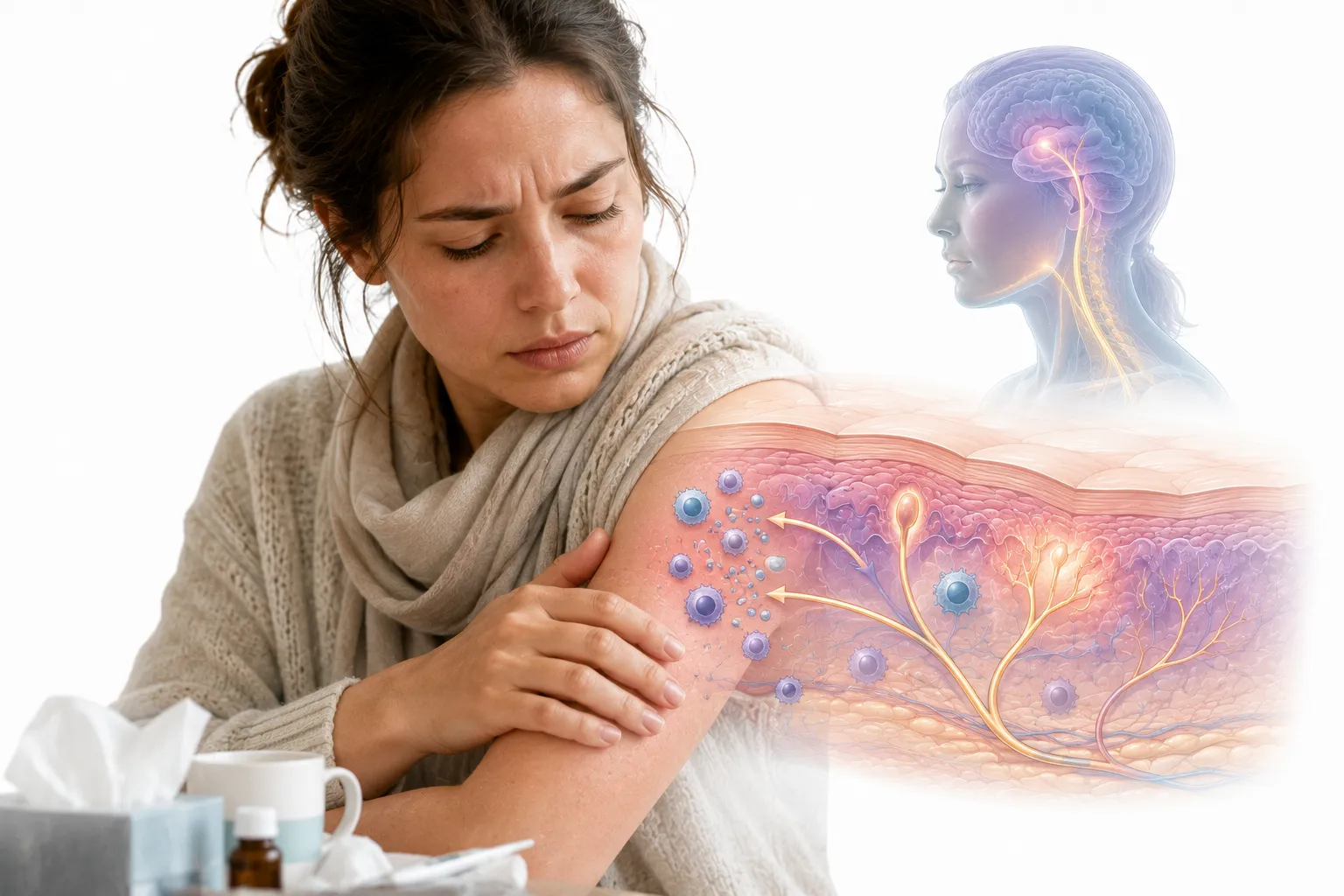
The skin's nerve endings have become hyper-sensitive, reacting to stimuli that wouldn't normally cause discomfort.
Skin sensitivity to touch - also called tactile allodynia - occurs when nerve endings in the skin become sensitized, reacting to stimuli that wouldn't normally cause pain. It can be caused by a damaged skin barrier, a skin condition like rosacea or eczema, or a systemic issue like fibromyalgia or a viral infection. If it's painful, see a doctor.
Why
The connection between being sick and sensitive skin is one of those things you notice but rarely think about, like how your joints ache or your eyes feel heavy.

Why
The frustrating part is that this usually happens when you haven't changed anything obvious in your routine, which makes it feel like your skin has developed a personal vendetta.
Sudden dry, flaky skin is rarely a mystery - it's usually triggered by a change in weather, a new skincare product, a medication, or an underlying health condition. The skin barrier adapts slowly, and when something disrupts it quickly, the flaking is the first sign you see.
Why
Sudden sensitivity is one of the most common complaints in dermatology - and it's almost always traceable to a specific cause.
Why
The answer is usually a combination of barrier damage and nerve sensitivity - the skin is letting in things it shouldn't, and those things are setting off alarms.
Your skin is sensitive because its barrier is compromised - either structurally weak or hyper-reactive. Common causes include genetics, sun damage, harsh skincare products, over-exfoliation, and underlying conditions like rosacea or eczema. Lifestyle factors like stress, diet, and weather changes can also make sensitivity worse.
Why
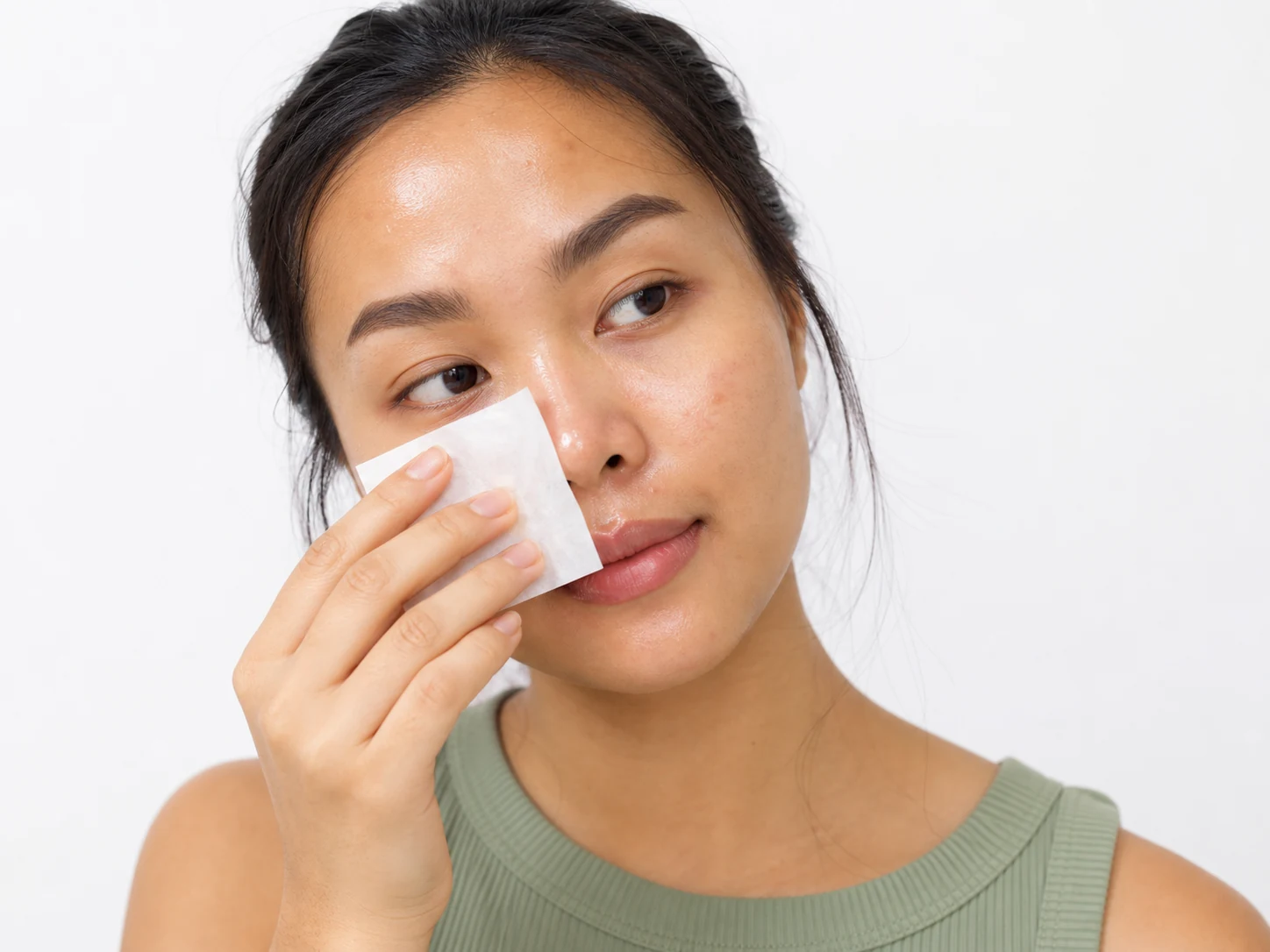
The surprising thing is that niacinamide is one of the most well-studied and safe ingredients in skincare. The idea that it's being banned is almost certainly a misunderstanding.
Why
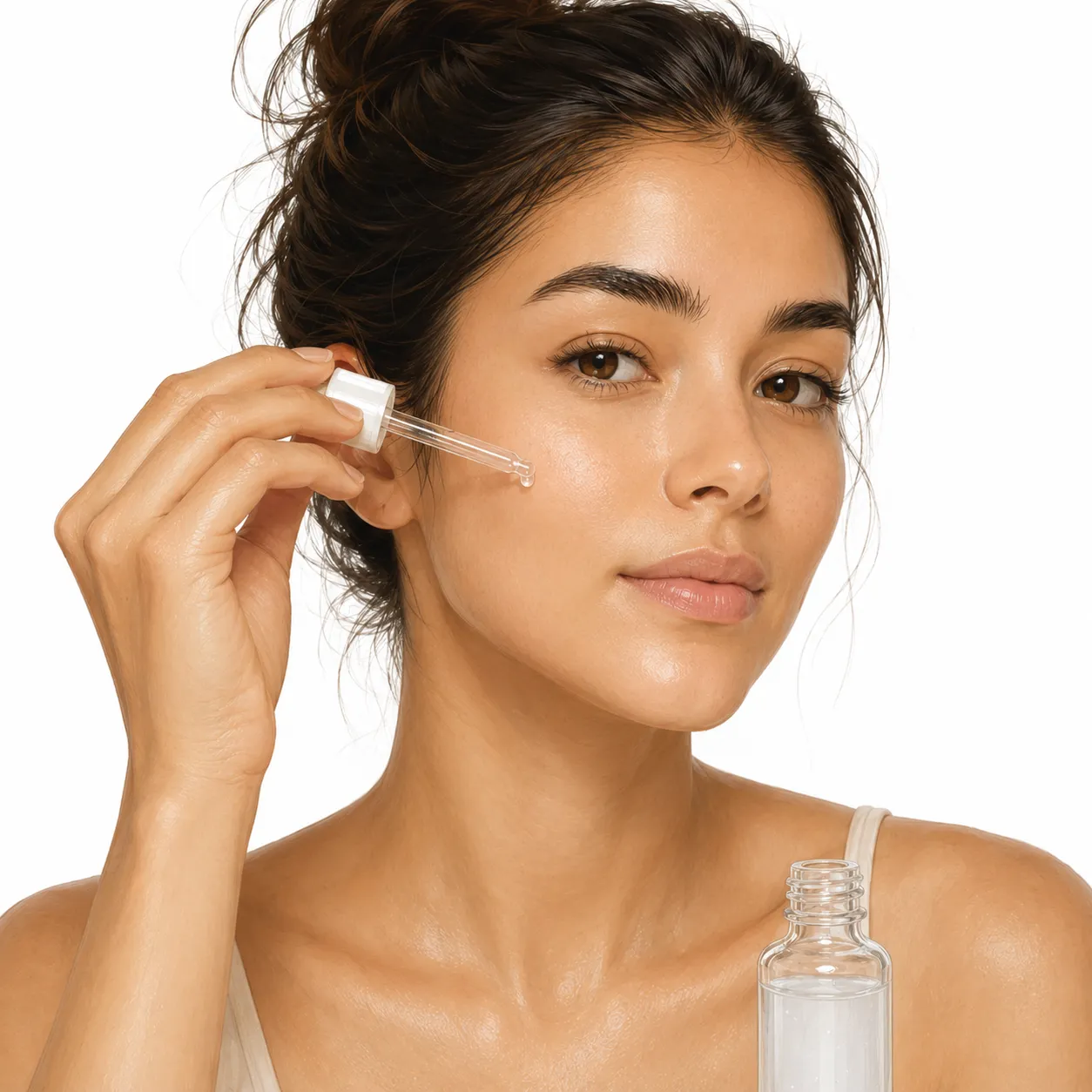
The surprising thing about niacinamide is that it doesn't just attack one of these fuels - it works on several at once, making it a remarkably versatile acne treatment.
Why
The surprising thing about niacinamide is that it doesn't just mop up the oil - it turns down the pressure on the hose itself.
Why
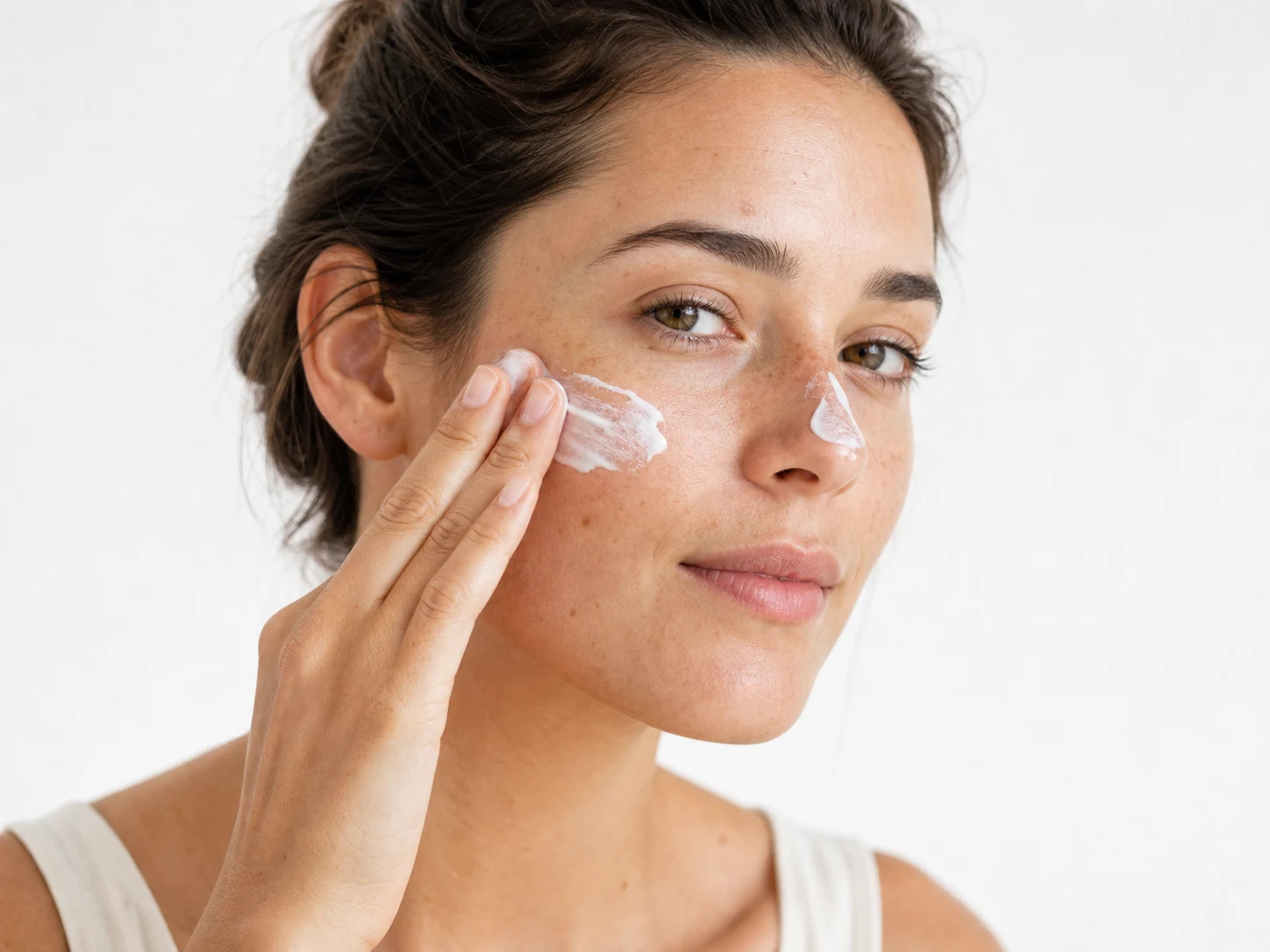
Niacinamide is more like a Swiss Army knife with a tool for almost every skin problem.
Niacinamide isn't just one of those ingredients that marketers like to talk about. It's genuinely one of the most versatile and evidence-based skincare ingredients available.
Why
The surprising thing is that niacinamide has a long history in metabolic health, well before it became a skincare staple. Its role as a cofactor in cellular energy makes it a logical partner.
Tirzepatide has become a well-known name in metabolic health, and some formulations combine it with niacinamide. The pairing raises questions: why would a skincare ingredient appear alongside a medication for blood sugar and weight management?
Why
The surprising thing is that niacinamide usually does work - it's just that the reasons for "not working" are often related to how it's being used, not the ingredient itself.
Why
The surprising thing is that this single ingredient, a form of vitamin B3, can address such a wide range of skin concerns with so few side effects.
Why
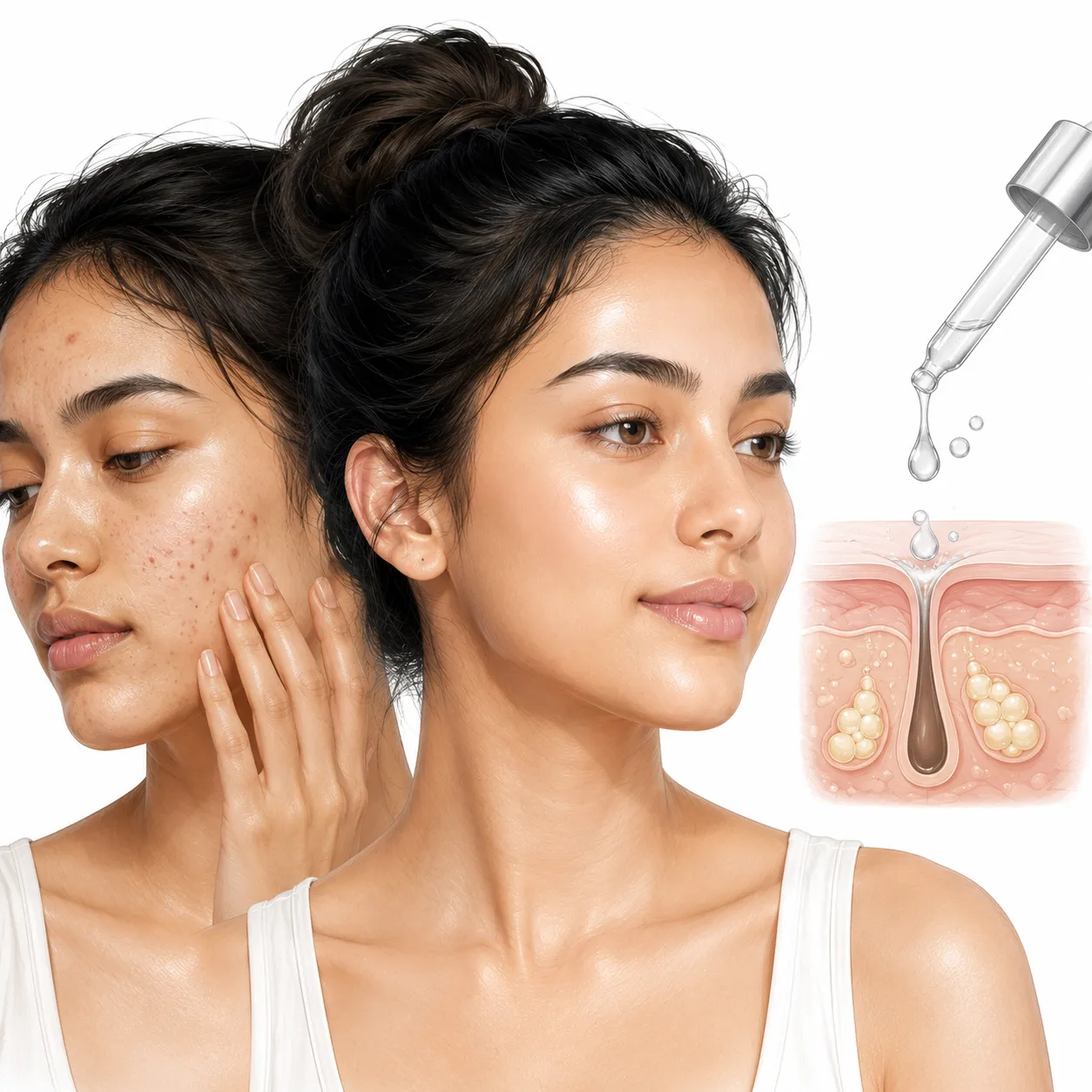
Niacinamide is recommended for acne, aging, pigmentation, barrier issues, rosacea, and more.
Niacinamide is used in skincare for so many reasons because it addresses such a wide range of concerns. It's one of the most prescribed ingredients in dermatology.
Why
Salicylic acid does something stranger and more useful: it dissolves into oil and follows it down into the pore itself.
Why
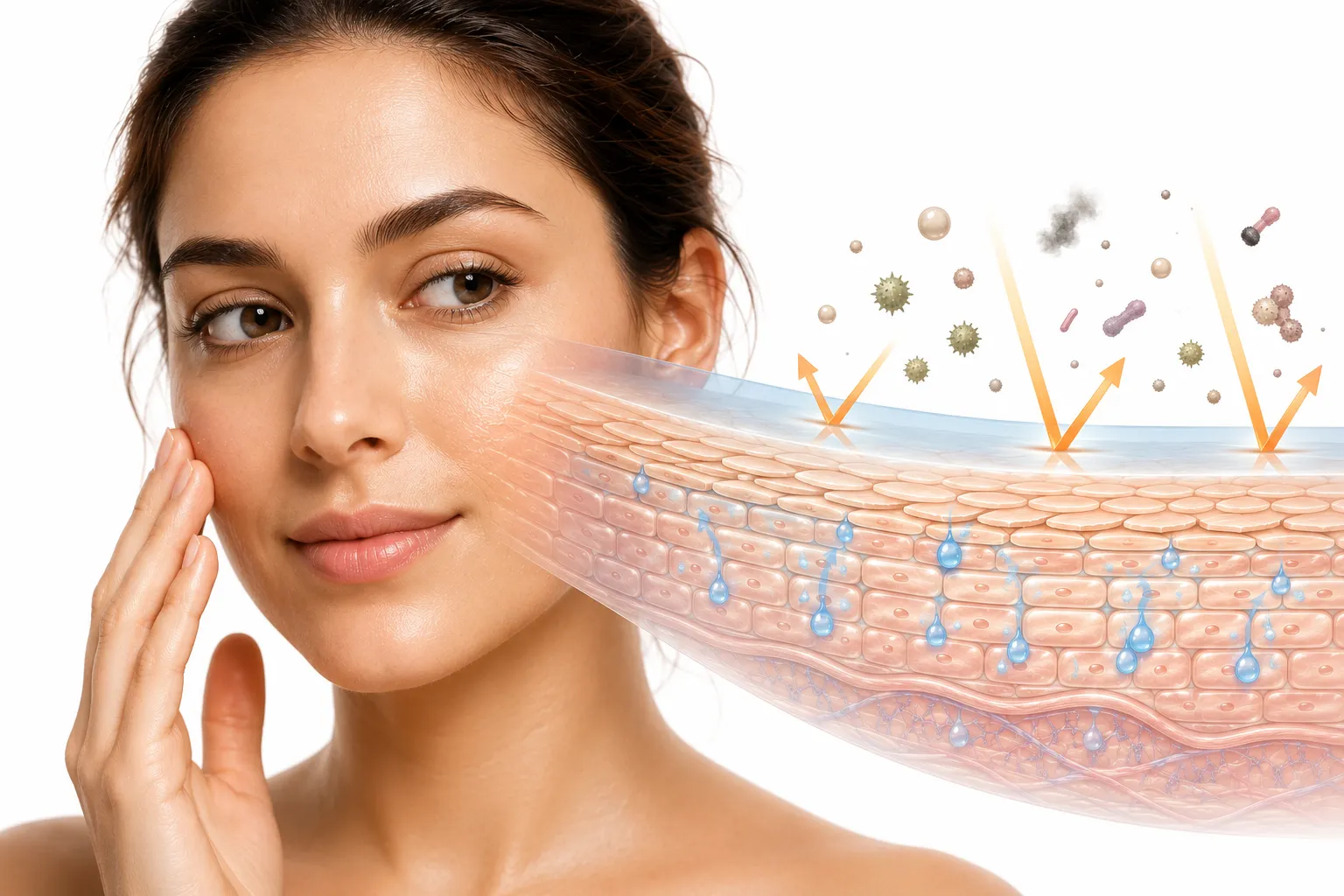
Underneath nearly all of them sits the same shared foundation, and when that foundation is compromised, almost every other concern tends to get harder to manage at the same time.
Why
Niacinamide falls firmly into the second category. It's been a staple in dermatological practice for decades, and for good reason.
A few gentle first stops if this corner of skincare still feels new.
A few first stops if “Why...” questions still feel new.
Recently updated
Other kinds of questions wait just next door.
Can...
The polite pause before you try something new: will this get along with your skin?
Will...
What might change if you keep going: timelines, expectations, and honest outcomes.
Is...
Straight answers for claims, myths, and the questions that really want a yes or no.
Are...
When the question is about a whole category: ingredients, products, or the signs skin leaves behind.
Does...
Cause and effect: what a product or habit actually does once it meets skin.
Do...
Practical wondering about what skin needs, what routines ask for, and what to do next.