A gentle place to begin
A few first stops if “Can...” questions still feel new.
Questions that begin with “Can…”
The polite pause before you try something new: will this get along with your skin?
151 calm answers for the moments you hover over a bottle, or a habit, and wonder what comes next.
Popular guides
Can
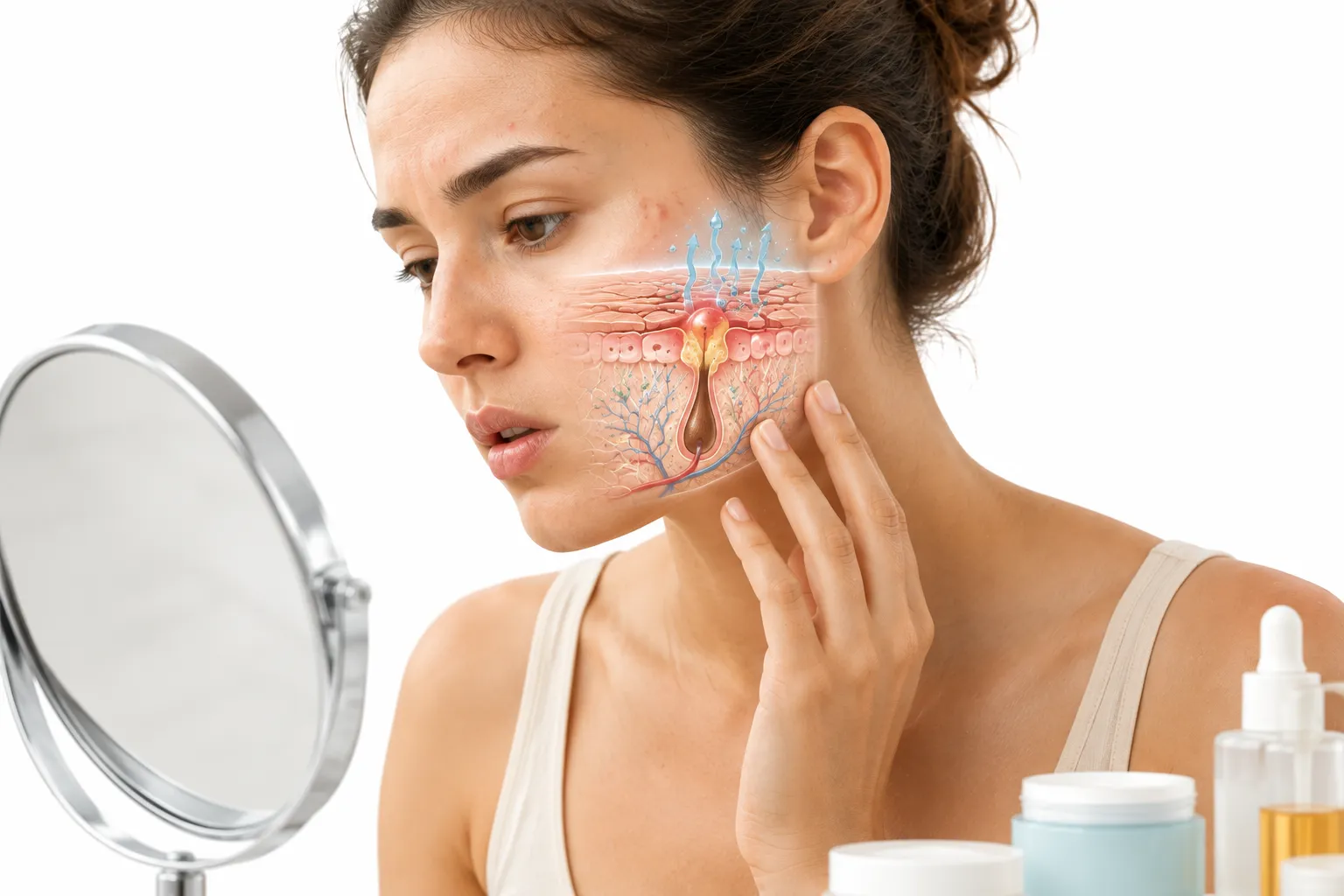
When your barrier is compromised, the bacteria that cause acne have an easier time setting up camp, and the resulting inflammation can be more severe and persistent.
The skin barrier is often overlooked in conversations about acne, but it plays a crucial role. A compromised barrier doesn't directly cause acne, but it creates the perfect environment for breakouts to flourish - and it makes existing acne much harder to treat.

Can
But not everyone tans the same way, and some people seem to tan effortlessly while others just burn.

Can
Niacinamide is the rare exception that seems to be equally good for everyone, from the oiliest T-zone to the most sensitive cheeks.
Can
Some skin types handle retinol like a dream, while others need a much more careful introduction.

Can
But if you have dry skin, sensitive skin, or just skin that's not particularly oily, salicylic acid can feel like an unnecessary risk.

Can
But for some people, vitamin C causes the exact opposite of a glow - irritation, redness, and breakouts.
Vitamin C is one of the most widely recommended skincare ingredients - and for good reason. It brightens, protects, and helps with aging. But the question of whether it works for all skin types is really a question of formulation. The same ingredient can be irritating or luxurious depending on how it's delivered.
Can
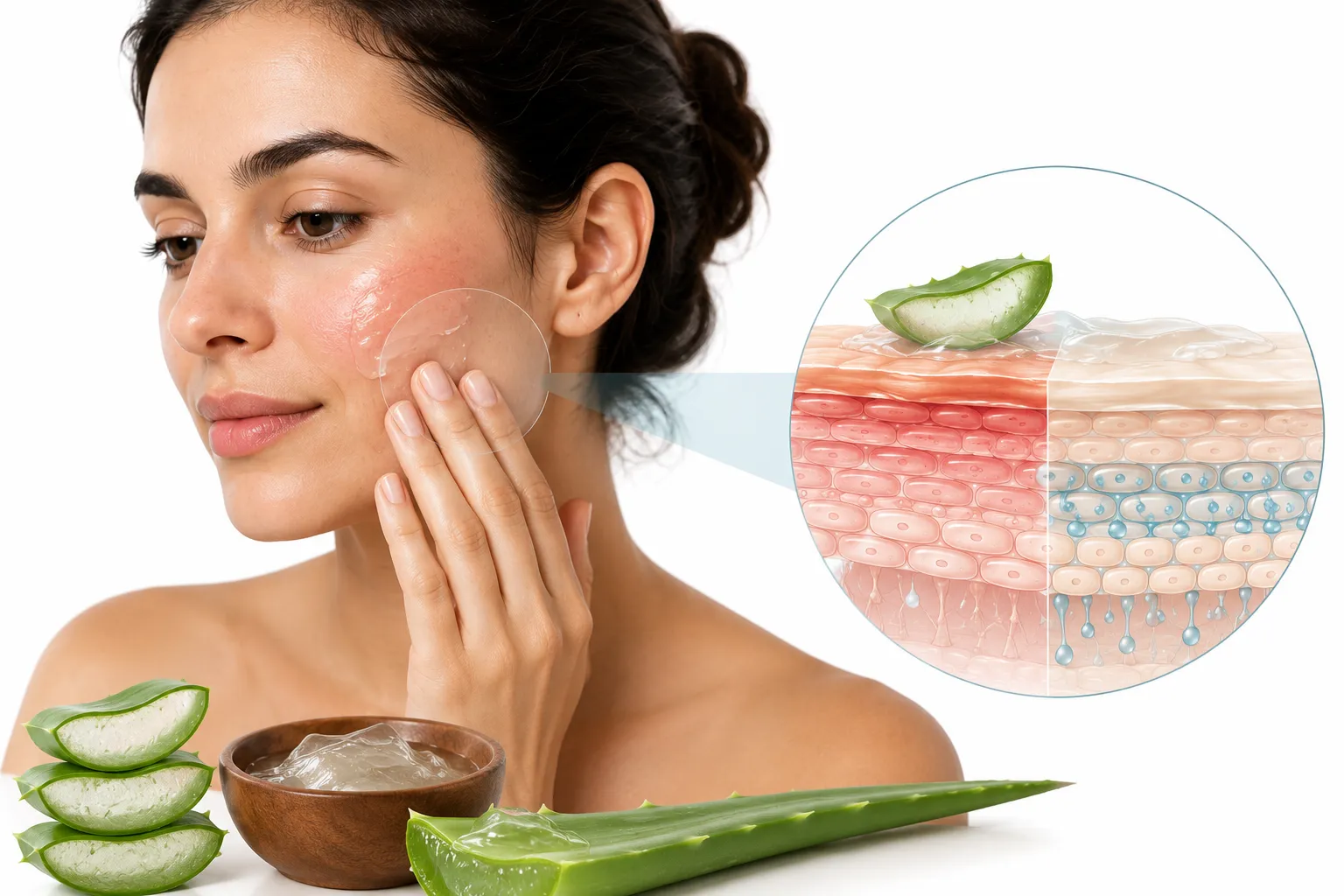
The plant's gel has anti-inflammatory and hydrating properties that are helpful for barrier health, but it doesn't actually rebuild the lipid structure of the barrier.
Can
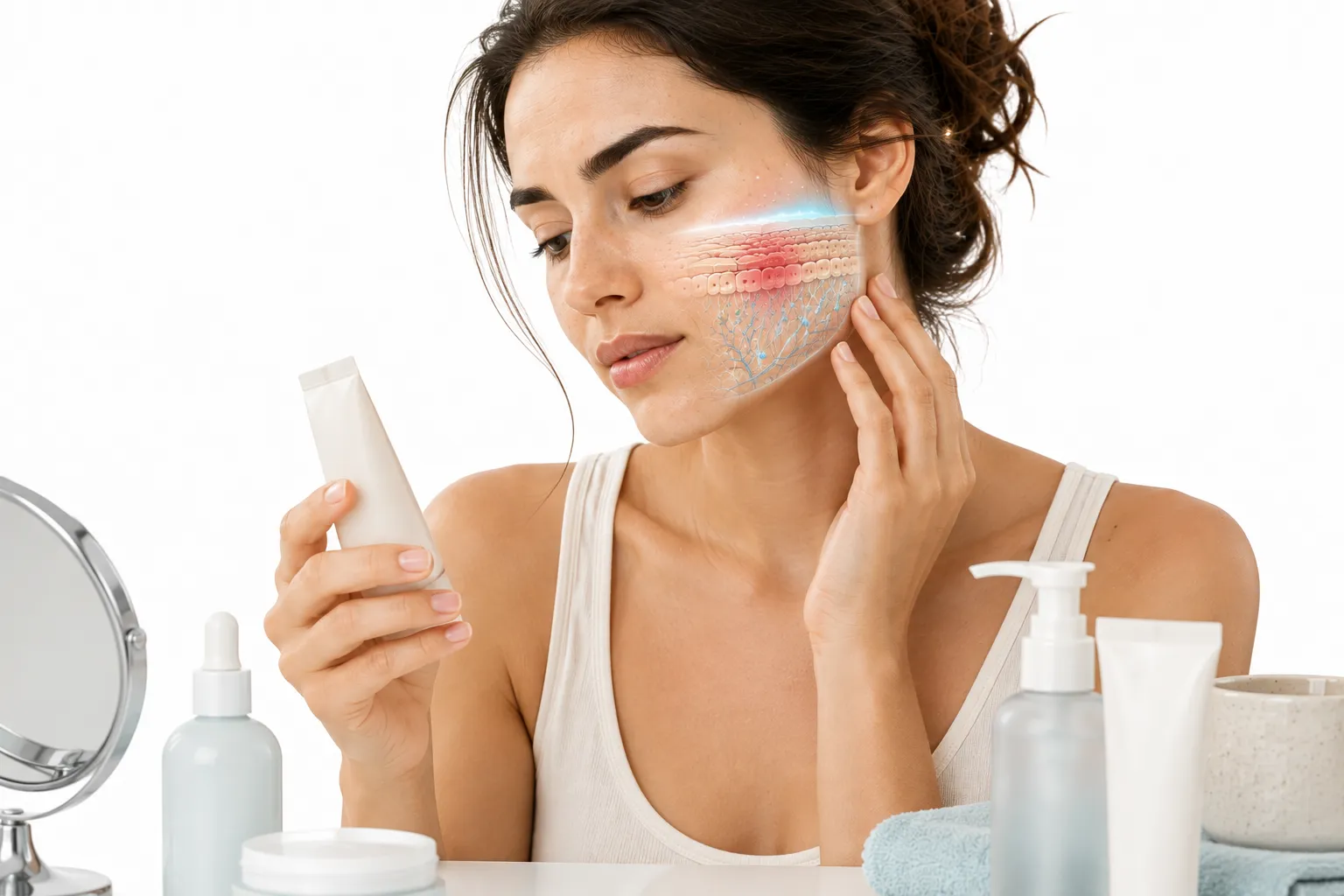
But can an acid that exfoliates really be barrier-safe? The answer is a qualified yes - it's about how you use it.

Can
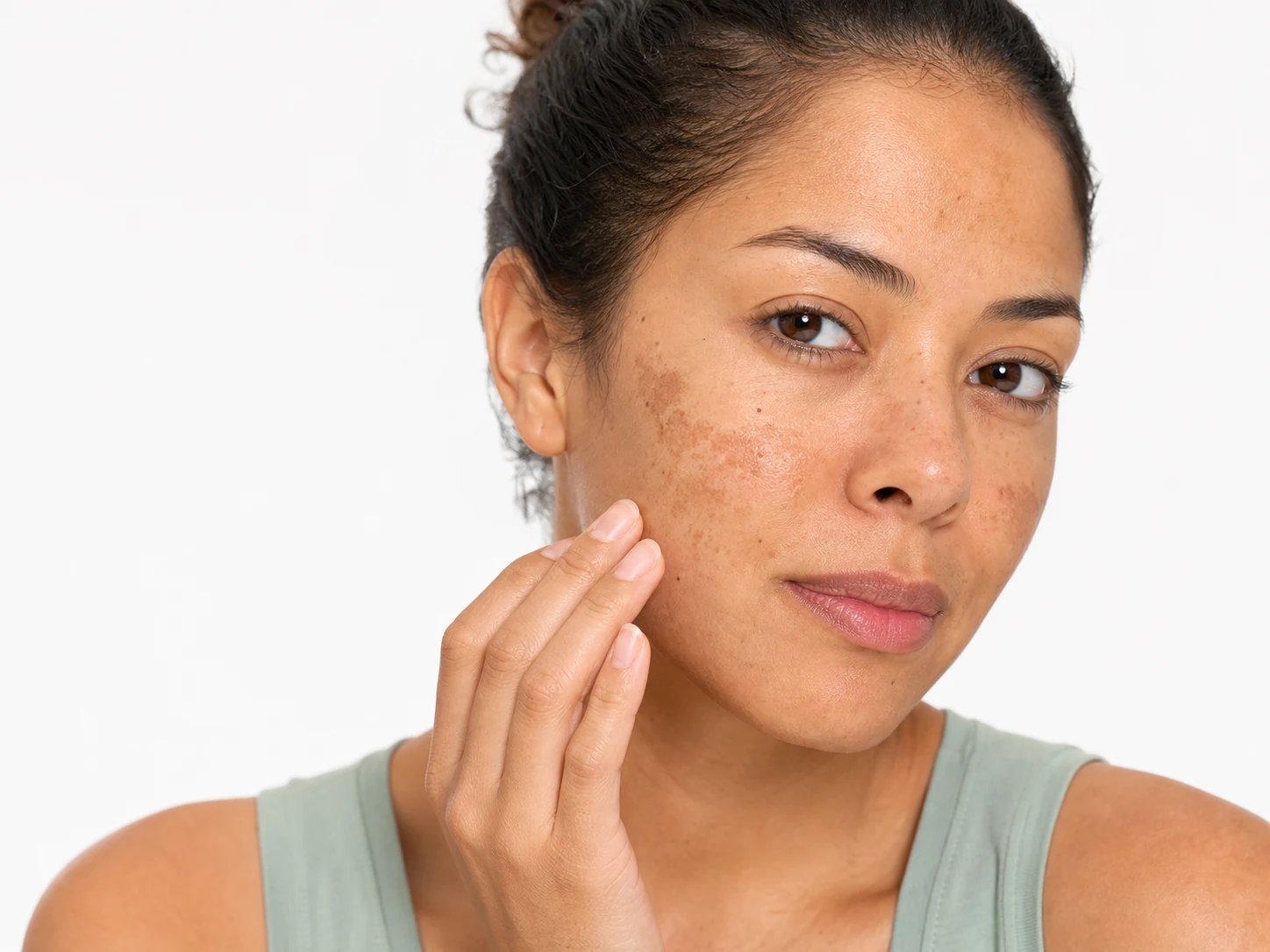
The same hormones that regulate your cycle also stimulate pigment-producing cells in your skin - and if you're prone to melasma, that stimulation can lead to brown patches that are as persistent as they are frustrating.
Can
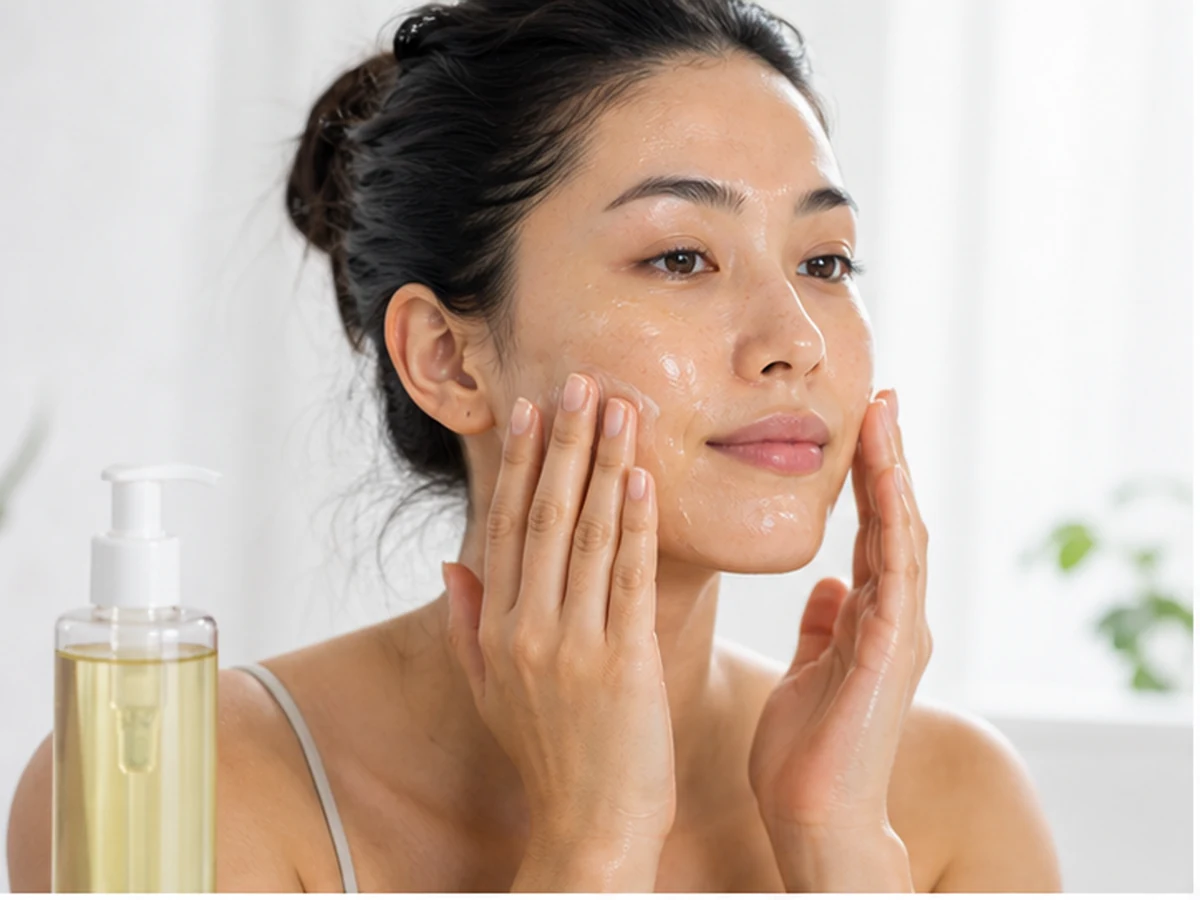
The answer is chemistry - oil dissolves oil in a way that soap and water simply can't match.
Can
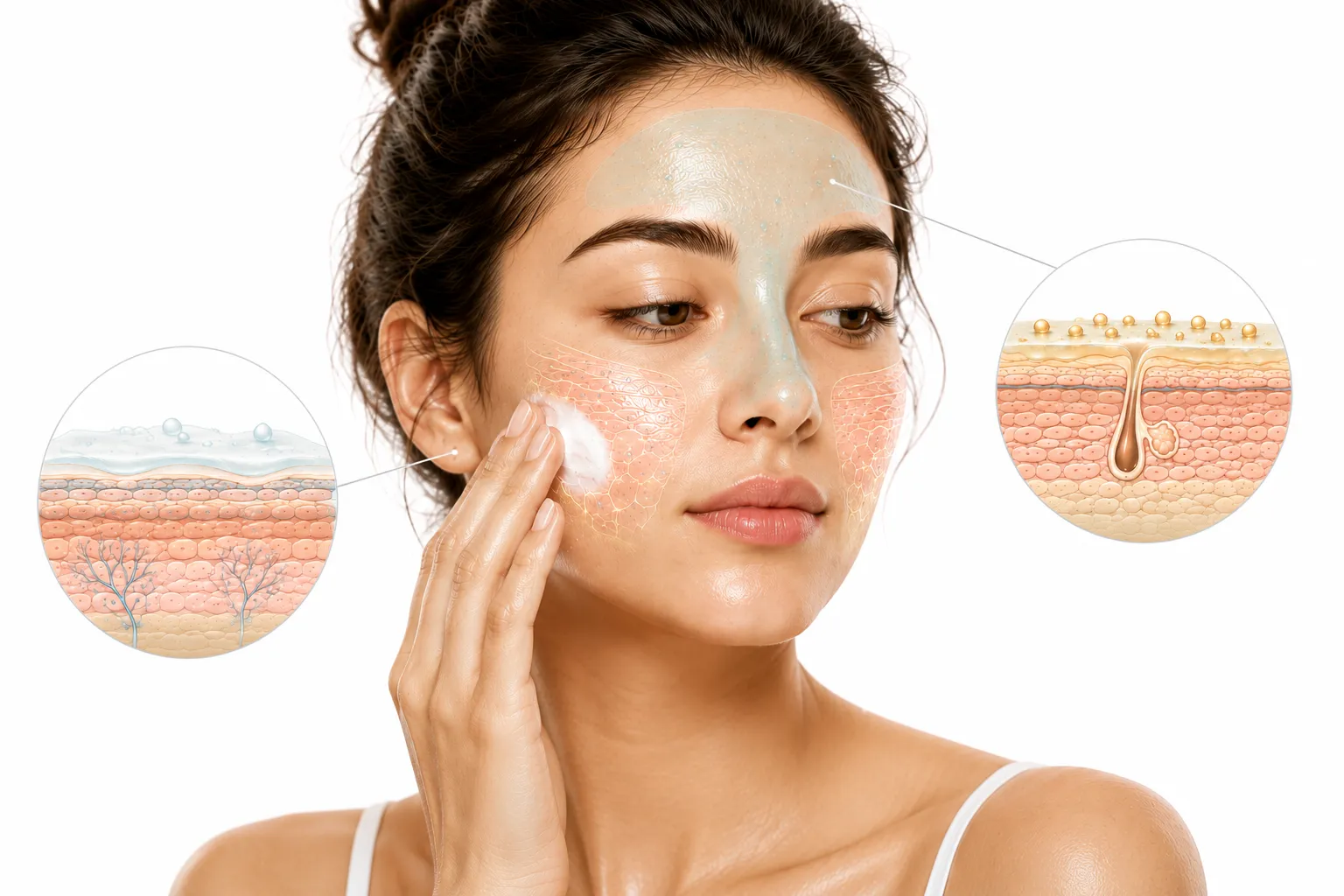
Some dry skin products are exactly what the cheeks need, while others will cause the T-zone to revolt.
The skincare world often sorts products by skin type - products for dry skin, products for oily skin, and products for everyone else. For combination skin, the temptation to reach for dry skin products on the cheeks is understandable, but the approach needs to be more nuanced than that.
Can
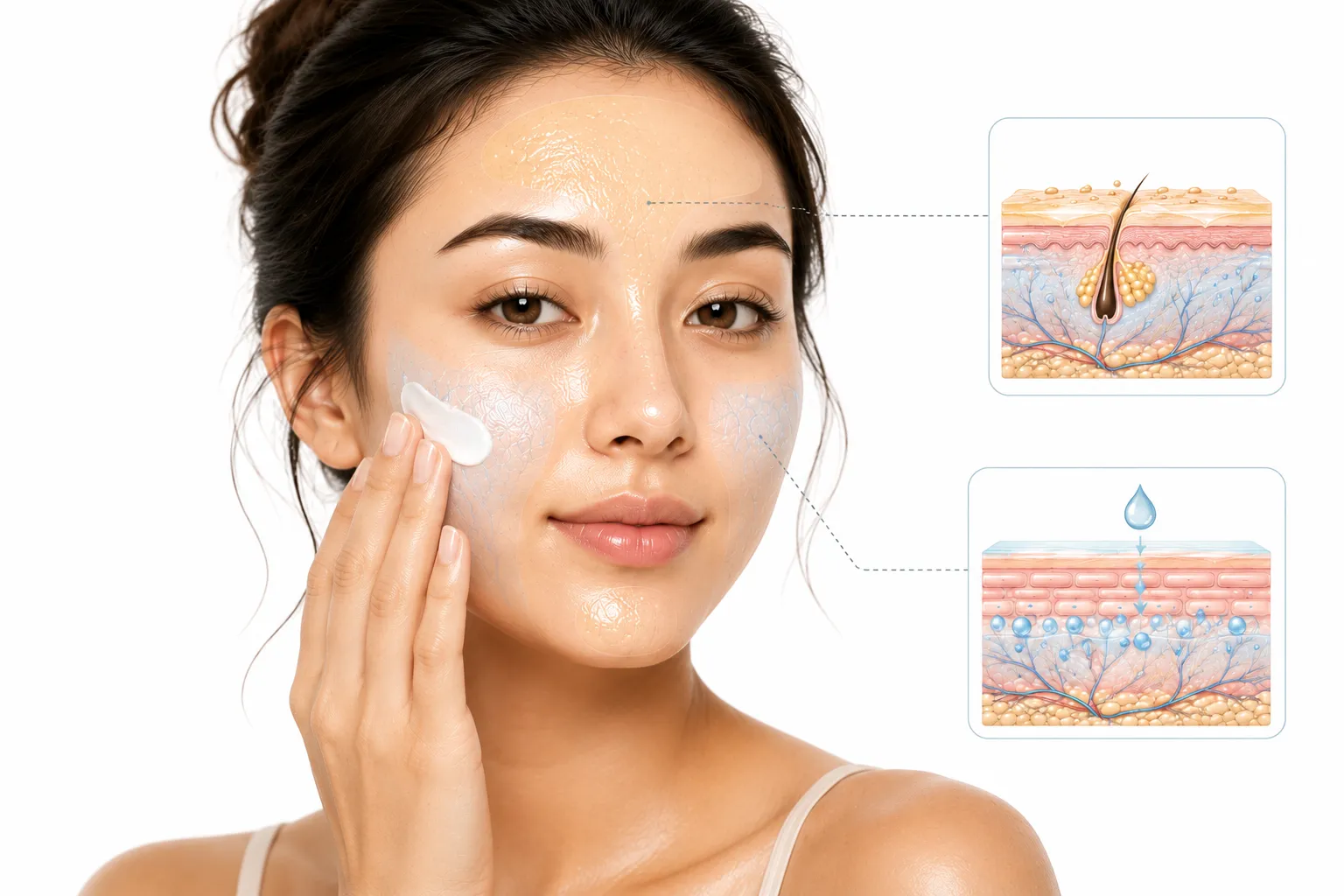
Some people with combination skin skip moisturizer altogether because the T-zone is oily - but that's a mistake that leaves the cheeks dry and the T-zone producing even more oil to compensate.
Start with the popular ones above, or scroll the full set when you are in a browsing mood.
Can
When your barrier is compromised, the bacteria that cause acne have an easier time setting up camp, and the resulting inflammation can be more severe and persistent.
The skin barrier is often overlooked in conversations about acne, but it plays a crucial role. A compromised barrier doesn't directly cause acne, but it creates the perfect environment for breakouts to flourish - and it makes existing acne much harder to treat.
Can
But not everyone tans the same way, and some people seem to tan effortlessly while others just burn.
Can
Niacinamide is the rare exception that seems to be equally good for everyone, from the oiliest T-zone to the most sensitive cheeks.
Can
Some skin types handle retinol like a dream, while others need a much more careful introduction.
Can
But if you have dry skin, sensitive skin, or just skin that's not particularly oily, salicylic acid can feel like an unnecessary risk.
Salicylic acid is the darling of oily skin - the ingredient that cuts through oil and clears pores like nothing else. But what about everyone else? Can dry skin use it? Sensitive skin? The answer is more complicated than a simple yes or no.
Can
But for some people, vitamin C causes the exact opposite of a glow - irritation, redness, and breakouts.
Can
The plant's gel has anti-inflammatory and hydrating properties that are helpful for barrier health, but it doesn't actually rebuild the lipid structure of the barrier.
Can
But can an acid that exfoliates really be barrier-safe? The answer is a qualified yes - it's about how you use it.
Azelaic acid is generally considered one of the gentler active ingredients, and it's actually less likely to damage the barrier than many alternatives. However, like any active ingredient, it can cause irritation if used incorrectly or on a compromised barrier.
Can
The same hormones that regulate your cycle also stimulate pigment-producing cells in your skin - and if you're prone to melasma, that stimulation can lead to brown patches that are as persistent as they are frustrating.
You started a new birth control pill, and a few months later, brown patches appeared on your face. The connection isn't coincidence. Hormonal contraception is one of the most common triggers for melasma, and understanding why - and whether it will reverse - is key to deciding what to do next.
Can
The answer is chemistry - oil dissolves oil in a way that soap and water simply can't match.
Can
Some dry skin products are exactly what the cheeks need, while others will cause the T-zone to revolt.
Can
Some people with combination skin skip moisturizer altogether because the T-zone is oily - but that's a mistake that leaves the cheeks dry and the T-zone producing even more oil to compensate.
Can
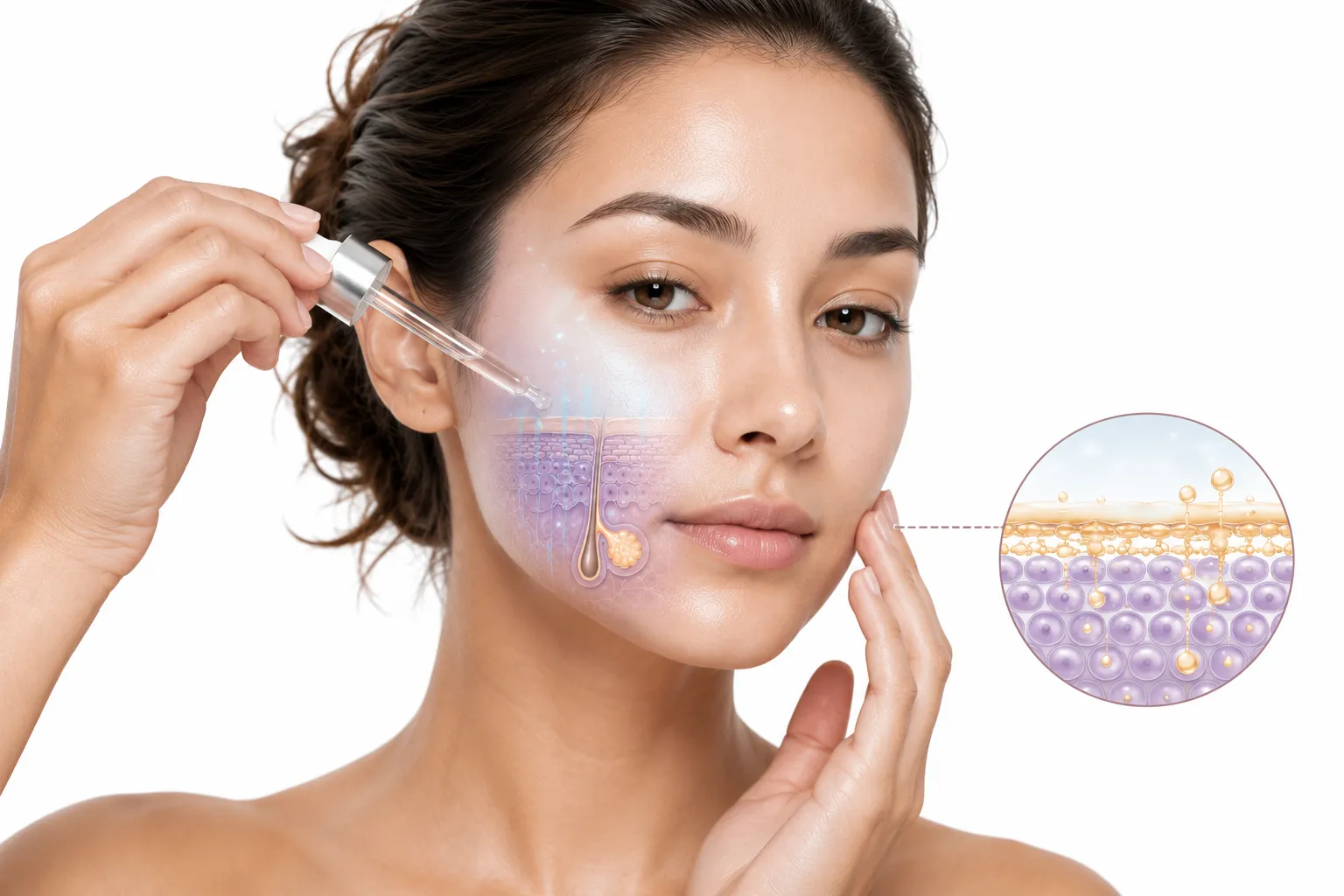
It regulates oil in the T-zone while supporting barrier function on the cheeks, working with both zones in exactly the way they need.
Niacinamide is often described as a skincare unicorn - an ingredient that does almost everything well and works for almost everyone. For combination skin, it's particularly valuable because it works on both zones without causing problems for either.
Can
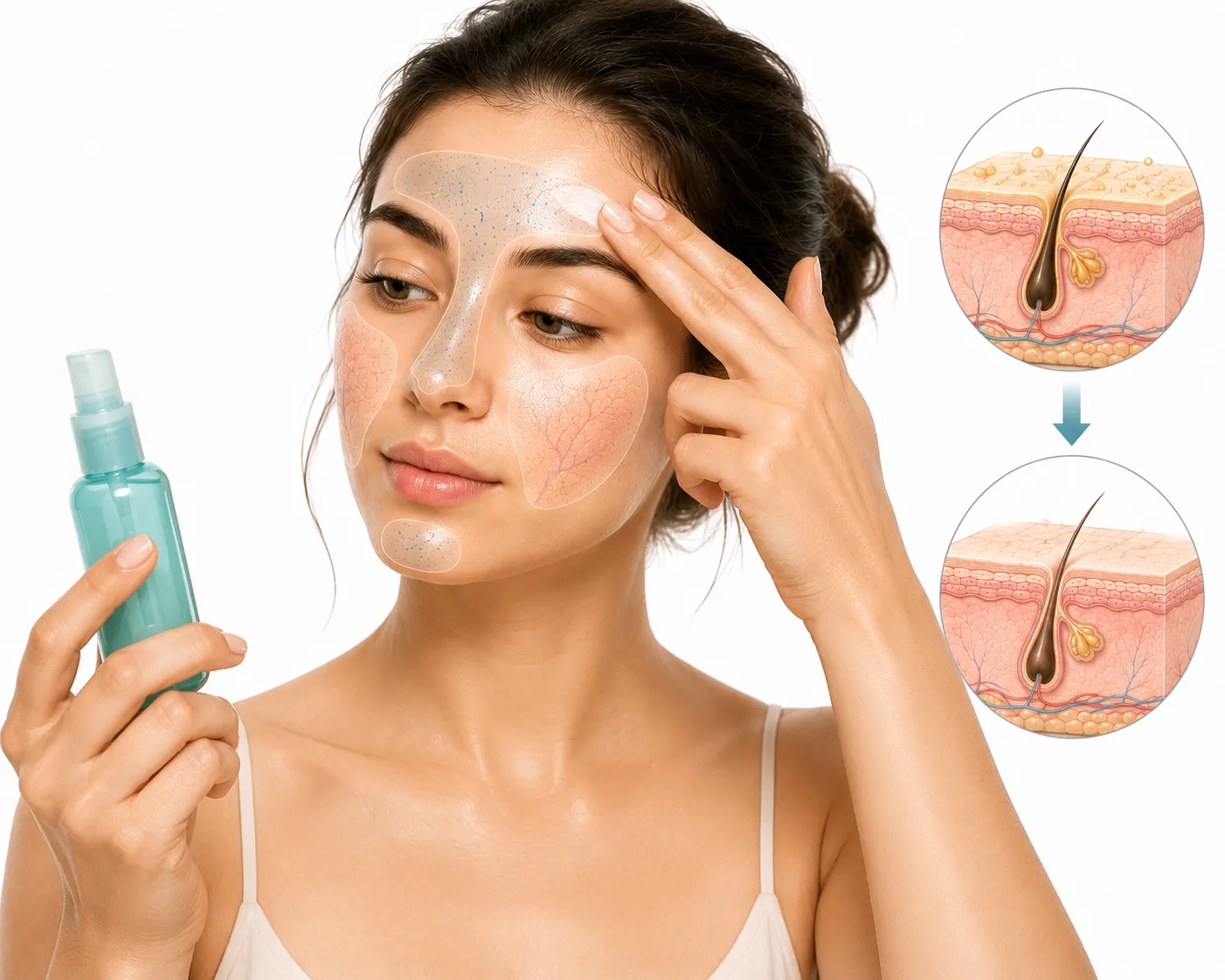
For combination skin, this middle ground often ends up being the worst of both worlds: too rich for the T-zone and too light for the cheeks.
Can
It turns out the oily-skin products aren't off-limits at all, they're just meant for half your face rather than all of it.
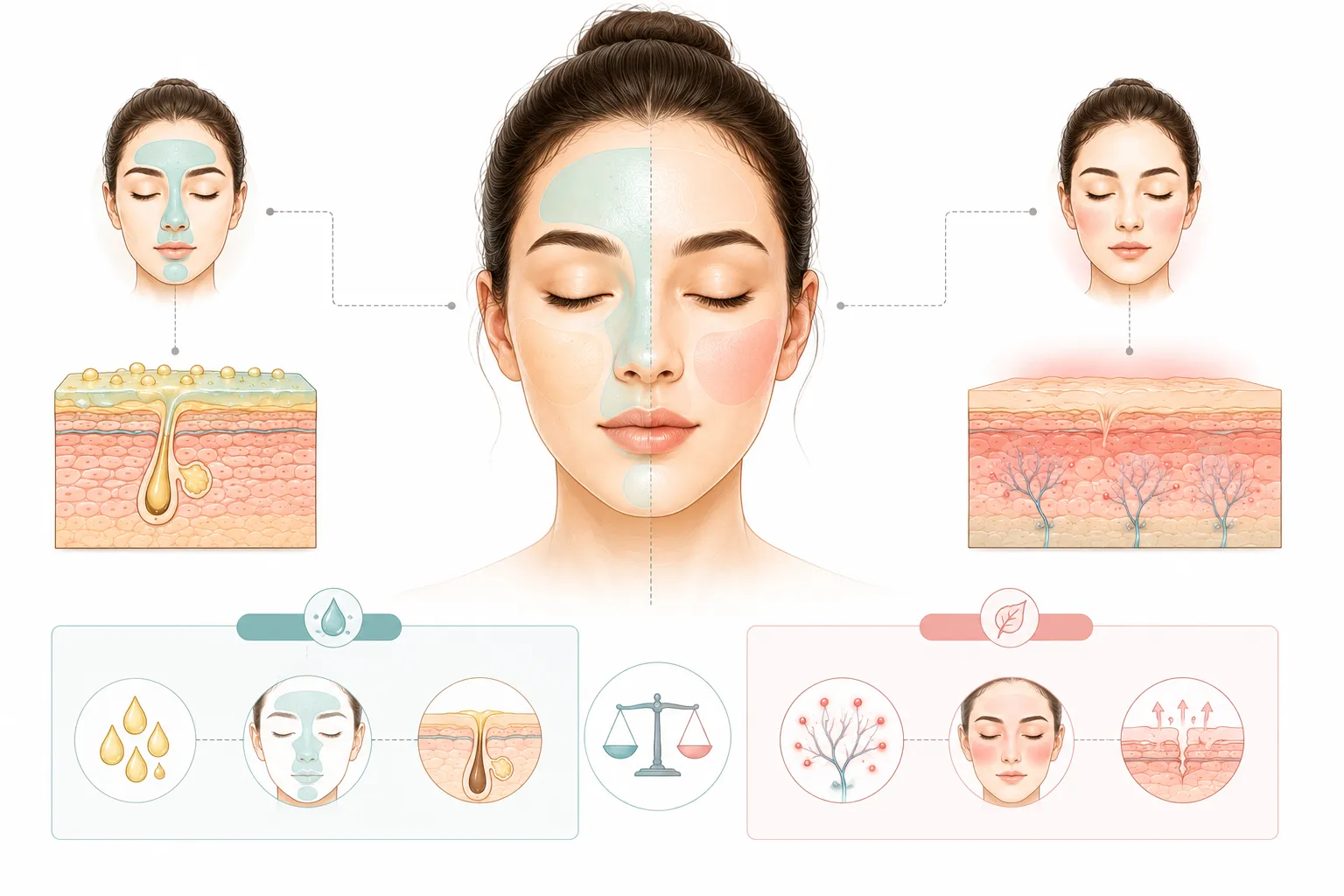
Combination skin is really two skin types sharing one face, which makes borrowing from the oily-skin aisle a genuinely reasonable idea, provided you're selective about where you put things.
Can
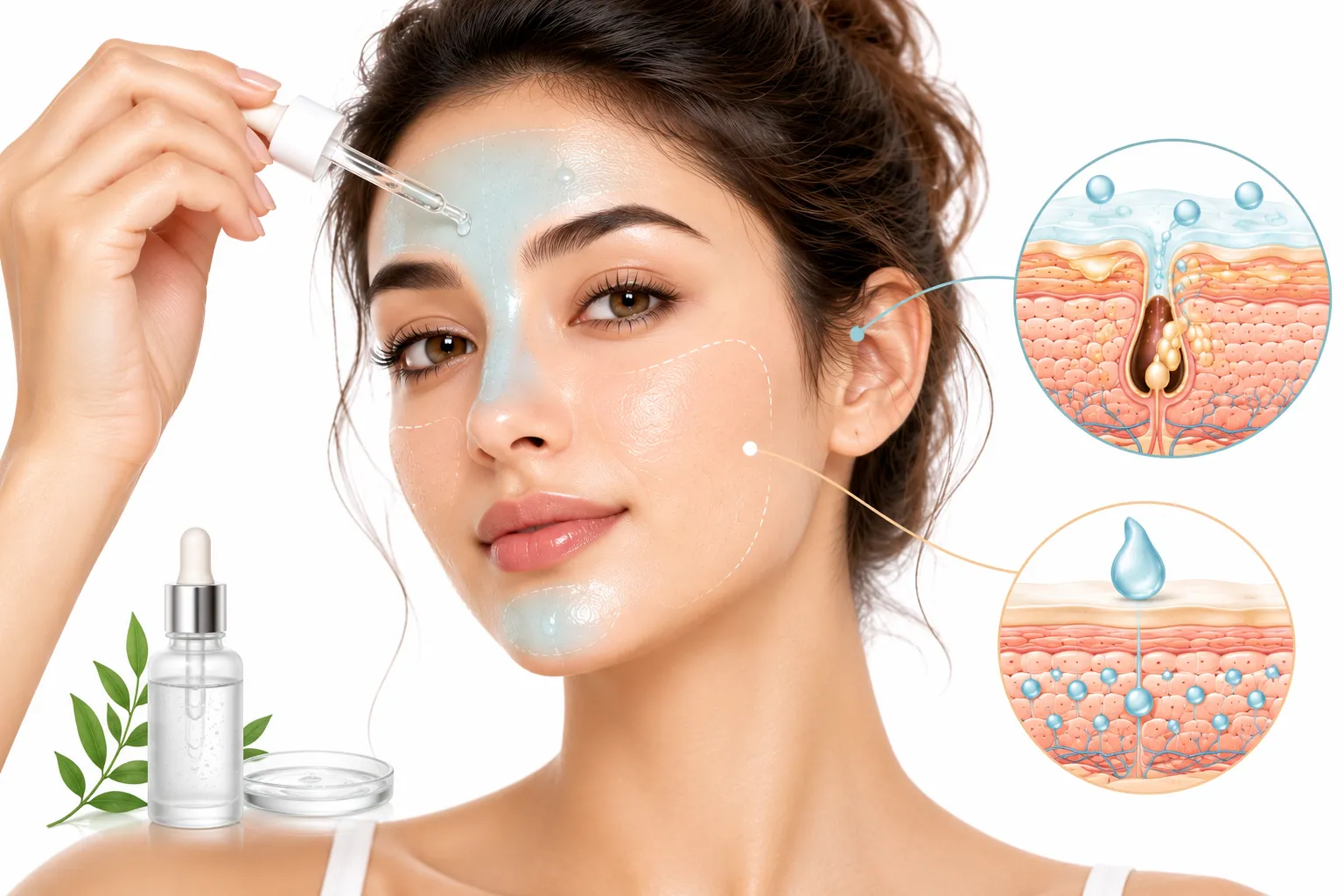
But combination skin is oily in exactly the places where salicylic acid tends to be most useful, its congested T-zone.
Can
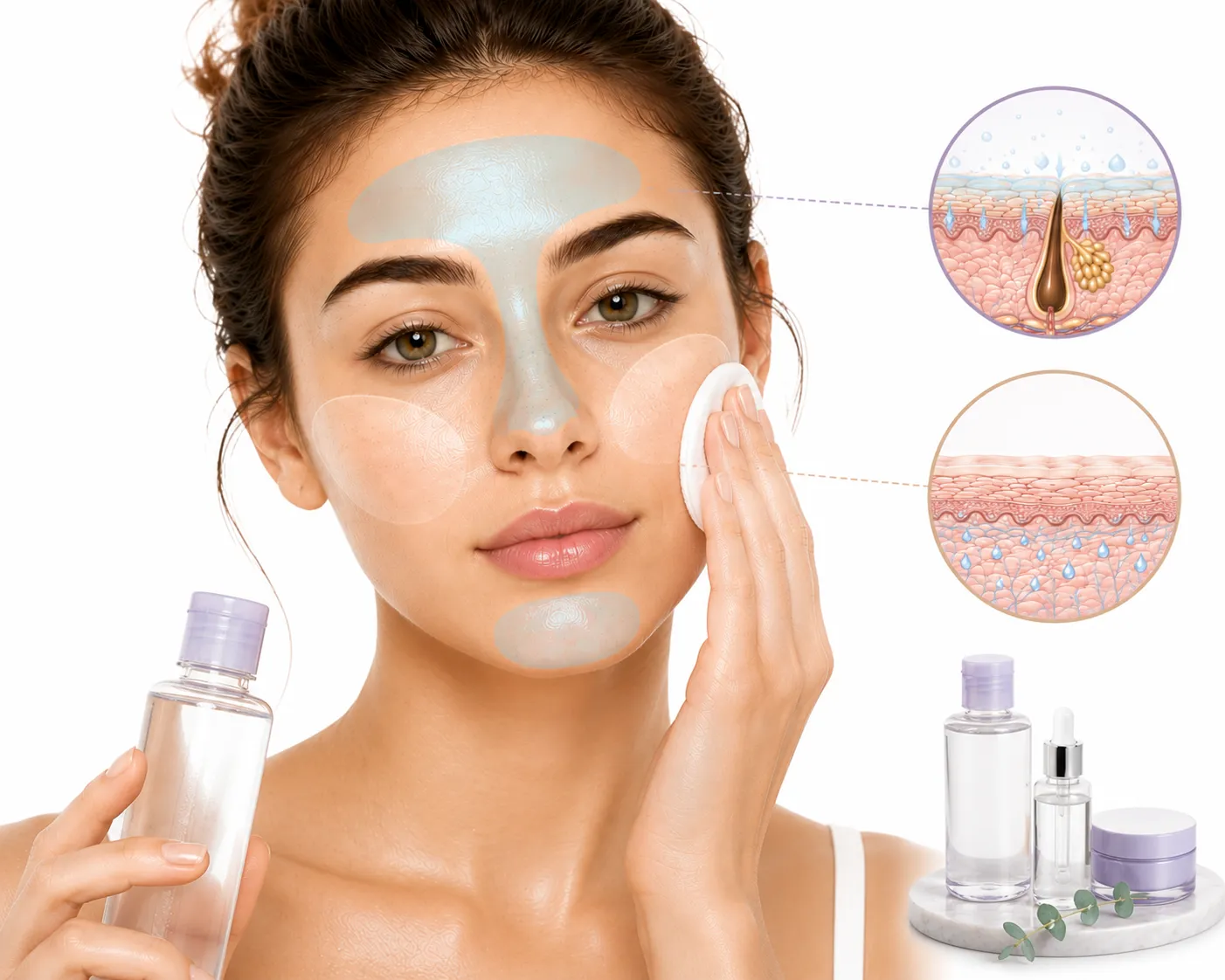
Modern toners are a different animal, and for combination skin in particular, the right one can smooth over the gap between an oily T-zone and drier cheeks.
Toner has swung in and out of fashion over the decades, but for combination skin specifically, the right formula can genuinely help balance two very different needs on one face.
Can
Vitamin C serum is a rare exception, since its main job, protecting against environmental stress, doesn't really depend on how oily or dry a patch of skin happens to be.
Can
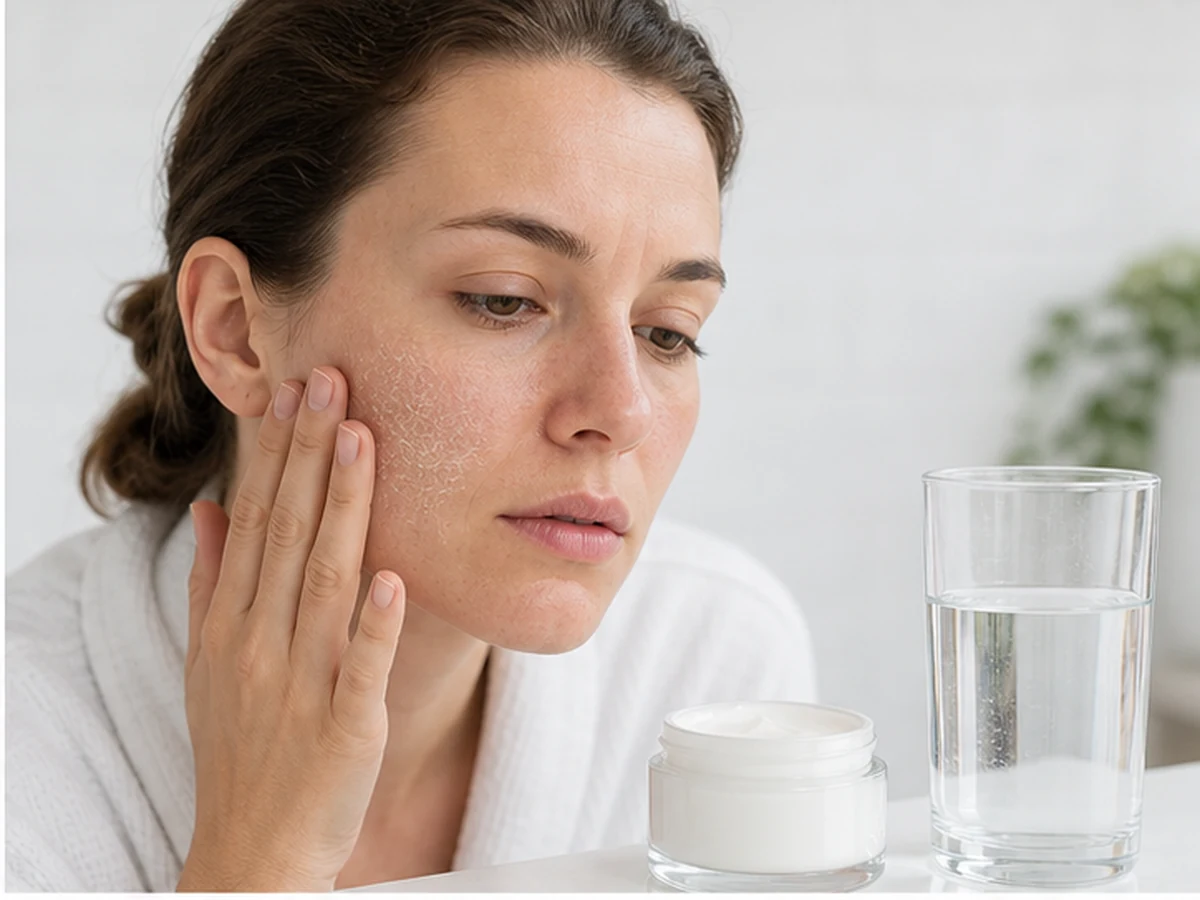
But they're actually describing different shortages, one of oil, one of water, and dehydration mostly speaks to the second.
Can
It's a tidy story, and it does have some logic behind it, but the science backing it up is thinner than the confidence with which it's usually repeated.

Can
Yet dry, sometimes intensely itchy skin is one of the more frequently reported complaints among people living with diabetes.
Diabetes is often discussed in terms of blood sugar and long-term organ health, but its reach extends to the skin too, where dryness is one of the more common, and more overlooked, complaints.
Can
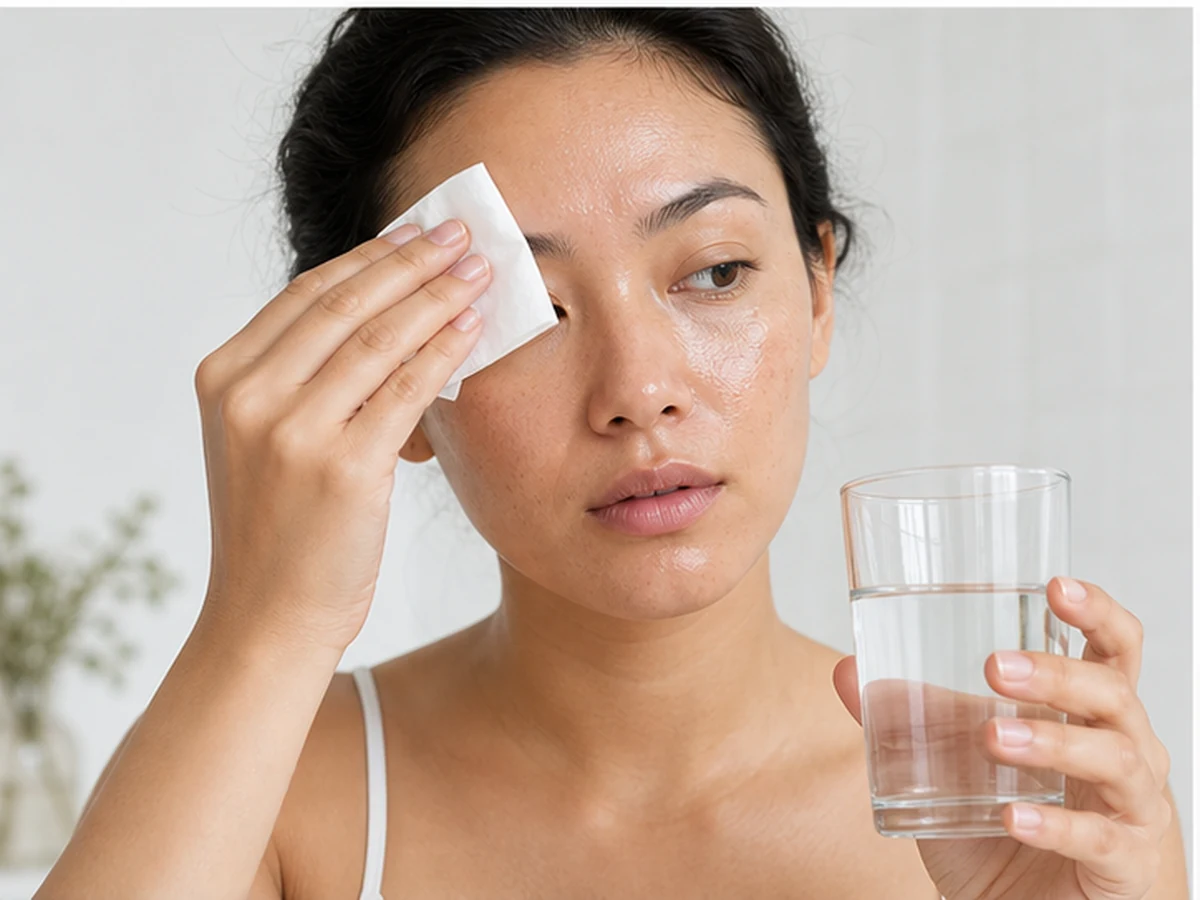
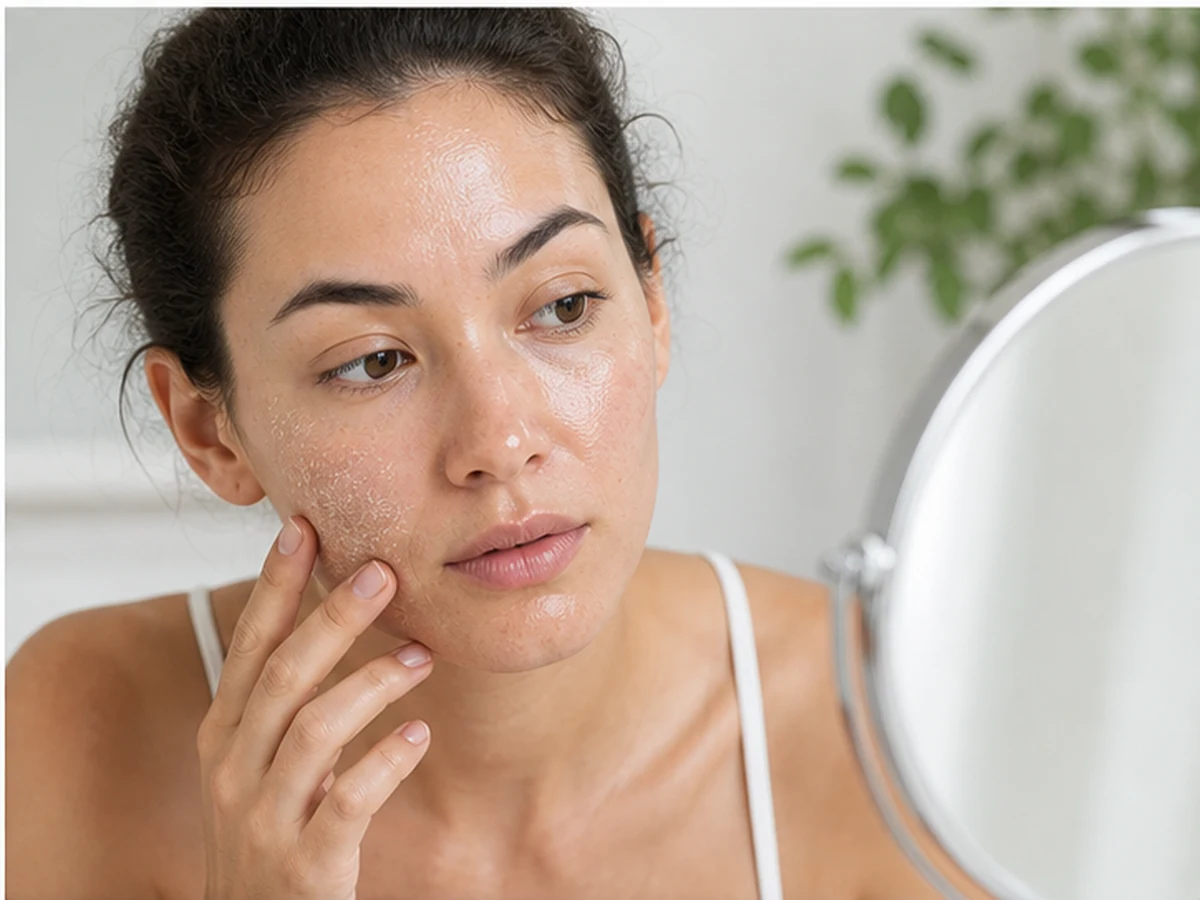
But dry, water-deprived skin can produce a very similar-looking shine, and mistaking it for oiliness can send someone down entirely the wrong skincare path.
It sounds like a contradiction, dry skin looking oily, but it happens more often than most people realize, usually because of one overlooked middle step: dehydration.

Can
For dry skin, glycolic acid is a tool that needs careful handling. Used properly, it's transformative; used carelessly, it's a disaster.

Can
And for dry skin, it genuinely works - but with one critical catch that many people miss.
Can
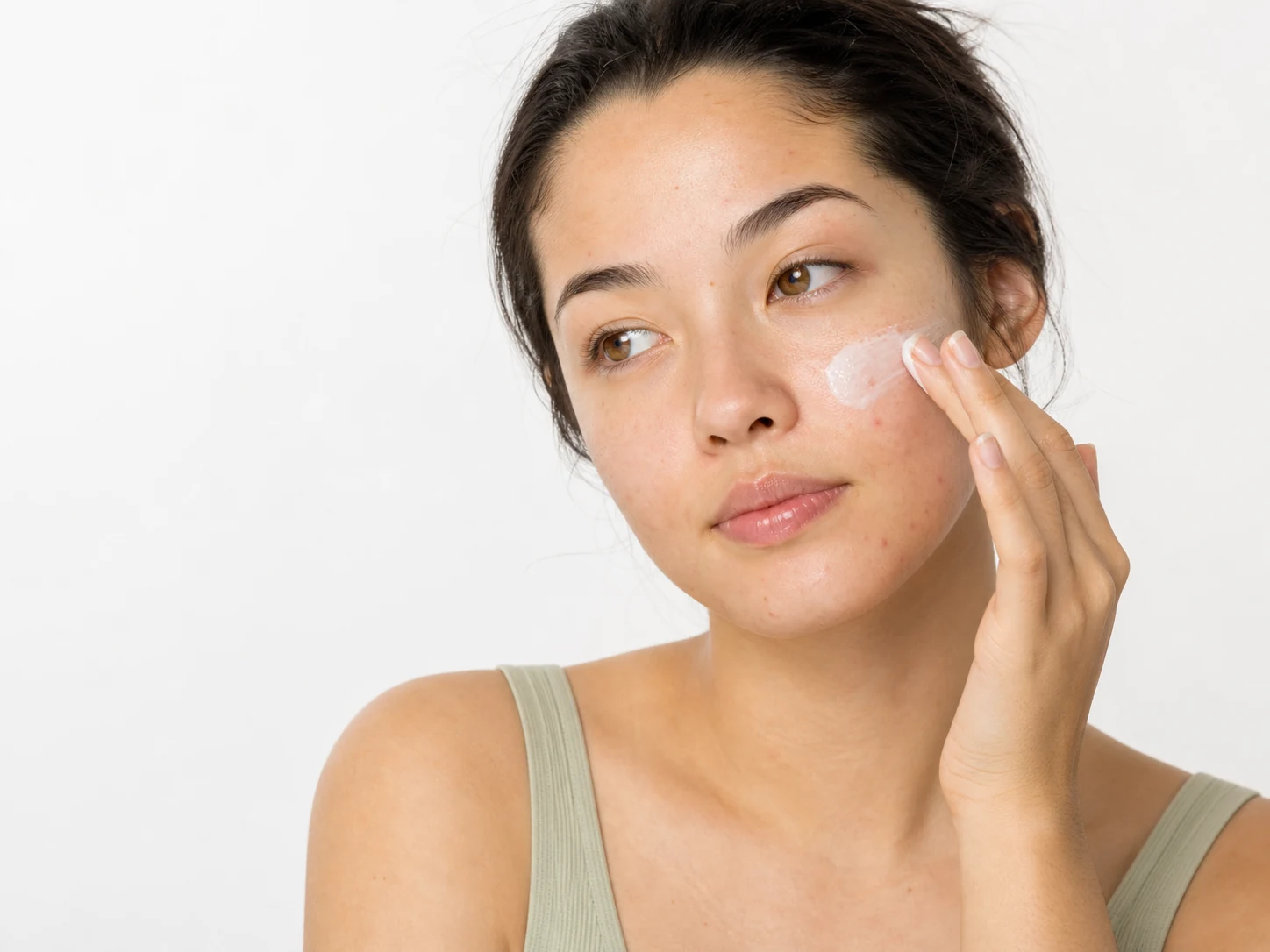
Niacinamide breaks that pattern almost entirely, since part of its job is actually helping the skin hold onto what it already has.
Dry skin tends to approach new ingredients with suspicion, and reasonably so, but niacinamide is one of the few actives that seems to work with a compromised barrier rather than against it.

Can
But dry skin can have congested pores too, and salicylic acid can help - if you handle it right.

Can
But for dry skin, the question is less about whether it works and more about whether it will irritate.
Can
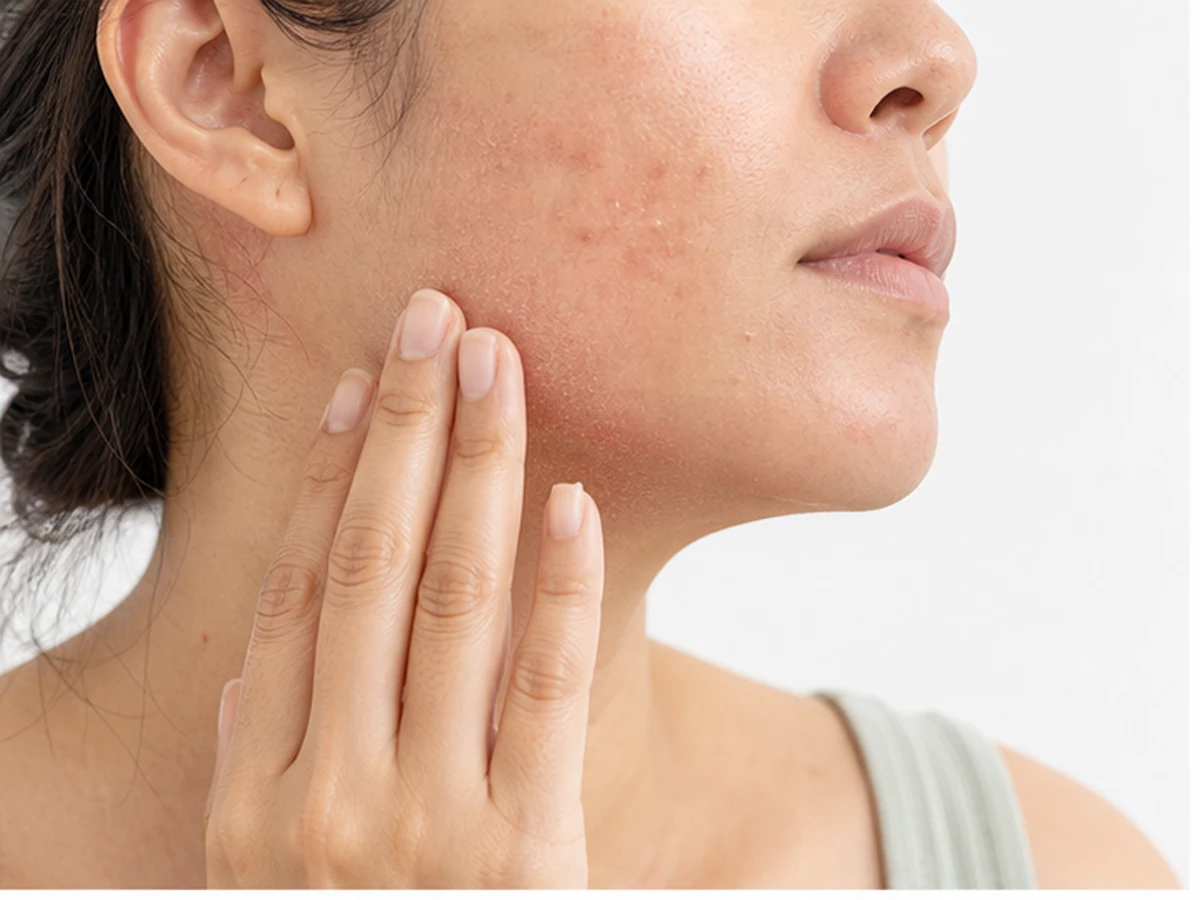
This isn't just bad luck - it's a predictable response of your skin to inflammation. And it's very common.

Can
But if you've ever washed your face and felt like your cleanser just wouldn't rinse off properly, or if your skin feels tight and angry no matter what you do, you might have been looking at the wrong suspect.
The relationship between hard water and acne is less about the water itself and more about what the minerals in it do to your cleansers, your skin's barrier, and the delicate balance of your complexion.

Can
Hard water, water carrying a heavier mineral load, has increasingly been linked to exactly that kind of unexplained dryness and irritation.

Can
But one trigger that often flies under the radar is the water that runs through your pipes, carrying minerals that can turn a manageable skin condition into a persistent problem.

Can
It could be the result of something as indirect and surprising as the water you use to wash your face, water that leaves behind irritation that your skin responds to by producing more pigment.

Can
And sometimes the culprit is something you'd never suspect: the water that's supposed to make you feel clean and refreshed.
That persistent itch that starts the moment you step out of the shower could be more than just dry skin - it might be hard water's invisible fingerprint on your skin, leaving behind residues that irritate and inflame.

Can
The source of the problem might be something you'd never consider: the water you use to wash your face and body, carrying minerals that leave behind a trail of irritation.

Can
But hard water is not pure water - it's a mineral solution. And like any solution, it can interact with your skin in ways that aren't necessarily beneficial.

Can
But there's actually a kernel of truth to it, though the mechanism is far less straightforward than the myth suggests.
The question of whether hard water can darken your skin is one that comes up frequently, and the answer is a careful one - not in the way you might think, but through a secondary process that can make your skin appear darker over time.
Can
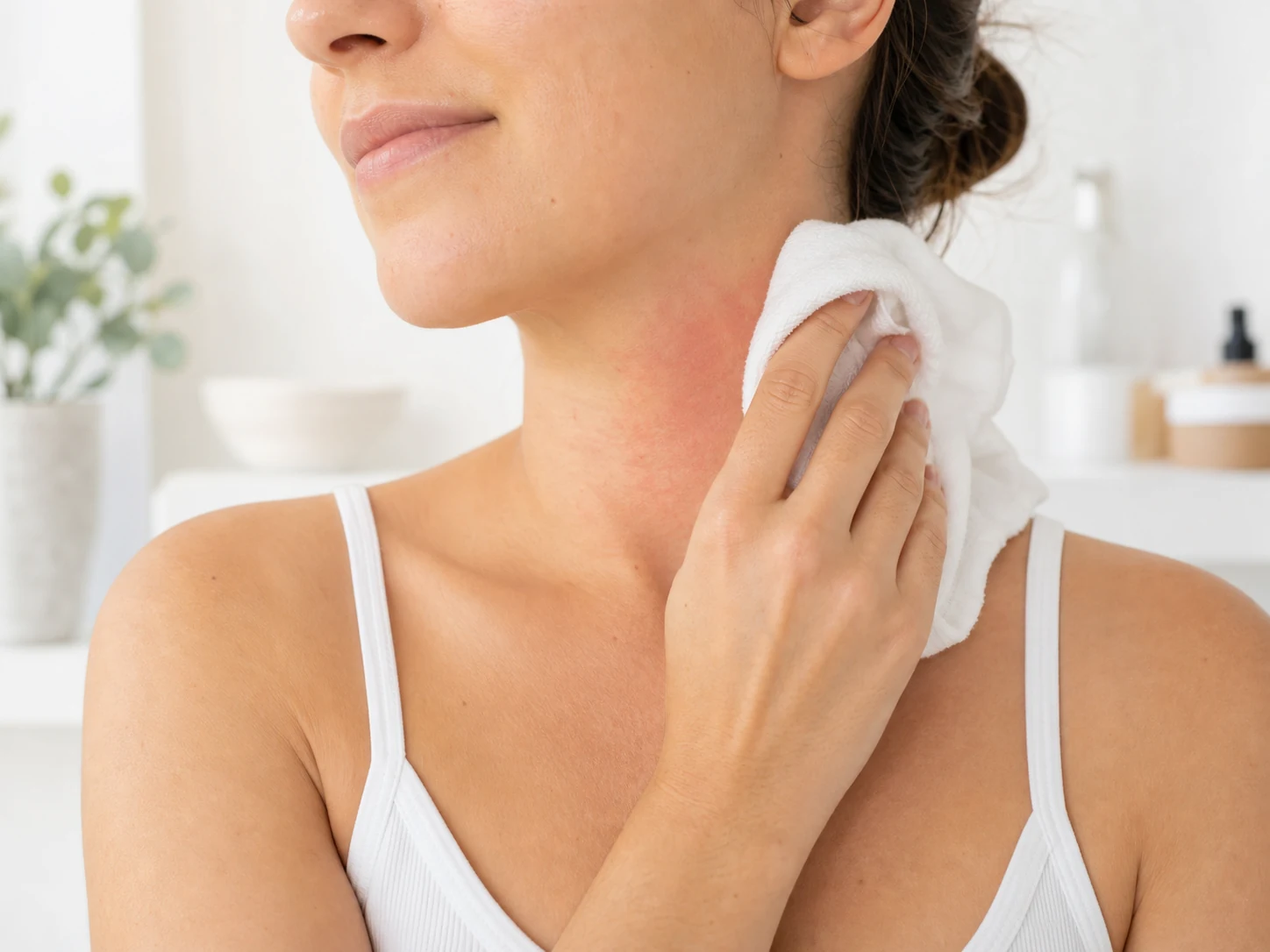
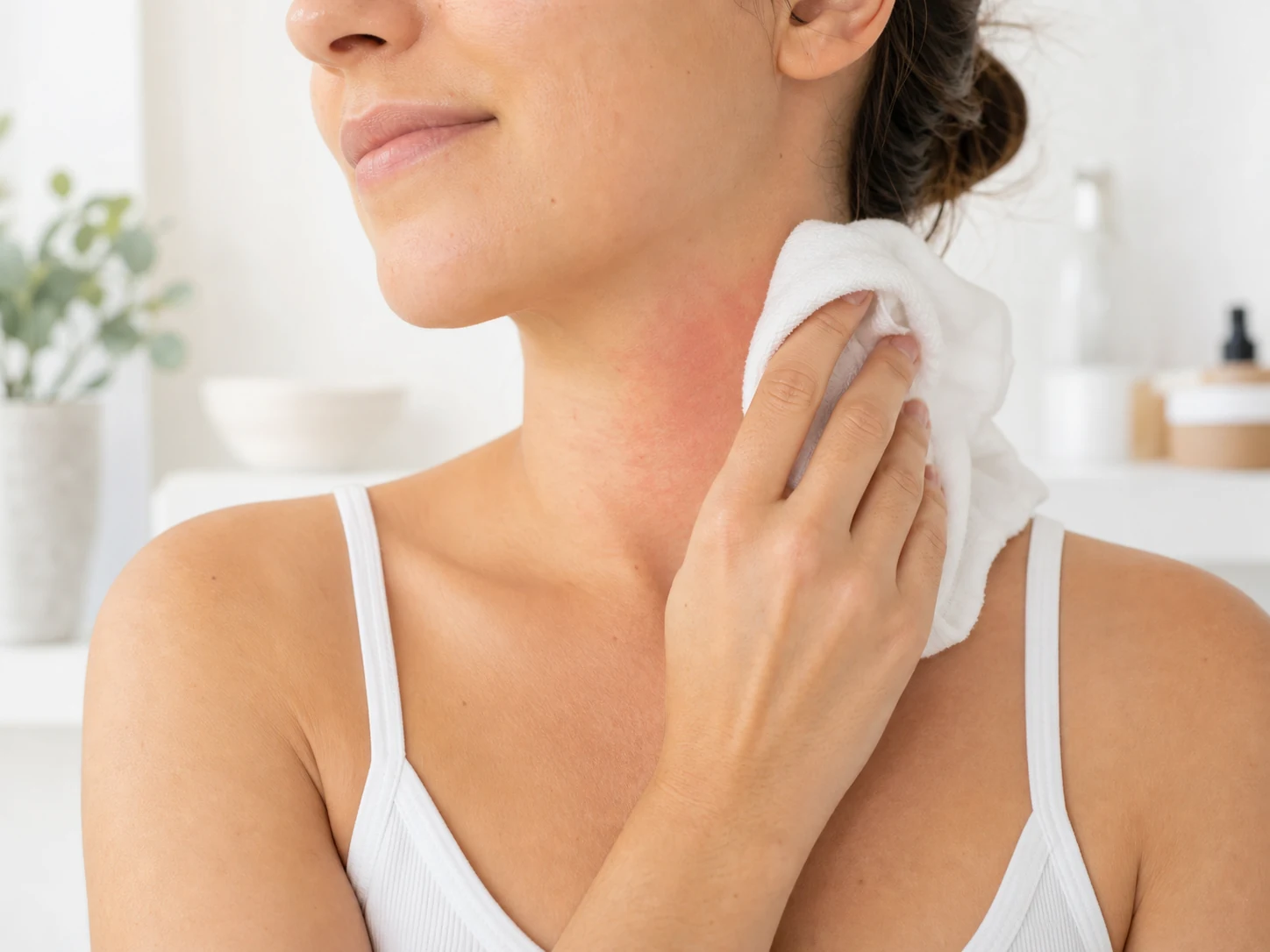
But what's the actual worst case scenario? Can a simple heat rash really turn into something serious?
Heat rash is usually a minor nuisance. But scratch it, and you're inviting bacteria to a party they were never meant to attend. Yes, heat rash can become infected - and it's a complication worth taking seriously.
Can
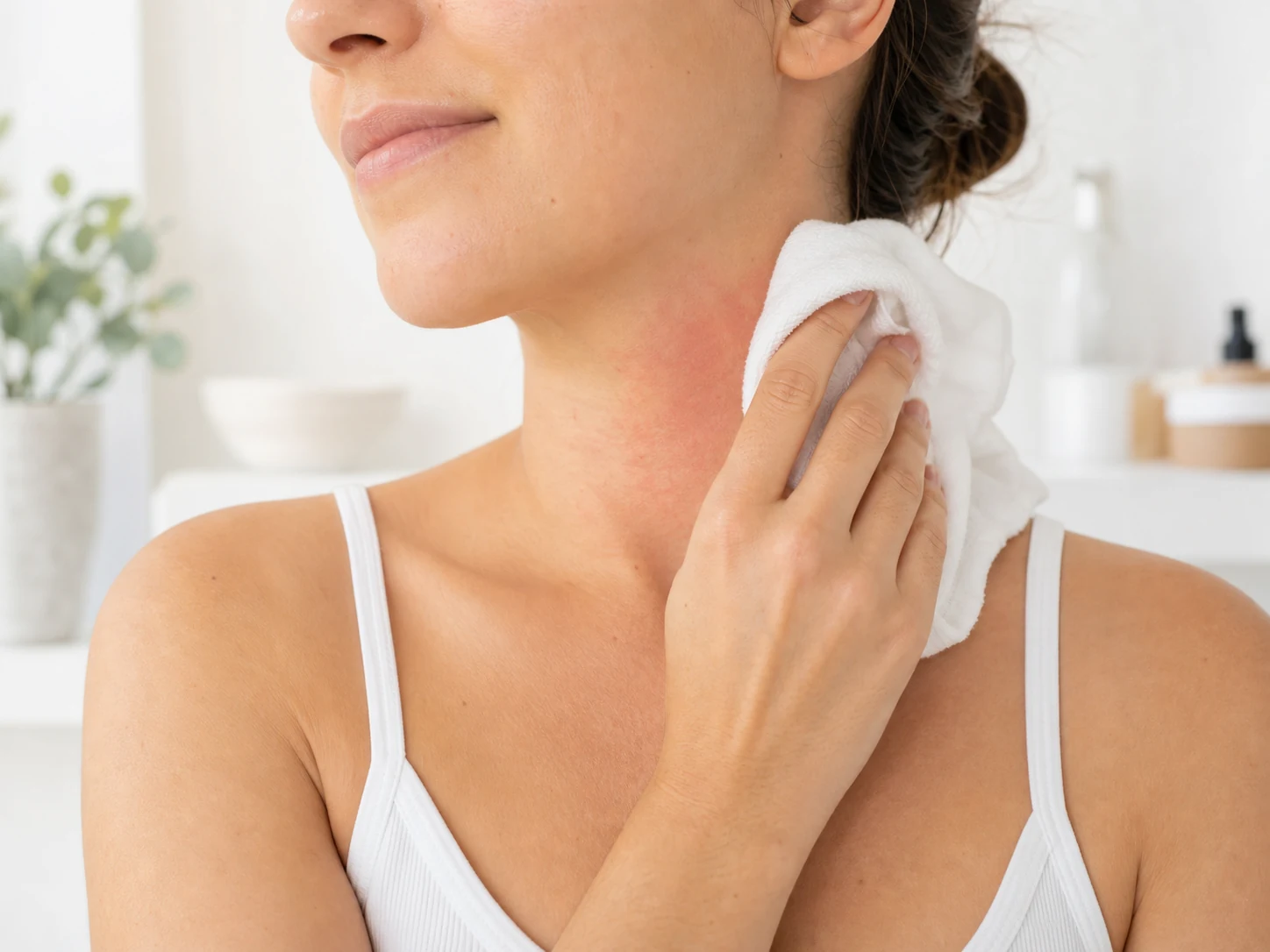
You thought it was gone. Now there's a lingering reminder in the mirror.
Can
But that's exactly how a temporary nuisance becomes a permanent reminder.

Can
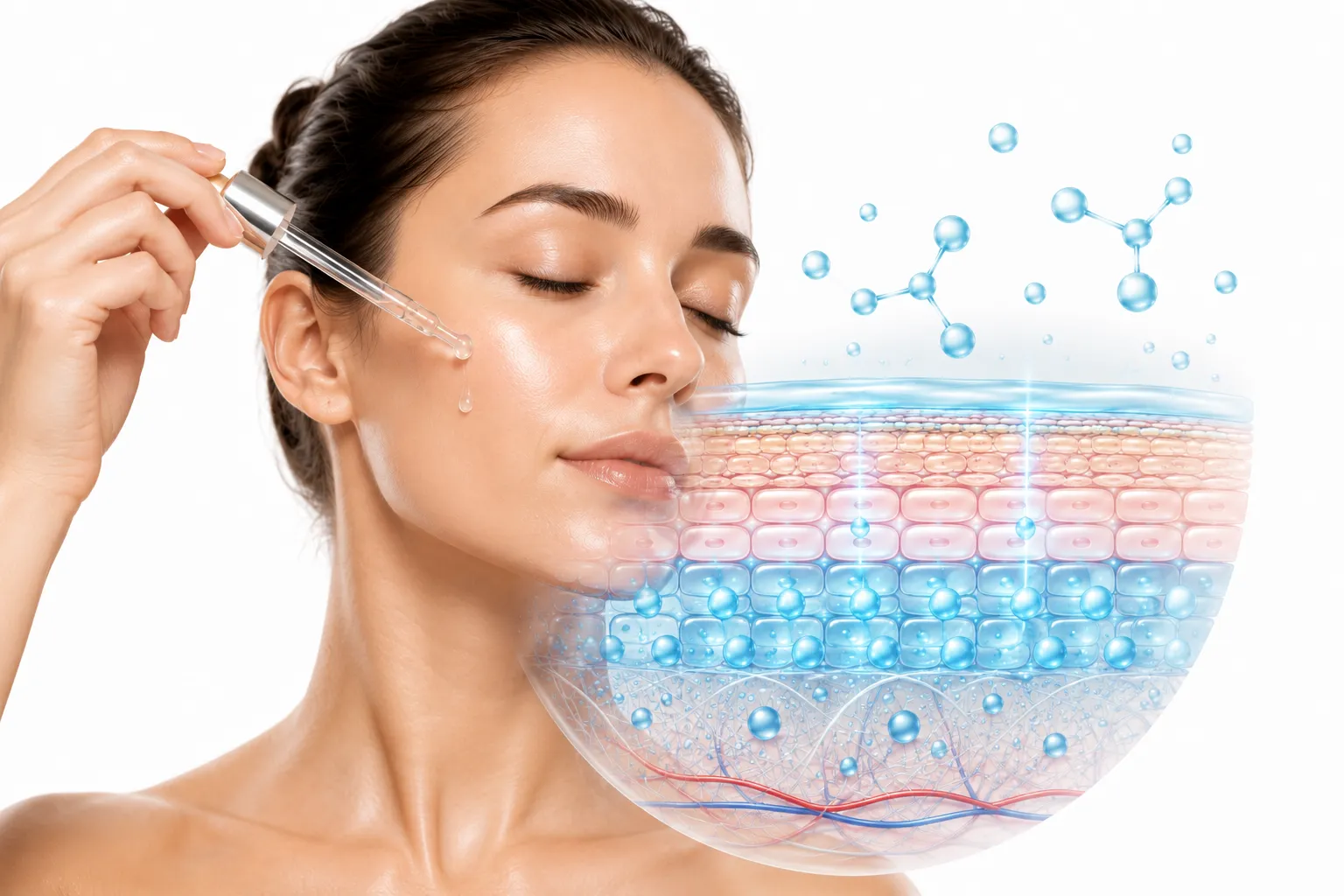
Now imagine placing that sponge on a dry countertop - it doesn't create water; it pulls it from wherever it can find it.
Can
When it comes to barrier repair, hyaluronic acid plays a supporting role rather than a starring one. It doesn't rebuild the lipid structure, but it makes repair possible by keeping the skin properly hydrated.
Hyaluronic acid is often called a hydration hero, but its role in barrier repair is more supportive than direct. It doesn't rebuild the lipid structure, but by keeping the skin hydrated, it creates the conditions that allow barrier repair to happen.
Can
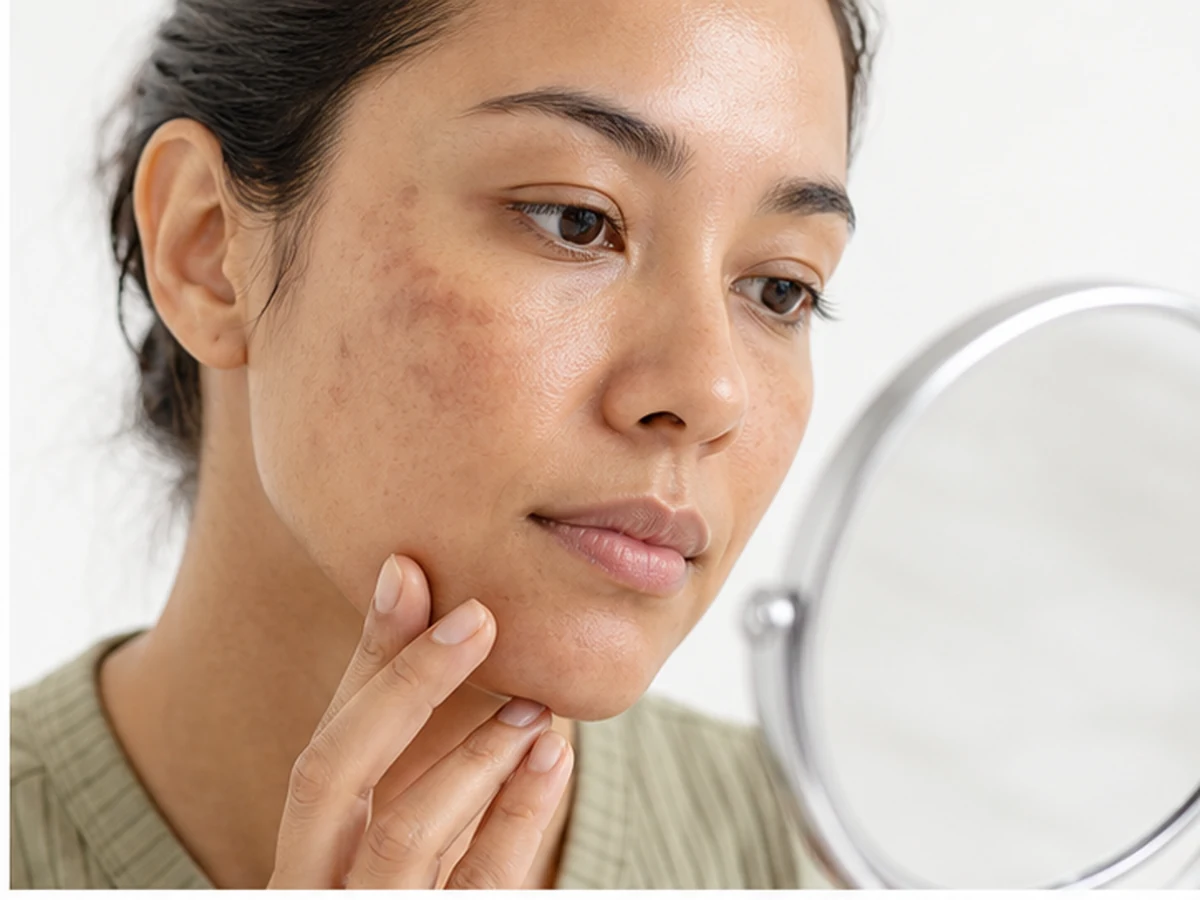
The truth about hyperpigmentation permanency depends on what type it is, how deep it goes, and how long you've had it.
Can
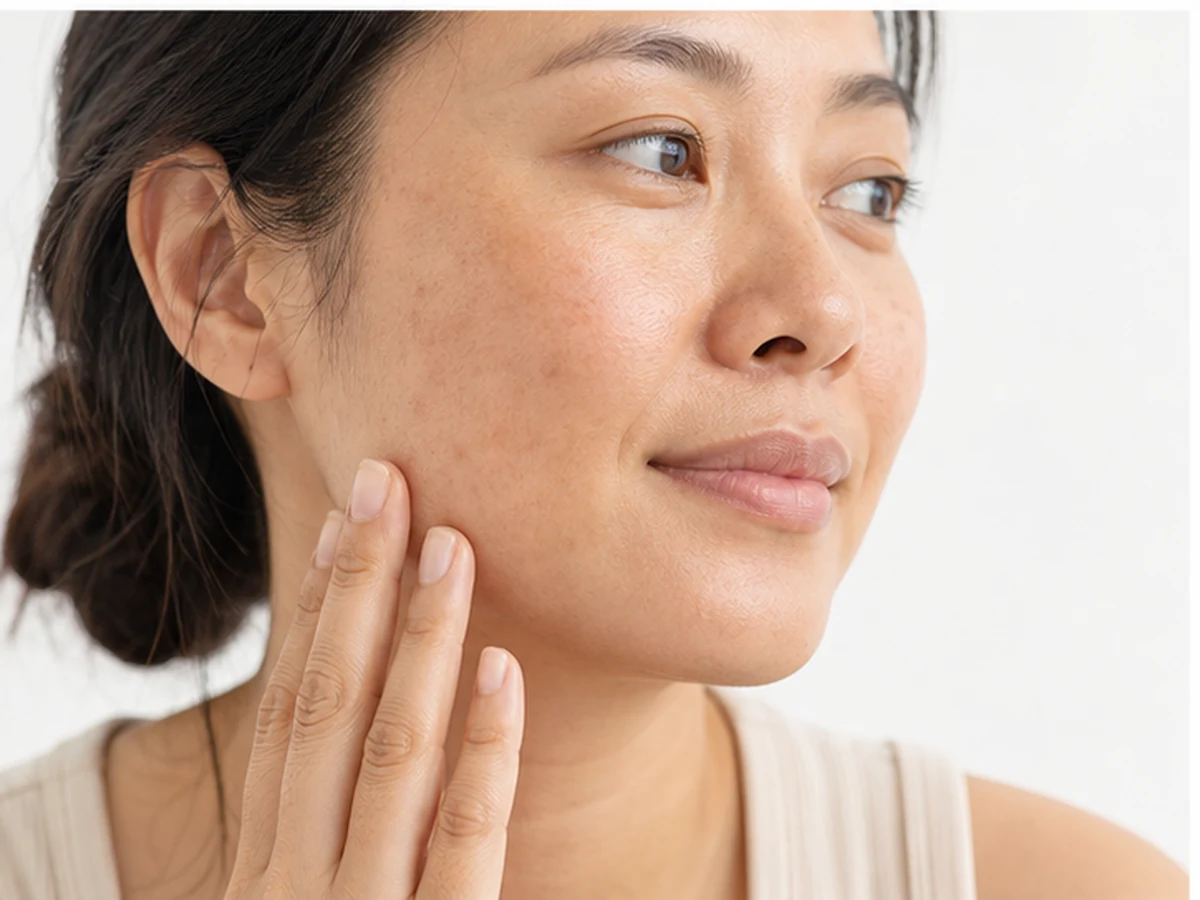
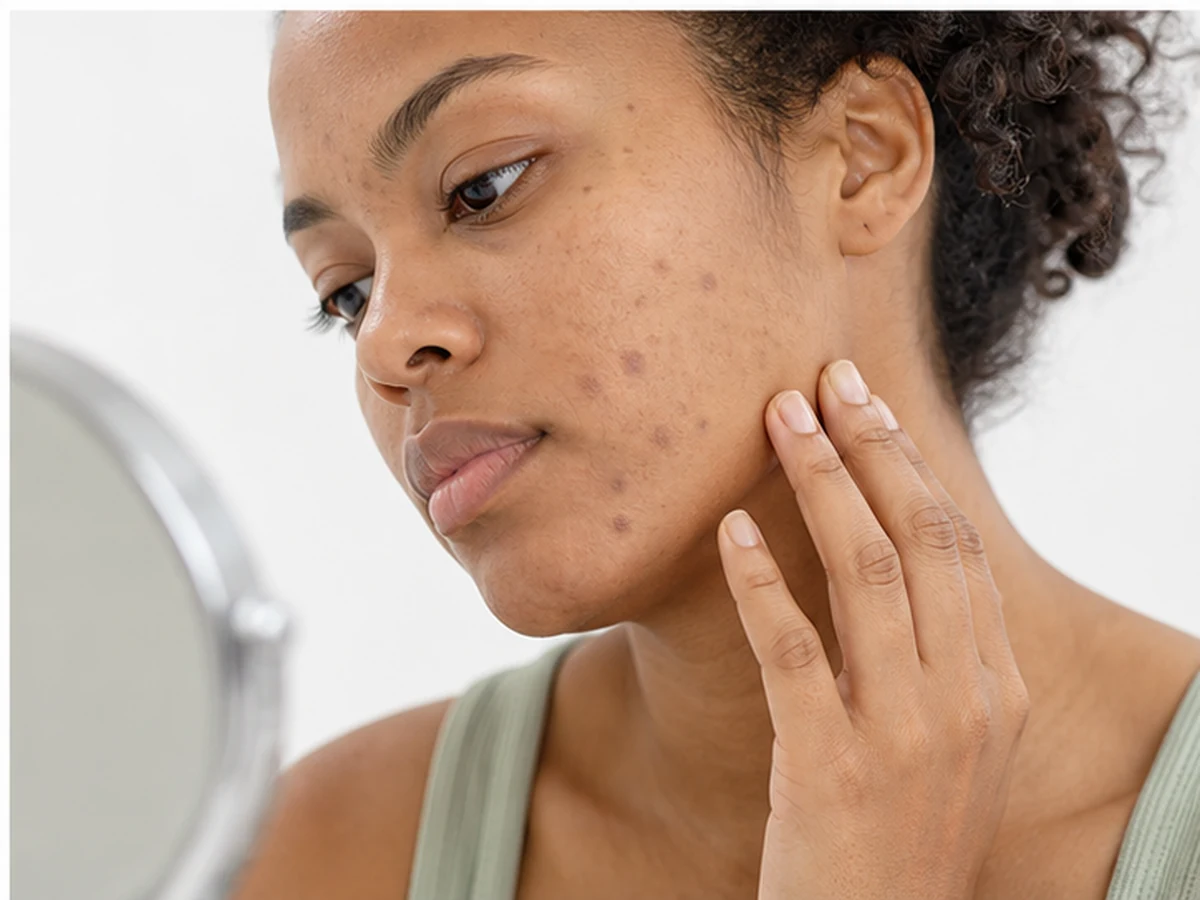
But the truth is, some hyperpigmentation will eventually fade on its own. The problem is that "eventually" can mean months, years, or never.
It's a question that comes up more often than you'd think: if I just leave my dark spots alone, will they eventually go away? The answer is yes - and no. It depends entirely on the type.
Can
The good news is that hyperpigmentation doesn't spread like a rash or infection. The bad news is that it can appear in new places.
Can
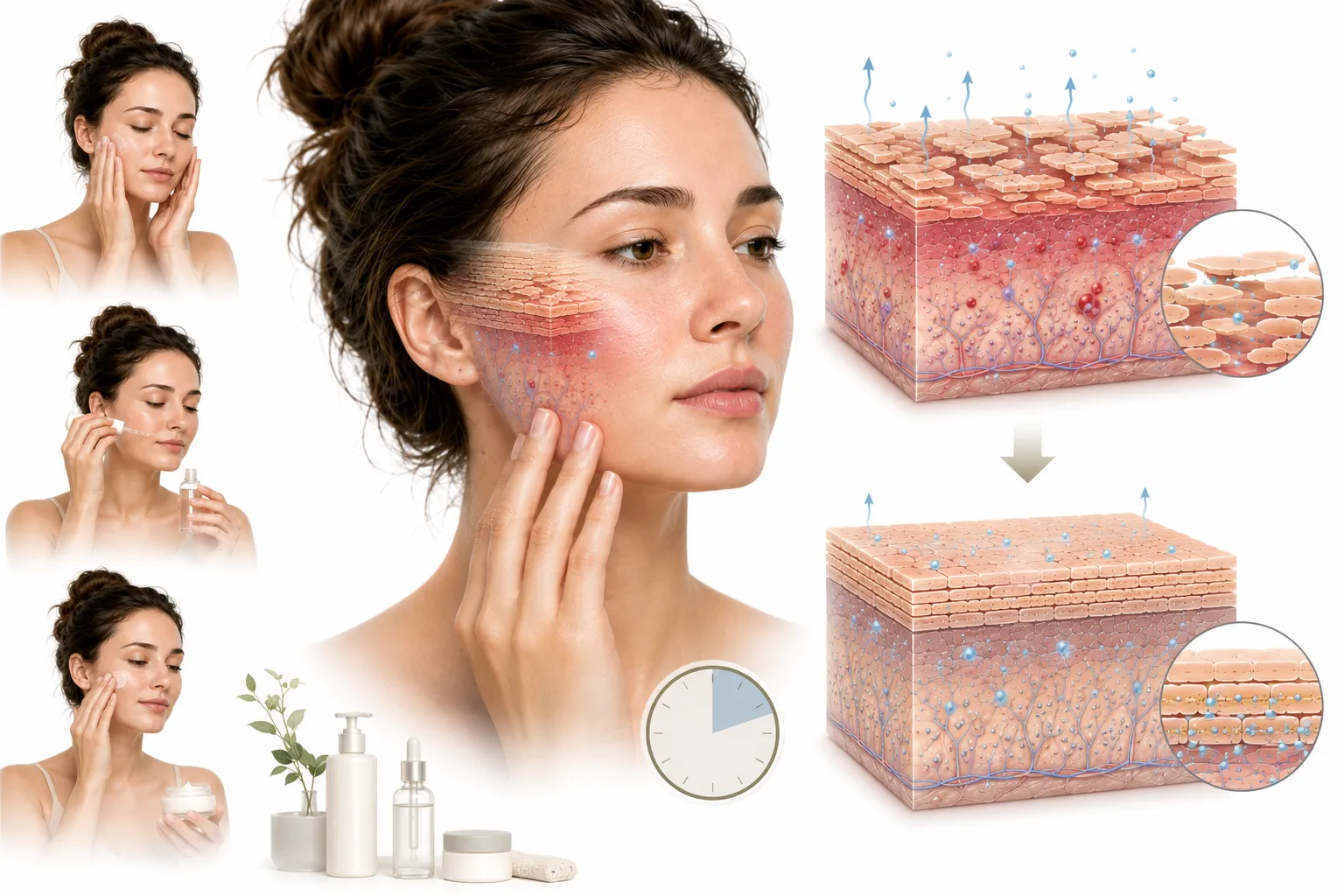
Search online and you'll find plenty of people claiming they fixed it in 48 hours, but how much of that is real, and how much is wishful thinking?
The skin barrier is remarkably resilient, but it's not a quick fix. While you can certainly see improvements in three days with the right approach, true repair takes time. Here's what's realistic.
Can
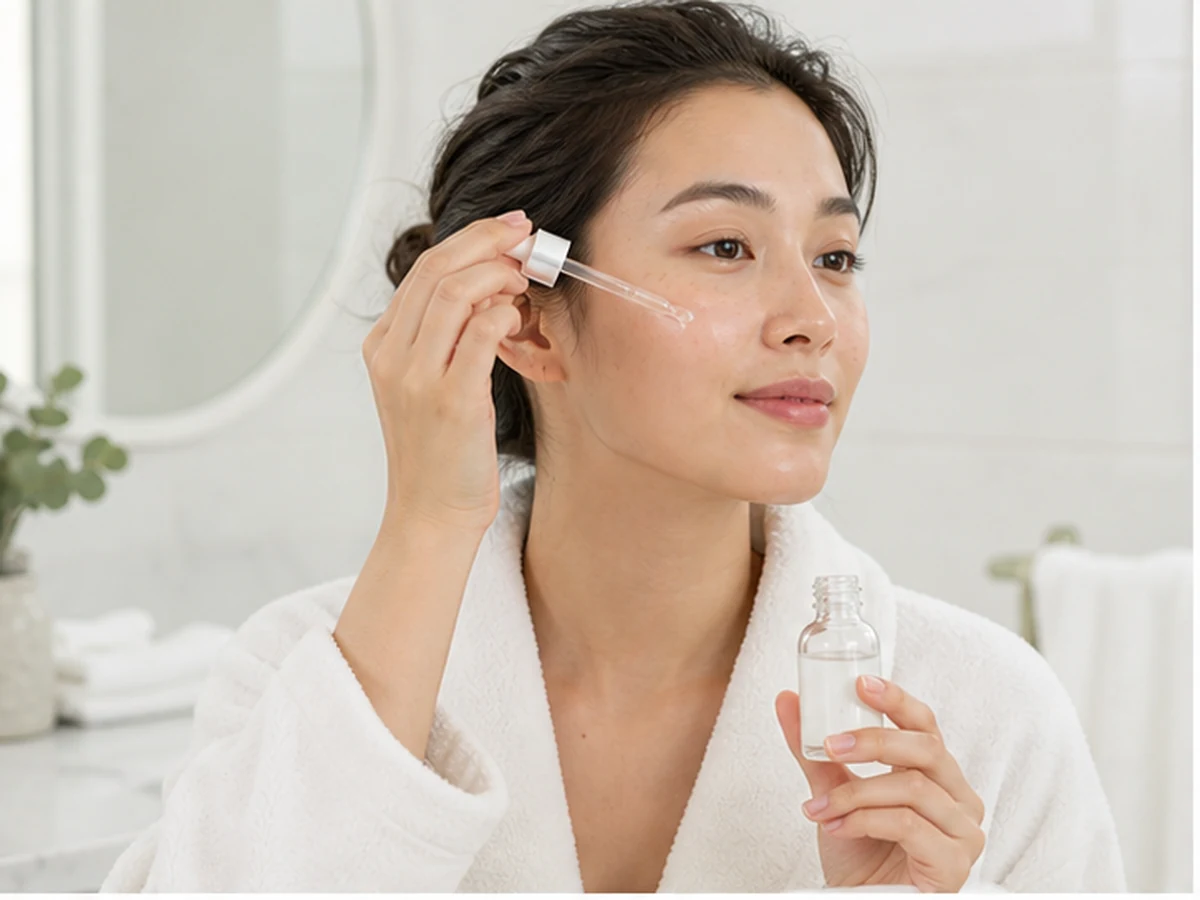
Where does niacinamide fit in? Should you wash it off after 20 minutes, or can you go to bed with it?
Can
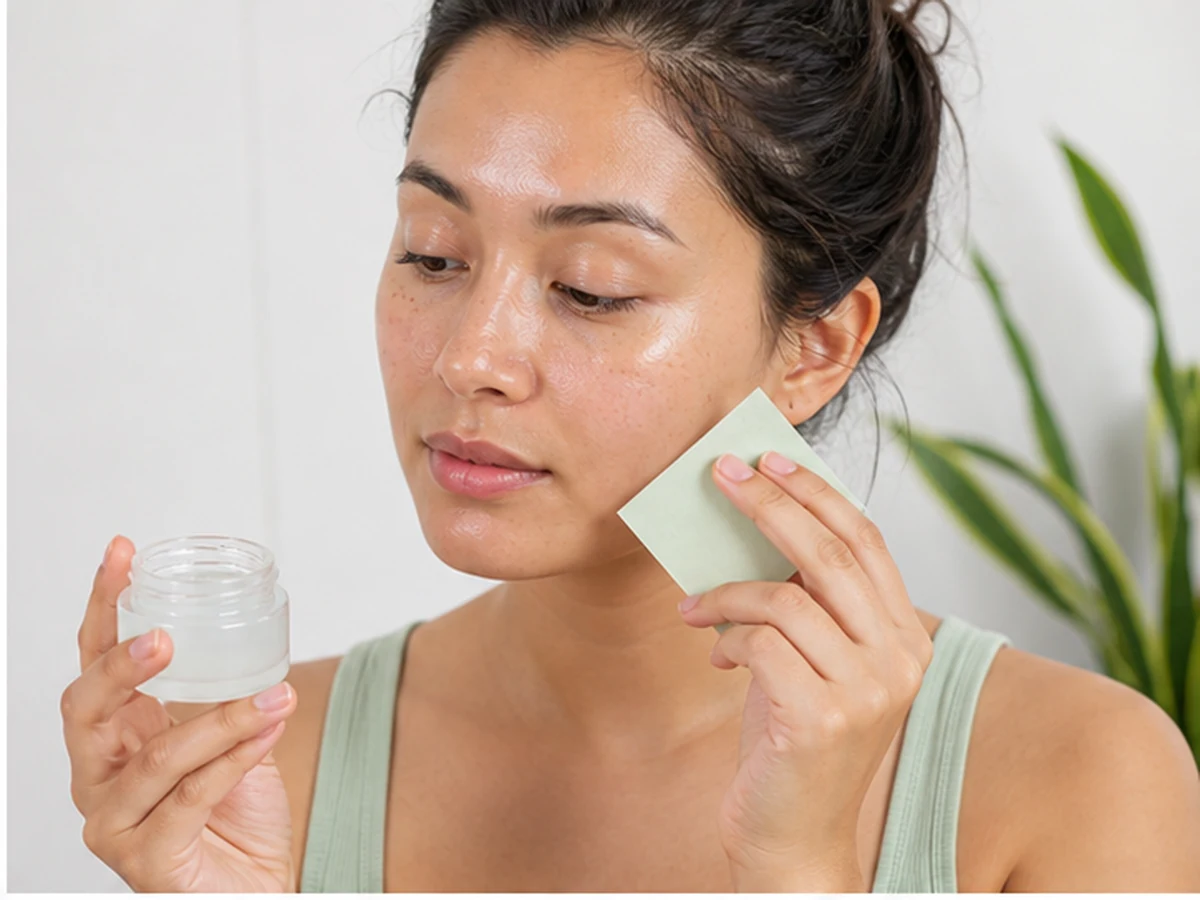
But sebum is an oil, not water, and your skin needs both. Skipping moisturizer can actually tell your skin to make more oil to compensate.
Can
Azelaic acid and niacinamide both belong to the hearth category.
Can
The surprising thing is that niacinamide, one of the most versatile skincare ingredients, is particularly well-suited to this overnight process.
Niacinamide is one of those rare ingredients that works just as well at night as it does during the day. In fact, it might even be slightly better at night, when your skin is in repair mode.
Can
With niacinamide, the answer is reassuringly straightforward: yes, you can apply it directly to your face, and for most people, it's remarkably gentle.
Niacinamide is one of those ingredients that seems almost too good to be true - gentle, versatile, and effective for nearly every skin type. But can you just slather it on directly, or does it require special handling?
Can
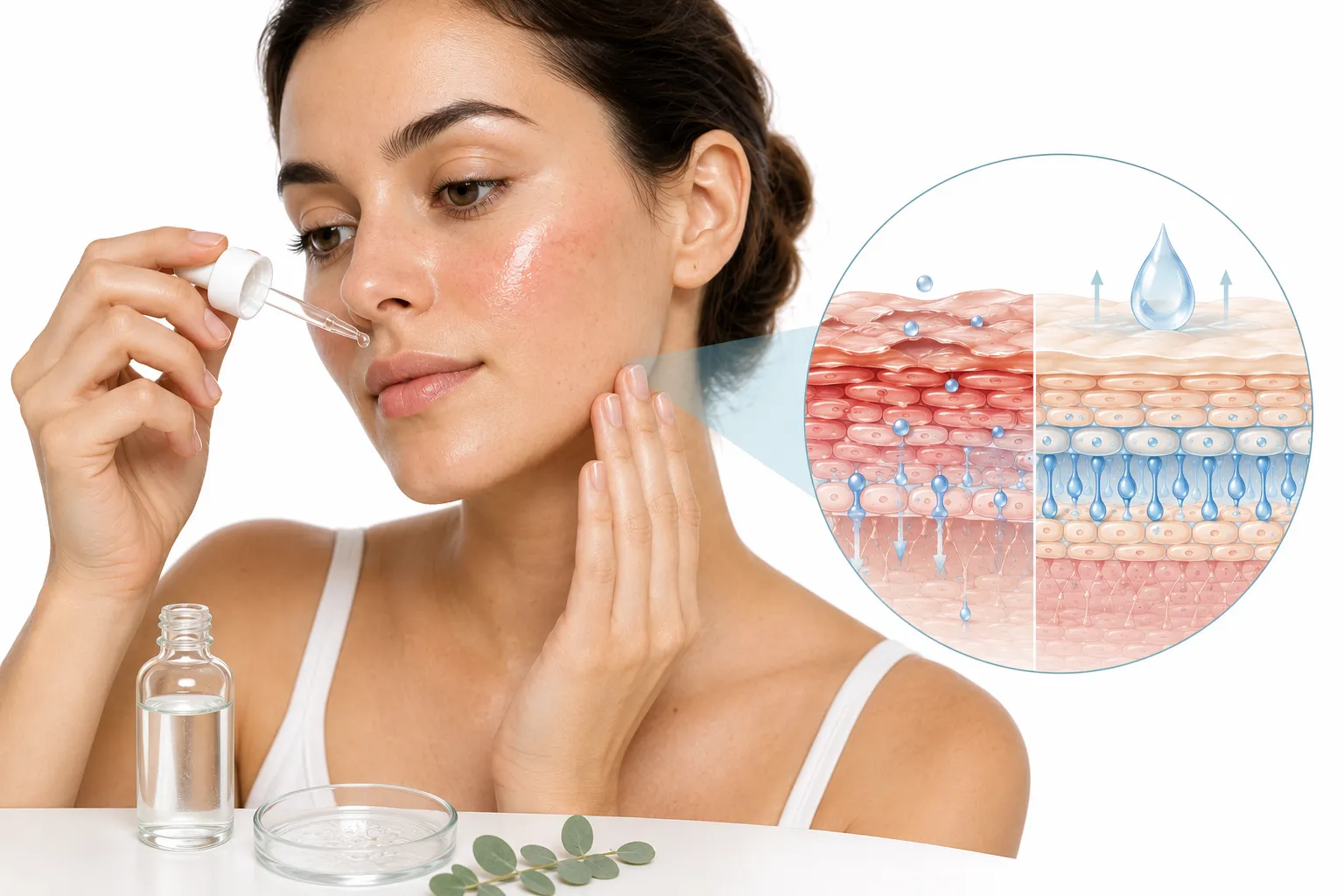
The surprising thing is that despite its gentle reputation, niacinamide is a powerhouse ingredient that works on multiple aspects of skin health.
Can
But if your skin barrier is damaged, even good ingredients can sting, flush, or irritate.
Can
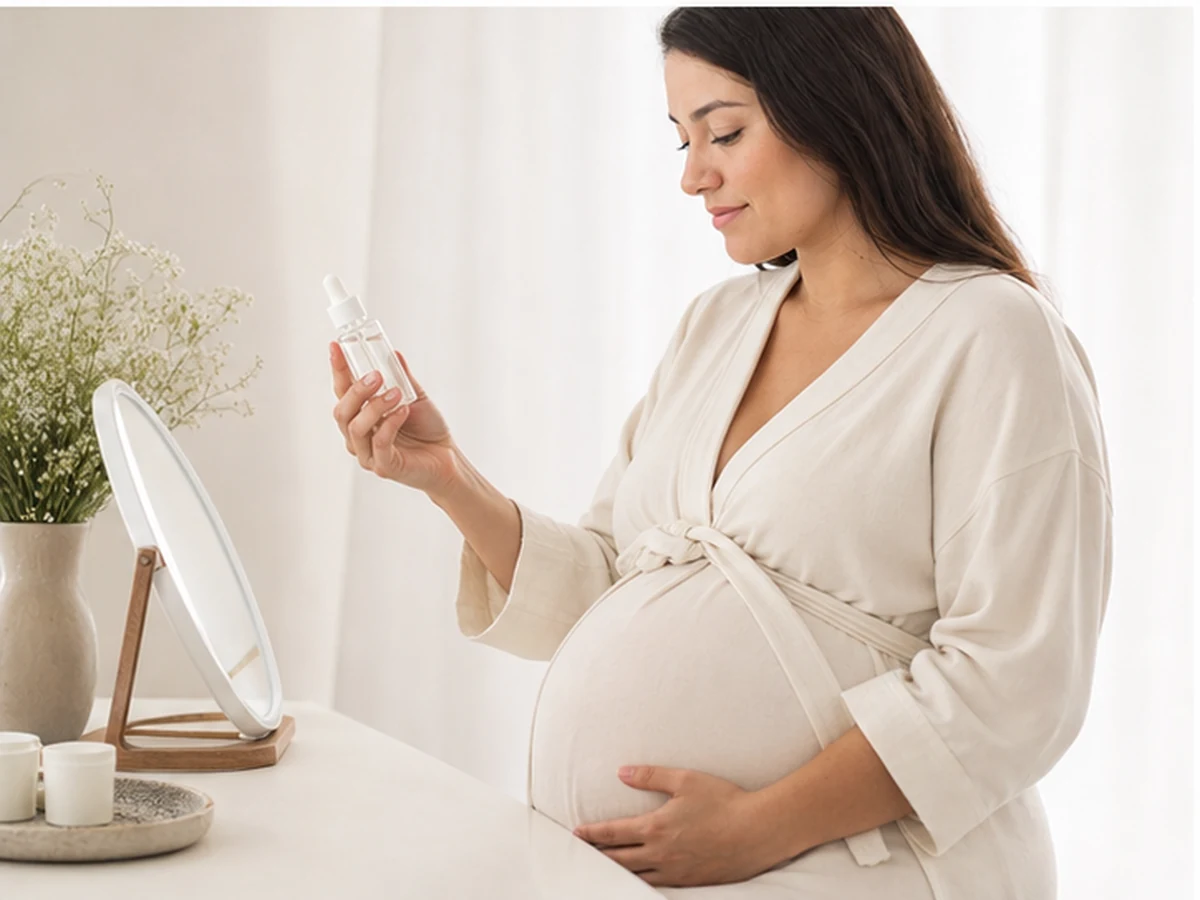
The surprising thing is that niacinamide, one of the most versatile skincare ingredients, remains a safe and effective choice throughout pregnancy.
Pregnancy brings a host of skincare considerations. Many common ingredients become questionable, but niacinamide is one of the few that remains firmly in the "safe" column. It's a relief for anyone looking to maintain their skin during pregnancy.
Can
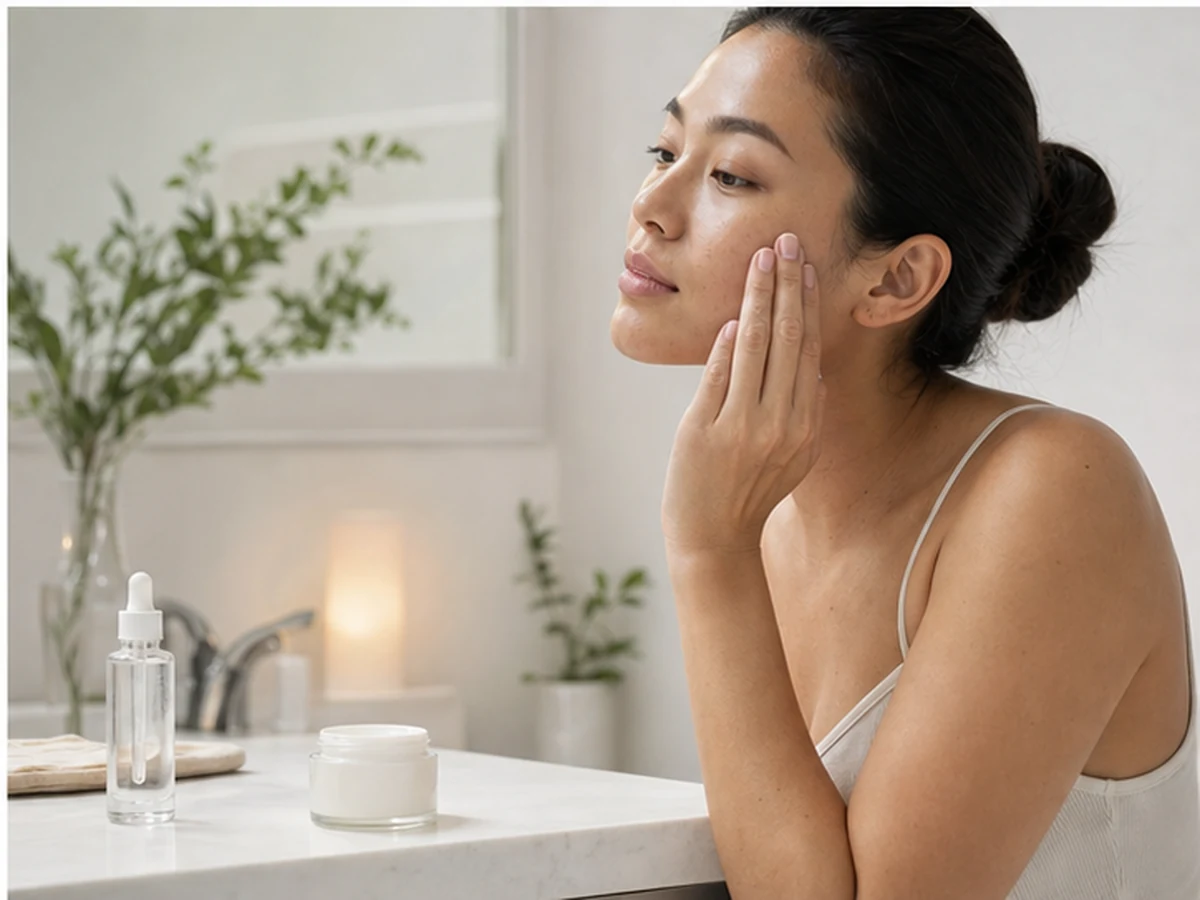
The surprising thing is that even if your skin isn't visibly dry, it still benefits from moisturizer after niacinamide because of how the two products work together.
Can
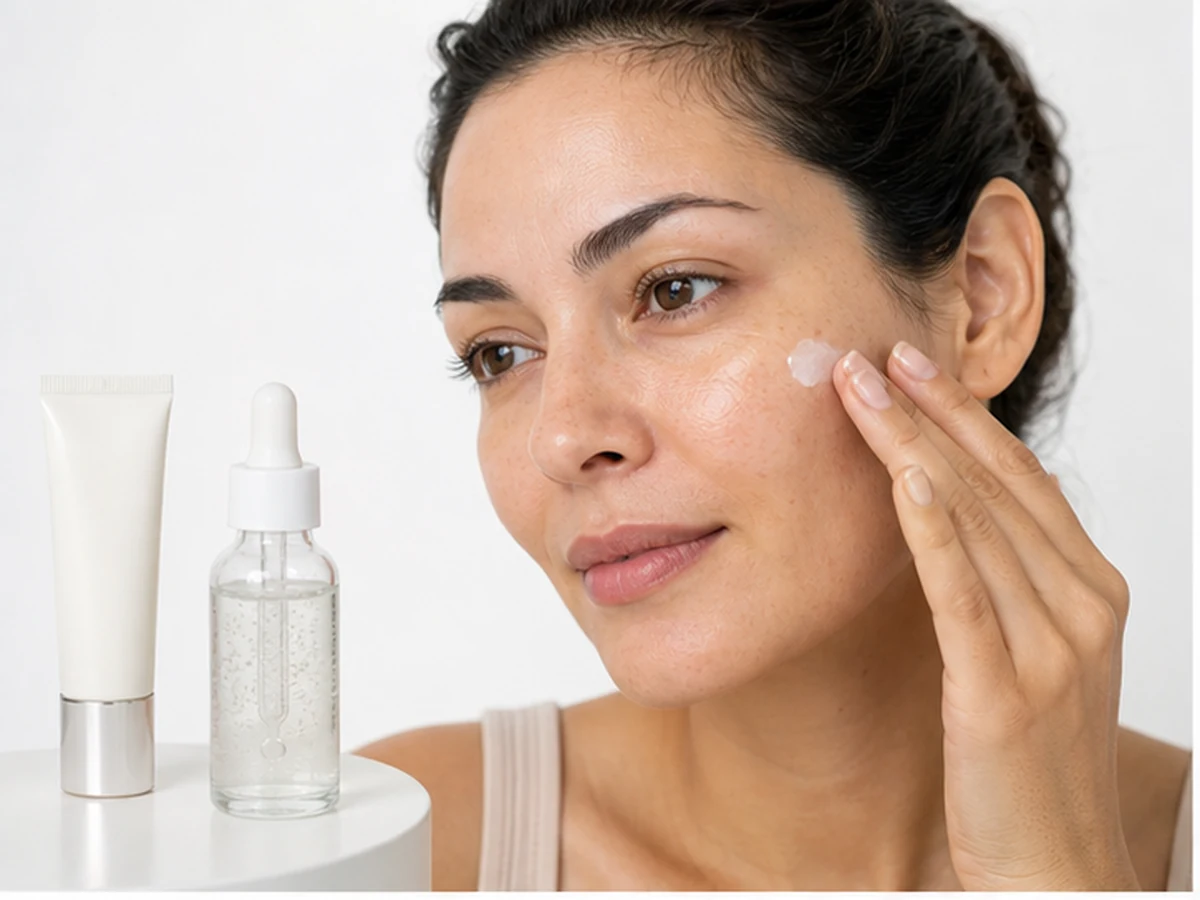
The surprising thing is that niacinamide doesn't just complement retinol - it actively makes it more tolerable by calming the irritation that retinol can cause.

Can
But dry skin gets blackheads and congestion too, and it would like a solution that doesn't leave it flaking.
Can
Salicylic acid and niacinamide are exactly that kind of pair.
These two ingredients target different aspects of acne-prone skin. Used together, they can clear congestion while supporting the barrier, provided you use them correctly.
Can
But that tight feeling wasn't cleanliness; it was your skin's natural moisture being stripped away. Modern toners are a different story entirely.
Can
Laser hair removal works by heating the hair follicle, but that heat can also affect the surrounding skin.

Can
But what if the dryness isn't coming from the outside - what if it's coming from the inside, from a lack of something as fundamental as iron?

Can
The strange part is that the same answer applies to many chronic conditions - you can treat them effectively, but you can't erase them entirely.
The word "cure" carries a lot of weight, and in the case of melasma, it's carrying the wrong one. Melasma isn't like a bacterial infection where you take a course of treatment and it's gone forever. It's more like a chronic condition that you learn to live with and manage.

Can
The honest answer is a little uncomfortable: melasma is not curable, but that does not mean you are stuck with visible pigmentation forever.

Can
Melasma is the notable exception. It usually changes color without changing how the skin feels or behaves on the surface.

Can
The strange part is that even dermatologists can't promise permanent removal - not because they're not trying, but because melasma is a chronic condition that doesn't behave like other pigmentation issues.
The short answer is no. The longer answer is still no, but it comes with a lot of helpful context about what you can actually do. If you're hoping for a one-and-done solution to melasma, you're going to be disappointed - but not necessarily defeated.

Can
With melasma, the pigment can be taken away, but it can come back. The condition itself is not something that can be removed.
Removal is a word with a lot of finality. For melasma, the question of removal is a little more complicated than a simple yes or no - and understanding why is crucial for your treatment journey.

Can
For melasma, that is a bit like trying to un-burn a piece of toast. The pigment can be significantly lightened, but the underlying tendency remains.

Can
But patience, it turns out, is exactly what treatment requires. Melasma can be treated - it just does not respond to the kind of quick fixes we have all come to expect in modern life.

Can
The strange part is that some melasma does go away completely, while other cases are stubbornly persistent - and the difference usually comes down to what triggered it in the first place.

Can
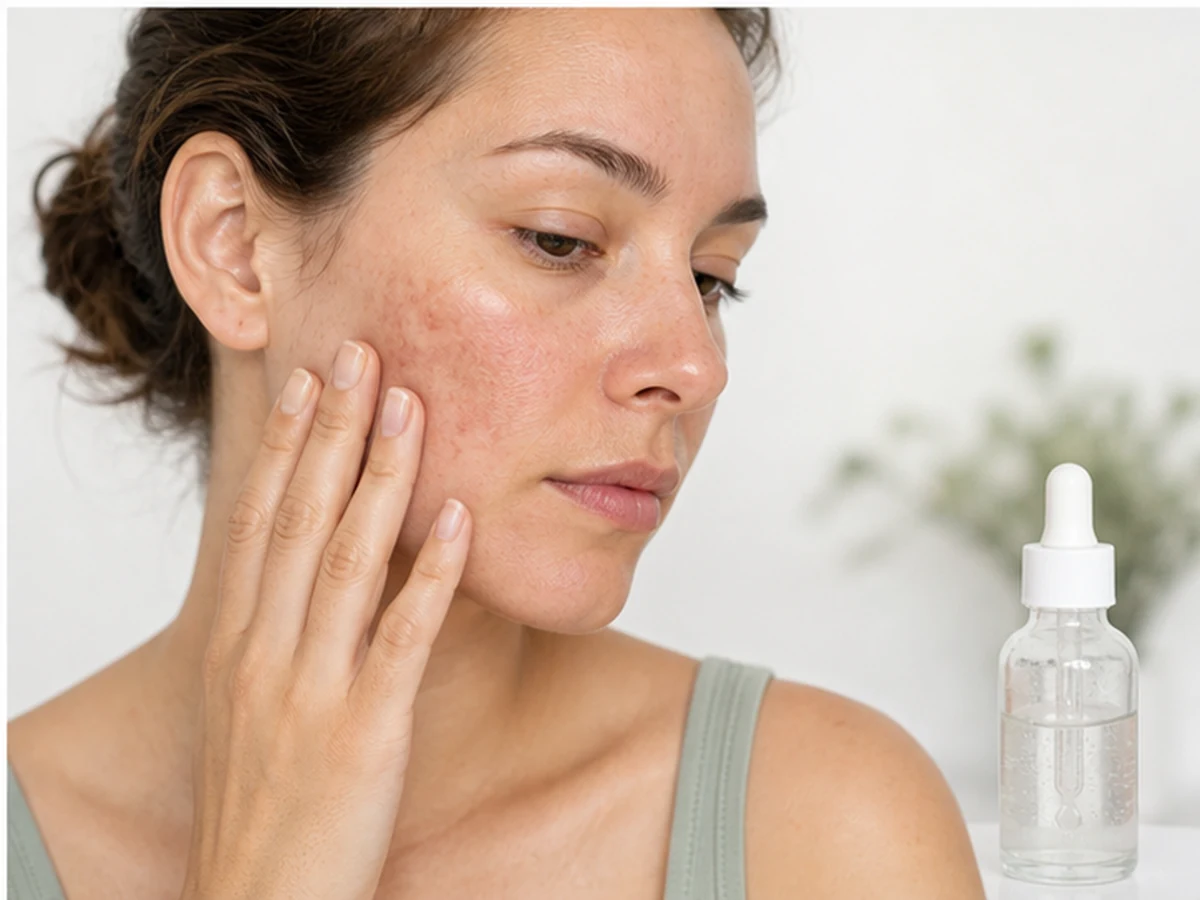
The question "can melasma turn into cancer?" seems reasonable - after all, it involves pigment cells, and so does melanoma.
This is the fear that nags at the back of your mind when you see those brown patches. You've heard that "melasma" sounds a lot like "melanoma," and you've started worrying. Let's put that worry to rest.
Can
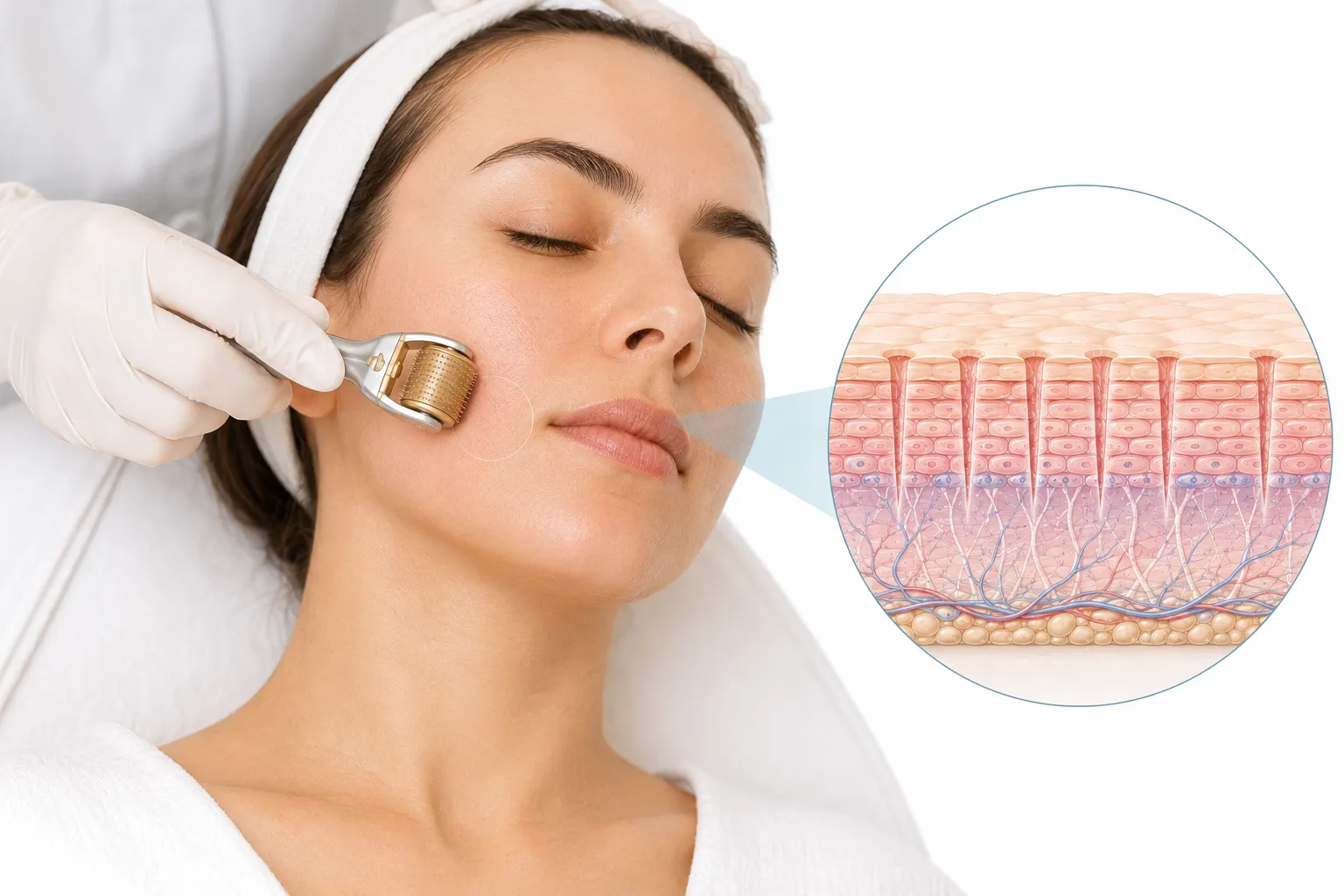
The trauma of hundreds of tiny needles can trigger inflammation, and inflammation is the engine of hyperpigmentation.
Can
But if you're creating wounds, isn't your barrier getting damaged in the process, and could that backfire?
Microneedling is often described as creating "controlled damage" to stimulate collagen and rejuvenate the skin. But if it's controlled damage, does it affect your skin barrier, and is that something to worry about?
Can
Hyaluronic acid brings the water; niacinamide strengthens the structure that holds it.
Can
Niacinamide and retinol fall firmly into the second category, but with a few important rules.
These two skincare heavyweights are like a perfect duet, each one making the other work better. When used together, niacinamide and retinol can deliver impressive results while minimizing irritation.
Can
Niacinamide and salicylic acid fit together well, but only if you follow the right order and frequency.
Can
And just like that fashion rule, it's mostly nonsense. But there's a grain of truth that's worth understanding.
Can
The truth is much less dramatic and far more practical.
Can
But what if there were a way to get all the benefits and much less of the downside?
If there were a skincare dream team, it would be niacinamide and retinol. They work brilliantly together - one calming and supporting, the other transforming and renewing. It's a partnership that's greater than the sum of its parts.
Can
But like many skincare rules, this one is more myth than science.
For years, skincare advice warned against mixing these two ingredients. The theory was that they'd cancel each other out or cause irritation. The truth is more reassuring - and more complicated.
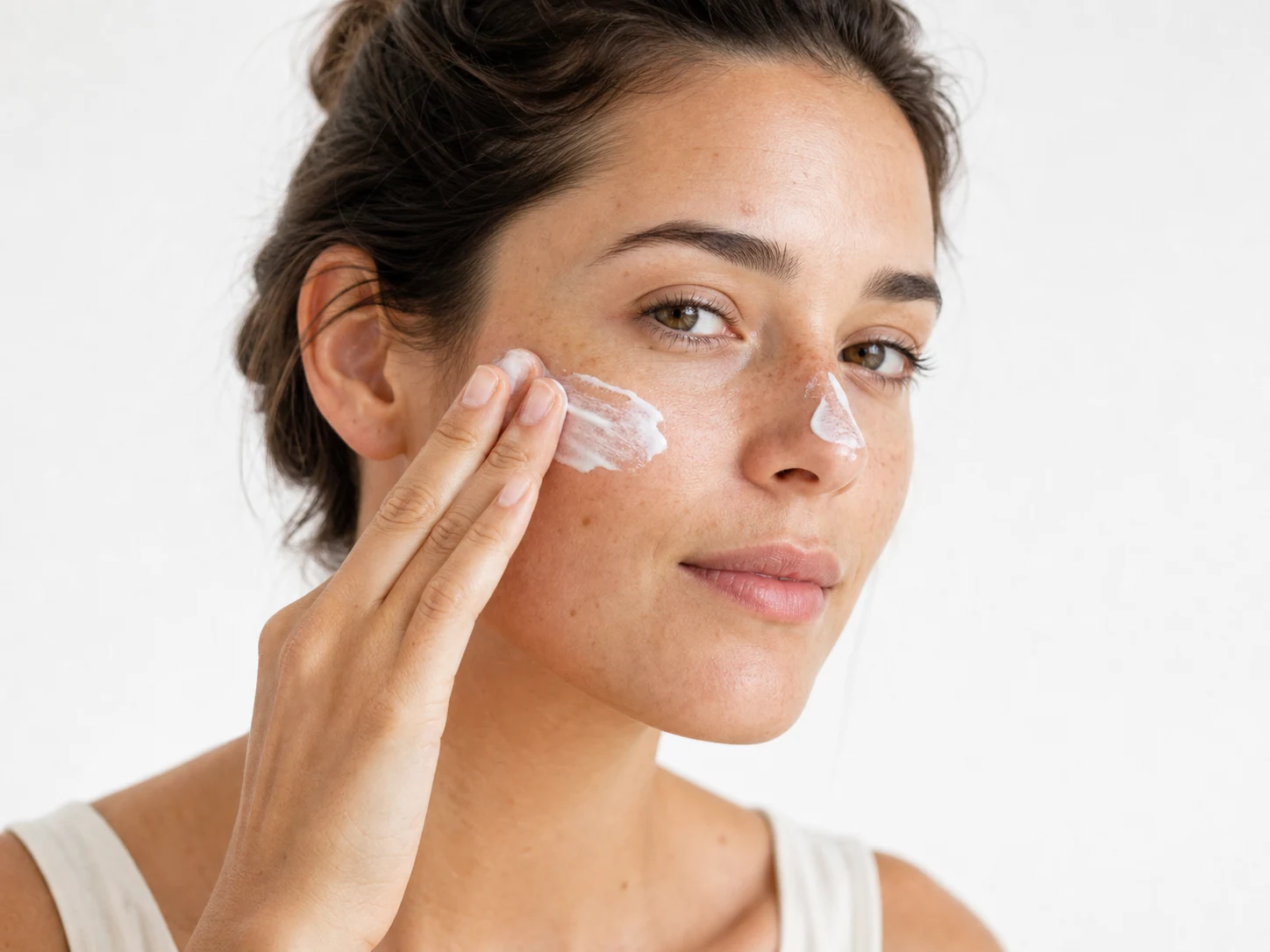
Can
Is this the "purging" everyone talks about? Or is niacinamide actually making things worse?
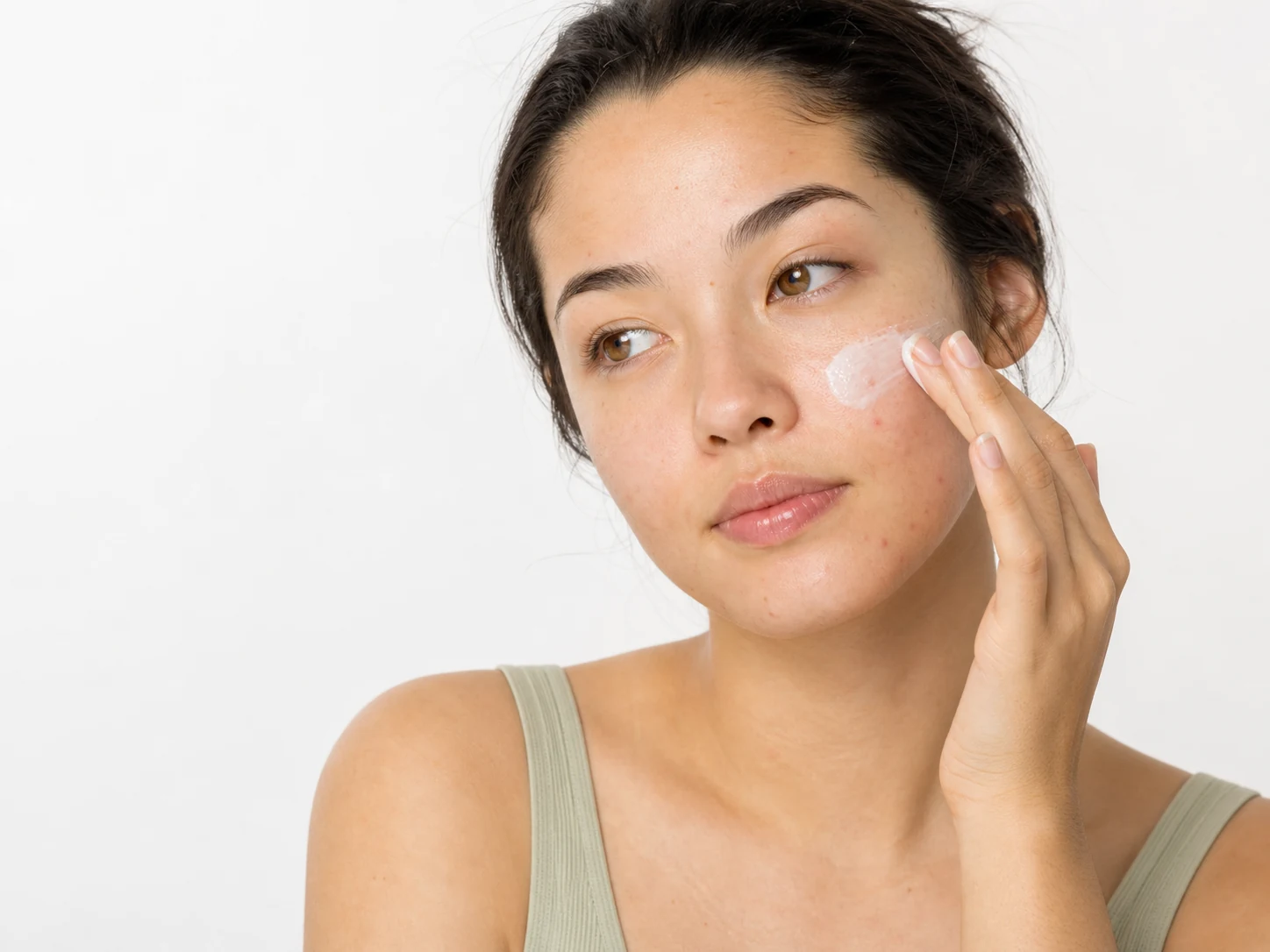
Can
But occasionally, even the best contractor can do more harm than good.
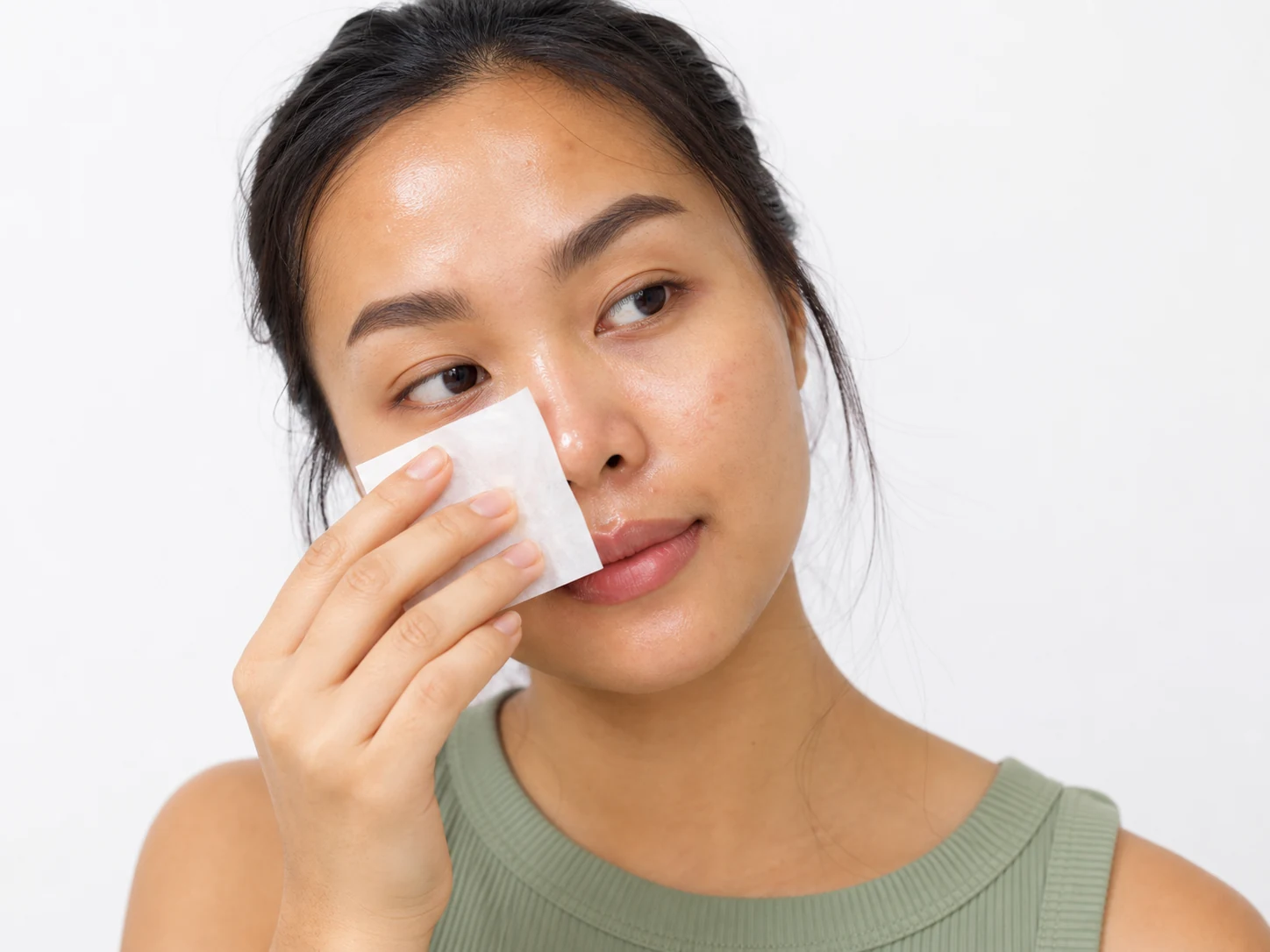
Can
But purging is actually a very specific biological process that only certain ingredients can trigger.
Skin purging is a specific reaction to ingredients that speed up cell turnover. Niacinamide doesn't work that way, which means those new breakouts are probably something else.
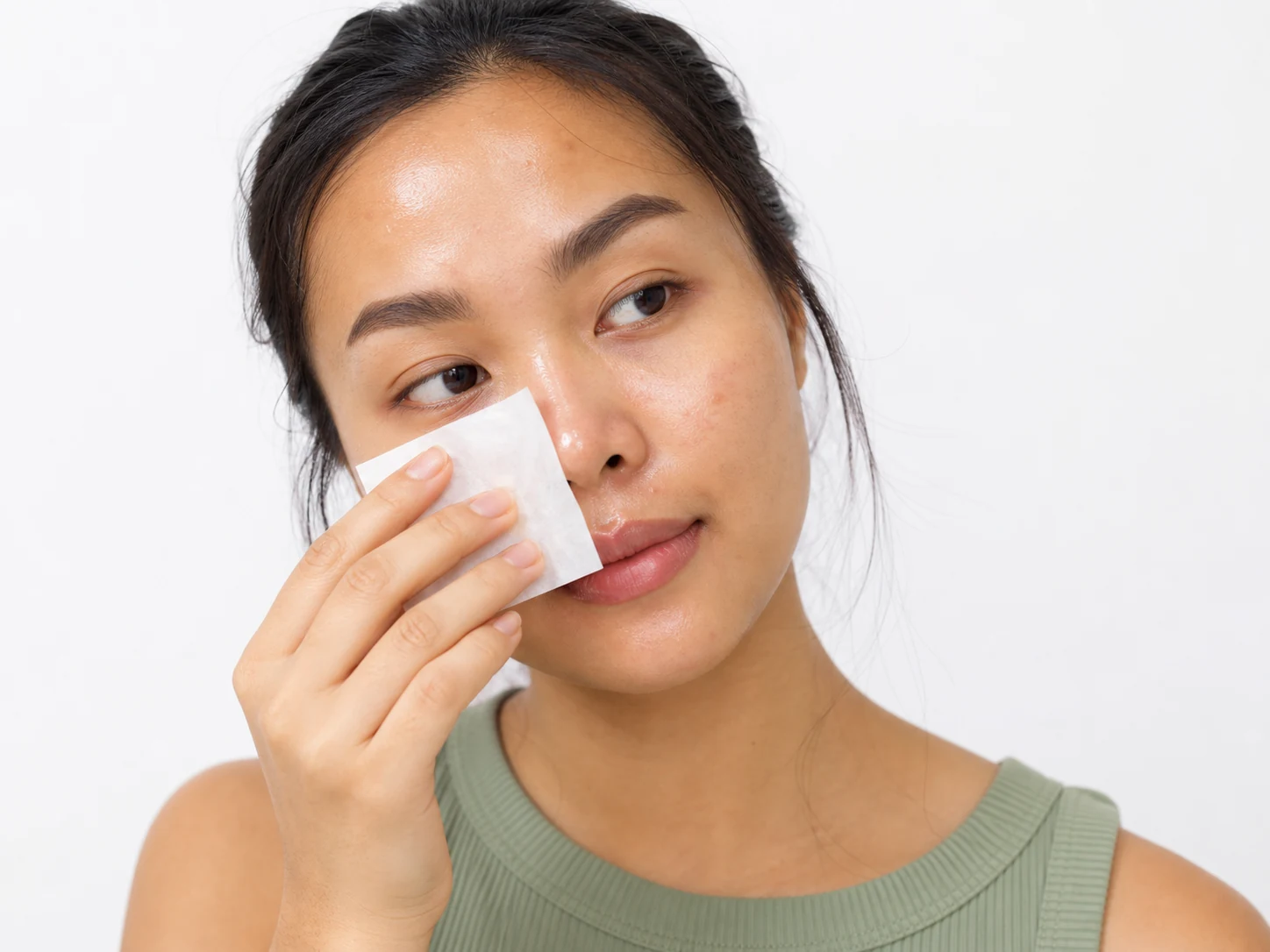
Can
The surprising thing is that niacinamide doesn't actually change the physical size of your pores at all. What it does is change the factors that make them look larger.

Can
The barrier repair claim has some of the strongest evidence behind it, partly because niacinamide works in a very specific way: it boosts the production of the skin's natural lipids.
Can
Some scars are surface-level stains, while others are structural changes to the skin. The treatment for each is completely different.
Can
The surprising thing is that niacinamide's role in blackhead management isn't about removal at all - it's about creating conditions where blackheads are less likely to form.
Blackheads are a stubborn problem, and many products claim to offer a solution. Niacinamide is one of those ingredients that people want to believe in for blackhead removal. But its role is more preventive than curative.
Can
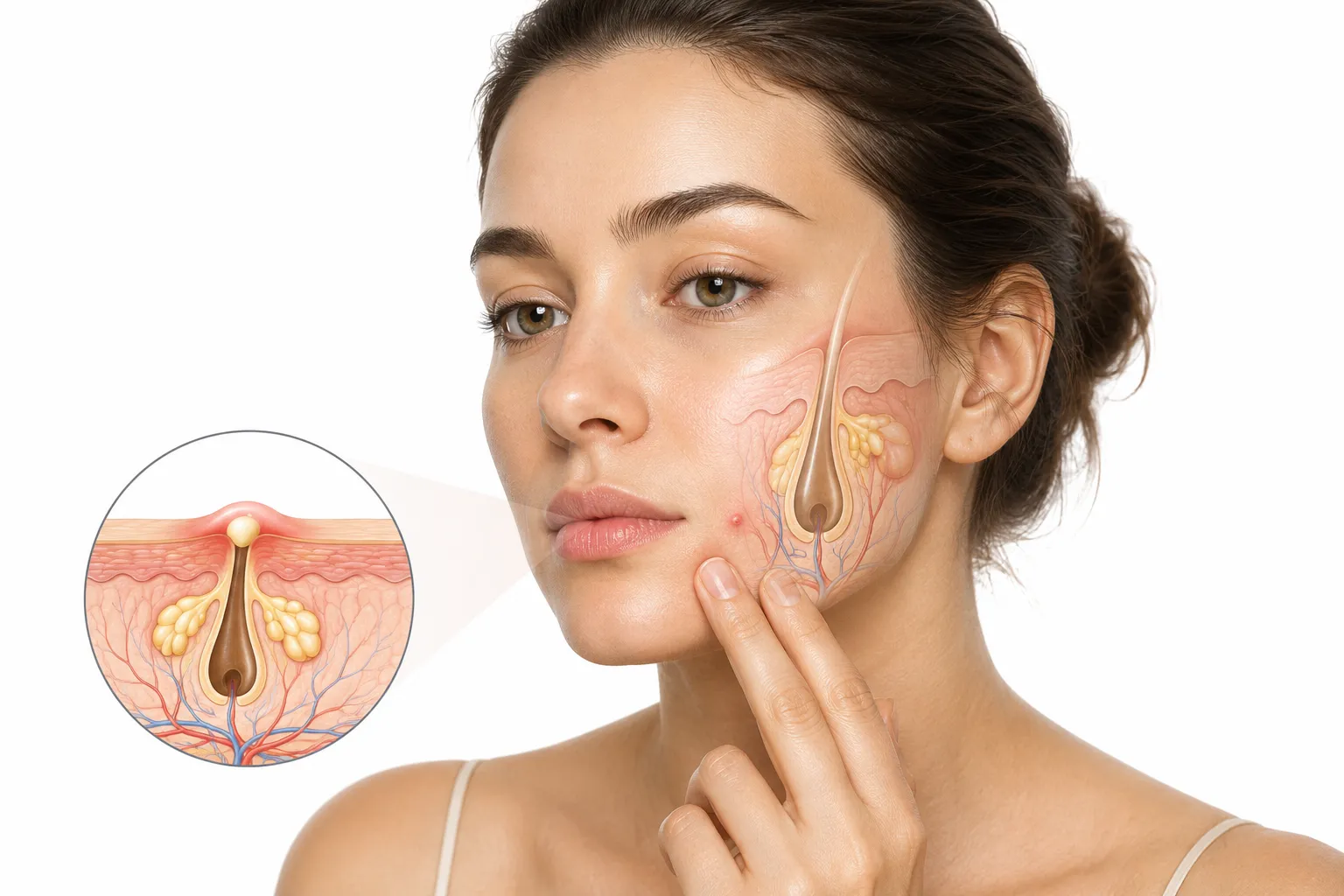
But pores are just openings in your skin - they don't have muscles, and they don't "shrink" in any literal sense.
Can
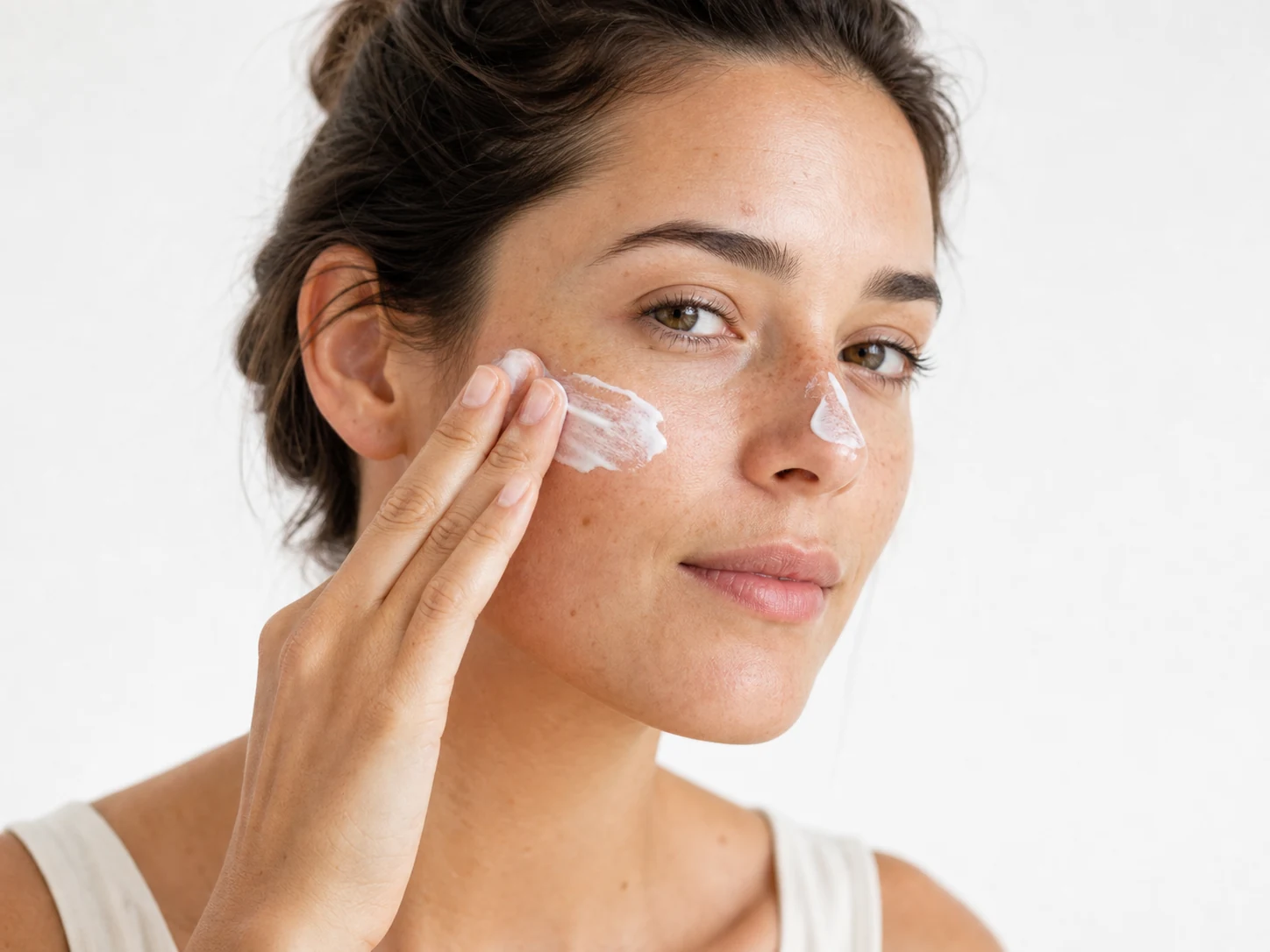
But anyone with normal skin who has battled persistent whiteheads or occasional cysts knows this isn't true. Acne doesn't care about your skin type label.
Can
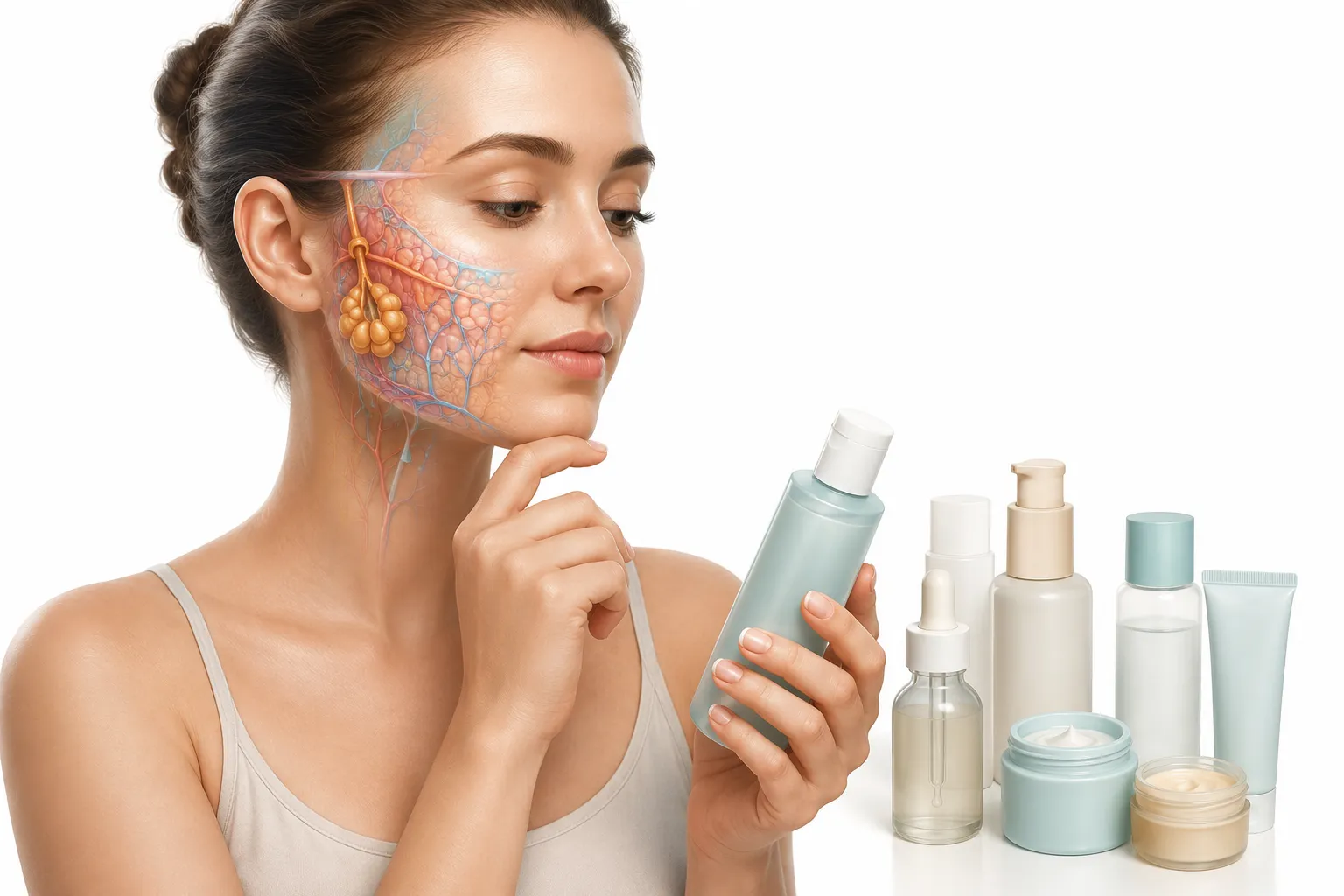
And yet, many people with normal skin find themselves dealing with whiteheads, blackheads, and the occasional inflamed pimple.
Can
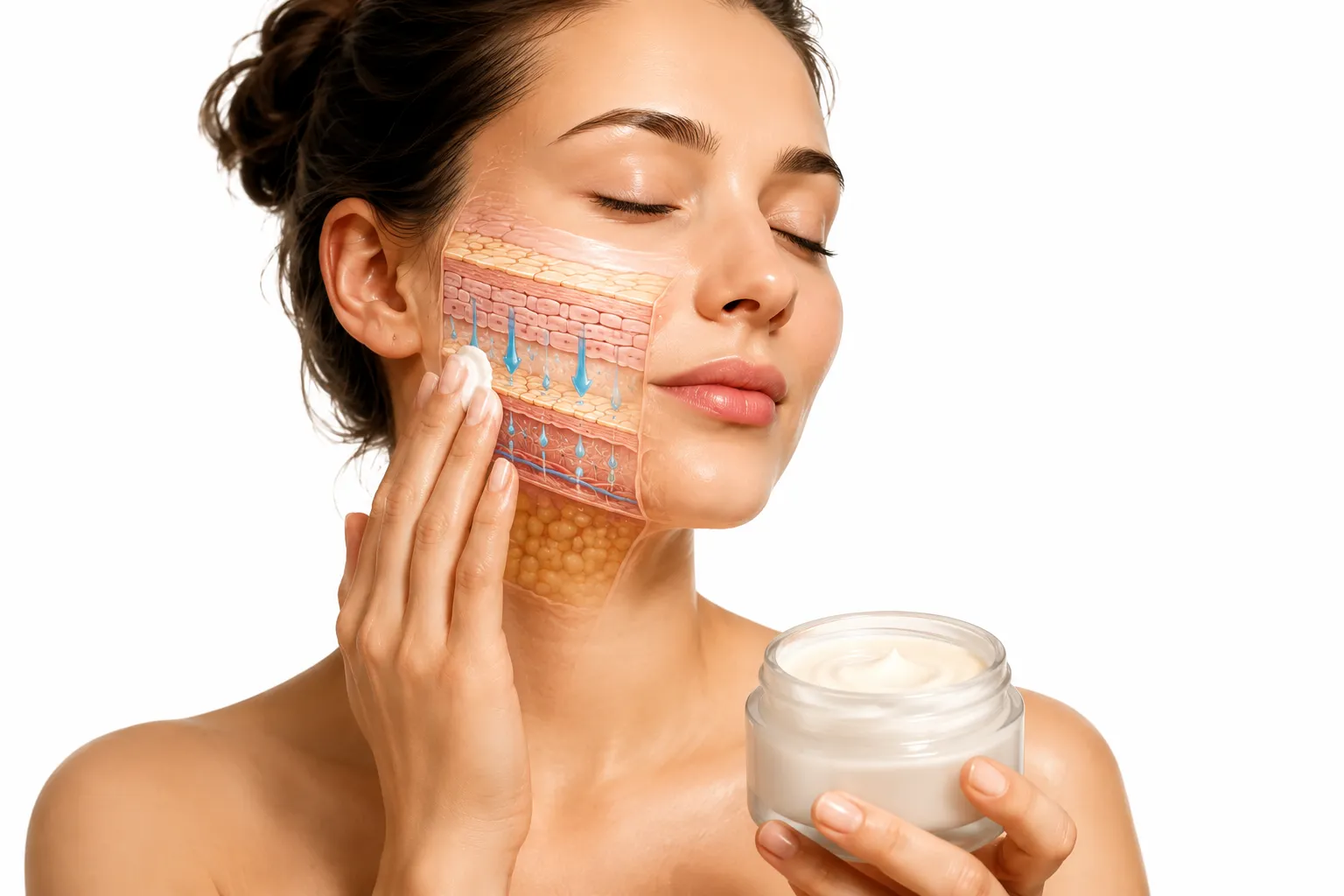
But that doesn't mean you should use everything on the shelf. Even the most adaptable skin has limits.
Having normal skin is a bit like being a culinary omnivore - you can eat almost anything, but that doesn't mean everything agrees with you. The same applies to skincare.
Can
That doesn't mean you can't use them - it just means you need to be thoughtful about how and when.

Can
Niacinamide is different. It's more like a daily vitamin for your skin - something that keeps it healthy even when nothing is wrong.
Can
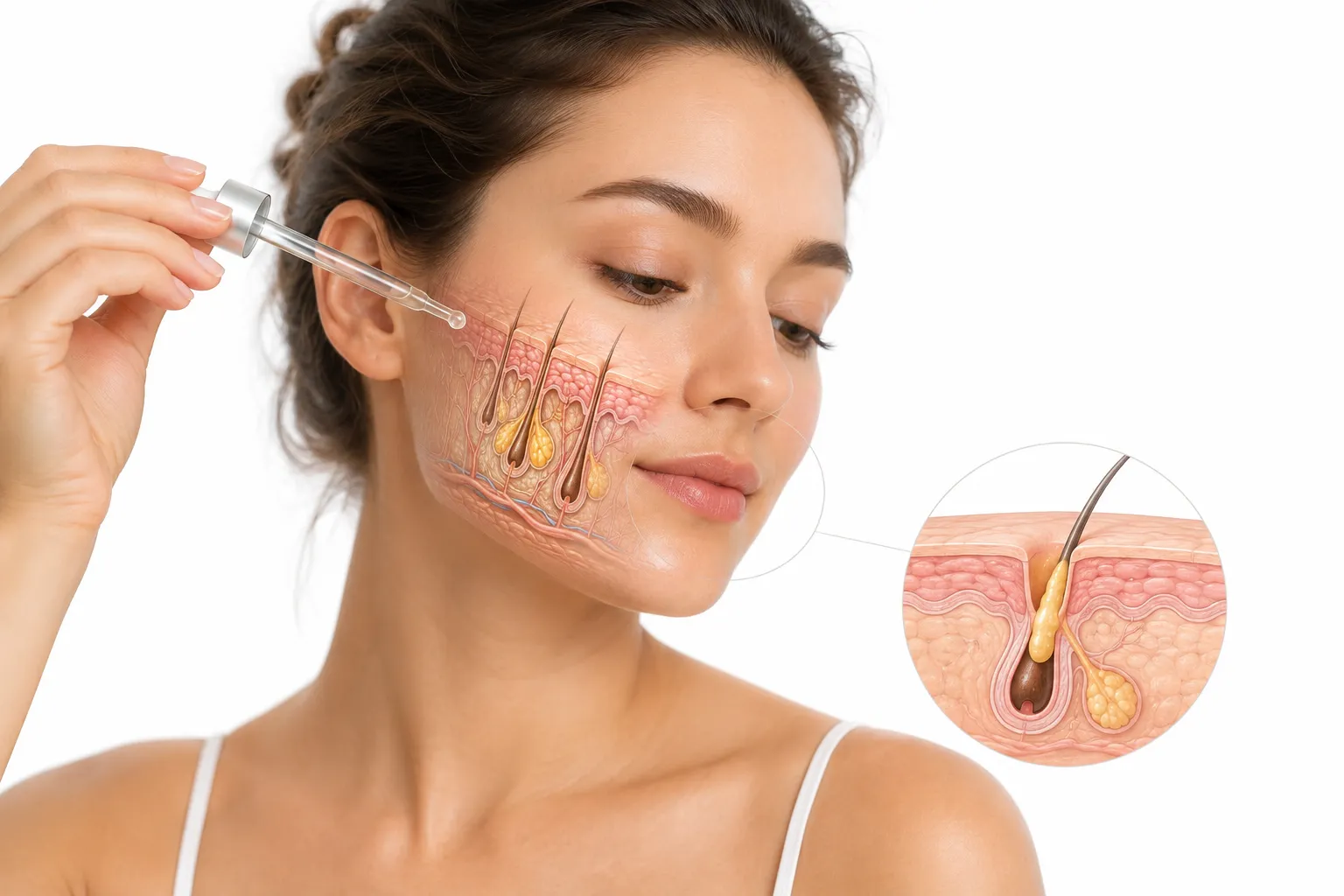
But it's also useful for normal skin, just in a different way: as a gentle maintenance tool rather than a problem-solver.
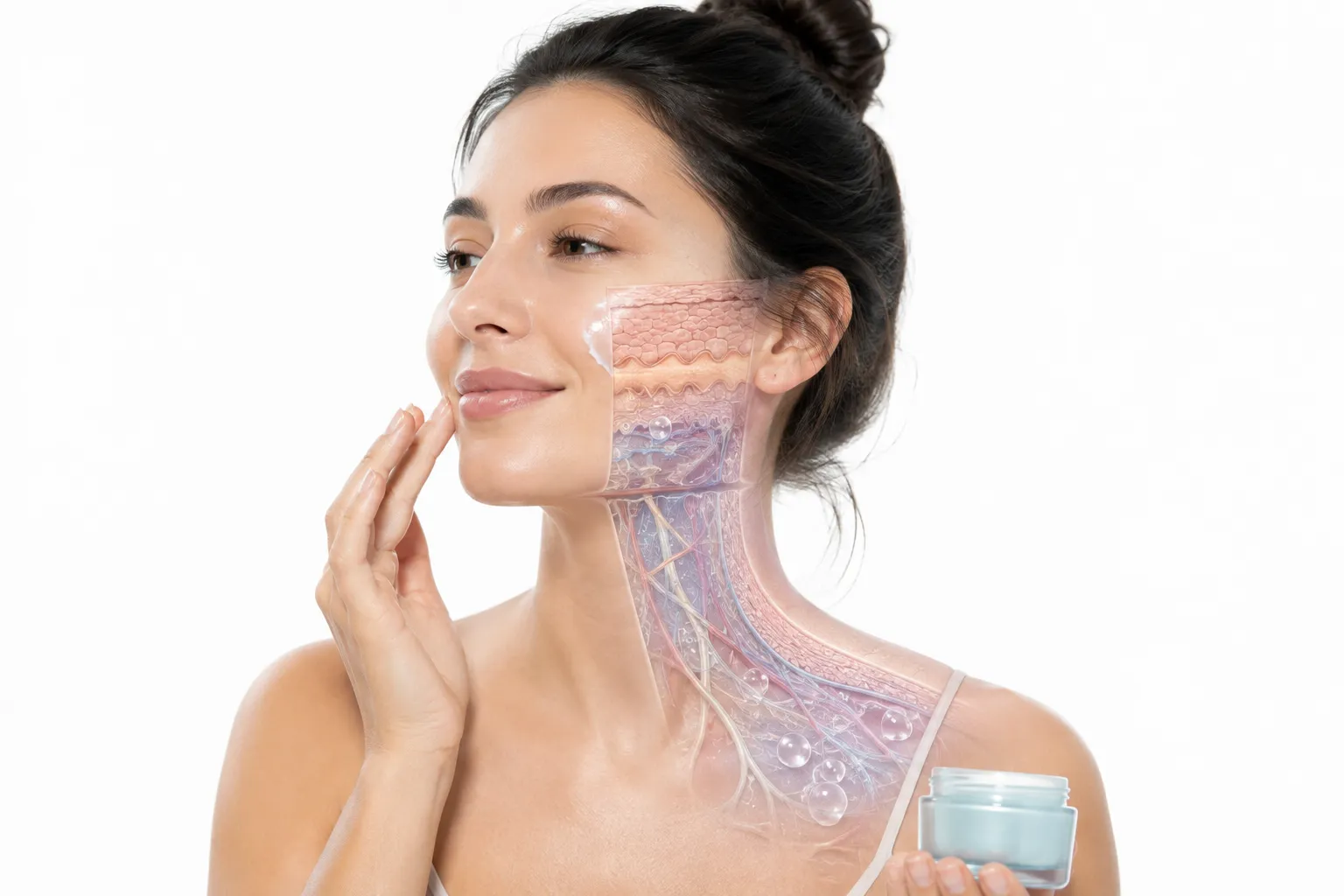
Salicylic acid is usually associated with oily and acne-prone skin, but normal skin can benefit from it too. The key is using it differently - less frequently and more gently.
Can
For normal skin, they can be an excellent choice, offering gentle care without the risk of irritation.
Sensitive skin products are formulated to be the gentlest of the gentle - no fragrance, no harsh ingredients, and minimal potential for irritation. For normal skin, they're often a safe bet.
Can
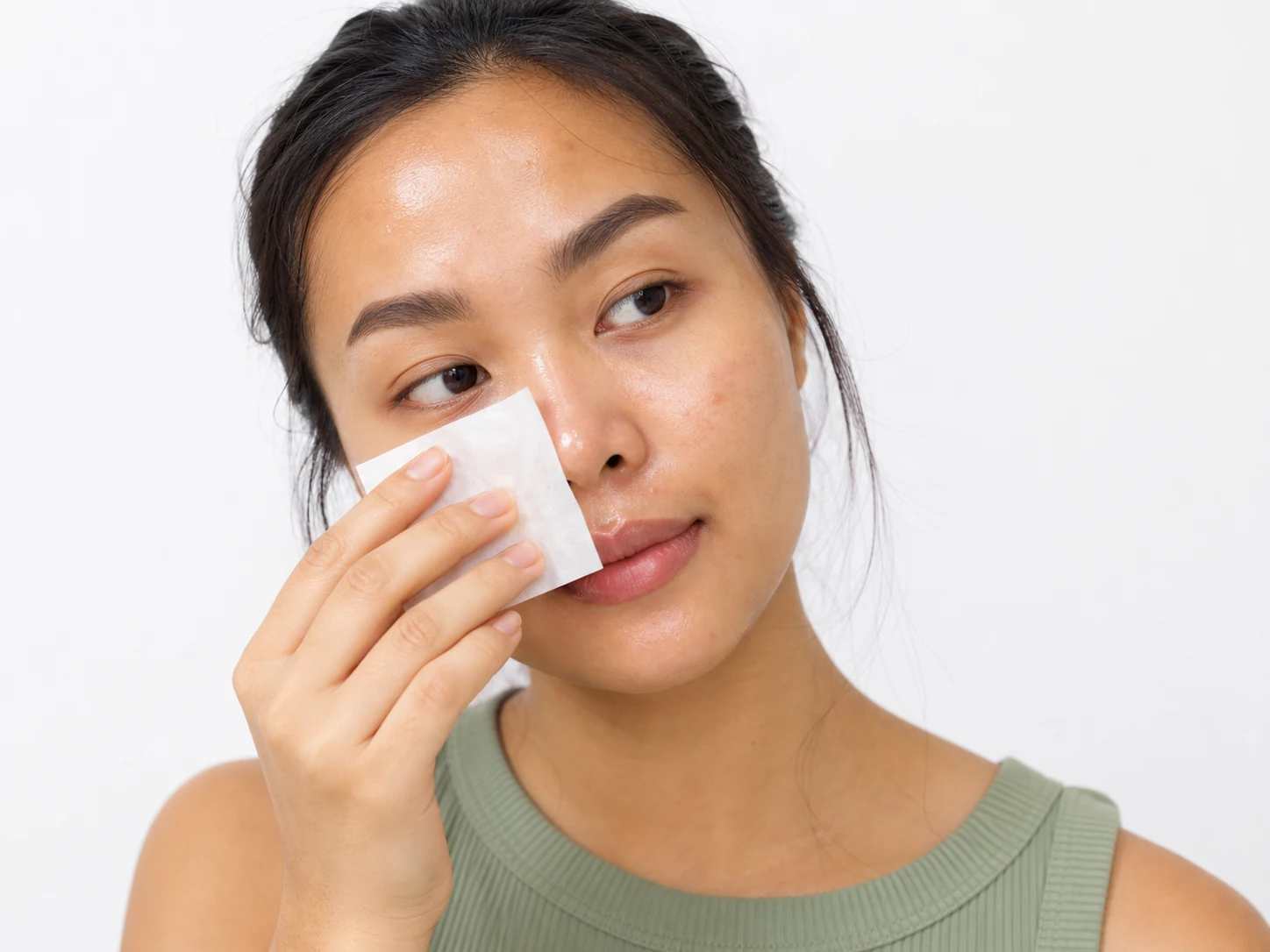
It's one of skincare's most common contradictions: skin that produces too much oil while lacking water.
Can
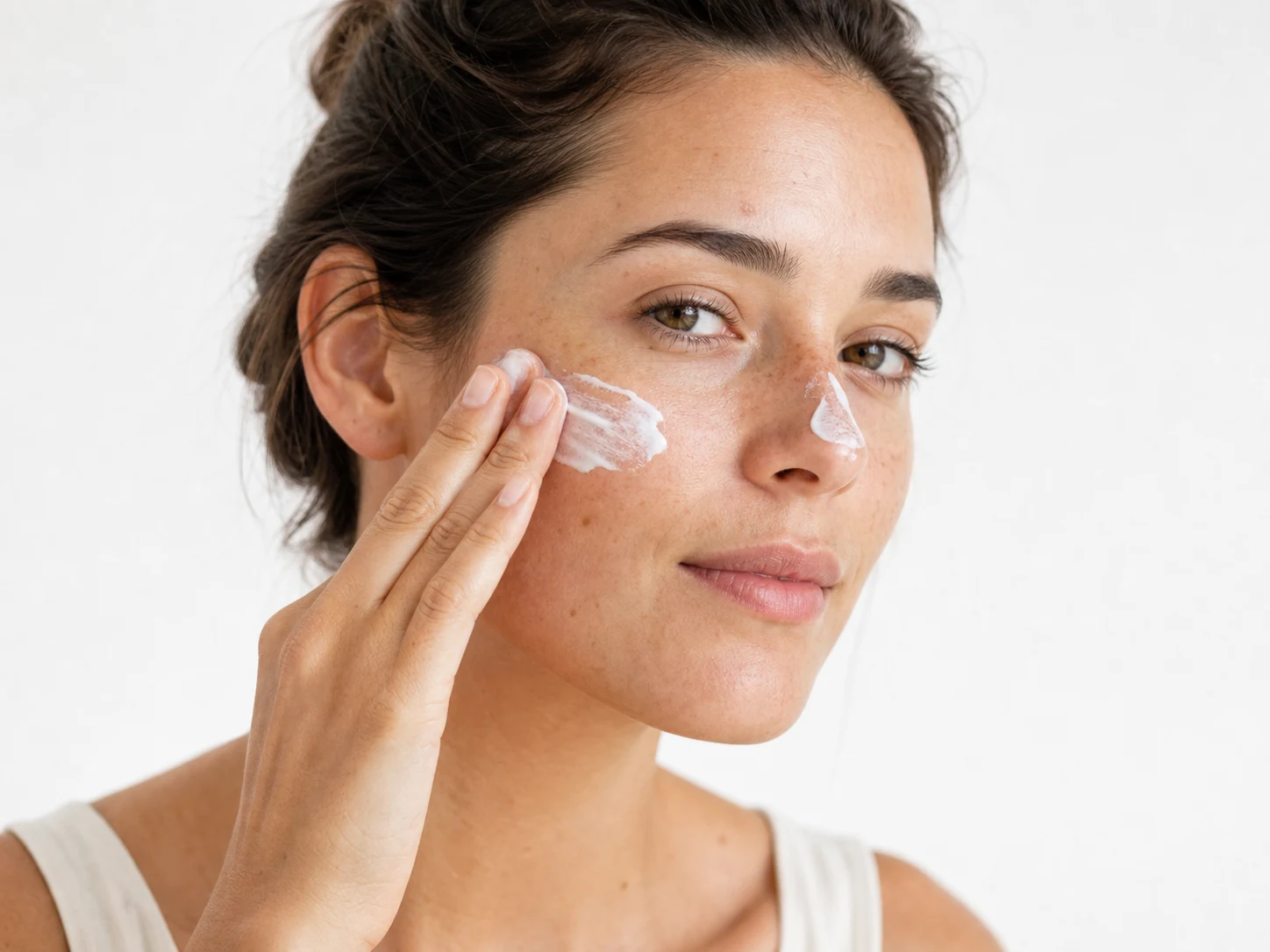
The confusion comes from mixing up skin type (your baseline oil production) and skin condition (how your skin feels right now).
Can
It's not a sudden flip - it's a gradual shift driven by aging, hormones, and environmental factors.
Can
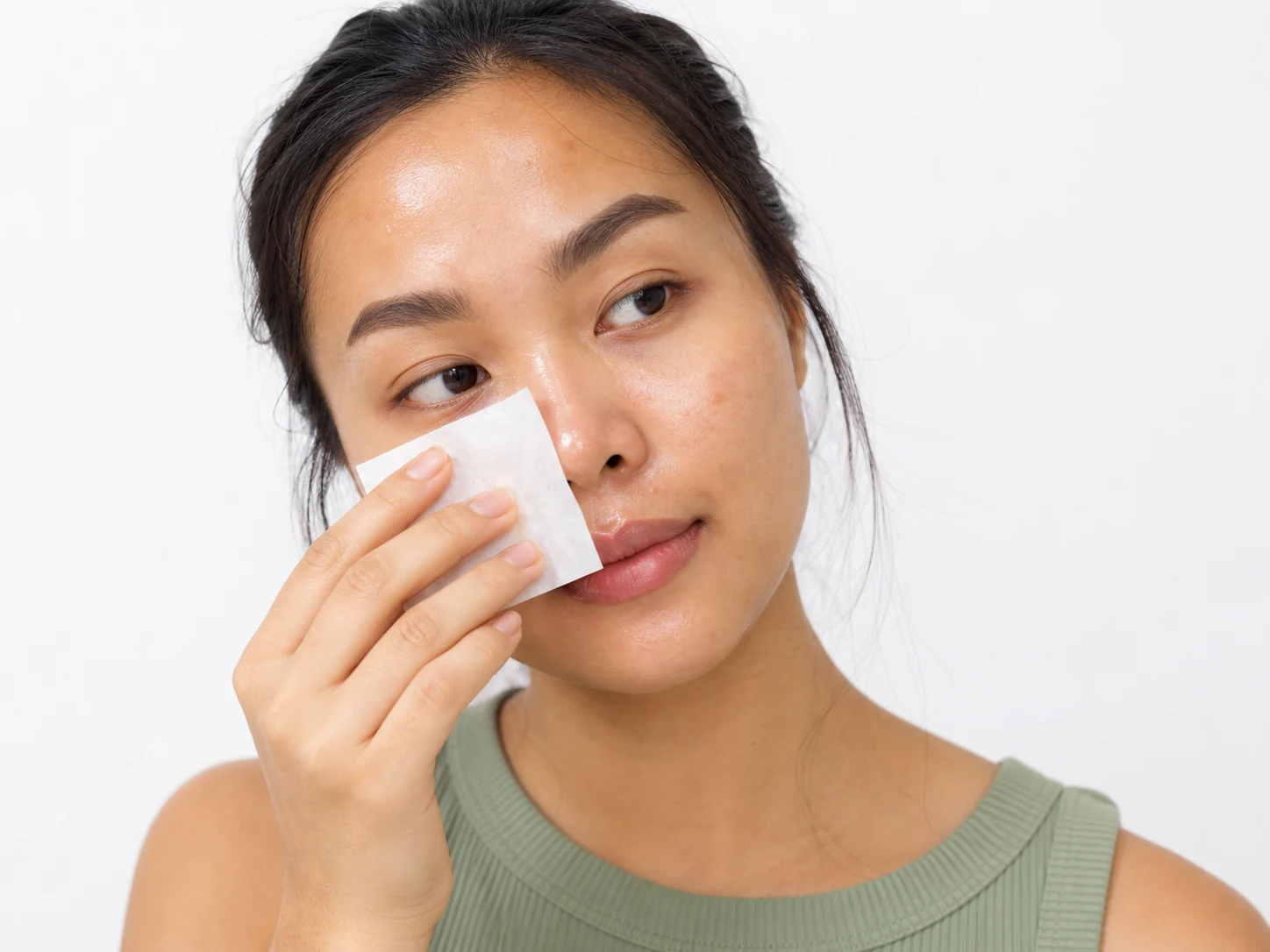
The connection is real, but it's not quite as direct as "oil causes acne." It's more like oil creates the environment where acne can thrive.
The connection between oily skin and acne is one of skincare's most well-established relationships. But it's not as simple as "oil causes breakouts" - it's a more nuanced process.
Can
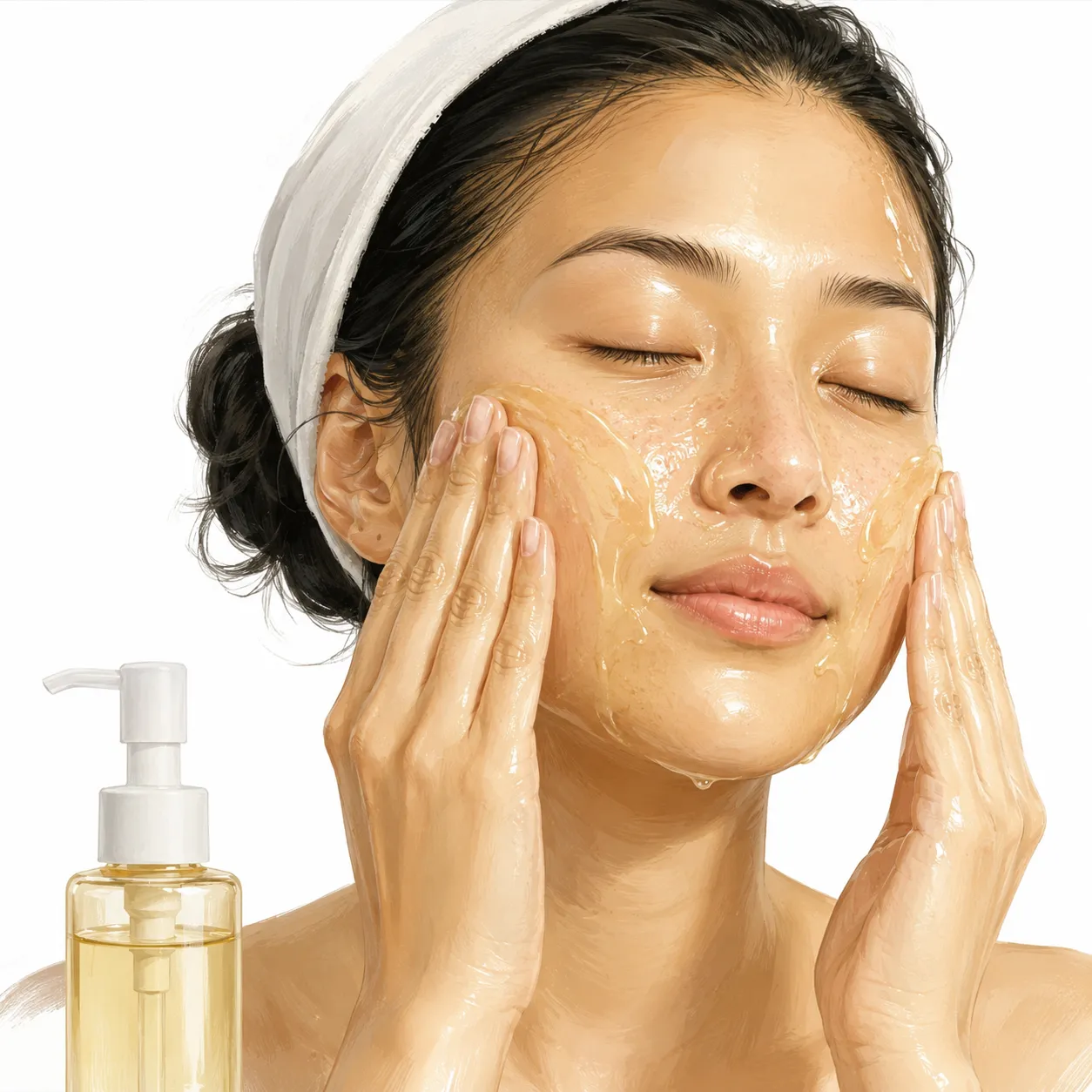
The key is understanding that cleansing oil isn't leaving oil on your skin - it's dissolving the oil, dirt, and makeup that water alone can't remove.
Can
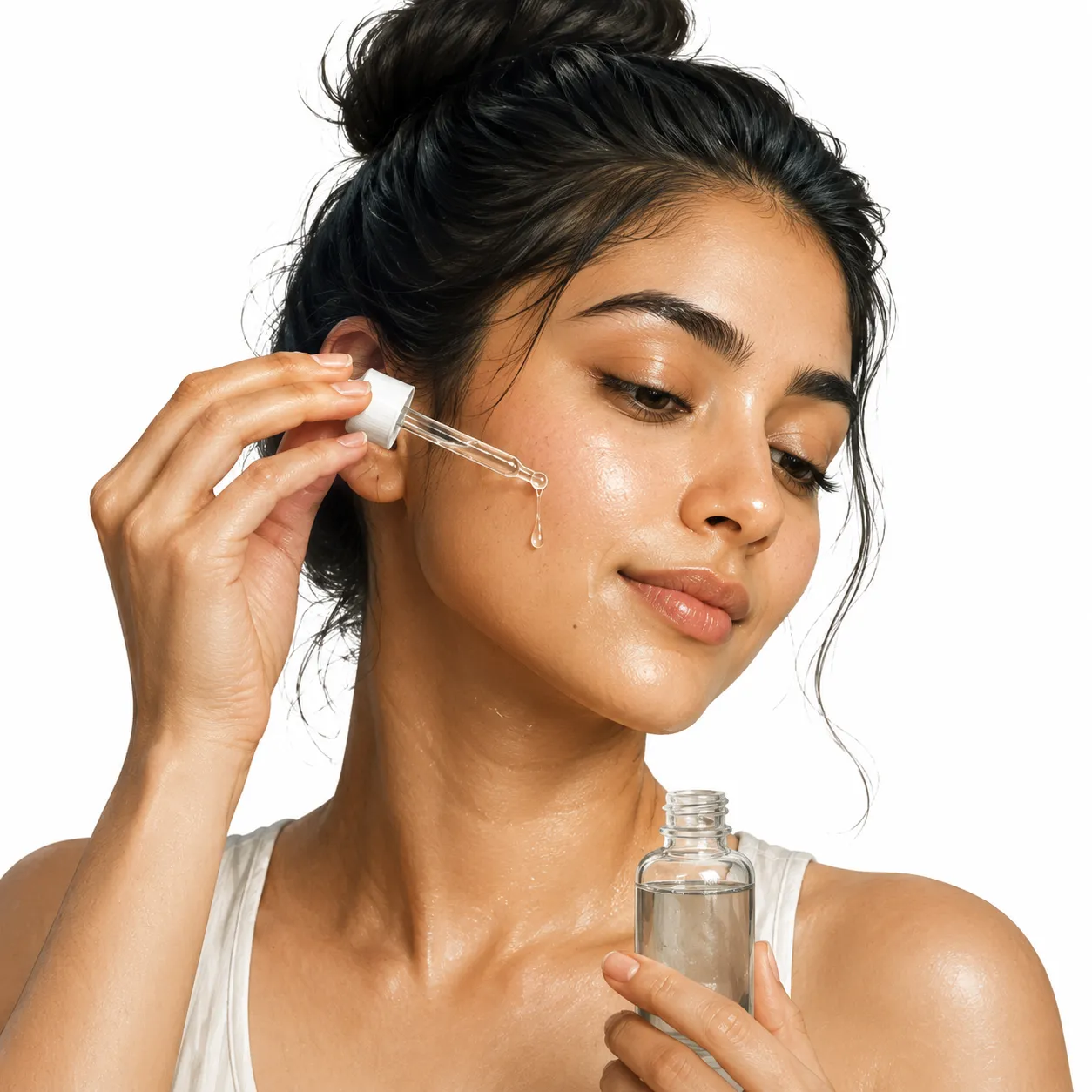
The skin is two things: oil and water. Oily skin has plenty of the first but may be missing the second. Hyaluronic acid provides exactly what's missing without adding to what's already abundant.
Hyaluronic acid is often associated with dry skin - the ingredient that holds a thousand times its weight in water seems like it should be reserved for people who are desperate for hydration. But oily skin needs hydration too, and hyaluronic acid delivers it without adding a single drop of oil.
Can
But the skin that produces too much oil often produces it because it's dehydrated - it's trying to compensate. Moisturizer breaks this cycle.
Can
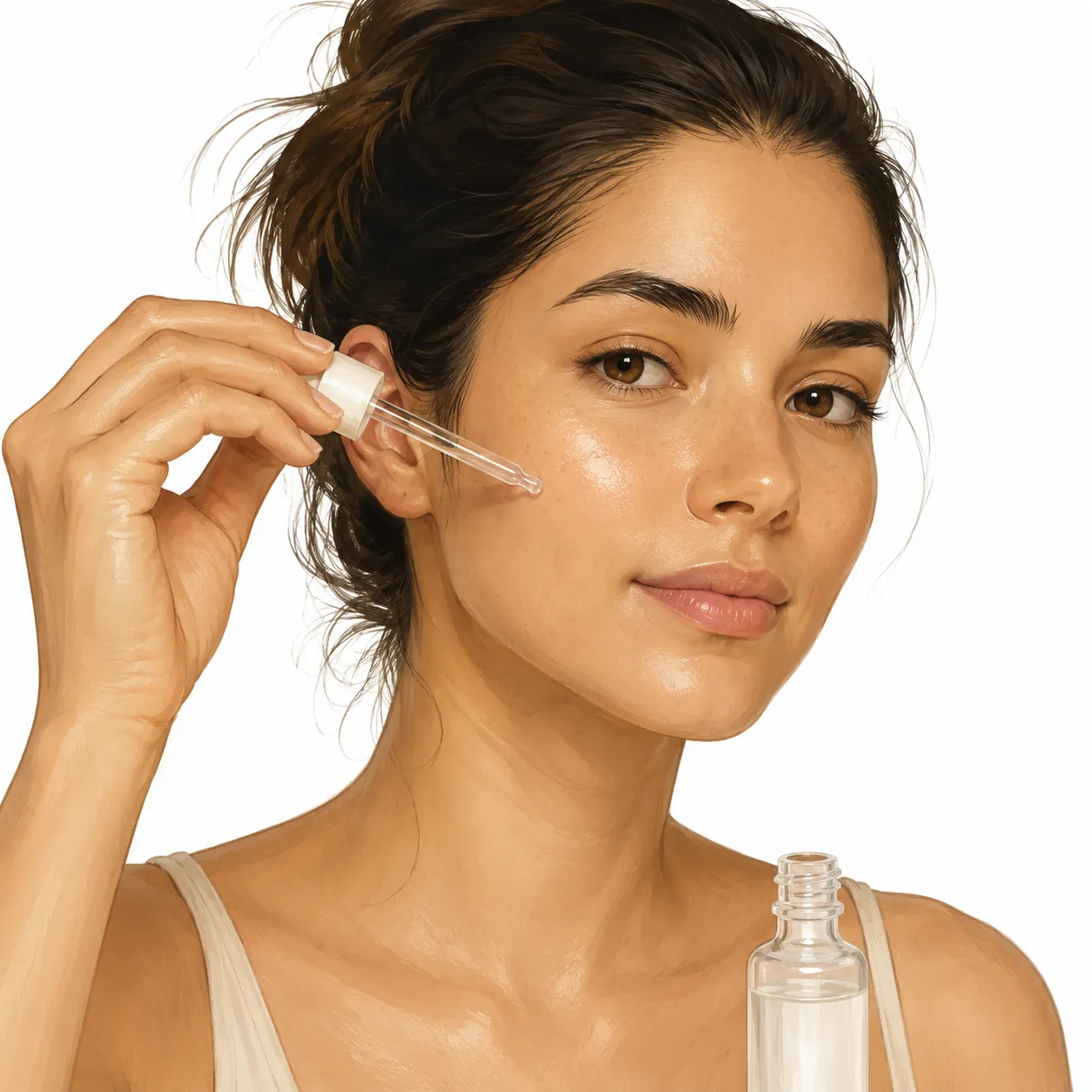
It reduces sebum production in the oiliest of T-zones while supporting barrier function that calms the skin - a rare combination.
If there's one ingredient that oily skin should consider, it's niacinamide. It's not just tolerated by oily skin - it specifically addresses the core concerns of oily skin: excess oil production, enlarged pores, and the inflammation that often accompanies breakouts.
Can
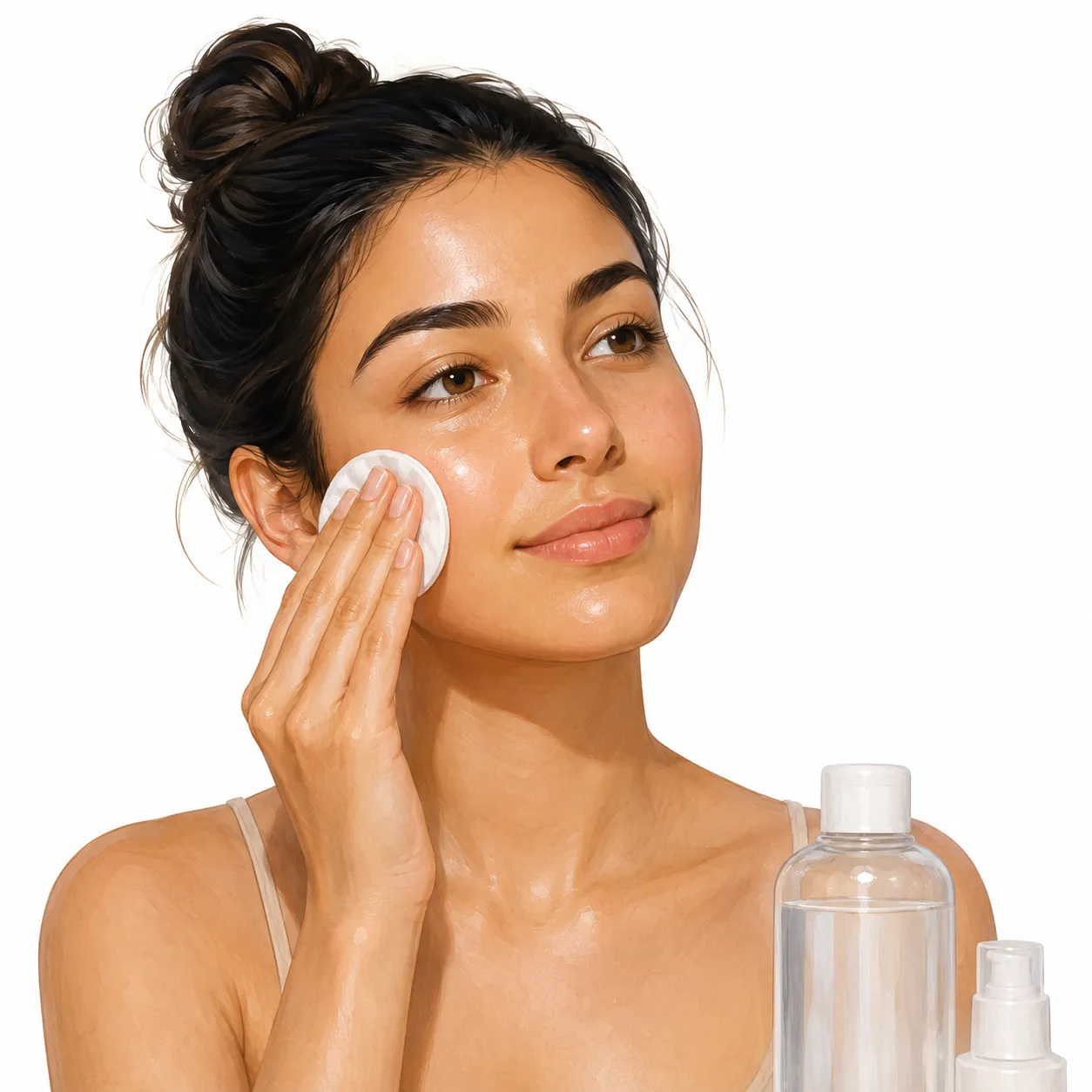
The skin's own oils and the oils in your cleanser are chemically similar, which means they dissolve each other in a way that soap and water can't match.
Can
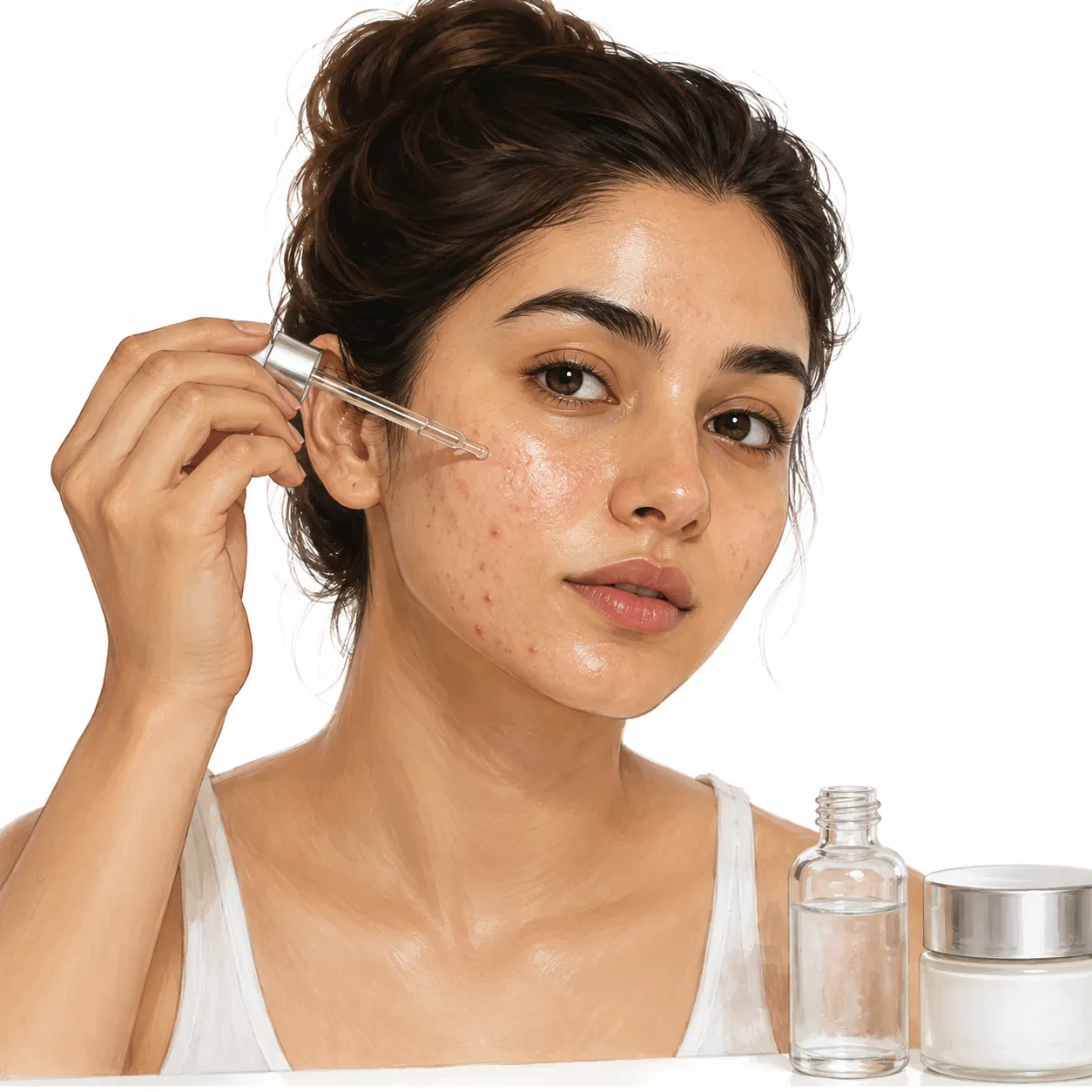
It's oil-soluble, which means it can dissolve into the sebum and travel down into the pore itself - exactly where oily skin's problems start.
Can
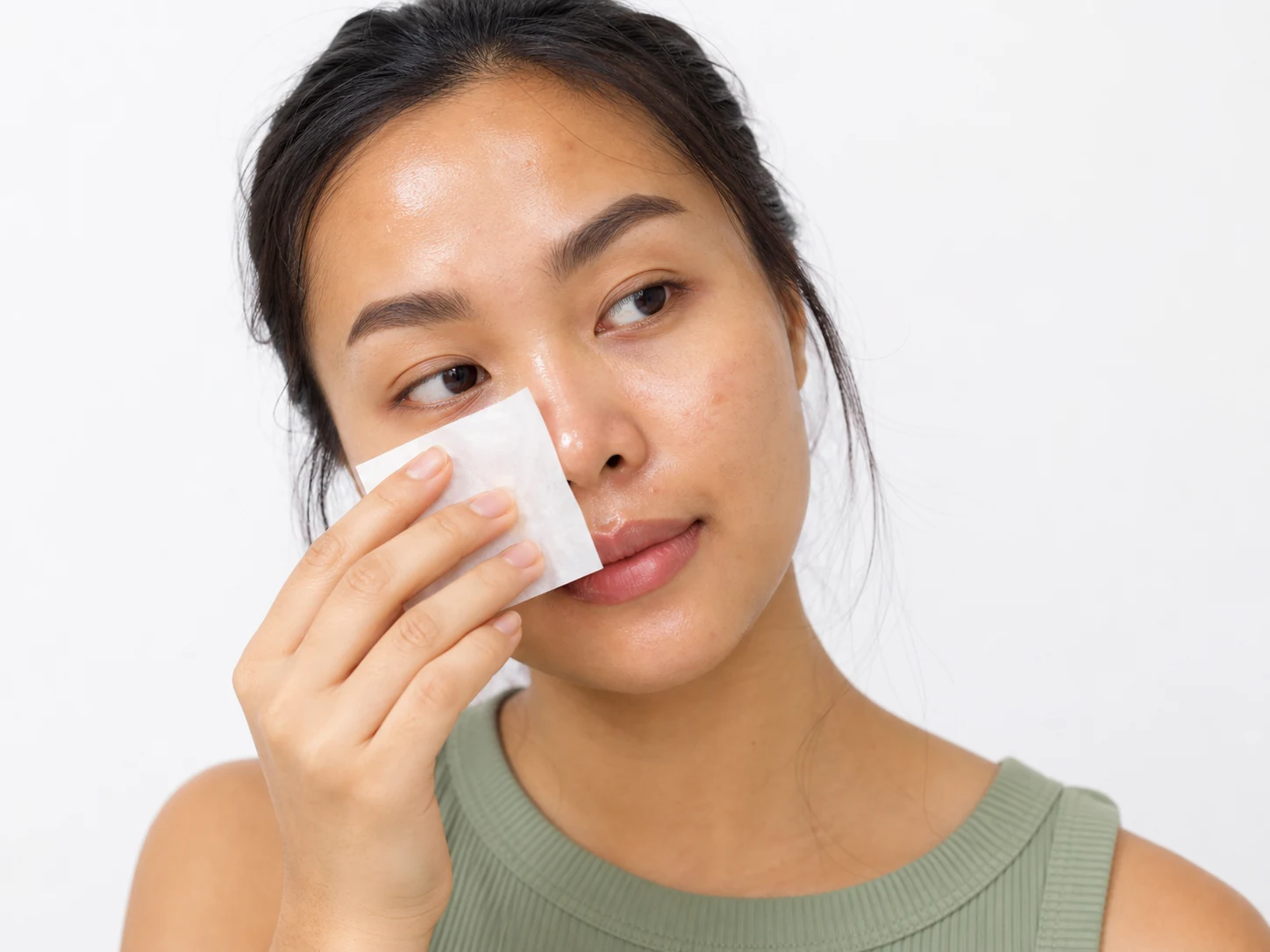
For oily skin, the difference between a good toner and a bad one is the difference between balanced skin and a rebound oil slick.
Can
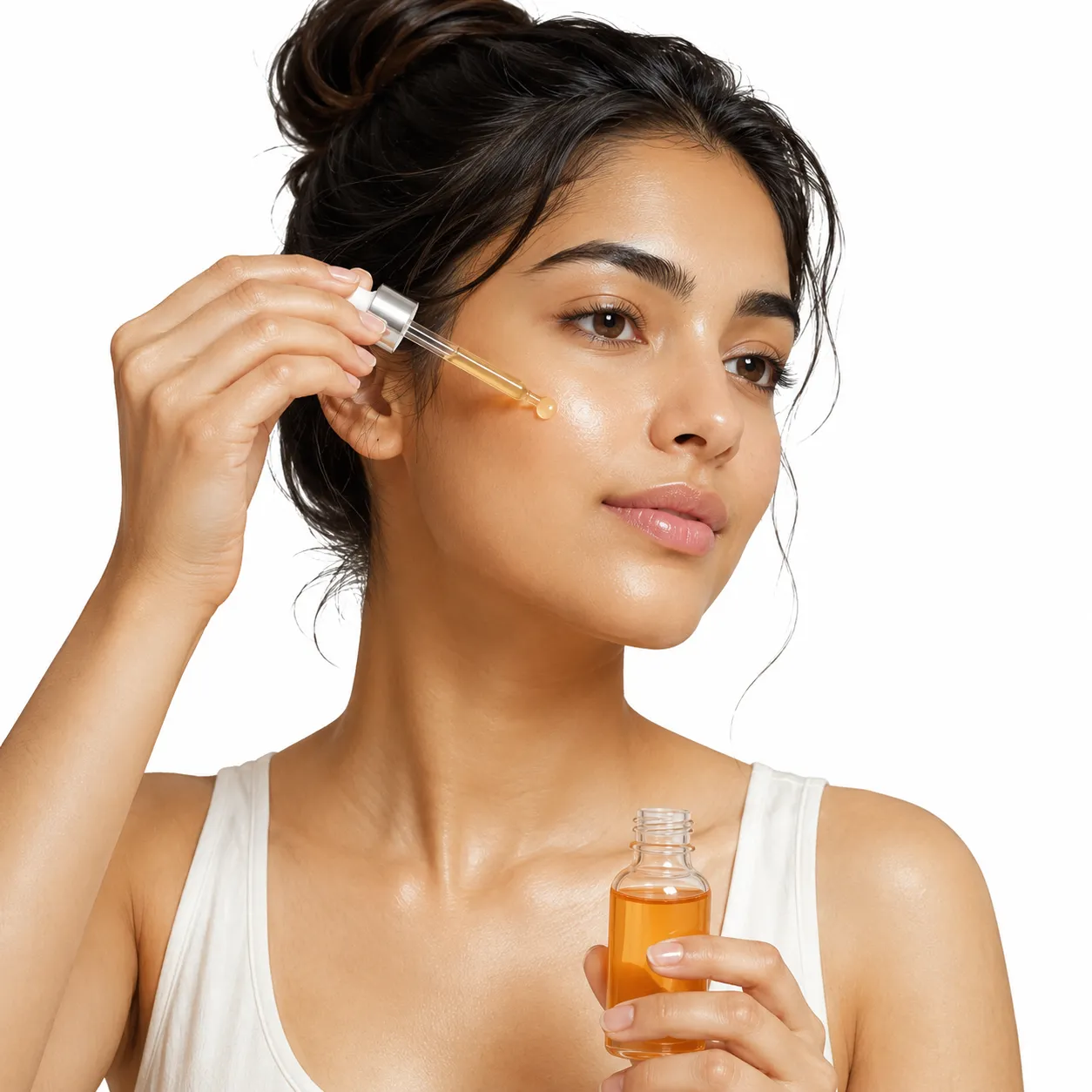
Some vitamin C formulations are perfect for oily skin, while others can cause breakouts. The difference is all in the formulation.
Vitamin C is the all-rounder of skincare - it brightens, protects, and supports collagen. But for oily skin, the question is less about whether to use it and more about which form to choose.

Can
The key is preparation and aftercare. Dry skin is not a barrier to getting a tattoo - it's just a different type of canvas.
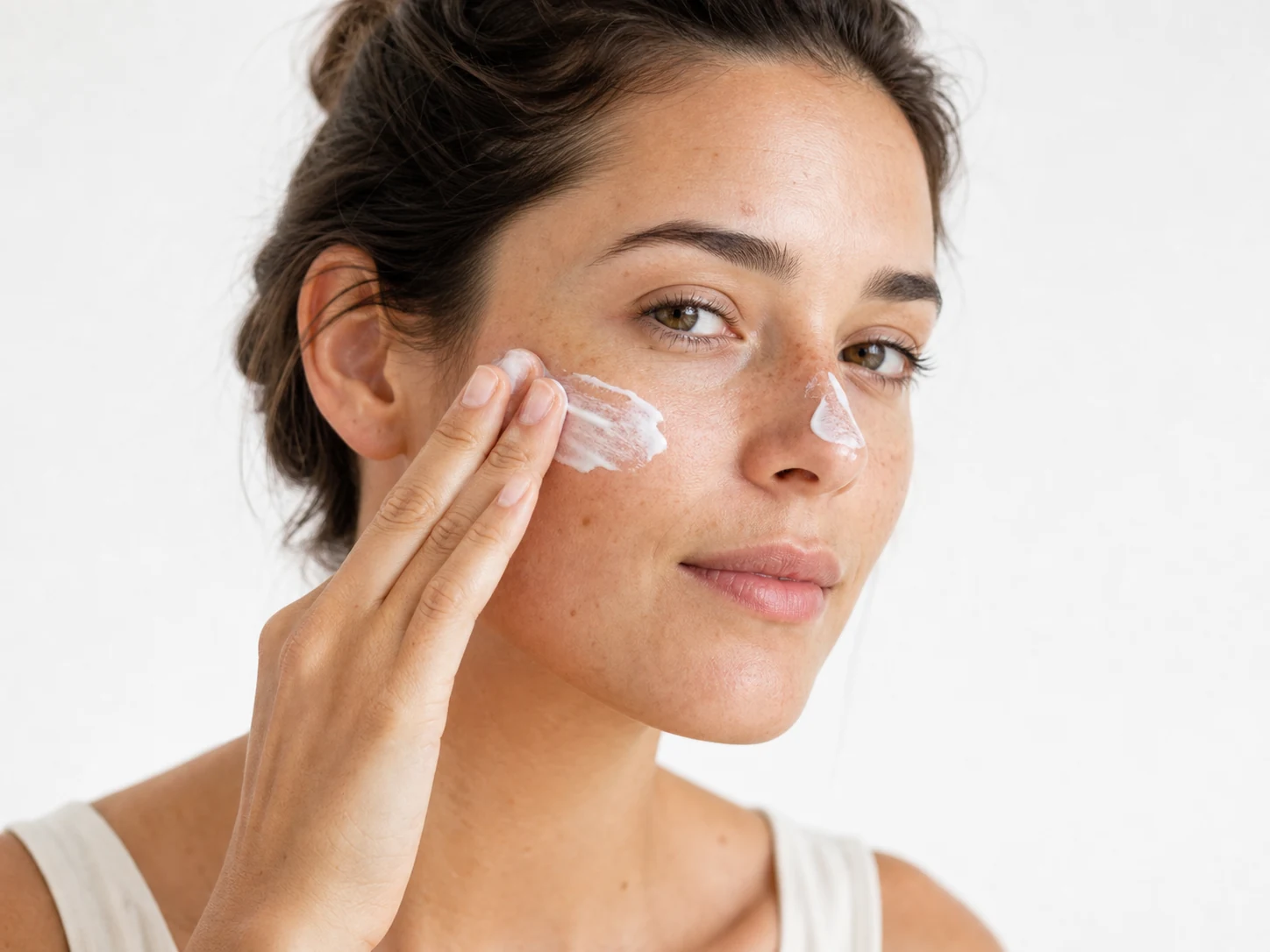
The skin is the canvas for a tattoo, and the condition of that canvas matters. Dry skin presents particular challenges for tattooing - the ink may not take as well, the skin may be more prone to irritation, and the healing process requires extra attention. But with the right preparation and aftercare, dry skin tattoos can heal beautifully.

Can
The answer is that it can, but it requires a different approach - more preparation, more careful aftercare, and more patience.
Can
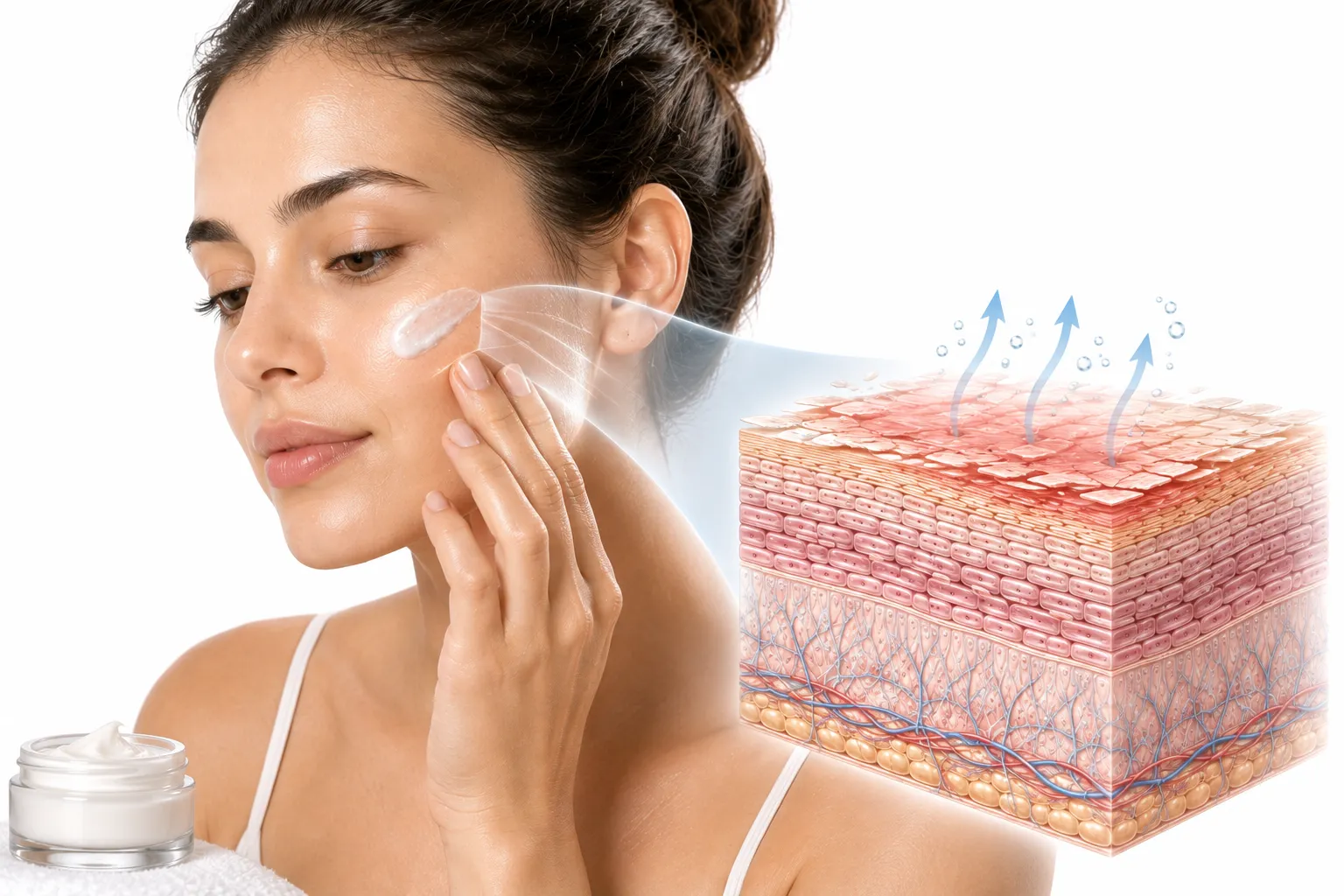
Hormonal changes, increased water needs, and physical changes to the skin all contribute to dryness that can be just as noticeable as the famous glow.
Can
This isn't just a random change - it's a hormonal response that's been observed in pregnant women for centuries.
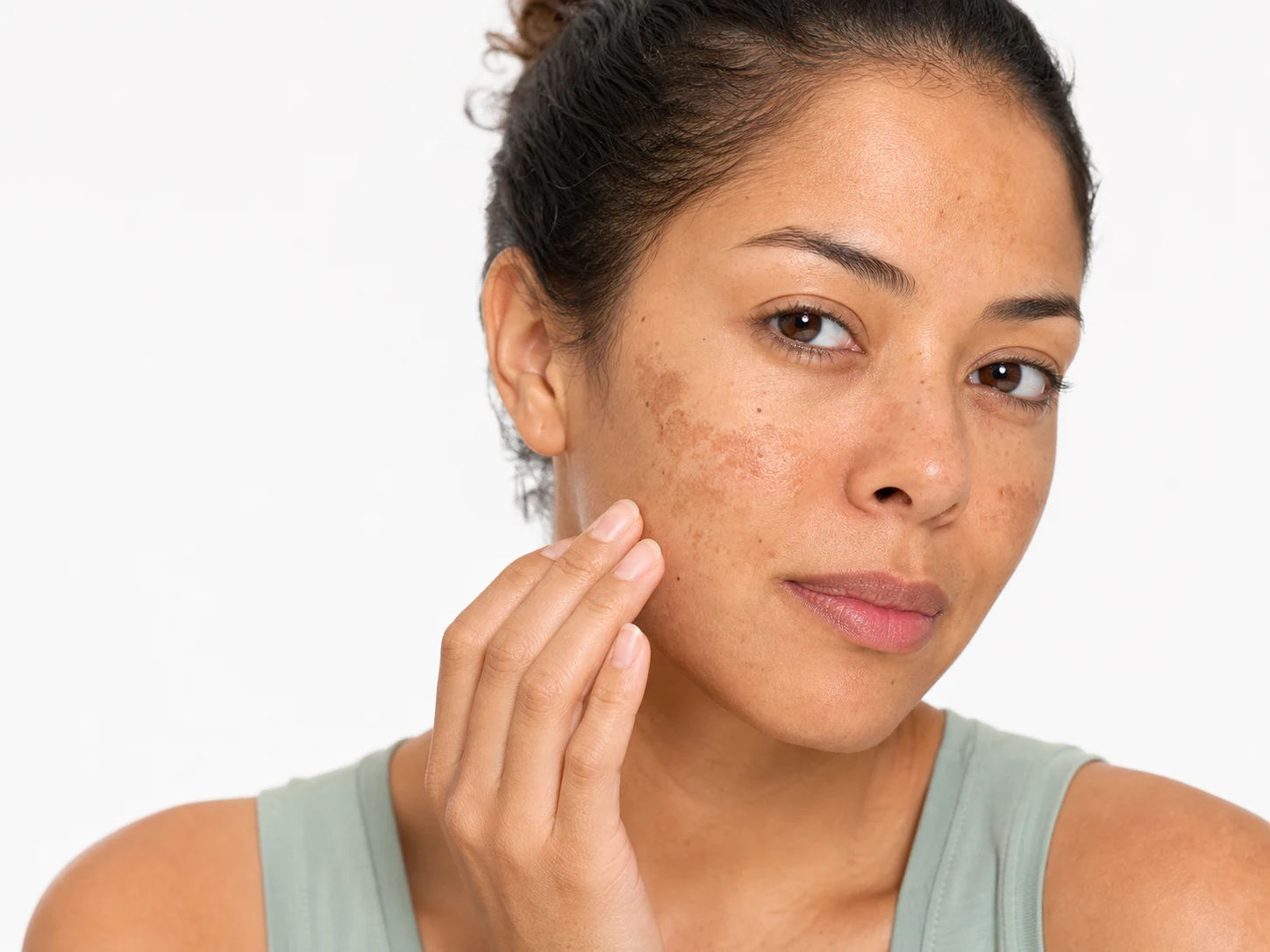
You expected glowing skin during pregnancy. You didn't expect the brown patches that started appearing on your face. It's called melasma, and it's incredibly common.
Can
The barrier damage associated with retinol is real, but it's typically temporary and manageable. The key is understanding how to minimize it.

Can
It's one of those ingredients that dermatologists use in melasma treatment, but not in the way you might think. Retinol isn't the star of the show - it's more like the supporting actor that makes the star look better.
Can
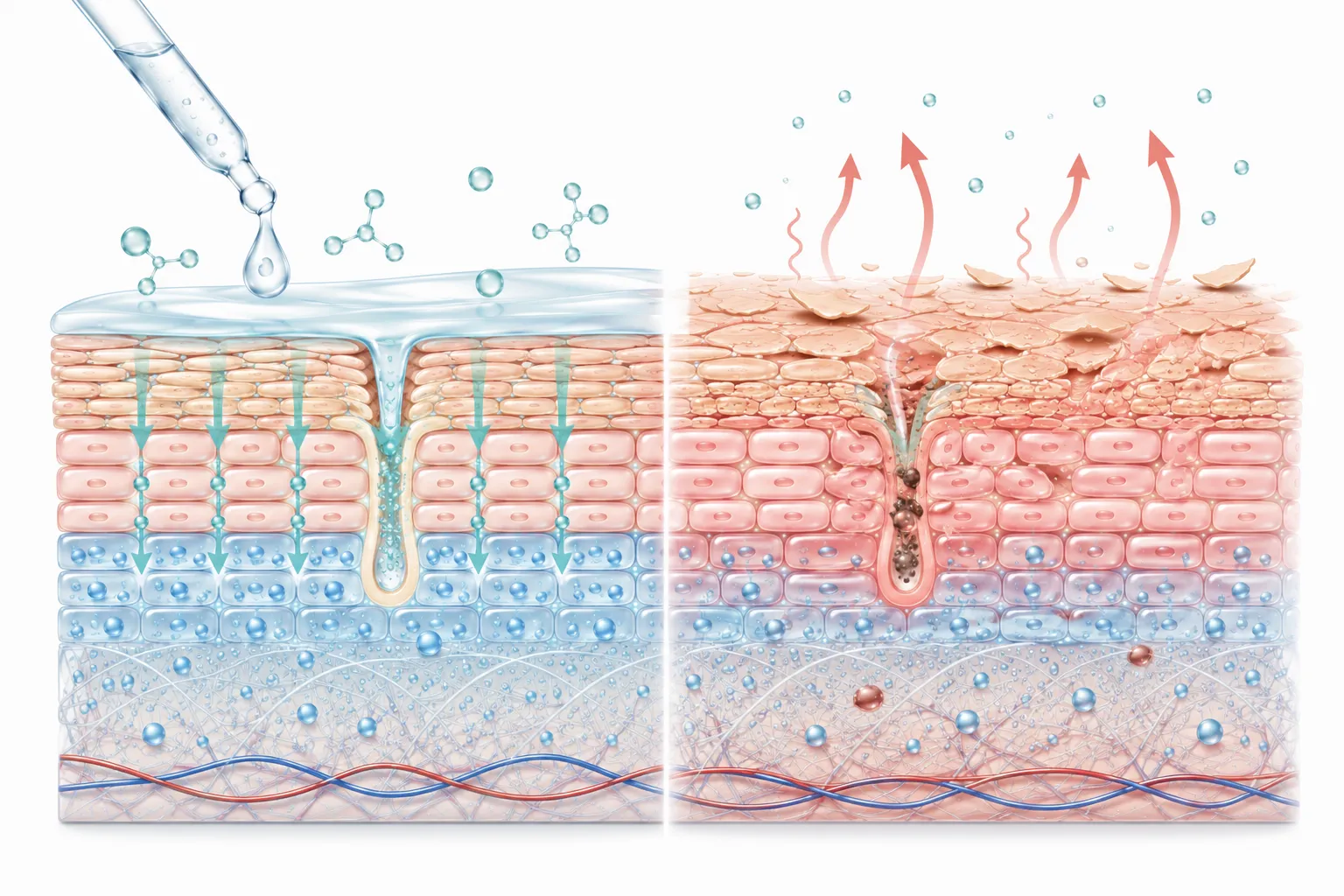
The irony is that many people who use salicylic acid for acne end up with barrier damage that makes their skin even more reactive and prone to breakouts.
Can
The good news is that while you can't cure sensitive skin, you can manage it so effectively that it may feel almost cured. With the right care, many people with sensitive skin live largely symptom-free.
If you have sensitive skin, you've probably wondered if there's a cure - some treatment or product that will make your skin normal. The honest answer is no. Sensitive skin is a skin type, not a condition that can be cured. But it can be managed effectively, and with the right care, it can feel much more normal.
Can
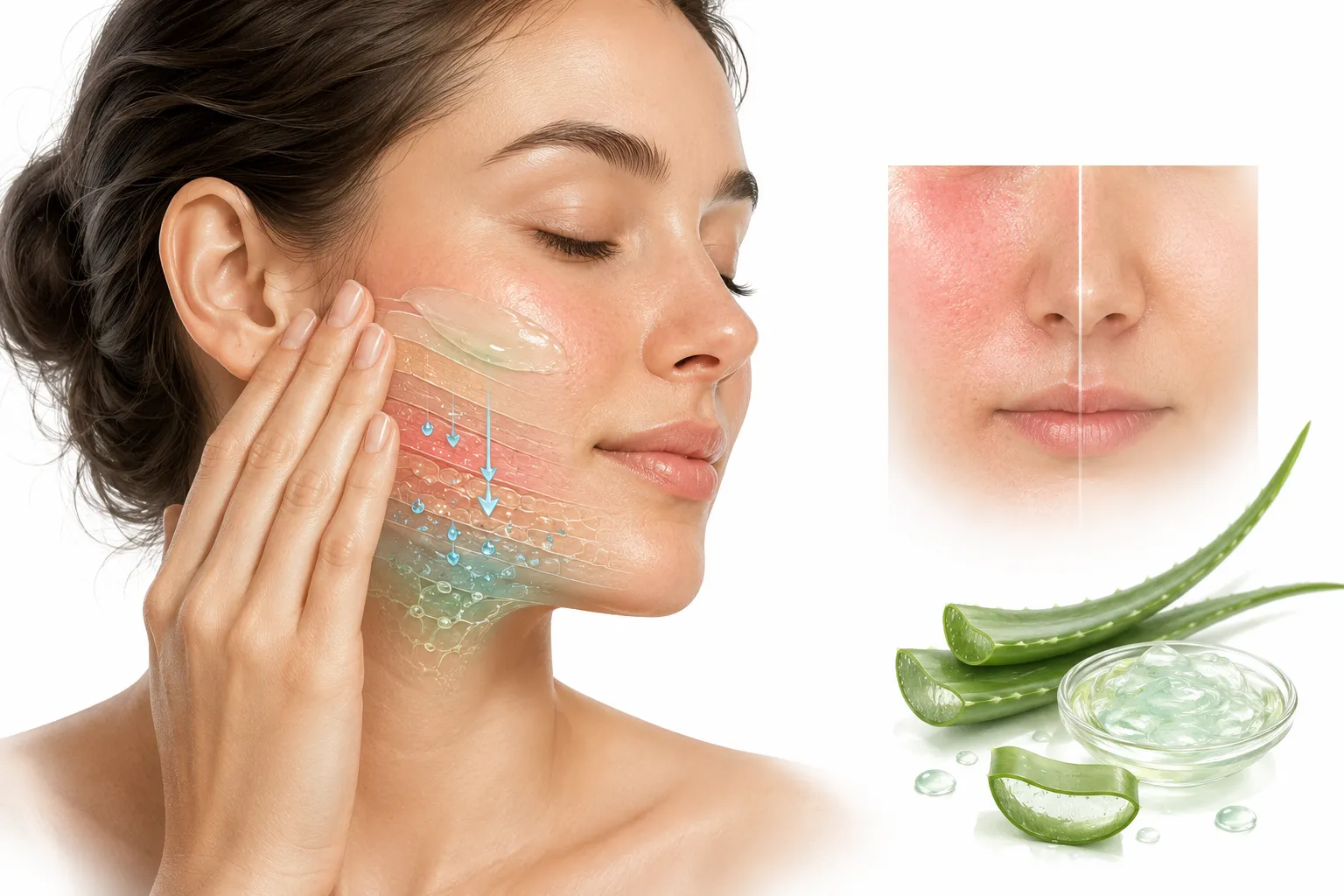
For sensitive skin, it's often the first line of defense against irritation - but is it really as gentle as everyone claims?
Can
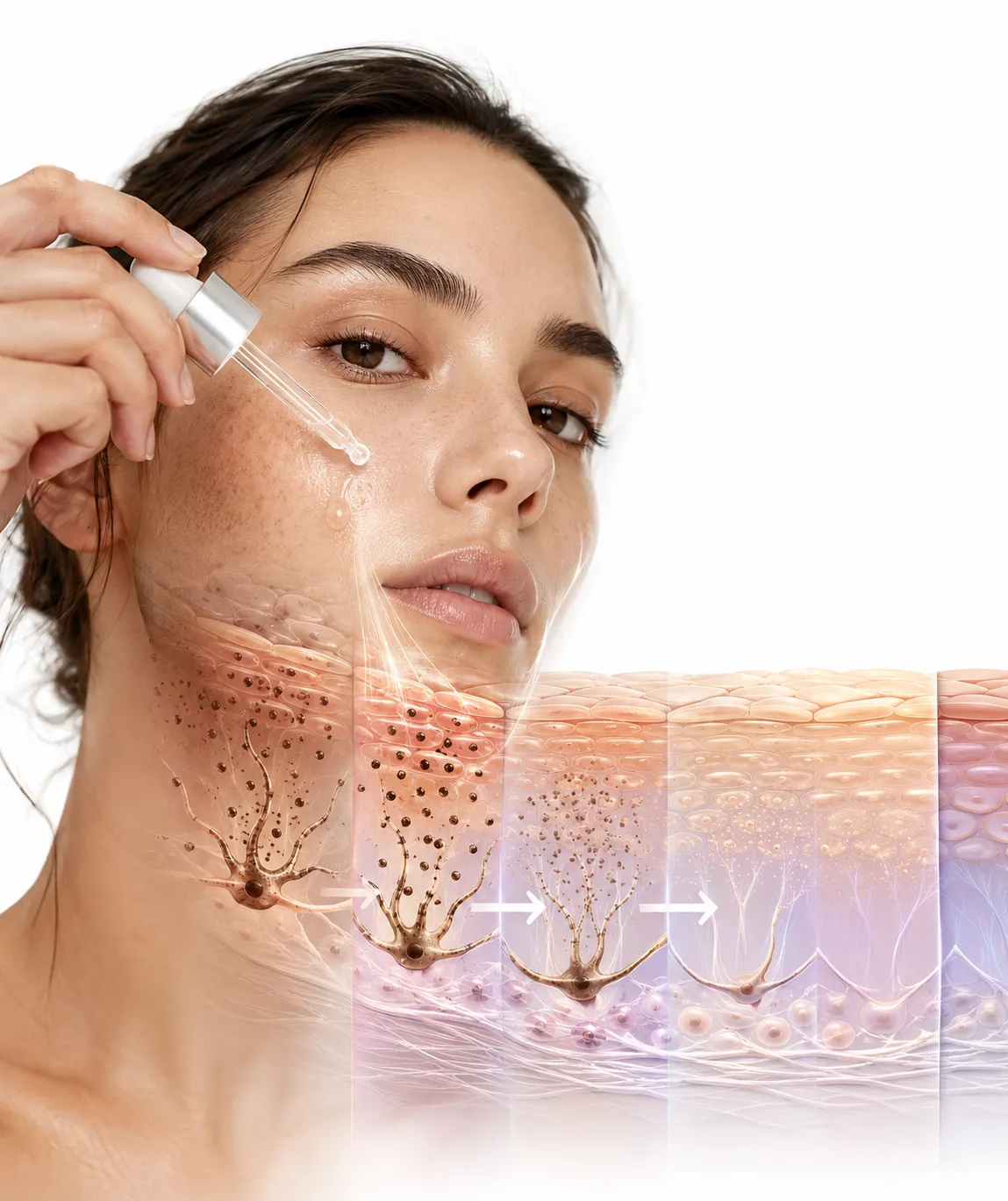
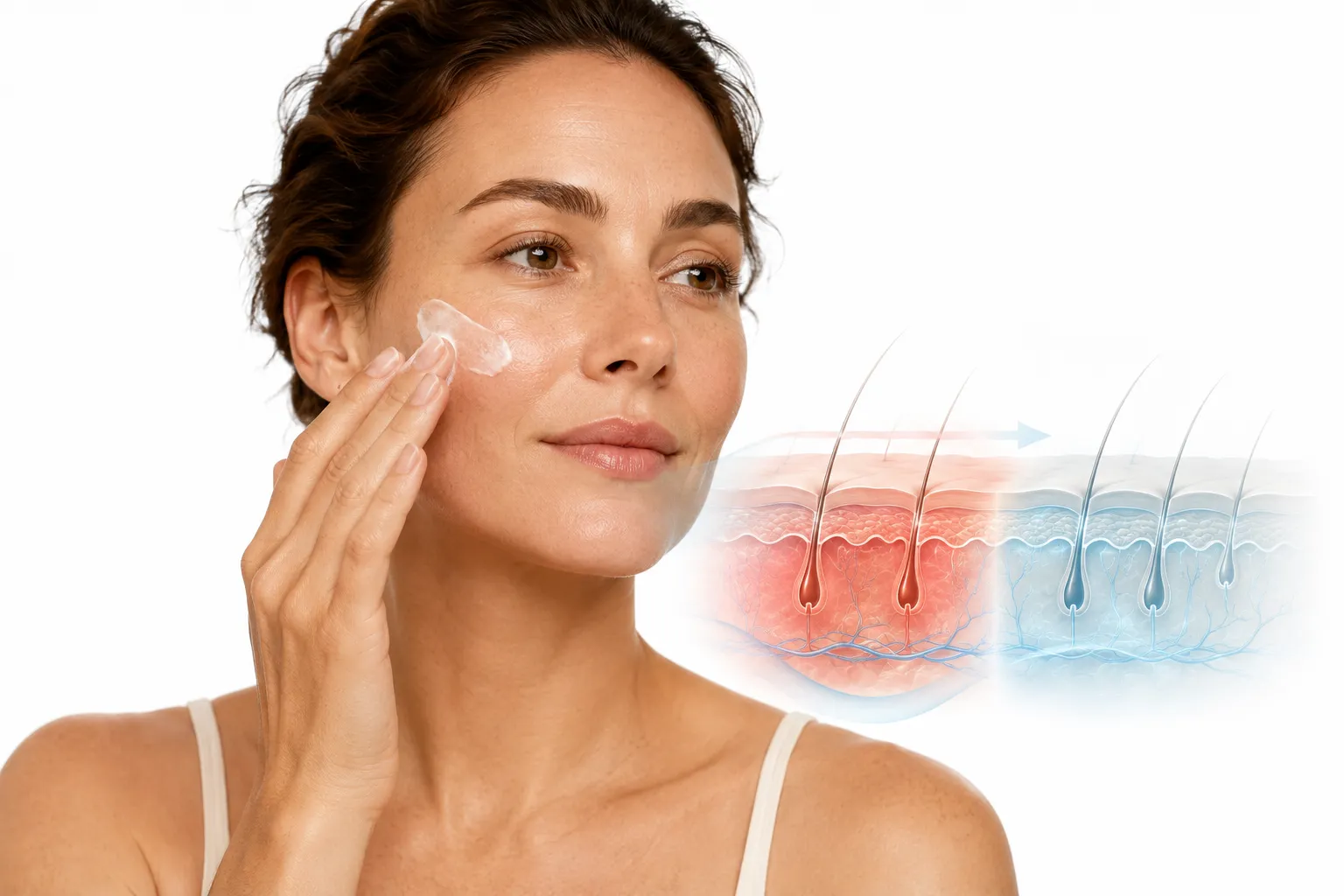
Alpha arbutin offers a gentler path to the same destination, making it a favorite for sensitive skin.
Can
Azelaic acid is the exception. It's an acid that's known for calming skin, not irritating it, which is why it's a favorite for rosacea.
Can
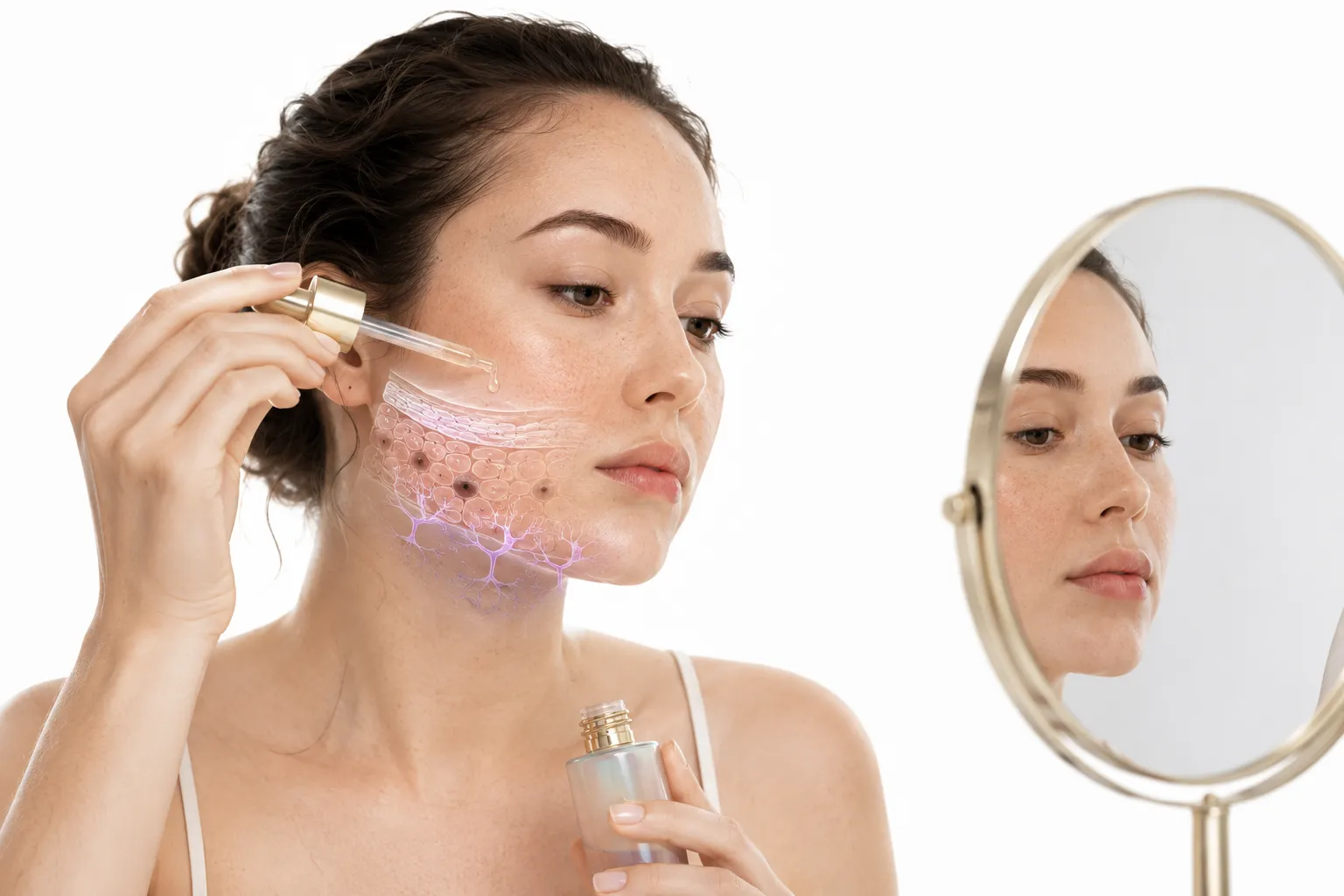
That small molecule size is both its strength and its weakness for sensitive skin, as it penetrates deeply and can cause significant irritation.
Glycolic acid is the most powerful and most popular alpha hydroxy acid, but it's also the most irritating. For sensitive skin, it's a high-risk, high-reward ingredient that requires careful handling.
Can
For skincare, it's valued for its ability to fade pigmentation, but it has a reputation for being somewhat aggressive on sensitive skin.
Can
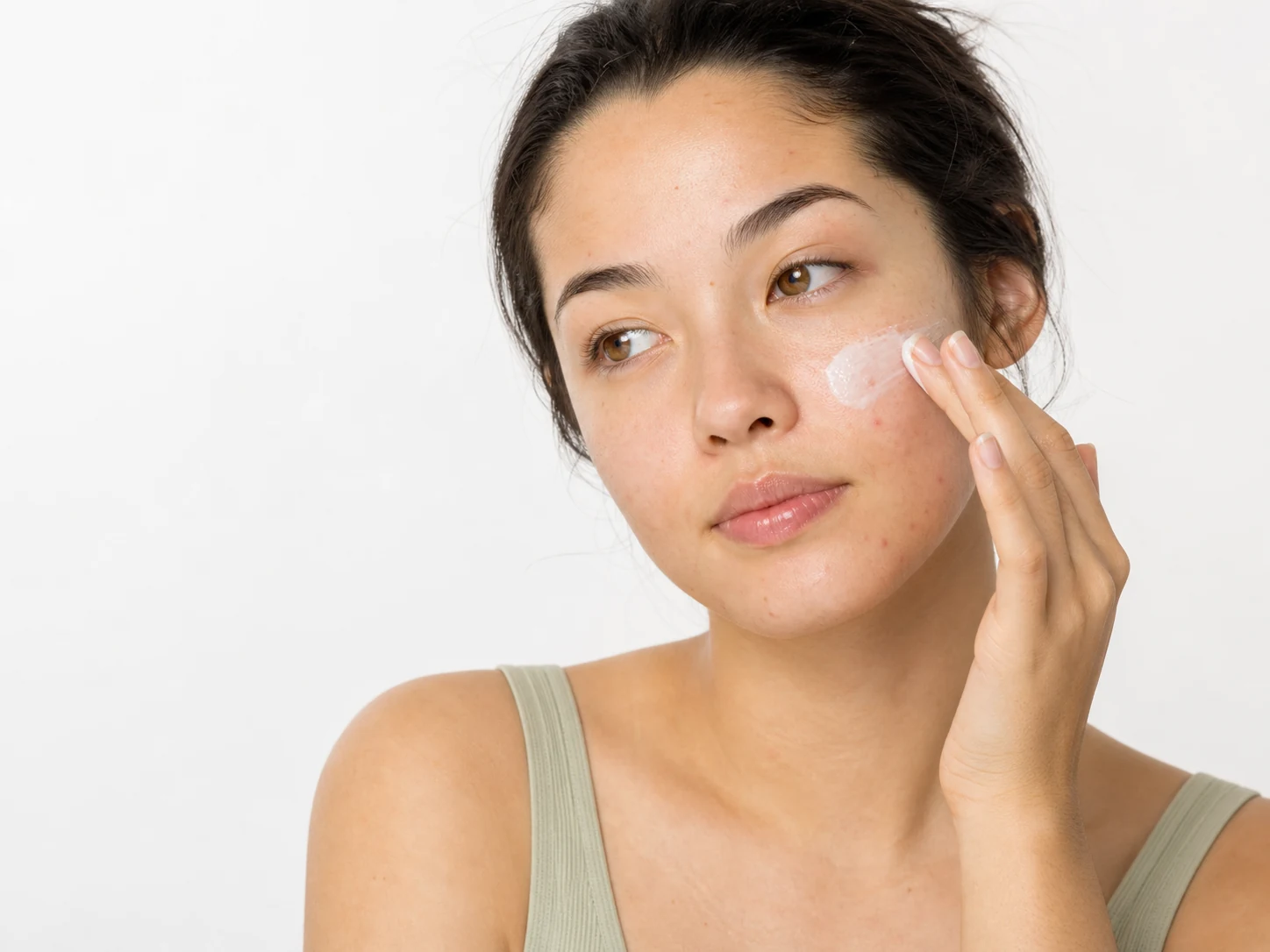
But sensitive skin and retinol are not mutually exclusive. The irritation comes from how fast the retinol works, not the retinol itself.
Can
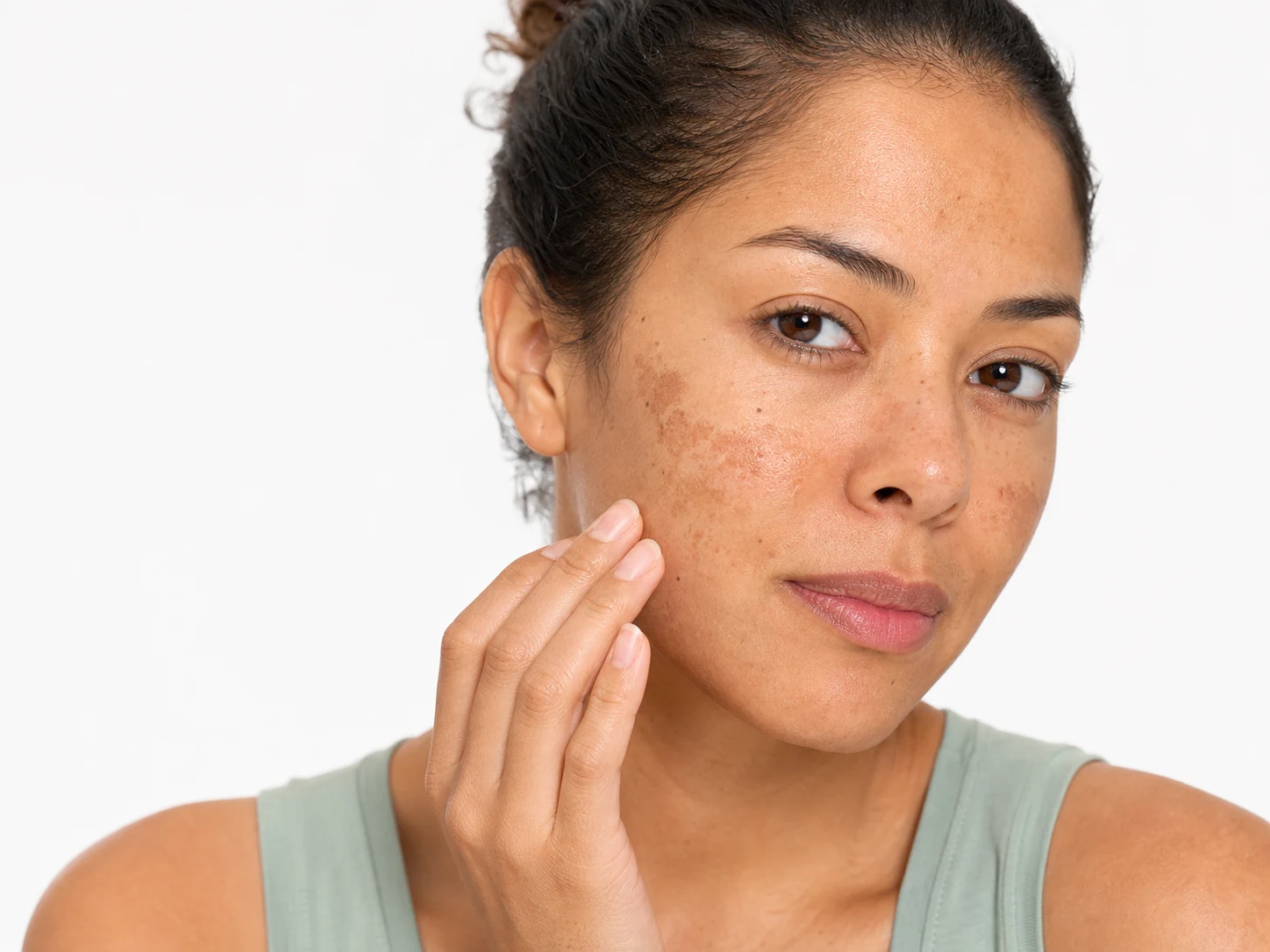
The irritation comes from the acidity and the concentration, not the vitamin C itself - which means there are ways around it.
Vitamin C is one of the most powerful antioxidants in skincare, but it's also one of the most irritating. For sensitive skin, the challenge is getting the benefits without the burn.
Can
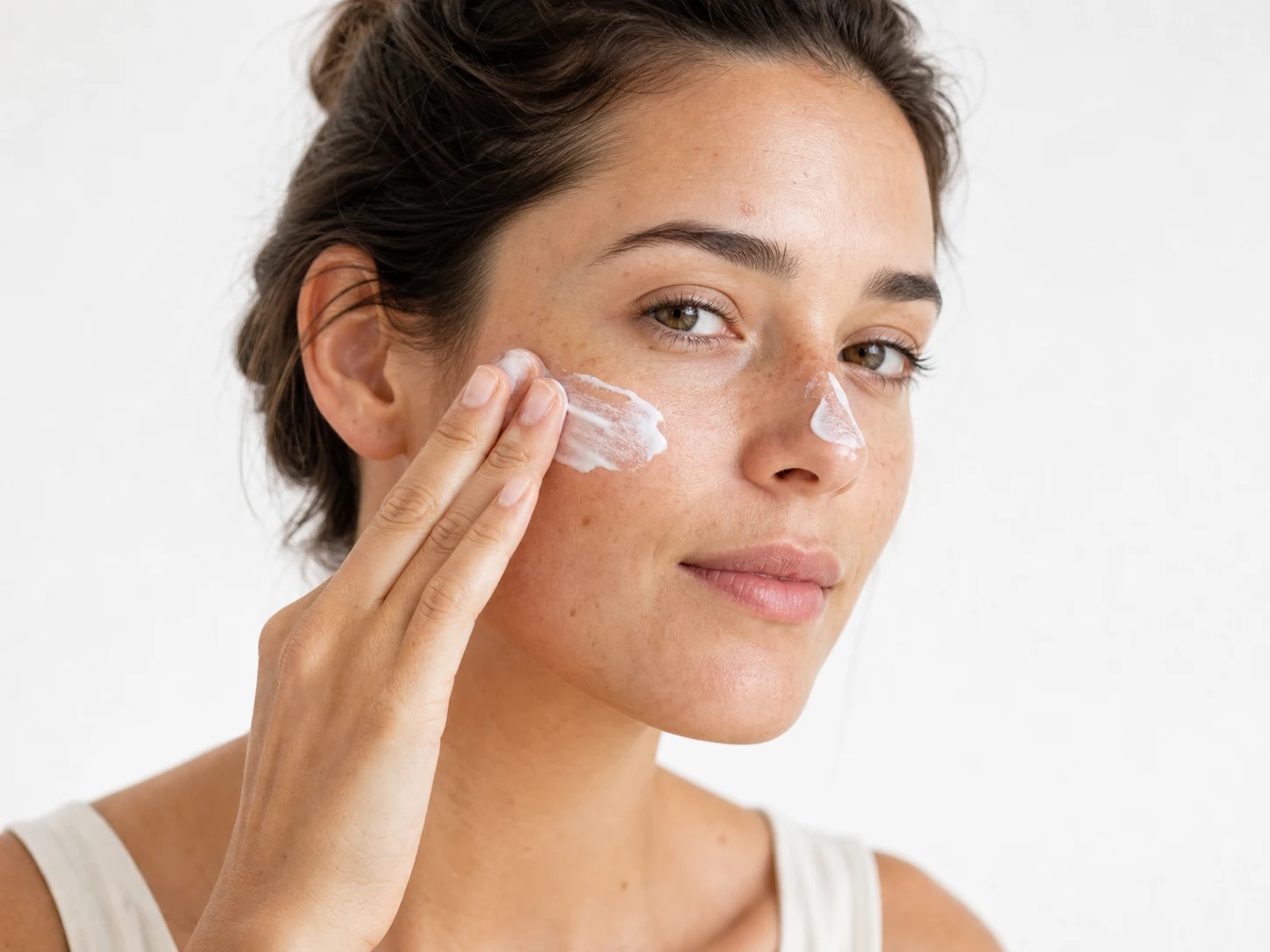
Shaving doesn't directly cause pigmentation - but the inflammation from razor bumps and ingrown hairs certainly does.
Shaving is supposed to be the simplest, gentlest form of hair removal. But for many people, it leaves behind a different kind of mark - dark spots that seem to appear alongside the smoothness.
Can
Many people who had resilient skin in their youth find themselves reacting to products they used to tolerate, wondering what went wrong.

Can
Where other skin types negotiate a compromise with the sun, developing a tan somewhere along the way, Type I skin tends to skip straight to sunburn.

Can
It can tan, technically, but the process usually comes with a warning shot of mild sunburn first.
Can
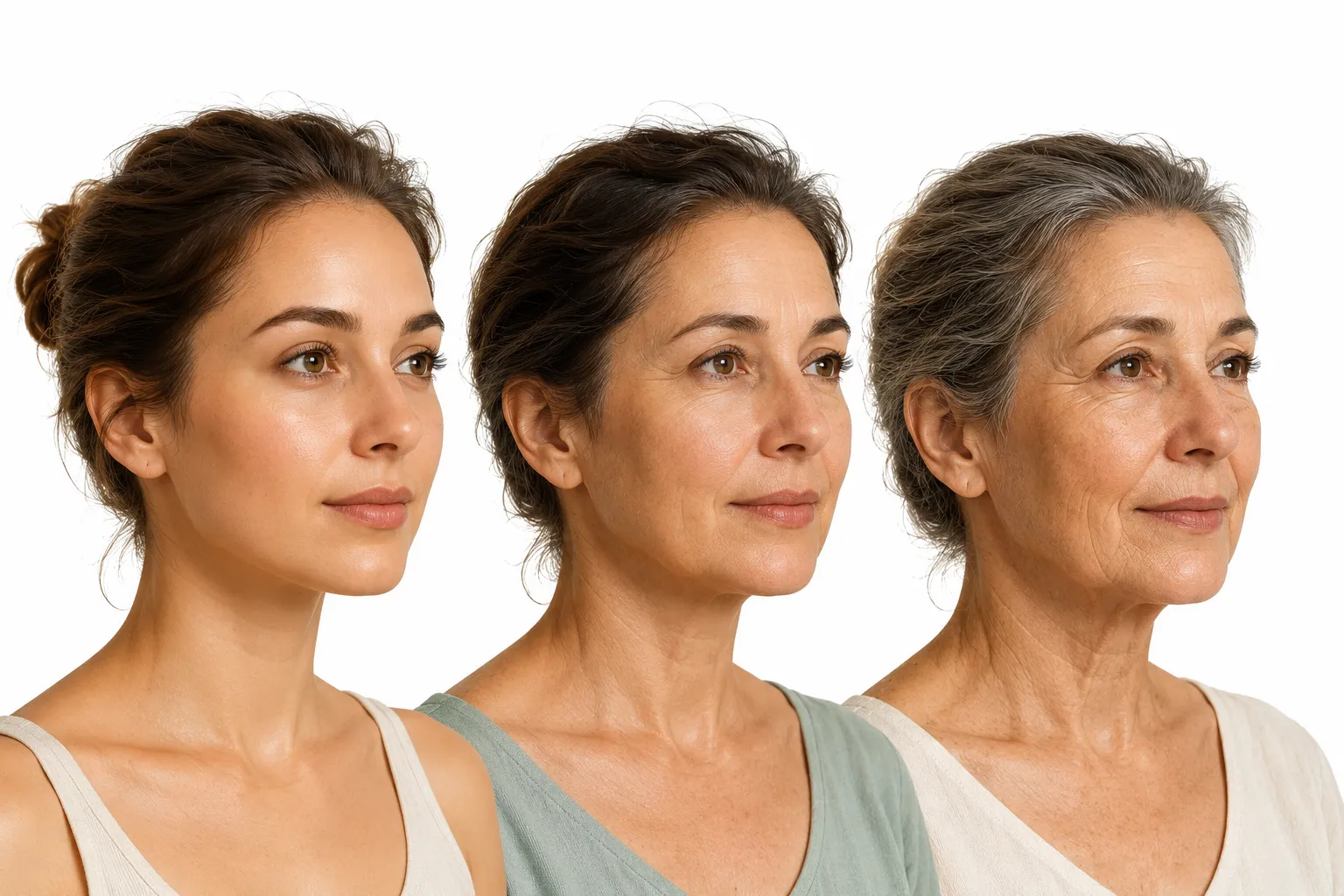
Skin type is not a fixed trait. It evolves with hormones, age, and lifestyle, often in ways that surprise us.
The skin you had in your 20s is not the skin you'll have in your 40s. Hormonal changes, collagen loss, and years of environmental exposure can transform your skin, making it drier, more sensitive, or more prone to other concerns.

Can
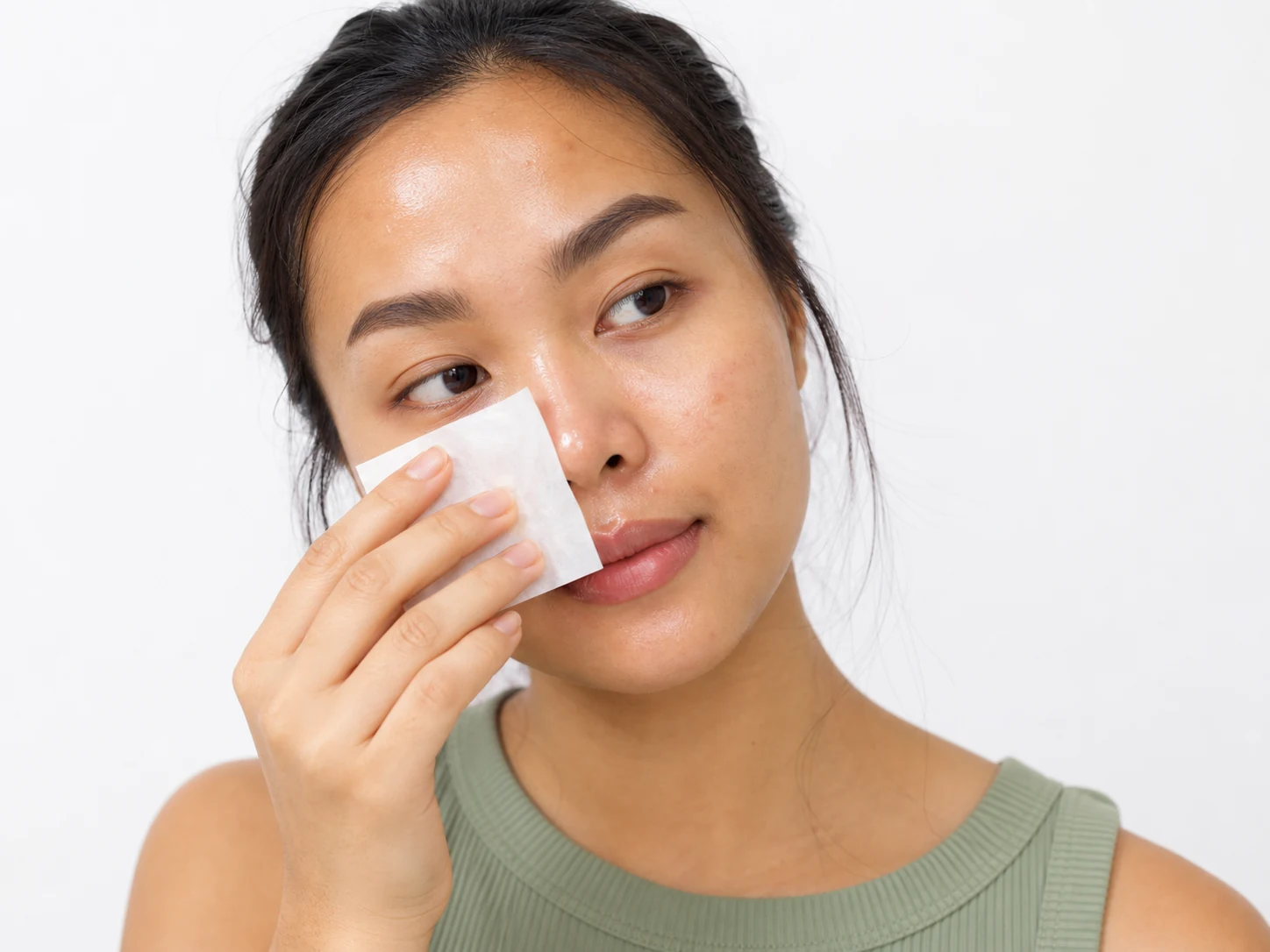
When you're stressed, your skin doesn't just show it with breakouts - it can also become unexpectedly dry, tight, and flaky.
Can
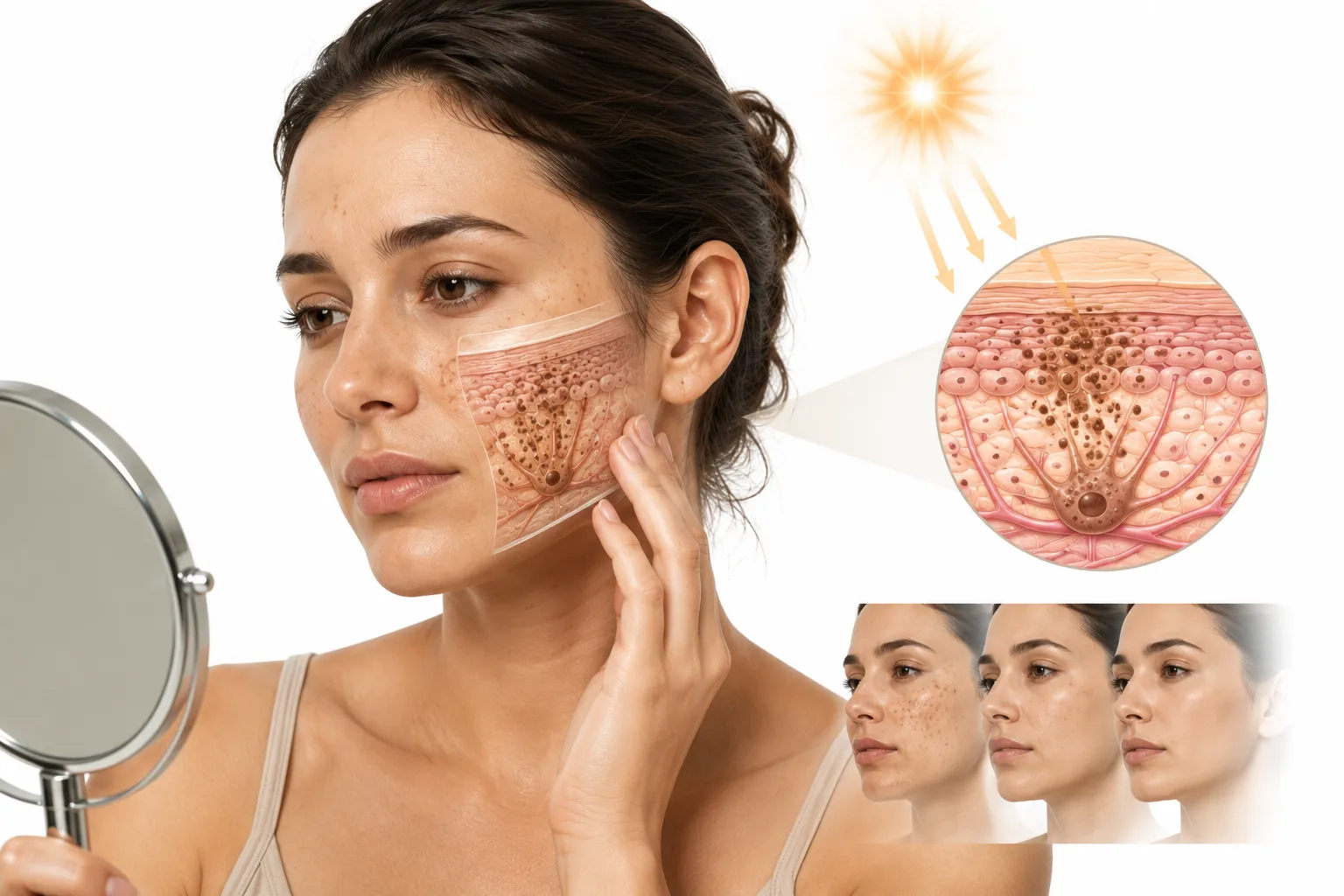
While some people experience dryness from stress, others find their skin suddenly becomes an oil slick at the worst possible moments.
You might expect stress to dry your skin out, but for many people, the opposite happens - stress seems to turn up the oil production dial. It's not your imagination; it's your hormones responding to pressure in ways that directly affect your sebaceous glands.
Can
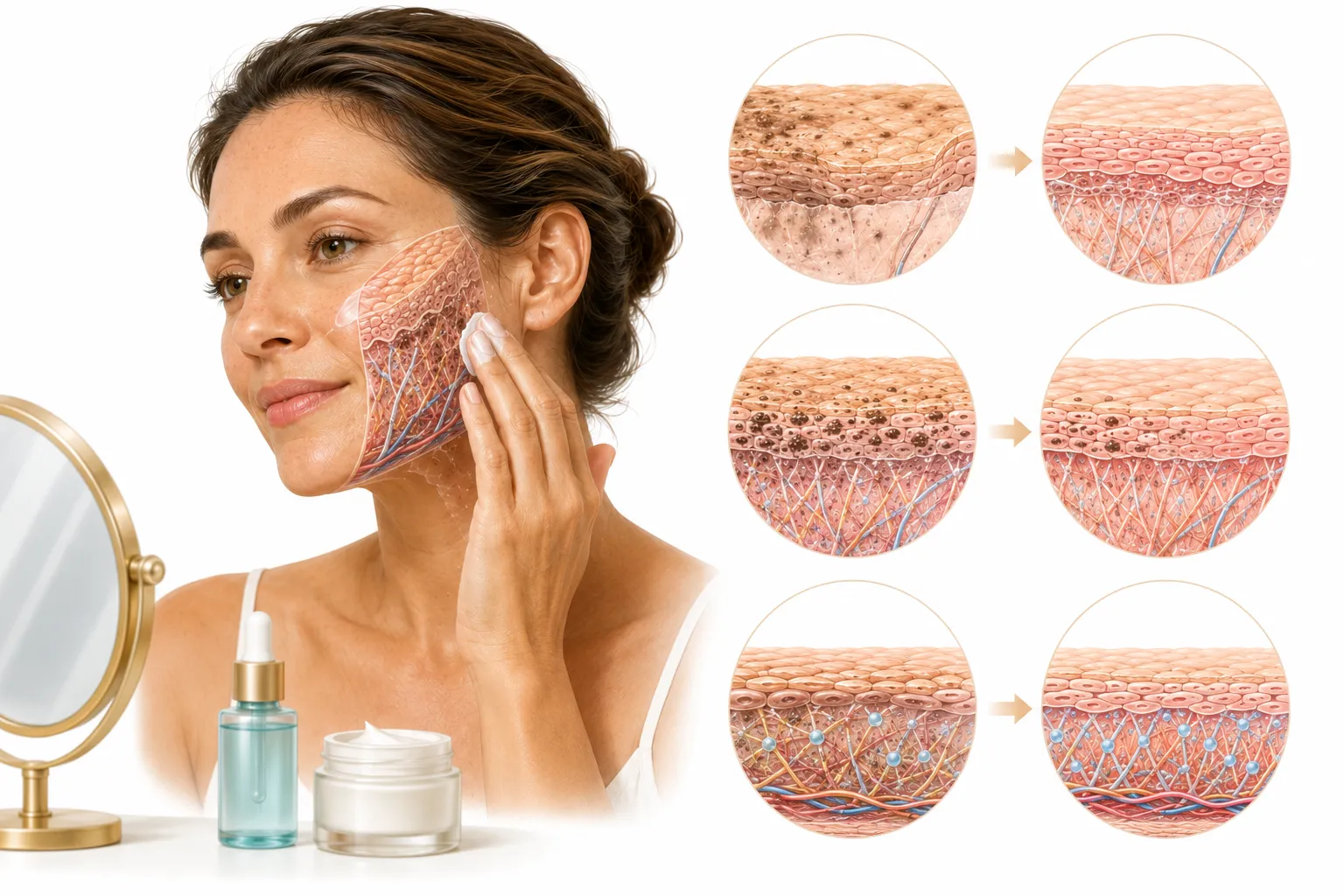
Sometimes that alarm gets stuck, and the melanin production doesn't stop even when the threat is gone.
Can
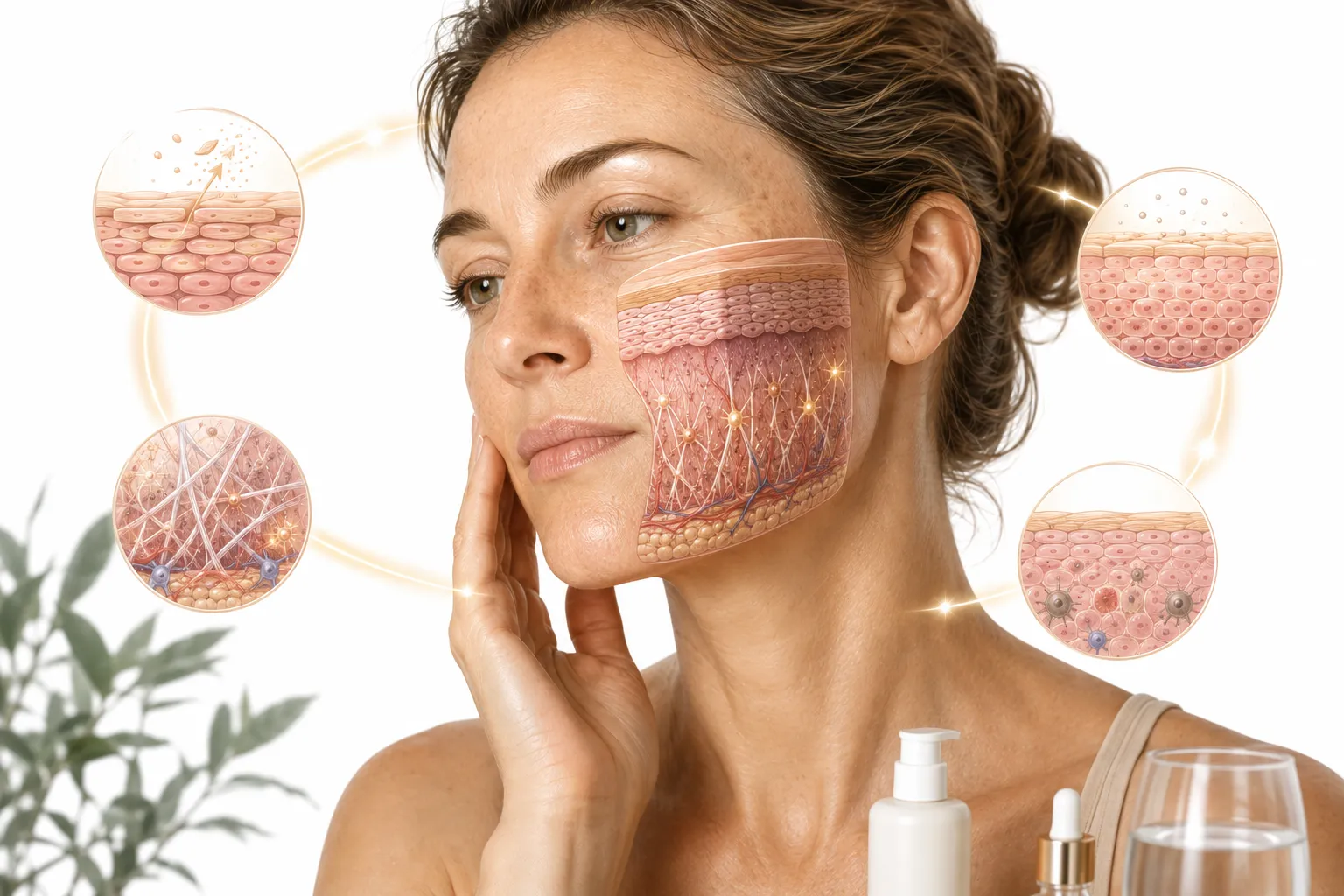
The answer is yes and no, which is not a cop-out but a reflection of the skin's complex biology.
It's a question that haunts anyone who has looked in the mirror and noticed the subtle signs of sun damage. The good news is that the skin has a remarkable capacity for repair. But there are limits to what it can do. Understanding the balance between what is reversible and what is permanent is the first step to effective treatment.
Can
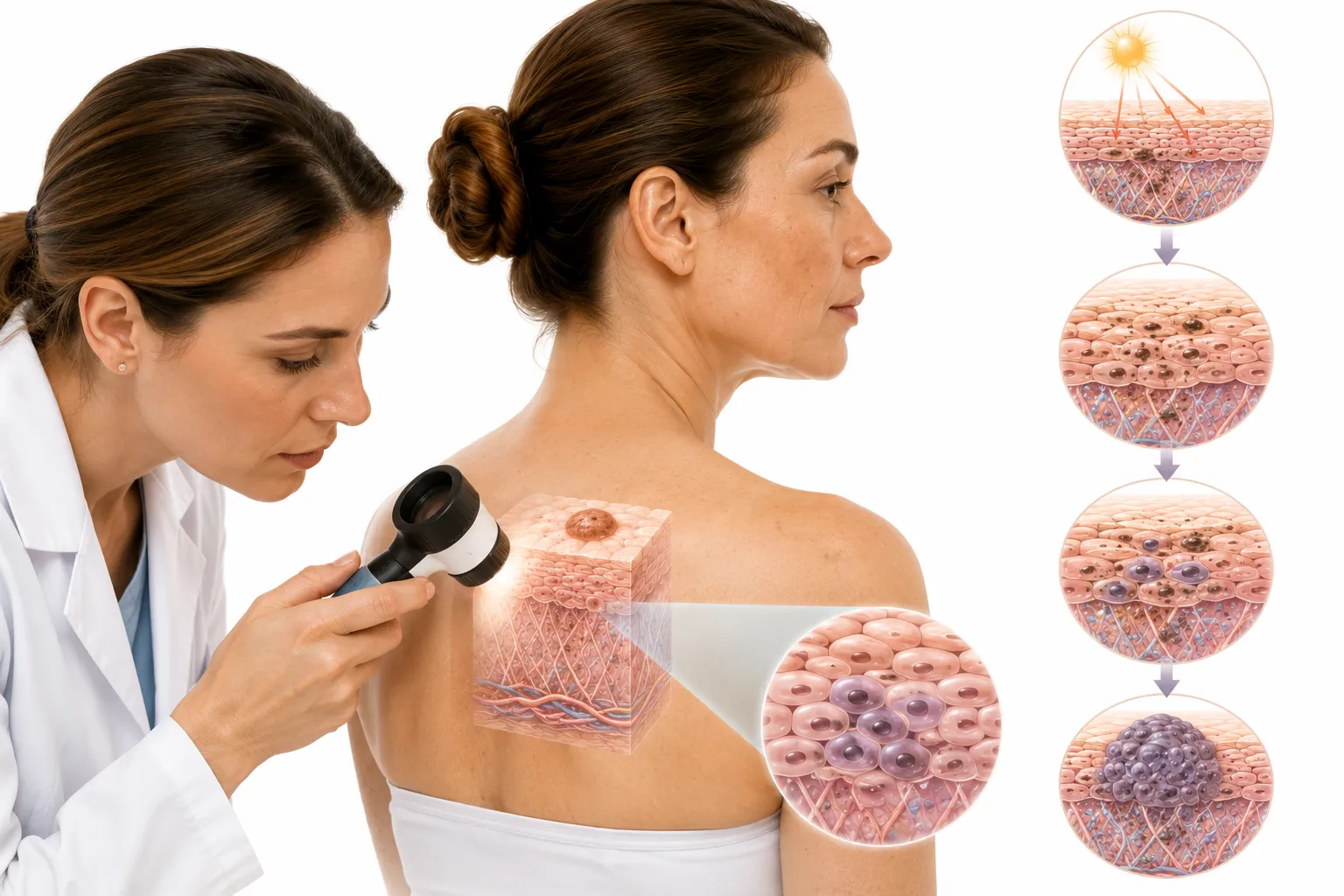
But those tools have limits, and once the damage stacks up, the repair system starts to fall behind.
Can
Most of the time the manual still works, but every so often, the changes create a fatal error.
Can
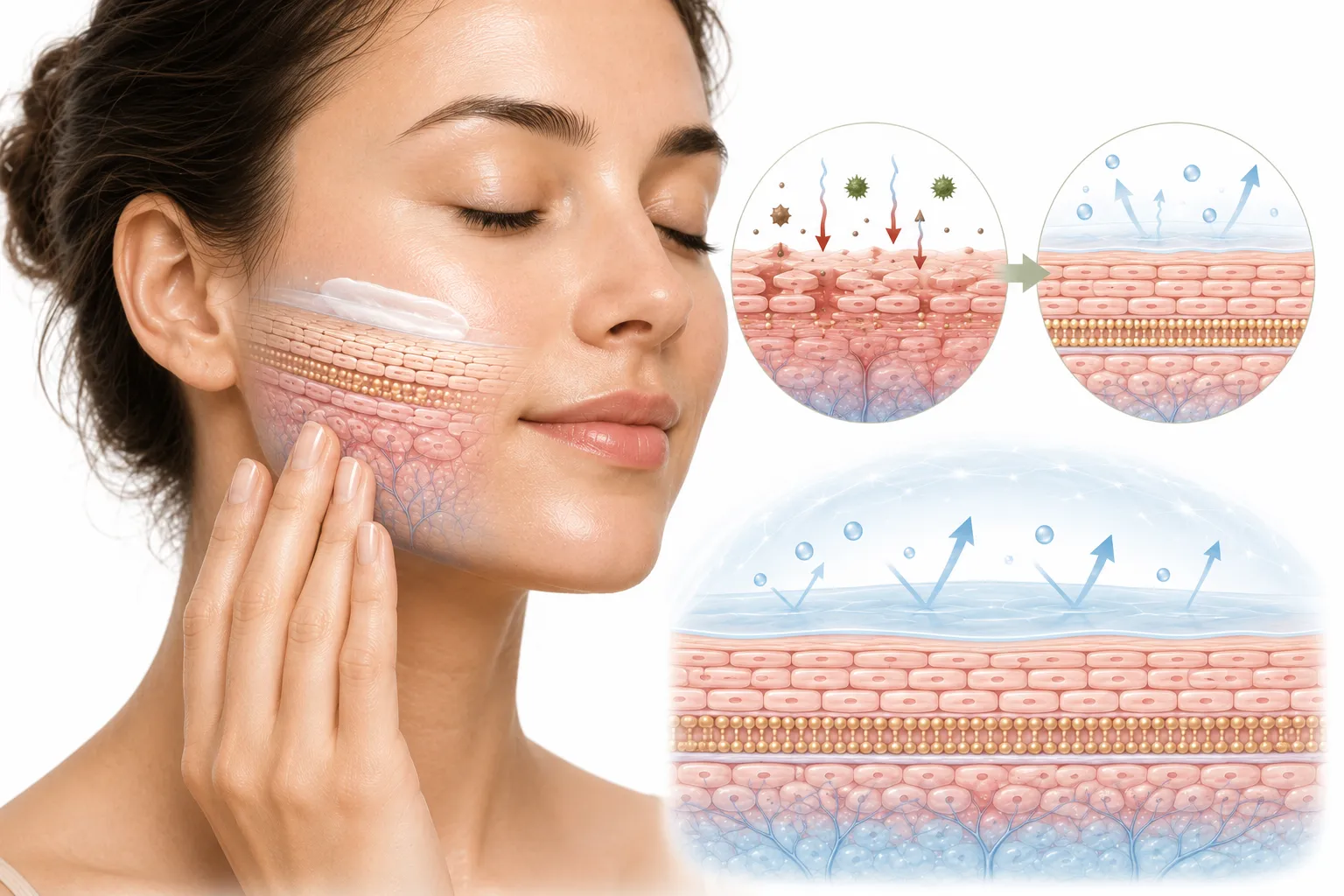
The good news is that the skin barrier isn't like a broken bone that needs to be reset by a professional. It's a living structure that can be restored with the right care.
Can
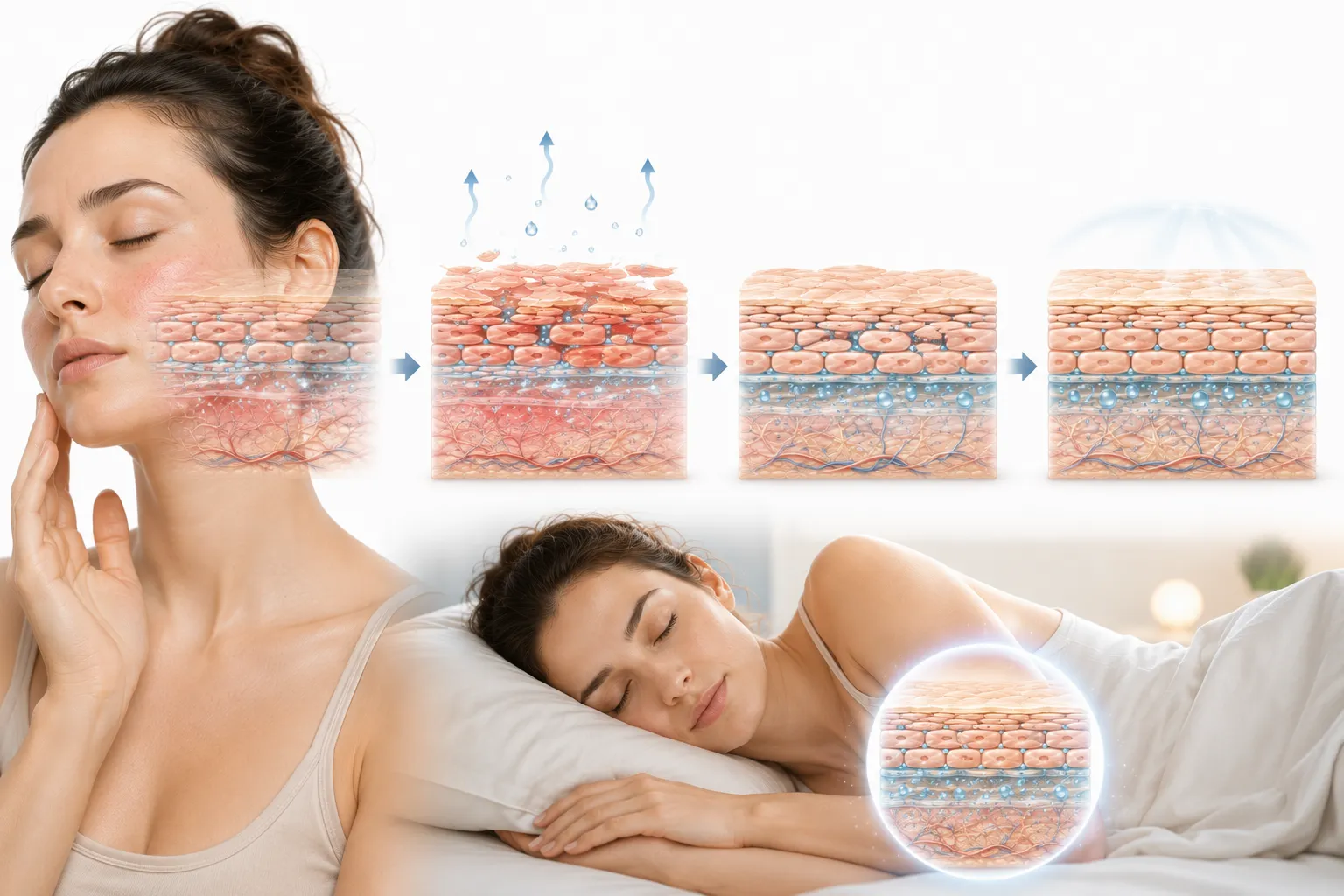
But there's a catch: self-repair has limits, and if you're pushing your skin too hard with exfoliation, retinoids, or harsh cleansers, those natural mechanisms can't keep up.
The skin barrier is one of the most resilient structures in the body, constantly repairing and renewing itself. But there's a big difference between minor damage that your skin can handle and the kind of compromise that needs a helping hand.
Can
But unlike a broken bone or a torn ligament, it's designed to repair itself quietly and efficiently without you ever having to think about it.
The skin barrier is a living, dynamic structure that has evolved to withstand a remarkable amount of wear and tear. Its ability to repair itself is one of its most impressive features - but like any biological process, it has its limits.

Can
But if more is better, why not use 50% niacinamide?
Can
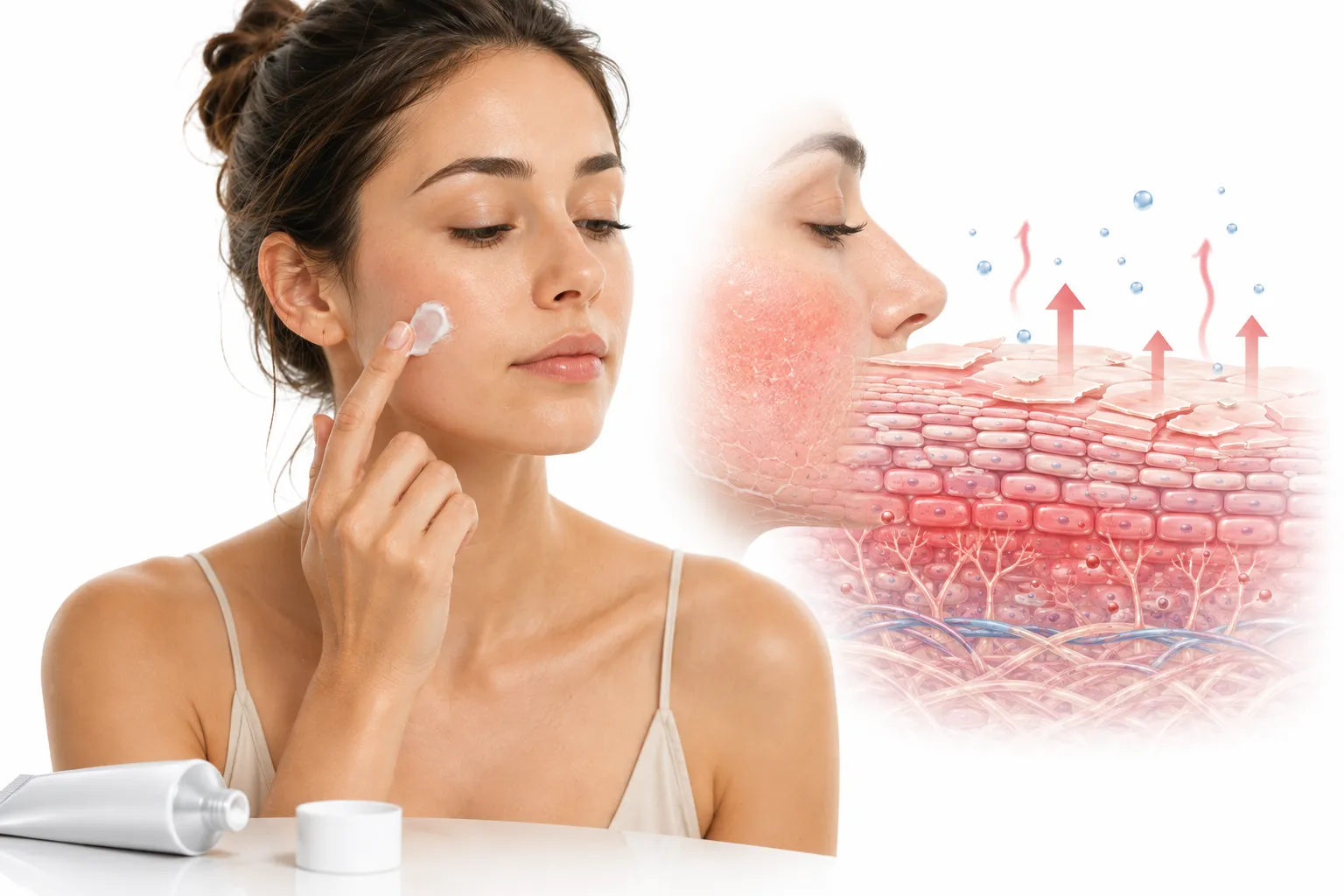
The barrier damage associated with tretinoin is real, but it's a known quantity - dermatologists have been managing it for decades.

Can
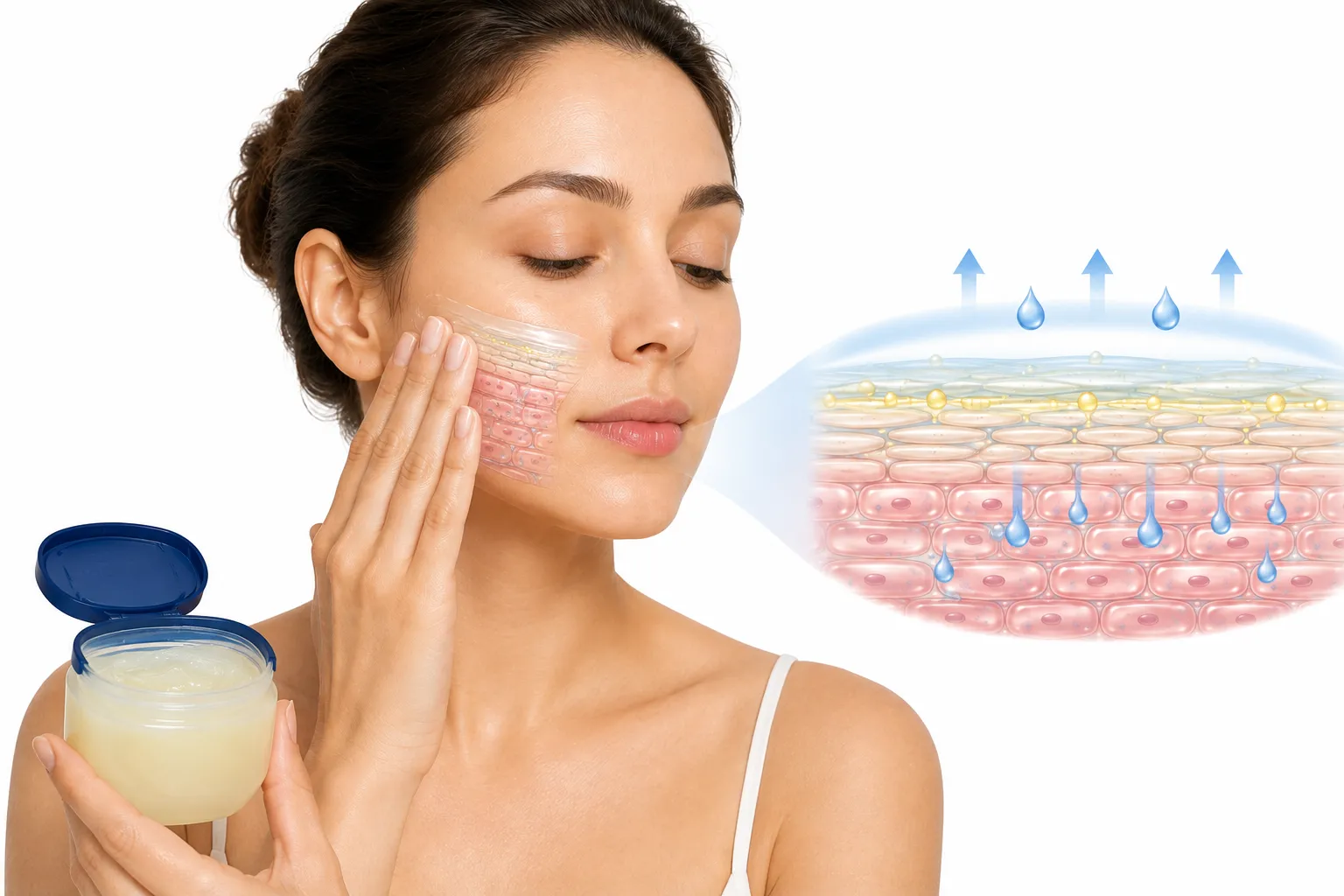
It doesn't have antioxidants, peptides, or any of the things that make modern skincare exciting. But for dry skin, it might be the most effective thing you can buy.
Vaseline has been a bathroom cabinet staple for generations, and for good reason - it's one of the most effective occlusives available, reducing water loss by up to 99%. But it's not a moisturizer in the traditional sense, and understanding how it works changes how you use it.
Can
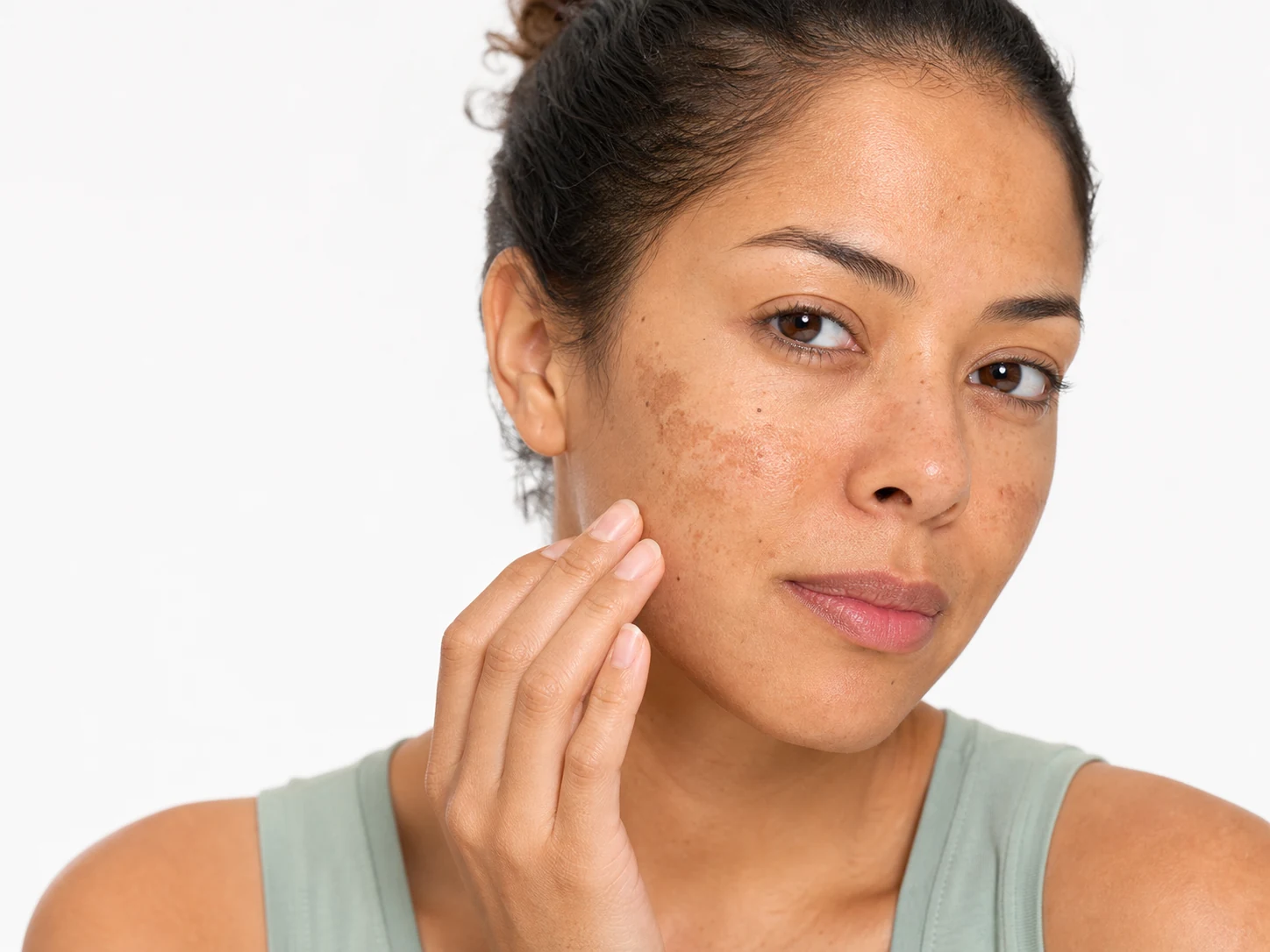
What it actually does is create a protective seal that allows your skin to do the repair work itself, without external interference.
Can
Those spots are your skin's reaction to the trauma of waxing. And they're more common than the beauty industry likes to admit.

Can
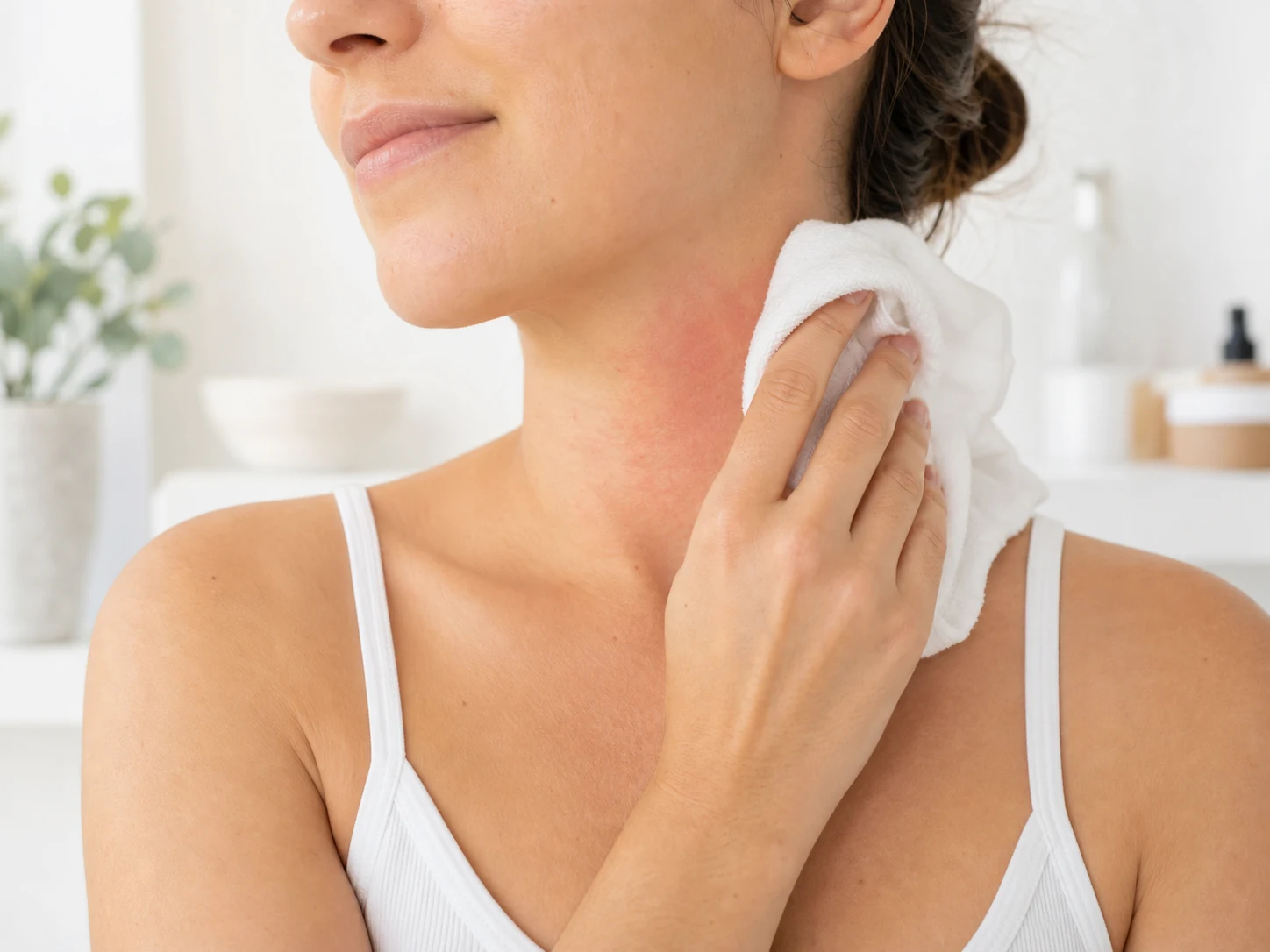
But the question is whether you can actually change the underlying type, or just manage the symptoms.
Can
But what if your skin itself, simply by being too dry, could trigger that same reaction?
Hives are usually associated with allergic reactions, but dry skin can also trigger these raised, itchy welts. The connection lies in the skin's response to extreme dryness, irritation, and the inevitable scratching that follows.

Can
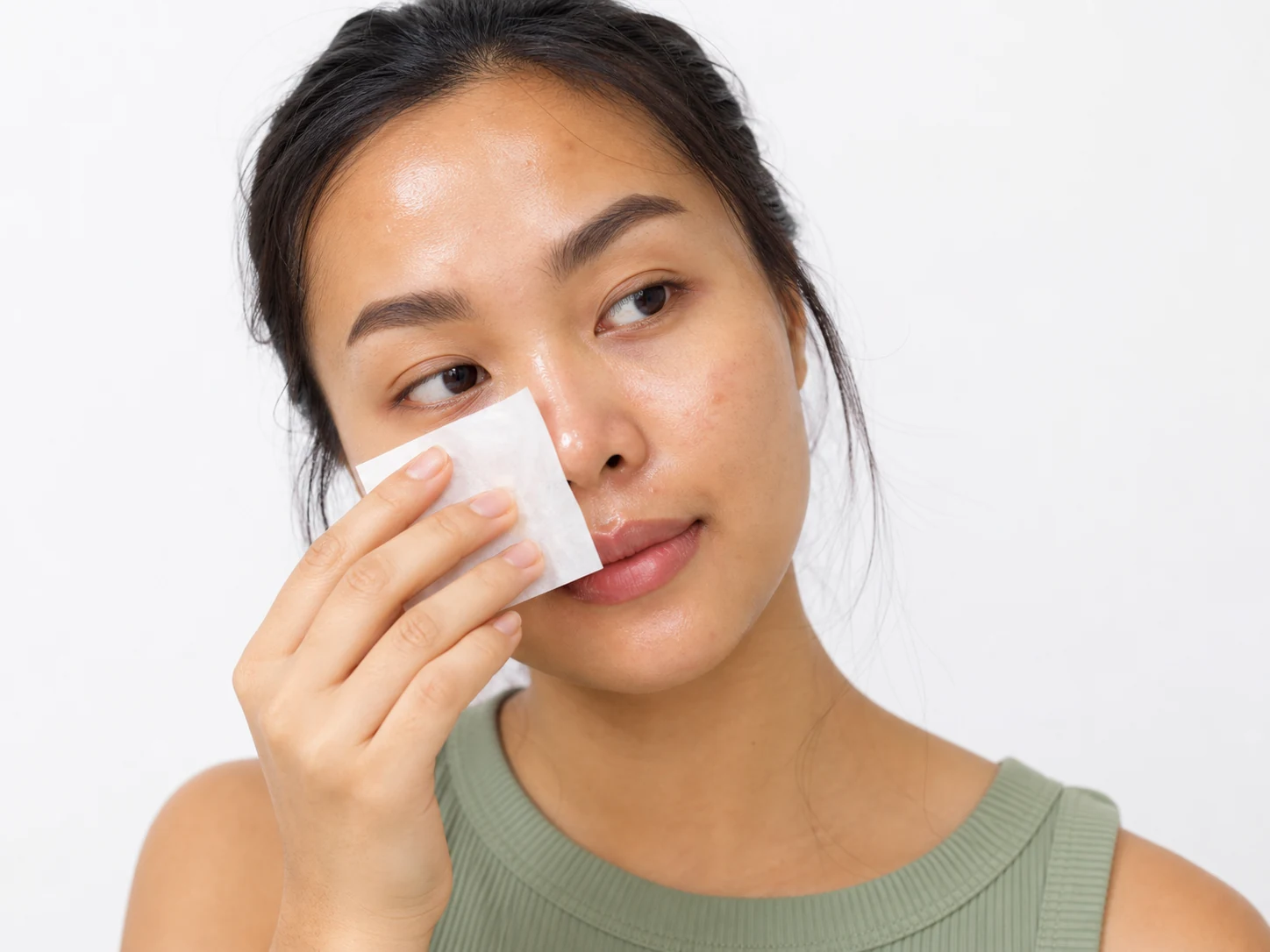
With melasma, that is not quite how it works. You can get the visible pigment to disappear - sometimes completely - but the underlying tendency does not vanish with it.
Can
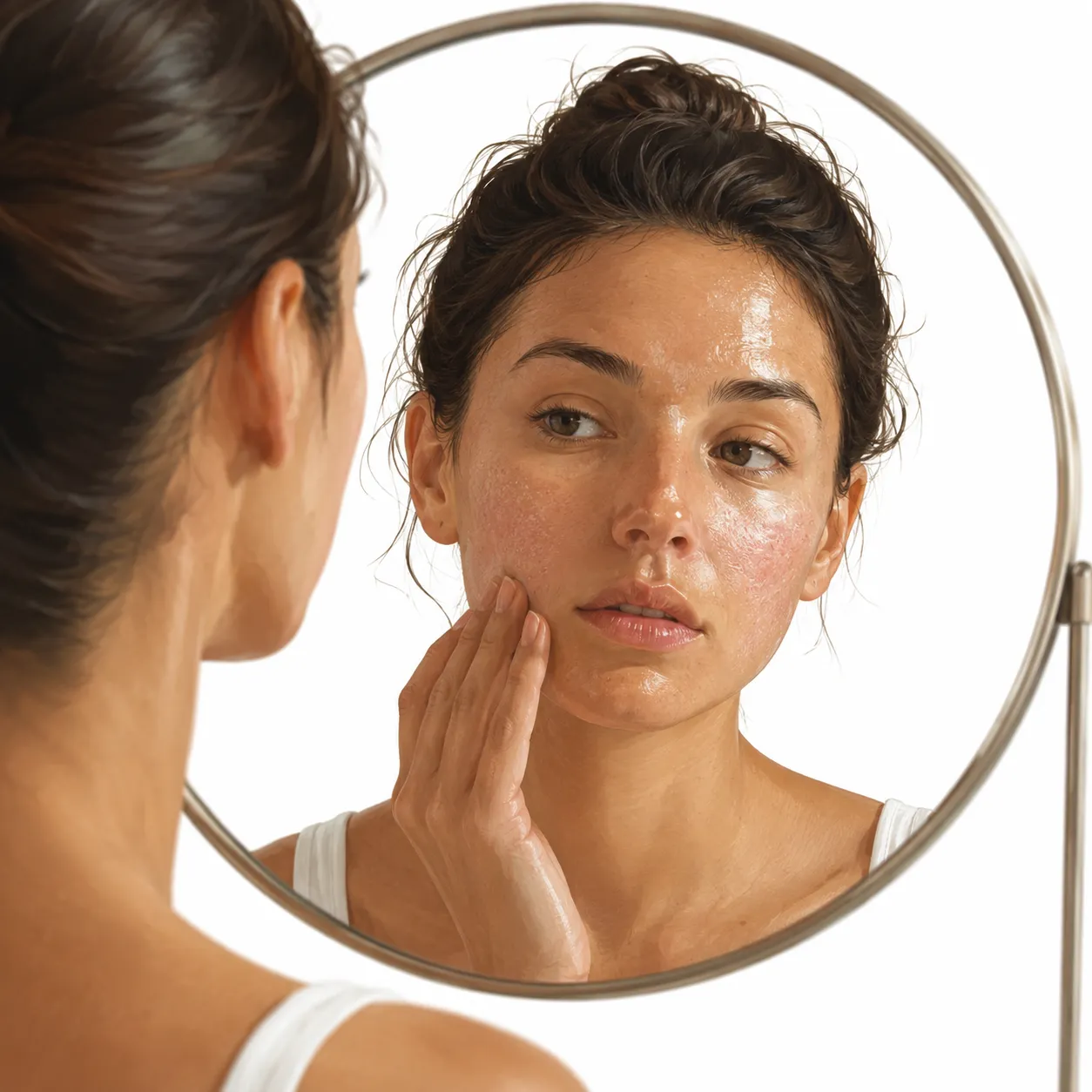
But the idea of "getting rid" of oily skin is a bit like wanting to get rid of your hair - you can manage it, and you can change how it looks, but it's part of how your skin is built.
Can
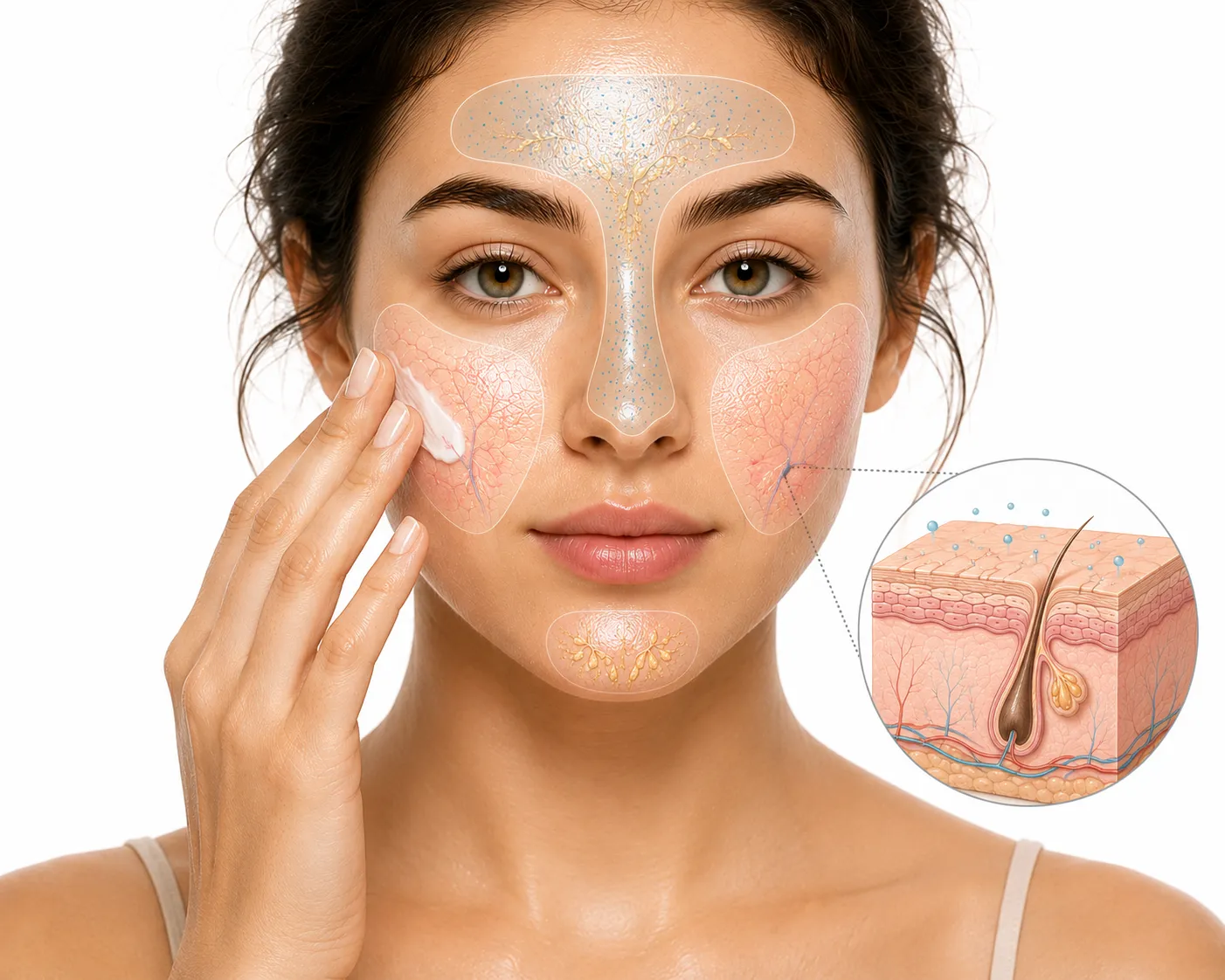
It's not confused - it's combination skin, and it's one of the most common ways to have both dry and oily skin at once.
Can
It's not perverse - it's sensitive combination skin, and it's one of the most common yet most challenging skin types to manage.
If your T-zone is oily, your cheeks are dry, and both areas react to products - you're dealing with a trifecta of skincare challenges. Sensitive combination skin is real, and it requires the most nuanced approach.

Can
The patches appear, they spread, they darken with sun - but they typically don't feel like anything at all. That silence is actually a diagnostic clue.

Can
Most people think they know their skin type, but they're often wrong. The skin you think is oily might actually be combination skin that's overcompensating, or the 'dry' skin you're moisturizing might just be dehydrated.
Can
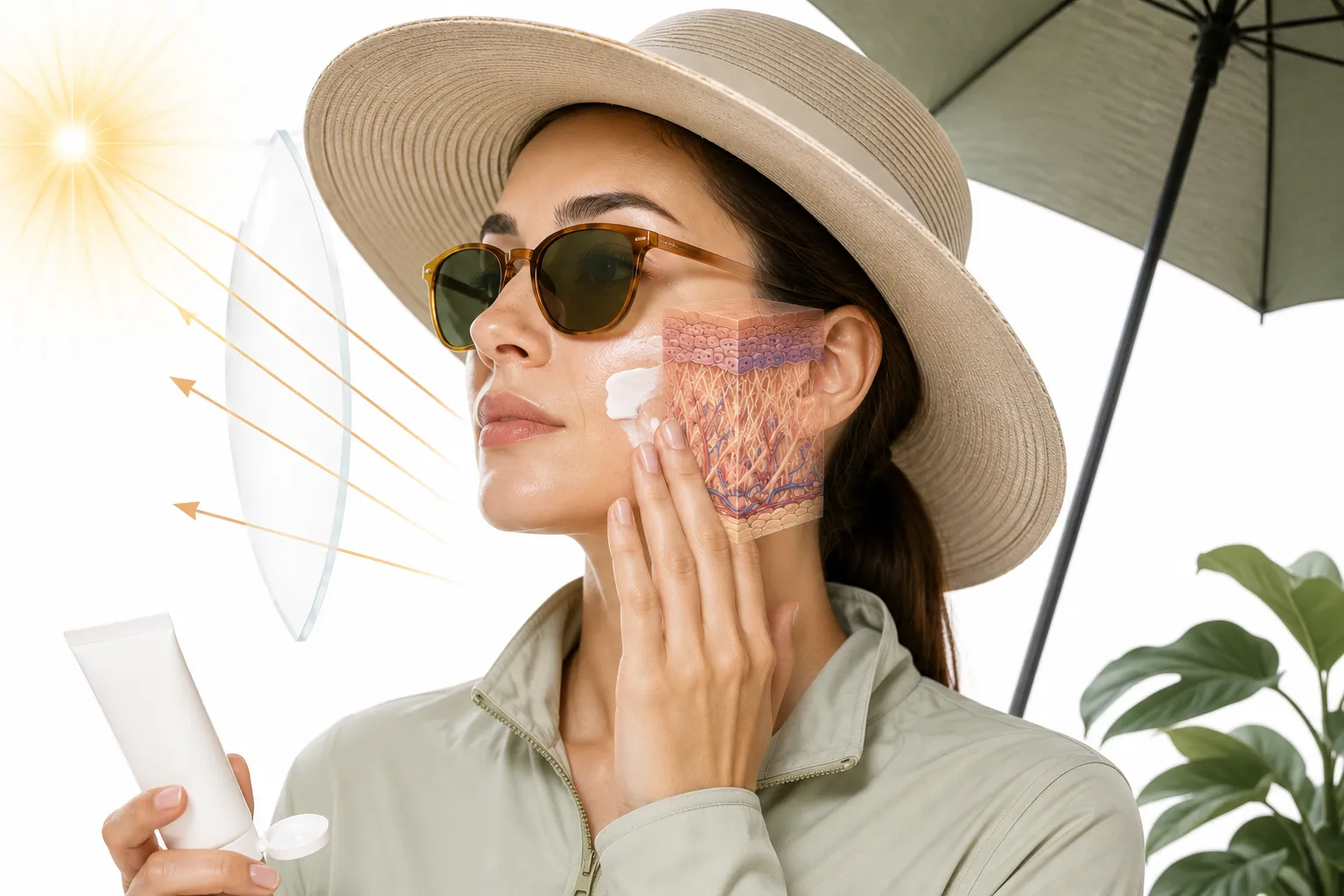
Sunscreen is the brakes, but there are other systems that also need attention.
Sunscreen is important, but preventing sun damage is about a whole set of habits and choices that work together. Some are obvious, some are subtle, and all of them make a meaningful difference.
Can
The surprising thing is that niacinamide does all of its various jobs with remarkably few side effects, making it one of the most beginner-friendly actives.
Niacinamide serum is a skincare workhorse. It's the kind of product that does a lot of different things well, without causing a lot of fuss. Understanding what it is and how to use it can help you get the most from it.
Can
The surprising thing is that despite all its versatility, the usage guidelines for niacinamide are refreshingly simple.
Can
The surprising thing is that at 10% concentration, this serum is actually stronger than most niacinamide products, which can be both a benefit and a risk.
A few gentle first stops if this corner of skincare still feels new.
A few first stops if “Can...” questions still feel new.
Recently updated
Other kinds of questions wait just next door.
Will...
What might change if you keep going: timelines, expectations, and honest outcomes.
Is...
Straight answers for claims, myths, and the questions that really want a yes or no.
Are...
When the question is about a whole category: ingredients, products, or the signs skin leaves behind.
Does...
Cause and effect: what a product or habit actually does once it meets skin.
Do...
Practical wondering about what skin needs, what routines ask for, and what to do next.
Why...
The satisfying “why” behind redness, oil, flaking, and other everyday mysteries.