Evidence
What the evidence shows
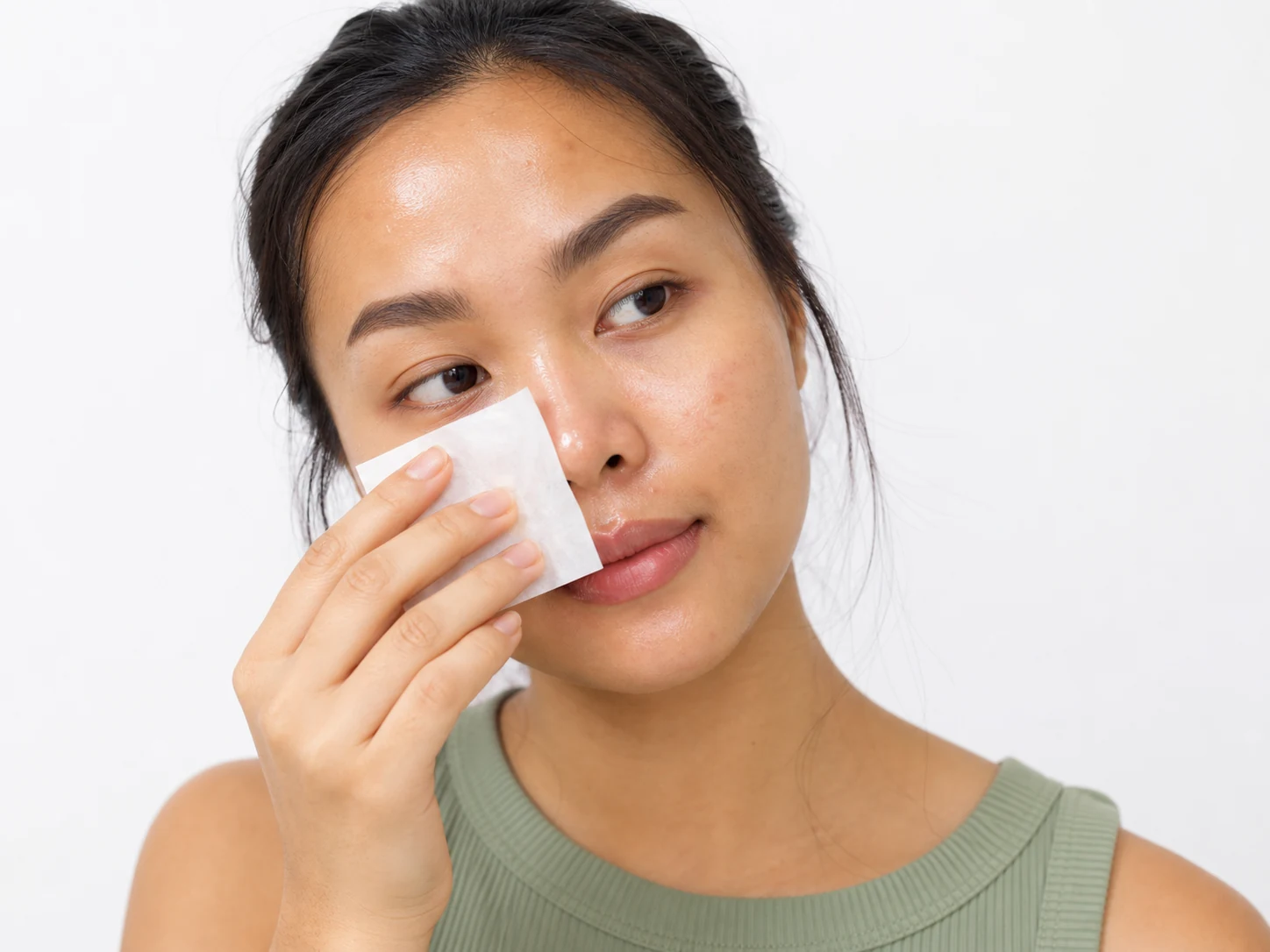
Niacinamide's benefits are skin-type-specific - it regulates oil on oily skin and supports the barrier on dry skin. It's equally valuable for both, but for different reasons.
You have oily skin and want to reduce shine
Niacinamide helps regulate sebum production.You have dry skin and want to improve hydration
Niacinamide strengthens the barrier and reduces water loss.You have sensitive skin with redness
Niacinamide is anti-inflammatory and soothing for all skin types.
Use this section to decide
Does this advice apply to me?
Find the concern or goal closest to yours, then use the fit signal to decide how much weight to give this guide.If your goal is
Oily skinUsually relevant- Fit signal
- Often useful
Sebum regulation, pore refining
If your goal is
Dry skinUsually relevant- Fit signal
- Often useful
Barrier support, hydration
If your goal is
Best concentrationUse caution- Fit signal
- Limited evidence
2-5%
If your goal is
EvidenceUsually relevant- Fit signal
- Often useful
Strong
Expected results
Results and timeframe
Consistent use is key to seeing results.
Practical use
How to use it
Choose a product with 2-5% niacinamide
Serums or moisturizers with this concentration are ideal for all skin types.
Apply daily
Use once or twice daily for consistent results.
Be patient
Visible improvements typically take 4-8 weeks.
Safety
Side effects and cautions
- Assuming niacinamide only works for one skin type
Niacinamide works for all skin types - it just works differently for each.
- Using too high a concentration
Start with 2-5% niacinamide; higher concentrations (10%+) can cause irritation.
- Expecting immediate results
Visible results take 4-8 weeks of consistent use.
Fit
Who should be careful
- Those with sensitivity to niacinamide (rare)
Worth noting
Small details that can change the answer
- Sebum Regulation. Niacinamide can reduce sebum production by up to 50% in some individuals.
- Barrier Support. Niacinamide increases ceramide synthesis by up to 30%.
- Anti-inflammatory. Niacinamide has well-documented anti-inflammatory properties for all skin types.
- Universality. Niacinamide is beneficial for all skin types, making it a rare "universal" ingredient.
Niacinamide is beneficial for both oily and dry skin, but for different reasons.
For oily skin: regulates sebum and refines pores.
For dry skin: supports barrier and reduces water loss.
The optimal concentration is 2-5% for all skin types.
Definition
What is niacinamide?
Niacinamide is a form of vitamin B3 that's used in skincare for its anti-inflammatory, barrier-supporting, and sebum-regulating properties. It's one of the most versatile and well-tolerated active ingredients, suitable for all skin types.
- Vitamin B3 derivative
- Anti-inflammatory and barrier-supporting
- Regulates sebum production
- Well-tolerated by all skin types
Science
How niacinamide works for different skin types
Niacinamide works differently depending on your skin type. For oily skin, it inhibits 5-alpha-reductase, reducing DHT production and sebum output. For dry skin, it increases ceramide synthesis, strengthening the barrier and reducing water loss. Both effects come from the same ingredient, triggered by the skin's specific needs.
- 5-Alpha-Reductase
- The enzyme that converts testosterone to DHT, a key driver of sebum production.
- Ceramides
- Lipids that form the skin barrier; niacinamide increases ceramide synthesis.
Benefits
What niacinamide does for oily skin
For oily skin, niacinamide offers targeted benefits that address the root causes of oiliness.
- Reduces sebum production over time
- Refines the appearance of enlarged pores
- Reduces inflammation and redness
- Balances the skin without stripping it
- Works well with other oily-skin ingredients
Benefits
What niacinamide does for dry skin
For dry skin, niacinamide focuses on barrier support and hydration.
- Strengthens the barrier by increasing ceramide production
- Reduces water loss and improves hydration
- Soothes dryness and irritation
- Improves skin texture and smoothness
- Reduces redness and inflammation
Questions
Frequently asked questions
Can niacinamide cause breakouts?
It's rare, but some people may break out from niacinamide. This can be due to the concentration or formulation.
Should I use niacinamide with hyaluronic acid?
Yes, they work well together - niacinamide for barrier support, hyaluronic acid for hydration.
Can niacinamide dry out the skin?
No, niacinamide is not drying - it supports the barrier and reduces water loss.
Is niacinamide safe during pregnancy?
Yes, niacinamide is generally considered safe during pregnancy.