Evidence
What the evidence shows
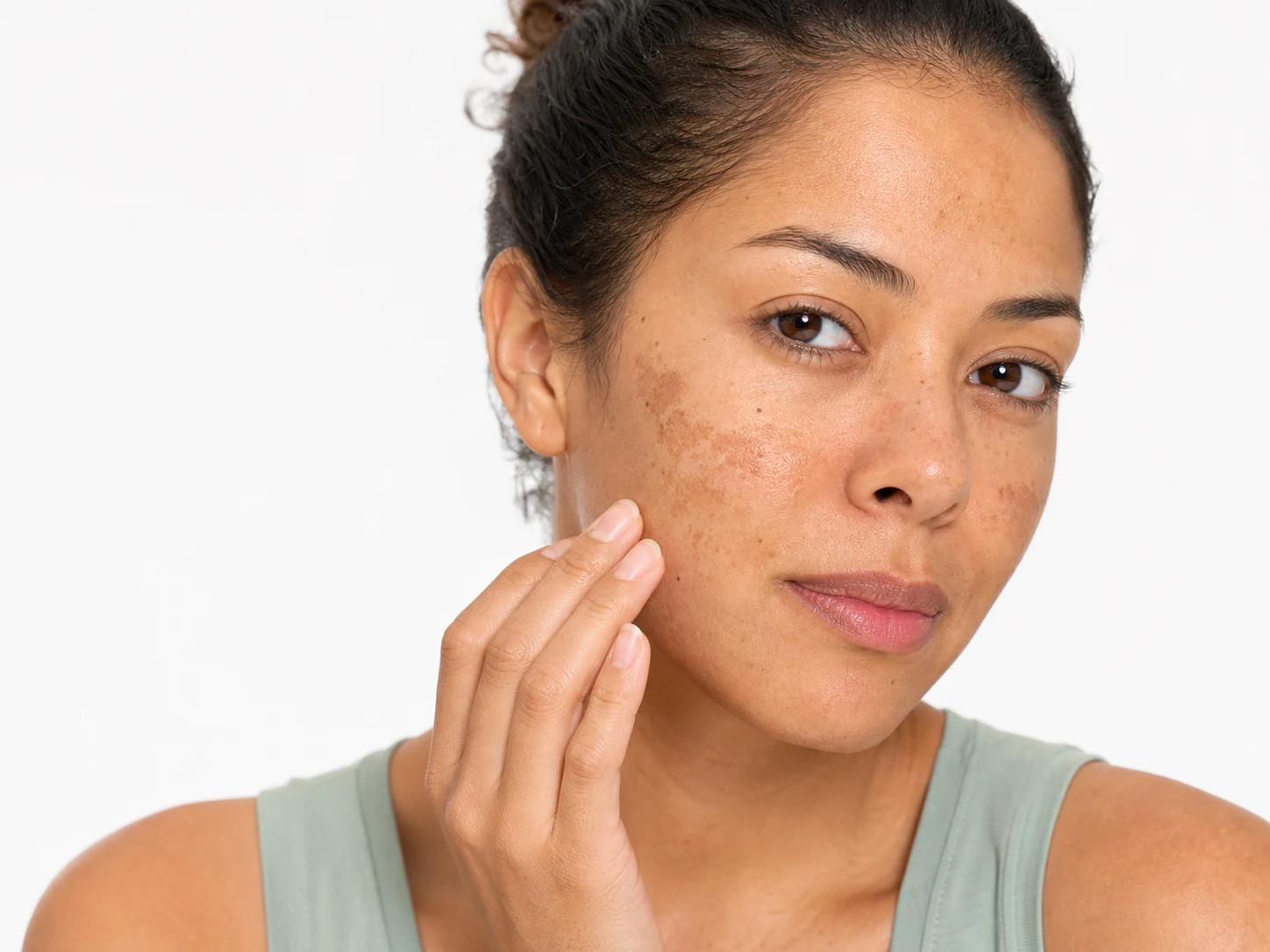
Niacinamide doesn't bleach dark spots or destroy melanin - it works by blocking the transfer of pigment to the skin's surface. It's a gradual brightener, not a rapid lightener.
Mechanism Understanding
Inhibition of melanin transfer is well documented.Clinical Evidence
Studies show measurable reduction in dark spots.Clinical Consensus
Dermatologists recommend niacinamide for hyperpigmentation.
Use this section to decide
Does this advice apply to me?
Find the concern or goal closest to yours, then use the fit signal to decide how much weight to give this guide.If your goal is
Fading Existing SpotsDepends- Fit signal
- Possible fit
Gradual but consistent improvement
If your goal is
Preventing New SpotsUsually relevant- Fit signal
- Often useful
Excellent prevention mechanism
If your goal is
Even Skin ToneDepends- Fit signal
- Possible fit
Noticeable overall improvement
If your goal is
Speed of ResultsDo not rely on it- Fit signal
- Not established
Slow but steady
Research notes already in this guide
- Clinical studies show niacinamide reduces hyperpigmentation by inhibiting melanin transfer.
- Research demonstrates that 2-5% niacinamide is effective for pigmentation concerns.
- Studies show niacinamide can reduce dark spots by up to 35-68% in some cases.
- Dermatologists recommend niacinamide for post-inflammatory hyperpigmentation.
Explanation
How it works
Melanin production
Melanocytes produce melanin in response to triggers like UV or inflammation.
Transfer blocked
Niacinamide inhibits the transfer of melanosomes to keratinocytes.
Less pigment at surface
Less melanin reaches the visible layers of the skin.
Gradual fading
As skin naturally sheds, existing dark spots fade over time.
Expected results
Results and timeframe
Time to results: 4-12 weeks
Results typically take 4-12 weeks of consistent use.
Practical use
How to use it
Apply consistently
Use niacinamide daily for at least 8-12 weeks to see significant fading.
Use sunscreen daily
SPF 30+ is essential to prevent new dark spots and allow existing ones to fade.
Be patient
Dark spots fade gradually - expect slow but steady improvement.
Safety
Side effects and cautions
- Expecting niacinamide to work like a bleaching agent
It's a gradual brightener, not a rapid lightener.
- Using it without sunscreen
Sun exposure darkens spots and counters niacinamide's effects.
- Stopping too early
Results take 4-12 weeks - consistency is key.
Fit
Who should be careful
- Immediate or dramatic lightening
Worth noting
Small details that can change the answer
- Melanin Transfer. Niacinamide inhibits melanin transfer from melanocytes to keratinocytes by up to 35-68% in some studies.
- Anti-Inflammatory. Niacinamide reduces inflammation that can trigger new dark spots.
- Barrier Support. A healthy barrier helps prevent the inflammation that leads to PIH.
- Concentration. 2-5% niacinamide is effective for dark spot reduction.
Niacinamide helps fade dark spots by blocking melanin transfer to the skin's surface.
It's a gradual brightener, not a rapid lightener.
Sunscreen is essential to prevent new spots and allow fading.
2-5% concentration is effective for hyperpigmentation.
Science
The science of niacinamide and pigmentation
Melanin is produced in melanocytes and then transferred to keratinocytes via melanosomes. Niacinamide works by inhibiting the transfer of melanosomes to keratinocytes. It does this by reducing the activity of PAR-2 receptors on keratinocytes, which are involved in the uptake of melanosomes. This means less pigment reaches the skin's surface.
- Melanosomes
- Organelles within melanocytes that produce and store melanin.
- PAR-2 Receptors
- Receptors on keratinocytes that are involved in the uptake of melanosomes.
Questions
Frequently asked questions
How long does niacinamide take to fade dark spots?
Most people see noticeable improvement in 4-12 weeks, with full results taking 3-6 months.
Can niacinamide remove old, stubborn dark spots?
It can help, but older or deeper spots may require combination treatment with other brightening ingredients.
Is niacinamide better than vitamin C for dark spots?
They work differently - vitamin C inhibits melanin production, niacinamide blocks transfer. They work well together.
Can niacinamide make dark spots worse?
It shouldn't - it's generally well-tolerated. However, irritation from a high concentration can trigger PIH.
References
Sources
The notes below are drawn from the evidence already cited in this guide. They are not a complete bibliography.
- Clinical studies show niacinamide reduces hyperpigmentation by inhibiting melanin transfer.
- Research demonstrates that 2-5% niacinamide is effective for pigmentation concerns.
- Studies show niacinamide can reduce dark spots by up to 35-68% in some cases.
- Dermatologists recommend niacinamide for post-inflammatory hyperpigmentation.