Evidence
What the evidence shows
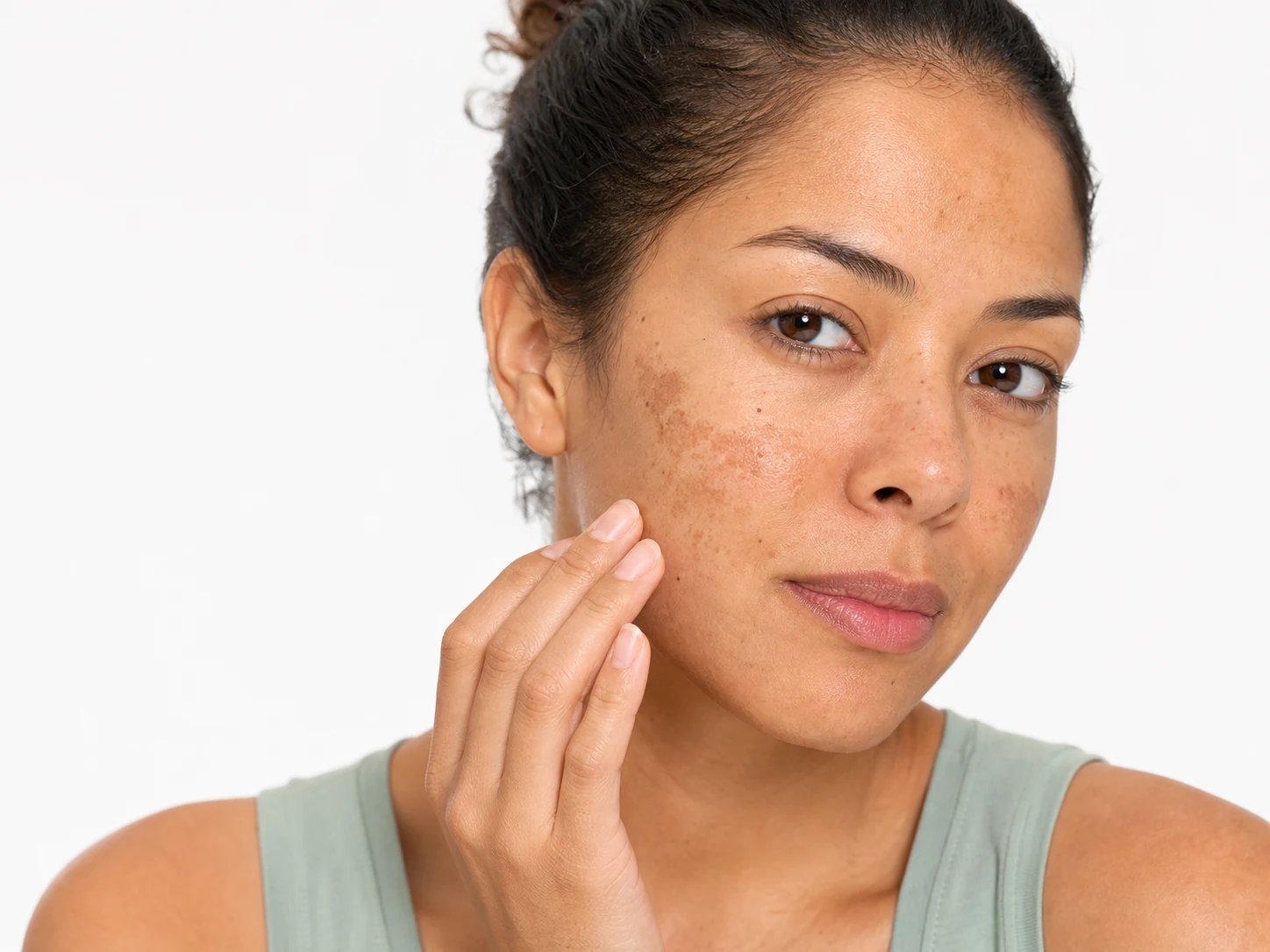
The effectiveness of niacinamide on acne scars depends entirely on the type of scar. It works on discoloration but can't rebuild lost tissue.
Use this section to decide
Does this advice apply to me?
Find the concern or goal closest to yours, then use the fit signal to decide how much weight to give this guide.If your goal is
PIH (dark spots)Usually relevant- Fit signal
- Often useful
Well-documented efficacy
If your goal is
PIE (red marks)Use caution- Fit signal
- Limited evidence
Anti-inflammatory benefits
If your goal is
Pitted scarsPersonal response varies- Fit signal
No effect
If your goal is
Prevention of new marksUsually relevant- Fit signal
- Often useful
Excellent
Research notes already in this guide
- Studies show that 2-5% niacinamide effectively reduces hyperpigmentation.
- Niacinamide has been shown to reduce melanin transfer by up to 35%.
- The anti-inflammatory properties of niacinamide help prevent post-inflammatory pigmentation.
- For pitted scars, clinical studies focus on professional interventions, not topical treatments.
Explanation
How it works
Inhibits melanin transfer
Niacinamide blocks the transfer of melanin from melanocytes to skin cells.
Reduces inflammation
Anti-inflammatory properties help prevent further pigmentation.
Supports barrier function
Stronger barrier means less irritation and better healing.
Fades dark spots gradually
With consistent use, pigmentation becomes less visible over time.
Expected results
Results and timeframe
Consistency and patience are essential for visible results.
Practical use
How to use it
Use niacinamide for pigmented scars
Apply 2-5% niacinamide to dark spots consistently for best results.
Use sunscreen daily
Sun exposure darkens pigmented scars, making niacinamide less effective.
See a dermatologist for pitted scars
Professional treatments like lasers or microneedling are needed for structural scars.
Safety
Side effects and cautions
- Expecting niacinamide to remove pitted scars
Niacinamide works on pigmentation, not structural scars.
- Giving up after a few weeks
Fading pigmentation takes months of consistent use.
- Using niacinamide without sunscreen
Sun exposure can worsen pigmentation and undo progress.
Fit
Who should be careful
- Pitted or structural acne scars
- Raised hypertrophic scars
Helpful context
What else is worth knowing
Should you use niacinamide?
Worth noting
Small details that can change the answer
- PIH vs Scars. Pigmented marks (PIH) respond well to niacinamide; pitted scars don't.
- Melanin Transfer. Niacinamide inhibits melanin transfer from melanocytes to skin cells.
- Inflammation Reduction. Niacinamide's anti-inflammatory properties help prevent further pigmentation.
- Collagen Support. Niacinamide supports collagen but doesn't rebuild lost tissue in scars.
Niacinamide can help fade dark spots and hyperpigmentation from acne.
It cannot remove pitted or structural acne scars.
The mechanism is inhibiting melanin transfer and reducing inflammation.
Sunscreen is critical to prevent pigmentation from worsening.
Definition
What are acne scars and how does niacinamide help?
Acne scars are marks left behind after acne lesions heal. They come in two main types: pigmented scars (dark spots or redness) and structural scars (indentations or raised areas). Niacinamide can help with pigmented scars by inhibiting melanin transfer and reducing inflammation. It doesn't help with structural scars.
- Post-inflammatory hyperpigmentation (PIH): Flat, dark spots that niacinamide can help fade
- Post-inflammatory erythema (PIE): Red spots that niacinamide's anti-inflammatory properties can help
- Atrophic scars: Pitted indentations that niacinamide cannot fix
- Hypertrophic scars: Raised scars that niacinamide cannot fix
Decision Helper
Deciding if niacinamide is right for your acne scars
Dark spots from acne (PIH)
Niacinamide can helpIt inhibits melanin transfer and reduces inflammation.
Red marks from acne (PIE)
Niacinamide may helpIts anti-inflammatory properties can reduce redness.
Pitted scars (atrophic)
Niacinamide won't helpIt can't rebuild lost collagen or tissue.
Raised scars (hypertrophic)
Niacinamide won't helpIt can't reduce existing scar tissue.
Questions
Frequently asked questions
Can niacinamide remove deep acne scars?
No, deep pitted scars require professional treatments like lasers or microneedling.
How long does it take for niacinamide to fade acne scars?
Visible fading typically takes 8-12 weeks of consistent use.
Should I use niacinamide on fresh acne scars?
Yes, it can help prevent them from becoming darker by reducing inflammation and pigment transfer.
What's better for acne scars, niacinamide or vitamin C?
Both are effective for pigmented scars and can be used together for better results.
References
Sources
The notes below are drawn from the evidence already cited in this guide. They are not a complete bibliography.
- Studies show that 2-5% niacinamide effectively reduces hyperpigmentation.
- Niacinamide has been shown to reduce melanin transfer by up to 35%.
- The anti-inflammatory properties of niacinamide help prevent post-inflammatory pigmentation.
- For pitted scars, clinical studies focus on professional interventions, not topical treatments.