Evidence
What the evidence shows
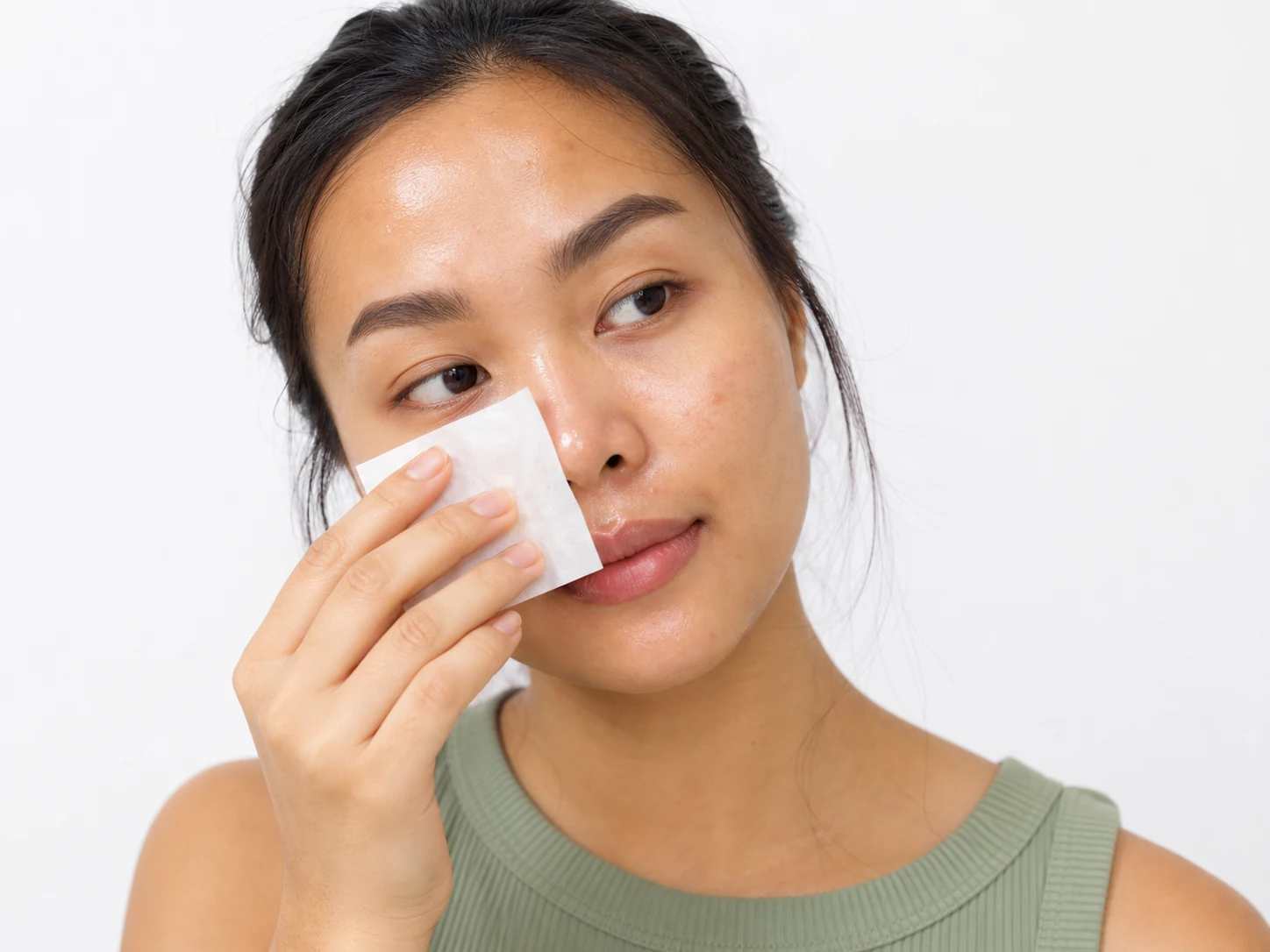
Oily skin that's dehydrated is often misdiagnosed as dry skin - but treating it like dry skin (with heavy oils) can make it worse. It needs water-based hydration, not more oil.
Use this section to decide
Does this advice apply to me?
Find the concern or goal closest to yours, then use the fit signal to decide how much weight to give this guide.If your goal is
AnswerUsually relevant- Fit signal
- Often useful
Yes - common
If your goal is
Key SignUse caution- Fit signal
- Limited evidence
Oily but feels tight
If your goal is
CauseUse caution- Fit signal
- Limited evidence
Barrier damage
If your goal is
SolutionUsually relevant- Fit signal
- Often useful
Hydration + barrier repair
Research notes already in this guide
- Dehydration can affect any skin type, including oily skin.
- Barrier damage is the primary cause of dehydration.
- Water-based hydration is more effective than oil-based products for dehydration.
- Gentle, consistent care is the most effective treatment.
Practical use
How to use it
Switch to a gentle, non-stripping cleanser
Avoid foaming cleansers that damage the barrier.
Apply water-based hydrating serums
Hyaluronic acid or glycerin serums replenish water.
Use a lightweight, barrier-supporting moisturizer
Apply after serums to lock in hydration.
Safety
Side effects and cautions
- Treating dehydrated oily skin like dry skin
Dehydrated skin needs water, not heavy oils.
- Using harsh products to "control" oiliness
Harsh products worsen the barrier damage causing dehydration.
- Skipping moisturizer because of oiliness
Even oily skin needs a lightweight moisturizer.
Fit
Who should be careful
- Those who confuse dehydration with dry skin
Worth noting
Small details that can change the answer
- Water vs Oil. Dehydration is about water - it's not the same as dry skin.
- Barrier Role. A compromised barrier causes dehydration.
- Oil Production. Oily skin can still produce oil while dehydrated.
- Common Sign. Oily skin that feels tight is often dehydrated.
Oily skin can be dehydrated - it's a water problem, not an oil problem.
Signs include tightness, dullness, and product sensitivity.
The cause is barrier damage that lets water escape.
The solution is water-based hydration and barrier repair.
Treating it like dry skin (with heavy oils) can make it worse.
Definition
What is dehydrated oily skin?
Dehydrated oily skin is skin that lacks water but continues to produce normal or even excess oil. It's a condition that affects the skin's water content, not its oil production.
- Lacks water, not oil
- Feels tight despite being oily
- Looks dull, not shiny
- Products may sting or burn
- Fine lines are more visible
Science
Why oily skin becomes dehydrated
Oily skin becomes dehydrated when the barrier is compromised. This can happen from over-cleansing, harsh products, or environmental stress. The barrier loses its ability to hold water, while the sebaceous glands continue producing oil. The result is oily skin that's also water-depleted.
- Transepidermal Water Loss
- The amount of water that evaporates through the skin - higher when the barrier is compromised.
- Barrier
- The skin's protective outer layer - damaged in dehydrated skin.
Benefits
How to fix dehydrated oily skin
The solution is water-based hydration and barrier repair.
- Switch to a gentle, non-stripping cleanser
- Apply water-based hydrating serums (hyaluronic acid, glycerin)
- Use a lightweight, barrier-supporting moisturizer
- Avoid harsh actives that damage the barrier
- Be patient - improvement takes 2-4 weeks
Questions
Frequently asked questions
Can I have oily and dehydrated skin at the same time?
Yes - it's a common condition.
What's the difference between dry skin and dehydrated oily skin?
Dry skin lacks oil; dehydrated oily skin lacks water but has plenty of oil.
Will moisturizer make oily skin more oily if it's dehydrated?
The right one won't - choose a lightweight, water-based moisturizer.
How long does it take to fix dehydrated oily skin?
Most people see improvement in 2-4 weeks of consistent care.
References
Sources
The notes below are drawn from the evidence already cited in this guide. They are not a complete bibliography.
- Dehydration can affect any skin type, including oily skin.
- Barrier damage is the primary cause of dehydration.
- Water-based hydration is more effective than oil-based products for dehydration.
- Gentle, consistent care is the most effective treatment.