Evidence
What the evidence shows
The skin's natural turnover cycle is about 28 days for young skin and longer as we age. Pigmentation sits in the epidermis, so it takes multiple turnover cycles to fade - explaining why it takes weeks to months, not days.
What type of hyperpigmentation do you have?
PIH is fastest, melasma is slowest.Are you using treatments consistently?
Daily use is essential for the fastest fading.Are you using sunscreen daily?
Sunscreen prevents new pigmentation that prolongs fading.Have you considered professional treatments?
In-office treatments can significantly speed fading.
Use this section to decide
Does this advice apply to me?
Find the concern or goal closest to yours, then use the fit signal to decide how much weight to give this guide.If your goal is
PIHUsually relevant- Fit signal
- Often useful
8-16 weeks
If your goal is
Sun SpotsUse caution- Fit signal
- Limited evidence
3-6 months
If your goal is
MelasmaDepends- Fit signal
- Possible fit
6-12+ months
If your goal is
Without TreatmentDepends- Fit signal
- Possible fit
Months to years
If your goal is
Key to SpeedUsually relevant- Fit signal
- Often useful
Consistency
Research notes already in this guide
- Studies show consistent treatment with brightening ingredients accelerates fading.
- Research confirms that combination therapy is faster than single-ingredient approaches.
- Clinical trials typically show measurable improvement in 8-12 weeks.
- Dermatologists recommend expecting gradual improvement over 3-6 months.
Expected results
Results and timeframe
Hyperpigmentation fading takes weeks to months, not days.
PIH typically takes 8-16 weeks with consistent treatment.
Practical use
How to use it
Set realistic expectations
Expect 8-16 weeks for PIH, longer for other types.
Track your progress
Take photos weekly to see gradual changes you might miss day-to-day.
Stay consistent
Consistent daily use of treatments is the fastest way to see results.
Safety
Side effects and cautions
- Stopping treatment after a few weeks because you don't see results
Hyperpigmentation takes months to fade - patience is essential.
- Comparing your fading timeline to someone else's
Everyone's skin is different - focus on your own progress.
- Using products inconsistently and expecting results
Consistency is more important than perfection.
Fit
Who should be careful
- Those seeking instant results
Worth noting
Small details that can change the answer
- Skin Turnover. Epidermal turnover takes about 28 days in young skin, longer with age.
- PIH Timeline. PIH typically fades in 8-16 weeks with consistent treatment.
- Melasma Timeline. Melasma often takes 6-12 months or longer to show significant improvement.
- Depth Matters. Deeper pigmentation (dermal melasma) takes longer to fade than epidermal pigmentation.
Sun spots take 3-6 months; melasma can take 6-12+ months.
Treatment consistency is the most important factor in speed.
Without treatment, fading can take months to years.
Definition
What affects fading time?
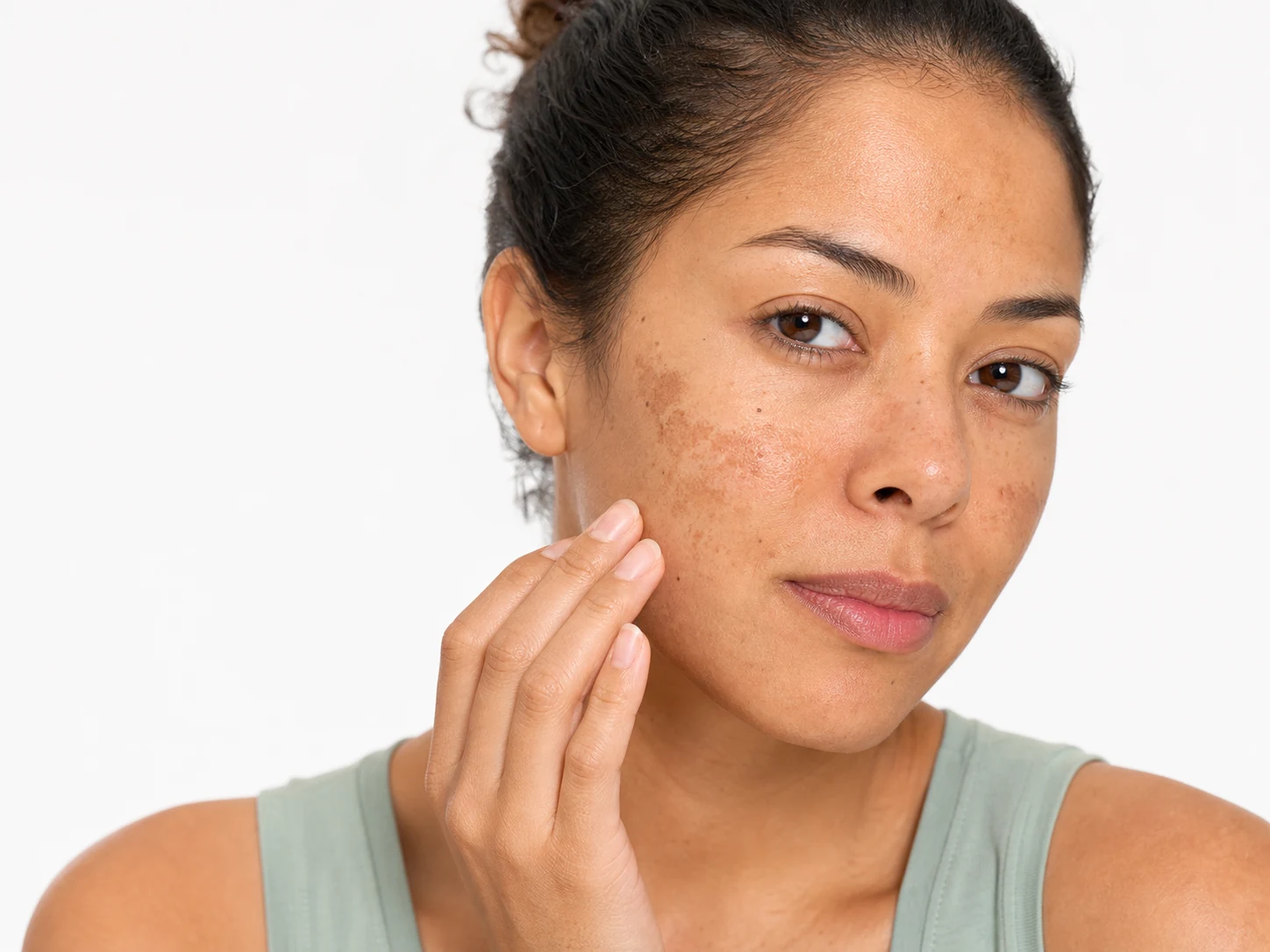
Several factors influence how quickly hyperpigmentation fades: the depth of the pigment (epidermal vs. dermal), the type of hyperpigmentation, the consistency of treatment, and your skin's natural turnover rate.
- Epidermal pigmentation (superficial) fades faster than dermal (deeper)
- PIH fades faster than sun spots and melasma
- Consistent treatment speeds fading significantly
- Younger skin turns over faster, speeding fading
Benefits
Estimated fading timelines by type
These are general estimates with consistent, appropriate treatment.
- Post-inflammatory hyperpigmentation (PIH): 8-16 weeks
- Sun spots (solar lentigines): 3-6 months
- Melasma (epidermal): 6-12 months
- Melasma (dermal/mixed): 12+ months, often requiring ongoing maintenance
Explanation
The role of treatment in fading speed
Treatment significantly accelerates fading. Without treatment, hyperpigmentation can take months to years to fade naturally, and some types may never fully resolve without intervention. The right ingredients - vitamin C, niacinamide, retinoids - all speed the process.
Questions
Frequently asked questions
Does hyperpigmentation fade faster with prescription treatments?
Yes - prescription-strength ingredients (like hydroquinone or tretinoin) can speed fading significantly.
Can hyperpigmentation fade in weeks?
Superficial PIH may show some improvement in 4-6 weeks, but significant fading takes longer.
Does hyperpigmentation fade faster on younger skin?
Yes - younger skin has a faster turnover rate, speeding fading.
Will hyperpigmentation fade faster with professional treatments?
Yes - chemical peels, lasers, and microneedling can accelerate fading significantly.
References
Sources
The notes below are drawn from the evidence already cited in this guide. They are not a complete bibliography.
- Studies show consistent treatment with brightening ingredients accelerates fading.
- Research confirms that combination therapy is faster than single-ingredient approaches.
- Clinical trials typically show measurable improvement in 8-12 weeks.
- Dermatologists recommend expecting gradual improvement over 3-6 months.