Evidence
What the evidence shows
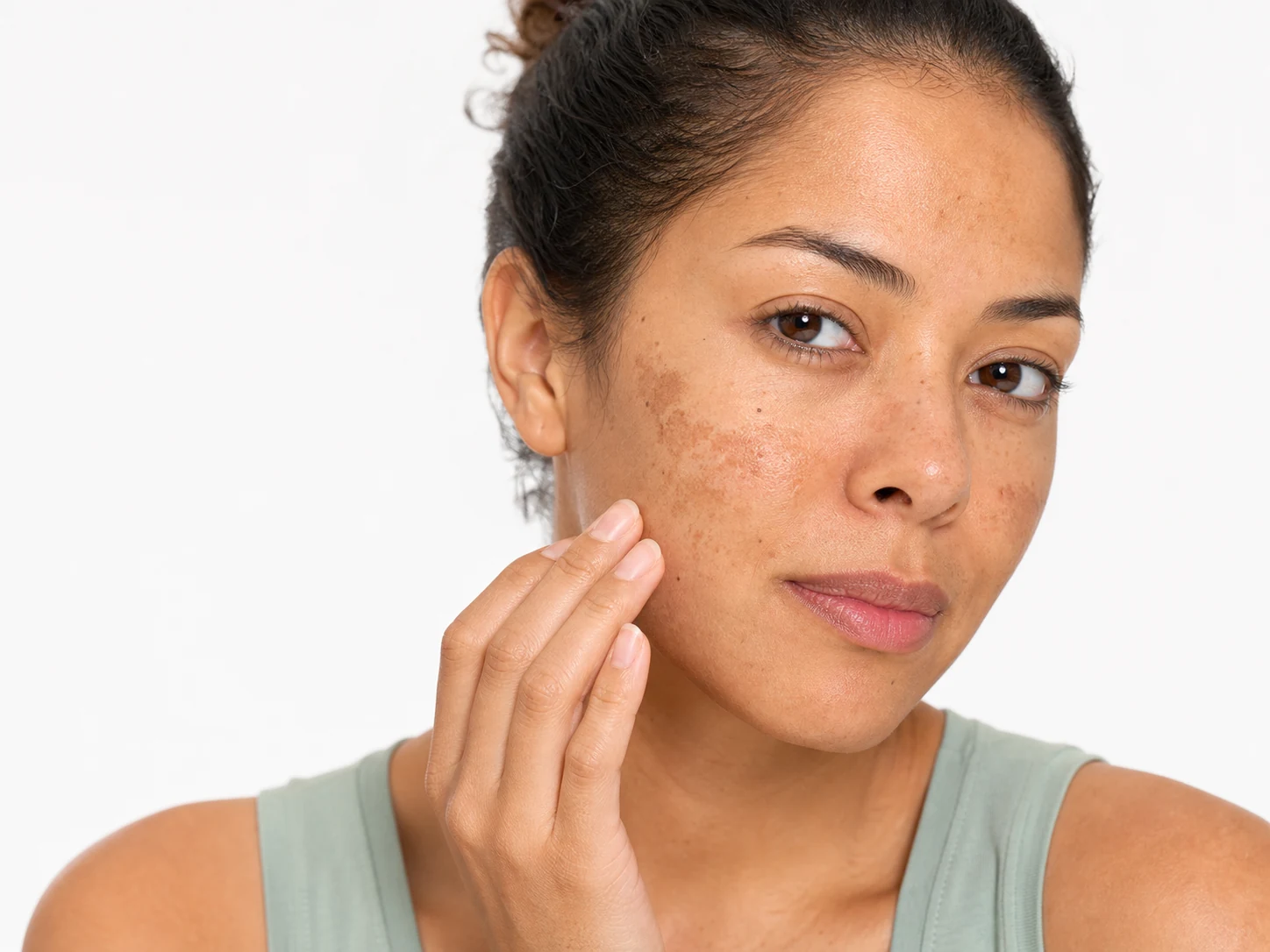
Glycolic acid treats hyperpigmentation by removing pigmented surface cells, not by stopping melanin production. This makes it ideal for superficial pigmentation but less effective for deep melasma.
Superficial pigmentation
Proven efficacyExfoliation mechanism
Well-understoodSafety profile
Good with proper use
Use this section to decide
Does this advice apply to me?
Find the concern or goal closest to yours, then use the fit signal to decide how much weight to give this guide.If your goal is
Sun spotsUsually relevant- Fit signal
- Often useful
Highly effective
If your goal is
PIHDepends- Fit signal
- Possible fit
Good improvement
If your goal is
MelasmaDo not rely on it- Fit signal
- Not established
Limited alone, combine with others
If your goal is
Overall brightnessUsually relevant- Fit signal
- Often useful
Excellent
Research notes already in this guide
- Studies show 10-20% glycolic acid improves hyperpigmentation.
- Glycolic acid is effective for sun spots and post-inflammatory hyperpigmentation.
- It's less effective for melasma when used alone.
- Combination with other brighteners enhances results.
Explanation
How it works
Breaks surface cell bonds
Removes pigmented cells from the surface.
Reveals new skin
Fresher, less pigmented skin is revealed.
Stimulates cell renewal
New cells grow with more even pigmentation.
Improves overall tone
Skin appears brighter and more even.
Expected results
Results and timeframe
Time to results: 4-8 weeks
Practical use
How to use it
Start with a lower concentration
Begin with 5-10% to build tolerance.
Apply 2-3 times per week
Increase frequency as skin tolerates.
Use other brighteners
Combine with vitamin C or niacinamide for better results.
Always use sunscreen
Glycolic acid increases sun sensitivity.
Safety
Side effects and cautions
- Starting with too high a concentration
Begin with 5-10% and increase gradually.
- Using it too frequently
2-3 times per week is sufficient for most people.
- Skipping sunscreen
Glycolic acid increases sun sensitivity; sunscreen is essential.
Fit
Who should be careful
- Deep melasma (use with other treatments)
- Very sensitive skin (start low)
Worth noting
Small details that can change the answer
- Exfoliation Action. Glycolic acid removes pigmented surface cells through exfoliation.
- Optimal Strength. 10-20% glycolic acid is most effective for hyperpigmentation.
- Time to Results. Visible improvement takes 4-8 weeks.
- Best for Superficial. It's most effective for surface pigmentation, not deep melasma.
Glycolic acid is effective for superficial hyperpigmentation.
It works by removing pigmented surface cells through exfoliation.
10-20% concentration is most effective for hyperpigmentation.
It's less effective for deep melasma when used alone.
Always use sunscreen with glycolic acid.
Questions
Frequently asked questions
Is glycolic acid better than salicylic acid for hyperpigmentation?
Glycolic acid is generally better for pigmentation because it exfoliates the surface more effectively.
Can glycolic acid fade dark spots?
Yes, it effectively fades sun spots and post-inflammatory hyperpigmentation.
How long does glycolic acid take to fade dark spots?
Visible improvement typically takes 4-8 weeks.
Can I use glycolic acid every day?
Some people can, but starting with 2-3 times per week is safer.
References
Sources
The notes below are drawn from the evidence already cited in this guide. They are not a complete bibliography.
- Studies show 10-20% glycolic acid improves hyperpigmentation.
- Glycolic acid is effective for sun spots and post-inflammatory hyperpigmentation.
- It's less effective for melasma when used alone.
- Combination with other brighteners enhances results.