Evidence
What the evidence shows
Toner is an optional step, not a necessity. For sensitive skin, it's only beneficial if it's a hydrating, soothing formula - not an astringent one.
You want extra hydration and soothing benefits
A hydrating toner can be a beneficial addition to your routine.You prefer a minimal routine and are already well-hydrated
You can skip toner - it's an optional step.You have very reactive skin
Choose a toner with minimal ingredients and patch test first.
Use this section to decide
Does this advice apply to me?
Find the concern or goal closest to yours, then use the fit signal to decide how much weight to give this guide.If your goal is
Best typeUsually relevant- Fit signal
- Often useful
Hydrating, alcohol-free
If your goal is
Key ingredientsUse caution- Fit signal
- Limited evidence
Glycerin, hyaluronic acid
If your goal is
AvoidUse caution- Fit signal
- Limited evidence
Alcohol, fragrance, witch hazel
If your goal is
ApplicationUse caution- Fit signal
- Limited evidence
Hands, gently patting in
Practical use
How to use it
Consider if you need a toner
If your skin is already well-hydrated, you may not need one.
Choose a hydrating, alcohol-free toner
Look for "hydrating," "calming," or "soothing" on the label, with no alcohol, fragrance, or essential oils.
Apply with clean hands
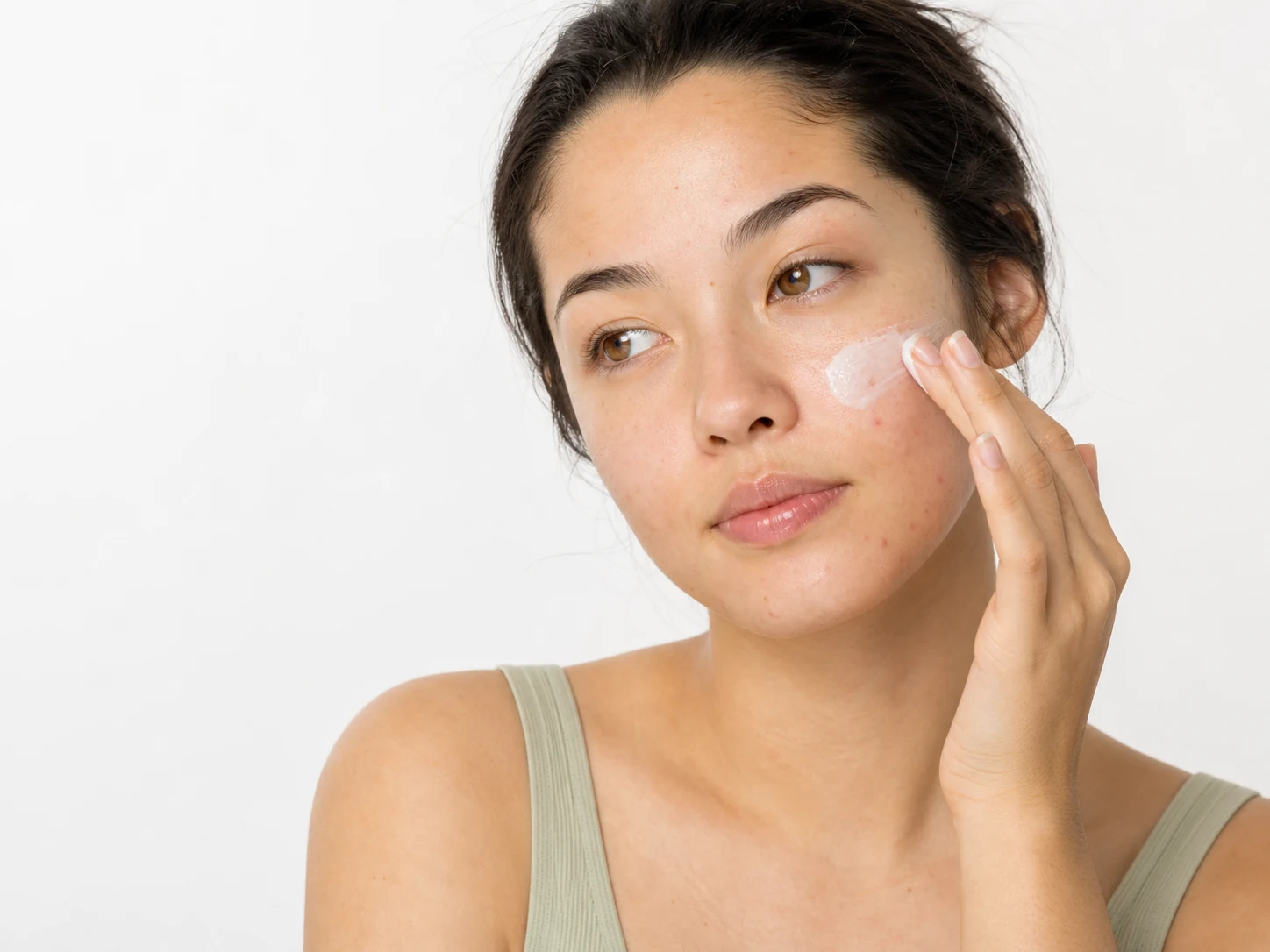
Pour a small amount into your palm and gently pat it into the skin.
Safety
Side effects and cautions
- Using a toner with alcohol or witch hazel
Choose an alcohol-free hydrating toner with humectants like glycerin or hyaluronic acid.
- Applying toner with a cotton pad
Apply with clean hands to reduce waste and friction on sensitive skin.
- Using a toner with active ingredients
Let your targeted treatments do the work; your toner should be supportive, not corrective.
Fit
Who should be careful
- Those who prefer a minimal, 3-step routine
Worth noting
Small details that can change the answer
- pH Balance. Modern cleansers are pH-balanced, so the role of toner in restoring pH is often unnecessary.
- Hydration Boost. A hydrating toner can increase skin hydration levels by up to 50%.
- Fragrance Impact. Fragrance is a common cause of toner-related reactions in sensitive skin.
- Layering Benefit. Applying multiple layers of a hydrating toner (the "layering" method) can be as effective as using a thick moisturizer.
Sensitive skin doesn't need toner, but it can benefit from a hydrating one.
Avoid astringent toners with alcohol, witch hazel, or fragrance.
Look for hydrating ingredients like glycerin, hyaluronic acid, and panthenol.
Apply toner with clean hands, not a cotton pad.
Toners are optional - if your skin is well-hydrated, you may not need one.
Definition
What is a toner?
A toner is a water-based liquid skincare product applied after cleansing. Modern toners are hydrating and soothing, used to deliver hydration, soothe the skin, and prepare the skin for subsequent products. For sensitive skin, a toner should be alcohol-free, fragrance-free, and formulated with soothing humectants.
- Has a water-like or slightly viscous texture
- Applied after cleansing, before serums and moisturizers
- Can be applied with a cotton pad or the hands
- For sensitive skin, hydrating toners are best
Science
Why sensitive skin may benefit from toner
Sensitive skin may benefit from a toner because it adds a layer of lightweight hydration and soothing ingredients that can calm inflammation. A hydrating toner with humectants like glycerin or hyaluronic acid can help draw water to the skin's surface, while soothing ingredients like panthenol can reduce redness. However, this benefit depends entirely on the formula - astringent toners will do the opposite.
- Humectant
- An ingredient that attracts water to the skin's surface, hydrating the skin.
- Astringent
- A substance that causes tissue contraction, often used in toners to dry out the skin and reduce oil.
Benefits
What the right toner can do for sensitive skin
A well-chosen toner can be a helpful addition to a sensitive skin routine, offering benefits beyond a standard moisturizer.
- Delivers an extra layer of hydration without heaviness
- Soothes redness and inflammation with calming ingredients
- Prepares the skin for better absorption of subsequent products
- Can be layered for intensive hydration without irritation
- Helps balance the skin's pH after cleansing
Risks
Risks of using the wrong toner on sensitive skin
The risks of using a toner on sensitive skin are significant if you choose the wrong formula.
- Alcohol and astringents can strip the barrier
- Fragrance can cause stinging and redness
- Overuse can lead to irritation and barrier damage
- May not be necessary for skin that's already well-hydrated
Questions
Frequently asked questions
Can a toner help with sensitive skin redness?
Yes, a hydrating toner with soothing ingredients like centella asiatica or panthenol can help calm redness.
Is a toner necessary for sensitive skin?
No, it's optional. If your moisturizer is sufficient, you may not need one.
Can I skip toner if I have sensitive skin?
Yes, toner is a "nice-to-have" step, not a necessity.
What's the best way to apply toner to sensitive skin?
Apply with clean hands, gently patting it into the skin.