Evidence
What the evidence shows
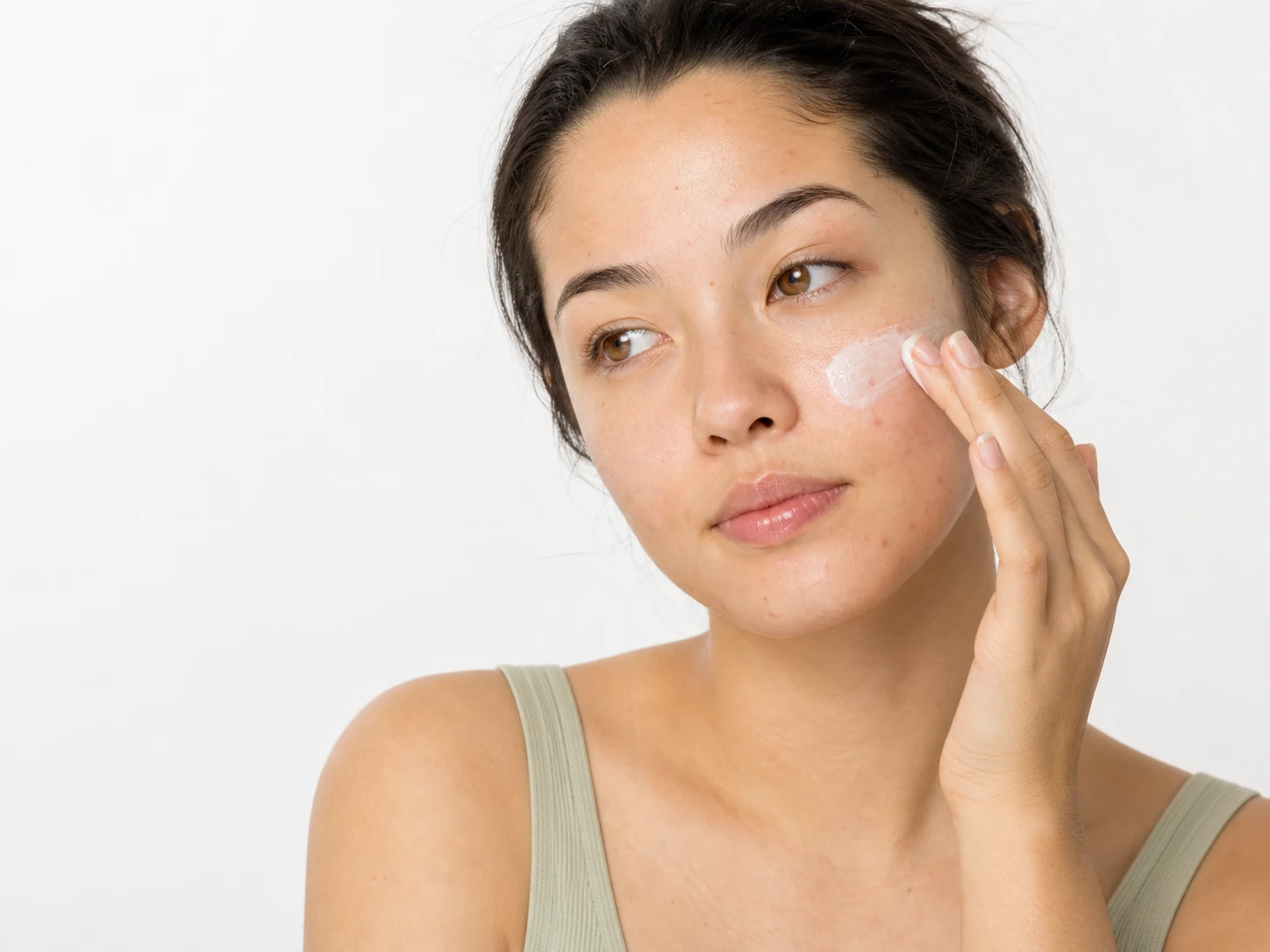
The most important thing to understand about sensitive skin's appearance is that it can be invisible. Many people with sensitive skin have skin that looks perfectly normal but reacts strongly to products or environmental triggers. The feeling is the more reliable indicator than the look.
Use this section to decide
Does this advice apply to me?
Find the concern or goal closest to yours, then use the fit signal to decide how much weight to give this guide.If your goal is
RednessDepends- Fit signal
- Possible fit
Common visible sign
If your goal is
FlushingDepends- Fit signal
- Possible fit
Reactive redness
If your goal is
Dry patchesDepends- Fit signal
- Possible fit
Barrier damage sign
If your goal is
Normal-lookingUse caution- Fit signal
- Limited evidence
Most common - no visible signs
Research notes already in this guide
- Sensitive skin can present with or without visible signs.
- The prevalence of visible signs varies widely among individuals.
- Self-reported sensitivity is more common than visible signs alone would suggest.
Expected results
Results and timeframe
Common signs: redness, flushing, dry patches, visible capillaries.
Appearance varies by skin tone - redness is less visible on darker skin.
Practical use
How to use it
Pay attention to how your skin feels
Stinging, burning, or itching is a more reliable indicator than appearance.
Track reactions to triggers
Note what causes visible or felt reactions.
See a dermatologist
If you're unsure, a dermatologist can help identify sensitive skin.
Safety
Side effects and cautions
- Thinking you don't have sensitive skin because it looks normal
Sensitive skin often looks normal - the feeling is the more reliable indicator.
- Assuming redness is the only sign of sensitive skin
Sensitive skin can also present with dryness, irritation, or no visible signs at all.
- Judging sensitivity by appearance alone
Appearance is just one part of the picture - how the skin feels is equally important.
Fit
Who should be careful
- Those looking for a single "look" for sensitive skin
Helpful context
What else is worth knowing
How sensitive skin can look
Visibly reactive
Redness, flushing, visible capillaries, irritation.
- Easy to see
- More noticeable
Invisible sensitivity
Looks normal but feels stinging, burning, or itching.
- Less visible
- Harder to identify
What sensitivity looks like on different skin tones
Worth noting
Small details that can change the answer
- Variation. Sensitive skin looks different on different people.
- Invisible. Can look normal but feel sensitive.
- Redness. The most common visible sign on lighter skin.
- Skin tone. Appearance varies by skin tone - redness is less visible on darker skin.
Sensitive skin can look different on different people.
Sensitive skin can also look completely normal.
The feeling (stinging, burning, itching) is the more reliable indicator.
Definition
The visible signs of sensitive skin
A spectrum of appearances.
Sensitive skin can present with a range of visible signs. The most common are redness (erythema), which can appear as diffuse flushing or as localized red patches; dry patches or scaling; visible capillaries (telangiectasias); and irritation that may be accompanied by a rough or uneven texture. However, many people with sensitive skin have none of these signs. The appearance is highly individual.
What sensitive skin might look like
- Diffuse redness across the face, especially the cheeks
- Flushing or blushing that's more pronounced than average
- Visible capillaries (spider veins), especially on the nose and cheeks
- Dry, flaky, or scaly patches
- Rough or uneven skin texture
- Irritated-looking skin that's sensitive to touch
- In some cases: completely normal-looking skin with no visible signs
What sensitive skin looks like by skin tone
The appearance varies.
- Lighter skin tones: redness and flushing are more visible
- Medium skin tones: redness may appear as a darker or warmer tone
- Darker skin tones: redness is less visible; sensitivity may appear as hyperpigmentation, a change in texture, or a feeling of irritation without visible redness
- In all skin tones: the feeling of sensitivity is the most reliable indicator
Questions
Frequently asked questions
Can sensitive skin look normal?
Yes, many people with sensitive skin have no visible signs - the symptoms are felt, not seen.
What does sensitive skin look like on dark skin?
Redness is less visible; sensitivity may appear as hyperpigmentation, a change in texture, or a feeling of irritation.
Is sensitive skin always red?
No, redness is a common sign but not everyone with sensitive skin has it.
How can I tell if my skin is sensitive if it looks normal?
Pay attention to how it feels - stinging, burning, or itching are strong indicators.
References
Sources
The notes below are drawn from the evidence already cited in this guide. They are not a complete bibliography.
- Sensitive skin can present with or without visible signs.
- The prevalence of visible signs varies widely among individuals.
- Self-reported sensitivity is more common than visible signs alone would suggest.