Evidence
What the evidence shows
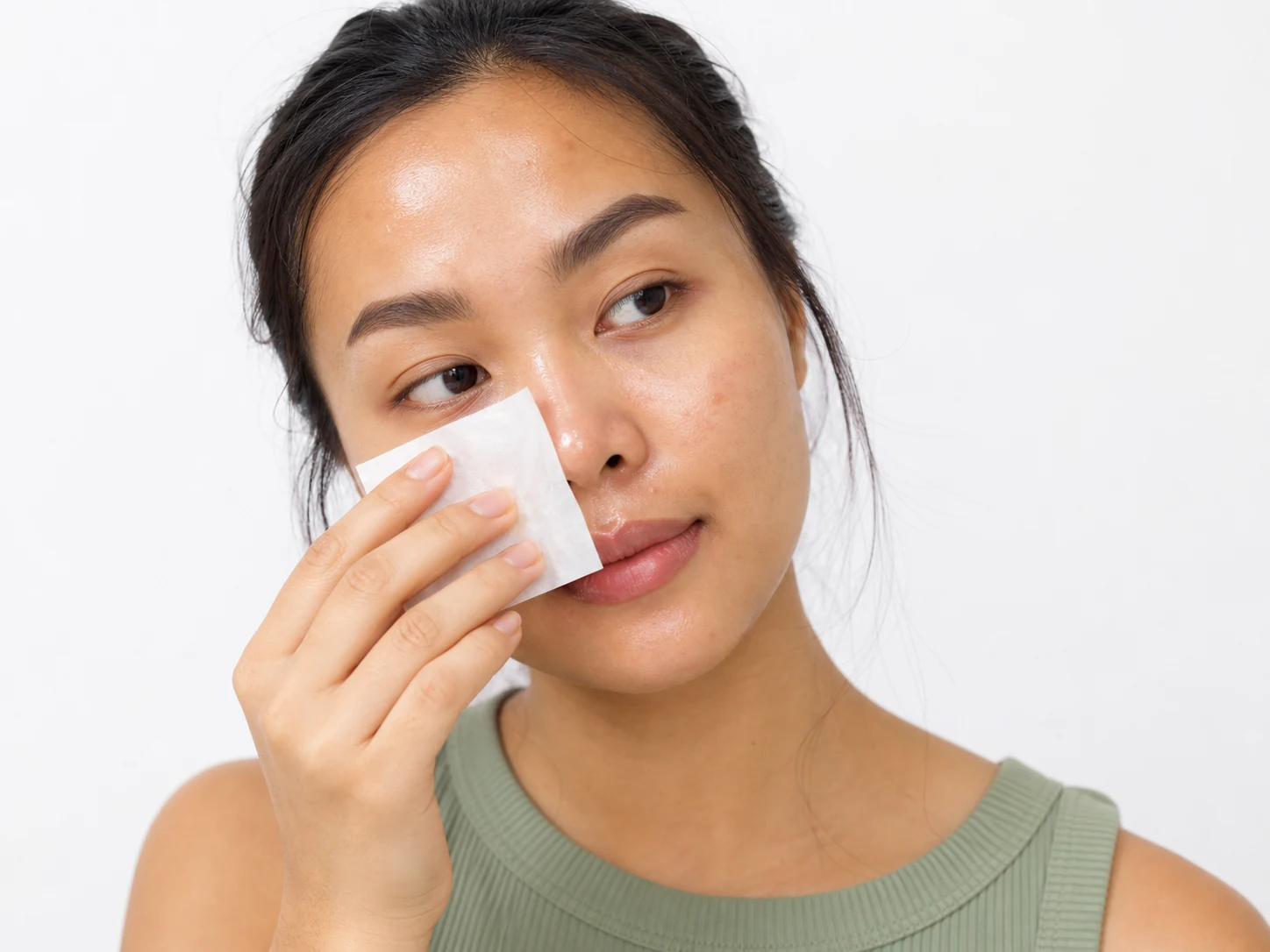
Niacinamide's value for oily skin lies in its ability to regulate, not eliminate, sebum production. It brings oiliness down to a manageable level rather than completely drying the skin out.
Sebum reduction
Well established in researchPore appearance
Good clinical evidenceAcne prevention
Supported by clinical studies
Use this section to decide
Does this advice apply to me?
Find the concern or goal closest to yours, then use the fit signal to decide how much weight to give this guide.If your goal is
Oil reductionUsually relevant- Fit signal
- Often useful
Well documented
If your goal is
Shine controlDepends- Fit signal
- Possible fit
Visible improvement
If your goal is
Pore appearanceDepends- Fit signal
- Possible fit
Noticeable refinement
If your goal is
Breakout preventionDepends- Fit signal
- Possible fit
Helps prevent clogs
Research notes already in this guide
- Multiple studies demonstrate significant reduction in sebum production with niacinamide.
- Clinical trials show visible improvement in oily skin appearance.
- Research confirms niacinamide's effects are gradual and sustainable.
- The mechanism of sebum regulation is well understood in dermatology.
Explanation
How it works
Regulates sebaceous gland activity
Niacinamide reduces the activity of sebaceous glands, decreasing the amount of oil they produce.
Strengthens the barrier
A stronger barrier helps maintain balanced oil production and prevents compensation.
Reduces inflammation
Lowering inflammation in the skin helps reduce the irritation that can trigger excess oil production.
Balances skin function
Over time, niacinamide helps normalize overall skin function, reducing excess oil without causing dryness.
Expected results
Results and timeframe
Results are gradual and take 4-8 weeks to become visible.
Combine with other gentle products for the best results.
Practical use
How to use it
Choose a niacinamide product
Opt for a serum or moisturizer with 2-5% niacinamide for effective oil control.
Apply consistently
Use daily, ideally in the morning or evening. Consistency is key for results.
Be patient with results
Oil reduction takes 4-8 weeks of consistent use. Don't give up if you don't see immediate changes.
Safety
Side effects and cautions
- Expecting niacinamide to eliminate all oil
Niacinamide regulates oil production, but some oil is necessary for healthy skin.
- Using it only when skin is oily
Niacinamide works best with consistent daily use, not as a spot treatment.
- Pairing it with overly drying products
Harsh products can irritate skin and cause compensation. Use gentle formulations with niacinamide.
Fit
Who should be careful
- Skin irritated by niacinamide
- Those expecting immediate oil elimination
Worth noting
Small details that can change the answer
- Sebum Reduction. Niacinamide can reduce sebum production by up to 30% with consistent use.
- Pore Appearance. By reducing oil, niacinamide helps pores appear smaller and less noticeable.
- Barrier Protection. Unlike harsh treatments, niacinamide doesn't strip the skin barrier.
- Balance Effect. It brings oil production to a more balanced level without completely drying the skin.
Niacinamide effectively reduces sebum production by up to 30% with consistent use.
It regulates oil without stripping the skin barrier.
Choose 2-5% concentration for the best balance of effectiveness and tolerability.
Risks
What to watch for with niacinamide on oily skin
Niacinamide is generally well tolerated by oily skin, but there are a few considerations.
- Some people find higher concentrations (10%+) irritating
- Results take 4-8 weeks to become visible
- It's not an immediate fix for excess oil
- May need to be combined with other oil-control strategies for best results
Questions
Frequently asked questions
Can niacinamide make oily skin dry?
No, niacinamide regulates oil production without stripping or drying the skin when used correctly.
How long does niacinamide take to control oil?
Visible oil reduction typically takes 4-8 weeks of consistent use.
Is niacinamide the best ingredient for oily skin?
It's one of the best, particularly for its balance of effectiveness and tolerability.
Can I use niacinamide with salicylic acid?
Yes, they work well together for oily skin. Salicylic acid unclogs pores while niacinamide regulates oil.
References
Sources
The notes below are drawn from the evidence already cited in this guide. They are not a complete bibliography.
- Multiple studies demonstrate significant reduction in sebum production with niacinamide.
- Clinical trials show visible improvement in oily skin appearance.
- Research confirms niacinamide's effects are gradual and sustainable.
- The mechanism of sebum regulation is well understood in dermatology.