Evidence
What the evidence shows
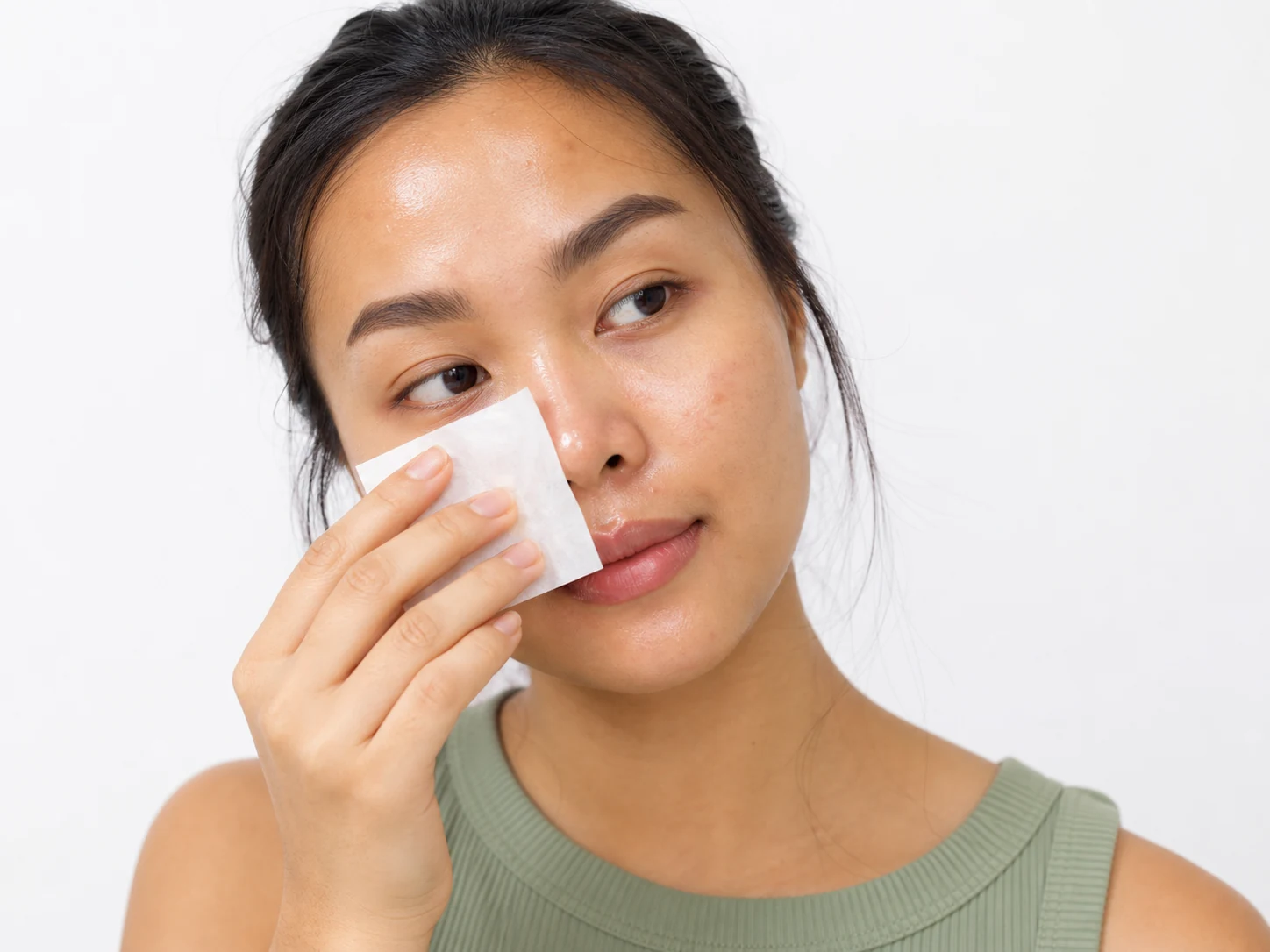
Oil production is largely set by biology, not behavior, which is why no amount of extra washing will permanently "cure" oily skin, and can actually make it worse.
Use this section to decide
Does this advice apply to me?
Find the concern or goal closest to yours, then use the fit signal to decide how much weight to give this guide.If your goal is
GeneticsUse caution- Fit signal
- Limited evidence
Primary driver
If your goal is
HormonesUse caution- Fit signal
- Limited evidence
Major amplifier
If your goal is
ClimateUse caution- Fit signal
- Limited evidence
Seasonal factor
If your goal is
HabitsDepends- Fit signal
- Possible fit
Can worsen or ease it
Practical use
How to use it
Identify your likely drivers
Consider family history, life stage, and climate to understand your baseline.
Adjust your routine, not your biology
Use gentle cleansing and appropriate moisturizer rather than trying to eliminate oil entirely.
See a dermatologist for sudden changes
A sudden increase in oiliness alongside other symptoms may warrant a hormonal evaluation.
Safety
Side effects and cautions
- Blaming oily skin entirely on diet or hygiene
Recognize genetics and hormones as the primary drivers, and adjust expectations accordingly.
- Washing the face repeatedly throughout the day
Stick to twice-daily cleansing to avoid triggering a rebound in oil production.
- Ignoring hormonal patterns tied to oiliness
Track whether oiliness spikes around your cycle or life stage, which can guide product timing.
Fit
Who should be careful
- Anyone expecting to eliminate genetic or hormonal oiliness entirely
Helpful context
What else is worth knowing
What studies generally show
Family history is a strong predictor of oily skin.
Genetic studies of sebaceous gland activity
Androgen levels correlate with sebum output.
Endocrinology and dermatology research
Diet's role appears smaller than commonly assumed.
Nutrition and dermatology studies
How causes shift with age
Teens
Puberty-driven androgen surges are the dominant cause.
20s-30s
Genetics and lifestyle factors like climate play a bigger relative role.
40s+
Sebum production generally declines, though hormonal shifts can cause fluctuations.
Worth noting
Small details that can change the answer
- Genetic Baseline. Sebaceous gland size and sensitivity are significantly influenced by family history.
- Androgens. Androgen hormones directly stimulate sebaceous glands to produce more sebum.
- Climate Sensitivity. Heat and humidity can increase sebum output, which is why oiliness often feels worse in summer.
- Rebound Oil. Stripping the skin with harsh cleansers can prompt glands to produce more oil as a compensatory response.
Genetics set the baseline size and activity of sebaceous glands.
Androgen hormones are the primary biological trigger for excess sebum.
Heat, humidity, and certain medications can amplify oil production.
Over-cleansing can backfire, prompting more oil rather than less.
Since causes are largely biological, management beats attempts at a cure.
The main causes of oily skin
- Genetics, which set the size and baseline activity of sebaceous glands
- Hormonal fluctuations, especially androgens during puberty or the menstrual cycle
- Climate, with heat and humidity generally increasing oil output
- Certain medications, including some hormonal treatments
- Skincare habits, like over-cleansing or over-exfoliating, which can trigger reactive oiliness
Explanation
Why hormones matter so much
Androgens bind to receptors on sebaceous glands and essentially tell them to ramp up production. This is why oiliness often tracks closely with hormonal life stages, from adolescence to pregnancy to perimenopause.
Myths about the causes of oily skin
Myth
Oily food causes oily skin
Reality
Diet has a much smaller, less direct effect than genetics and hormones.
Myth
Not washing enough causes oiliness
Reality
Under-washing plays a minor role; over-washing is more often the culprit.
What actually helps manage the causes
Since the biggest drivers are largely out of your control, management focuses on not making things worse.
- Use gentle, pH-balanced cleansers rather than harsh, stripping ones
- Keep moisturizer in the routine, even on oily days
- Consider oil-regulating ingredients like niacinamide if oiliness is bothersome
Questions
Frequently asked questions
Can stress cause oily skin?
Stress can influence hormone levels that affect sebaceous glands, so it may contribute, though it's rarely the primary cause.
Does diet really have no effect on oily skin?
Diet's effect appears to be smaller and less direct than genetics and hormones, though very high glycemic diets have been studied for a possible minor link.
Why does oily skin often worsen in summer?
Heat and humidity tend to increase sebum output, which is why many people notice more shine in warmer months.
Is oily skin caused by dehydration?
Not directly, though dehydrated skin can sometimes overproduce oil as a compensatory response, which can complicate the picture.