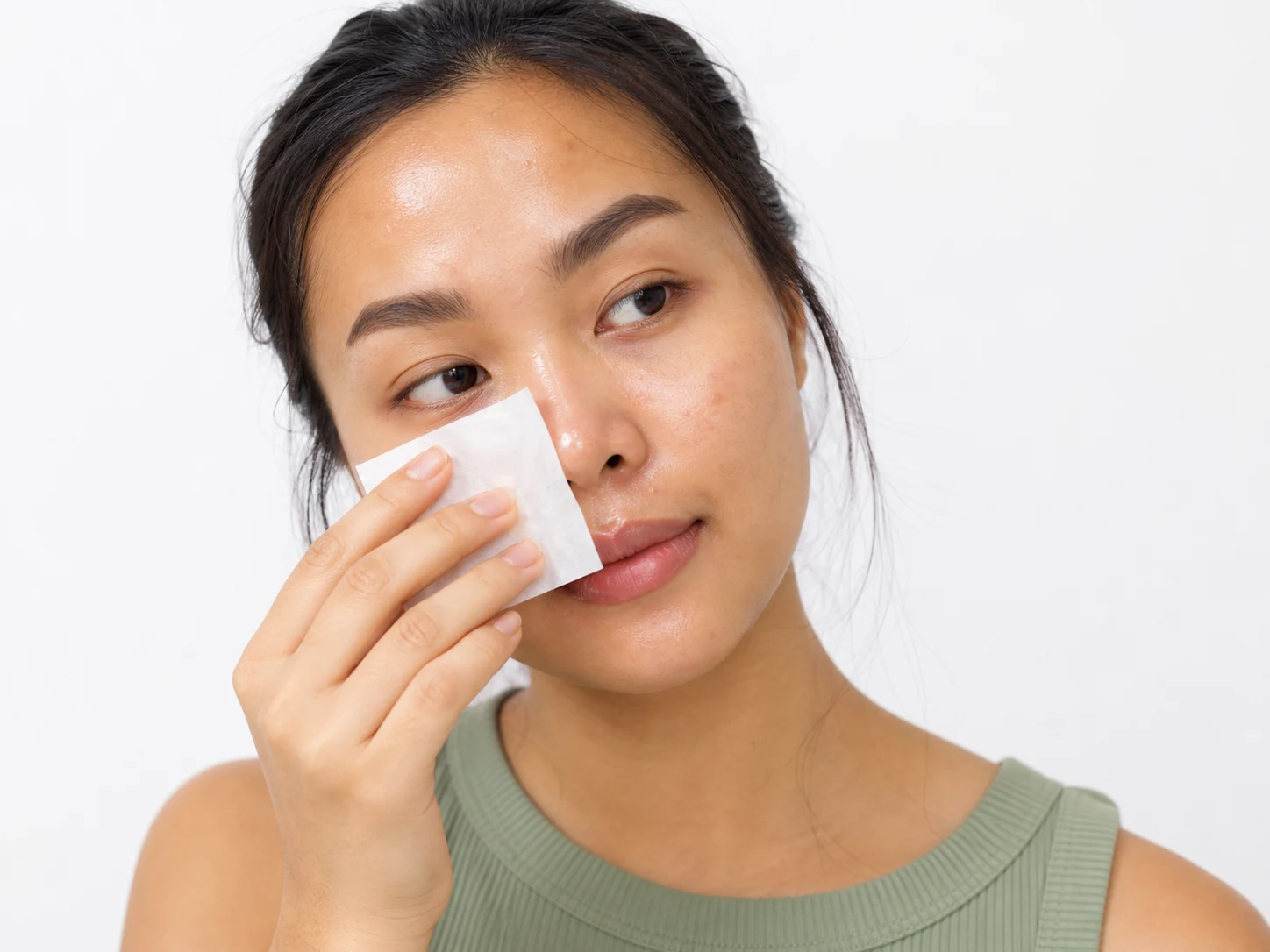
Evidence
What the evidence shows
How well the humidity-dryness link is established.
Humidity link
Lower ambient humidity is linked to increased transepidermal water loss.Cross-type pattern
This effect is observed across skin types, including oily skin.
Use this section to decide
Does this advice apply to me?
Find the concern or goal closest to yours, then use the fit signal to decide how much weight to give this guide.If your goal is
Main causeDepends- Fit signal
- Possible fit
Low humidity
If your goal is
Indoor airUse caution- Fit signal
- Limited evidence
Often drier than outside
If your goal is
Oil outputUse caution- Fit signal
- Limited evidence
Usually stable
If your goal is
FixUsually relevant- Fit signal
- Often useful
Seasonal routine tweak
Research notes already in this guide
- The relationship between low ambient humidity and increased transepidermal water loss is well documented in dermatology.
- Seasonal changes in skin barrier function and reported dryness are commonly observed across skin types, including oily skin.
Explanation
How it works
Ambient humidity drops
Cold air holds less water vapor, reducing the moisture available in the environment.
Indoor heating adds insult
Heated air further lowers indoor humidity, often below outdoor winter levels.
Skin loses water faster
Lower humidity accelerates transepidermal water loss from the skin's surface.
Habits compound the effect
Hot showers and harsh cold wind further strip surface lipids and irritate the barrier.
Practical use
How to use it
Switch to a gentler cleanser
Choose a lower-foaming formula for winter months to avoid over-stripping.
Add a humidifier if possible
Restoring some indoor humidity reduces water loss from the skin overnight.
Layer lightweight hydration
Use a humectant serum under a light moisturizer to reinforce water content without heaviness.
Safety
Side effects and cautions
- Keeping the exact same routine year-round
Adjust cleanser strength and moisturizer richness seasonally to match changing humidity.
- Taking long, hot showers to warm up
Shorter, lukewarm showers help preserve the skin's surface lipids.
- Assuming shine means the skin does not need moisturizer
Oily skin still needs support against winter's low humidity, ideally with a lightweight formula.
Worth noting
Small details that can change the answer
- Humidity Drop. Winter air can hold substantially less moisture than summer air, increasing water loss from the skin's surface.
- Indoor Air. Heated indoor air is often drier than outdoor winter air, since heating systems do not add humidity.
- Hot Water. Hot showers and baths strip surface lipids more aggressively than lukewarm water.
- Oil Output. Sebaceous gland activity is not strongly affected by cold temperatures, so oil production often stays relatively stable through winter.
Winter air holds less moisture, which increases water loss from the skin regardless of oil production.
Indoor heating often makes indoor air even drier than outside.
Hot showers and harsh cold wind add further strain on the skin barrier.
Oil production usually stays fairly stable through winter, so oiliness and dryness can appear together.
Seasonal adjustments to cleansing and moisturizing help prevent winter dryness on oily skin.
Explanation
Why oil production does not solve it
Sebaceous glands respond primarily to hormones, not temperature, so oily skin typically keeps producing a similar amount of oil through winter. Oil alone, however, is not enough to prevent water loss, since sebum sits on top of the skin while water content depends on the deeper barrier structure. That is why skin can look just as shiny in winter while still feeling tight or flaky underneath.
Avoid
Winter habits that make things worse
Strips surface lipids and worsens water loss
Leaves the barrier unsupported against low humidity
Can over-strip a barrier already stressed by dry air
Questions
Frequently asked questions
Does oily skin need a heavier moisturizer in winter?
Often a slightly richer, but still lightweight, formula helps, without switching to heavy, pore-clogging creams.
Why does my oily skin still look shiny in winter if it is dry?
Oil production and water content are separate systems, so shine and dryness can occur together.
Can a humidifier really help oily skin in winter?
Yes, restoring indoor humidity can meaningfully reduce water loss from the skin overnight.
Should I stop exfoliating in winter?
Reducing exfoliation frequency can help prevent additional barrier stress during low-humidity months.
References
Sources
The notes below are drawn from the evidence already cited in this guide. They are not a complete bibliography.
- The relationship between low ambient humidity and increased transepidermal water loss is well documented in dermatology.
- Seasonal changes in skin barrier function and reported dryness are commonly observed across skin types, including oily skin.