Evidence
What the evidence shows
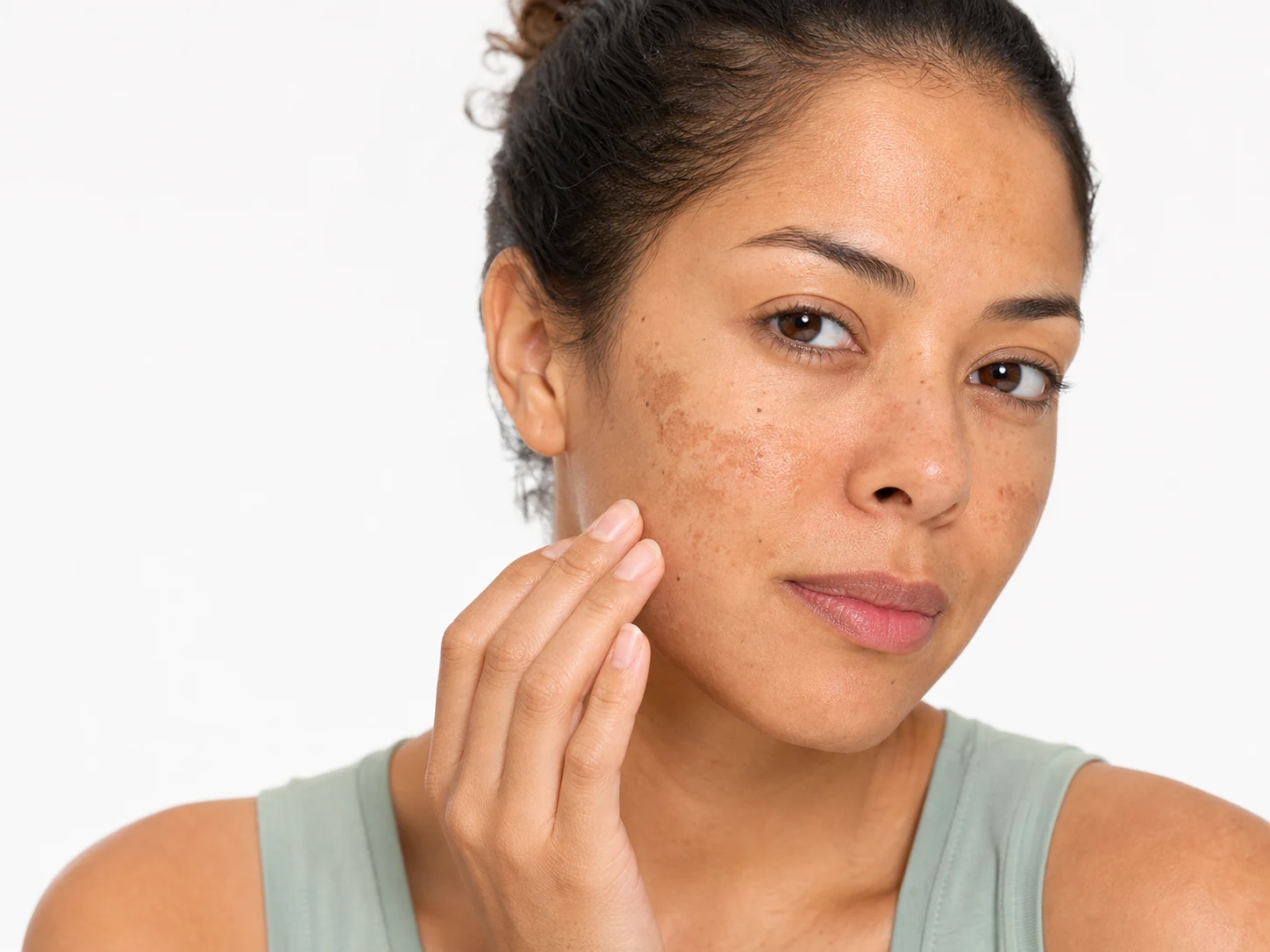
Microneedling treats hyperpigmentation primarily through cell turnover and collagen induction, not by directly inhibiting melanin production. This makes it more effective for PIH and textural issues than for melasma.
Have PIH from acne?
Microneedling can helpHave melasma?
Proceed with cautionLooking to improve texture?
Excellent optionCan commit to multiple sessions?
Required for results
Use this section to decide
Does this advice apply to me?
Find the concern or goal closest to yours, then use the fit signal to decide how much weight to give this guide.If your goal is
PIHDepends- Fit signal
- Possible fit
Good results with multiple sessions
If your goal is
MelasmaDo not rely on it- Fit signal
- Not established
Can worsen; caution needed
If your goal is
Textural issuesUsually relevant- Fit signal
- Often useful
Excellent for texture
If your goal is
Product absorptionUsually relevant- Fit signal
- Often useful
Enhances topical effectiveness
Research notes already in this guide
- Studies show microneedling improves PIH and skin texture.
- Microneedling with topical brighteners enhances results.
- It's less effective for melasma and may worsen it.
- Professional treatment is essential for safety and efficacy.
Explanation
How it works
Creates micro-injuries
Triggers the body's natural healing response.
Accelerates cell turnover
Sheds pigmented cells faster.
Stimulates collagen
Improves skin texture and quality.
Enhances product absorption
Allows brighteners to penetrate deeper.
Expected results
Results and timeframe
Time to results: 3-6 months, multiple sessions
Multiple sessions are typically needed for results.
Practical use
How to use it
Consult a dermatologist
Discuss whether microneedling is appropriate for your pigmentation.
Schedule multiple sessions
Typically 3-6 sessions are needed for optimal results.
Use sunscreen religiously
Post-treatment sun protection is essential.
Safety
Side effects and cautions
- Using at-home microneedling devices for hyperpigmentation
Professional treatments are safer and more effective.
- Not using sunscreen after treatment
Skin is more sensitive after microneedling; sunscreen is essential.
- Expecting results after one session
Multiple sessions are typically needed for hyperpigmentation.
Fit
Who should be careful
- Melasma (can worsen)
- Active acne or inflammation
- Those without professional guidance
Worth noting
Small details that can change the answer
- Cell Turnover. Microneedling accelerates cell turnover, shedding pigmented cells.
- Collagen Induction. It stimulates collagen production, improving texture.
- Multiple Sessions. Results typically require 3-6 sessions.
- Melasma Caution. Can worsen melasma in some individuals.
Microneedling can help with PIH and textural hyperpigmentation.
It works through cell turnover and collagen induction.
It can worsen melasma in some people.
Professional treatment and strict sun protection are essential.
Clinical Guidance
Clinical guidance for microneedling and hyperpigmentation
- Consult a dermatologist to assess if you're a candidate.
- If you have melasma, discuss the risks carefully.
- Combine with appropriate topical brightening ingredients.
- Schedule multiple sessions for optimal results.
- Strict sun protection is essential after treatment.
Questions
Frequently asked questions
Is microneedling effective for melasma?
It can be effective for some, but it can also worsen melasma. Consult a dermatologist.
How many microneedling sessions do I need for hyperpigmentation?
Typically 3-6 sessions spaced 4-6 weeks apart.
Can microneedling cause hyperpigmentation?
It can, especially in darker skin types, if not performed correctly.
Is microneedling better than topical treatments for hyperpigmentation?
They work together. Microneedling can enhance topical product absorption.
References
Sources
The notes below are drawn from the evidence already cited in this guide. They are not a complete bibliography.
- Studies show microneedling improves PIH and skin texture.
- Microneedling with topical brighteners enhances results.
- It's less effective for melasma and may worsen it.
- Professional treatment is essential for safety and efficacy.