Evidence
What the evidence shows
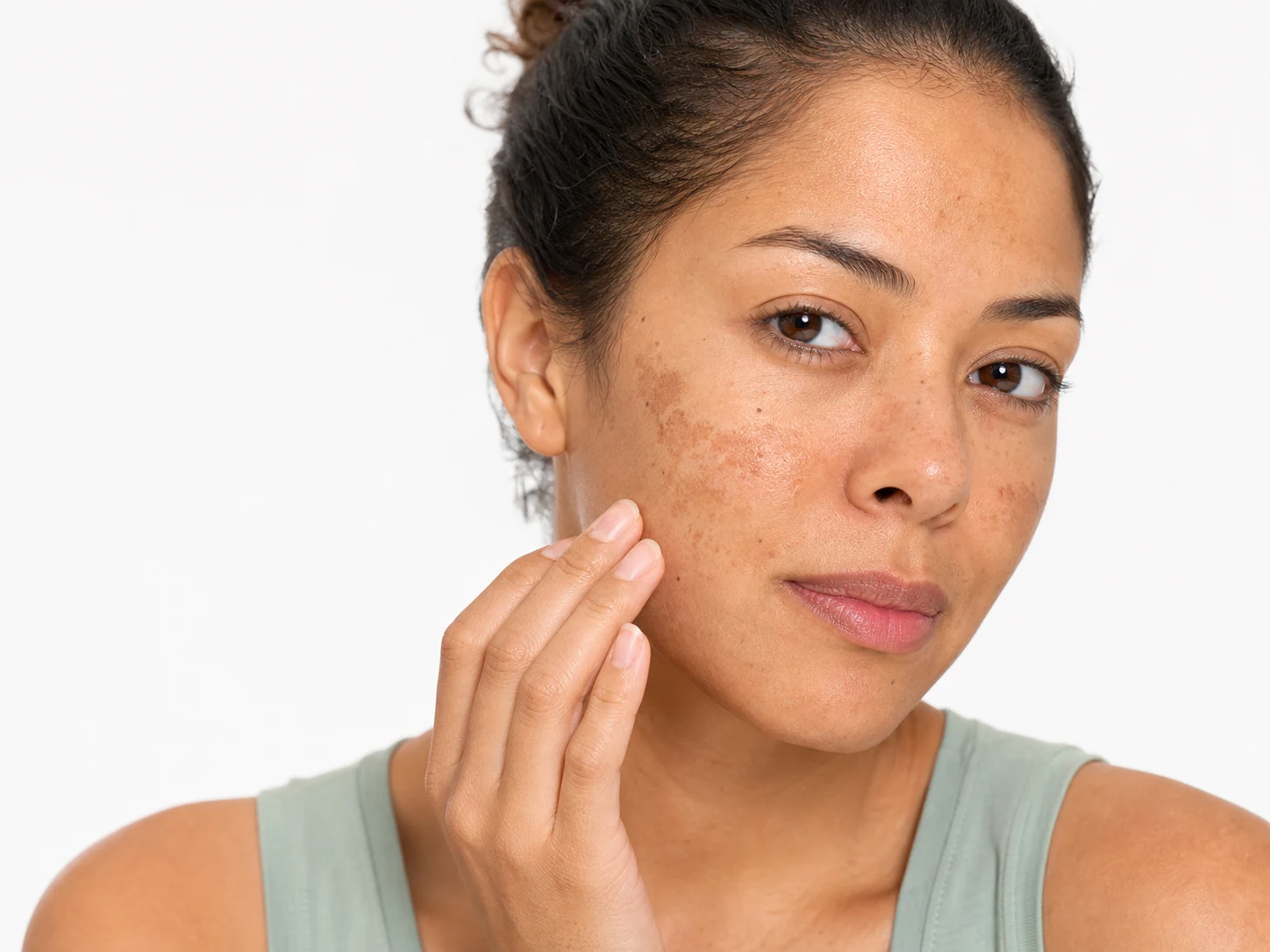
Tretinoin's power for hyperpigmentation lies in its ability to do two things: speed up the shedding of pigmented cells and slow down the production of new pigment. This dual action makes it uniquely effective.
Clinical efficacy
Proven in multiple studiesMelasma improvement
Significant in 3-6 monthsSafety profile
Well-established with proper use
Use this section to decide
Does this advice apply to me?
Find the concern or goal closest to yours, then use the fit signal to decide how much weight to give this guide.If your goal is
MelasmaUsually relevant- Fit signal
- Often useful
Gold standard treatment
If your goal is
Sun spotsUsually relevant- Fit signal
- Often useful
Highly effective
If your goal is
PIHUsually relevant- Fit signal
- Often useful
Excellent results
If your goal is
PreventionUsually relevant- Fit signal
- Often useful
Long-term protection
Research notes already in this guide
- Clinical studies show tretinoin significantly improves melasma and photoaging.
- Tretinoin is considered the gold standard topical treatment for hyperpigmentation.
- Combination therapy with hydroquinone or other agents enhances results.
- Results are dose-dependent and require consistent use.
Explanation
How it works
Accelerates cell turnover
Speeds up the shedding of pigmented skin cells.
Inhibits tyrosinase
Reduces melanin production in melanocytes.
Disperses pigment
Helps existing pigment distribute more evenly.
Prevents new pigmentation
Ongoing use prevents future dark spots.
Expected results
Results and timeframe
Time to results: 3-6 months
Results take 3-6 months of consistent use.
Practical use
How to use it
Start slowly
Begin with 2-3 times per week and gradually increase frequency.
Apply to clean, dry skin
Wait 20-30 minutes after cleansing to reduce irritation.
Use a pea-sized amount
A small amount is sufficient for the entire face.
Always use sunscreen
Daily sunscreen is non-negotiable with tretinoin.
Safety
Side effects and cautions
- Starting with daily use
Start with 2-3 times per week and increase gradually.
- Skipping sunscreen
Tretinoin increases sun sensitivity; sunscreen is essential.
- Expecting quick results
Hyperpigmentation improvement takes 3-6 months of consistent use.
Fit
Who should be careful
- Those who can't commit to daily sunscreen
- Pregnant or nursing women
Worth noting
Small details that can change the answer
- Cell Turnover. Tretinoin speeds up cell turnover, helping shed pigmented cells.
- Melanin Inhibition. It reduces melanin production by inhibiting tyrosinase.
- Time to Results. Significant improvement typically takes 3-6 months.
- Gold Standard. Tretinoin is considered the gold standard for topical hyperpigmentation treatment.
Tretinoin is highly effective for hyperpigmentation, with strong clinical evidence.
It works by accelerating cell turnover and reducing melanin production.
Daily sunscreen is essential when using tretinoin.
Start slowly and build up tolerance to minimize irritation.
Questions
Frequently asked questions
Is tretinoin better than hydroquinone for hyperpigmentation?
They work differently. Tretinoin speeds cell turnover; hydroquinone inhibits melanin. They're often used together.
How long does tretinoin take to fade dark spots?
Visible improvement typically takes 3-6 months of consistent use.
Can tretinoin make hyperpigmentation worse?
Initial purging and redness can occur, but proper use with sunscreen prevents worsening.
What strength of tretinoin is best for hyperpigmentation?
0.05% is often recommended, but start with 0.025% for sensitive skin.
References
Sources
The notes below are drawn from the evidence already cited in this guide. They are not a complete bibliography.
- Clinical studies show tretinoin significantly improves melasma and photoaging.
- Tretinoin is considered the gold standard topical treatment for hyperpigmentation.
- Combination therapy with hydroquinone or other agents enhances results.
- Results are dose-dependent and require consistent use.