Evidence
What the evidence shows
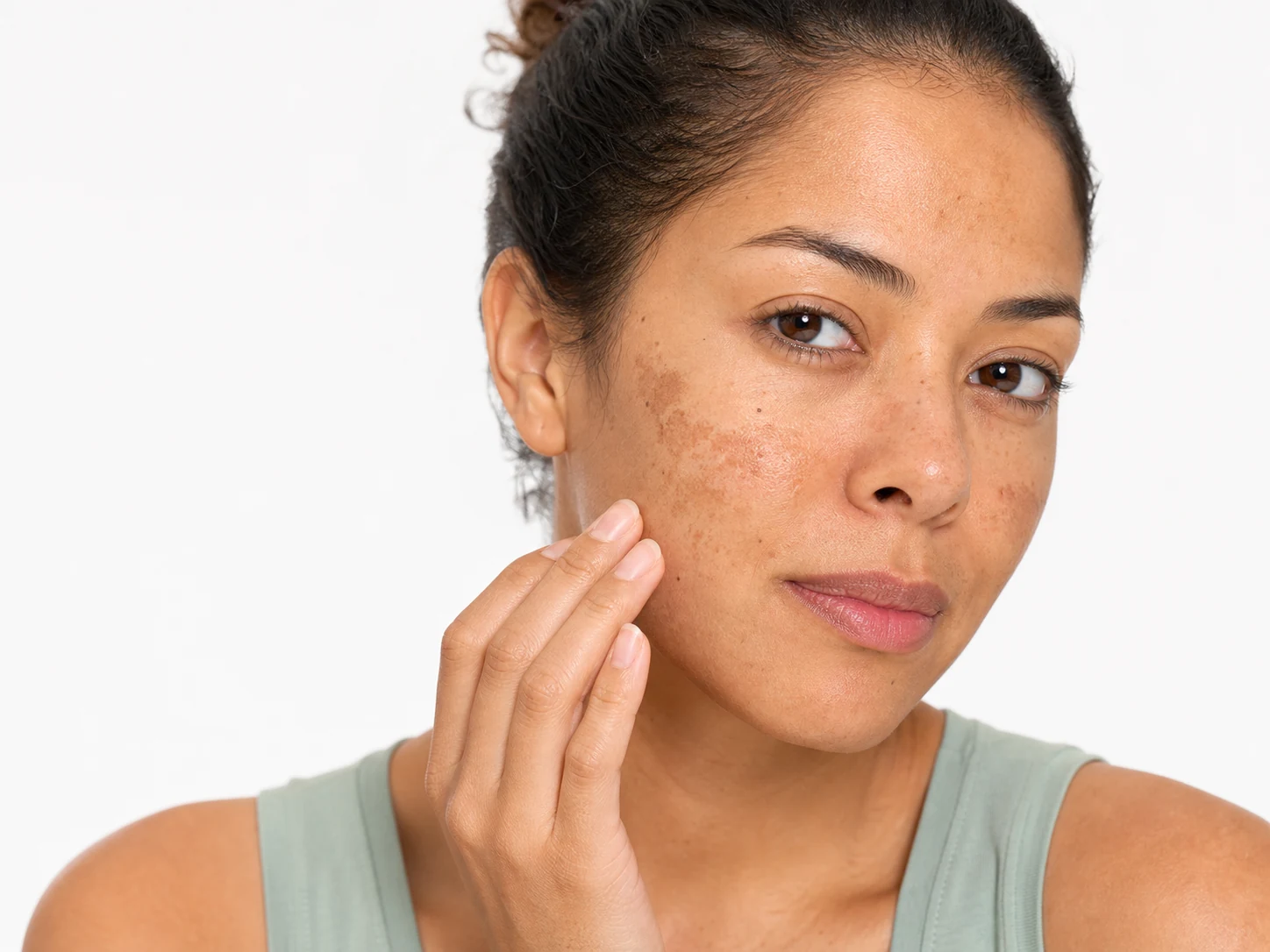
Vitamin C's effectiveness for hyperpigmentation depends on two factors: the concentration (10-20% is optimal) and the formulation stability. A well-formulated vitamin C serum is far more effective than a poorly formulated one.
Clinical efficacy
Proven in multiple studiesTyrosinase inhibition
Well-documented mechanismSafety profile
Excellent when used correctly
Use this section to decide
Does this advice apply to me?
Find the concern or goal closest to yours, then use the fit signal to decide how much weight to give this guide.If your goal is
Sun spotsDepends- Fit signal
- Possible fit
Effective with consistent use
If your goal is
PIHDepends- Fit signal
- Possible fit
Good improvement
If your goal is
MelasmaUse caution- Fit signal
- Limited evidence
May need additional treatments
If your goal is
Overall brightnessUsually relevant- Fit signal
- Often useful
Excellent
Research notes already in this guide
- Studies show vitamin C reduces hyperpigmentation and improves skin brightness.
- 10-20% L-ascorbic acid is the most studied and effective concentration.
- Vitamin C works synergistically with other brightening ingredients.
- Consistent use with sunscreen provides optimal results.
Explanation
How it works
Free radical neutralization
Prevents UV-induced melanin production.
Tyrosinase inhibition
Reduces new melanin formation.
Existing pigment fading
Helps lighten existing dark spots.
Overall brightening
Improves skin clarity and radiance.
Expected results
Results and timeframe
Time to results: 8-12 weeks
Results take 8-12 weeks of consistent use.
Always use sunscreen with vitamin C for best results.
Practical use
How to use it
Choose a stable formulation
Look for L-ascorbic acid in a dark, airtight bottle.
Apply in the morning
Vitamin C provides antioxidant protection during the day.
Use consistently
Daily use is essential for brightening results.
Always follow with sunscreen
Sunscreen enhances vitamin C's brightening effects.
Safety
Side effects and cautions
- Using a poorly formulated product
Choose stable L-ascorbic acid in appropriate packaging.
- Skipping sunscreen
Vitamin C works best with daily sunscreen.
- Expecting quick results
Brightening takes 8-12 weeks of consistent use.
Fit
Who should be careful
- Severe melasma requiring prescription treatments
Worth noting
Small details that can change the answer
- Antioxidant Action. Vitamin C neutralizes free radicals that trigger melanin production.
- Tyrosinase Inhibition. It inhibits the key enzyme in melanin synthesis.
- Optimal Concentration. 10-20% L-ascorbic acid is most effective.
- Time to Results. Visible brightening takes 8-12 weeks of consistent use.
Vitamin C is an effective treatment for mild to moderate hyperpigmentation.
It works by inhibiting tyrosinase and neutralizing free radicals.
10-20% L-ascorbic acid is the most studied and effective form.
Questions
Frequently asked questions
Is vitamin C better than niacinamide for hyperpigmentation?
They work differently and are often used together for optimal results.
Can vitamin C fade dark spots?
Yes, it's effective for fading sun spots and post-inflammatory hyperpigmentation.
What strength of vitamin C is best for hyperpigmentation?
10-20% L-ascorbic acid is optimal for most people.
How long does vitamin C take to fade dark spots?
Visible improvement typically takes 8-12 weeks of consistent use.
References
Sources
The notes below are drawn from the evidence already cited in this guide. They are not a complete bibliography.
- Studies show vitamin C reduces hyperpigmentation and improves skin brightness.
- 10-20% L-ascorbic acid is the most studied and effective concentration.
- Vitamin C works synergistically with other brightening ingredients.
- Consistent use with sunscreen provides optimal results.