Evidence
What the evidence shows
Hives from dry skin are often the result of the itch-scratch cycle rather than the dryness itself. Breaking this cycle is the key to preventing and treating hives.
Use this section to decide
Does this advice apply to me?
Find the concern or goal closest to yours, then use the fit signal to decide how much weight to give this guide.If your goal is
Can dry skin cause hives?Use caution- Fit signal
- Limited evidence
Yes (indirectly)
If your goal is
Key mechanismUse caution- Fit signal
- Limited evidence
Itch-scratch cycle → histamine release
If your goal is
First line of defenseUsually relevant- Fit signal
- Often useful
Regular moisturizing
If your goal is
When to see a doctorDepends- Fit signal
- Possible fit
Severe or persistent hives
Explanation
How it works
Understanding the pathway from dryness to welts.
Skin becomes dry
Barrier function is compromised; water loss increases.
Itching develops
Dry skin triggers the urge to scratch.
Scratching occurs
Physical pressure on the skin from scratching.
Histamine released
Mast cells release histamine in response to pressure.
Practical use
How to use it
Moisturize thoroughly and regularly
Use a rich, fragrance-free moisturizer at least twice daily and immediately after bathing.
Avoid scratching
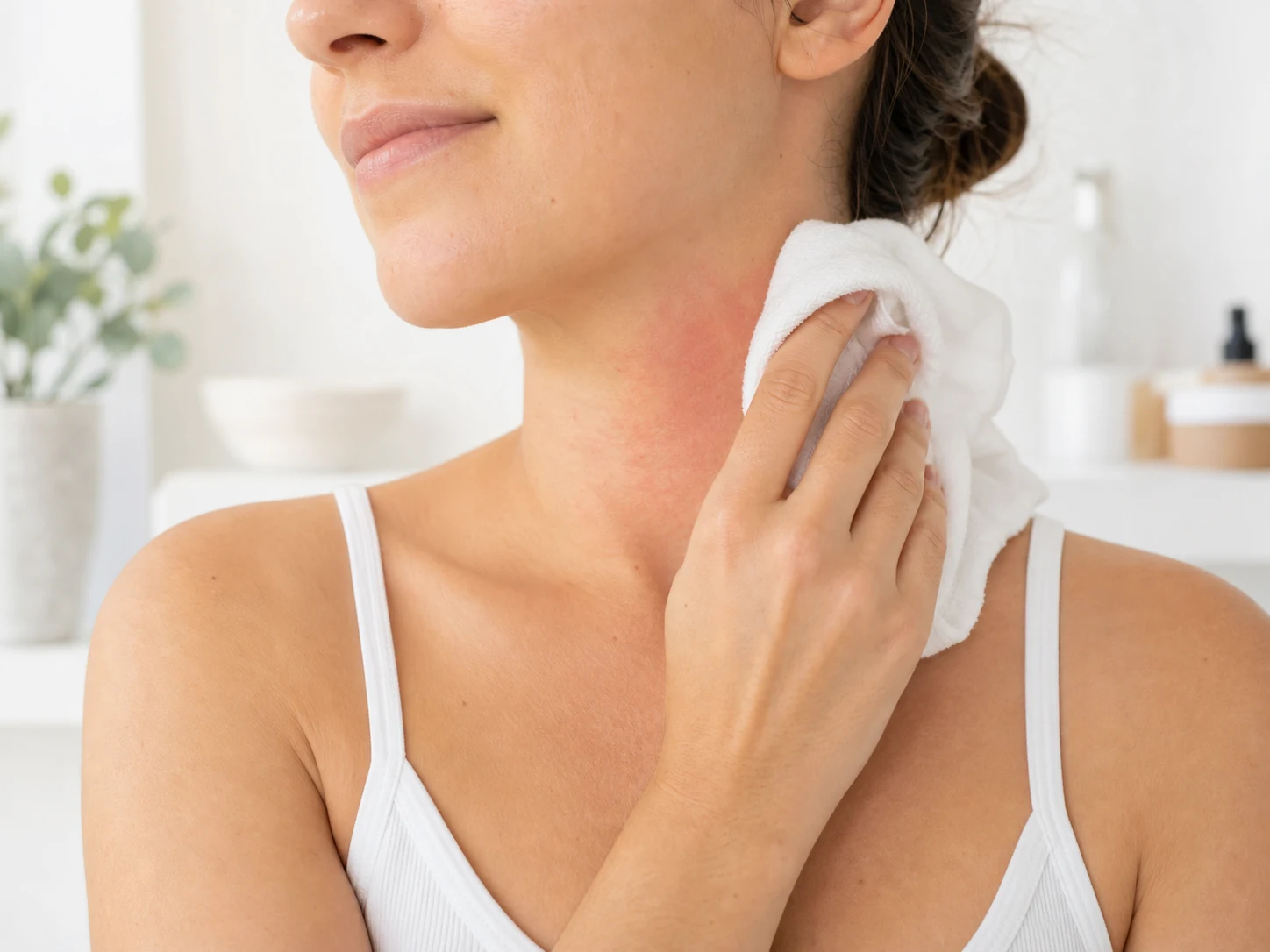
Use cool compresses, antihistamines, or topical anti-itch creams to manage the urge to scratch.
Seek medical help if needed
If hives are severe, persistent, or accompanied by difficulty breathing, seek immediate medical attention.
Safety
Side effects and cautions
- Scratching dry skin to relieve the itch
Scratching triggers histamine release and makes hives worse.
- Not moisturizing dry skin adequately
Regular, rich moisturizing prevents the itch-scratch cycle.
- Ignoring hives and hoping they'll go away
If hives are persistent, severe, or accompanied by other symptoms, see a doctor.
Fit
Who should be careful
- Hives from allergic reactions (different mechanism)
Worth noting
Small details that can change the answer
- Histamine Release. Scratching releases histamine, which causes the welts of hives.
- Barrier Role. A compromised barrier allows irritants to penetrate, potentially triggering hives.
- Itch-Scratch Cycle. Breaking the itch-scratch cycle is essential to preventing hives from dry skin.
- Physical Urticaria. Pressure or friction on itchy skin can trigger physical hives (dermographism).
Dry skin can lead to hives through the itch-scratch cycle and histamine release.
A compromised barrier also allows allergens to penetrate more easily.
Preventing hives starts with breaking the cycle of dryness and itching.
Regular, rich moisturizing is the first line of defense.
Seek medical help for severe or persistent hives.
Science
The connection between dry skin and hives
Hives (urticaria) result from the release of histamine and other inflammatory mediators from mast cells in the skin. This release can be triggered by many factors, including allergies, stress, and physical stimuli. In dry skin, the physical stimulus is often scratching. The friction and pressure of scratching can trigger a histamine release, causing hives to appear. Additionally, the compromised barrier of dry skin allows allergens to penetrate and trigger an immune response.
- Urticaria
- The medical term for hives - raised, itchy welts on the skin.
- Dermographism
- A form of physical hives where the skin reacts to pressure or friction with raised welts.
Risks
Other factors that can trigger hives with dry skin
Dry skin makes you more susceptible to hives from other triggers as well.
- Allergens can penetrate more easily through a compromised barrier
- Temperature changes (cold or hot weather) can trigger hives on already-irritated skin
- Stress, which is both a trigger for hives and a cause of skin barrier impairment
- Medications or supplements that can cause hives as a side effect
- Infections that are more likely to occur on compromised skin
Benefits
How to prevent and treat hives from dry skin
The most effective approach is to break the cycle of dryness, itching, and scratching.
- Moisturize regularly with a rich, barrier-supporting moisturizer
- Avoid scratching - keep nails short and wear soft, breathable fabrics
- Use cool compresses to soothe itching
- Consider over-the-counter antihistamines to reduce histamine response
- Identify and avoid potential allergens
Dos Donts
Managing dry skin and hives do's and don'ts
Do
Locks in moisture and prevents dryness.
Reduces the risk of irritation and allergic reactions.
Hot water can strip the skin of natural oils.
Avoid
This can worsen the reaction and spread hives.
These can further strip the barrier and worsen dryness.
Seek medical attention for severe reactions.
Questions
Frequently asked questions
Can eczema cause hives?
Yes, eczema (which involves dry, compromised skin) can be complicated by hives, especially if scratching is involved.
How do I know if my hives are from dry skin or allergies?
Hives from dry skin are typically triggered by scratching or pressure on the skin. Allergic hives often occur within hours of exposure to an allergen.
Can moisturizing prevent hives from dry skin?
Yes, by breaking the itch-scratch cycle, regular moisturizing is one of the most effective ways to prevent hives from dry skin.
When should I see a doctor about hives?
If hives persist for more than a few days, are severe, or are accompanied by difficulty breathing, swelling of the face or throat, or dizziness.