Evidence
What the evidence shows
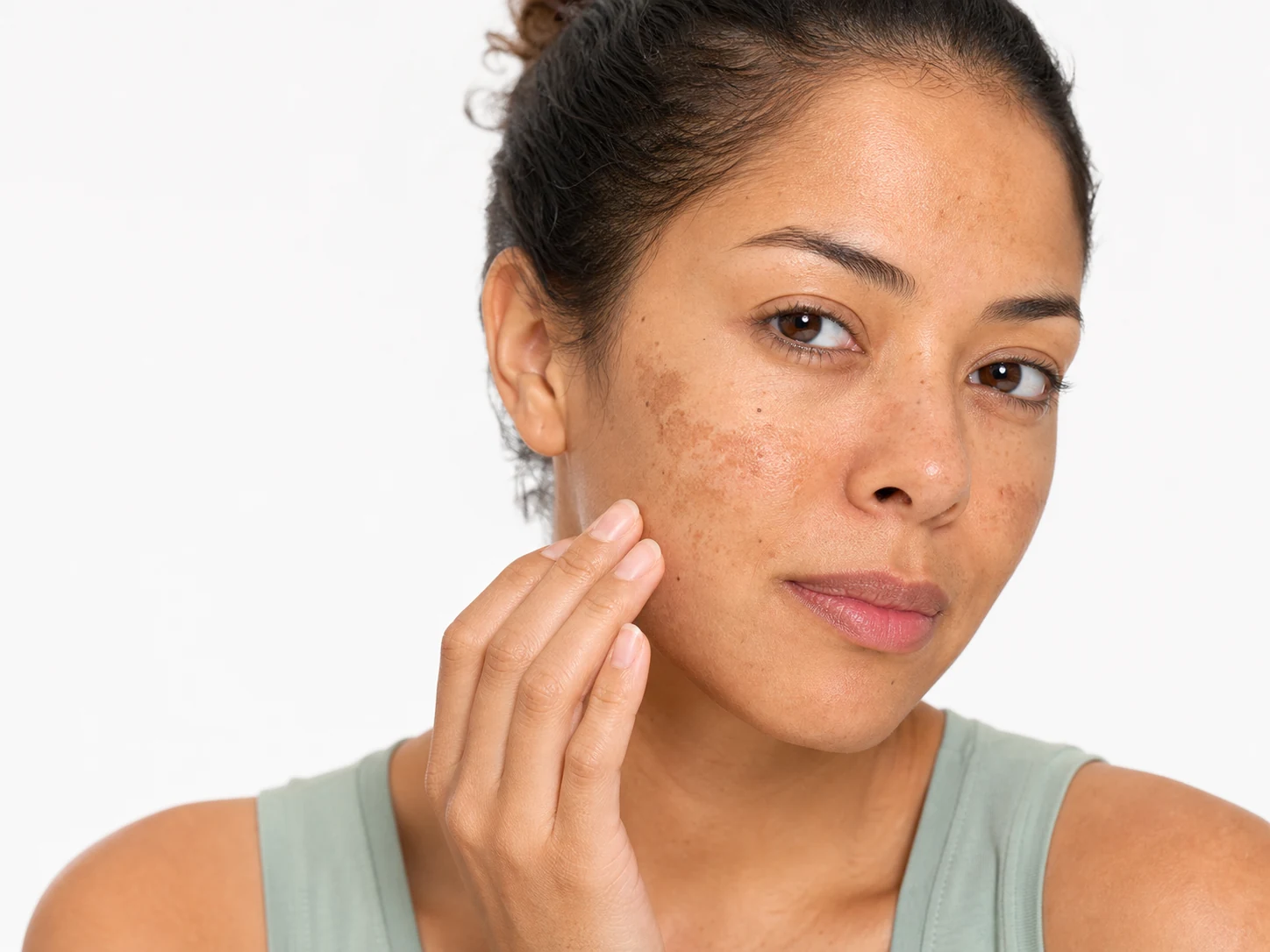
PIH is not a scar - it's a pigmentation change. Unlike scars, which are changes in skin texture, PIH is a change in color that can be treated and often fades with time.
Understanding of mechanism
Understanding of mechanismTreatment options
Treatment optionsPrevention strategies
Prevention strategies
Use this section to decide
Does this advice apply to me?
Find the concern or goal closest to yours, then use the fit signal to decide how much weight to give this guide.If your goal is
DefinitionUsually relevant- Fit signal
- Often useful
Dark spots from inflammation
If your goal is
Common CausesUse caution- Fit signal
- Limited evidence
Acne, eczema, injury
If your goal is
Best TreatmentUse caution- Fit signal
- Limited evidence
Sunscreen + niacinamide
If your goal is
Key TipUse caution- Fit signal
- Limited evidence
Treat inflammation early
Research notes already in this guide
- PIH is well-documented as a response to inflammation.
- Research shows it's more common in darker skin types.
- Studies demonstrate effective treatments for PIH.
Explanation
How it works
Inflammation occurs
Acne, eczema, or injury triggers inflammation.
Melanocytes are activated
Inflammatory cytokines stimulate melanocytes.
Excess melanin is produced
Melanocytes produce more melanin than needed.
Dark spot appears
The excess melanin is transferred to the surface, leaving a dark spot.
Expected results
Results and timeframe
It can take time to fade, but it's treatable.
Practical use
How to use it
Treat the underlying condition
Control acne, eczema, or other sources of inflammation.
Use sunscreen daily
Sun protection is essential for fading PIH.
Consider targeted treatments
Niacinamide, retinoids, and acids can help fade spots.
Safety
Side effects and cautions
- Confusing PIH with acne scars
PIH is a pigmentation change, not a structural scar.
- Not treating the underlying inflammation
Treating acne or eczema can prevent new PIH.
- Skipping sunscreen while treating PIH
Without sunscreen, PIH can darken and persist.
Fit
Who should be careful
- Those seeking a quick cure
Worth noting
Small details that can change the answer
- PIH vs. Scars. PIH is a pigmentation change, not a structural change in the skin.
- Darker Skin Risk. PIH is more common and more severe in darker skin types.
- Fading Time. PIH can take months to years to fade without treatment.
- Treatment Response. PIH often responds well to topical treatments.
PIH is dark spots left after inflammation, such as from acne.
It's caused by excess melanin production in the affected area.
PIH is more common in darker skin types.
Treatment includes sunscreen, niacinamide, retinoids, and acids.
Definition
Understanding post-inflammatory hyperpigmentation
PIH is the darkening of the skin that follows inflammation. It's caused by excess melanin production in the affected area. PIH is flat, usually dark brown or black, and persists after the inflammation has healed.
- Caused by inflammation (acne, eczema, injury)
- Appears as flat, dark spots
- More common in darker skin types
- Treatable with topical treatments
Science
The science of PIH formation
Inflammation triggers the release of inflammatory cytokines, which stimulate melanocytes to produce more melanin. The excess melanin is then transferred to keratinocytes, leading to a localized increase in pigmentation. The darker the skin, the more pronounced the effect.
- Inflammatory Cytokines
- Signaling molecules released during inflammation that can stimulate melanocytes.
- Melanocyte
- A cell in the basal layer of the epidermis that produces melanin.
Questions
Frequently asked questions
Is PIH permanent?
No, it can fade with treatment, but it may take months.
Does PIH go away on its own?
It can, but it often takes months to years without treatment.
What is the best treatment for PIH?
A combination of sunscreen, niacinamide, and chemical exfoliants is often effective.
Can PIH be prevented?
Treating inflammation early and using sunscreen can help prevent PIH.
References
Sources
The notes below are drawn from the evidence already cited in this guide. They are not a complete bibliography.
- PIH is well-documented as a response to inflammation.
- Research shows it's more common in darker skin types.
- Studies demonstrate effective treatments for PIH.