Evidence
What the evidence shows
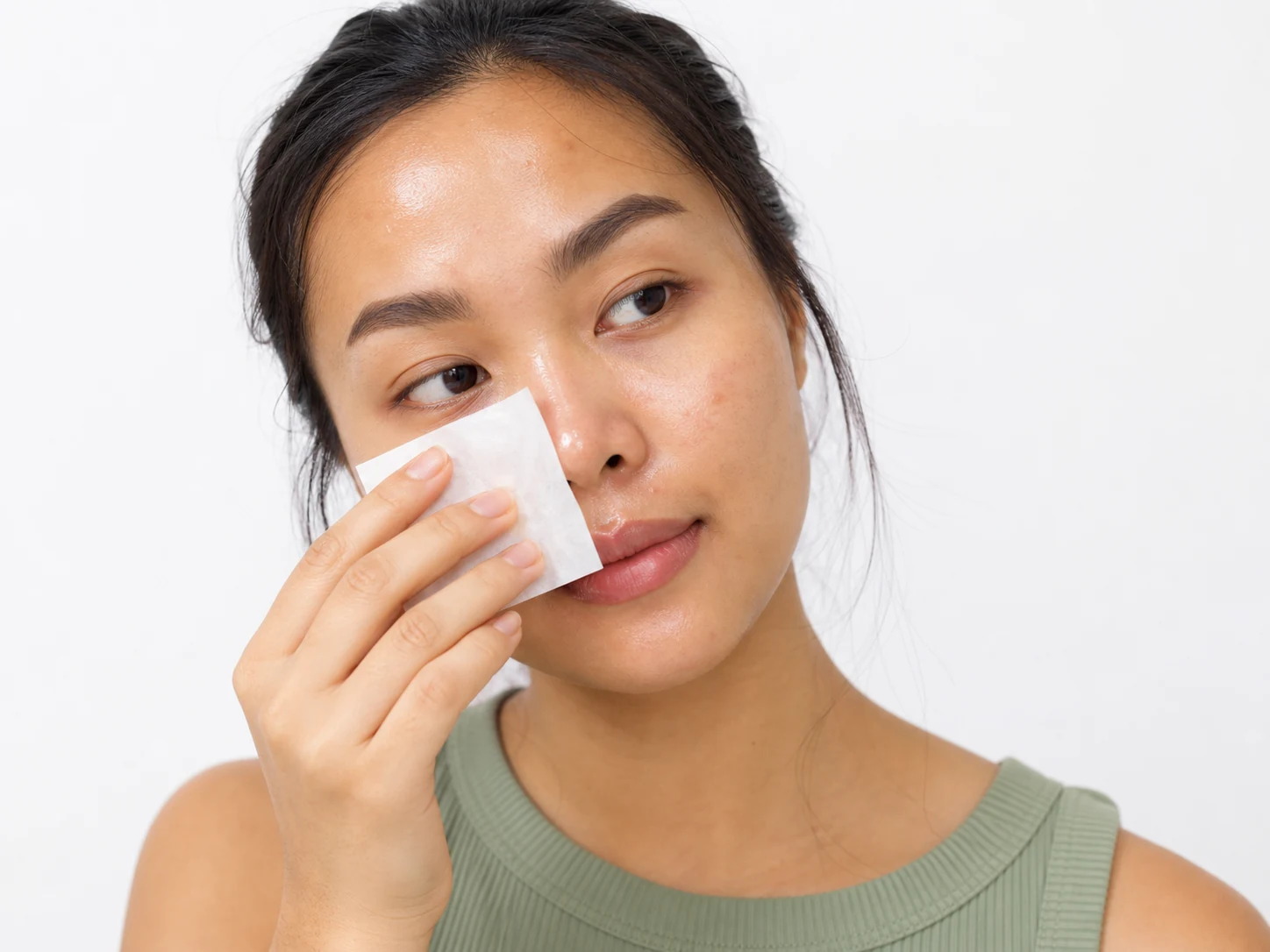
Oily skin doesn't cause acne directly - it creates the environment where acne can happen. Without dead skin cells and bacteria, excess oil might simply sit on the surface without causing breakouts.
Use this section to decide
Does this advice apply to me?
Find the concern or goal closest to yours, then use the fit signal to decide how much weight to give this guide.If your goal is
Core causeUse caution- Fit signal
- Limited evidence
Sebum + dead skin + bacteria
If your goal is
Key bacteriaUse caution- Fit signal
- Limited evidence
C. acnes
If your goal is
InflammationDepends- Fit signal
- Possible fit
Immune response
If your goal is
ManagementUsually relevant- Fit signal
- Often useful
Target all three factors
Explanation
How it works
The journey of acne development in oily skin.
Sebum production increases
Hormonal changes or genetic factors increase oil production.
Dead skin cells accumulate
Normal shedding is disrupted, cells stick together.
A plug forms
Sebum and dead skin create a blockage in the follicle.
Bacteria multiply
C. acnes thrives in the oil-rich, oxygen-poor environment.
Expected results
Results and timeframe
The immune system's response to bacteria causes visible redness and inflammation.
Practical use
How to use it
Use targeted treatments
Salicylic acid and benzoyl peroxide address different parts of the acne process.
Support the barrier
Gentle cleansing and lightweight hydration reduce inflammation.
Be patient and consistent
Acne treatments typically take several weeks to show results.
Safety
Side effects and cautions
- Over-washing to remove oil
This strips the barrier and can increase oil production as a compensation.
- Only treating the surface
Acne starts inside the pore - treatments must address the whole process.
- Avoiding moisturizer on oily, acne-prone skin
Hydration supports barrier function and can actually help reduce breakouts.
Fit
Who should be careful
- Those who think acne is caused by dirty skin - it's not
Worth noting
Small details that can change the answer
- The Sebum Connection. Excess sebum provides more material for pore blockages.
- The Bacterial Element. C. acnes bacteria feed on sebum and multiply in blocked pores.
- The Dead Skin Factor. Sluggish shedding of dead skin cells contributes to blockages.
- The Inflammatory Response. The immune system's reaction to bacteria causes visible redness and swelling.
Oily skin contributes to acne by creating the environment where breakouts can form.
Three factors are needed for acne: excess sebum, dead skin cell plugs, and C. acnes bacteria.
Not everyone with oily skin gets acne - other factors are also important.
Effective acne management addresses all three components of the process.
Science
The role of C. acnes bacteria
Cutibacterium acnes is a type of bacteria that naturally lives on the skin and in the hair follicles. It's generally harmless when the skin is functioning properly. However, when a follicle becomes blocked, the bacteria can multiply rapidly. The bacteria feed on sebum and produce inflammatory molecules that trigger the immune system's response, leading to the visible signs of acne.
- Cutibacterium acnes
- The bacteria most commonly associated with acne breakouts.
- Comedo
- A blocked hair follicle, the earliest stage of a pimple.
Explanation
Why some oily skin doesn't break out
It's worth noting that not everyone with oily skin gets acne. For acne to develop, all three conditions must be present: excess sebum, dead skin cells that form plugs, and a particular immune response to C. acnes. If any of these factors is missing, the result can be oily skin without breakouts.
Risks
The risks of untreated acne on oily skin
When oily skin and acne go unchecked, the consequences can extend beyond the immediate breakout.
- Potential for permanent scarring and post-inflammatory hyperpigmentation
- Emotional and psychological impact of ongoing breakouts
- Increased risk of infection from picking or popping pimples
- Can become more difficult to manage over time without intervention
Questions
Frequently asked questions
Does oily skin always cause acne?
No, not everyone with oily skin experiences breakouts - genetics and other factors play a role.
Is acne caused by poor hygiene?
No, acne is primarily caused by the combination of oil, dead skin, and bacteria.
Can oily skin acne be cured permanently?
Acne can often be managed effectively, but oily skin type is usually a lifelong trait.
What's the best treatment for oily skin acne?
Combination approaches using gentle cleansing, targeted actives, and barrier support are typically most effective.