Evidence
What the evidence shows
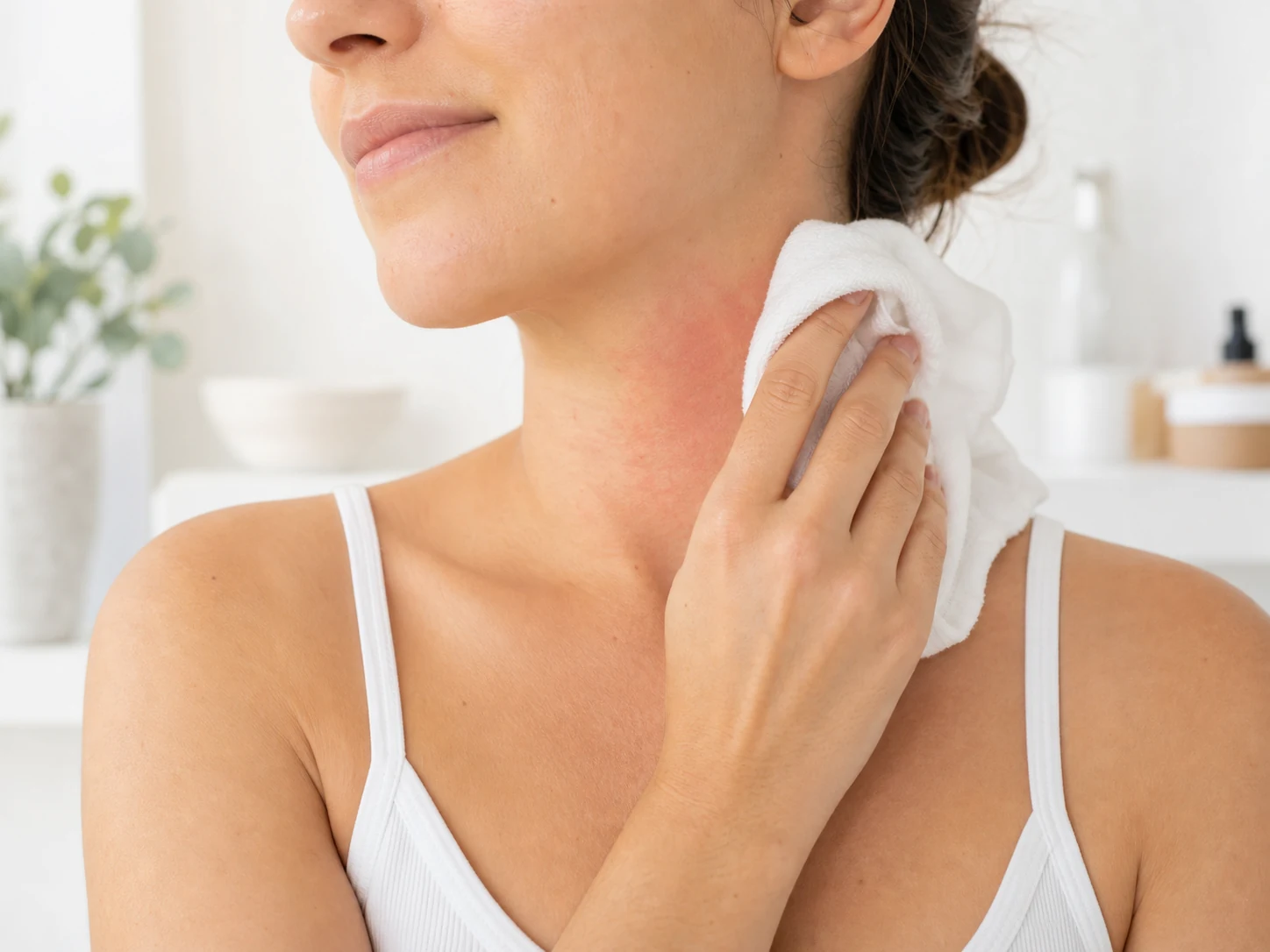
Preventing heat rash is almost entirely about managing sweat: keeping it from accumulating on the skin's surface and giving it space to evaporate. Everything else flows from this principle.
You're going to be in the heat for a few hours?
Plan breaks in cool environments.You're an athlete or outdoor worker?
Use moisture-wicking clothing and take frequent breaks.You're prone to heat rash?
Use all prevention strategies and consider preventive skin care.
Use this section to decide
Does this advice apply to me?
Find the concern or goal closest to yours, then use the fit signal to decide how much weight to give this guide.If your goal is
Key principleUsually relevant- Fit signal
- Often useful
Stay cool and dry
If your goal is
Best clothingUsually relevant- Fit signal
- Often useful
Cotton or moisture-wicking
If your goal is
Best environmentUse caution- Fit signal
- Limited evidence
Air-conditioned
If your goal is
Key actionUsually relevant- Fit signal
- Often useful
Manage sweating
Research notes already in this guide
- Studies show that air conditioning significantly reduces heat rash incidence in hot climates.
- Clothing choice is consistently cited as a key factor in heat rash prevention.
- Moisture-wicking fabrics have been shown to reduce the risk of sweat-related skin issues.
- Regular skin cleansing reduces the accumulation of dead skin cells that block sweat ducts.
Practical use
How to use it
Dress for success in preventing heat rash
Choose loose, breathable fabrics and light colors that reflect heat rather than absorbing it.
Manage your environment
Use air conditioning, fans, and shade to keep yourself and your skin cool.
Plan activities wisely
Avoid the hottest parts of the day for outdoor activities and take frequent breaks.
Safety
Side effects and cautions
- Wearing synthetic clothing that traps heat
Choose cotton or moisture-wicking materials that allow air circulation.
- Not taking breaks from the heat
Regular breaks in cool environments are essential for prevention.
- Using heavy moisturizers that can block sweat ducts
Use lightweight, oil-free moisturizers or skip them in hot weather.
Fit
Who should be careful
- Those who cannot control their environment (e.g., outdoor workers in extreme heat)
Worth noting
Small details that can change the answer
- Fabric Matters. Natural fibers like cotton allow better air circulation than synthetic materials, reducing sweat buildup.
- Hydration Effect. Staying well-hydrated helps regulate body temperature, reducing the need for heavy sweating.
- Skin Cleansing. Gentle cleansing removes dead skin cells and bacteria that can block sweat ducts.
- Air Circulation. Fans and air conditioning dramatically reduce the risk of heat rash by promoting sweat evaporation.
Heat rash prevention focuses on staying cool, staying dry, and avoiding sweat duct blockages.
Loose, breathable clothing is the single most important prevention strategy.
Air conditioning and fans are powerful tools for heat rash prevention.
Good skin care, including gentle cleansing, helps prevent duct blockages.
High-risk groups need extra attention to prevention strategies.
Benefits
Benefits of preventing heat rash
Preventing heat rash offers several important benefits beyond avoiding discomfort.
- Complete avoidance of heat rash discomfort and itching
- No need for treatment or medical intervention
- Ability to enjoy hot weather activities without worry
- Better skin health and reduced risk of skin infections
- Peace of mind during heat waves or in tropical climates
Risks
Who needs extra prevention measures?
Certain groups are at higher risk of heat rash and need extra attention to prevention.
- Infants and young children: their sweat ducts are smaller and more easily blocked
- Athletes: intense physical activity in hot conditions creates a high-risk environment
- Outdoor workers: extended exposure to heat and humidity is unavoidable
- People with obesity: skin folds can trap heat and moisture, increasing risk
- Those with skin conditions like eczema: compromised skin barrier may increase risk
Questions
Frequently asked questions
Can I prevent heat rash by using powder?
Powder can help keep skin dry, but use it sparingly. Too much powder can clump and contribute to blockages.
Does sunscreen cause heat rash?
Some sunscreens, especially heavy formulations, can contribute to heat rash by blocking sweat ducts. Choose lightweight, oil-free formulas.
Can I prevent heat rash by not sweating?
Not entirely practical, but you can manage sweating by staying cool, using fans, and avoiding activities that cause heavy sweating.
Is heat rash more likely to occur with repeated exposure?
Yes, frequent sweating in hot conditions increases risk. Prevention becomes more important with repeated exposure.
References
Sources
The notes below are drawn from the evidence already cited in this guide. They are not a complete bibliography.
- Studies show that air conditioning significantly reduces heat rash incidence in hot climates.
- Clothing choice is consistently cited as a key factor in heat rash prevention.
- Moisture-wicking fabrics have been shown to reduce the risk of sweat-related skin issues.
- Regular skin cleansing reduces the accumulation of dead skin cells that block sweat ducts.