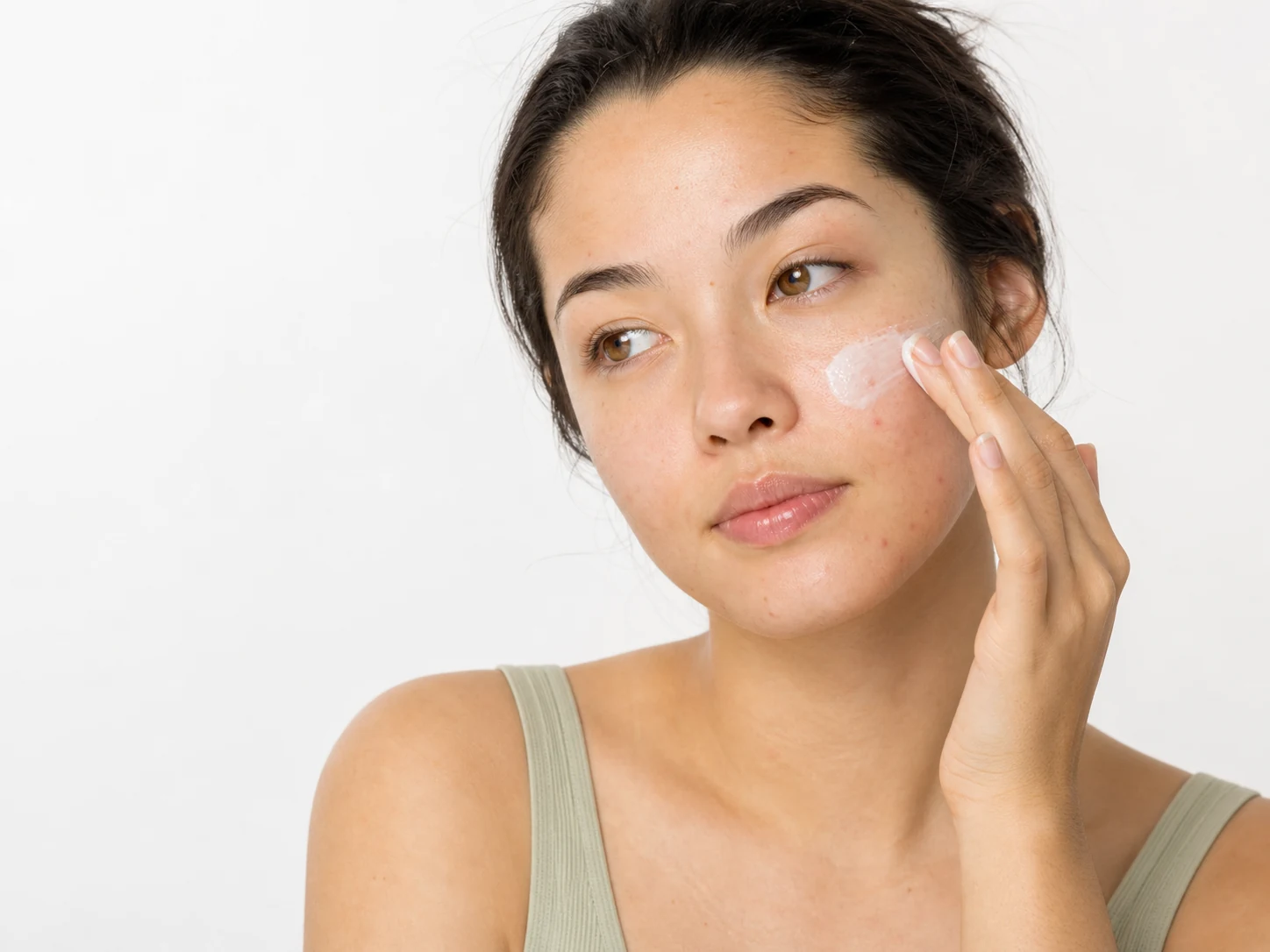
Evidence
What the evidence shows
The right wash for sensitive skin should leave it feeling calm and comfortable, not tight or irritated. If it stings or feels tight, something is wrong.
Use this section to decide
Does this advice apply to me?
Find the concern or goal closest to yours, then use the fit signal to decide how much weight to give this guide.If your goal is
Key PrincipleUsually relevant- Fit signal
- Often useful
Gentle, brief, cool
If your goal is
Best CleanserUsually relevant- Fit signal
- Often useful
Creamy, non-foaming
If your goal is
WaterUsually relevant- Fit signal
- Often useful
Cool to lukewarm
If your goal is
TimeUse caution- Fit signal
- Limited evidence
30-45 seconds
Practical use
How to use it
Use cool to lukewarm water
Hot water damages the barrier - keep it comfortable and cool.
Use a creamy, non-foaming cleanser
Avoid foaming cleansers with sulfates.
Wash for 30-45 seconds only
Longer washing increases irritation risk.
Pat dry and moisturize immediately
Apply moisturizer while skin is still damp.
Safety
Side effects and cautions
- Using hot water to "open pores"
Hot water damages the barrier - use cool to lukewarm water.
- Scrubbing with a washcloth or brush
Gentle fingertips are all you need.
- Washing for too long
30-45 seconds is sufficient - longer increases irritation.
Fit
Who should be careful
- Those who prefer aggressive cleansing
Worth noting
Small details that can change the answer
- Cleanser Impact. Foaming cleansers are more likely to cause irritation than creamy ones.
- Water Temperature. Hot water damages the barrier more than cooler water.
- Time Factor. Longer washing increases irritation risk - 30-45 seconds is ideal.
- Drying Impact. Rubbing with a towel can trigger immediate irritation.
Wash sensitive skin with cool to lukewarm water - never hot.
Use a creamy, non-foaming, fragrance-free cleanser.
Massage gently for 30-45 seconds - no scrubbing.
Pat dry - never rub - with a soft towel.
Apply moisturizer immediately while skin is still damp.
Definition
Why sensitive skin needs special washing care
Sensitive skin has a thinner barrier and more reactive nerve endings, making it particularly vulnerable to the physical and chemical stress of washing.
- Barrier is thinner and more fragile
- Reacts to physical stress (rubbing, hot water)
- More likely to sting or burn from products
- Needs gentler cleansing and cooler temperatures
Avoid
Cleansers and ingredients to avoid
Strips the barrier and causes irritation.
Common triggers for sensitive skin.
Can cause immediate or delayed reactions.
Can cause micro-tears and irritation.
Benefits
Choosing the right cleanser for sensitive skin
The best cleansers for sensitive skin share these characteristics.
- Creamy or milky texture (not foaming)
- pH-balanced (around 5)
- Fragrance-free and essential oil-free
- Contains soothing ingredients like panthenol, allantoin, or oatmeal
- Simple ingredient list with few potential irritants
Questions
Frequently asked questions
How often should I wash sensitive skin?
Typically twice daily - but if your skin is very dry, once daily may be better.
Can I use a cleansing oil on sensitive skin?
Yes - if it's fragrance-free and you rinse it thoroughly.
What if my skin stings after washing?
Your cleanser is too harsh, your water is too hot, or you're washing too vigorously.
Should I wash with my hands or a cloth?
Hands are gentler - avoid cloths and brushes.