Evidence
What the evidence shows
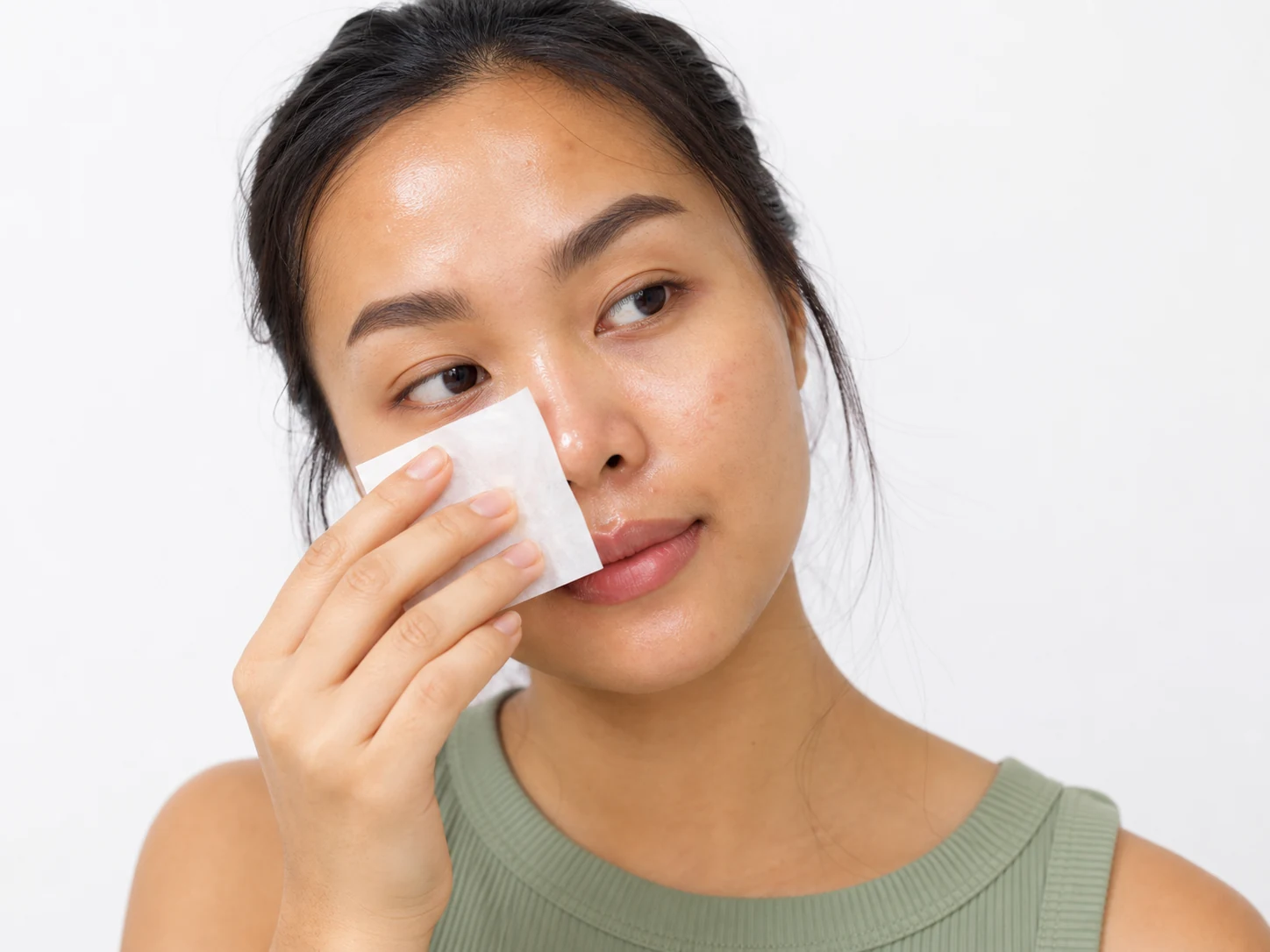
Over-stripping oily skin triggers a rebound effect - your skin produces more oil to compensate. The path to controlling oil is balance, not harshness.
Use this section to decide
Does this advice apply to me?
Find the concern or goal closest to yours, then use the fit signal to decide how much weight to give this guide.If your goal is
Key PrincipleUsually relevant- Fit signal
- Often useful
Balance, not strip
If your goal is
Best IngredientUsually relevant- Fit signal
- Often useful
Niacinamide
If your goal is
CleanserUsually relevant- Fit signal
- Often useful
Gentle, pH-balanced
If your goal is
TimeframeUse caution- Fit signal
- Limited evidence
4-8 weeks
Research notes already in this guide
- Niacinamide is clinically proven to reduce sebum production.
- Salicylic acid is shown to clear pores effectively.
- Gentle, consistent care is proven to regulate oil over time.
- Barrier support is essential for long-term oil control.
Expected results
Results and timeframe
Significant improvement takes 4-8 weeks of consistent care.
Practical use
How to use it
Switch to gentle, pH-balanced cleansers
Stop using harsh, stripping cleansers.
Incorporate niacinamide
Use a 2-5% niacinamide serum daily.
Moisturize consistently
Use a lightweight, oil-free moisturizer morning and evening.
Be patient
Oil reduction takes 4-8 weeks of consistent care.
Safety
Side effects and cautions
- Using harsh, stripping cleansers
This triggers rebound oil production - use gentle cleansers.
- Skipping moisturizer
Dehydrated skin produces more oil - moisturize lightly.
- Over-exfoliating
Exfoliate 1-2 times weekly - over-exfoliation damages the barrier.
Fit
Who should be careful
- Those expecting overnight results
Worth noting
Small details that can change the answer
- Rebound Effect. Over-stripping oily skin triggers increased oil production.
- Niacinamide. Niacinamide is clinically proven to reduce sebum production.
- Barrier Health. Supporting the barrier is essential for oil control.
- Timeframe. Oil reduction takes 4-8 weeks of consistent care.
The key to controlling oily skin is balance, not harshness.
Harsh cleansers trigger rebound oil production.
Niacinamide and salicylic acid are proven oil-controlling ingredients.
Even oily skin needs moisturizer - use lightweight, oil-free formulas.
Definition
What causes oily skin?
Oily skin is caused by overactive sebaceous glands that produce more sebum than the skin needs. This is largely determined by genetics and hormones.
- Genetics - the size and activity of your sebaceous glands
- Hormones - androgens stimulate oil production
- Age - oil production typically peaks in the 20s
- Climate - heat and humidity can increase oiliness
- Barrier health - a damaged barrier can trigger overproduction
Benefits
Key ingredients for oil control
These ingredients are proven to help control oil production.
- Niacinamide: regulates sebum production
- Salicylic acid: clears pores and exfoliates
- Hyaluronic acid: provides water-based hydration
- Green tea extract: antioxidant and oil-regulating
- Zinc: helps reduce inflammation and oil
Questions
Frequently asked questions
Can I completely get rid of oily skin?
You can manage it significantly, but genetics largely determine your baseline oil production.
Should I wash my face more often if it's oily?
No - over-washing triggers more oil production. Twice daily is sufficient.
Does moisturizer make oily skin worse?
The wrong moisturizer can - but the right one helps regulate oil production.
Can diet affect oily skin?
Some evidence suggests high-glycemic foods and dairy can worsen oiliness in some people.
References
Sources
The notes below are drawn from the evidence already cited in this guide. They are not a complete bibliography.
- Niacinamide is clinically proven to reduce sebum production.
- Salicylic acid is shown to clear pores effectively.
- Gentle, consistent care is proven to regulate oil over time.
- Barrier support is essential for long-term oil control.