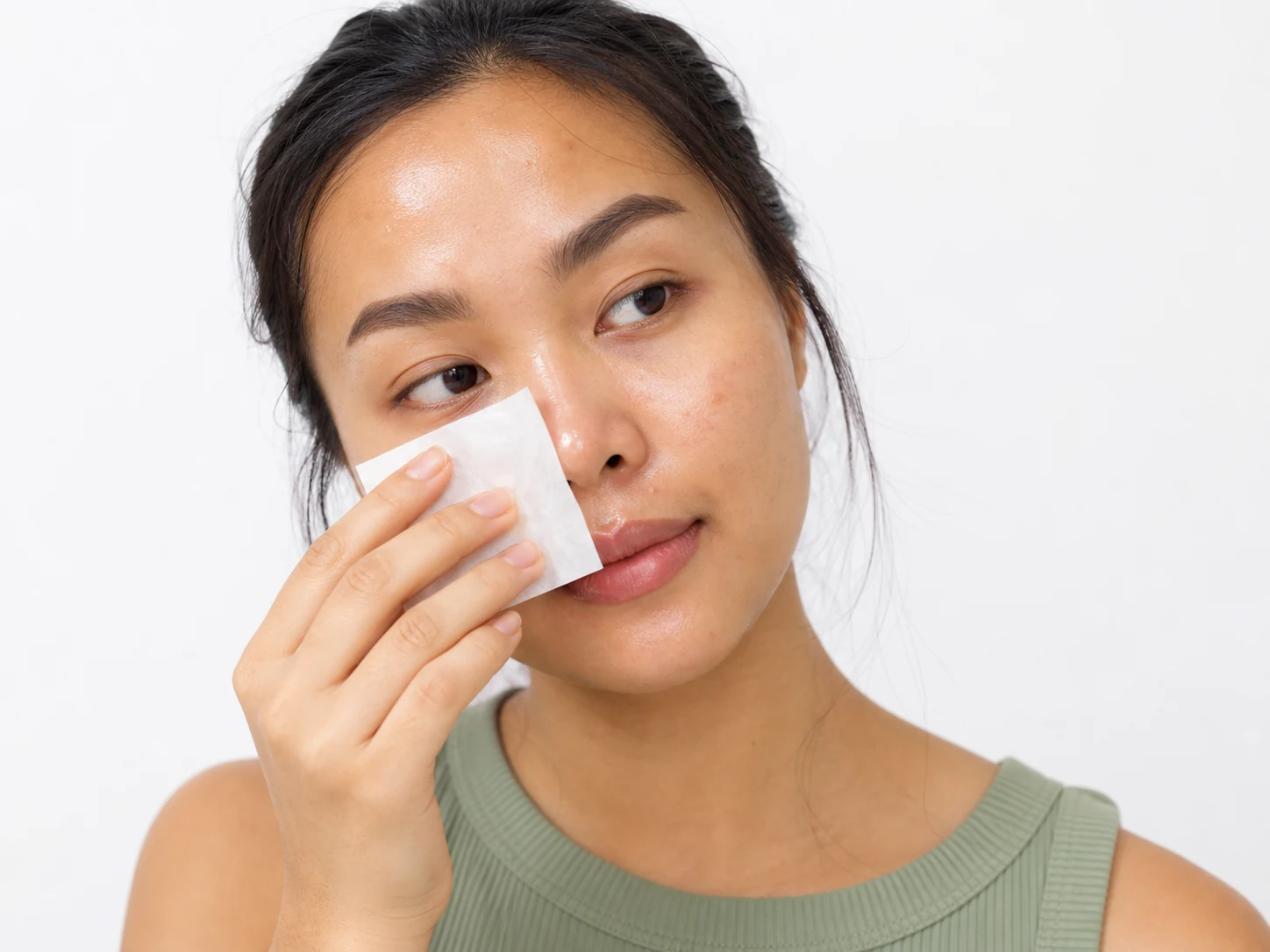
Evidence
What the evidence shows
The differences between dry and oily skin are well-established.
Does your skin feel tight after washing?
Yes → likely dry; No → likely oilyDo you see shine within 1-2 hours of washing?
Yes → likely oily; No → likely dryDoes your skin have visible pores?
Yes → likely oily; No → likely dry
Use this section to decide
Does this advice apply to me?
Find the concern or goal closest to yours, then use the fit signal to decide how much weight to give this guide.If your goal is
Dry skin feelsUsually relevant- Fit signal
- Often useful
Tight, rough
If your goal is
Oily skin feelsUsually relevant- Fit signal
- Often useful
Shiny, greasy
If your goal is
Dry skin looksUsually relevant- Fit signal
- Often useful
Dull, flaky
If your goal is
Oily skin looksUsually relevant- Fit signal
- Often useful
Shiny, porous
Research notes already in this guide
- The biological differences between dry and oily skin are well-documented.
- Clinical observation confirms the distinct characteristics of each type.
- The bare-face test is widely recommended by dermatologists for personal skin typing.
- Individual variation means some people may have features of both types (combination skin).
Practical use
How to use it
Perform the bare-face test
Wash your face, wait 1-2 hours, and observe how your skin feels and looks.
Compare the signs
Use the dry vs. oily comparison chart to determine which type your skin matches.
Adjust your routine accordingly
Choose products and routines designed for your specific skin type.
Safety
Side effects and cautions
- Testing right after washing your face
Washing temporarily changes your skin. Wait at least an hour for accurate results.
- Confusing dehydrated skin with dry skin
Dehydrated skin lacks water. Dry skin lacks oil. They're different conditions.
- Thinking oily skin doesn't need moisturizer
Oily skin still needs hydration. Use lightweight, oil-free formulas.
Fit
Who should be careful
- Diagnosing skin conditions
Worth noting
Small details that can change the answer
- Sebum Production. Oily skin produces up to 3-4 times more sebum than dry skin.
- Barrier Function. Dry skin has a compromised barrier that allows water to escape. Oily skin has a stronger barrier but can become congested.
- Pore Size. Oily skin has visibly larger pores than dry skin to accommodate the increased oil production.
- Aging Pattern. Oily skin tends to age slower than dry skin because the natural oils keep the skin plumper.
Dry skin produces insufficient sebum, leading to tightness, flaking, and a compromised barrier.
Oily skin produces excess sebum, leading to shine, enlarged pores, and breakouts.
The bare-face test is the most reliable way to distinguish between them.
Don't confuse skin conditions (like dehydration) with skin types.
Understanding whether your skin is dry or oily is essential for building an effective routine.
Definition
Dry skin vs. oily skin: the key differences
These two skin types have distinct characteristics that help you distinguish between them.
- Dry skin: Produces insufficient sebum, leading to tightness, flaking, and a compromised barrier
- Oily skin: Produces excess sebum, leading to shine, enlarged pores, and breakouts
- Dry skin: Feels tight after cleansing and throughout the day
- Oily skin: Feels greasy and gets shiny within hours of cleansing
- Dry skin: Absorbs moisturizer quickly without leaving residue
- Oily skin: Moisturizer sits on the surface and may feel heavy
Explanation
How to tell the difference: a step-by-step guide
Follow these steps to definitively determine whether your skin is dry or oily.
Benefits
How to care for your skin based on your type
Once you know whether your skin is dry or oily, you can build a routine that works for your type.
- Dry skin: Use gentle, non-stripping cleansers, rich moisturizers with ceramides, and avoid hot water
- Oily skin: Use gentle cleansers (not harsh ones), lightweight oil-free moisturizers, and oil-controlling ingredients like salicylic acid
- Dry skin: Apply moisturizer on damp skin to trap water
- Oily skin: Don't skip moisturizer - your skin still needs hydration
- Both types: Use SPF daily
Questions
Frequently asked questions
Can my skin be both dry and oily?
Yes, that's combination skin. You can have an oily T-zone and dry cheeks.
Does dehydrated skin feel like dry skin?
Yes, dehydrated skin can feel tight like dry skin. The difference is that dehydrated skin lacks water, while dry skin lacks oil.
Can oily skin become dry with age?
Oily skin often becomes less oily with age, but it rarely becomes truly dry.
What if I get different results on different days?
This is normal. Test on a typical day when your skin isn't affected by unusual factors like travel or weather changes.
References
Sources
The notes below are drawn from the evidence already cited in this guide. They are not a complete bibliography.
- The biological differences between dry and oily skin are well-documented.
- Clinical observation confirms the distinct characteristics of each type.
- The bare-face test is widely recommended by dermatologists for personal skin typing.
- Individual variation means some people may have features of both types (combination skin).