A gentle place to begin
A few first stops if “Is...” questions still feel new.
Questions that begin with “Is…”
Straight answers for claims, myths, and the questions that really want a yes or no.
83 calm answers for the moments you hover over a bottle, or a habit, and wonder what comes next.
Popular guides
Is
The thing about normal skin is that it's not about being problem-free - it's about being balanced. It's skin that doesn't require constant intervention, but it still needs consistent care.
Normal skin is the skin type that everyone seems to want, but few people actually have. If your skin is consistently comfortable, doesn't get too oily or too dry, and generally behaves itself, you might just be one of the lucky ones with truly normal skin.

Is
But skincare doesn't work that way. Ingredients have a "sweet spot" where they're most effective, and beyond that, you're just adding risk without reward.
Is
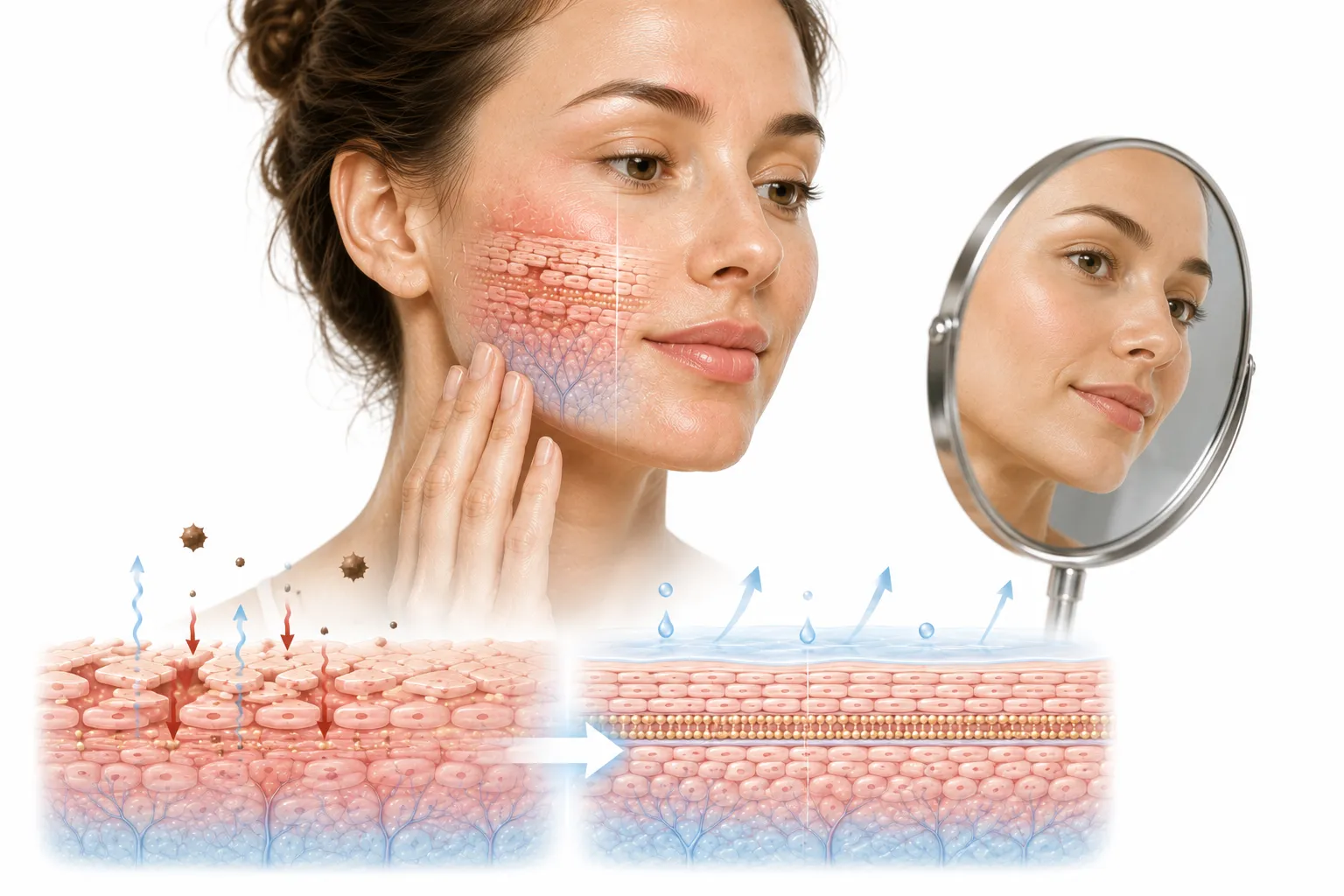
But your skin barrier is one of the most resilient structures in your body - it's designed to repair itself, and it does so impressively well.
Is
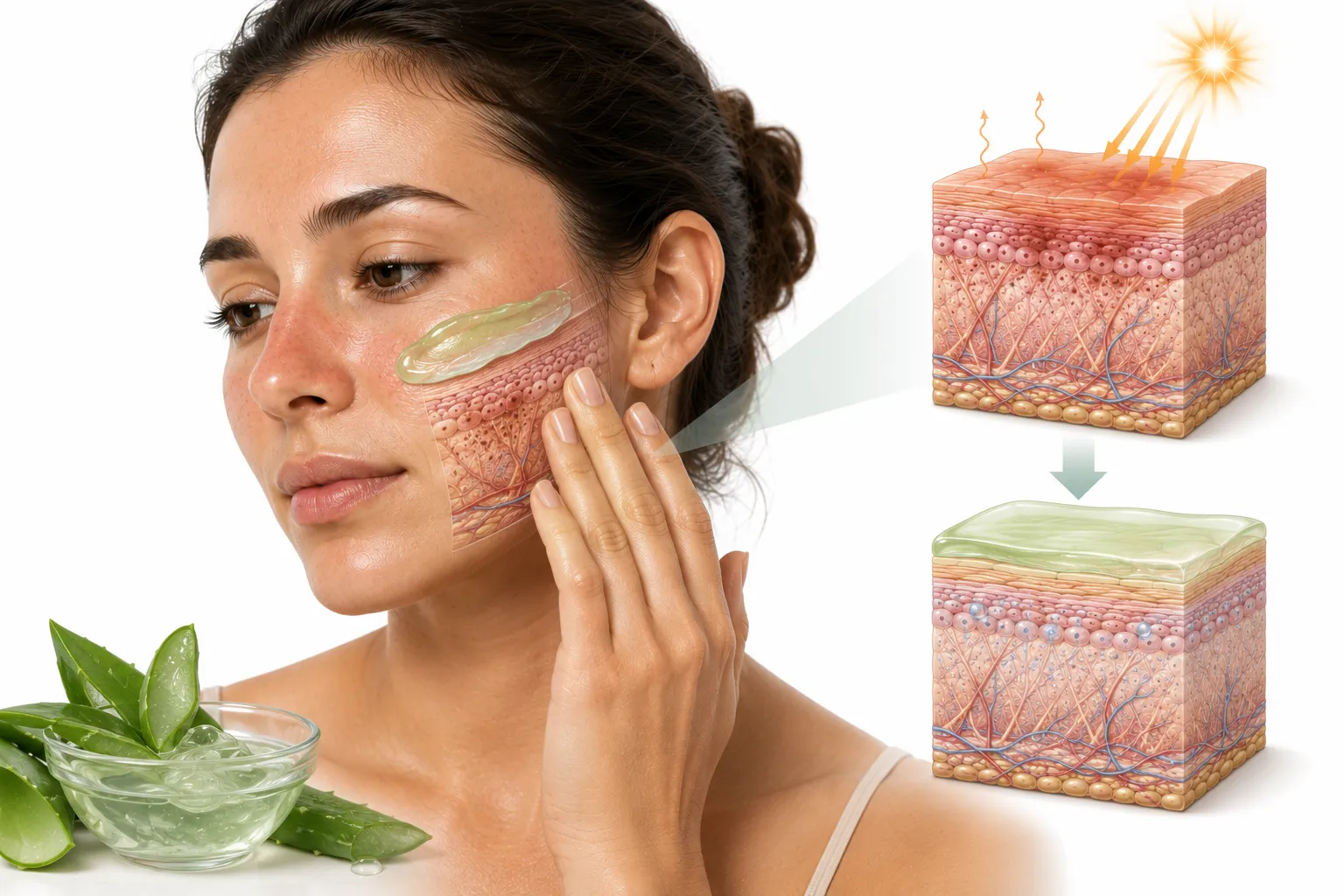
The soothing feeling is real, and there's a reasonable biological story behind it, but it's a different story from the one about undoing sun damage itself.
Is
But APLB Glutathione and niacinamide, while both brightening agents, are fundamentally different ingredients with their own unique mechanisms.
Is
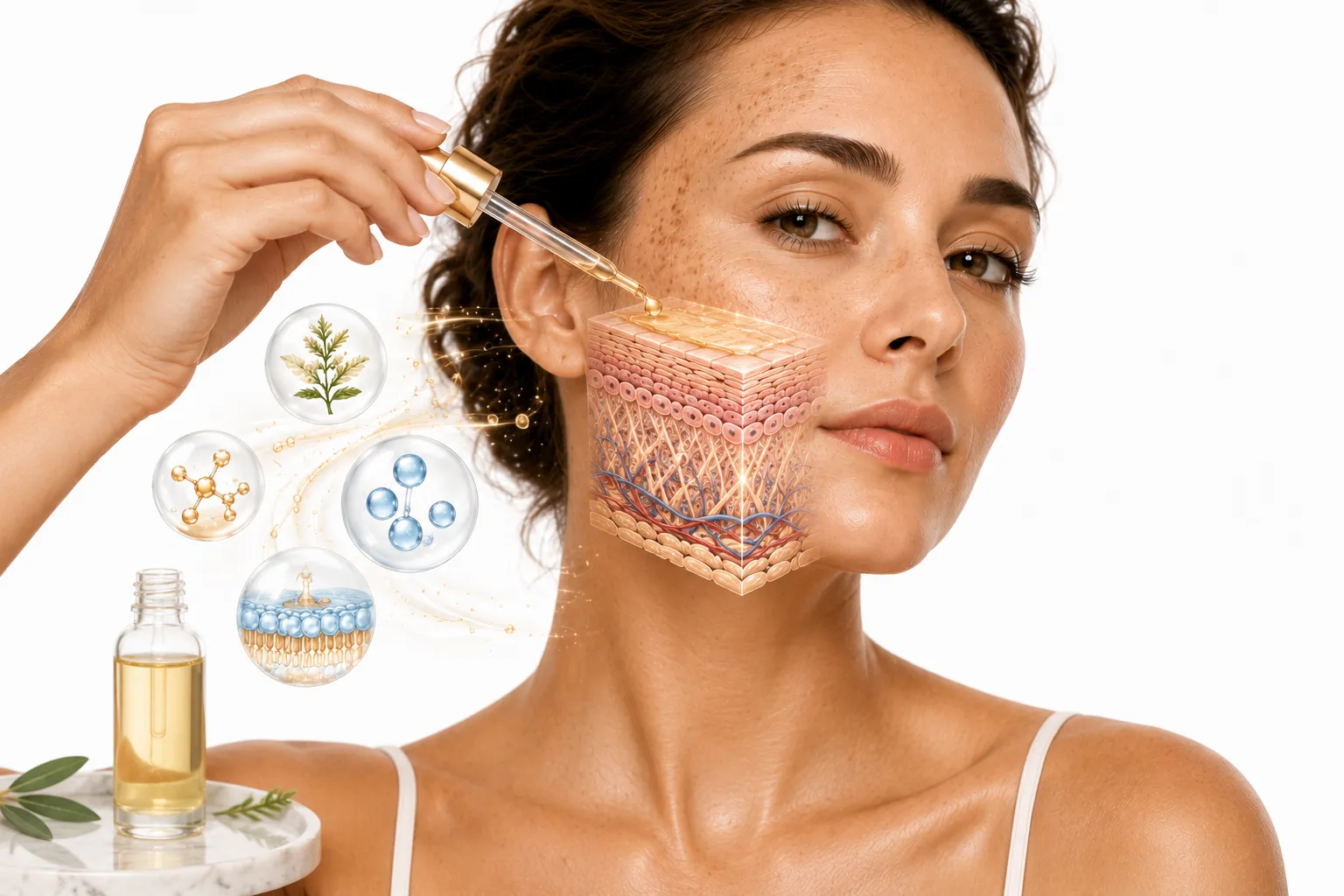
That's not necessarily disqualifying - moisturizing and scar-support ingredients can genuinely help skin look and feel better - but it does mean the evidence trail for sun damage specifically is thinner than for its original use.
Bio-Oil built its reputation on scars and stretch marks, but its blend of oils and vitamin E has also found its way into a lot of sun-damage routines. How much of that crossover appeal actually holds up?

Is
The surprising thing is that coconut oil can be both a hard-water hero and a skincare villain, depending on your skin type and the exact product you use.
Is
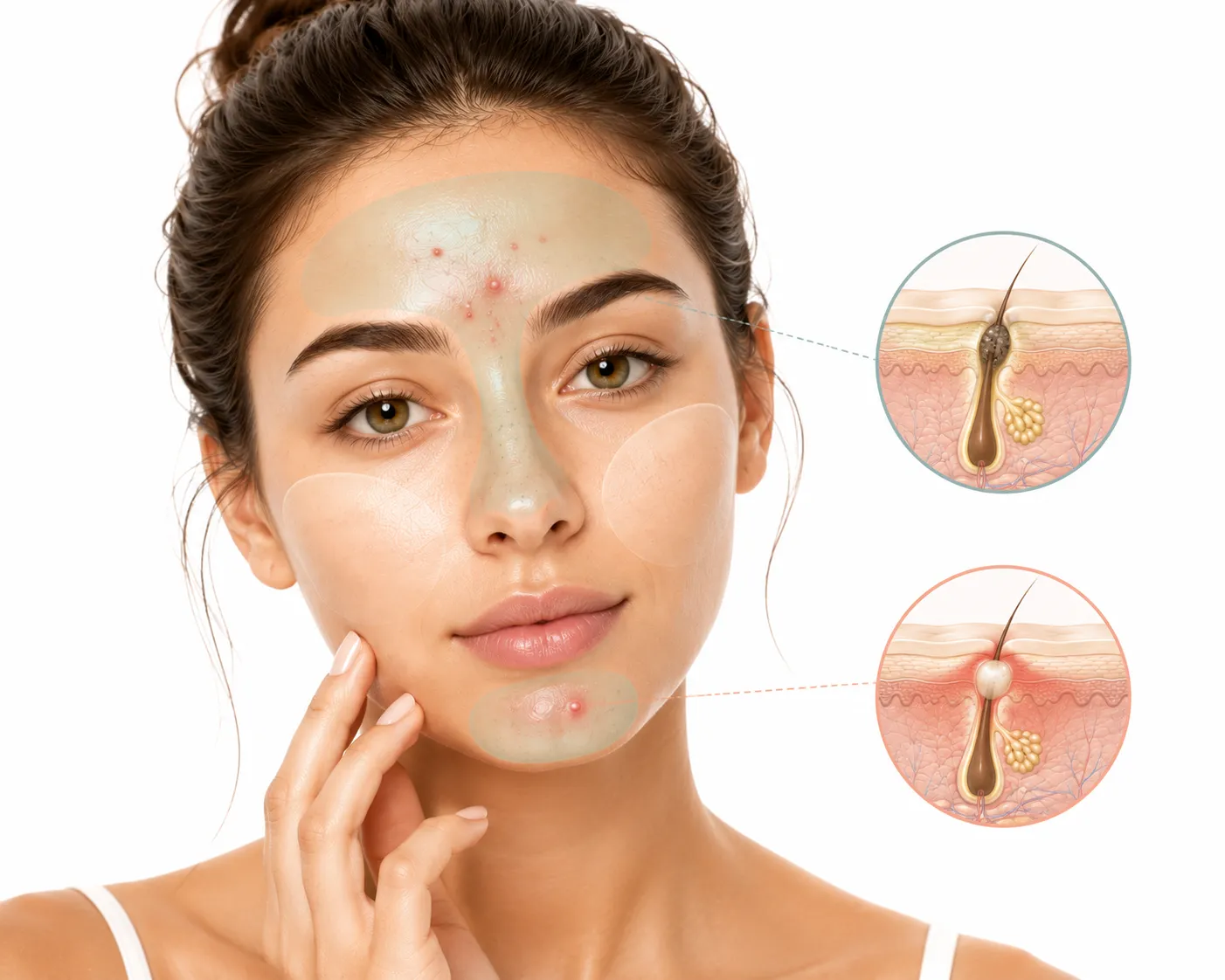
And just like the middle is more likely to be acne prone, the edges are more likely to react to harsh treatments.
Is
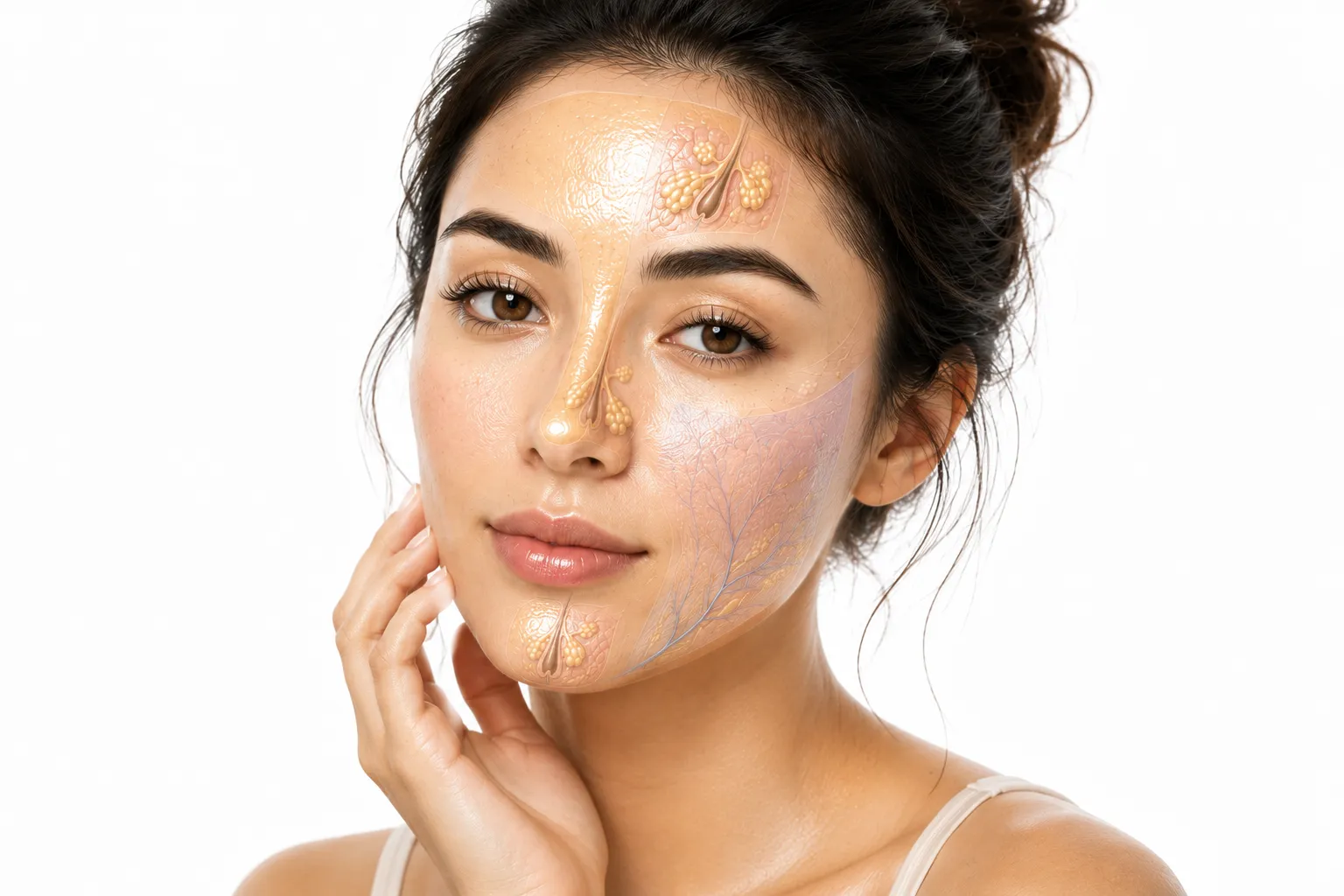
But combination skin has its own set of advantages that make it a perfectly good skin type to have.
Is
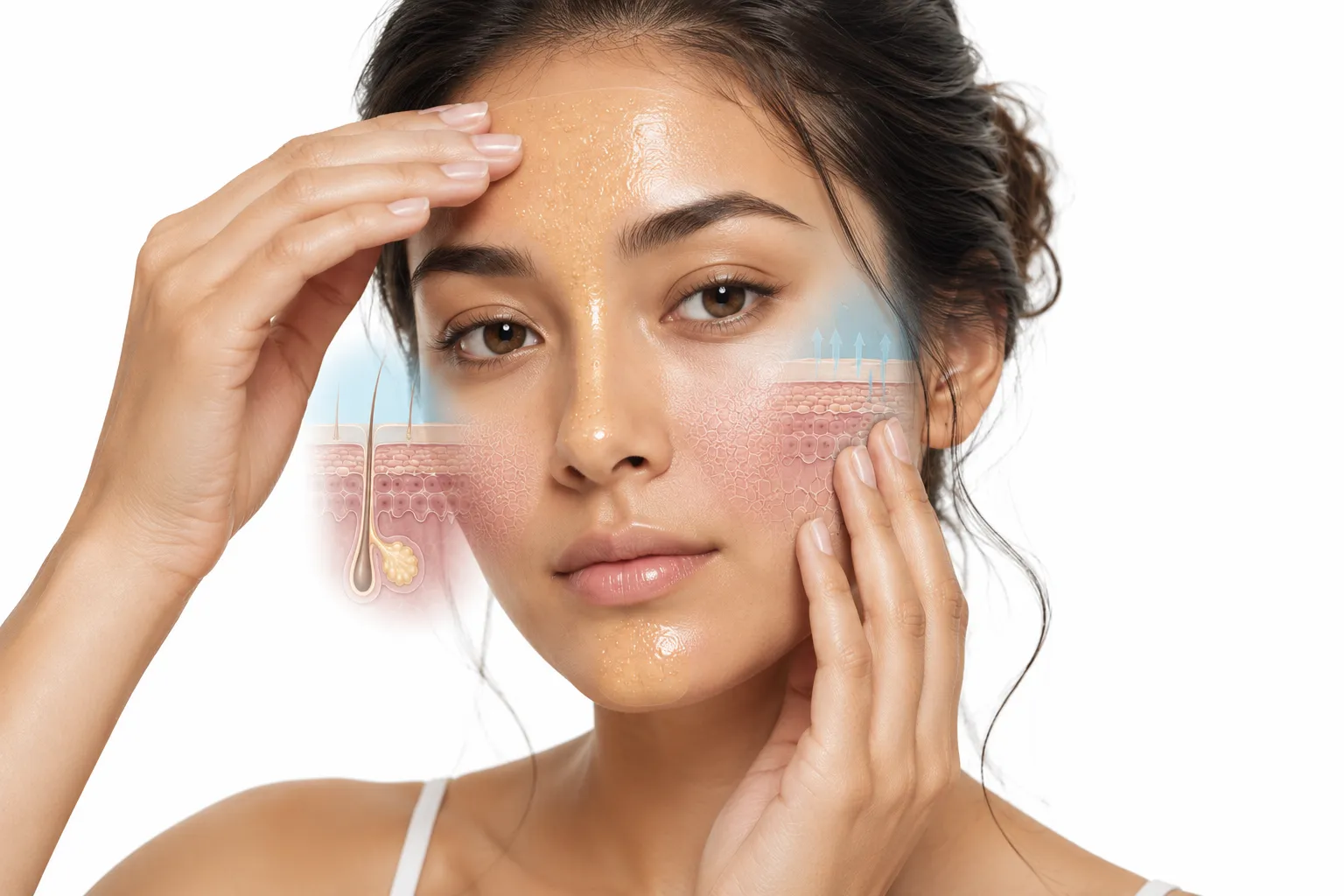
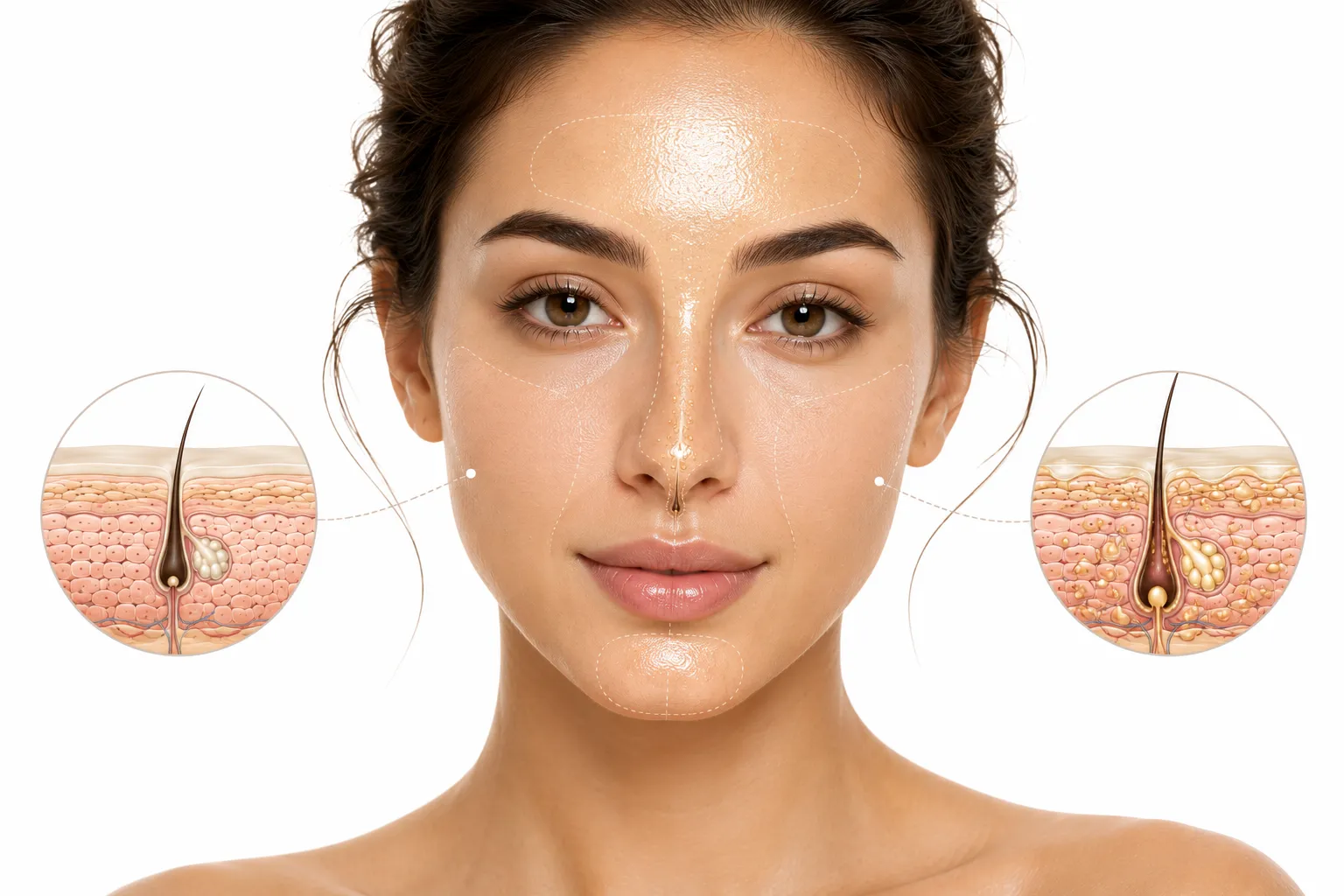
This duality is what makes combination skin both fascinating and frustrating - it's two different skin types coexisting on one face.
Is
But your cheeks feel fine - maybe even a little dry. You have combination skin, not oily skin.
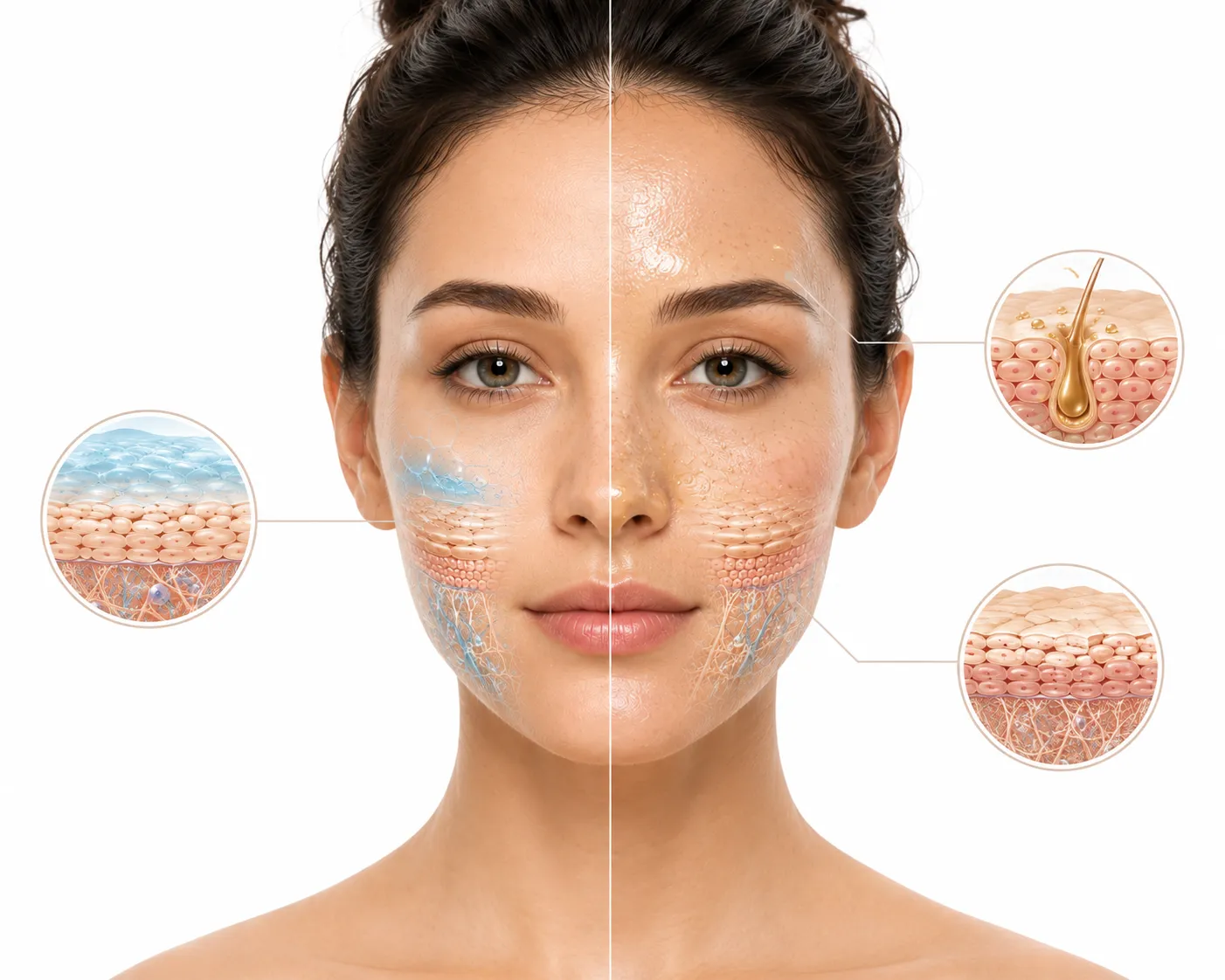
Combination skin is often confused with oily skin because the T-zone - forehead, nose, and chin - can look just as shiny. But the difference lies in the rest of the face, where oil production is normal or even dry.
Is
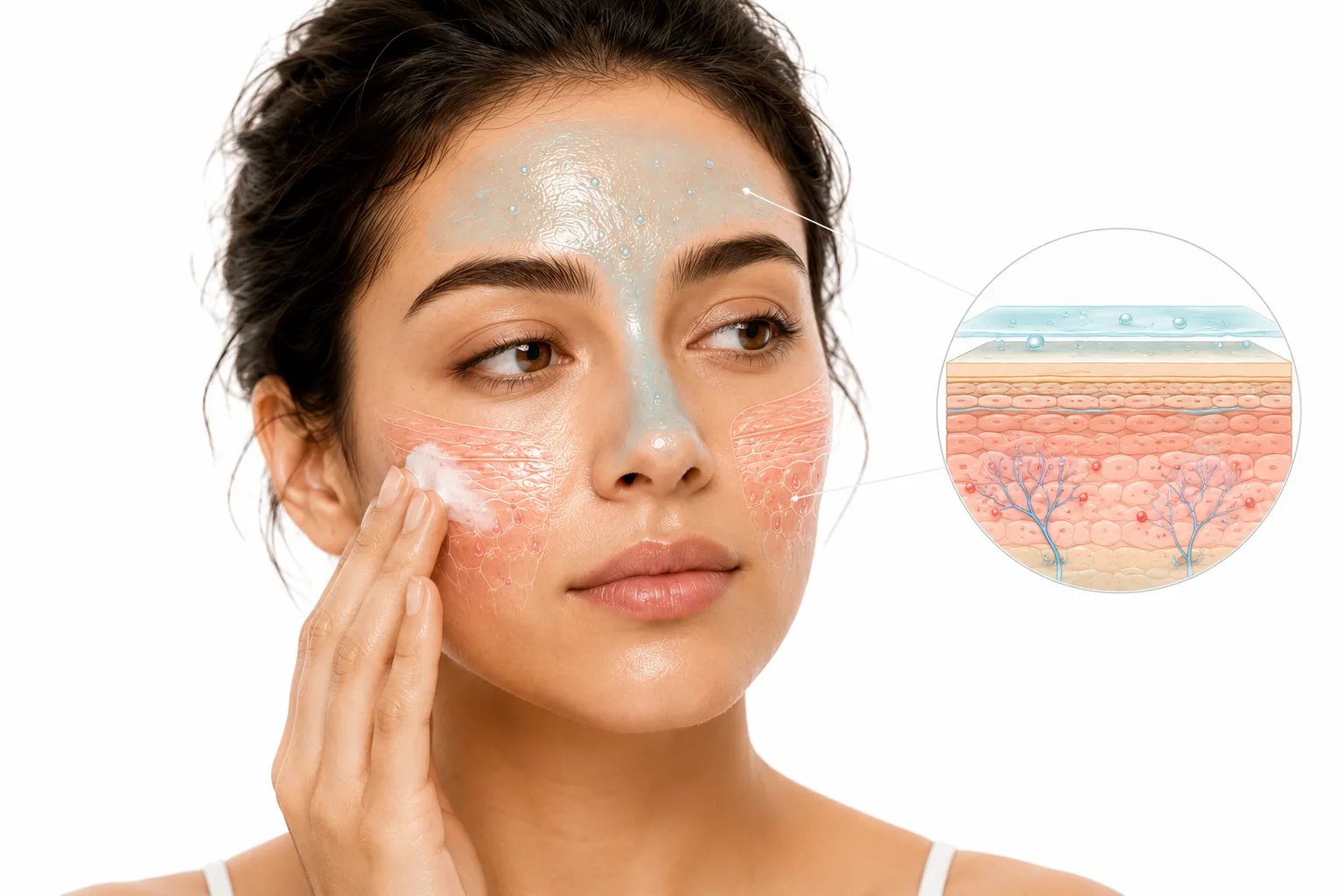
When sensitivity is thrown into the mix, the balancing act becomes even more delicate.
Start with the popular ones above, or scroll the full set when you are in a browsing mood.
Is
The thing about normal skin is that it's not about being problem-free - it's about being balanced. It's skin that doesn't require constant intervention, but it still needs consistent care.
Normal skin is the skin type that everyone seems to want, but few people actually have. If your skin is consistently comfortable, doesn't get too oily or too dry, and generally behaves itself, you might just be one of the lucky ones with truly normal skin.
Is
But skincare doesn't work that way. Ingredients have a "sweet spot" where they're most effective, and beyond that, you're just adding risk without reward.
Is
But your skin barrier is one of the most resilient structures in your body - it's designed to repair itself, and it does so impressively well.
Is
The soothing feeling is real, and there's a reasonable biological story behind it, but it's a different story from the one about undoing sun damage itself.
Is
But APLB Glutathione and niacinamide, while both brightening agents, are fundamentally different ingredients with their own unique mechanisms.
There's some confusion about whether APLB Glutathione and niacinamide are the same thing. They're not - they're different ingredients with different properties. But they do share some interesting similarities.
Is
That's not necessarily disqualifying - moisturizing and scar-support ingredients can genuinely help skin look and feel better - but it does mean the evidence trail for sun damage specifically is thinner than for its original use.
Is
The surprising thing is that coconut oil can be both a hard-water hero and a skincare villain, depending on your skin type and the exact product you use.
Is
And just like the middle is more likely to be acne prone, the edges are more likely to react to harsh treatments.
Combination skin is a unique challenge - it's oily in some areas and dry or normal in others. This duality means it can be acne prone in the oily parts while being sensitive or flaky in the dry parts, requiring a balanced, tailored approach.
Is
But combination skin has its own set of advantages that make it a perfectly good skin type to have.
If you have combination skin, you might feel like you got the worst of both worlds - oil in some places, dryness in others. But every skin type has its advantages, and combination skin is no exception.
Is
This duality is what makes combination skin both fascinating and frustrating - it's two different skin types coexisting on one face.
Is
But your cheeks feel fine - maybe even a little dry. You have combination skin, not oily skin.
Is
When sensitivity is thrown into the mix, the balancing act becomes even more delicate.
Is
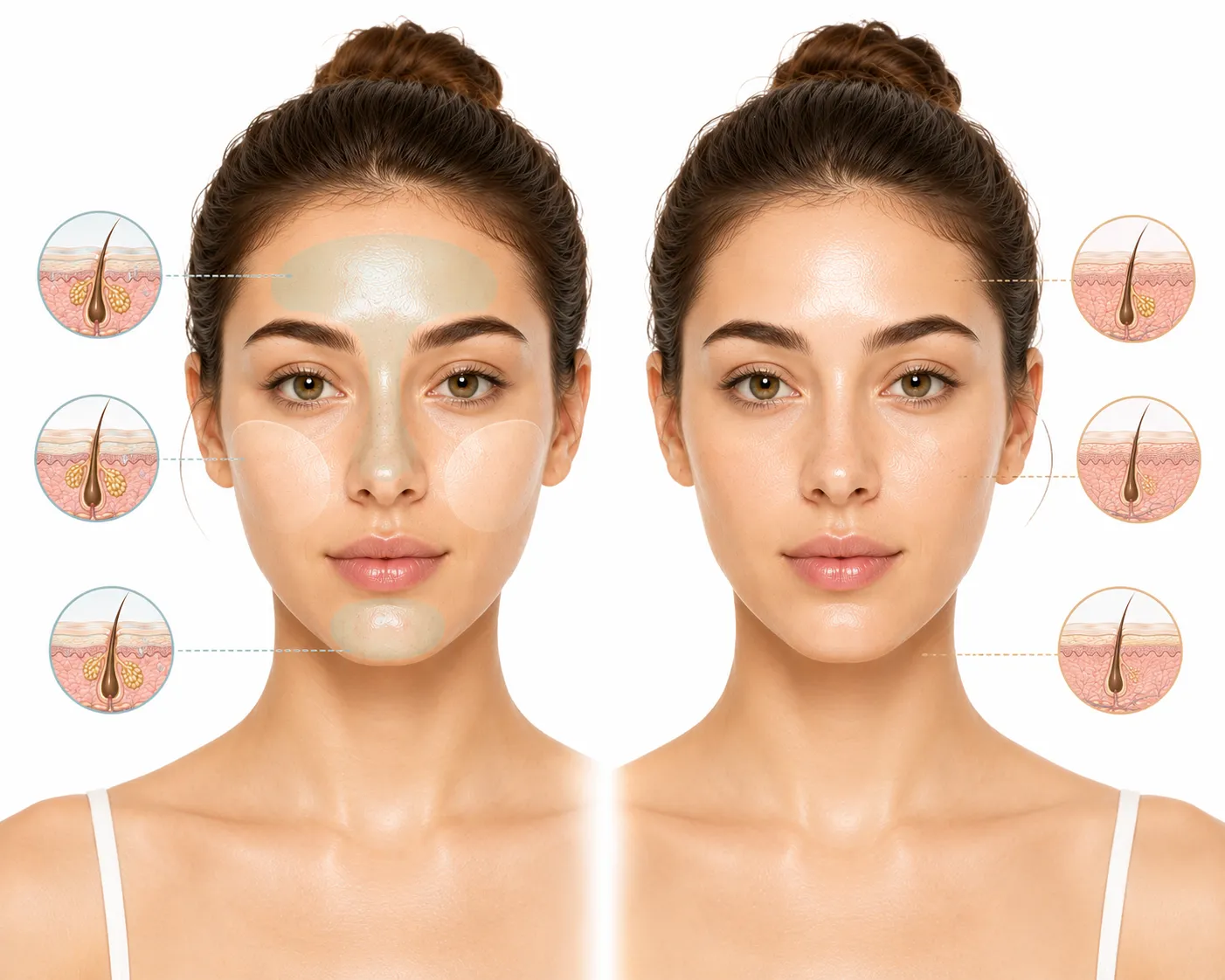
But normal skin and combination skin are fundamentally different in how they produce oil and behave across the face.
Normal skin is often described as the skin type everyone wants - balanced, not too oily, not too dry. But combination skin, with its oily T-zone and dry cheeks, isn't the same thing. Understanding the difference is essential for choosing the right products.
Is
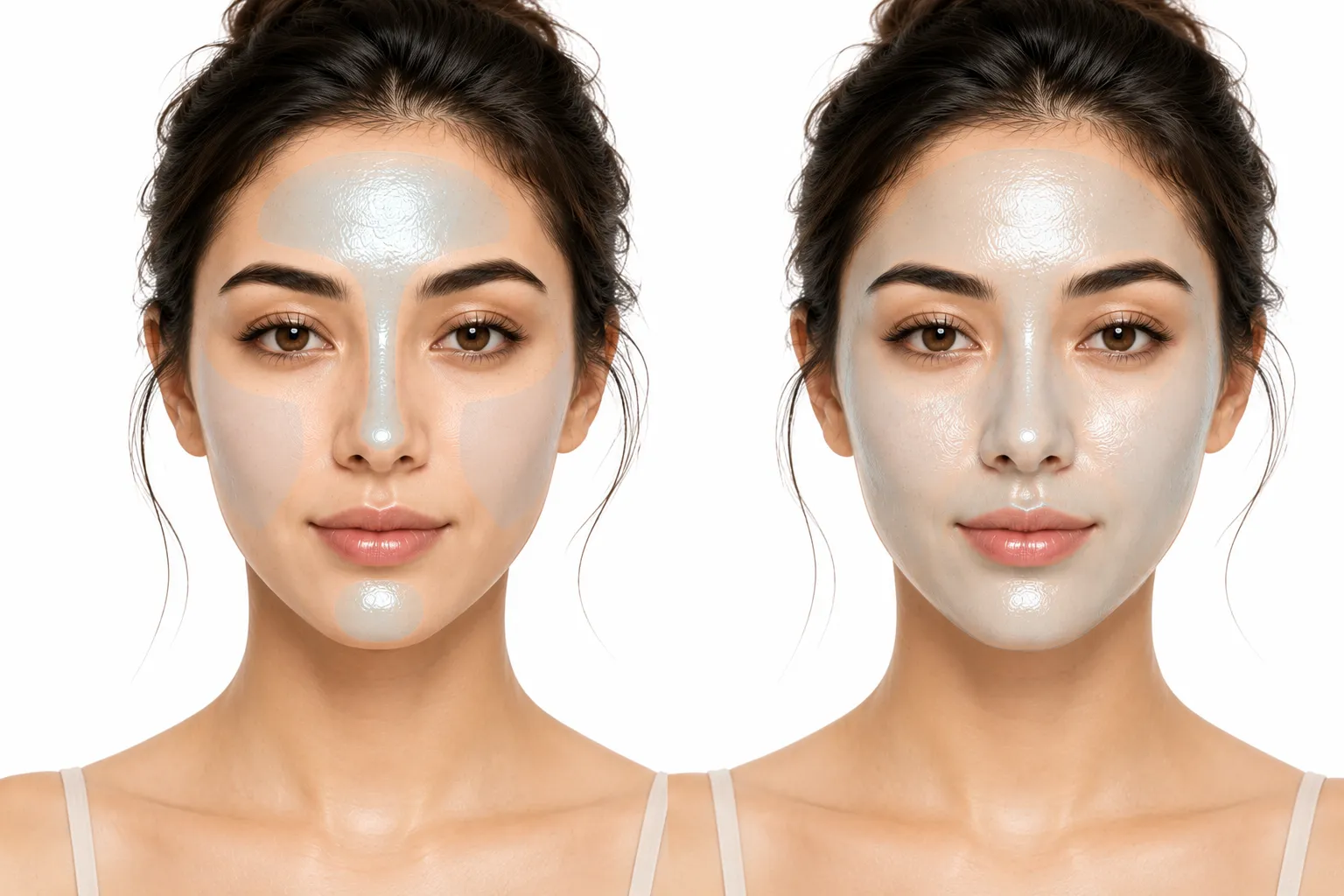
But what about your cheeks? If they're not oily, you might actually have combination skin - and that changes everything about how you should treat your face.

Is
The surprising thing is that Dove is not actually soap at all. It's a syndet bar, and that makes it a much better option for hard water than traditional soap.
Dove is one of the most recognizable bar cleansers on the market, but it's not actually soap. It's a syndet bar, or synthetic detergent bar. And that distinction makes all the difference when it comes to hard water.
Is
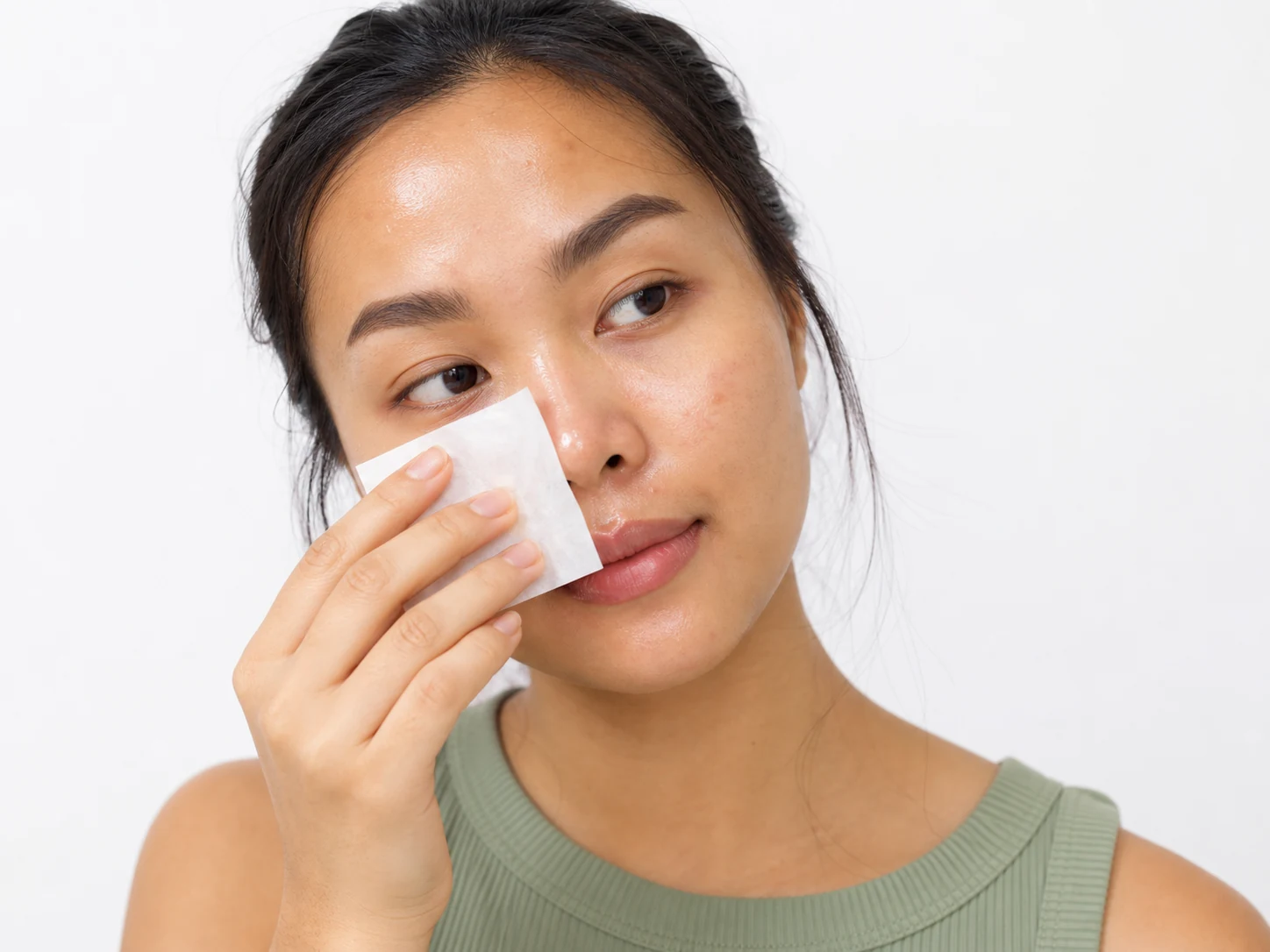
But is one actually "better" than the other, or are we just dissatisfied with what we have?
Is
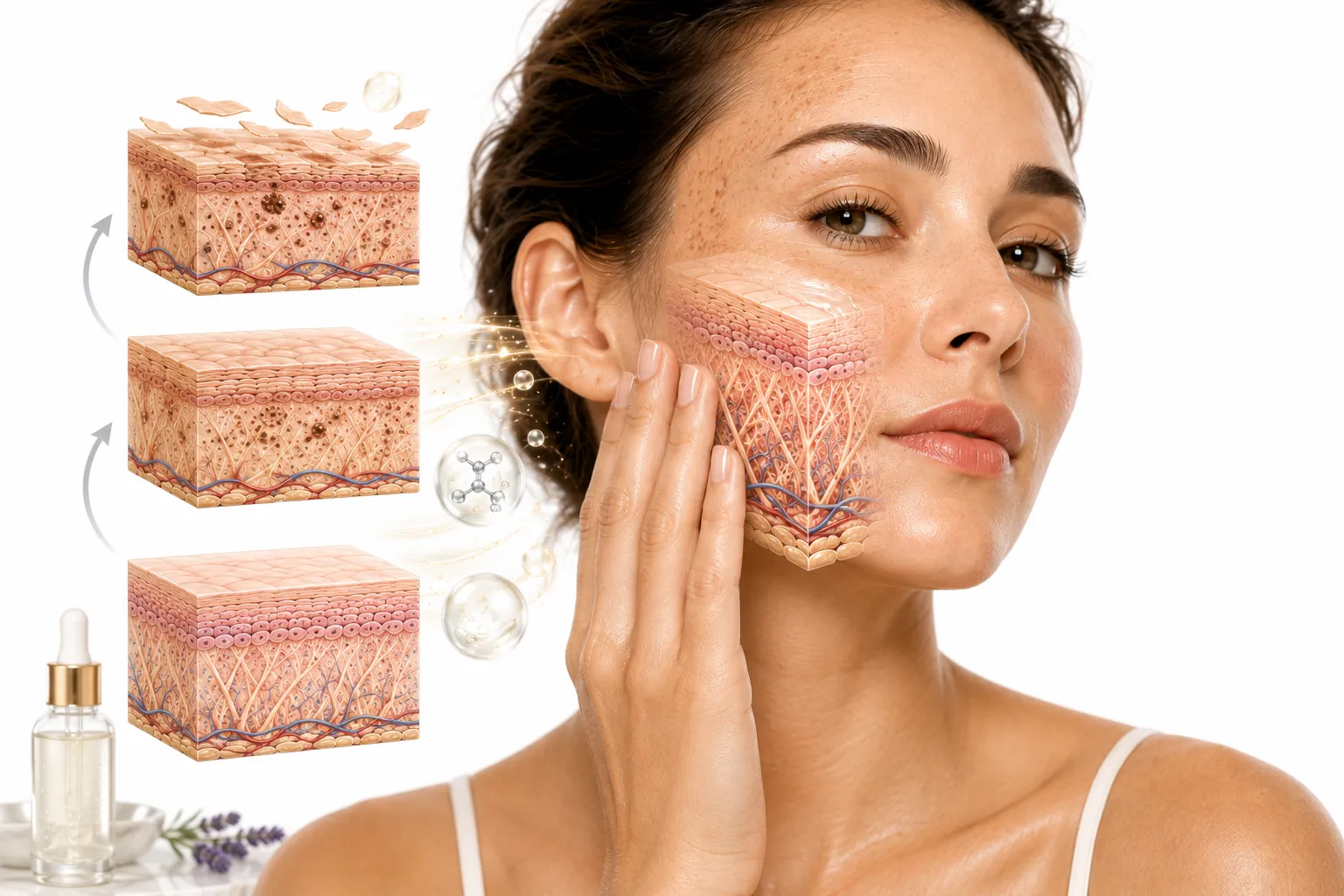
Glycolic acid is essentially a very efficient way of telling those cells it's time to go, clearing the buildup faster than skin would manage on its own.
Sun-damaged skin often looks duller and rougher than its age would suggest, largely because years of UV exposure leave behind a thicker, less orderly outer layer. Glycolic acid's whole job is clearing that layer away.

Is
But when that water is hard, it carries an invisible cargo of minerals that can wreak a surprising amount of havoc on your skin.

Is
One leaves a film, the other leaves you squeaky clean. One is rich in minerals, the other is stripped bare. So which one is better for your skin?

Is
But skin is remarkably resilient, and the damage from hard water is mostly superficial - it's a matter of barrier disruption, not fundamental change.
Is
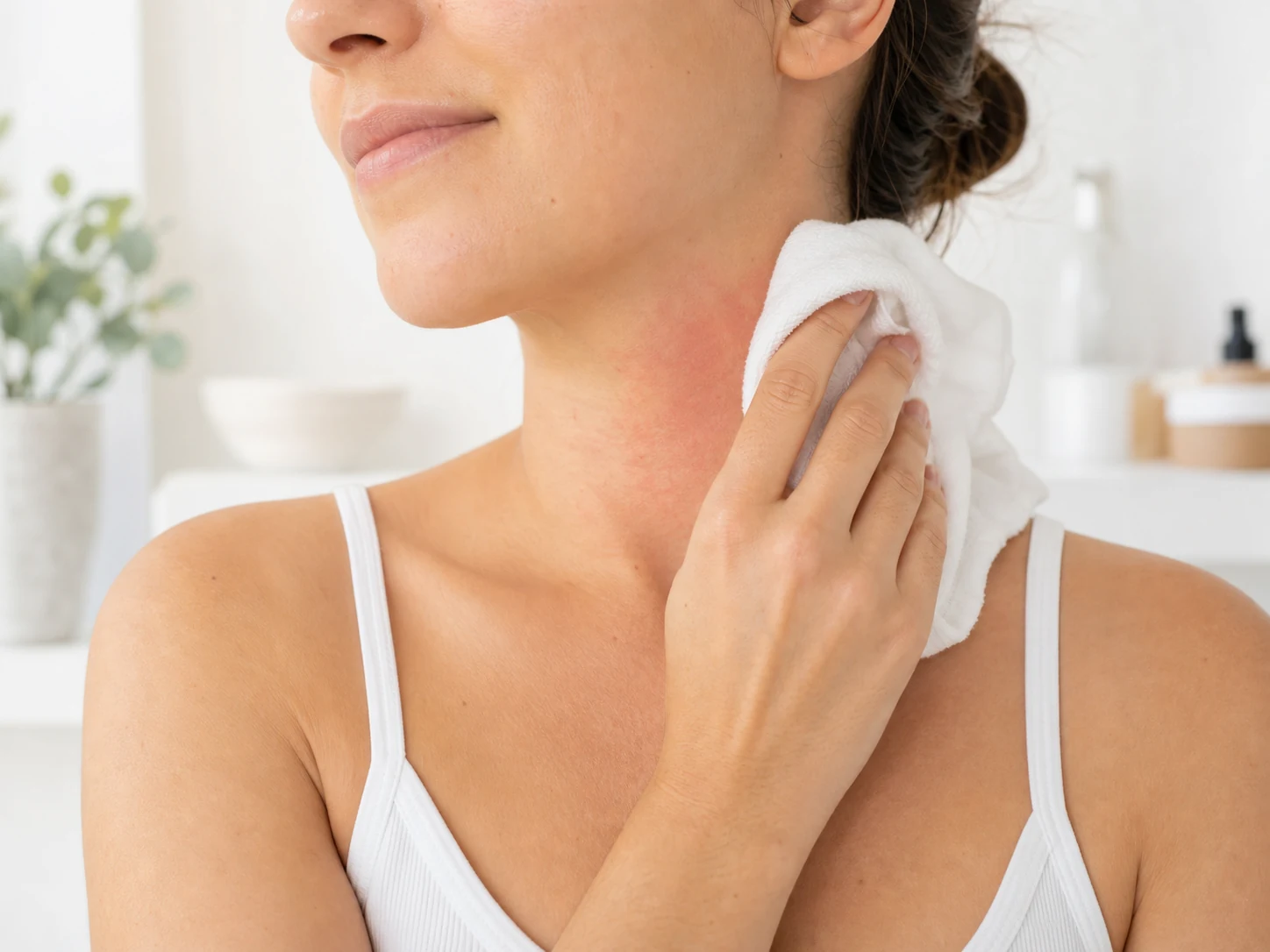
It looks red and bumpy, maybe even a little angry - the kind of thing that makes other people wonder if they should avoid you.
You look down at that familiar cluster of red bumps and wonder: can this spread to other people? The short answer is no - heat rash is not contagious. But that doesn't mean it can't look or feel like something that is.
Is
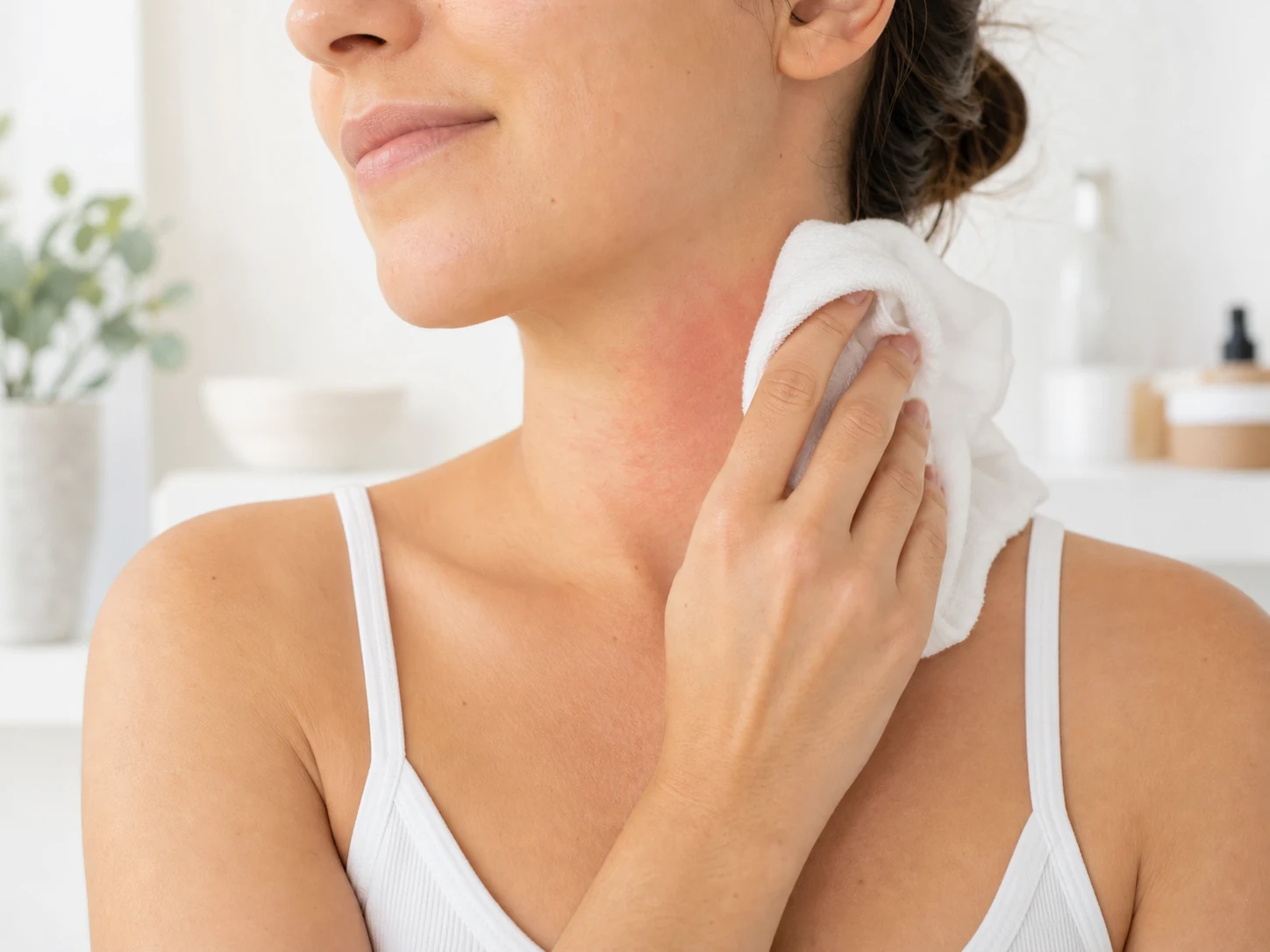
But what's actually happening in your skin to produce that maddening itch - and is it different from other kinds of itchiness?
Anyone who's had heat rash knows the feeling - that prickly, stinging, "I-can't-stop-scratching" sensation. The answer is yes: heat rash is often intensely itchy. But the itchiness is a sign of inflammation, not an infection.
Is
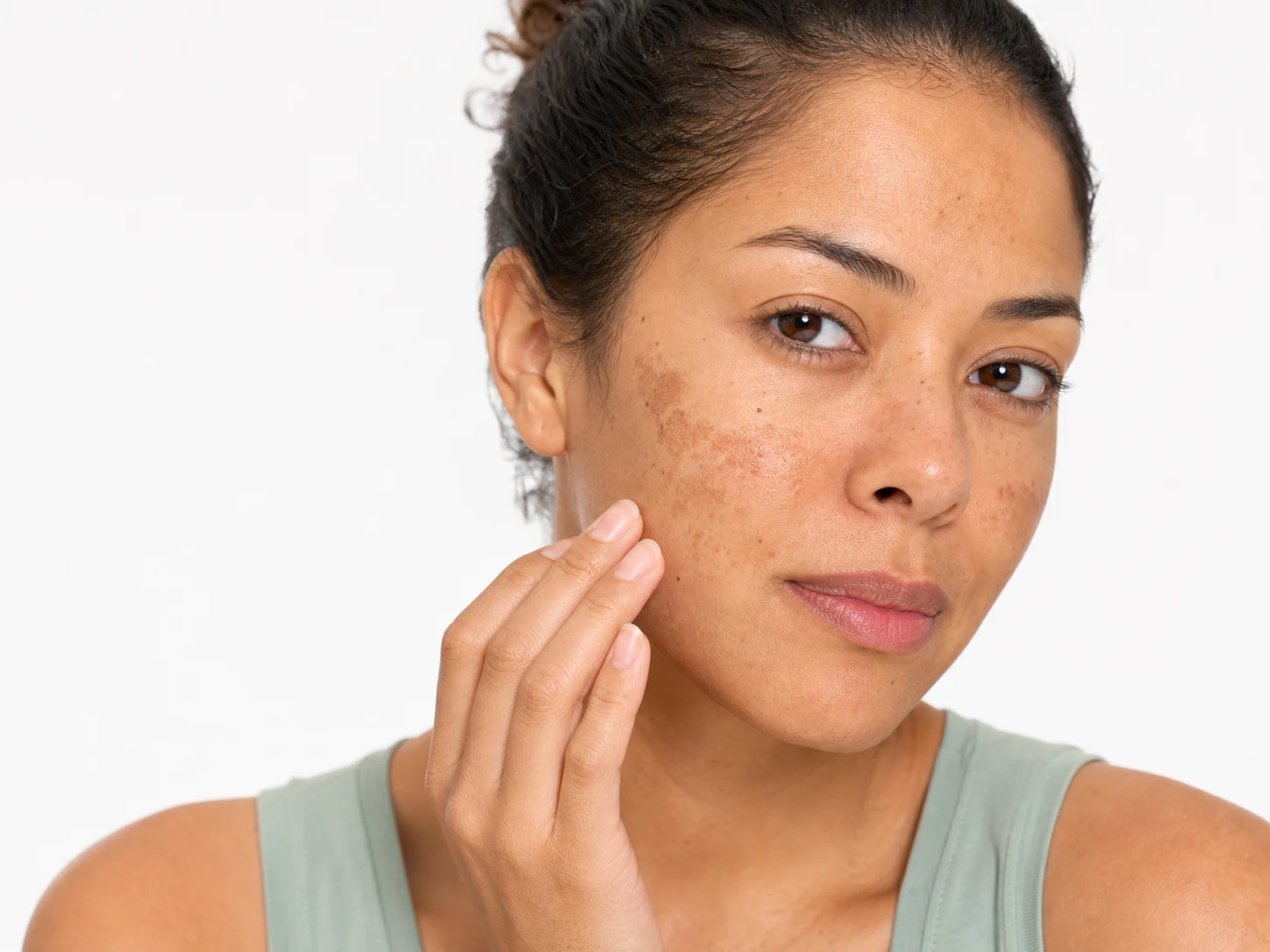
The vast majority of hyperpigmentation is completely harmless. But there are some spots that you should not ignore.
Is
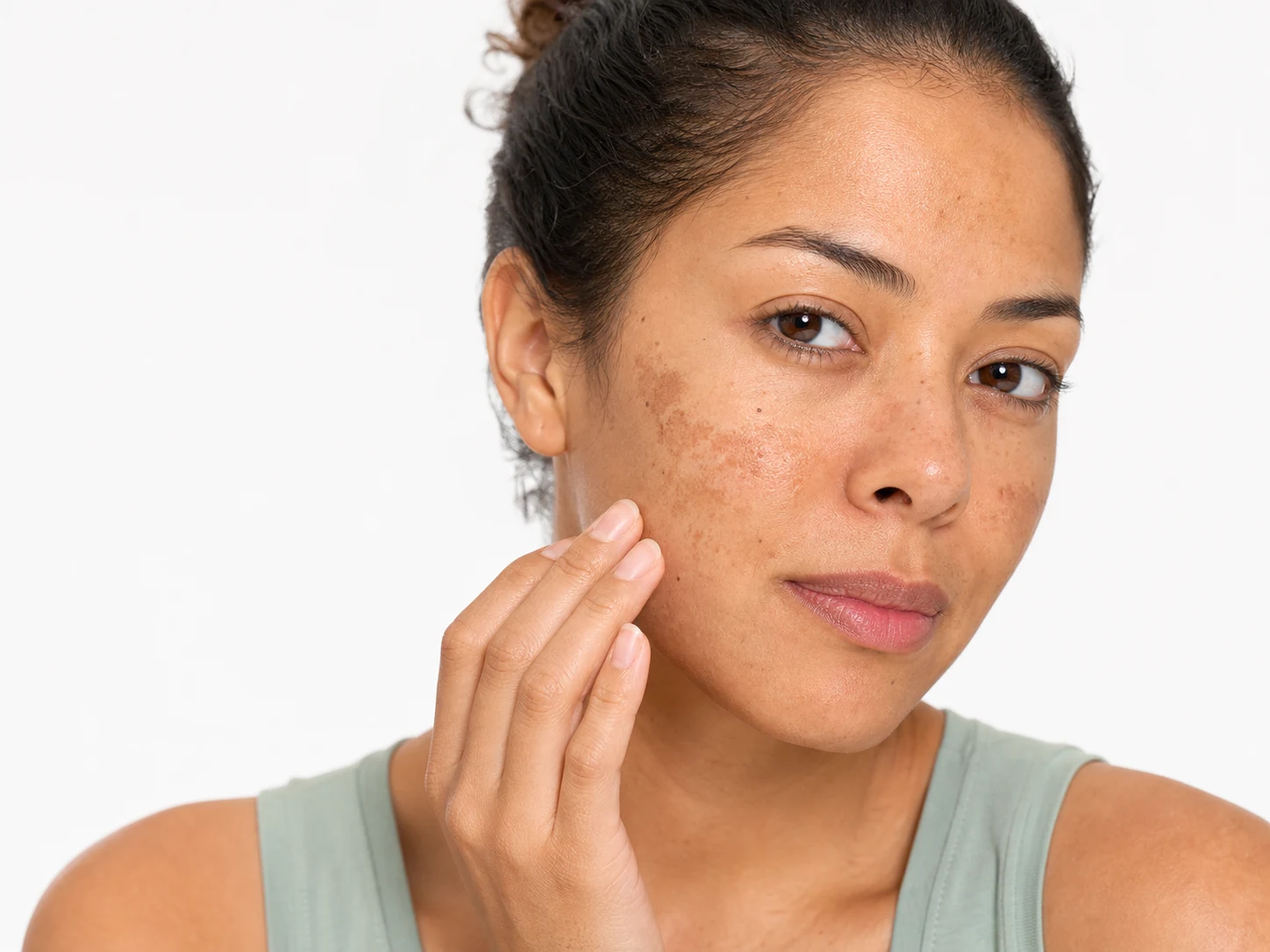
But calling hyperpigmentation a "scar" is a bit like calling a stain on your carpet a "tear" - one is a color issue, the other is a structural issue, and fixing them requires completely different approaches.
Is
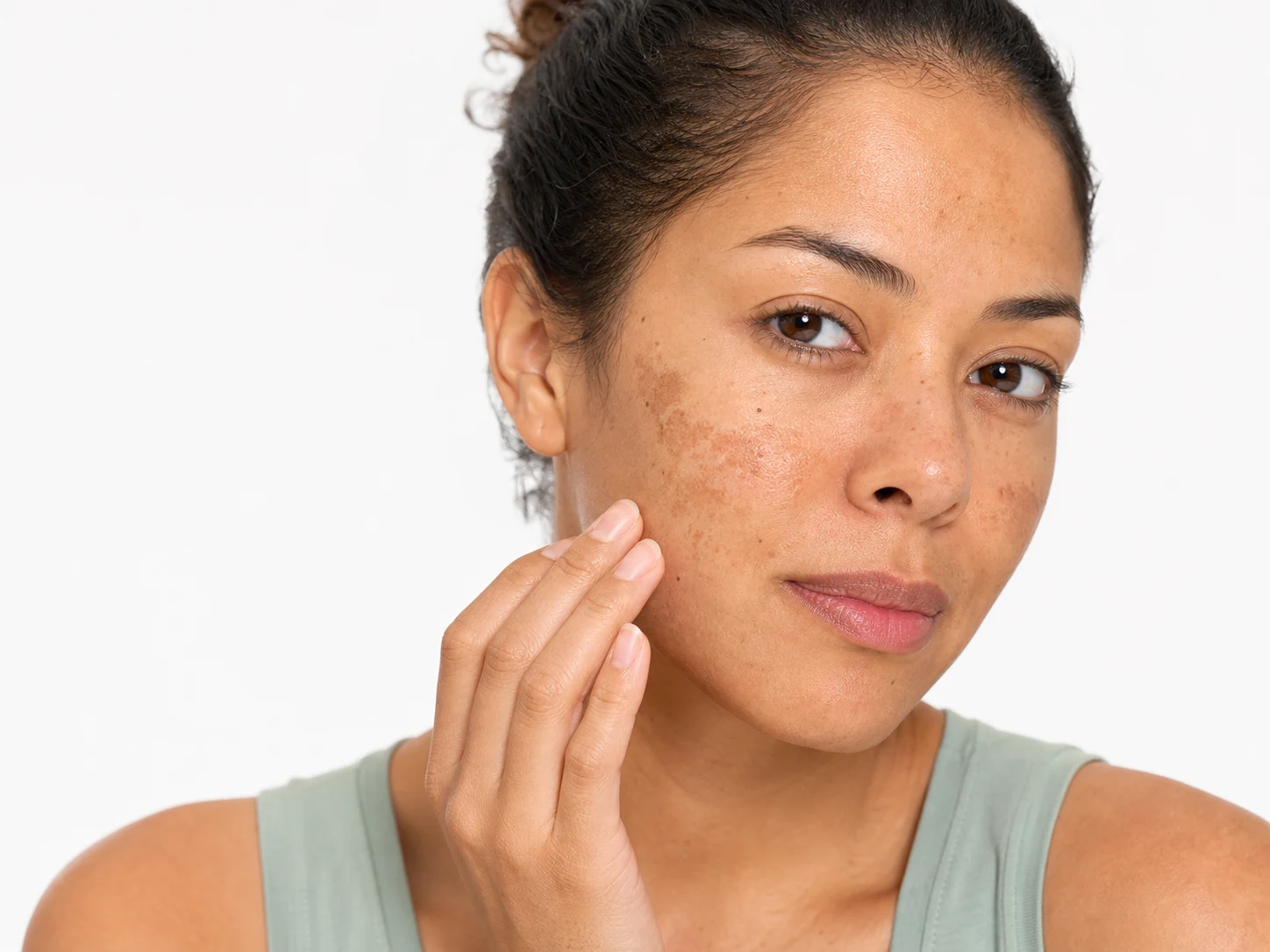
But in the world of skin science, they're not quite the same thing - one is a general category, the other is a specific example.
The terms are often used interchangeably, and they're certainly related, but hyperpigmentation and dark spots aren't exactly the same thing. Understanding the difference helps you figure out how to treat them.
Is
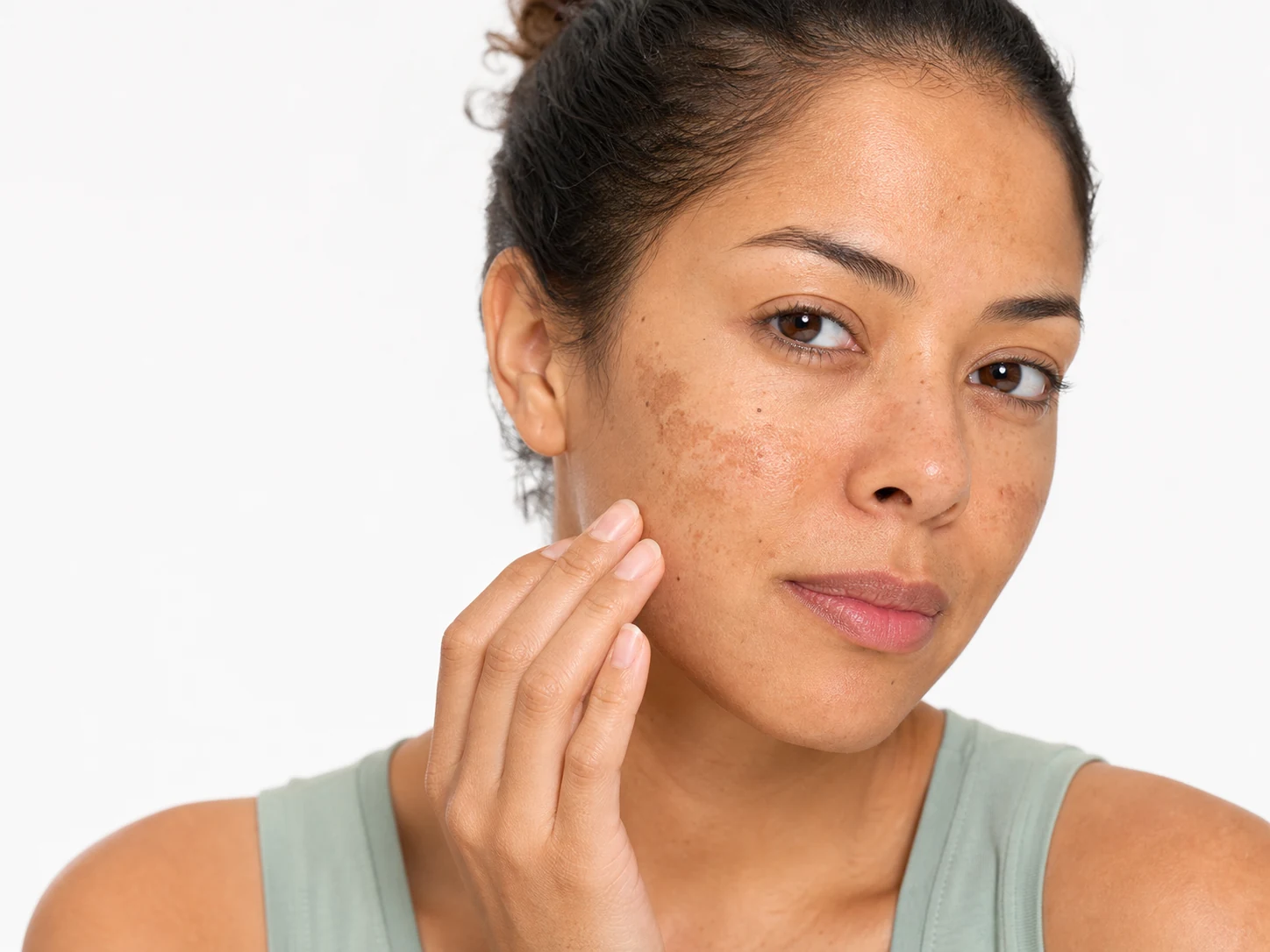
And while melasma is definitely a type of hyperpigmentation, it's not the same as other pigmentation issues. It's a specific beast with its own rules, triggers, and stubbornness.

Is
But dermatologists treat them as entirely different conditions, and for good reason.

Is
They sound so similar. They both involve pigment cells. They both appear on the skin. But that's where the resemblance ends.

Is
Melasma rarely does that. It is more like a chronic condition - something you manage rather than something you eliminate completely.
Melasma is one of the most stubborn skin conditions to treat. The honest answer about whether it is curable is a little complicated - but understanding the reality can save you a lot of frustration.

Is
And when you add in the fact that "melanoma" is a word that starts with almost the same letters, it's natural to worry.

Is
Hyperpigmentation is the umbrella. Melasma is one specific thing under that umbrella - and it behaves very differently from the others. Treating all pigmentation as if it's the same is a recipe for disappointment.

Is
Is melasma really permanent, or is there a way out?

Is
But stubborn is not the same as untreatable. There are genuinely effective approaches that can make a visible difference - often a dramatic one.
If you have been wondering whether melasma is treatable, the answer is a qualified yes. The condition is stubborn, but there are proven approaches that can make a real difference.
Is
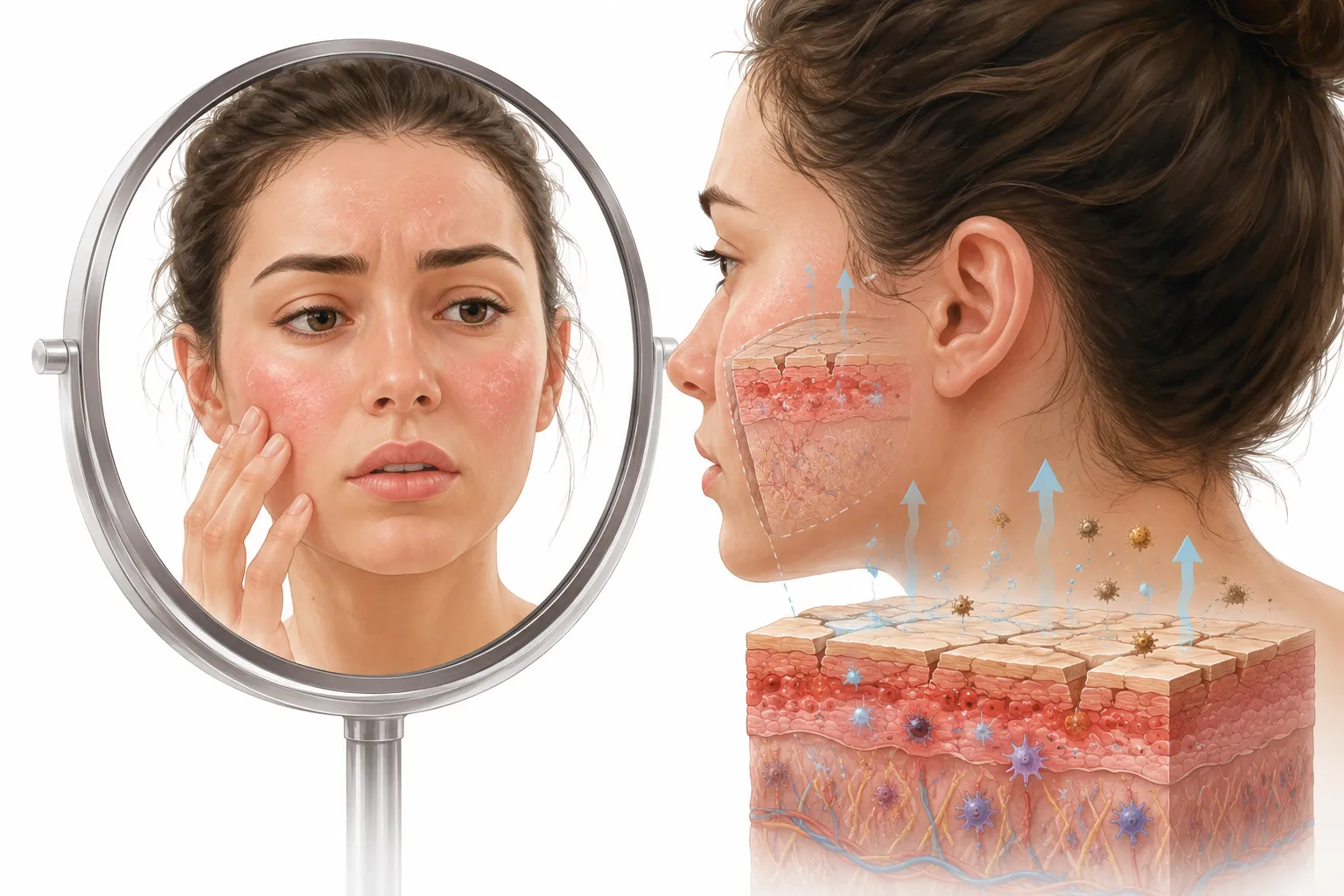
When the mortar cracks, water escapes, irritants get in, and your skin feels like it's under siege.
Is
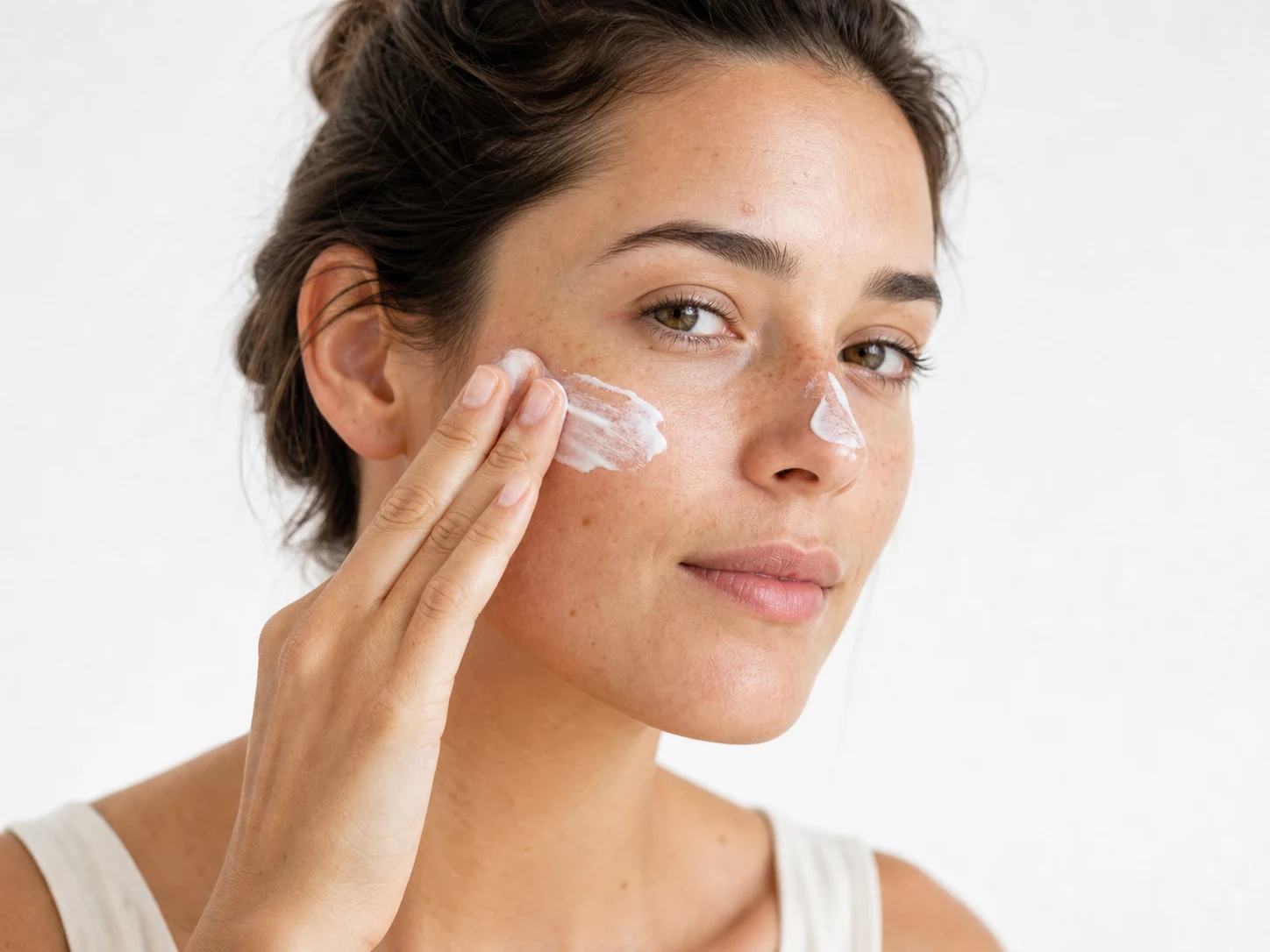
And because it's found in many skincare products alongside actual acids, it's easy to assume it's part of that family.
Is
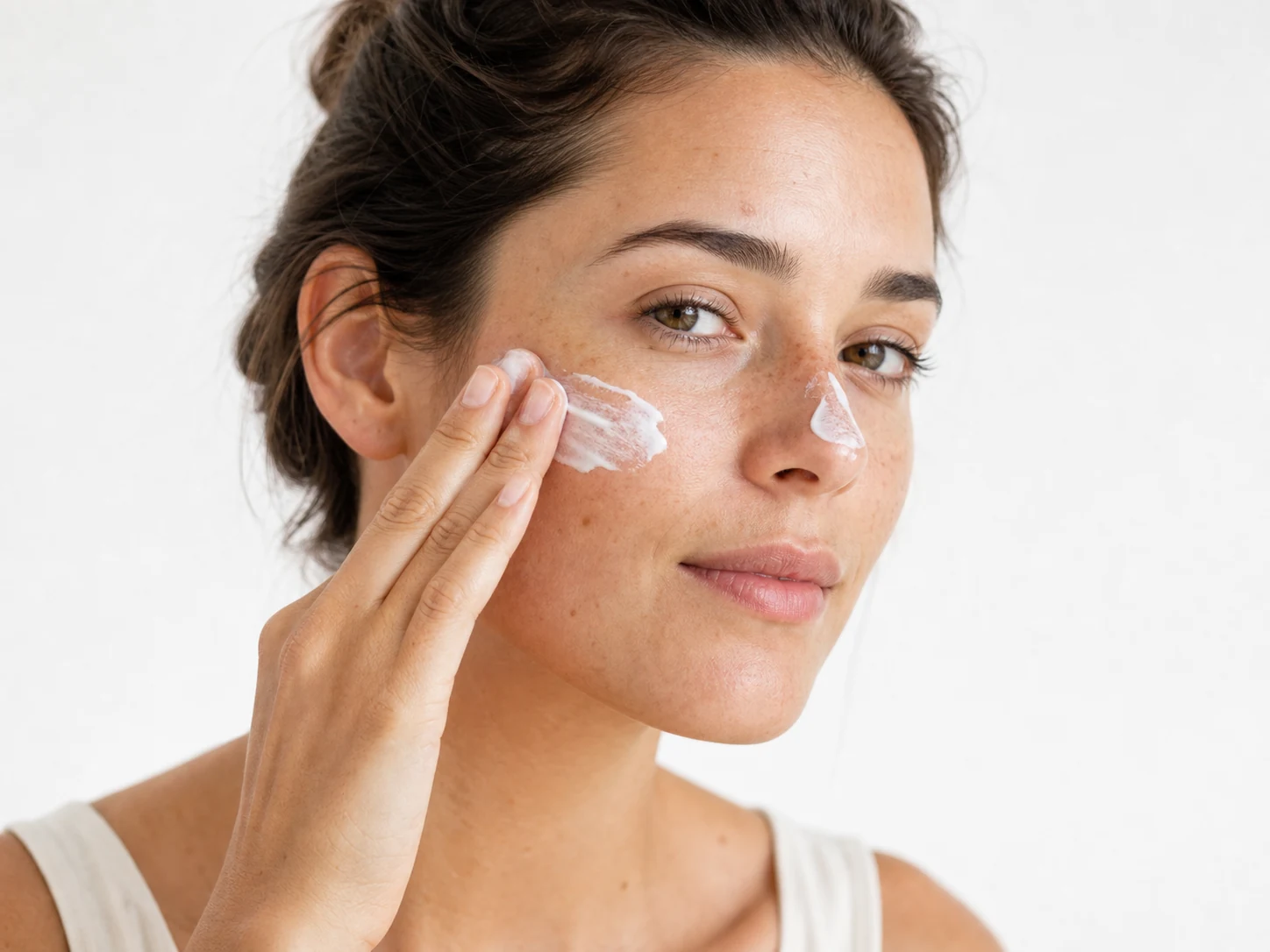
Does niacinamide qualify as an active ingredient, or is it just a nice-to-have?
The term "active ingredient" can be a bit slippery in skincare. By the strictest definition, niacinamide is an active ingredient - it delivers a biological effect in the skin and has scientific evidence to back it up.
Is
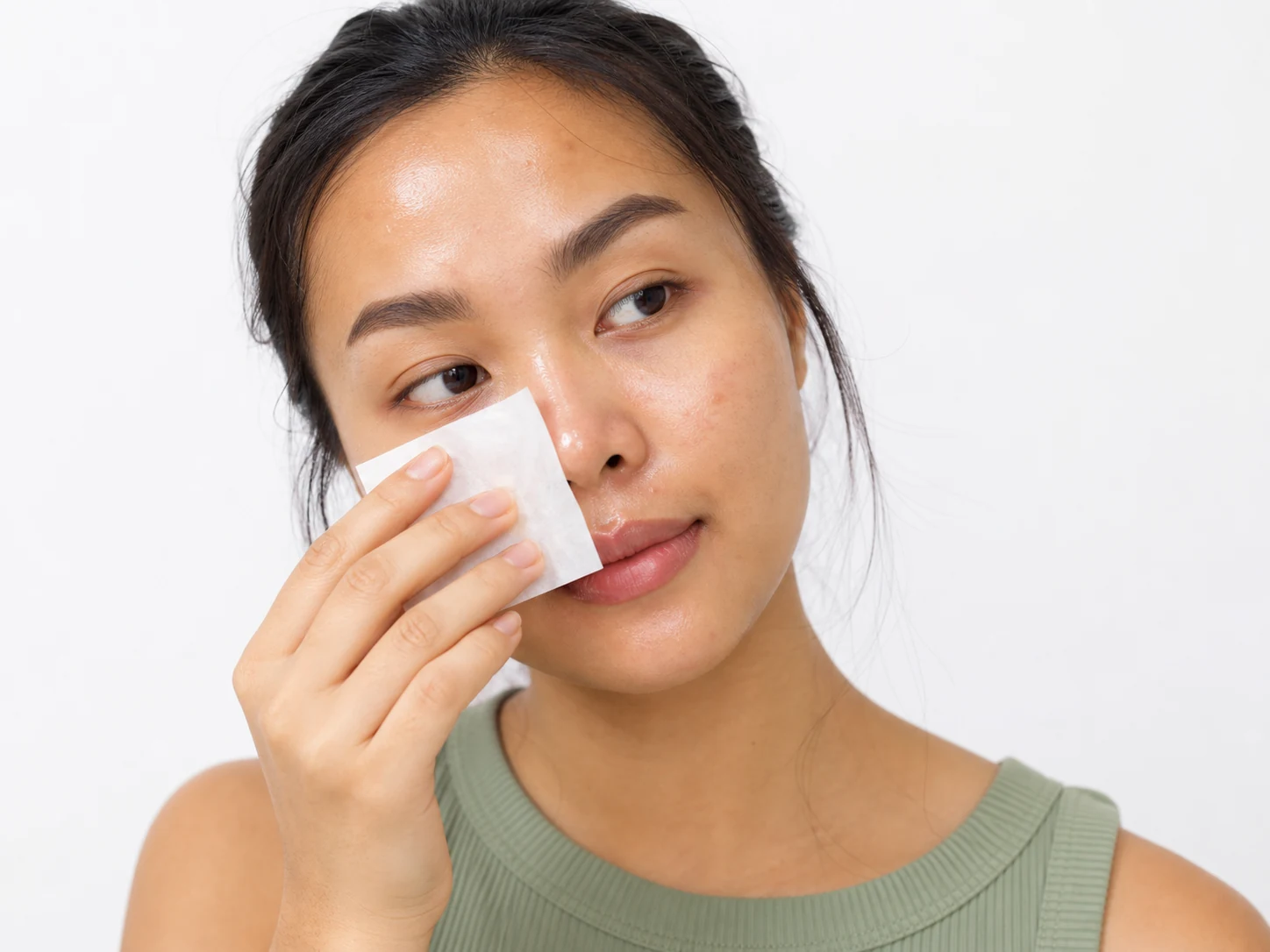
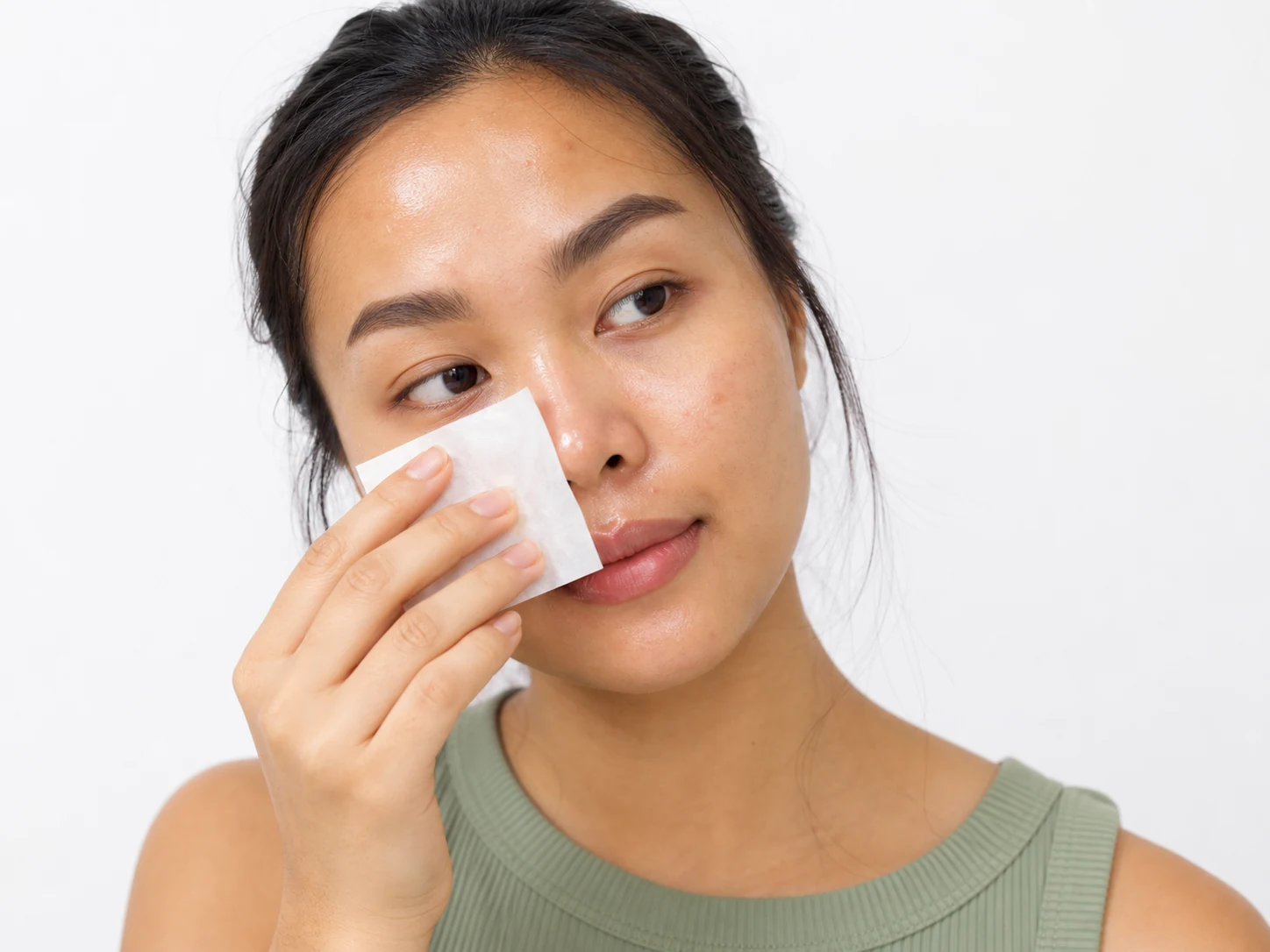
For oily skin, it's a sebum regulator. For dry skin, it's a barrier supporter. The same ingredient, different functions.
Niacinamide is one of the most versatile skincare ingredients, and it works for all skin types. But its benefits for oily and dry skin are different - one is about oil control, the other about barrier support.
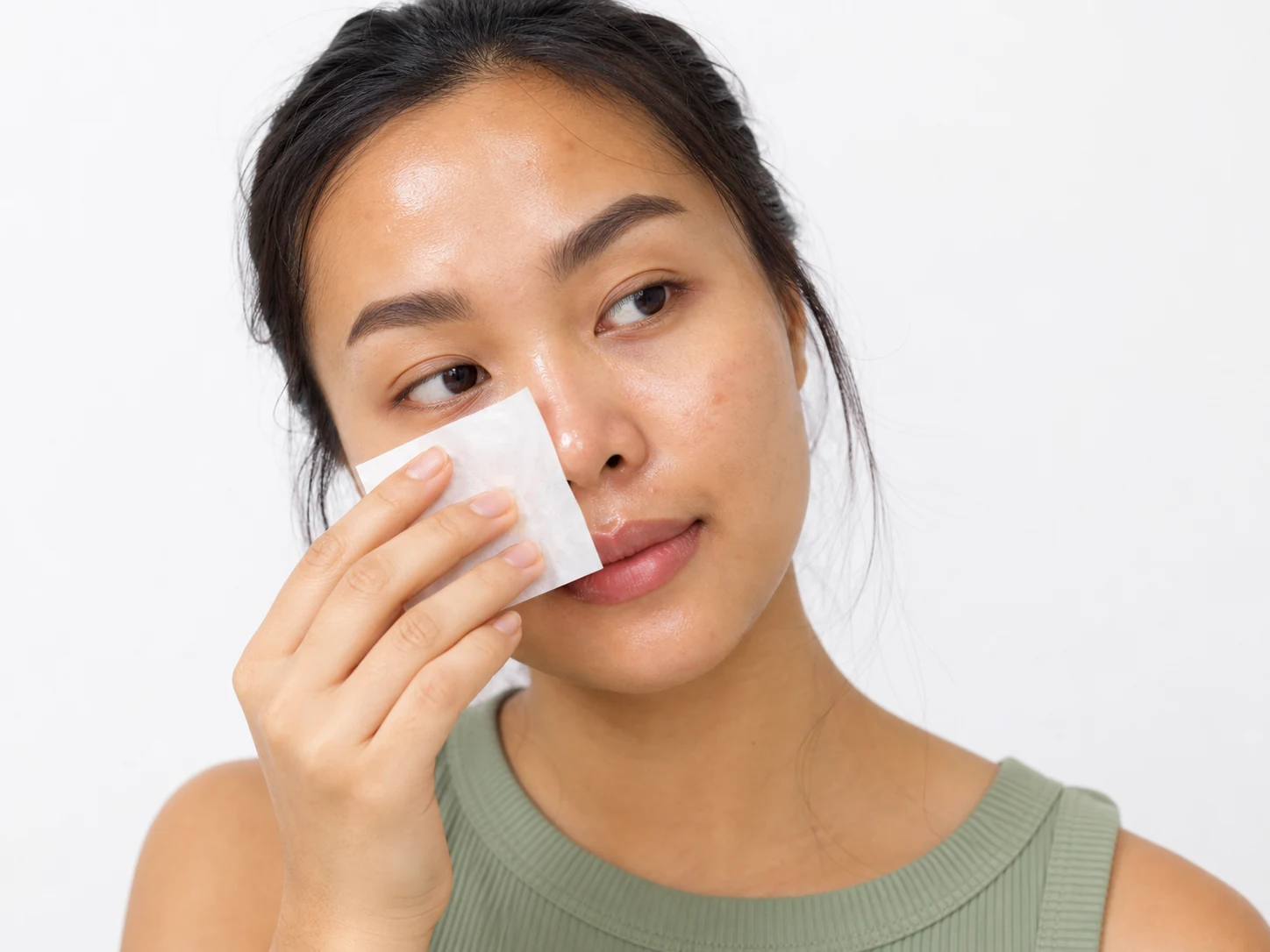
Is
Niacinamide solves this puzzle by doing both - calming the skin while preventing the conditions that cause breakouts.
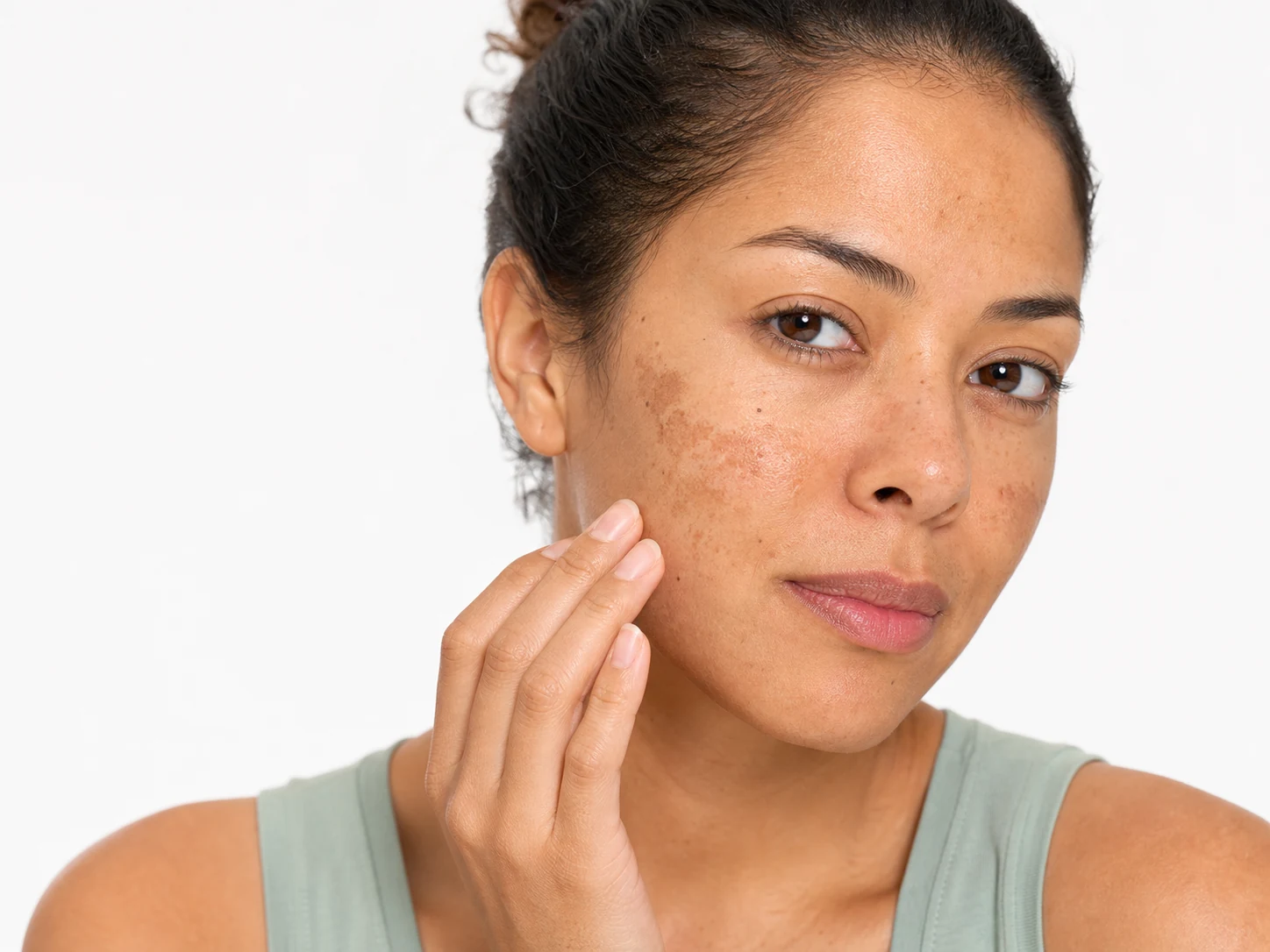
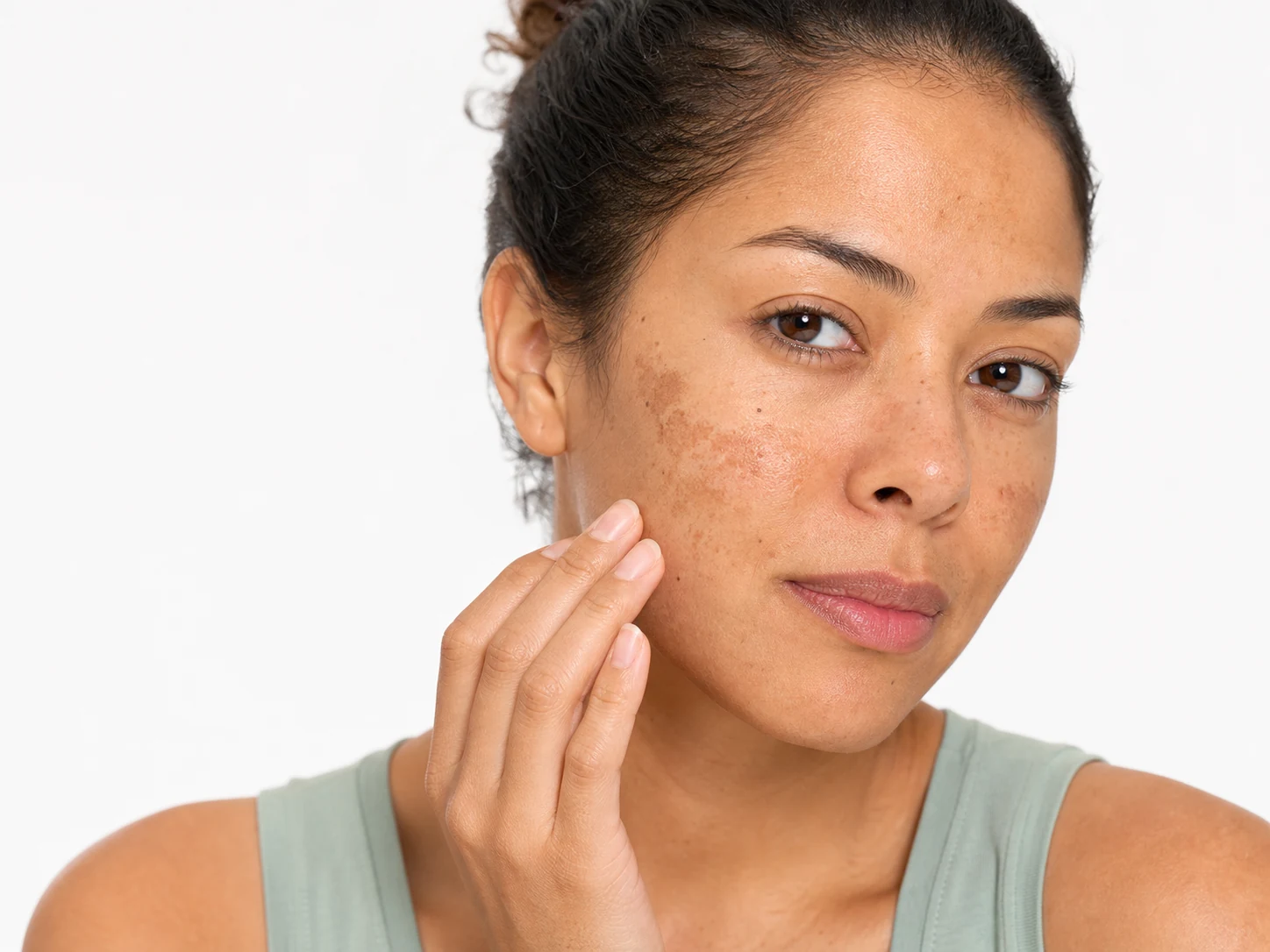
Is
These marks, known as post-inflammatory hyperpigmentation, are the body's overzealous response to inflammation - and niacinamide is particularly good at stopping this process.
Is
Most acne treatments tackle only one of these factors, but niacinamide manages to address three at once.
Is
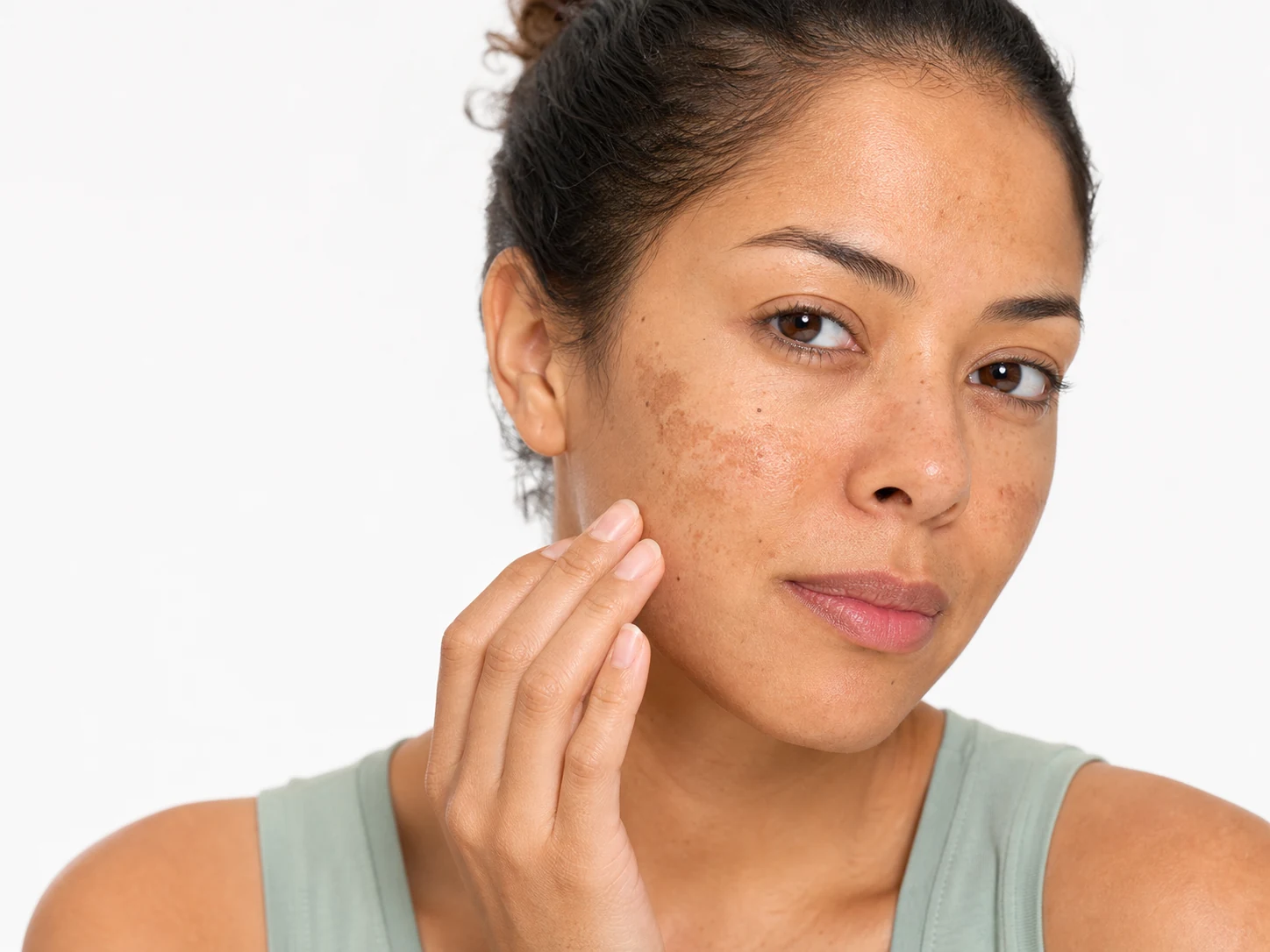
The truth is more straightforward: niacinamide works on dark skin just as it works on light skin - and in some ways, it's even more valuable.
Niacinamide doesn't discriminate by skin tone. It's equally effective on dark skin as it is on lighter skin, and its safety profile makes it particularly valuable for treating hyperpigmentation concerns common in darker skin types.
Is
Niacinamide does almost the opposite - it doesn't strip or peel; it just quietly intercepts pigment on its way to the surface.
Is
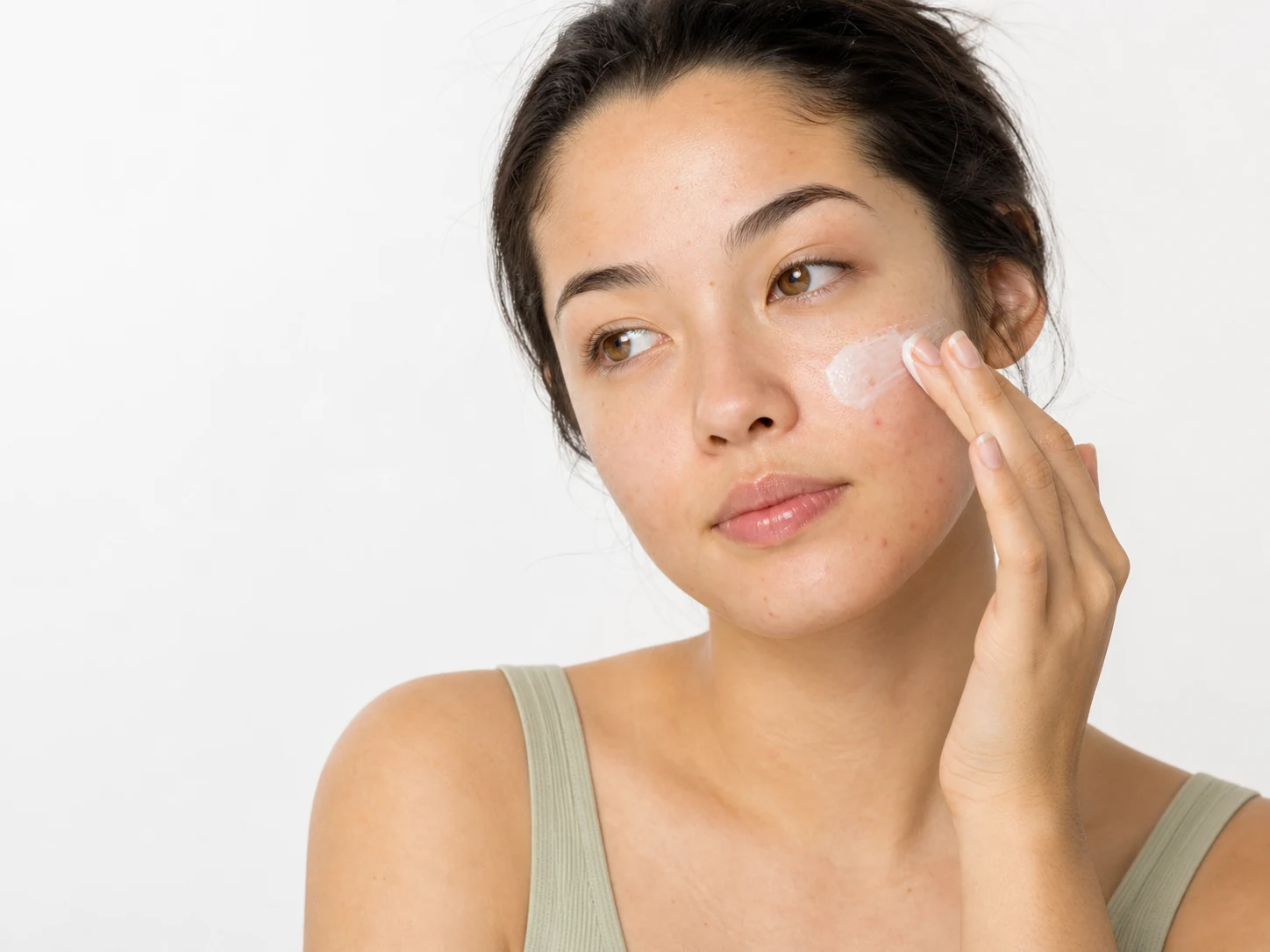
But a closer look reveals that it might be one of the most valuable ingredients for dry skin - not by adding moisture, but by making skin better at holding onto it.
Niacinamide is often recommended for oily skin, but it's equally valuable for dry skin. Its ability to strengthen the skin barrier and improve moisture retention makes it a surprising ally for those dealing with dryness and flakiness.
Is
But they can appear smaller, and niacinamide is one of the few ingredients that actually helps with that.
Is
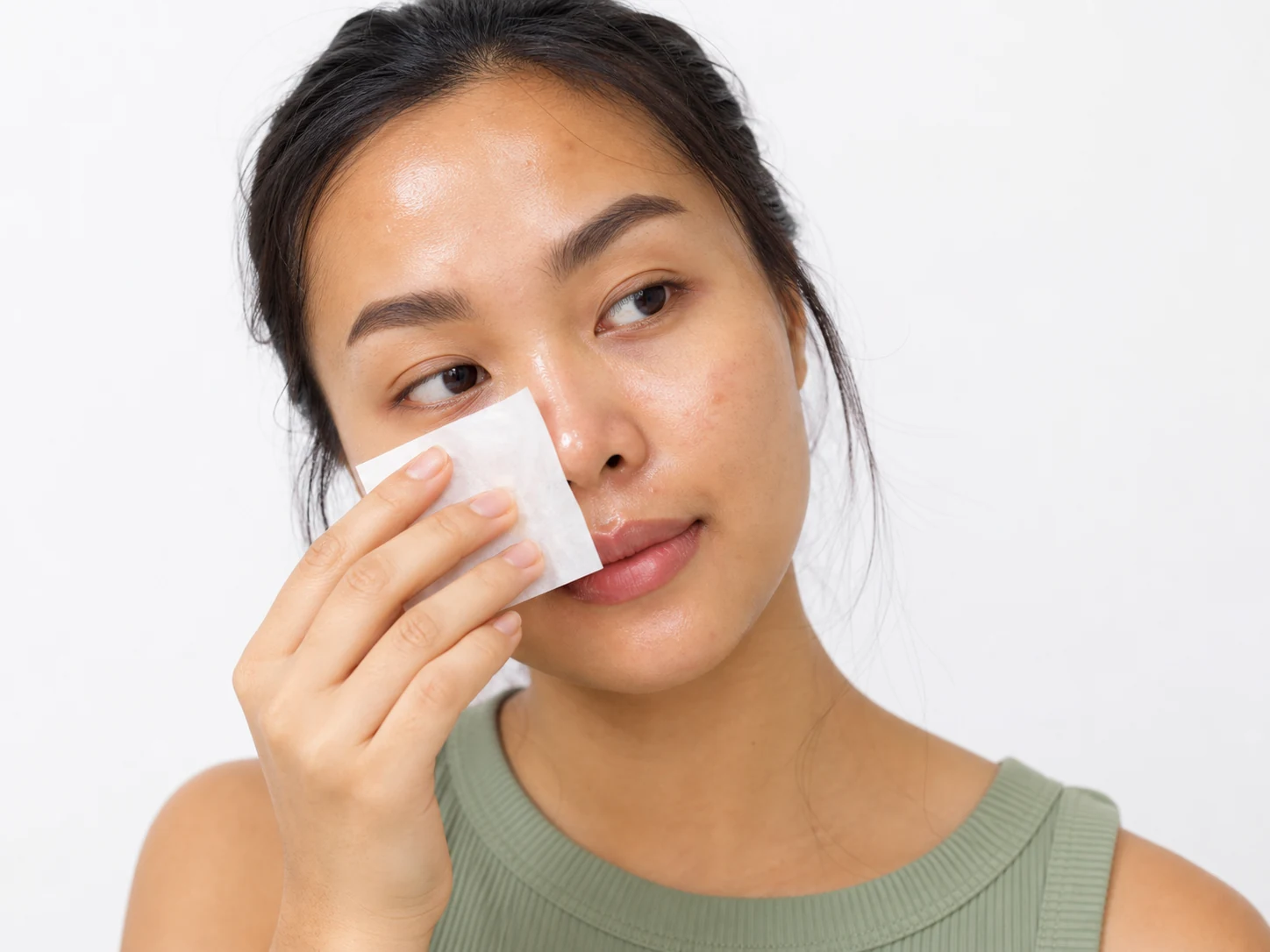
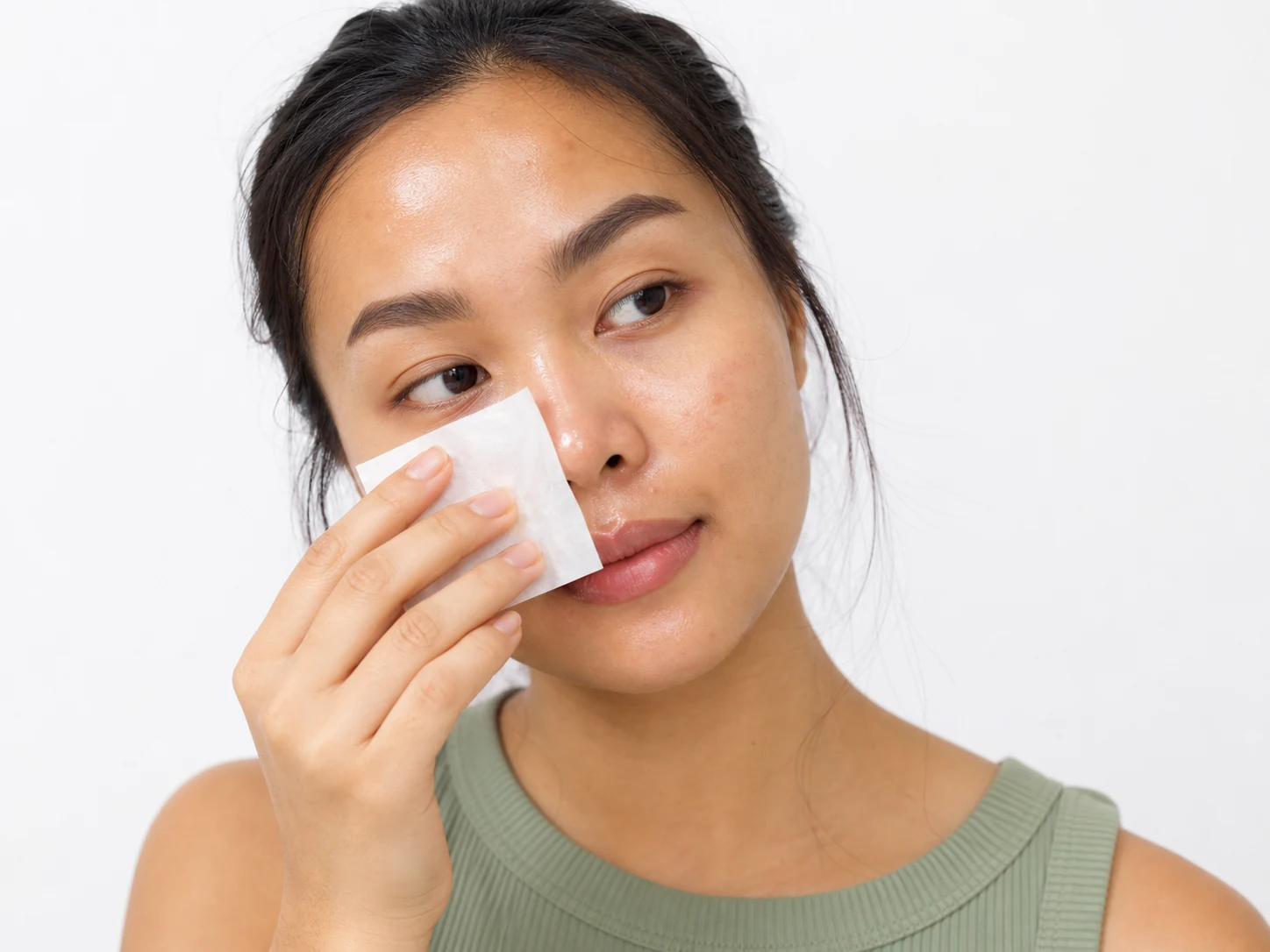
But niacinamide takes a more intelligent approach - it tells the sebaceous glands to produce less oil in the first place.
Niacinamide is often the first ingredient dermatologists recommend for oily skin - and for good reason. It tackles the root cause of oiliness at the source, reducing sebum production without stripping or irritating the skin.
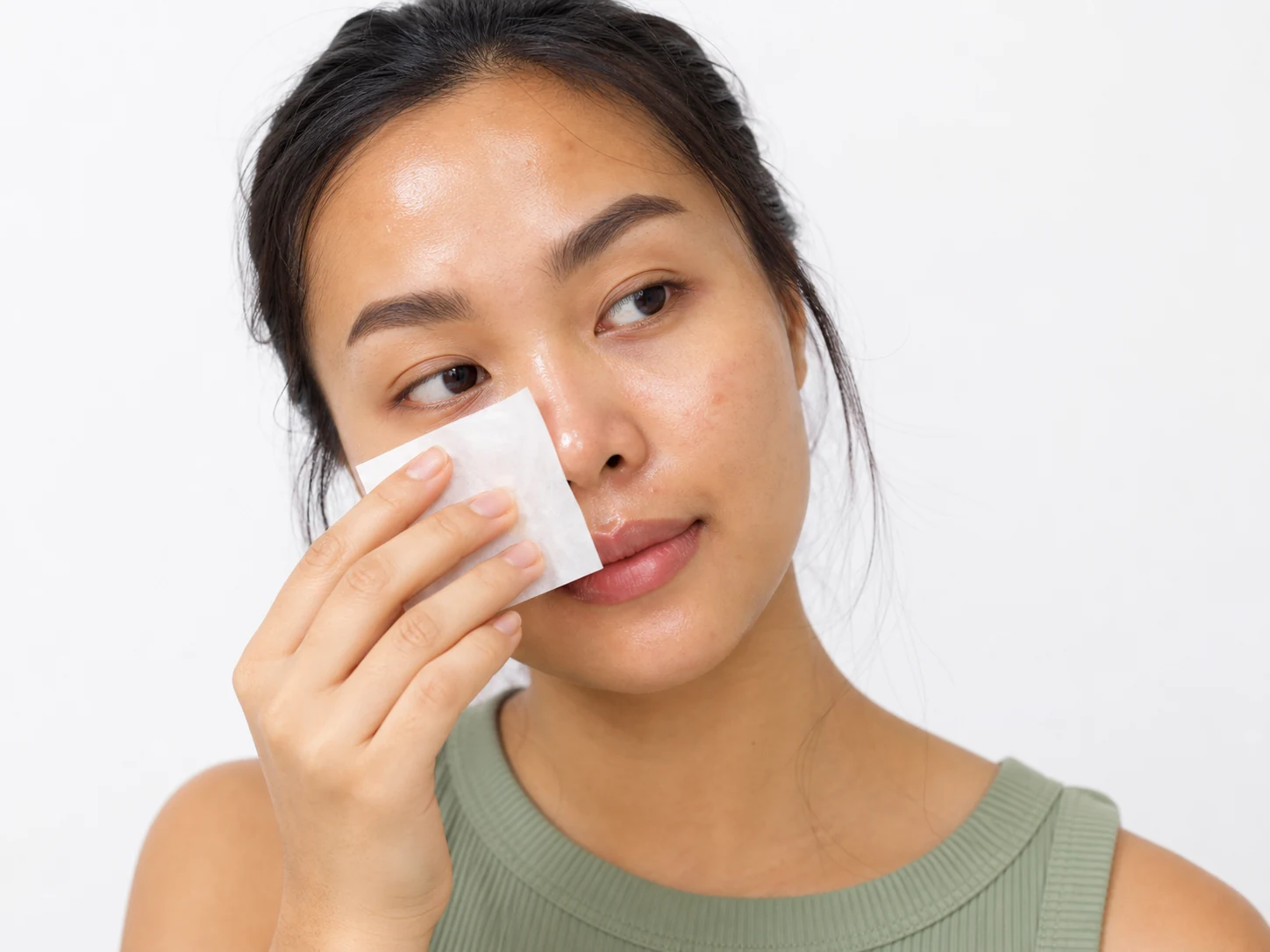
Is
Niacinamide doesn't close pores, but it does make them look smaller by addressing the oil and elasticity issues that make them visible.
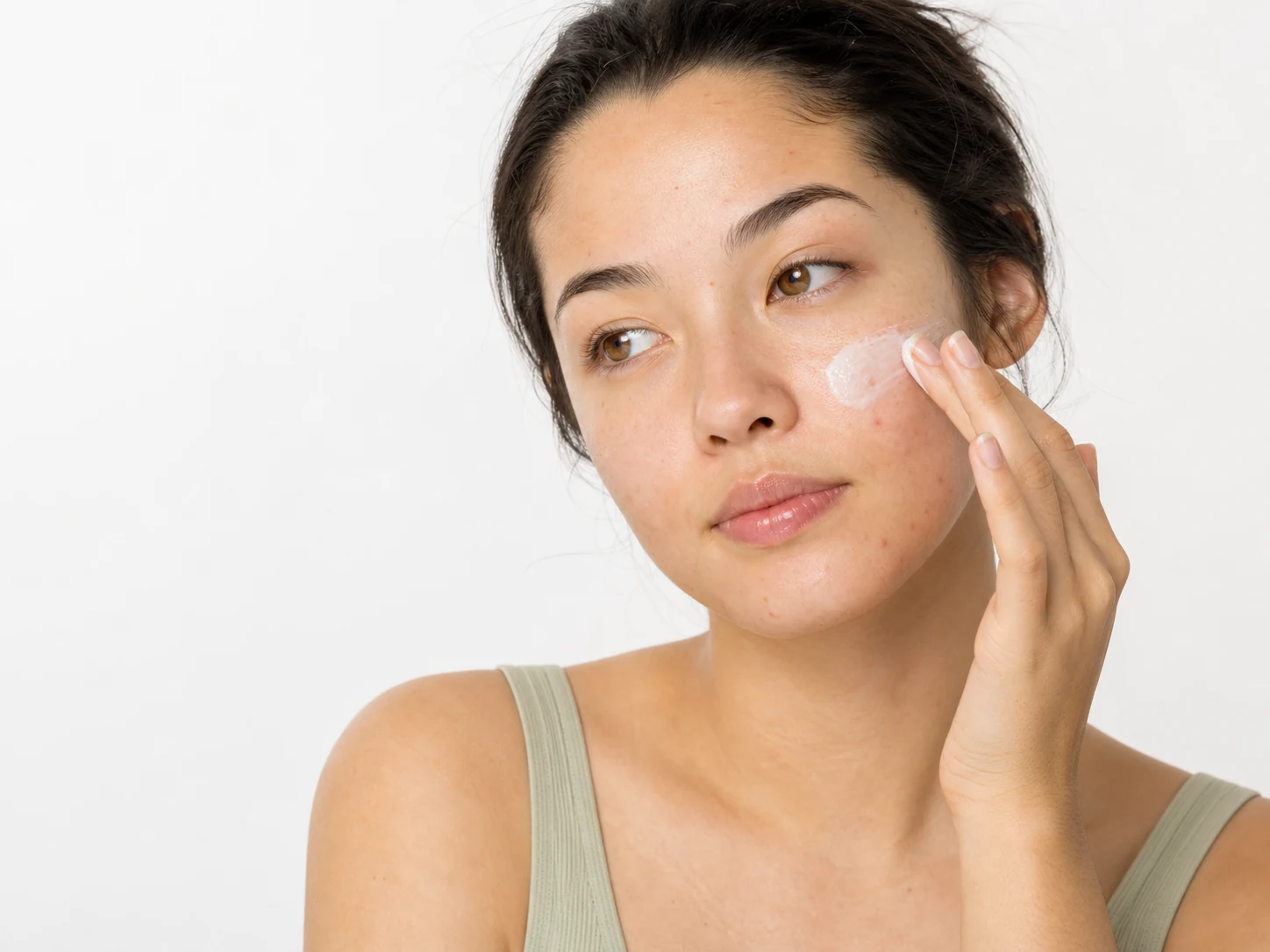
Is
But niacinamide is one of the rare exceptions - an ingredient that actively calms the skin while treating it.
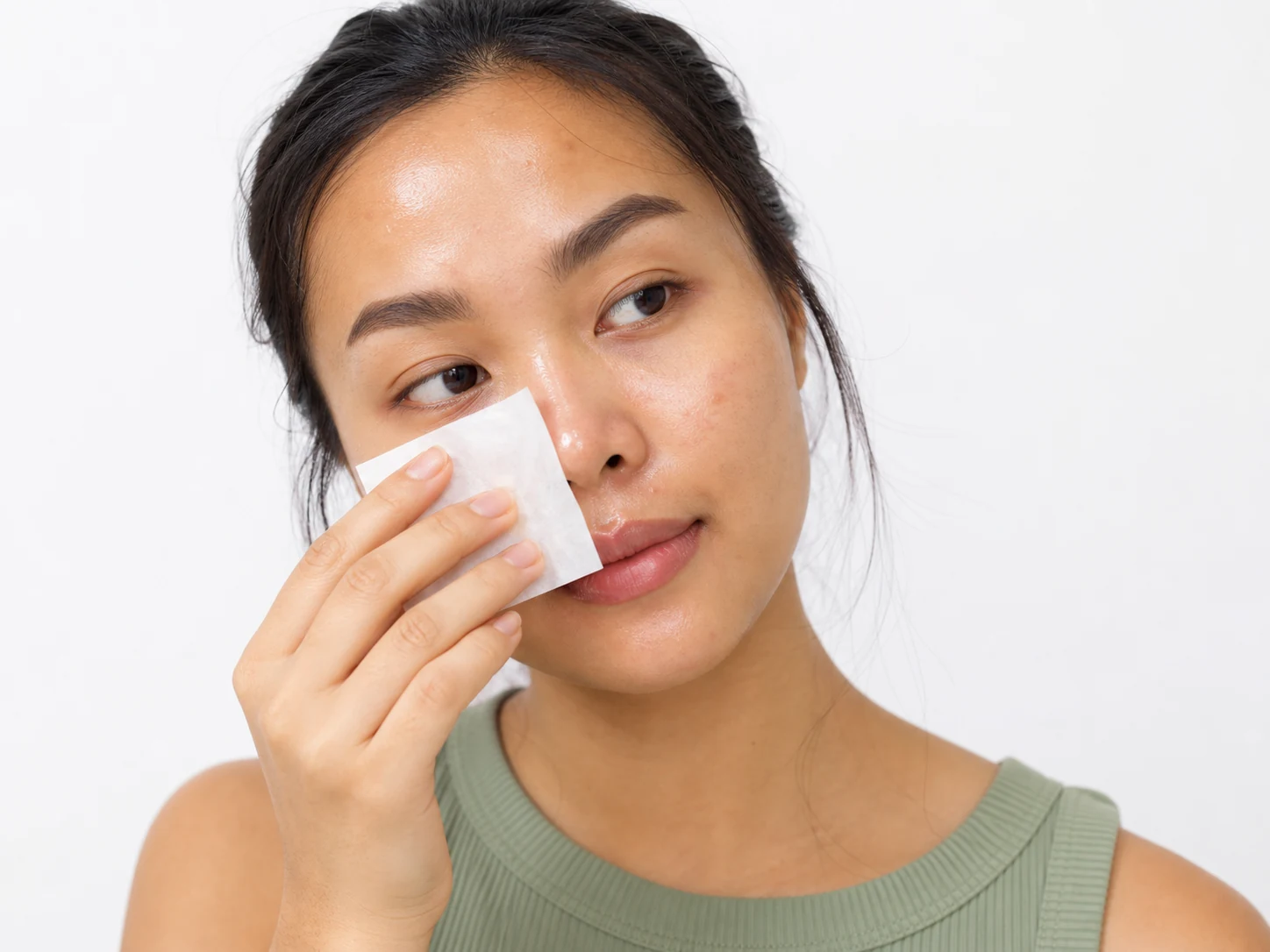
Is
You've tried acids, you've tried peels, and they're still there, defiant as ever.
Is
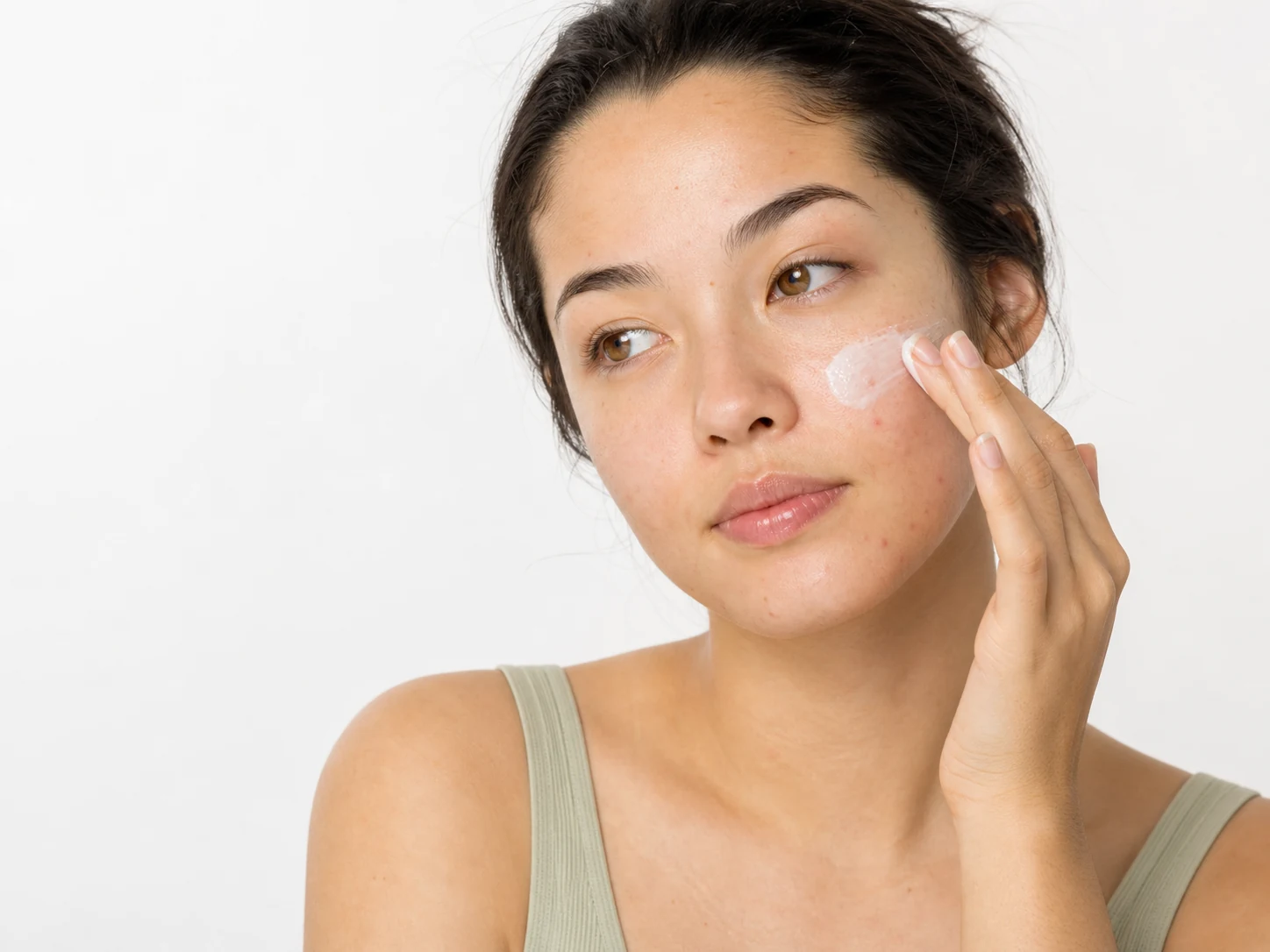
Niacinamide seems to have about five jobs - and it does all of them well.
Niacinamide is one of skincare's most versatile ingredients - it does a bit of everything. But unlike jack-of-all-trades products that master nothing, niacinamide actually delivers on its promises.
Is
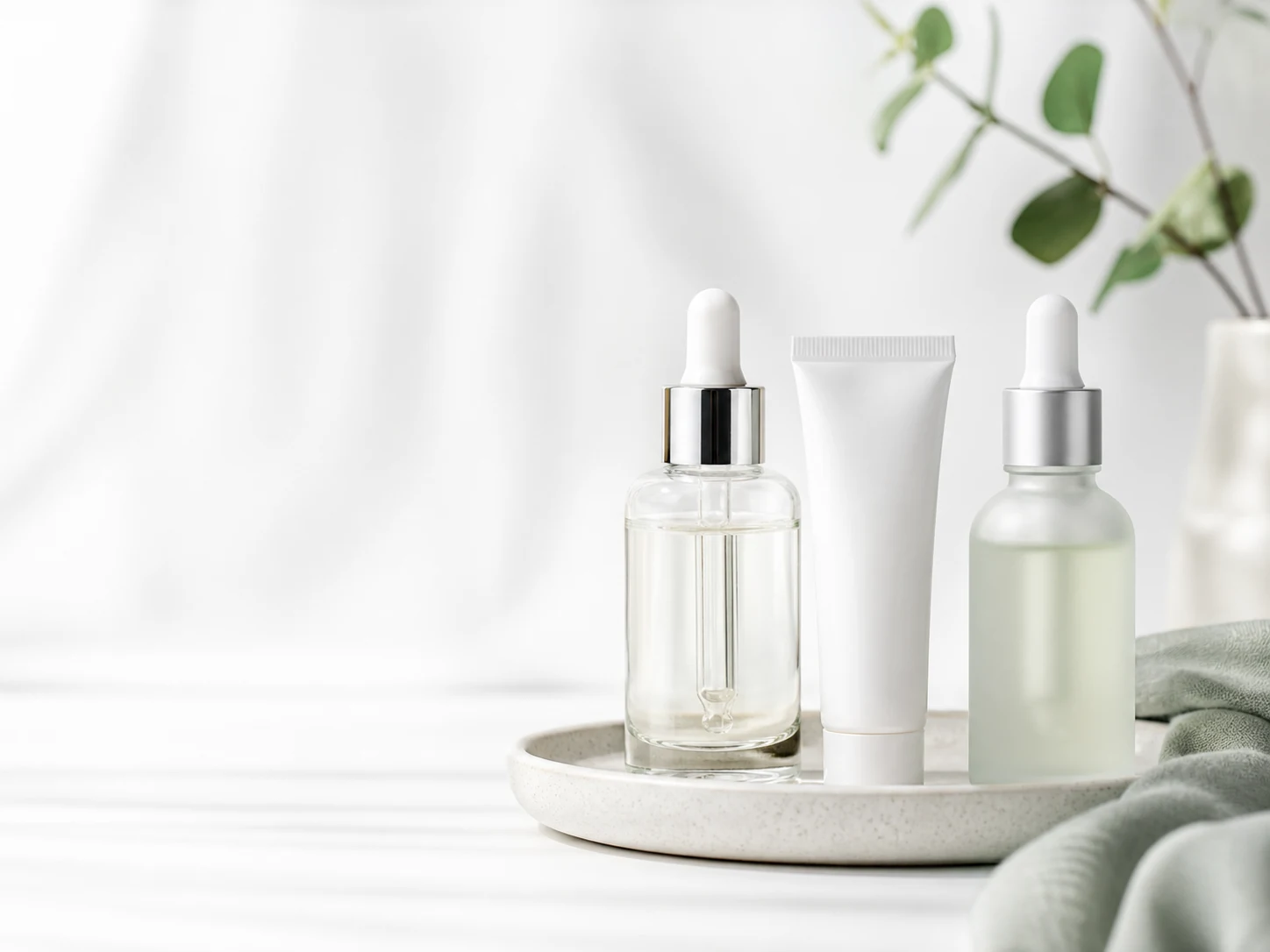
In fact, niacinamide serum can be a game-changer for dry skin - it just needs to be used differently.
Niacinamide serum is often marketed to oily skin types, but it can be a valuable addition to dry skin routines. The key is choosing the right formulation and layering it correctly with moisturizers.
Is
Some people talk about the ingredient and the brand like they're the same thing.
Is
One is a state of balance, the other is a state of variation. They're not the same thing.
Is
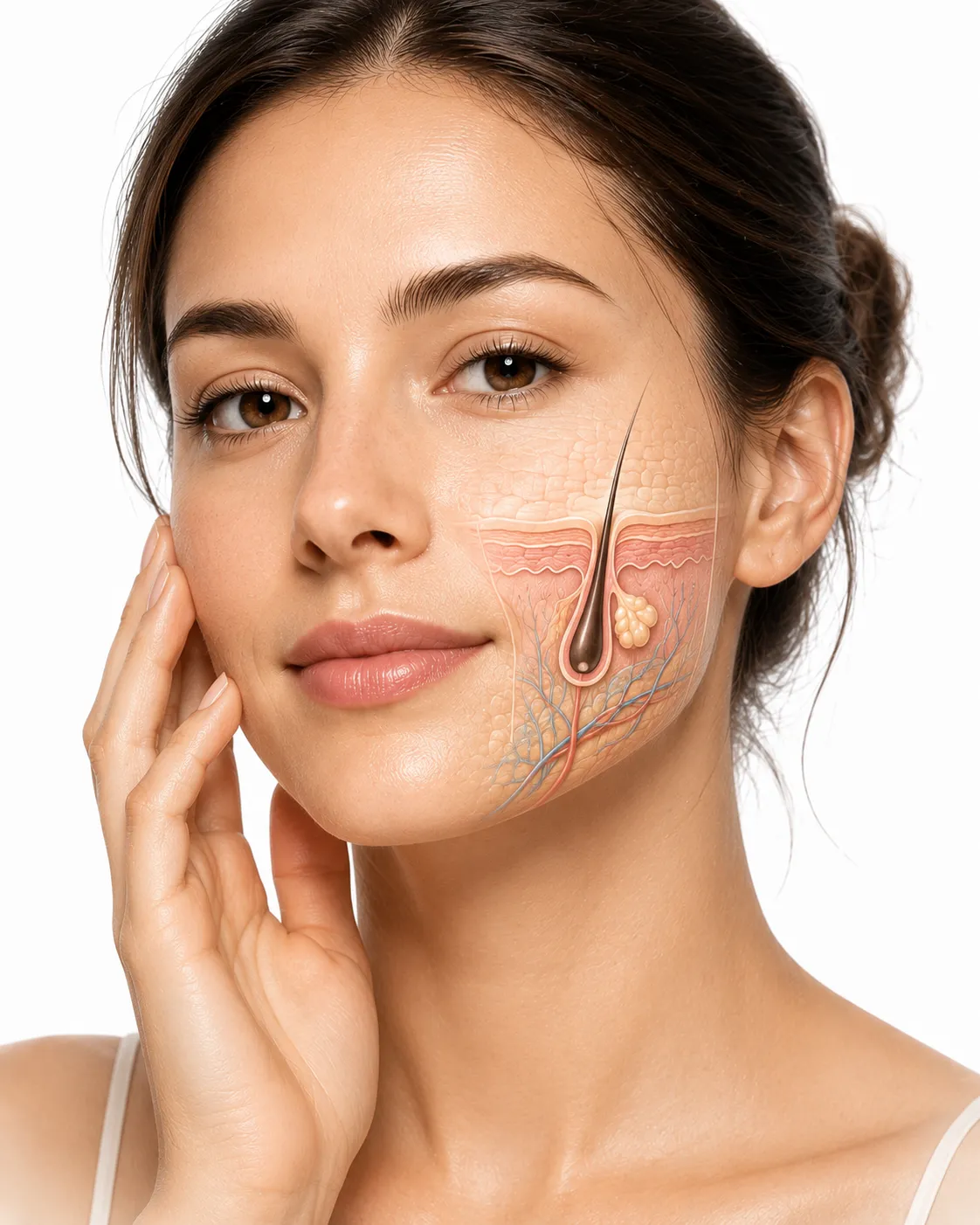
One is balanced; the other is lacking. The difference comes down to oil production and barrier function.
Normal skin and dry skin are often confused, but they're different. One is a state of balance; the other is a state of deficiency. Understanding the difference is key to effective skincare.
Is
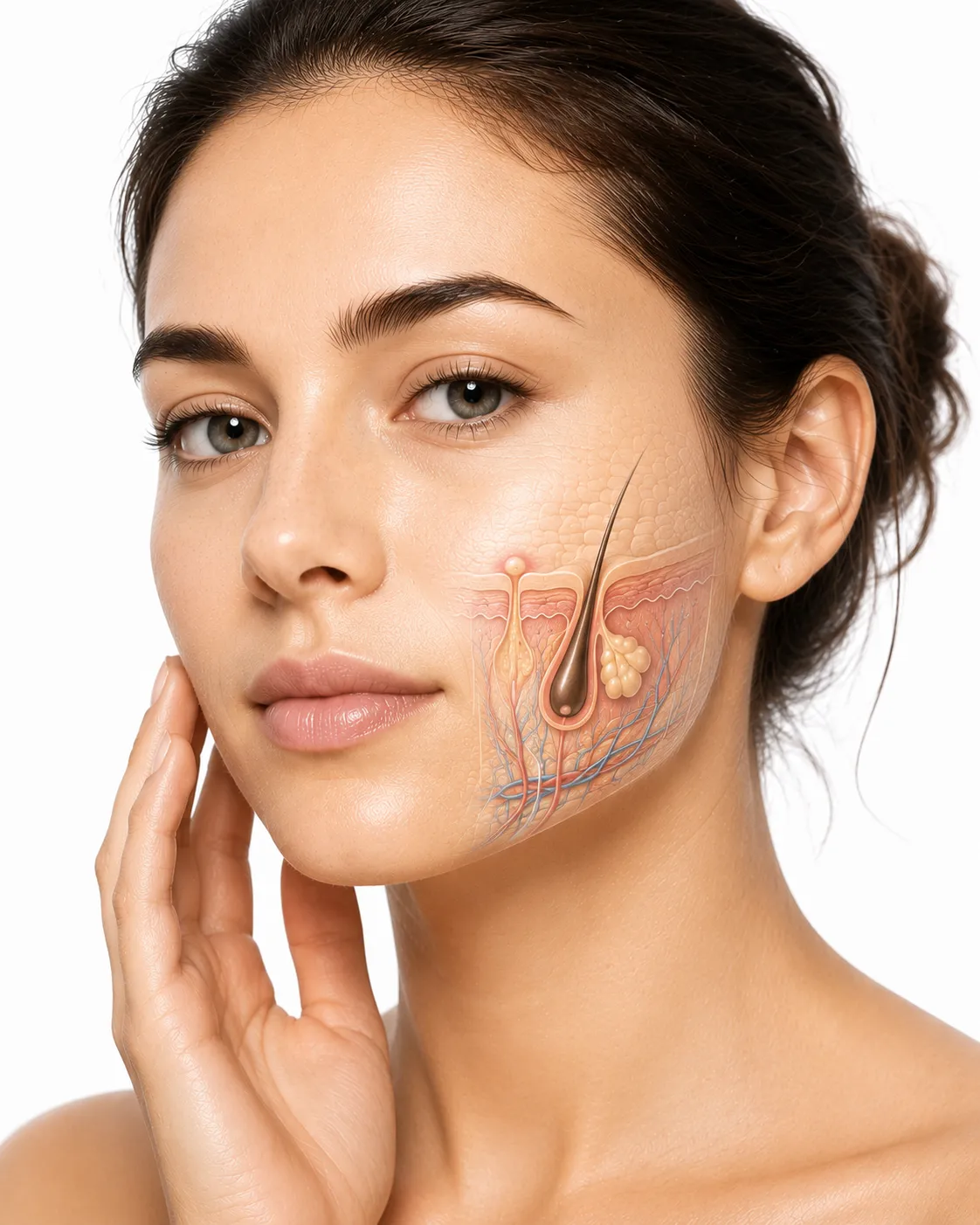
One is the Goldilocks zone - not too much, not too little. The other is the land of overproduction.
Is
Acne is a complex condition that affects all skin types, even the ones that seem to have it all together.
Is
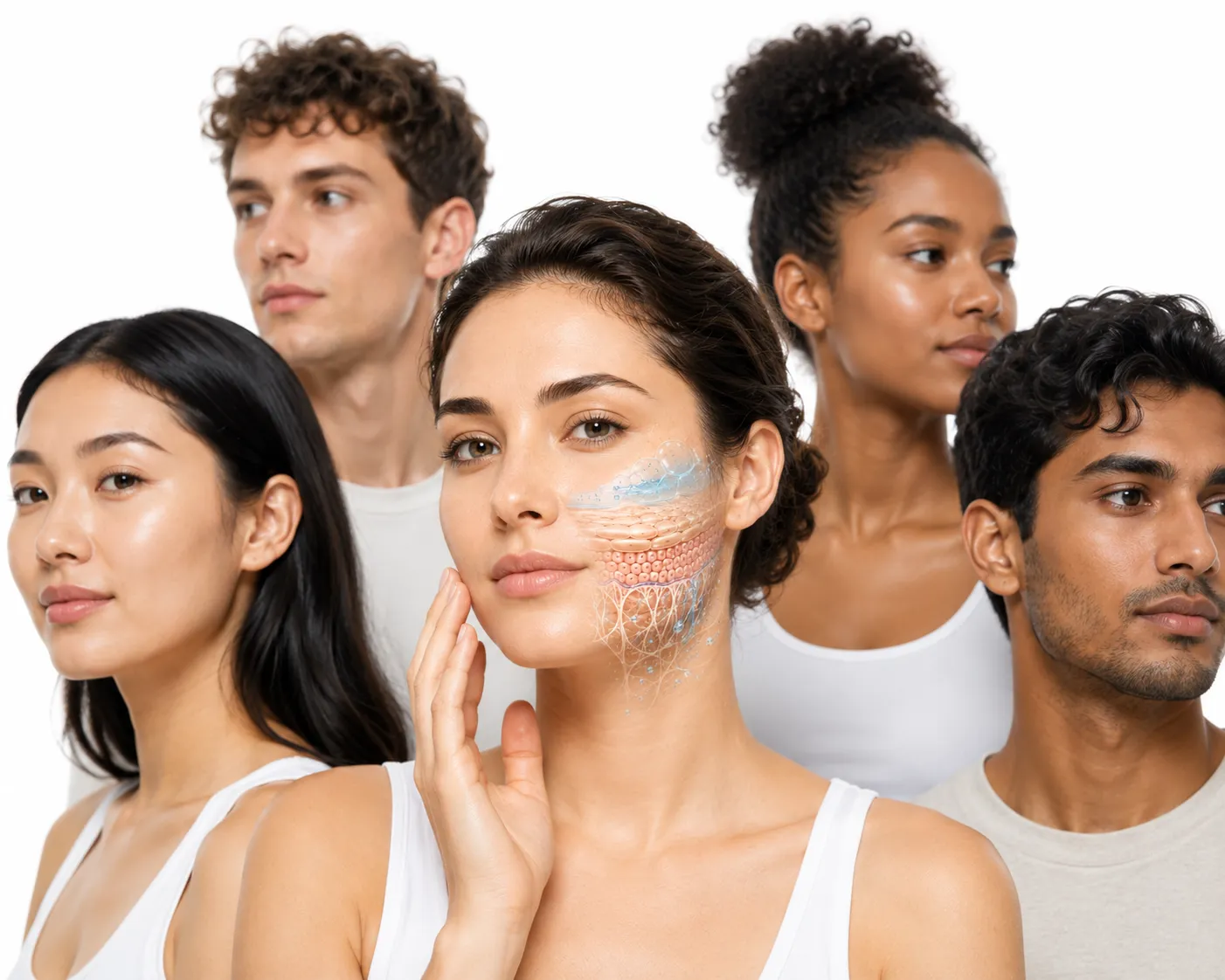
The vast majority of people have combination, oily, or dry skin, making normal skin the exception rather than the rule.
Is
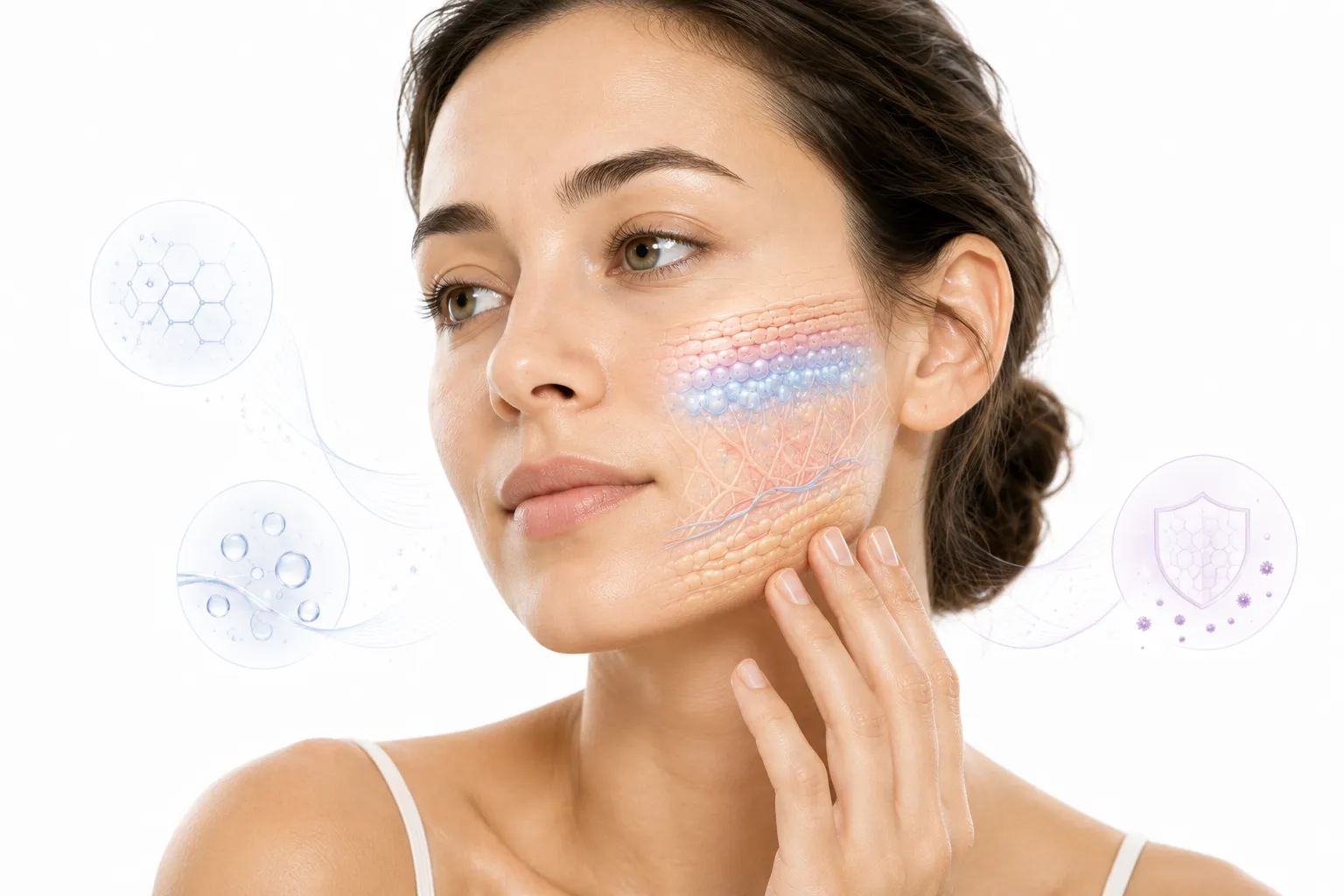
One is a fortress; the other is a house with a broken door.
Normal skin and sensitive skin are often confused, but they're different. Normal skin is balanced and resilient; sensitive skin is reactive and easily irritated.
Is
One is uniform; the other is varied. The difference comes down to sebum distribution.
Is
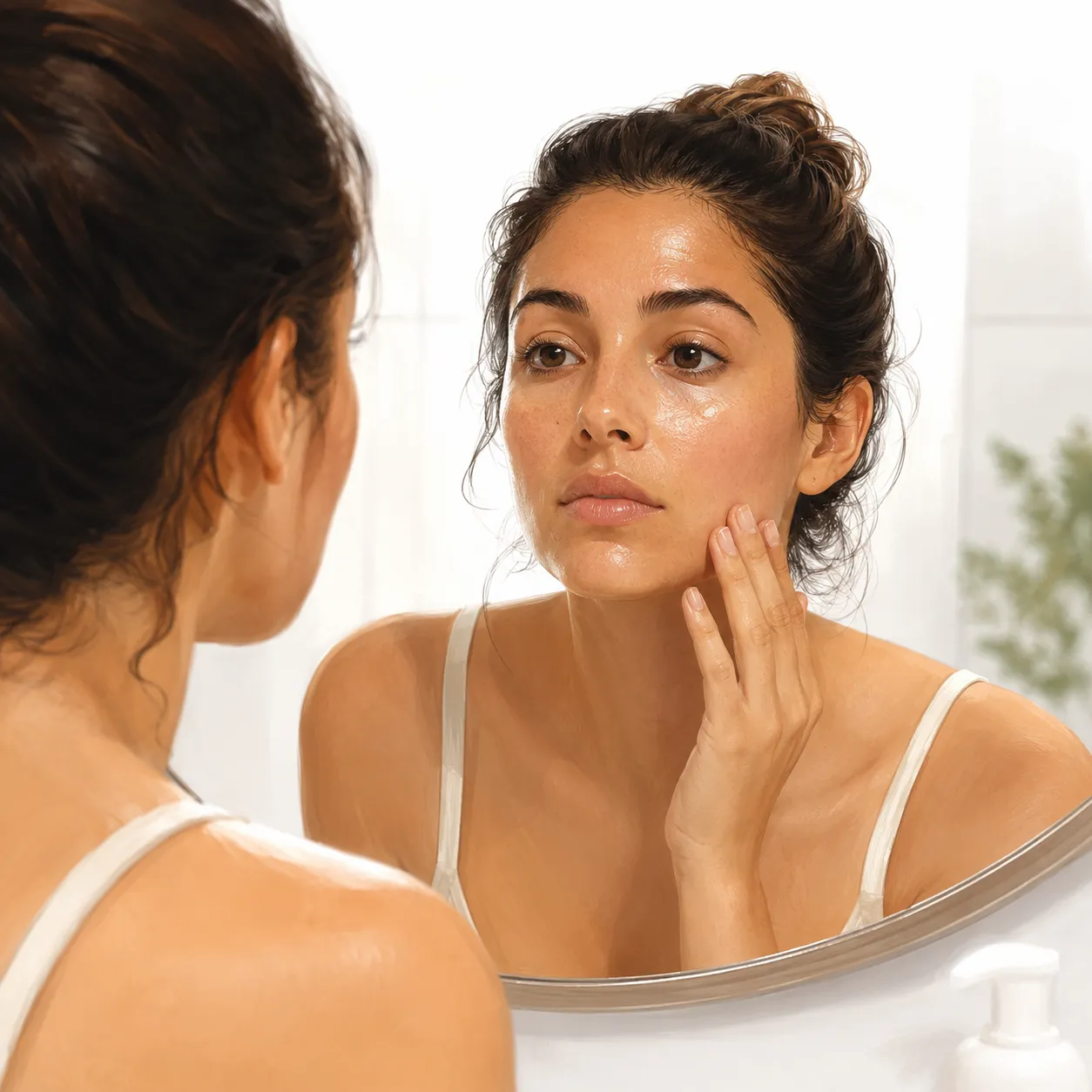
Oily skin can be one of the first signs, but it's also a sign of many other things - from stress to simply using the wrong moisturizer.

Is
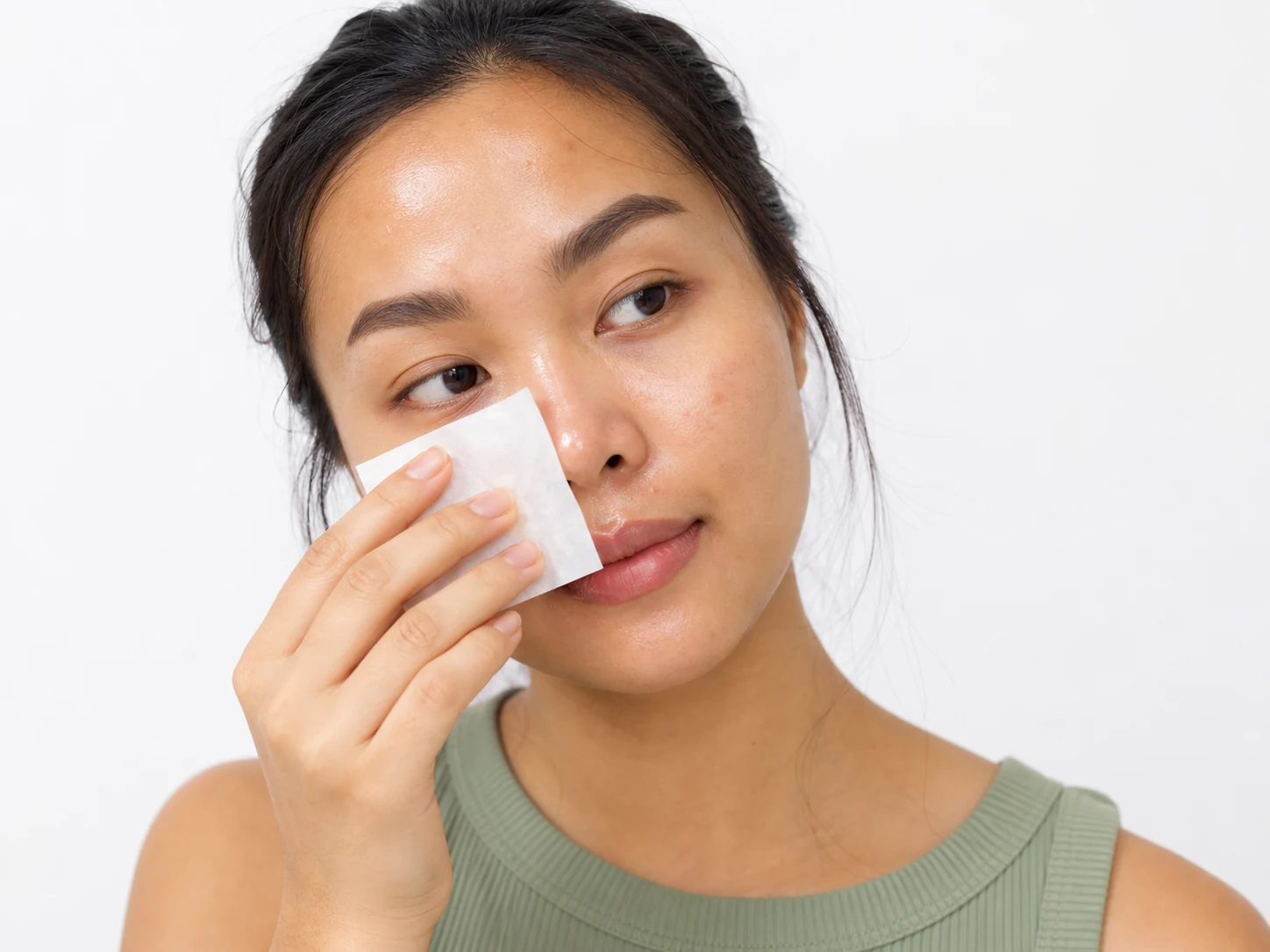
But the relationship is far more nuanced. Testosterone isn't the only hormone involved, and oil production depends on how your skin responds to hormones, not just the levels themselves.
Is
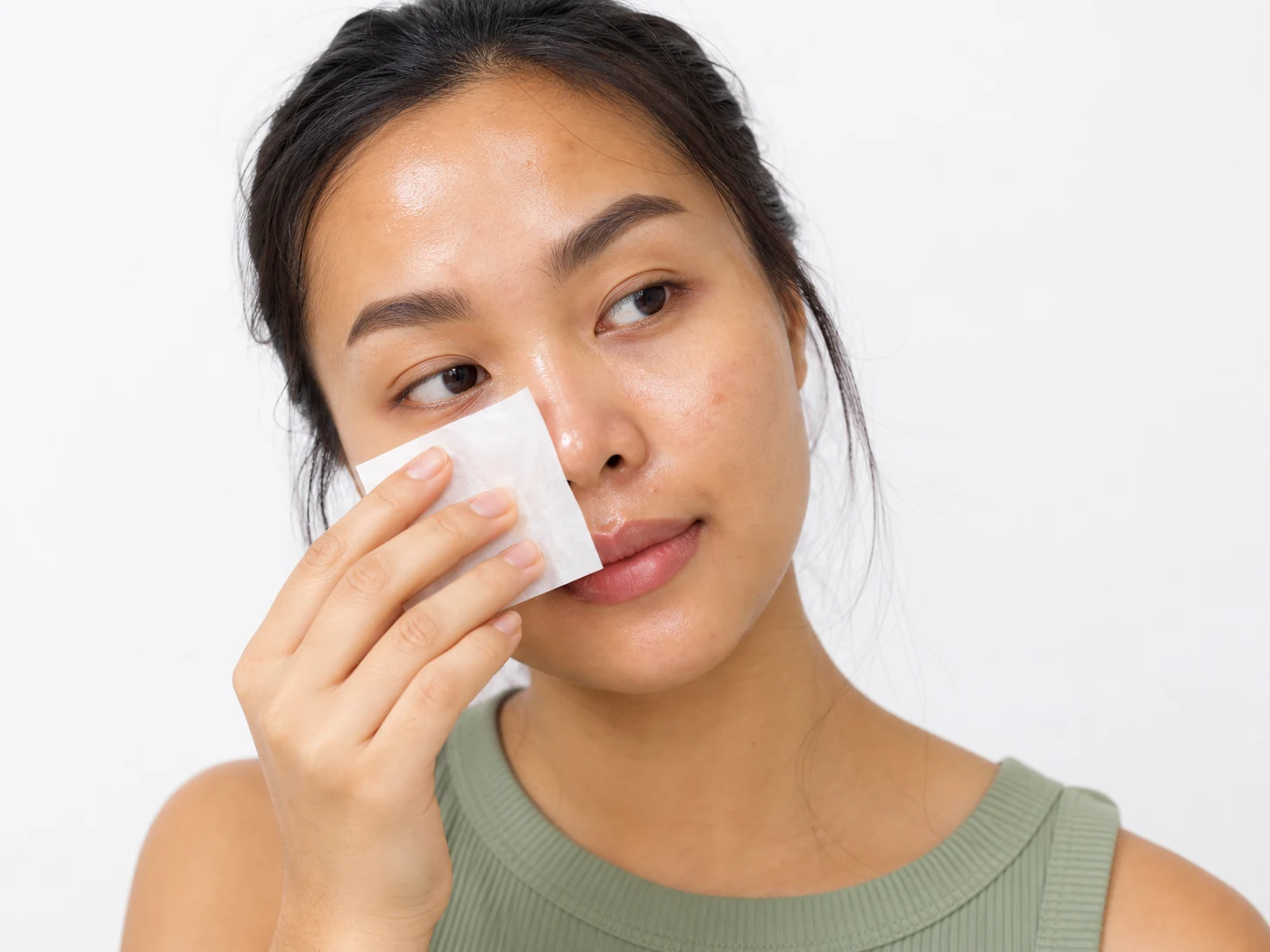
But while genetics determine your baseline, they don't seal your fate. How you manage your skin can significantly improve or worsen your genetic tendency.
If your parents have oily skin, you probably do too - and that's not a coincidence. Oily skin is largely determined by genetics, affecting everything from the size of your sebaceous glands to how they respond to hormones.
Is
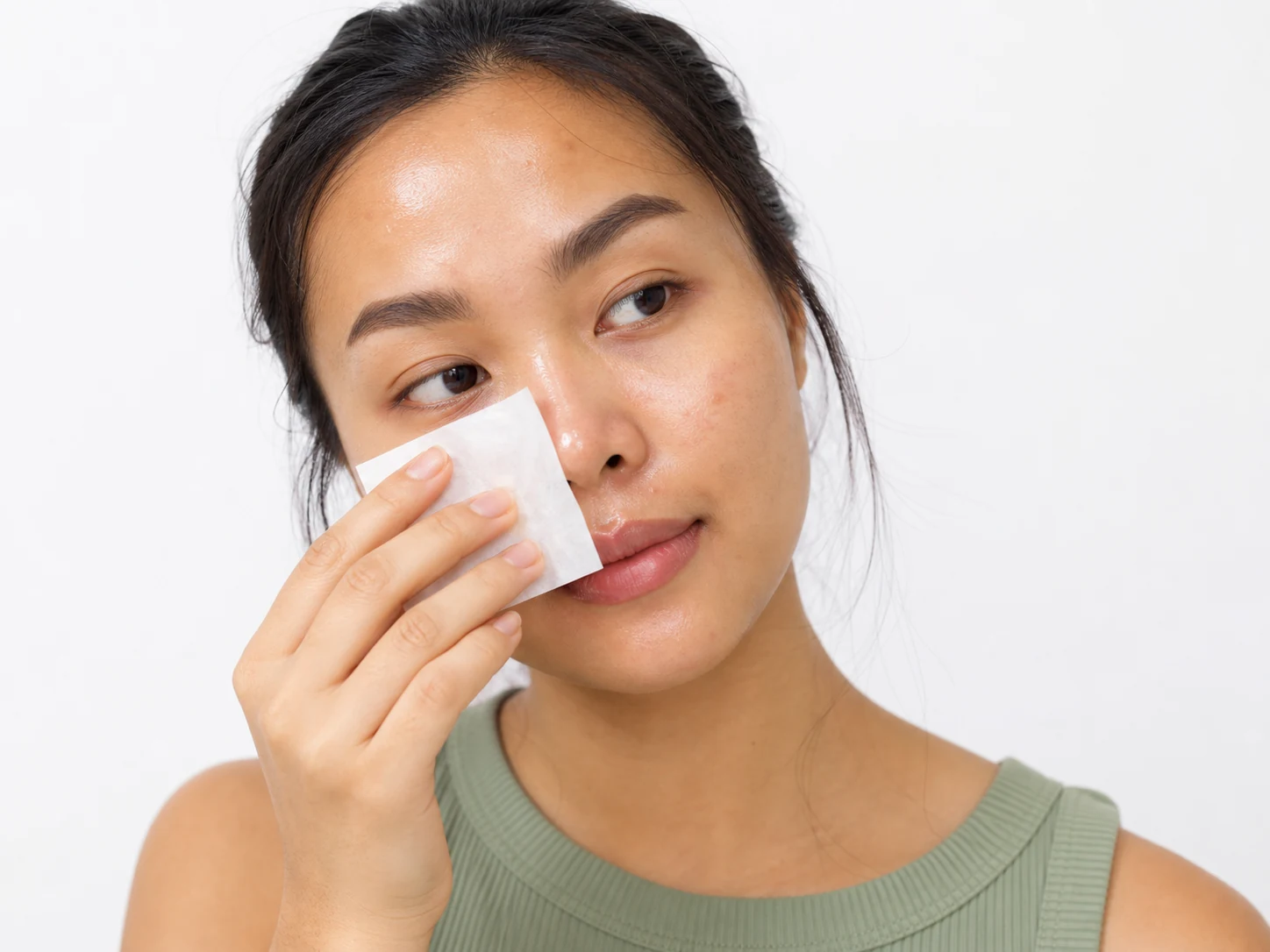
The truth is that oily skin has some genuine advantages - and the goal shouldn't be to eliminate oil, but to manage it. The oil that frustrates you now may be helping your skin age slower.
Is
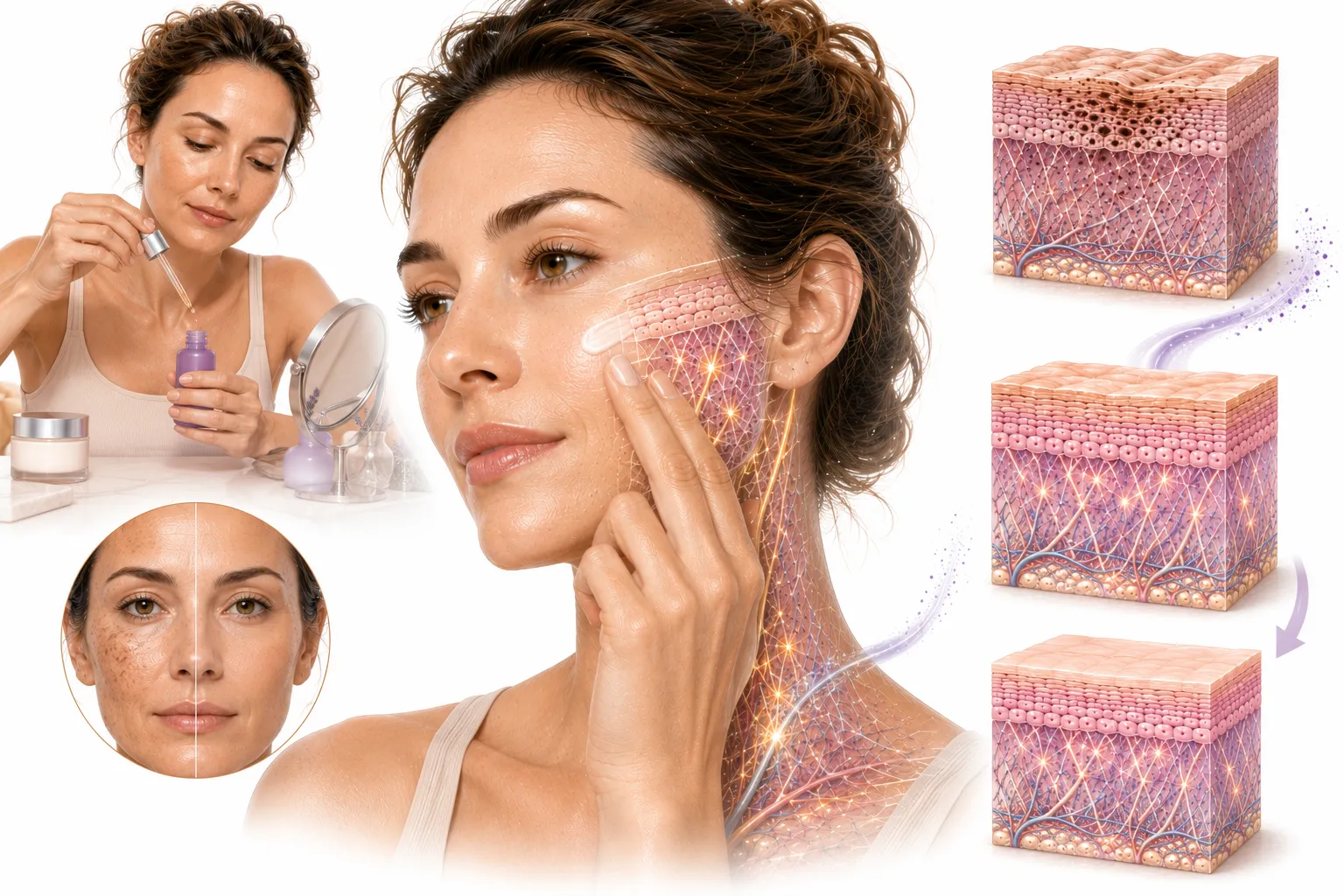
But the connection isn't a guarantee. Many people with oily skin never get acne, and with the right approach, you can significantly reduce your risk.
Is
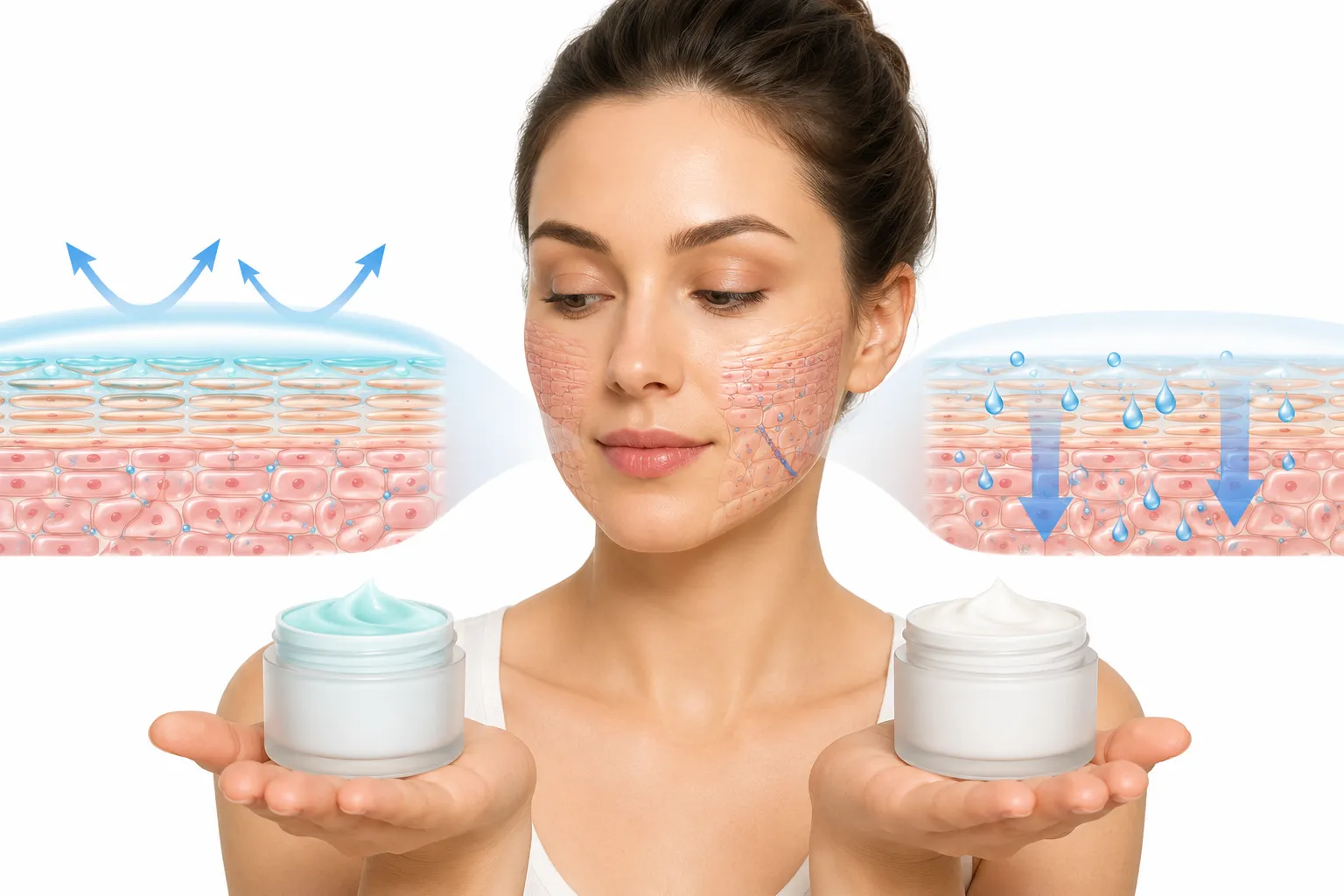
Retinol's trick is to speed that process back up, essentially reminding skin cells of a pace they used to keep on their own.
Of all the ingredients marketed for sun damage, retinol has the longest track record of actually doing something about it - not by undoing years of exposure overnight, but by nudging skin cells back into a more productive rhythm.
Is
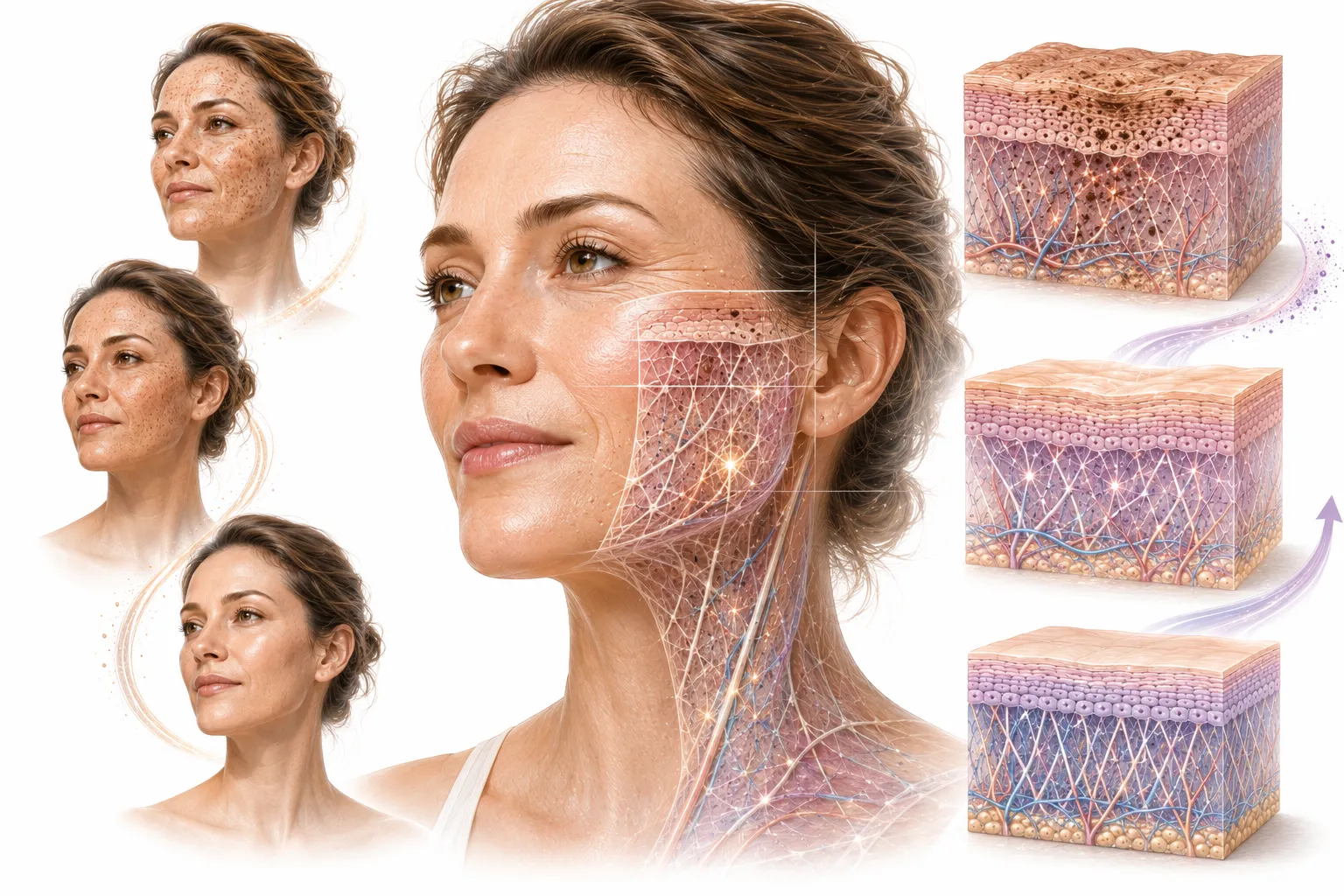
The difference isn't just marketing. Barrier creams and moisturizers work differently, and understanding the distinction can help you choose the right product for your skin's needs.
If you've ever stood in the skincare aisle wondering whether you need a moisturizer or a barrier cream, you're not alone. They look similar, feel similar, and both are designed to hydrate your skin. But they're not the same thing - and the difference matters.
Is
The question isn't just what happened, but what stays. Does the skin ever truly forget that sunburn you had at fifteen?
Is
Understanding what makes this product a serum helps you know how to use it - and what not to expect from it.
Is
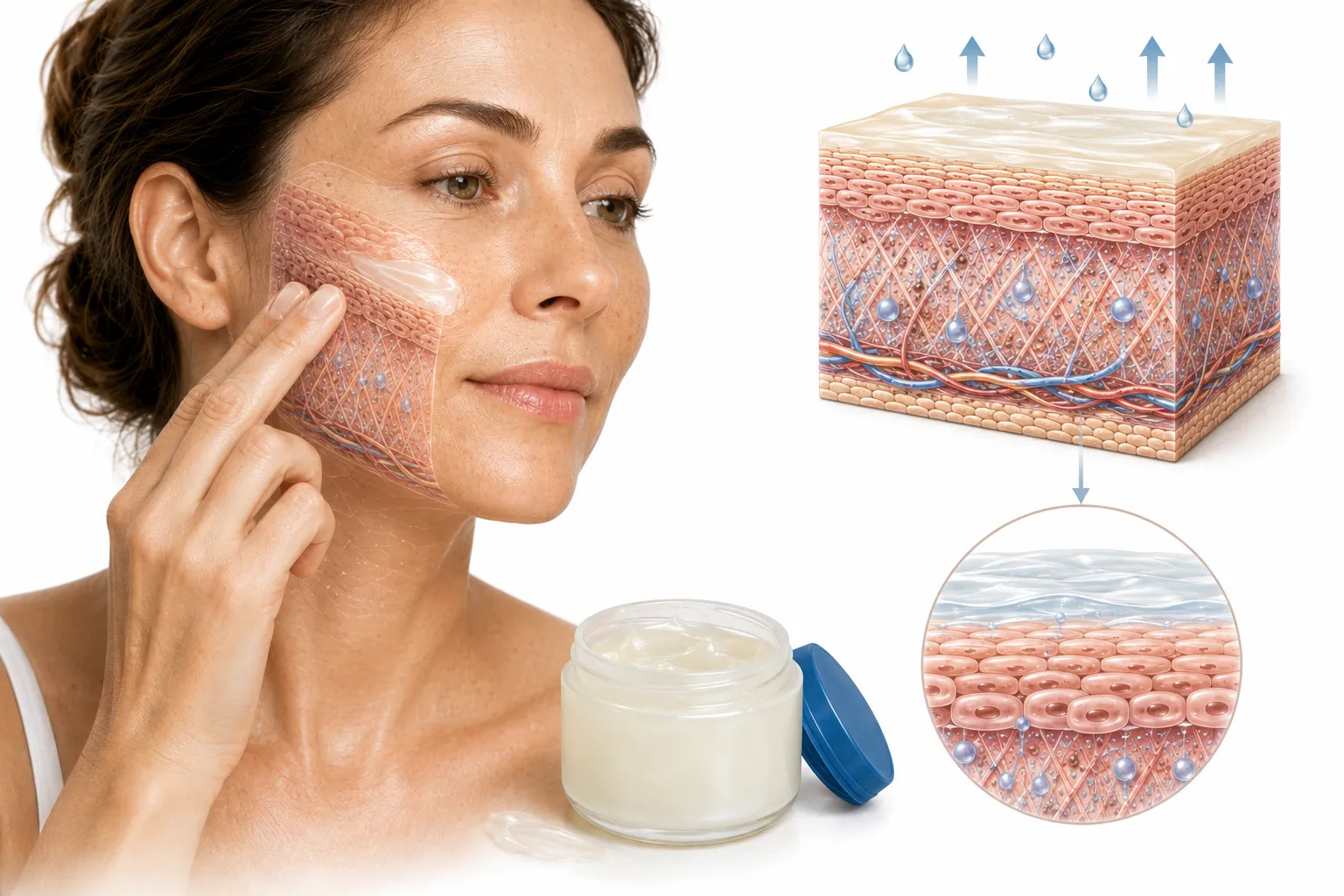
The reason it's stuck around is that it does one thing extremely well - sealing moisture in - which turns out to matter more for sun-damaged skin than its unglamorous reputation suggests.

Is
But for dry skin, the question isn't just whether it does all those things - it's whether the serum itself is going to irritate or dry out the skin in the process.
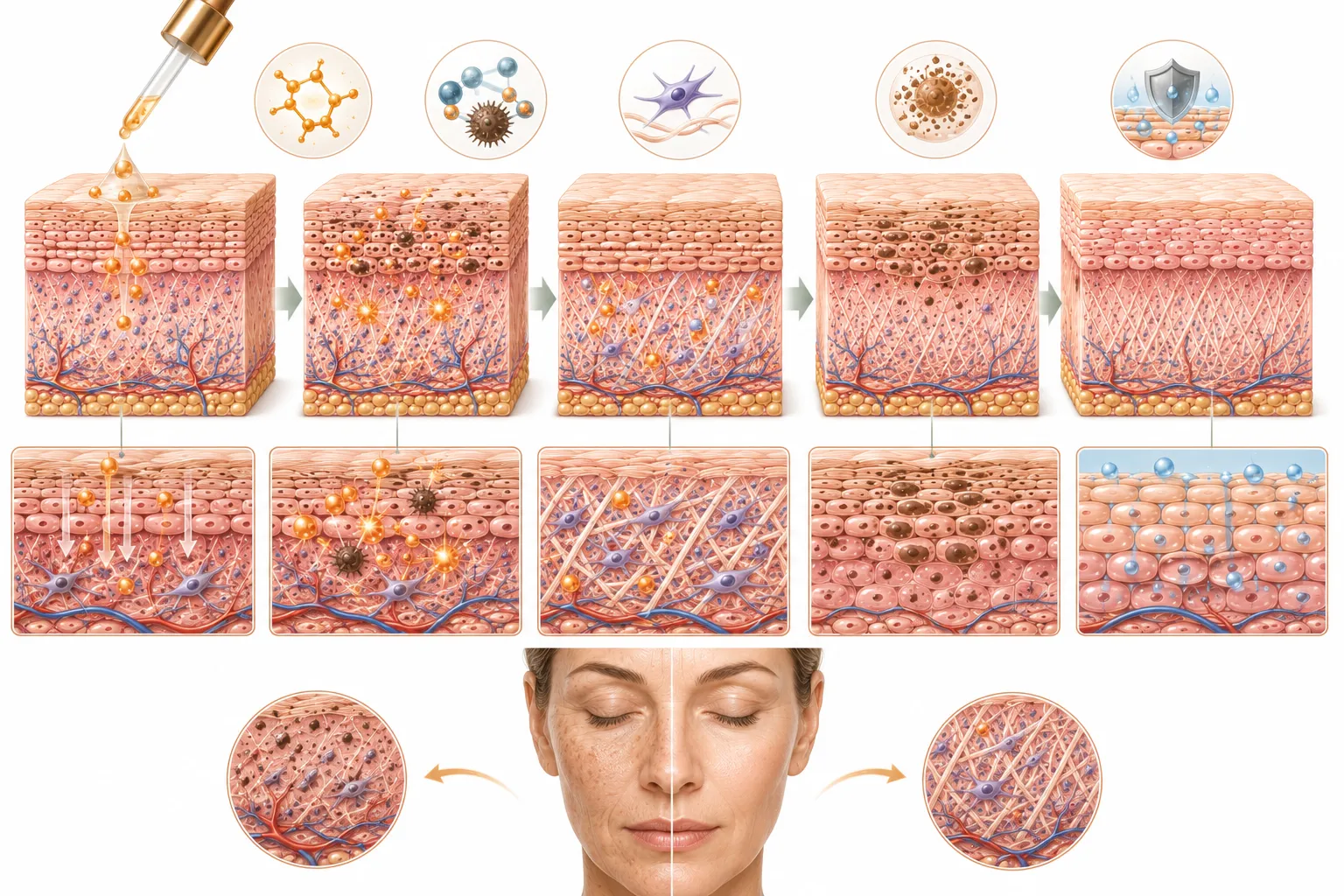
Yes, vitamin C is very good for dry skin. It's a potent antioxidant that protects against environmental damage, supports collagen production, and brightens the complexion. The key is choosing a formulation with hydrating ingredients (like hyaluronic acid or vitamin E) rather than drying ones (like alcohol). With the right product, it's a powerful addition to any dry skin routine.
Is
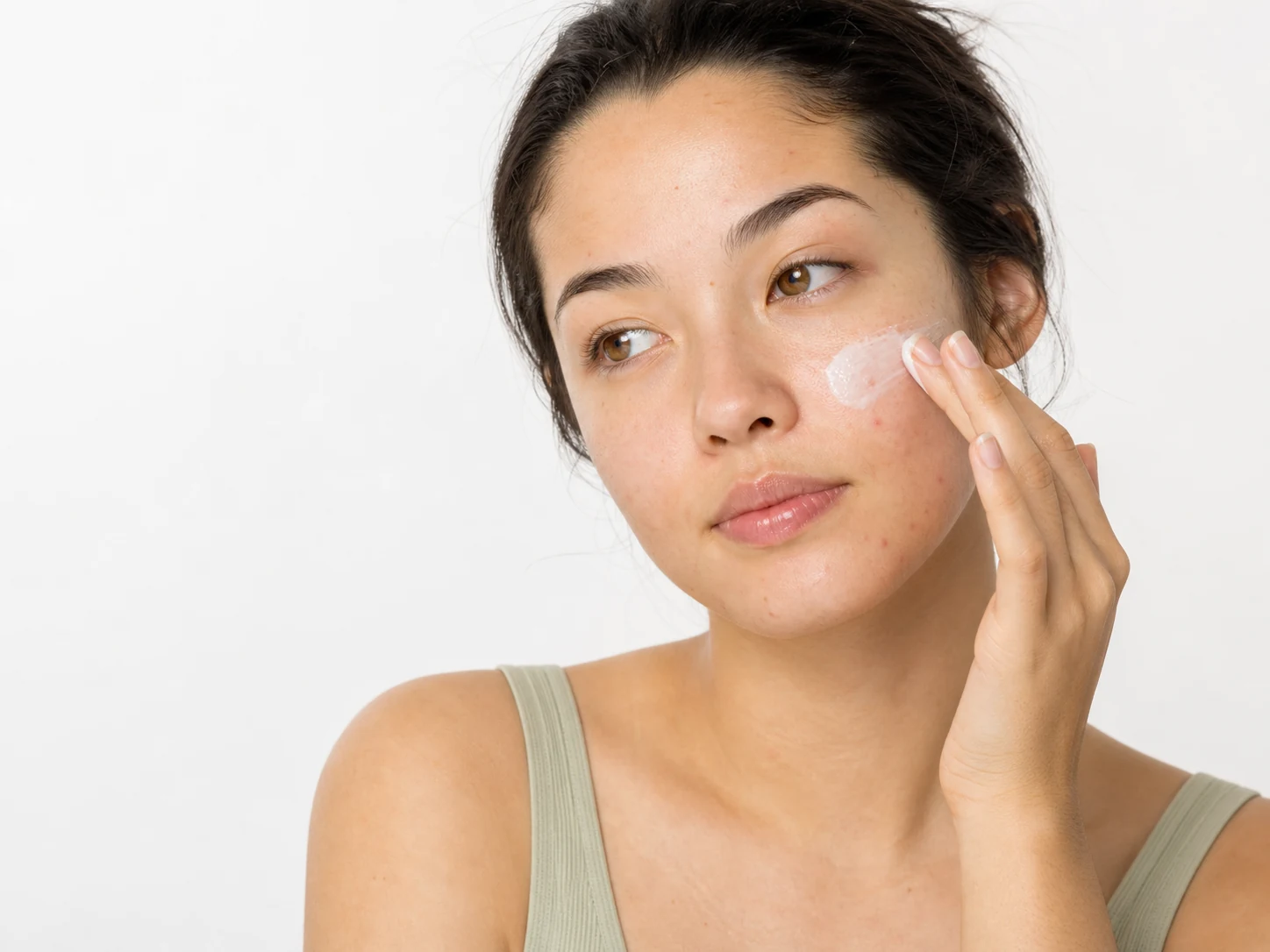
Vitamin C, it turns out, works on two fronts against that accumulation at once - mopping up some of the damage as it happens and interrupting the process that leaves spots behind.
Is
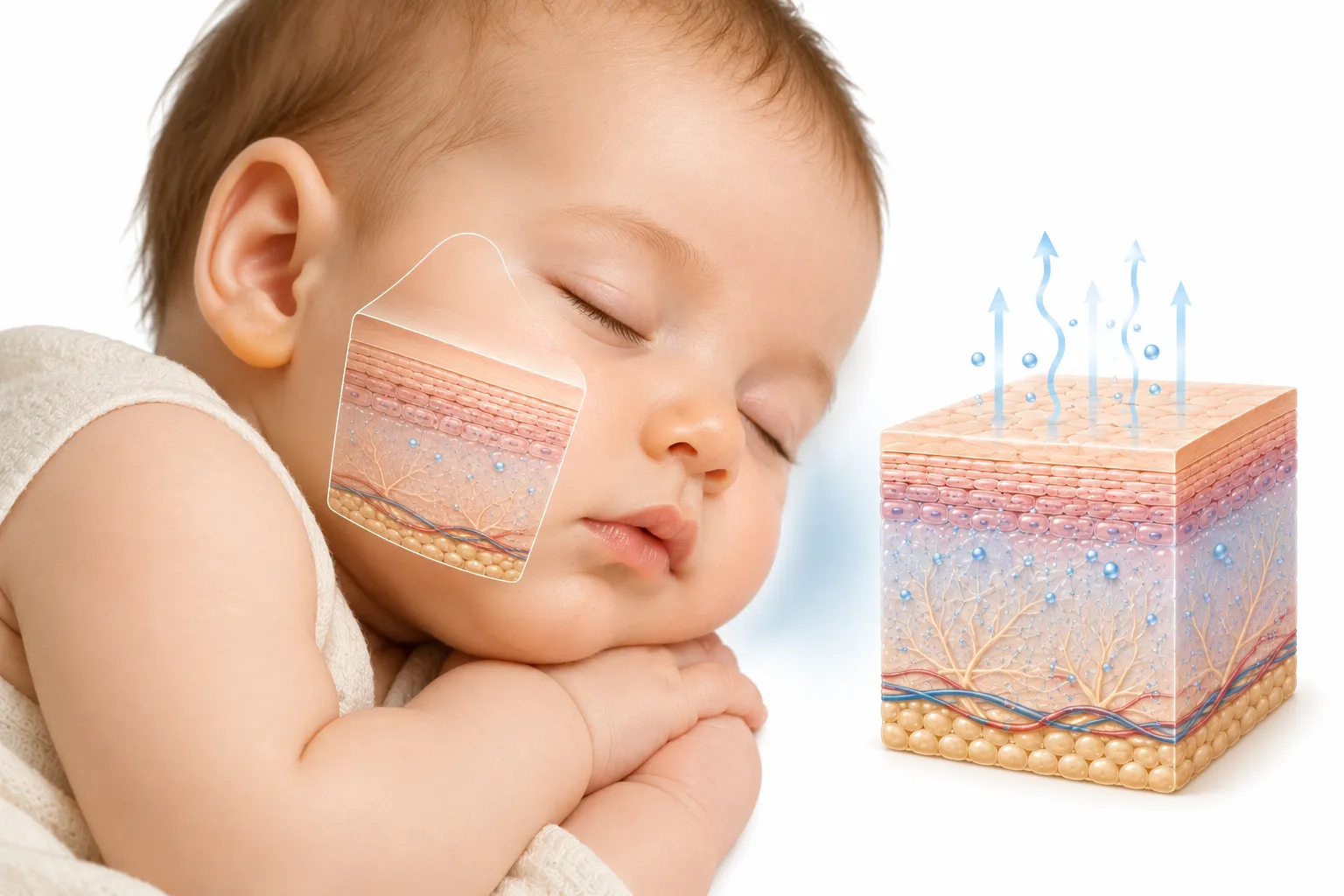
The skin sensitivity that accompanies illness is actually your immune system doing its job. Cytokines and inflammation work together to make your skin more sensitive, and there's a reason for it.
When you're sick, everything seems to hurt - even your skin. That tender, aching feeling when your skin is touched is a real biological response, not just a symptom of feeling unwell. It's your body's immune system at work.
Is
The skin that feels like velvet to touch is also the skin that reacts to a new fabric with a patch of redness.

Is
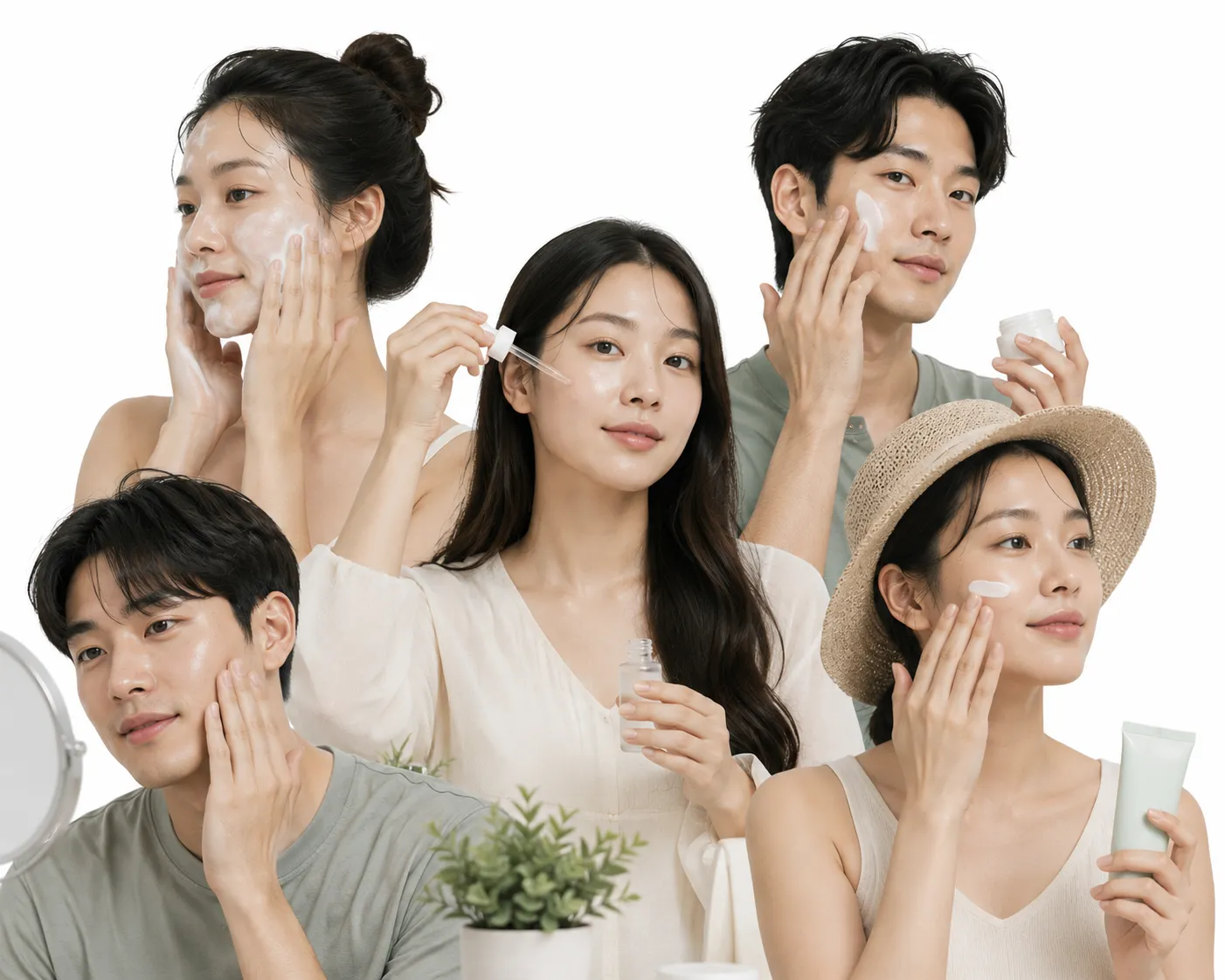
The connection between diabetes and dry skin is so consistent that dermatologists sometimes suspect diabetes based on skin symptoms alone.
Diabetes is a condition of the blood and the pancreas, but its effects are visible all over the body - including the skin. Dry skin is one of the most common diabetic skin symptoms, but the connection isn't always obvious. It involves circulation, blood sugar levels, and the skin's ability to hold moisture.
Is
The idea that this is just "good genes" is a comfortable myth that conveniently ignores the effort, money, and daily habit behind the results.

Is
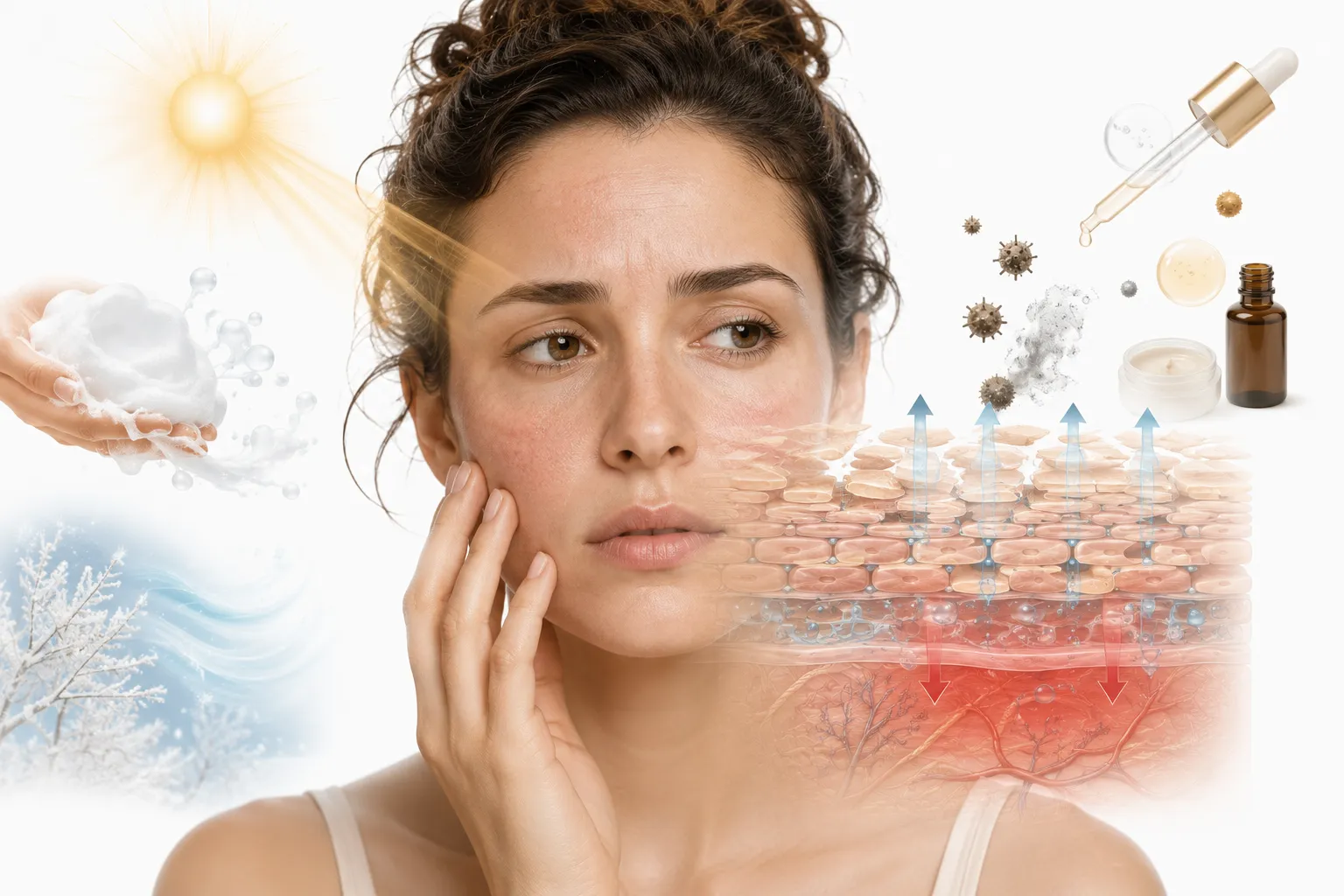
Why? Why is melasma so stubborn when other skin conditions eventually clear up?

Is
It's not that the treatments aren't good - it's that the condition itself has built-in mechanisms for persistence and recurrence that make even the best treatments feel like a game of whack-a-mole.
Is
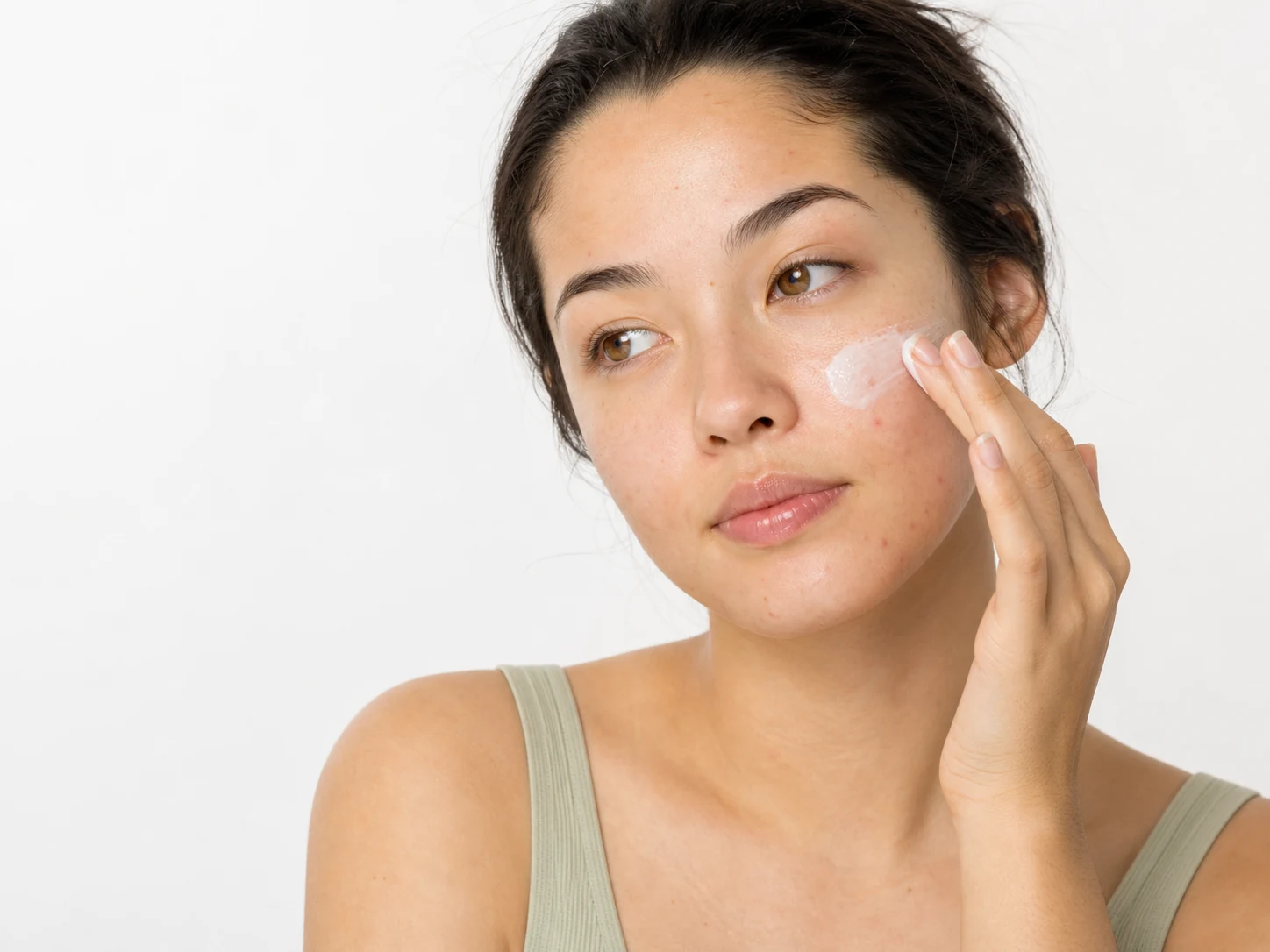
Suddenly the same cleanser you've used for years feels like sandpaper. The moisturizer that used to be comforting now stings.
If your skin has suddenly become sensitive to products that used to be fine, feels tight, looks flaky, and generally seems to have lost its resilience, you're likely dealing with a damaged skin barrier. It's one of the most common skin complaints - and one of the most misdiagnosed.
Is
Skin sensitivity to touch is a specific kind of discomfort that signals something is either irritating the skin directly or sensitizing the nerves beneath it.
When your skin hurts to touch - even lightly - it's not just uncomfortable, it's a signal that something has gone awry. The causes range from everyday to medical, but all deserve attention.

Is
The sensitivity you feel on your skin when you're sick isn't random; it's actually part of the immune response.

Is
Sudden dryness and flaking isn't just random; it's a response to a specific trigger. The challenge is identifying which one hit you.
Is
The real question is why your skin reacts the way it does, and understanding that changes everything.
Sensitive skin isn't just a label - it's a physiological reality. The causes range from genetics to lifestyle, but understanding why your skin reacts is the first step to soothing it.
Is
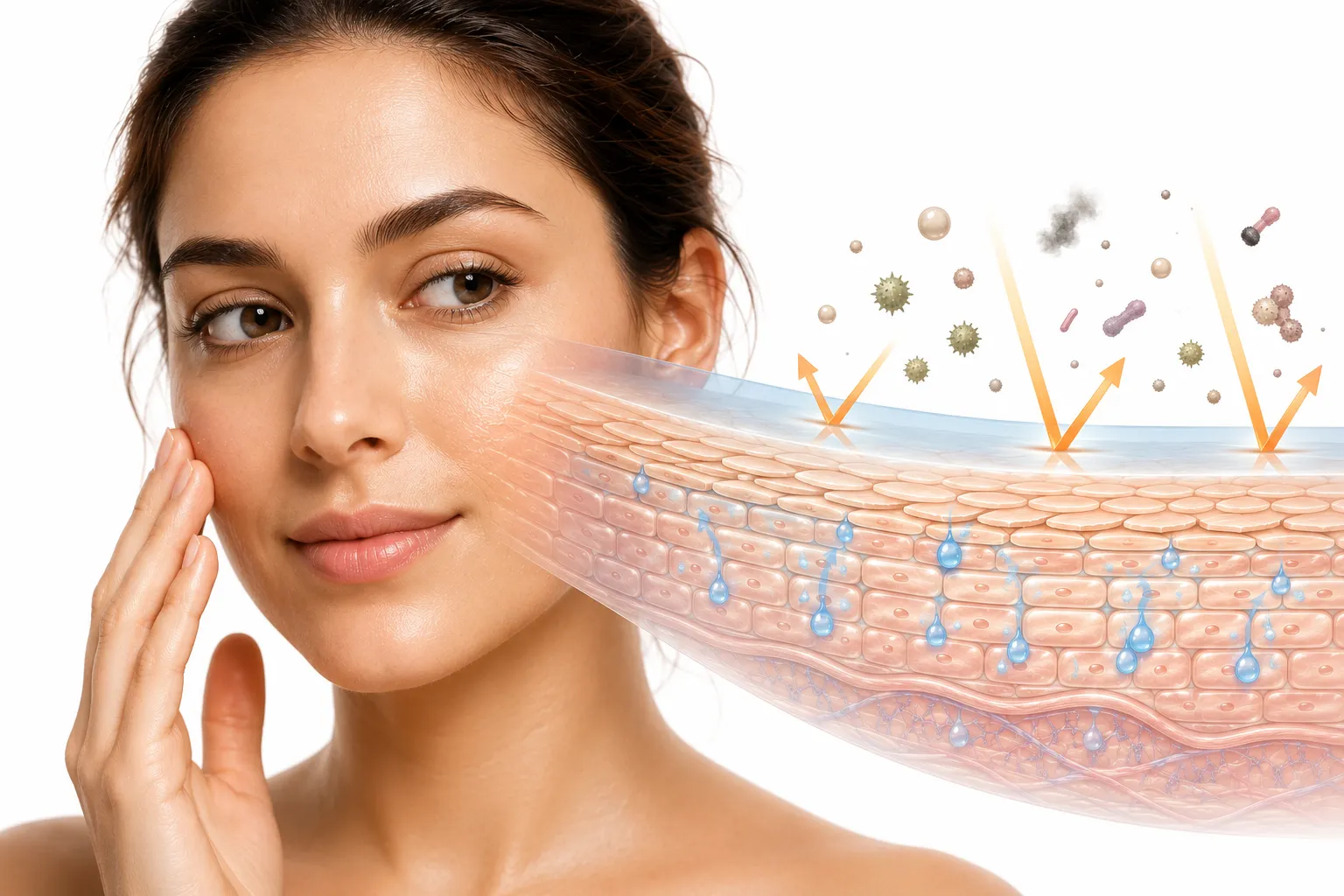
The skin barrier does two things that are absolutely essential: it keeps the bad stuff out and the good stuff in.

Is
But here's the thing: not being curable doesn't mean not being manageable.
A few gentle first stops if this corner of skincare still feels new.
A few first stops if “Is...” questions still feel new.
Recently updated
Other kinds of questions wait just next door.
Can...
The polite pause before you try something new: will this get along with your skin?
Will...
What might change if you keep going: timelines, expectations, and honest outcomes.
Are...
When the question is about a whole category: ingredients, products, or the signs skin leaves behind.
Does...
Cause and effect: what a product or habit actually does once it meets skin.
Do...
Practical wondering about what skin needs, what routines ask for, and what to do next.
Why...
The satisfying “why” behind redness, oil, flaking, and other everyday mysteries.