Evidence
What the evidence shows
The severity and character of heat rash symptoms are directly tied to the depth of the sweat duct blockage. The more intense the symptoms, generally the deeper the blockage and the more active the inflammatory response. Recognizing the relationship between symptoms and depth helps in choosing appropriate treatment.
Prickling sensation before bumps appear?
Classic heat rash symptom.Bumps with no itching at all?
Likely miliaria crystallina.Bumps with fever and pain?
Seek medical attention.
Use this section to decide
Does this advice apply to me?
Find the concern or goal closest to yours, then use the fit signal to decide how much weight to give this guide.If your goal is
Early signUsually relevant- Fit signal
- Often useful
Prickling sensation
If your goal is
Visual signUse caution- Fit signal
- Limited evidence
Small red or clear bumps
If your goal is
SensationDepends- Fit signal
- Possible fit
Itching, stinging
If your goal is
Severe signUse caution- Fit signal
- Limited evidence
Pus or fever
Research notes already in this guide
- The prickling sensation is a highly reliable diagnostic indicator for heat rash.
- Symptom patterns and severity help dermatologists identify the specific type of heat rash.
- Symptom-based diagnosis is supported by clinical training and dermatological guidelines.
- When symptoms are atypical, medical evaluation may be necessary for accurate diagnosis.
Expected results
Results and timeframe
Most heat rash symptoms improve within 3-7 days with appropriate home care.
Practical use
How to use it
Recognize early symptoms
If you feel a prickling sensation while sweating in a hot environment, take it as an early warning and cool your skin immediately.
Assess symptom severity
Note whether you have just bumps, itching, or more serious signs like fever or pus. This will guide treatment decisions.
Monitor for changes
Watch for any worsening of symptoms, especially signs of infection. Seek medical help if the condition doesn't improve.
Safety
Side effects and cautions
- Ignoring the prickling sensation as just feeling hot
The distinctive prickling of heat rash is a warning sign that should prompt cooling immediately, before the rash develops.
- Assuming itching means the rash is healing
Itching is a symptom of the irritation and inflammation, not a sign of recovery. It needs to be addressed, not ignored.
- Confusing symptom severity with severity of cause
More intense symptoms don't necessarily mean the cause is more serious; the response of your skin to the blockage matters too.
Fit
Who should be careful
- Symptoms accompanied by fever or signs of infection
Helpful context
What else is worth knowing
How symptoms vary
Heat rash symptoms can feel different depending on who you are.
Worth noting
Small details that can change the answer
- Prickling Sensation. The prickling sensation of heat rash is caused by trapped sweat leaking into the skin's nerve-rich layers.
- Itching Intensity. The itching of miliaria rubra can be intense enough to disrupt sleep and daily activities.
- Symptom Onset. Symptoms typically appear within 12-24 hours of heavy sweating in hot conditions.
- Secondary Symptoms. In severe cases, symptoms can include fever, pain, and signs of infection like swelling or pus.
The primary symptoms of heat rash are small bumps, prickling sensation, and itching.
Symptoms vary by type: miliaria crystallina has mild symptoms, miliaria rubra has intense symptoms.
The prickling sensation is a distinctive and reliable early warning sign.
Severe symptoms like fever or pus indicate the need for medical attention.
Definition
Key signs and symptoms of heat rash
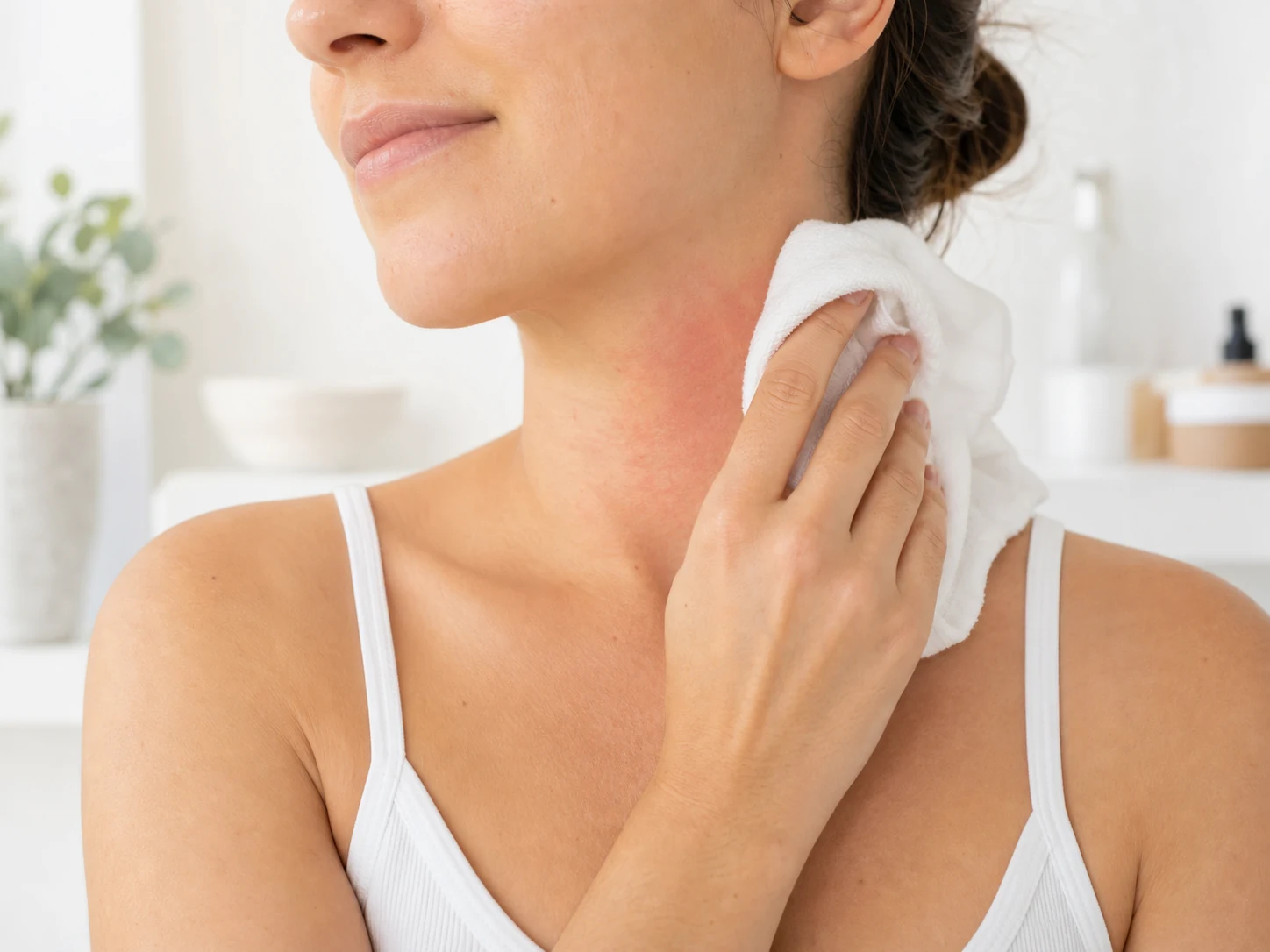
Heat rash presents with a distinctive cluster of symptoms that help distinguish it from other skin conditions. These symptoms can vary depending on the severity and type of heat rash.
- Small, raised bumps (1-2mm in diameter) that are red, clear, or flesh-colored
- Prickling or stinging sensation in the affected area
- Itching that ranges from mild to severe
- Localized warmth and sometimes redness around the rash
- Mild swelling in the affected area
- Bumps that may be clustered in specific patterns
- Affected skin that doesn't sweat as much as surrounding areas
Explanation
How symptoms differ by type of heat rash
The symptoms of heat rash vary significantly between the different types. Miliaria crystallina produces clear blisters and minimal symptoms. Miliaria rubra produces intense itching and a prickling sensation. Miliaria profunda produces flesh-colored bumps with less itching. Miliaria pustulosa produces pus-filled bumps with pain and tenderness. Understanding these differences helps in identifying the type and choosing treatment.
Risks
When symptoms require medical attention
While most heat rash symptoms are uncomfortable but harmless, certain symptoms signal a need for medical evaluation.
- Fever accompanying the rash
- Pus or weeping fluid from the bumps
- Intense pain or tenderness in the affected area
- Spreading redness beyond the rash's original boundaries
- Symptoms that don't improve with home care after 3-4 days
- Swollen lymph nodes near the affected area
Questions
Frequently asked questions
Can heat rash cause pain?
Mild pain or tenderness can occur, especially with deeper blockages or infected heat rash. Severe pain should be evaluated by a healthcare provider.
Does heat rash always itch?
No. Miliaria crystallina typically doesn't itch, while miliaria rubra often does. Miliaria profunda usually doesn't cause significant itching.
How long do symptoms last?
With proper care, symptoms typically resolve within 3-7 days. More severe cases may take longer, especially if there's infection.
Can symptoms come back?
Yes, if you return to the hot, humid conditions that triggered the rash and don't take preventive measures, it can recur.
References
Sources
The notes below are drawn from the evidence already cited in this guide. They are not a complete bibliography.
- The prickling sensation is a highly reliable diagnostic indicator for heat rash.
- Symptom patterns and severity help dermatologists identify the specific type of heat rash.
- Symptom-based diagnosis is supported by clinical training and dermatological guidelines.
- When symptoms are atypical, medical evaluation may be necessary for accurate diagnosis.