Evidence
What the evidence shows
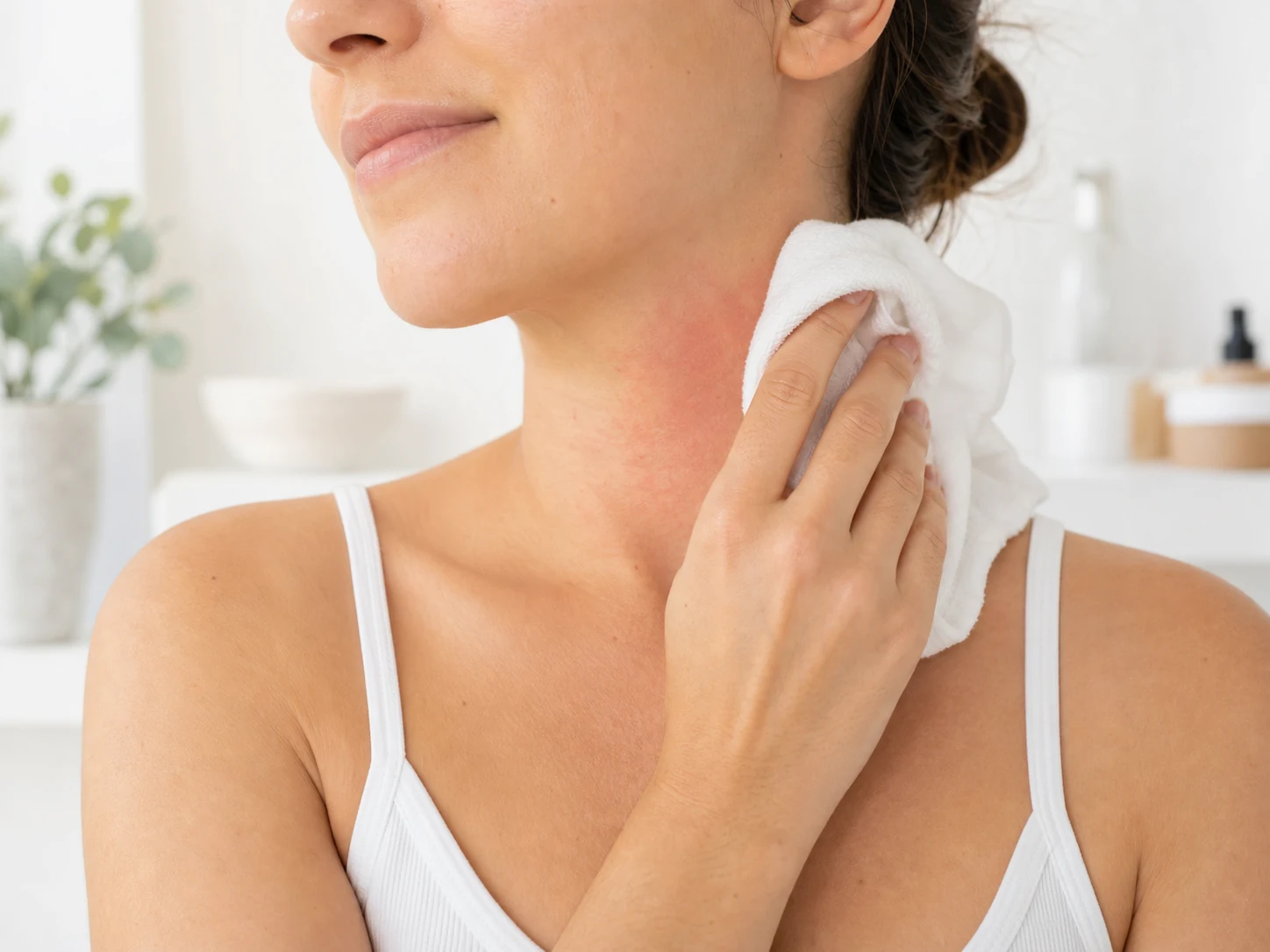
The best soap for heat rash isn't the one that cleans most aggressively; it's the one that leaves the skin's barrier undisturbed while still clearing away sweat and residue.
Use this section to decide
Does this advice apply to me?
Find the concern or goal closest to yours, then use the fit signal to decide how much weight to give this guide.If your goal is
Fragrance-freeUsually relevant- Fit signal
- Often useful
Recommended
If your goal is
AntibacterialDepends- Fit signal
- Possible fit
Not necessary
If your goal is
Water temperatureUse caution- Fit signal
- Limited evidence
Lukewarm
If your goal is
TextureUsually relevant- Fit signal
- Often useful
Lightweight, rinses clean
Practical use
How to use it
Pick a fragrance-free, mild cleanser
Look for wording like "gentle," "fragrance-free," or "for sensitive skin" on the label.
Wash with lukewarm water
Avoid hot water, which can add to skin irritation.
Pat dry and let skin air out
Gentle drying and good airflow support the skin's recovery from heat rash.
Safety
Side effects and cautions
- Reaching for antibacterial soap assuming it's more effective
A mild, fragrance-free cleanser is generally gentler and just as effective for heat rash-prone skin.
- Using hot water to feel "extra clean"
Lukewarm water is less likely to aggravate already irritated skin.
- Choosing soap based on scent rather than formulation
Fragrance is one of the most common irritants for reactive, heat rash-prone skin.
Fit
Who should be careful
- Skin needing targeted antibacterial treatment for a separate issue
Helpful context
What else is worth knowing
Soap choice by situation
Which type of soap suits your specific circumstances.
A fragrance-free, mild cleanser with lukewarm water is the safest choice.
Recurring heat rash in humid climatesA lightweight, non-comedogenic wash used regularly can help prevent buildup.
Very sensitive or eczema-prone skinLook specifically for soap labeled suitable for sensitive or eczema-prone skin.
Worth noting
Small details that can change the answer
- Fragrance Is a Common Irritant. Added fragrance is one of the most frequent triggers of irritation in soaps and cleansers.
- Skin's Natural pH Is Slightly Acidic. Cleansers closer to the skin's natural pH tend to disturb the skin barrier less than highly alkaline soaps.
- Residue Can Contribute to Congestion. Thick, oily soap residue left on the skin can sit over already blocked pores.
- Antibacterial Isn't Necessarily Better. Antibacterial soaps can be more stripping without offering meaningful extra benefit for heat rash specifically.
Fragrance-free, mild, pH-balanced soap is generally the best choice for heat rash-prone skin.
Fragrance is one of the most common irritants in soaps and washes.
Antibacterial and heavily oil-based soaps aren't necessarily better and can be more irritating or congesting.
Lukewarm water and gentle patting matter as much as the soap itself.
A lightweight, residue-free rinse supports rather than works against heat rash recovery.
Explanation
Why soap choice matters more during heat rash
Heat rash leaves the surrounding skin more reactive than usual, since it's already dealing with trapped sweat and localized irritation. A soap that would be a non-issue on calm skin can become genuinely irritating on skin that's already inflamed, which is why gentleness becomes the priority rather than an afterthought.
Product Comparison
Comparing common soap types
Fragrance-free mild cleanser
Beginner friendlyBest for: Heat rash-prone and sensitive skin generallyMinimal irritation risk · Cleans without stripping the barrier · Suitable for daily use
Consider: May feel less "foamy" than heavily surfactant-based soapsAntibacterial bar soap
Experienced useBest for: Situations needing targeted bacterial controlReduces surface bacteria
Consider: Often more stripping · Can dry out and irritate already inflamed skinHeavily fragranced body wash
Experienced useBest for: Skin without heat rash or sensitivity concernsPleasant scent
Consider: Fragrance is a common irritant · Can aggravate already reactive skinRich, oil-based moisturizing soap
Experienced useBest for: Very dry skin without active heat rashDeeply moisturizing
Consider: Can leave residue over congested pores · Rinses less cleanlyShopping Guide
What to check on the label
Reduces the risk of added irritation on already inflamed skin.
Suggests a milder effect on the skin's natural barrier.
Lower likelihood of contributing to pore congestion.
Reduces stripping of natural oils and barrier lipids.
Dos Donts
Washing heat rash-prone skin
Do
Hot water can further irritate already inflamed skin.
Rubbing can aggravate irritated areas.
Avoid
Physical friction can worsen irritation around blocked ducts.
Both increase the risk of further irritation.
Questions
Frequently asked questions
Is antibacterial soap good for heat rash?
Not particularly; it tends to be more stripping without offering a specific benefit for heat rash itself.
Should I avoid fragranced soap entirely with heat rash?
It's generally a good idea, since fragrance is a common irritant on already reactive skin.
Can I use baby soap for heat rash?
Many baby soaps are formulated to be mild and fragrance-free, which can make them a reasonable choice.
Does water temperature matter when washing heat rash?
Yes, lukewarm water is preferable to hot water, which can further irritate inflamed skin.