Evidence
What the evidence shows
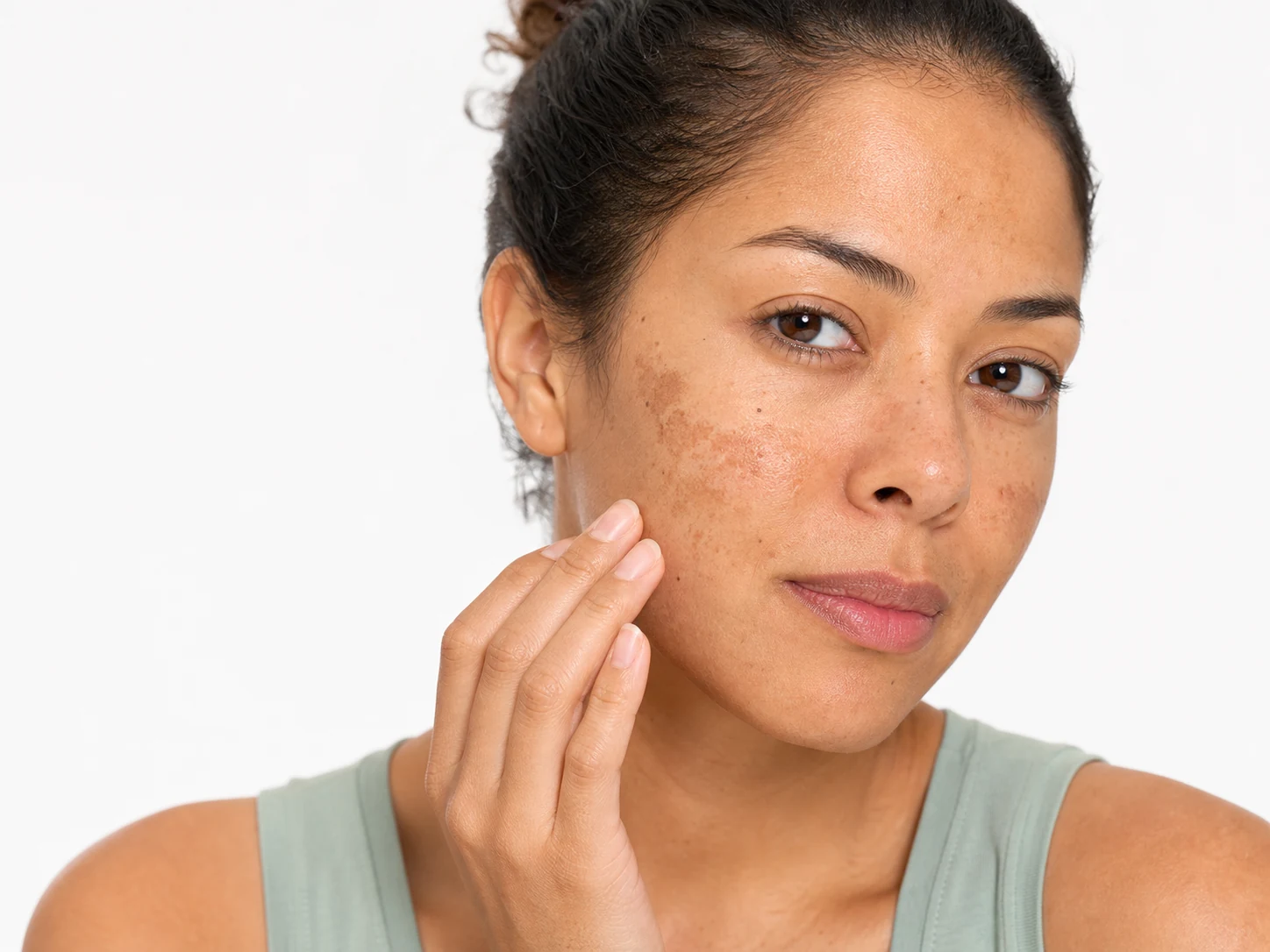
Chemical peels are powerful tools for hyperpigmentation, but they must be matched to the type of pigmentation and the patient's skin type. The wrong peel can make pigmentation worse.
Do you have PIH from acne?
A superficial glycolic or salicylic acid peel is a good start.Do you have melasma?
A medium-depth TCA or Jessner's peel may be more effective.Do you have darker skin?
Caution is needed to avoid PIH from the peel itself.
Use this section to decide
Does this advice apply to me?
Find the concern or goal closest to yours, then use the fit signal to decide how much weight to give this guide.If your goal is
Best for PIHUsually relevant- Fit signal
- Often useful
Glycolic, salicylic acid
If your goal is
Best for MelasmaUse caution- Fit signal
- Limited evidence
TCA, Jessner's
If your goal is
ImportantUse caution- Fit signal
- Limited evidence
Professional application
If your goal is
Key RiskDepends- Fit signal
- Possible fit
PIH in darker skin
Research notes already in this guide
- Glycolic acid peels have been shown to improve PIH.
- TCA peels are effective for melasma.
- Combination peels often provide better results.
Practical use
How to use it
Consult a dermatologist
A professional can recommend the right peel for your skin.
Pre-treat your skin
Use a retinoid and sunscreen for 2-4 weeks before the peel.
Follow post-peel care
Use gentle products and sunscreen diligently during healing.
Safety
Side effects and cautions
- Getting a chemical peel without proper skin preparation
Use a retinoid and sunscreen for 2-4 weeks before a peel.
- Choosing a peel that's too deep for your skin type
Darker skin types need caution to avoid PIH.
- Not following post-peel instructions
Aftercare is critical for preventing complications.
Fit
Who should be careful
- Those with very sensitive skin or active inflammation
Worth noting
Small details that can change the answer
- Glycolic Acid. Superficial peel, good for PIH and sun damage.
- Salicylic Acid. Superficial peel, good for PIH and acne-related pigmentation.
- TCA. Medium-depth peel, effective for melasma and stubborn PIH.
- Fitzpatrick Scale. Darker skin types (IV-VI) have higher risk of PIH from peels.
Chemical peels can be effective for hyperpigmentation.
The best peel depends on the type of pigmentation and your skin type.
Superficial peels are best for mild PIH, medium-depth peels for melasma.
Darker skin types need caution to avoid PIH from the peel itself.
Professional application and proper aftercare are essential.
Definition
Understanding chemical peels for hyperpigmentation
Chemical peels are classified by depth: superficial, medium-depth, and deep. Superficial peels affect the epidermis, medium-depth peels reach the papillary dermis, and deep peels reach the reticular dermis. Deeper peels are more effective but carry more risk.
- Superficial: Glycolic acid, salicylic acid, mandelic acid
- Medium-depth: TCA, Jessner's solution, combination peels
- Deep: Phenol peels (rarely used for pigmentation)
- Depth determines effectiveness and risk
Science
How chemical peels treat hyperpigmentation
Chemical peels work by removing pigmented cells from the skin's surface. This allows new, less pigmented cells to take their place. Some peels also stimulate collagen production, which improves overall skin texture and tone.
- Exfoliation
- The removal of dead skin cells from the skin's surface.
- Fibroblast Stimulation
- The promotion of collagen production by fibroblasts in the dermis.
Ingredient Comparison
Comparing chemical peels for hyperpigmentation
Glycolic Acid
goodBest for: Mild PIH, sun damageGentle · Good for all skin types
Salicylic Acid
goodBest for: PIH from acne, oily skinOil-soluble · Anti-inflammatory
TCA (Trichloroacetic Acid)
bestBest for: Melasma, stubborn PIHPowerful · Effective for deep pigmentation
Limitations: Higher risk · Requires professional applicationJessner's Solution
goodBest for: Melasma, multiple types of pigmentationCombination of acids · Effective
Questions
Frequently asked questions
Which chemical peel is best for PIH?
Glycolic acid and salicylic acid peels are effective for PIH.
Can chemical peels treat melasma?
Yes, TCA and Jessner's peels are often used for melasma.
Are chemical peels safe for darker skin types?
Yes, with proper precautions to avoid PIH from the peel.
How many chemical peels are needed for hyperpigmentation?
A series of 3-6 peels is often needed for best results.
References
Sources
The notes below are drawn from the evidence already cited in this guide. They are not a complete bibliography.
- Glycolic acid peels have been shown to improve PIH.
- TCA peels are effective for melasma.
- Combination peels often provide better results.