Evidence
What the evidence shows
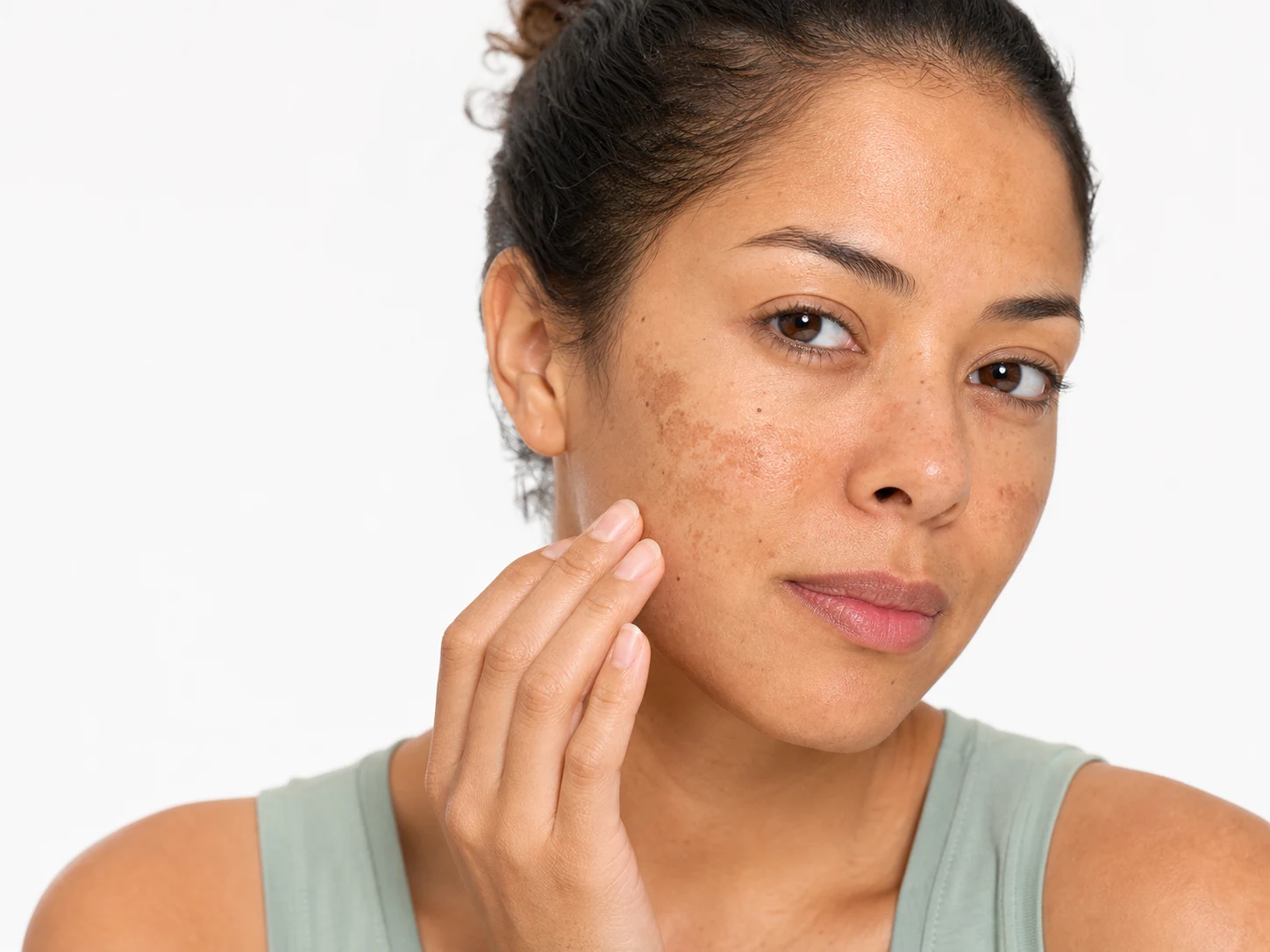
Hyperpigmentation is always a response to something - it doesn't happen randomly. The cause might be obvious (like a sunburn) or hidden (like a hormonal change), but there's always a trigger.
Use this section to decide
Does this advice apply to me?
Find the concern or goal closest to yours, then use the fit signal to decide how much weight to give this guide.If your goal is
Sun exposureDepends- Fit signal
- Possible fit
Most common cause
If your goal is
InflammationUse caution- Fit signal
- Limited evidence
Acne, injury, conditions
If your goal is
HormonesUse caution- Fit signal
- Limited evidence
Pregnancy, birth control
If your goal is
MedicationsUse caution- Fit signal
- Limited evidence
Some drugs trigger it
Research notes already in this guide
- Fitzpatrick skin types III-VI are more prone to pigmentation disorders.
- Unprotected sun exposure significantly increases risk of all types.
- Hormonal changes (pregnancy, birth control) are a major risk factor for melasma.
- Skin trauma (acne, procedures, injuries) often leads to PIH.
Explanation
How it works
Trigger activates melanocytes
UV, inflammation, hormones, or medications stimulate pigment-producing cells.
Melanin production increases
Melanocytes produce more melanin than usual in the affected area.
Pigment accumulates
The excess melanin is distributed to skin cells, causing visible darkening.
Pigmentation appears
The dark spot appears on the skin's surface.
Practical use
How to use it
Identify your trigger
Think about when and where your pigmentation started - sun, inflammation, hormones, or medications?
Remove or manage the trigger
Sun protection, manage acne, discuss medications with your doctor.
Treat the pigmentation
Use brightening agents appropriate for your skin type.
Safety
Side effects and cautions
- Assuming all hyperpigmentation is sun damage
Could be inflammation, hormones, or medications - investigate the source.
- Treating hyperpigmentation without addressing the cause
Identifying and addressing the trigger is essential for effective treatment.
- Ignoring ongoing triggers
If you're still getting sun exposure or new breakouts, pigmentation will continue.
Fit
Who should be careful
- Those needing a single simple answer
Worth noting
Small details that can change the answer
- Melanocytes. These cells produce melanin - they're the source of all pigmentation.
- UV Trigger. Sun exposure is the most common cause of hyperpigmentation.
- Inflammation Trigger. Any injury or inflammation can trigger a pigment response.
- Hormonal Trigger. Estrogen and progesterone can stimulate melanin production.
Hyperpigmentation is caused by excess melanin production in response to triggers.
The most common triggers are sun exposure, inflammation, hormones, medications, and genetics.
Identifying your specific cause helps guide treatment.
Managing triggers is as important as treating existing spots.
Different causes require different treatment approaches.
Explanation
The 5 main causes explained
Here are the most common causes of hyperpigmentation.
Benefits
Identifying your cause
Understanding your specific cause helps you choose the right treatment.
- Sun damage: Irregular spots in sun-exposed areas
- Post-inflammatory: Spots where you've had acne, cuts, or irritation
- Melasma: Symmetrical patches on the face, often hormone-related
- Medication-related: May appear shortly after starting a new medication
- Genetic: Freckles and certain birthmarks
Questions
Frequently asked questions
Can stress cause hyperpigmentation?
Indirectly - stress can worsen conditions like acne or eczema, which can then cause PIH.
Why do I have hyperpigmentation on my face only?
The face is often the most sun-exposed area and prone to hormonal changes.
Is hyperpigmentation genetic?
Yes - certain skin types are more prone to pigmentation disorders.
Can skin infections cause hyperpigmentation?
Yes - any skin inflammation or infection can lead to post-inflammatory pigmentation.
References
Sources
The notes below are drawn from the evidence already cited in this guide. They are not a complete bibliography.
- Fitzpatrick skin types III-VI are more prone to pigmentation disorders.
- Unprotected sun exposure significantly increases risk of all types.
- Hormonal changes (pregnancy, birth control) are a major risk factor for melasma.
- Skin trauma (acne, procedures, injuries) often leads to PIH.