Evidence
What the evidence shows
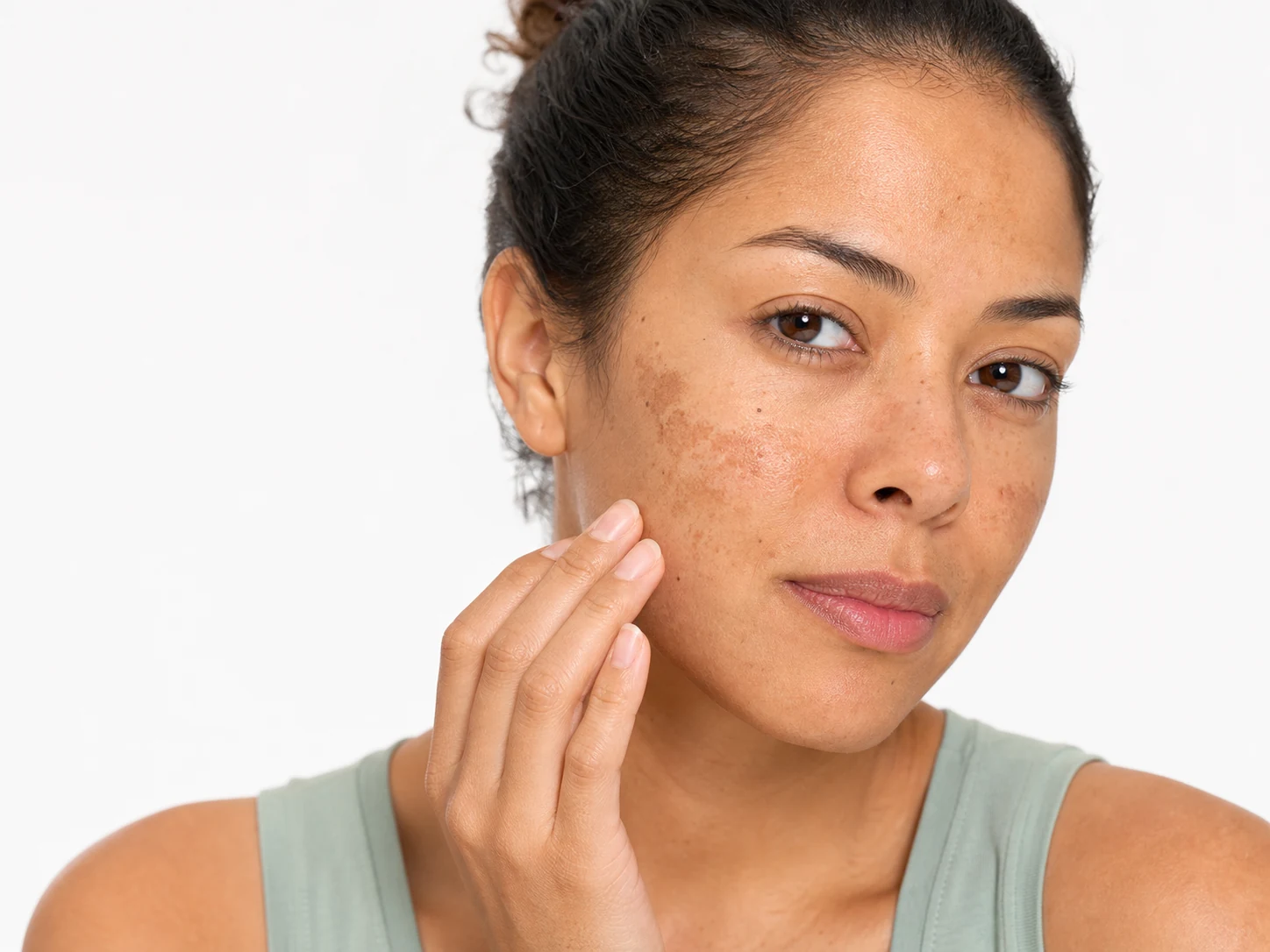
The term "acne scar" is misleading - it covers two different things: pigmented marks (which niacinamide can help) and textural changes (which niacinamide cannot). Understanding which type you have is essential.
Are your scars dark or red marks (not indentations)?
Niacinamide is ideal for fading pigmented post-acne marks.Are your scars pitted or indented?
Niacinamide won't fix these - consult a dermatologist.Are you willing to be patient?
Scar fading takes 4-12 weeks of consistent use.Will you use sunscreen daily?
Sunscreen is essential to prevent scars from darkening.
Use this section to decide
Does this advice apply to me?
Find the concern or goal closest to yours, then use the fit signal to decide how much weight to give this guide.If your goal is
Pigmented ScarsUsually relevant- Fit signal
- Often useful
Helps fade them
If your goal is
Atrophic ScarsDepends- Fit signal
- Possible fit
Doesn't help
If your goal is
Key MechanismUse caution- Fit signal
- Limited evidence
Melanin inhibition
If your goal is
Evidence LevelUsually relevant- Fit signal
- Often useful
Good
Research notes already in this guide
- Studies show niacinamide reduces post-inflammatory hyperpigmentation.
- Research demonstrates niacinamide's anti-inflammatory effects support scar healing.
- Clinical trials show improvement in pigmented scars with consistent niacinamide use.
- Dermatologists recommend niacinamide for post-inflammatory hyperpigmentation.
Explanation
How it works
Inhibits melanin transfer
Prevents new pigment from forming in the scarred area.
Reduces inflammation
Calms any residual inflammation that could trigger pigmentation.
Supports barrier function
Creates a healthy environment for healing.
Gradual fading
Over 4-12 weeks, pigmented scars become less visible.
Expected results
Results and timeframe
Time to results: 4-12 weeks
Results for pigmented scars take 4-12 weeks of consistent use.
Practical use
How to use it
Identify your scar type
Determine if you have pigmented marks (PIH) or atrophic scars.
Use niacinamide for pigmented scars
Apply daily for 4-12 weeks to fade dark marks.
Consider other treatments for atrophic scars
For indentations, consult a dermatologist about retinoids, microneedling, or lasers.
Safety
Side effects and cautions
- Expecting niacinamide to fix pitted or indented scars
It doesn't affect atrophic scars - those require different treatments.
- Stopping use when scars start to fade
Continued use prevents new pigmented scars from forming.
- Using niacinamide without sunscreen
UV exposure darkens pigmented scars, countering niacinamide's effects.
Fit
Who should be careful
- Atrophic (pitted or indented) scars
Worth noting
Small details that can change the answer
- PIH Mechanism. Post-inflammatory hyperpigmentation (PIH) is what niacinamide helps fade.
- Atrophic Scars. Niacinamide doesn't affect indented or pitted scars.
- Melanin Inhibition. Niacinamide blocks melanin transfer, fading pigmented marks.
- Anti-Inflammatory. Niacinamide reduces inflammation that can worsen pigmentation.
Niacinamide helps with pigmented acne scars (dark marks) by inhibiting melanin transfer.
It doesn't help with atrophic scars (indentations or pitted scars).
Sunscreen is essential to prevent further darkening of scars.
For atrophic scars, niacinamide can support overall skin health but won't fix the texture.
Definition
Understanding the types of acne scars
Acne scars fall into two main categories: pigmented and atrophic. Pigmented scars (PIH) are dark marks left after inflammation; atrophic scars are indentations caused by collagen loss. Niacinamide helps with the first type but not the second.
- Post-inflammatory hyperpigmentation (PIH): dark or red marks that fade over time
- Atrophic scars: pitted or indented scars from collagen loss
- Niacinamide: effective for PIH, not for atrophic scars
Benefits
What to expect for acne scars
When niacinamide works on acne scars, here's what you can expect.
- Fading of dark marks left by breakouts over 4-12 weeks
- Reduced redness in areas of previous inflammation
- More even skin tone overall
- Prevention of new pigmented scars from forming
Questions
Frequently asked questions
Can niacinamide remove old acne scars?
It can help fade old pigmented scars, but atrophic scars require different treatments.
How long does niacinamide take to fade acne scars?
Most people see improvement in 4-12 weeks of consistent use.
Is niacinamide or vitamin C better for acne scars?
They work differently and are often used together for pigmented scars.
Can niacinamide prevent acne scars from forming?
Yes - by reducing inflammation and promoting barrier health, it can help prevent PIH.
References
Sources
The notes below are drawn from the evidence already cited in this guide. They are not a complete bibliography.
- Studies show niacinamide reduces post-inflammatory hyperpigmentation.
- Research demonstrates niacinamide's anti-inflammatory effects support scar healing.
- Clinical trials show improvement in pigmented scars with consistent niacinamide use.
- Dermatologists recommend niacinamide for post-inflammatory hyperpigmentation.