Evidence
What the evidence shows
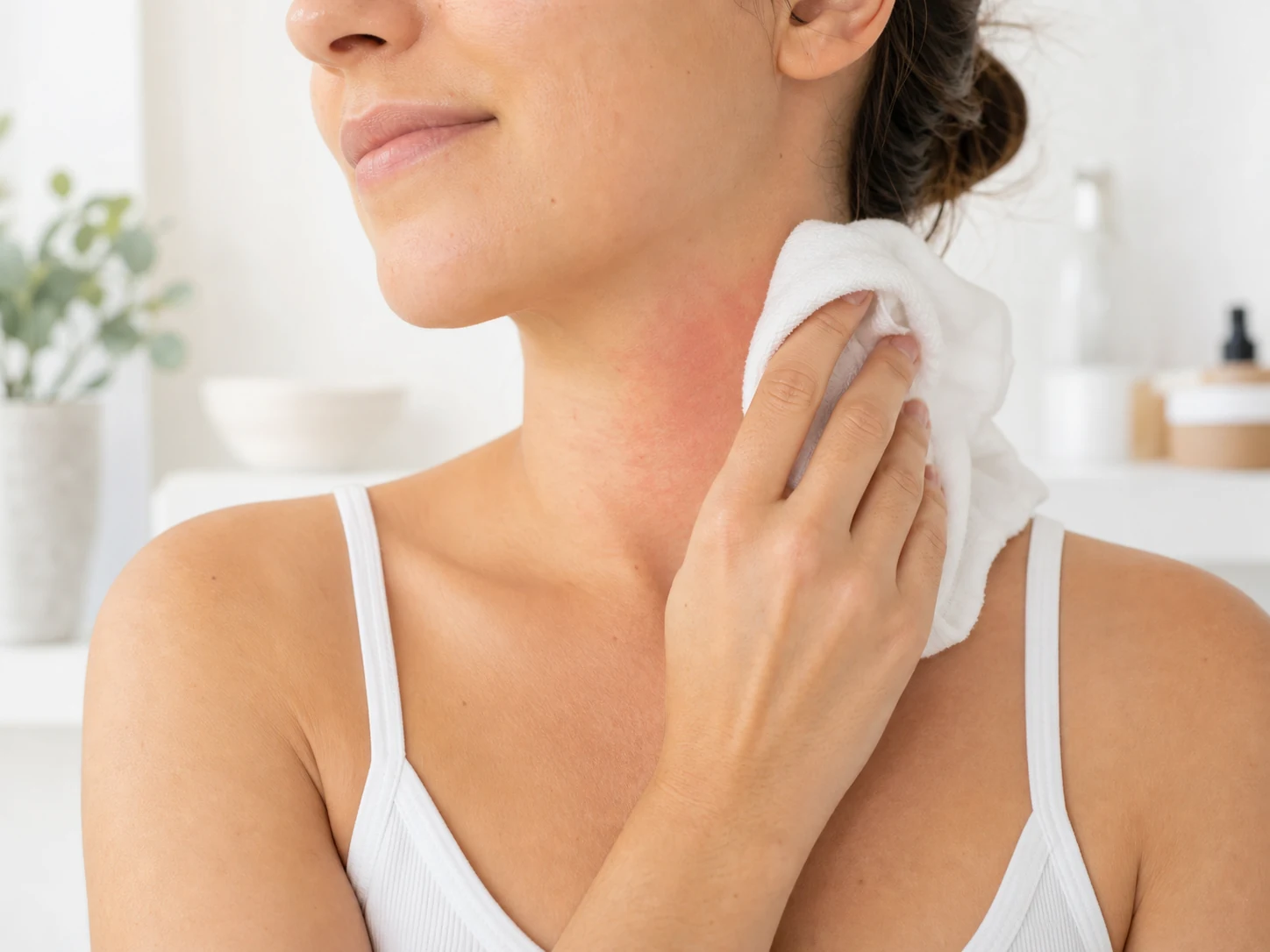
The difference between a temporary mark and a permanent scar comes down to depth. Heat rash affects the surface layers. Scratching can extend into the deeper dermis, where real scars form. Don't scratch.
Use this section to decide
Does this advice apply to me?
Find the concern or goal closest to yours, then use the fit signal to decide how much weight to give this guide.If your goal is
Scarring from rashUsually relevant- Fit signal
- Often useful
No
If your goal is
Scarring from scratchingUse caution- Fit signal
- Limited evidence
Yes
If your goal is
Key differenceUse caution- Fit signal
- Limited evidence
Depth of damage
If your goal is
PreventionUsually relevant- Fit signal
- Often useful
Don't scratch
Practical use
How to use it
Don't scratch
This is the most important step. Use cooling compresses and soothing products to control the itch.
Treat the heat rash properly
Cool, dry, and let the rash heal naturally without interference.
Manage scarring if it occurs
If you do end up with a scar, dermatological treatments like silicone sheets or laser therapy can help minimize its appearance.
Safety
Side effects and cautions
- Assuming heat rash will scar even if you don't scratch
Heat rash doesn't scar on its own. If you don't scratch, you're safe.
- Thinking discoloration is a scar
Discoloration fades; scars are permanent. They're not the same thing.
- Using harsh treatments to "remove" marks
This can cause further damage and increase the risk of scarring.
Fit
Who should be careful
- Cases where scratching has already caused tissue damage
Worth noting
Small details that can change the answer
- Scarring vs. PIH. Scars are structural changes; PIH is just pigment. They're completely different.
- Heat Rash Depth. Heat rash affects the upper skin layers, which heal without scarring.
- Scratching Risk. Scratching can create real scars that are permanent.
- Healing Difference. Surface damage heals without trace; deeper damage leaves permanent marks.
Heat rash itself does not cause scars.
Scratching heat rash can cause permanent scars.
Scars are structural damage; discoloration is pigment change.
The best prevention is not scratching, no matter how much it itches.
If scarring occurs, dermatological treatments can help.
Definition
Understanding scars vs. marks
It's important to distinguish between scarring and pigmentation. A scar is a permanent change in the skin's structure - it's tissue that has been replaced with collagen as the body heals an injury. Pigmentation changes (like post-inflammatory hyperpigmentation) are color changes in the skin that don't involve structural damage and typically fade over time.
- Scars are structural, permanent, and involve collagen changes
- Pigmentation changes are color-only and typically temporary
- Heat rash doesn't cause structural damage; it causes inflammation
- Scratching can convert a harmless rash into a permanent scar
Explanation
Why heat rash doesn't scar on its own
Heat rash is an inflammatory response to blocked sweat ducts. The inflammation occurs primarily in the epidermis and upper dermis. While this can trigger pigment production (leading to temporary discoloration), it doesn't damage the skin structure in a way that requires scar tissue repair. Once the inflammation resolves and the sweat ducts clear, the skin returns to its normal state.
Risks
When heat rash leads to scarring
While heat rash itself doesn't scar, the behavior around it can. Here are the scenarios where scarring becomes a real risk:
- Scratching the rash until the skin breaks and bleeds
- Secondary infections that damage the skin more deeply
- Repeated trauma to the same area from friction or picking
- Pre-existing conditions that affect skin healing
Questions
Frequently asked questions
Can heat rash leave permanent marks?
Heat rash doesn't leave permanent marks unless you scratch it enough to cause scarring. Discoloration is usually temporary.
How can I tell if my heat rash has scarred?
A scar will feel different from the surrounding skin, often being raised, indented, or having a different texture.
Can heat rash scars be treated?
Yes, various dermatological treatments including silicone sheets, laser therapy, and steroid injections can improve scars.
Why do some people get scars from heat rash and others don't?
The difference is almost entirely about behavior. People who scratch vigorously are the ones who get scars.