Evidence
What the evidence shows
Laser hyperpigmentation is about heat injury - the laser's heat needs to be precisely controlled to target the follicle without damaging the surrounding tissue. When the heat is too high, the skin responds with inflammation and pigment.
Do you have darker skin (Fitzpatrick IV-VI)?
Choose a provider with Nd:YAG laser experience.Have you had recent sun exposure?
Wait for your skin to return to its natural color.Is your practitioner experienced with your skin type?
This is the most important factor.
Use this section to decide
Does this advice apply to me?
Find the concern or goal closest to yours, then use the fit signal to decide how much weight to give this guide.If your goal is
Causes?Depends- Fit signal
- Possible fit
Yes
If your goal is
Risk groupsUse caution- Fit signal
- Limited evidence
Darker skin (IV-VI)
If your goal is
PreventionUsually relevant- Fit signal
- Often useful
Nd:YAG laser, SPF
If your goal is
RecoveryUse caution- Fit signal
- Limited evidence
Weeks to months
Research notes already in this guide
- Studies confirm that laser hair removal is safe for most people when performed properly.
- Research shows that post-inflammatory hyperpigmentation is the most common side effect in darker skin types.
- Nd:YAG lasers have been shown to be the safest option for darker skin.
- Proper cooling systems significantly reduce the risk of thermal injury and pigmentation.
Explanation
How it works
Laser energy is delivered
The laser targets melanin in the hair follicle, but some energy may be absorbed by skin melanin.
Thermal injury occurs
If skin melanin absorbs the energy, the surrounding skin is heated and damaged.
Inflammatory response
The thermal injury triggers inflammation in the treated area.
Hyperpigmentation develops
Inflammatory mediators stimulate melanocytes to produce excess pigment.
Practical use
How to use it
Choose the right provider
Select a practitioner experienced with your skin type and the appropriate laser technology.
Avoid sun exposure before and after treatment
Protect treated skin from UV to prevent pigmentation.
Treat any pigmentation early
If pigmentation appears, start treatment promptly with dermatologist guidance.
Safety
Side effects and cautions
- Getting laser hair removal on tanned skin
Wait until skin has returned to its natural color - tanning increases pigmentation risk.
- Choosing the cheapest provider without checking their experience
Experience with your skin type is more important than price.
- Assuming all lasers are the same
Different lasers are suitable for different skin types - Nd:YAG is safer for darker skin.
Fit
Who should be careful
- Those currently treating pigmentation
Worth noting
Small details that can change the answer
- Laser Mechanism. Lasers target melanin in hair follicles.
- Pigment Risk. Skin melanin can absorb laser energy, causing injury.
- Fitzpatrick Risk. Types IV-VI have the highest risk of pigmentation.
- Prevention. Modern lasers and proper settings reduce risk.
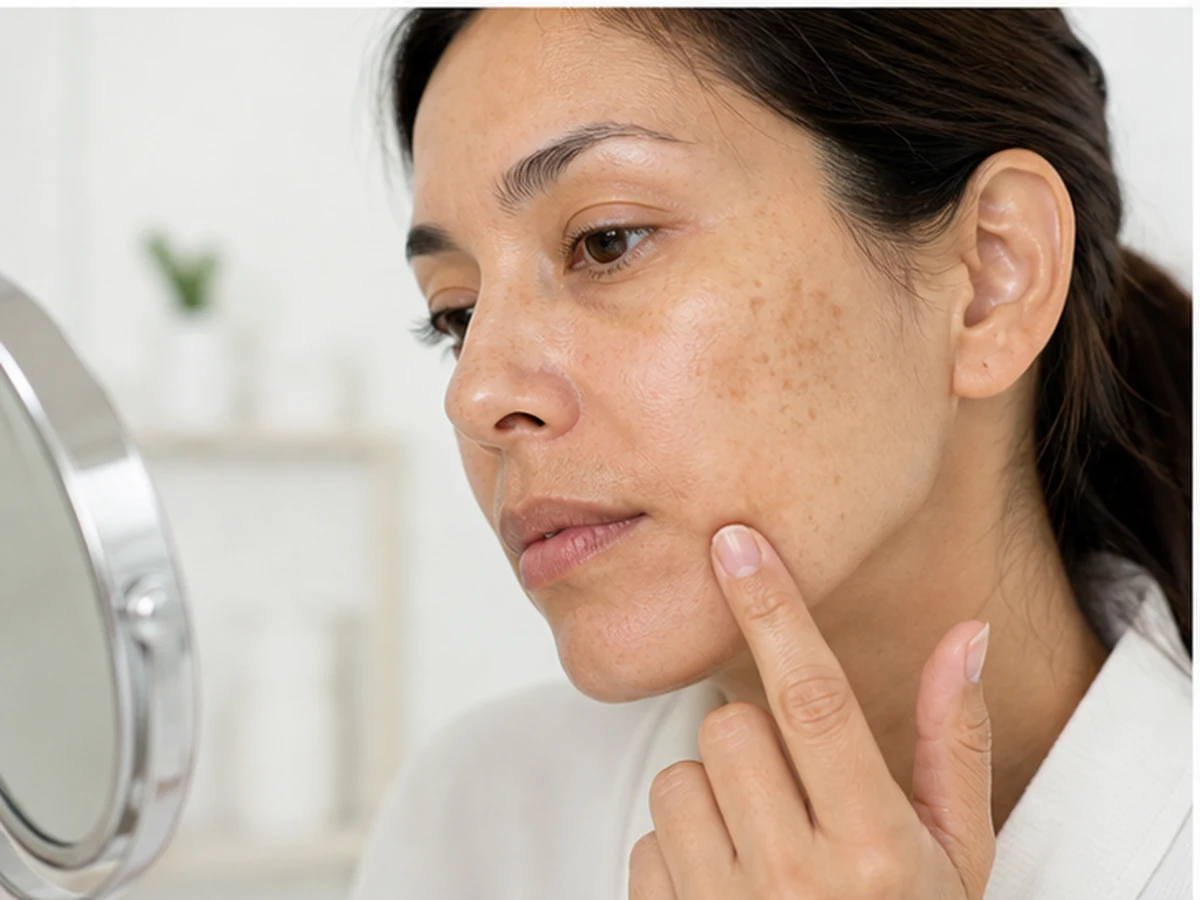
Yes, laser hair removal can cause hyperpigmentation, especially on darker skin types.
The mechanism is thermal injury to the skin triggering an inflammatory response.
Modern laser technology and proper settings significantly reduce the risk.
Nd:YAG lasers are the safest option for darker skin.
Prevention is key - avoid sun exposure and choose an experienced practitioner.
Avoid
When laser hair removal is more likely to cause pigmentation
Higher melanin content in the skin absorbs more laser energy.
These lasers are less safe for darker skin types.
Increased skin melanin means more energy is absorbed by the skin.
Incorrect settings can deliver too much energy to the skin.
Ingredient Compatibility
Can you treat laser-induced pigmentation?
The gold standard for treating hyperpigmentation, but requires professional supervision.
Only use under dermatologist supervision.Gentle and effective for post-inflammatory pigmentation.
Can be used in concentrations up to 10-20%.Antioxidant that inhibits melanin production.
Use 10-20% L-ascorbic acid or gentler derivatives.Essential - UV exposure darkens existing pigmentation.
Use SPF 50+ daily.Questions
Frequently asked questions
Can laser hair removal cause hyperpigmentation on darker skin?
Yes - but with the right laser and settings, the risk can be minimized.
How long does laser hyperpigmentation last?
It can last weeks to months, but with treatment it usually resolves.
Can I treat laser pigmentation with more lasers?
Sometimes - but wait until pigmentation has stabilized, and use the right laser type.
Is IPL safe for darker skin?
IPL is generally not recommended for darker skin due to the higher risk of pigmentation.
References
Sources
The notes below are drawn from the evidence already cited in this guide. They are not a complete bibliography.
- Studies confirm that laser hair removal is safe for most people when performed properly.
- Research shows that post-inflammatory hyperpigmentation is the most common side effect in darker skin types.
- Nd:YAG lasers have been shown to be the safest option for darker skin.
- Proper cooling systems significantly reduce the risk of thermal injury and pigmentation.