Evidence
What the evidence shows
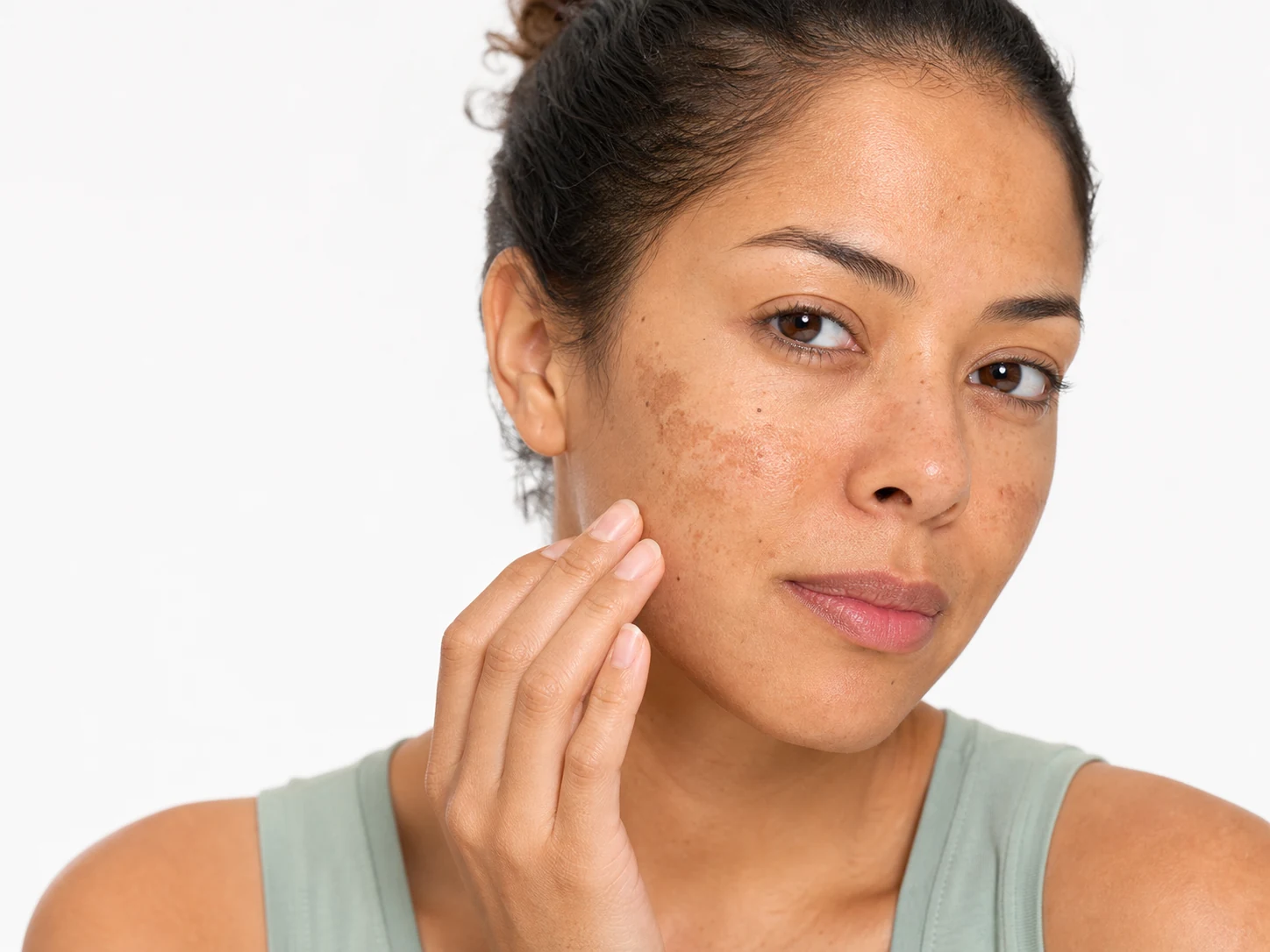
Waxing pigmentation isn't caused by the hair removal itself - it's caused by the inflammatory response to the trauma. Preventing inflammation prevents pigmentation.
Use this section to decide
Does this advice apply to me?
Find the concern or goal closest to yours, then use the fit signal to decide how much weight to give this guide.If your goal is
Causes?Depends- Fit signal
- Possible fit
Yes
If your goal is
Risk groupsUse caution- Fit signal
- Limited evidence
Darker skin, sensitive
If your goal is
PreventionUsually relevant- Fit signal
- Often useful
Gentle technique + SPF
If your goal is
RecoveryUse caution- Fit signal
- Limited evidence
Weeks to months
Explanation
How it works
Waxing trauma occurs
The pulling action causes mechanical injury to the hair follicle and surrounding skin.
Inflammation begins
The body responds with an inflammatory response - redness, heat, and swelling.
Melanocytes are activated
Inflammatory mediators stimulate pigment-producing cells in the affected area.
Hyperpigmentation develops
Excess melanin creates dark spots that persist after inflammation subsides.
Practical use
How to use it
Prevent inflammation during waxing
Use proper technique, ensure wax isn't too hot, and avoid waxing irritated skin.
Protect waxed skin from sun
Apply broad-spectrum SPF 50 to waxed areas before sun exposure.
Treat pigmentation if it appears
Gentle brightening agents like vitamin C or niacinamide can help fade spots.
Safety
Side effects and cautions
- Not using SPF after waxing
UV exposure can darken any pigmentation triggered by waxing.
- Waxing at home without proper technique
Professional waxing reduces the risk of trauma and inflammation.
- Continuing to wax despite pigment changes
Give your skin a break and let pigmentation fade before waxing again.
Fit
Who should be careful
- Those needing immediate pigment treatment
Worth noting
Small details that can change the answer
- Waxing Mechanism. Trauma to the follicle causes inflammation.
- Pigment Trigger. Inflammation stimulates melanocyte activity.
- Risk Factors. Darker skin, sensitive skin, improper technique.
- Prevention. Gentle technique and proper aftercare.
Yes, waxing can cause hyperpigmentation through inflammation and trauma.
Darker skin types are at higher risk.
Prevention is key - proper technique and aftercare reduce risk.
Sun protection after waxing is essential.
Pigmentation is usually temporary but can be stubborn.
Avoid
When waxing is more likely to cause pigmentation
More reactive melanocytes with higher pigmentation risk.
Existing inflammation increases the risk of pigmentation.
Burns and heat trauma add to the inflammatory response.
Cumulative trauma increases pigmentation risk.
UV exposure darkens existing inflammation-related pigment.
Dos Donts
Preventing waxing pigmentation
Do
Proper technique reduces trauma and inflammation.
Wax that's too hot burns and inflames the skin.
Giving skin time to recover reduces cumulative inflammation.
Sun protection prevents pigment from darkening.
Avoid
Existing inflammation increases pigmentation risk.
UV exposure darkens pigmentation.
Trauma adds to inflammation and pigment risk.
Questions
Frequently asked questions
How long does waxing hyperpigmentation last?
It can last from a few weeks to several months, depending on severity and treatment.
Can I wax again if I have pigmentation?
Wait until the pigmentation has faded significantly to avoid worsening it.
Is there a safer hair removal method?
Shaving, threading, and laser hair removal may have lower pigmentation risk for some people.
Can sugar waxing cause less pigmentation?
Sugar waxing may be gentler for some, but any hair removal that causes trauma can trigger pigmentation.