Evidence
What the evidence shows
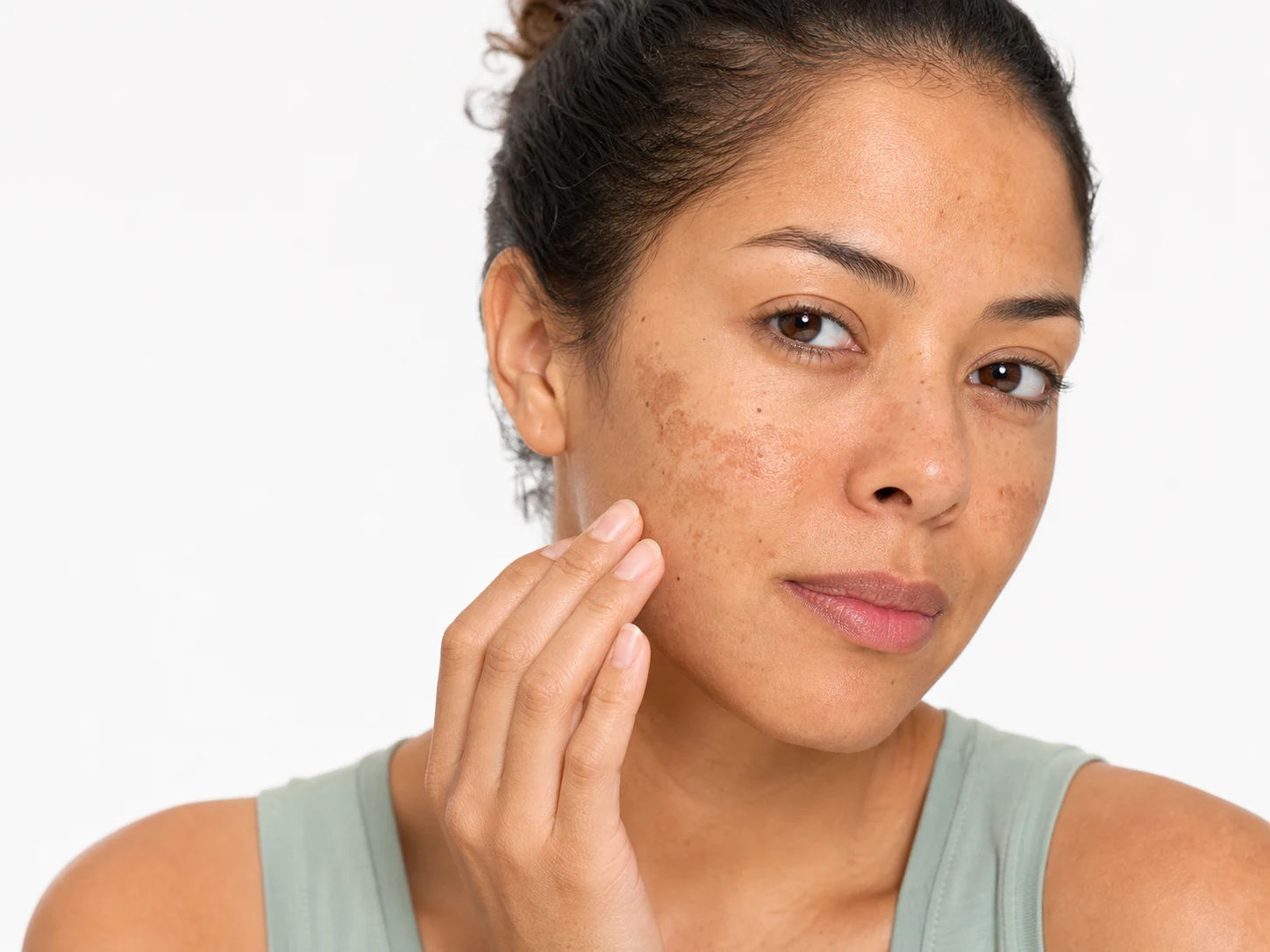
Pregnancy pigmentation is hormonal - it's triggered by estrogen and progesterone, which are at their peak during pregnancy. The same mechanisms that cause melasma also cause other pregnancy-related darkening.
Use this section to decide
Does this advice apply to me?
Find the concern or goal closest to yours, then use the fit signal to decide how much weight to give this guide.If your goal is
Common?Use caution- Fit signal
- Limited evidence
50-70% of pregnancies
If your goal is
Main typeUse caution- Fit signal
- Limited evidence
Melasma
If your goal is
TriggerUse caution- Fit signal
- Limited evidence
Estrogen, progesterone
If your goal is
RecoveryUsually relevant- Fit signal
- Often useful
Usually fades after birth
Research notes already in this guide
- Studies confirm that estrogen and progesterone stimulate melanocyte activity.
- Research shows that 50-70% of pregnant women develop some form of pigmentation.
- UV exposure is the most significant modifiable risk factor.
- Most pregnancy-related pigmentation fades within 6-12 months after delivery.
Explanation
How it works
The pathway from hormonal changes to dark spots.
Hormonal changes begin
Estrogen and progesterone levels rise during pregnancy.
Melanocyte stimulation
These hormones bind to melanocyte receptors, increasing melanin production.
Pigment accumulation
Excess melanin accumulates in specific areas of the skin.
Visible darkening
Brown patches appear on the face (melasma) and other areas.
Practical use
How to use it
Protect your skin from UV exposure
Use SPF 50+ daily, wear hats, and avoid peak sun hours.
Use pregnancy-safe skincare
Consult your doctor about pregnancy-safe brightening ingredients like vitamin C or niacinamide.
Be patient after delivery
Most pigmentation fades gradually after childbirth.
Safety
Side effects and cautions
- Assuming pregnancy pigmentation is permanent
Most fades after delivery, though some may persist.
- Not using sun protection during pregnancy
Sun exposure significantly worsens melasma - use SPF daily.
- Using aggressive treatments during pregnancy
Many brightening agents aren't safe during pregnancy - consult your doctor.
Fit
Who should be careful
- Those needing active pigmentation treatment during pregnancy
Worth noting
Small details that can change the answer
- Melasma Prevalence. 50-70% of pregnant women develop melasma.
- Hormonal Trigger. Estrogen and progesterone stimulate melanocytes.
- Common Areas. Face, abdomen, nipples, and existing spots.
- UV Worsening. Sun exposure can significantly darken pigmentation.
Pregnancy commonly causes hyperpigmentation, including melasma (50-70% of pregnancies).
Hormonal changes (estrogen and progesterone) stimulate melanocyte activity.
UV exposure worsens pregnancy pigmentation significantly.
Most pigmentation fades after delivery, but some may persist.
Consult your doctor before using any pigmentation treatments during pregnancy.
Definition
Types of pregnancy hyperpigmentation
Pregnancy pigmentation can appear in several forms.
- Melasma (mask of pregnancy): Symmetrical brown patches on the face - cheeks, forehead, nose, and upper lip
- Linea nigra: A dark line extending from the navel to the pubic bone
- Darkened nipples and areolas: The breasts' response to hormonal changes
- Darkening of existing spots: Freckles, birthmarks, and scars may darken
- Post-inflammatory hyperpigmentation: Existing skin conditions may worsen
Risks
Who is most likely to develop pregnancy pigmentation?
Not all pregnant women get melasma, but certain factors increase the risk.
- Fitzpatrick skin types III-VI (more reactive melanocytes)
- Women with a history of melasma (especially with birth control pills)
- Women with a family history of melasma
- Women with significant sun exposure during pregnancy
- Women with darker hair and eyes (indicating higher melanin activity)
Questions
Frequently asked questions
Does pregnancy hyperpigmentation go away?
It usually fades within 6-12 months after delivery, but some may persist.
Can I treat melasma during pregnancy?
Only with pregnancy-safe ingredients - consult your doctor first.
Will pregnancy pigmentation come back with future pregnancies?
It often does - the hormonal pattern is likely to repeat.
Does breastfeeding affect hyperpigmentation?
Hormonal changes during breastfeeding can sometimes cause pigmentation to persist.
References
Sources
The notes below are drawn from the evidence already cited in this guide. They are not a complete bibliography.
- Studies confirm that estrogen and progesterone stimulate melanocyte activity.
- Research shows that 50-70% of pregnant women develop some form of pigmentation.
- UV exposure is the most significant modifiable risk factor.
- Most pregnancy-related pigmentation fades within 6-12 months after delivery.