Evidence
What the evidence shows
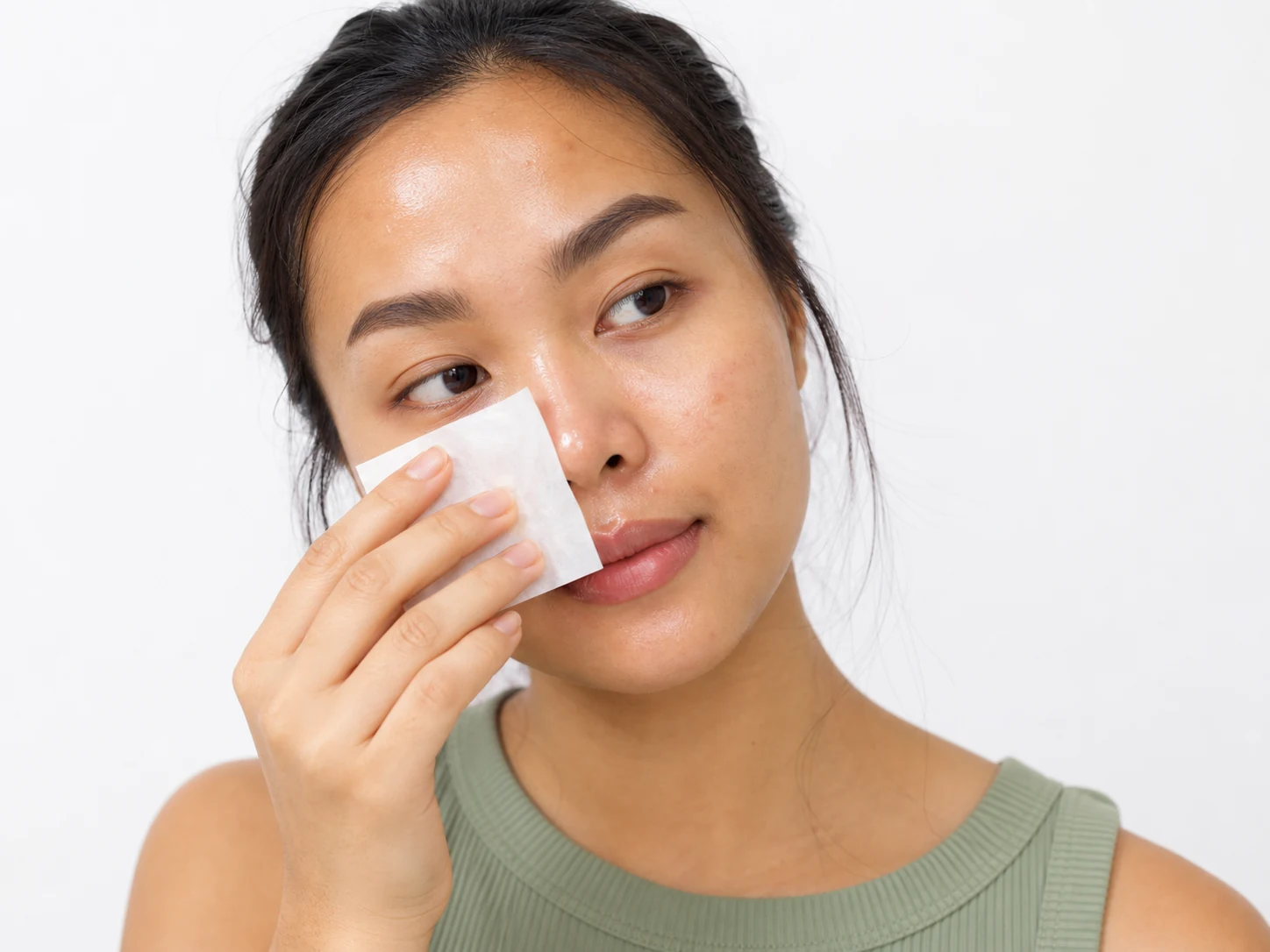
Stress-induced oily skin is hormonal - your oil glands are responding to chemical signals, not just surface-level factors. This means stress management is a legitimate part of oil control.
Use this section to decide
Does this advice apply to me?
Find the concern or goal closest to yours, then use the fit signal to decide how much weight to give this guide.If your goal is
Does stress cause oily skin?Usually relevant- Fit signal
- Often useful
Yes
If your goal is
Key mechanismUse caution- Fit signal
- Limited evidence
CRH and androgen stimulation
If your goal is
Recovery timeDepends- Fit signal
- Possible fit
1-2 weeks after stress subsides
If your goal is
Best approachUsually relevant- Fit signal
- Often useful
Stress management + gentle skincare
Explanation
How it works
From stress trigger to oil slick.
Stress triggers HPA axis
The brain responds to stress by activating the stress response.
CRH and cortisol released
These hormones travel to the skin and bind to receptors on sebaceous glands.
Sebum production increases
CRH directly stimulates oil production; androgens add to the effect.
Skin becomes oilier
Increased sebum leads to shinier skin and potentially more breakouts.
Expected results
Results and timeframe
This can lead to shinier skin, more visible pores, and increased breakouts.
Practical use
How to use it
Manage your stress levels
Practice stress-reduction techniques like meditation, deep breathing, or regular exercise.
Use a gentle, oil-free skincare routine
Cleanse twice daily, use a niacinamide serum, and apply a lightweight moisturizer.
Don't over-treat
Avoid harsh products that strip the skin; this can make oiliness worse.
Safety
Side effects and cautions
- Over-washing to remove excess oil
This can strip the barrier and trigger more oil production.
- Ignoring the stress component
Managing stress is essential for long-term oil control.
- Using harsh, drying products that irritate
These can worsen the cycle by compromising the barrier.
Fit
Who should be careful
- Those looking for a purely topical solution without addressing stress
Worth noting
Small details that can change the answer
- CRH Effect. Corticotropin-releasing hormone directly stimulates sebaceous glands to produce more oil.
- Androgen Effect. Stress increases androgen production, which further stimulates oil glands.
- Behavioral Impact. Stress-related face touching can transfer oil and bacteria, worsening breakouts.
- Recovery. Oil production typically normalizes 1-2 weeks after stress levels decrease.
Stress triggers hormones (CRH, cortisol, androgens) that stimulate sebaceous glands to produce more oil.
Stress also affects behaviors that can worsen oiliness (face-touching, poor skincare habits).
Managing stress is as important as topical skincare for controlling oil.
Avoid over-washing or using harsh products that can worsen the cycle.
Science
The hormonal pathway from stress to oily skin
The hypothalamic-pituitary-adrenal (HPA) axis is the body's central stress response system. When activated, it triggers the release of cortisol and CRH. Sebaceous glands have receptors for both of these hormones. CRH, in particular, stimulates sebaceous gland activity, leading to increased sebum production. Additionally, stress increases the production of androgens, which are potent stimulators of oil production.
- CRH (Corticotropin-Releasing Hormone)
- A hormone released during stress that directly stimulates sebaceous glands.
- Sebaceous Gland
- A gland in the skin that produces sebum, the skin's natural oil.
Benefits
How to manage stress-induced oily skin
A two-pronged approach - managing stress and supporting your skin - is the most effective way to address stress-related oiliness.
- Practice stress management techniques (meditation, exercise, deep breathing)
- Use a gentle, oil-free cleanser twice daily
- Incorporate niacinamide to help regulate sebum production
- Avoid over-washing, which can trigger compensatory oil production
Risks
What stress-induced oiliness can lead to
Excess oil production during stressful periods can trigger a cascade of skin issues.
- More frequent breakouts and acne flare-ups
- Enlarged, more visible pores
- Increased blackheads and whiteheads
- A cycle of stress → oil → breakouts → more stress
Dos Donts
Managing stress oily skin do's and don'ts
Do
Removes excess oil without stripping the barrier.
Helps regulate sebum production over time.
Dehydrated skin can trigger more oil production.
Avoid
This can strip the barrier and trigger more oil production.
Dehydrated skin produces more oil to compensate.
This can lead to scarring and further inflammation.
Questions
Frequently asked questions
Why does my skin get oily when I'm stressed?
Stress hormones like CRH and cortisol directly stimulate your sebaceous glands to produce more oil.
Can stress cause acne?
Yes, by increasing oil production and inflammation, stress can trigger or worsen acne breakouts.
How long does stress-induced oily skin last?
It typically lasts as long as the stress does, with oil production normalizing 1-2 weeks after stress levels decrease.
Can stress cause both dry and oily skin?
Yes, stress can affect different people differently, depending on their skin type and hormone response.