Evidence
What the evidence shows
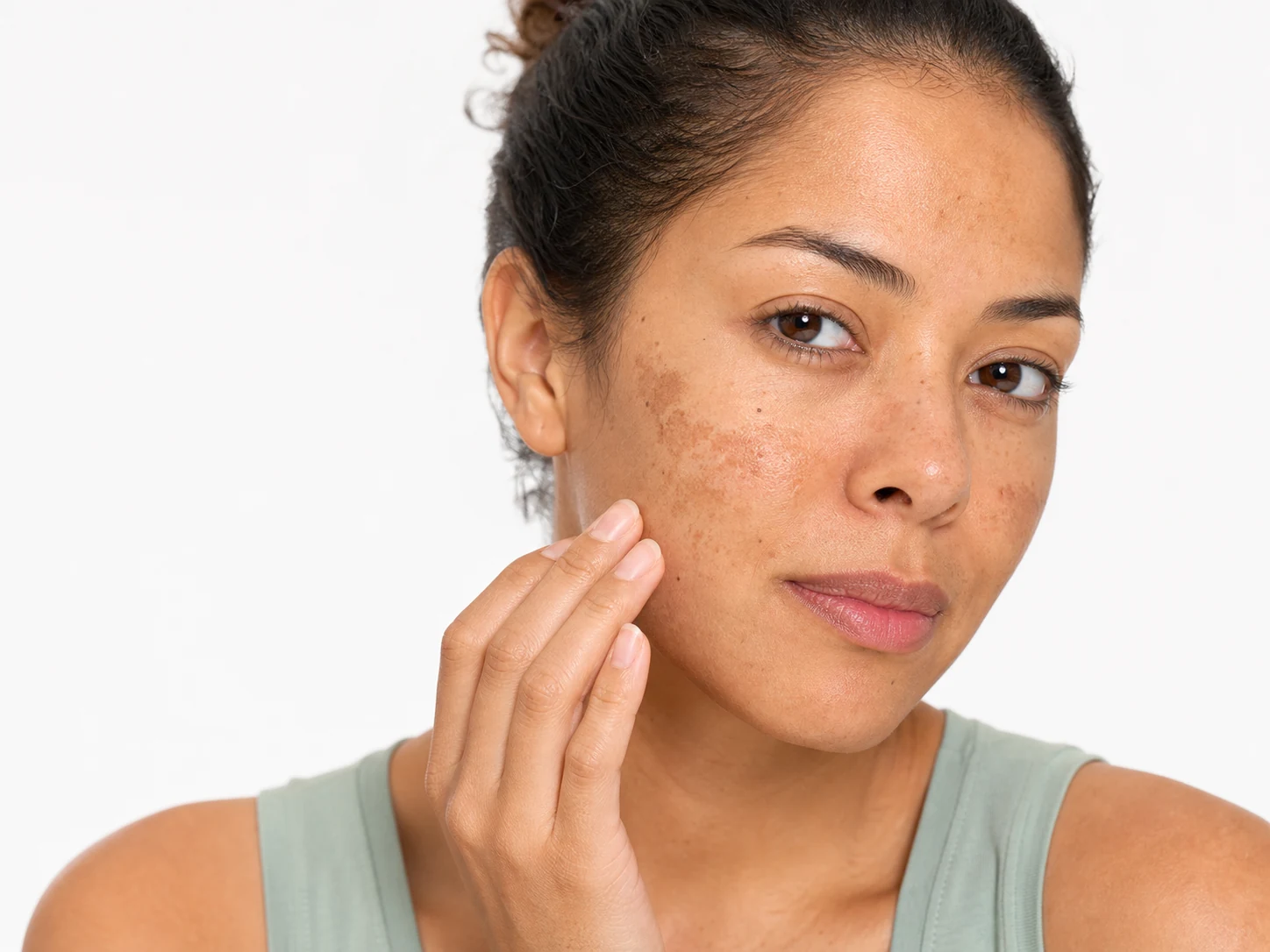
Sunscreen doesn't actively fade hyperpigmentation, but it's the prerequisite for any other treatment to work. Without it, new pigmentation will always outpace fading.
Melasma prevention
Essential in all studiesTreatment support
Required for other treatments to workLong-term benefits
Proven over decades
Use this section to decide
Does this advice apply to me?
Find the concern or goal closest to yours, then use the fit signal to decide how much weight to give this guide.If your goal is
PreventionUsually relevant- Fit signal
- Often useful
Non-negotiable
If your goal is
Treatment supportUsually relevant- Fit signal
- Often useful
Essential for other treatments
If your goal is
MaintenanceUsually relevant- Fit signal
- Often useful
Required to maintain results
If your goal is
Overall valueUsually relevant- Fit signal
- Often useful
Most important step
Research notes already in this guide
- Studies show sunscreen is essential for melasma treatment and prevention.
- Sunscreen use significantly reduces the risk of hyperpigmentation.
- Without sunscreen, hyperpigmentation treatments are less effective.
- Sunscreen is recommended as the first step in all hyperpigmentation treatment plans.
Explanation
How it works
Blocks UV radiation
Prevents UV rays from reaching melanocytes.
Prevents melanin production
Without UV trigger, melanin production stays normal.
Protects existing treatments
Allows brighteners to work without being counteracted.
Long-term prevention
Consistent use prevents new pigmentation over time.
Expected results
Results and timeframe
Time to results: Immediate prevention, long-term
Practical use
How to use it
Choose a broad-spectrum SPF 30+ sunscreen
SPF 50+ is recommended for melasma.
Apply daily
Apply every morning, even on cloudy days.
Reapply regularly
Reapply every 2 hours when outdoors.
Safety
Side effects and cautions
- Only using sunscreen on sunny days
UV rays penetrate clouds and windows; use it daily.
- Not reapplying sunscreen
Reapply every 2 hours when outdoors.
- Using too little sunscreen
Use 1/4 teaspoon for face and neck.
Fit
Who should be careful
- Fading existing pigmentation alone
Worth noting
Small details that can change the answer
- UV Trigger. UV radiation is the primary trigger for melanin production.
- Prevention vs Treatment. Sunscreen prevents new pigmentation; it doesn't fade existing spots.
- SPF Requirement. SPF 30+ is essential; SPF 50+ is recommended for melasma.
- Daily Use. Sunscreen must be used every day, even when indoors or cloudy.
Sunscreen is absolutely essential for treating hyperpigmentation.
It prevents new pigmentation and stops existing spots from darkening.
Broad-spectrum SPF 30+ is the minimum; SPF 50+ for melasma.
Apply daily, reapply regularly, and use enough product.
No other hyperpigmentation treatment will work without sunscreen.
Shopping Guide
How to choose the right sunscreen for hyperpigmentation
Protects against both UVA and UVB radiation.
Higher protection is recommended for stubborn pigmentation.
Provides additional protection against visible light that can worsen melasma.
Important if you're outdoors or sweating.
You'll use it consistently if you like it.
Questions
Frequently asked questions
Can sunscreen fade dark spots?
Sunscreen doesn't fade existing spots, but it prevents them from getting darker and allows other treatments to work.
What SPF is best for hyperpigmentation?
SPF 30+ is the minimum; SPF 50+ is recommended for melasma.
Do I need sunscreen if I have dark skin?
Yes, everyone needs sunscreen for hyperpigmentation prevention.
Can sunscreen make hyperpigmentation worse?
No, sunscreen prevents hyperpigmentation.
References
Sources
The notes below are drawn from the evidence already cited in this guide. They are not a complete bibliography.
- Studies show sunscreen is essential for melasma treatment and prevention.
- Sunscreen use significantly reduces the risk of hyperpigmentation.
- Without sunscreen, hyperpigmentation treatments are less effective.
- Sunscreen is recommended as the first step in all hyperpigmentation treatment plans.