Evidence
What the evidence shows
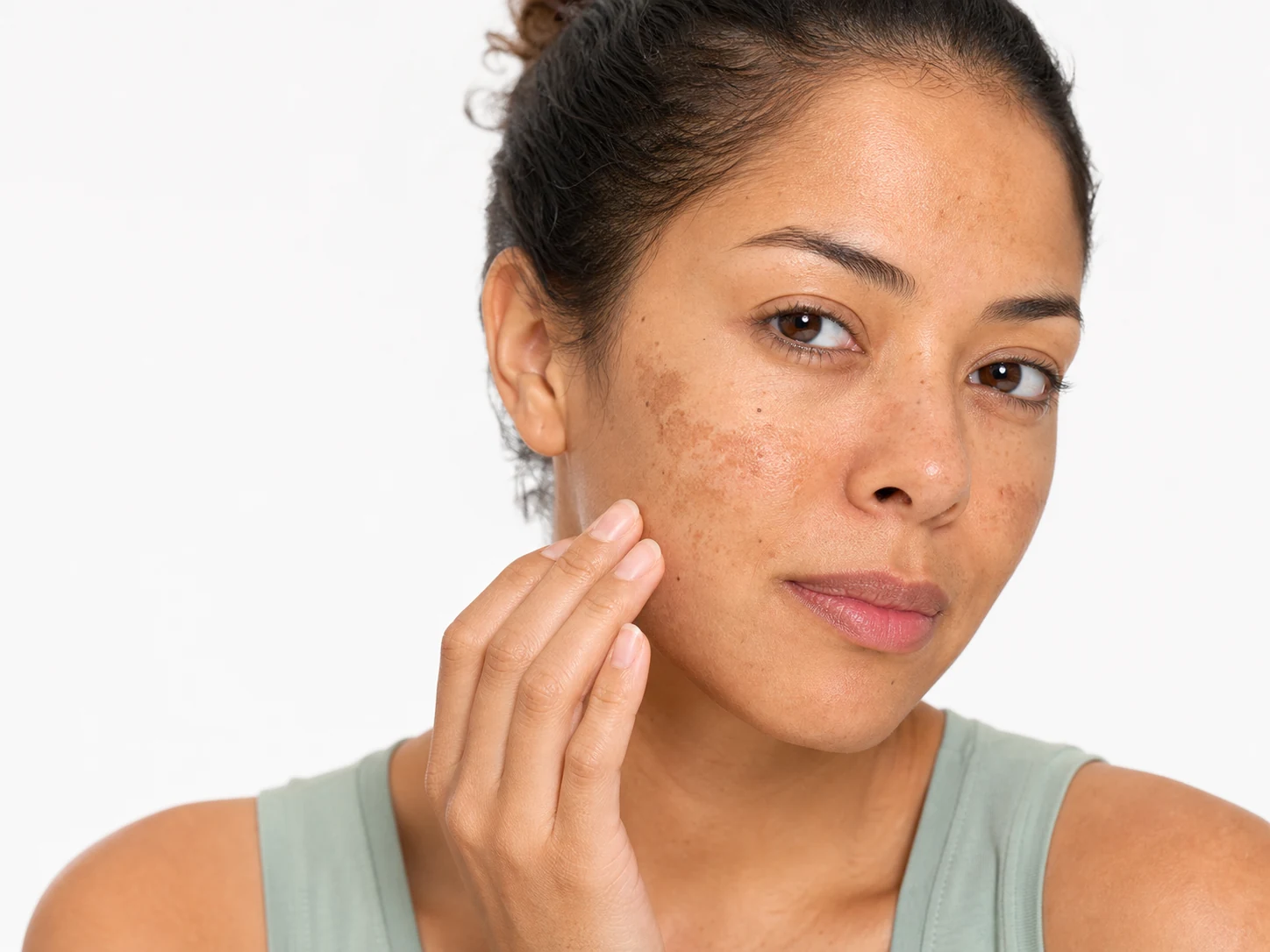
The best retinol for hyperpigmentation is the one you can use consistently without irritation. Higher strength doesn't always mean better results if it damages your skin barrier.
Are you new to retinoids?
Start with a low-strength OTC retinol (0.25-0.5%).Do you have stubborn pigmentation?
Consider prescription tretinoin or a higher-strength retinol.Do you have sensitive skin?
Start with a lower concentration and use it less frequently.
Use this section to decide
Does this advice apply to me?
Find the concern or goal closest to yours, then use the fit signal to decide how much weight to give this guide.If your goal is
Best StrengthUsually relevant- Fit signal
- Often useful
0.25-1%
If your goal is
Best TypeUsually relevant- Fit signal
- Often useful
Retinol or retinaldehyde
If your goal is
Most PotentUse caution- Fit signal
- Limited evidence
Tretinoin (prescription)
If your goal is
EssentialUse caution- Fit signal
- Limited evidence
Sunscreen daily
Research notes already in this guide
- Studies show retinoids are effective for PIH and melasma.
- Research demonstrates superior efficacy of tretinoin for pigmentation.
- Clinical trials support the use of retinol for hyperpigmentation.
Expected results
Results and timeframe
Consistency is key - use retinol regularly for best results.
Practical use
How to use it
Start with a low concentration
Begin with 0.25-0.5% retinol and use it 2-3 times per week.
Build up slowly
Increase frequency and strength gradually as your skin tolerates it.
Always use sunscreen
Sunscreen is essential when using retinol.
Safety
Side effects and cautions
- Starting with too high a concentration
Start with 0.25-0.5% and build up slowly.
- Using retinol without sunscreen
Retinol makes skin more sensitive to the sun.
- Expecting immediate results
It takes 8-12 weeks of consistent use to see results.
Fit
Who should be careful
- Those with very sensitive skin who can't tolerate retinoids
Worth noting
Small details that can change the answer
- Retinol Conversion. Retinol must be converted to retinoic acid in the skin to work.
- Strength Range. OTC retinol ranges from 0.25% to 1%.
- Tretinoin. Prescription retinoid, more potent than retinol.
- Tolerance Building. It takes 4-6 weeks for the skin to adjust to retinol.
The best retinol for hyperpigmentation depends on your skin type and tolerance.
Start with a low concentration (0.25-0.5%) and build up slowly.
Prescription tretinoin is more potent but more irritating.
Always use sunscreen when using retinol.
Definition
Understanding retinol for hyperpigmentation
Retinol works by accelerating cell turnover, which helps shed pigmented cells and promotes the growth of new, healthier skin. It also stimulates collagen production, improving overall skin texture.
- Accelerates cell turnover
- Sheds pigmented cells
- Stimulates collagen production
- Improves overall skin texture and tone
Ingredient Comparison
Comparing retinoid options for hyperpigmentation
Retinol (OTC)
goodBest for: Mild to moderate PIH, beginnersGentle · Well-tolerated · Effective
Retinaldehyde (OTC)
goodBest for: Stubborn pigmentation, faster resultsMore potent than retinol · Well-tolerated
Tretinoin (Prescription)
bestBest for: Stubborn PIH, melasma, severe pigmentationMost potent · Most effective
Limitations: More irritating · Prescription requiredAdapalene (OTC/Prescription)
goodBest for: PIH from acne, sensitive skinGood for acne-prone skin · Well-tolerated
Benefits
What to expect from using retinol for hyperpigmentation
Retinol can significantly improve hyperpigmentation, but it takes time and consistency. Visible results typically appear in 8-12 weeks.
- Fading of dark spots and PIH over time
- More even skin tone after several months
- Improved overall skin texture
- Reduced appearance of fine lines and wrinkles
Questions
Frequently asked questions
Is retinol or tretinoin better for hyperpigmentation?
Tretinoin is more potent, but retinol is effective for most people with less irritation.
What concentration of retinol is best for hyperpigmentation?
Start with 0.25-0.5% and increase to 1% if tolerated.
How long does retinol take to fade hyperpigmentation?
Visible results typically take 8-12 weeks of consistent use.
Can I use retinol with other hyperpigmentation ingredients?
Yes, retinol works well with niacinamide and vitamin C.
References
Sources
The notes below are drawn from the evidence already cited in this guide. They are not a complete bibliography.
- Studies show retinoids are effective for PIH and melasma.
- Research demonstrates superior efficacy of tretinoin for pigmentation.
- Clinical trials support the use of retinol for hyperpigmentation.