Evidence
What the evidence shows
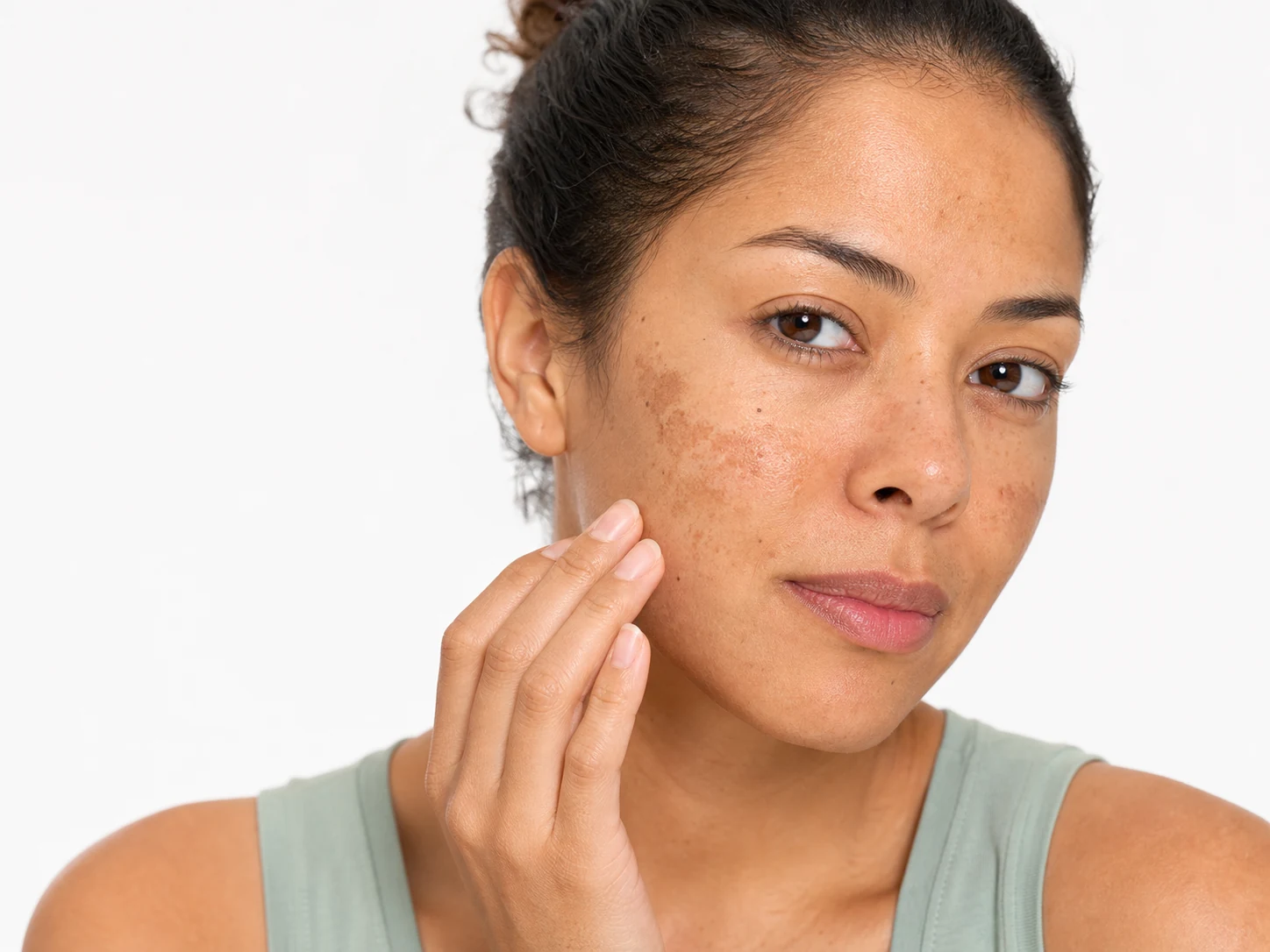
The best serum for hyperpigmentation is the one that matches your specific pigmentation type and skin sensitivity. No single serum works for everyone.
Use this section to decide
Does this advice apply to me?
Find the concern or goal closest to yours, then use the fit signal to decide how much weight to give this guide.If your goal is
Vitamin C for PIHDepends- Fit signal
- Possible fit
Good for most types
If your goal is
Niacinamide for PIHDepends- Fit signal
- Possible fit
Gentle and effective
If your goal is
Retinol for PIHUsually relevant- Fit signal
- Often useful
Highly effective
If your goal is
Azelaic Acid for melasmaUsually relevant- Fit signal
- Often useful
Excellent
Research notes already in this guide
- Vitamin C is well-studied for brightening and antioxidant protection.
- Niacinamide has strong evidence for inhibiting melanin transfer.
- Retinoids are supported by decades of research for PIH and aging.
- Azelaic acid is effective for melasma with a good safety profile.
- Combination serums often provide the best results.
Practical use
How to use it
Cleanse gently
Start with a clean face.
Apply serum
Use 2-3 drops of your chosen serum.
Follow with moisturizer
Lock in the serum with a moisturizer.
Always use sunscreen
Sunscreen is essential for any hyperpigmentation treatment.
Safety
Side effects and cautions
- Using a serum without sunscreen
Sun exposure undoes all brightening work.
- Expecting immediate results
Hyperpigmentation serums take 8-12 weeks to show results.
- Using too many serums at once
Start with one serum and add others gradually.
Fit
Who should be careful
- Those seeking a one-size-fits-all answer
Helpful context
What else is worth knowing
Which serum is right for you?
Worth noting
Small details that can change the answer
- Vitamin C. Inhibits tyrosinase and provides antioxidant protection.
- Niacinamide. Blocks melanin transfer; gentle for sensitive skin.
- Retinol. Accelerates cell turnover for PIH and aging.
- Azelaic Acid. Inhibits tyrosinase; good for melasma and sensitive skin.
The best serum depends on your pigmentation type.
Vitamin C is excellent for sun spots and PIH.
Niacinamide is gentle and versatile for all types.
Retinol is effective for PIH and aging-related pigmentation.
Sunscreen is essential for any serum to work.
Ingredient Comparison
Comparing serum ingredients for hyperpigmentation
Vitamin C
bestBest for: Sun spots, PIH, overall brighteningAntioxidant, brightening, collagen support
Niacinamide
bestBest for: PIH, sensitive skin, all typesGentle, versatile, barrier support
Retinol
bestBest for: PIH, aging-related pigmentationCell turnover, collagen support
Limitations: Can cause irritation, requires patienceAzelaic Acid
bestBest for: Melasma, PIH with rednessGentle, anti-inflammatory, effective
Questions
Frequently asked questions
Can I use multiple serums for hyperpigmentation?
Yes, many people use vitamin C in the morning and retinol at night.
What is the most effective serum for dark spots?
Vitamin C and retinol are among the most effective for dark spots.
How long does a serum take to fade hyperpigmentation?
Visible results typically take 8-12 weeks of consistent use.
Is a prescription serum better for hyperpigmentation?
Hydroquinone requires a prescription and is very effective, especially for melasma.
References
Sources
The notes below are drawn from the evidence already cited in this guide. They are not a complete bibliography.
- Vitamin C is well-studied for brightening and antioxidant protection.
- Niacinamide has strong evidence for inhibiting melanin transfer.
- Retinoids are supported by decades of research for PIH and aging.
- Azelaic acid is effective for melasma with a good safety profile.
- Combination serums often provide the best results.