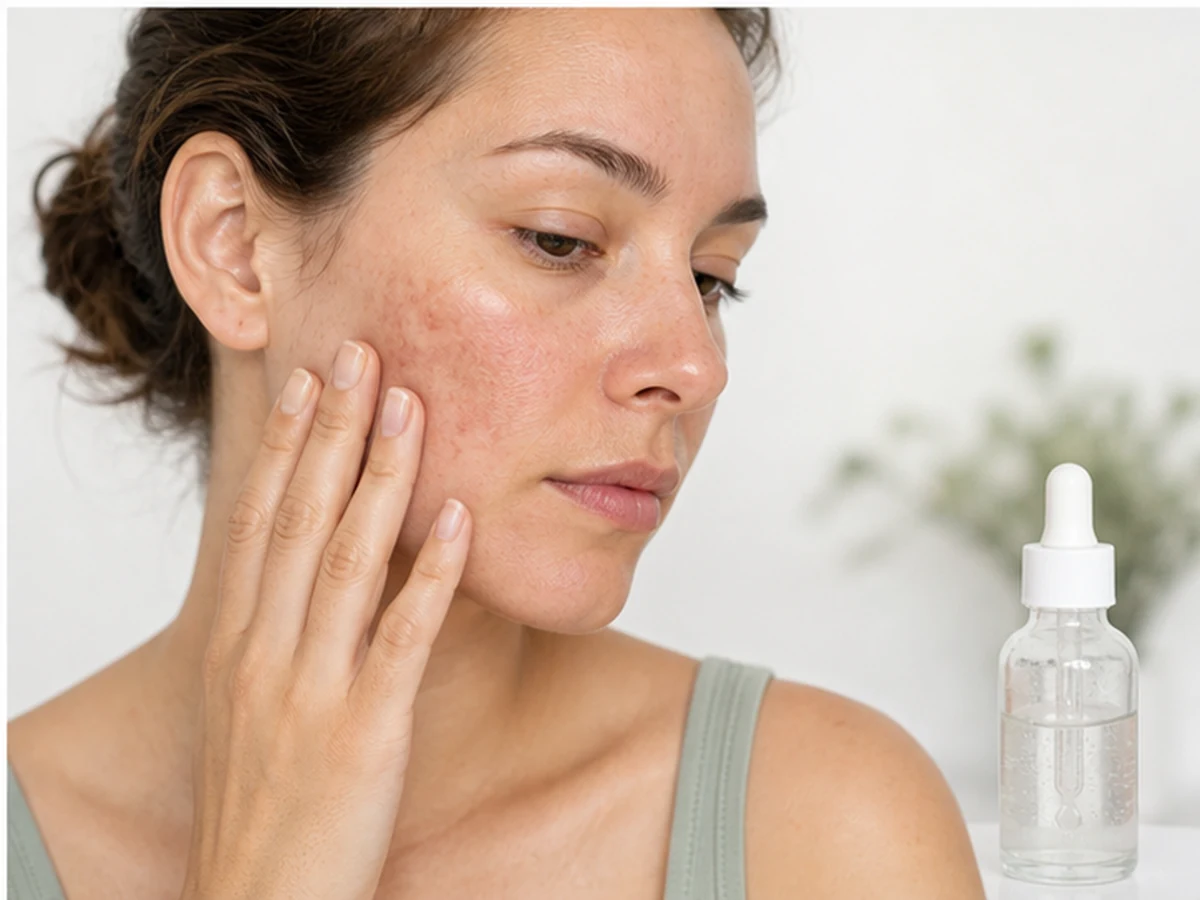
Evidence
What the evidence shows
Microneedling pigmentation is about the balance between wound healing and inflammation - too much trauma or improper technique tips the balance toward pigmentation.
Use this section to decide
Does this advice apply to me?
Find the concern or goal closest to yours, then use the fit signal to decide how much weight to give this guide.If your goal is
Causes?Depends- Fit signal
- Possible fit
Yes
If your goal is
Risk groupsUse caution- Fit signal
- Limited evidence
Darker skin (IV-VI)
If your goal is
PreventionUsually relevant- Fit signal
- Often useful
Gentle technique + SPF
If your goal is
RecoveryUse caution- Fit signal
- Limited evidence
Weeks to months
Explanation
How it works
Needles create micro-injuries
The skin is punctured hundreds of times, creating controlled trauma.
Inflammatory response begins
The body responds with inflammation to begin the healing process.
Melanocytes are activated
Inflammatory mediators stimulate pigment-producing cells.
Hyperpigmentation develops
Excess melanin creates dark spots as part of the healing response.
Practical use
How to use it
Choose a qualified professional
Experience with your skin type is essential.
Protect your skin from UV exposure
SPF 50+ daily, hats, and avoiding peak sun hours.
Treat pigmentation if it appears
Use gentle brightening agents under professional guidance.
Safety
Side effects and cautions
- Getting microneedling without proper pre-treatment preparation
Follow pre-treatment instructions carefully to prepare your skin.
- Using home microneedling devices without proper training
Home devices can cause pigmentation if used incorrectly.
- Returning to normal activities without sun protection
Healing skin is vulnerable - SPF is essential.
Fit
Who should be careful
- Those with active pigmentation concerns
Worth noting
Small details that can change the answer
- Microneedling Mechanism. Creates controlled micro-injuries to stimulate healing.
- Pigment Trigger. Inflammation from injury stimulates melanocytes.
- Risk Factors. Darker skin, deep needling, improper technique.
- Prevention. Gentle technique and strict post-care SPF.
Microneedling can cause hyperpigmentation, especially on darker skin types.
The mechanism is inflammation triggered by micro-injuries.
Proper technique and needle depth reduce the risk.
Sun protection is essential before and after treatment.
Post-treatment care is critical for preventing pigmentation.
Avoid
When microneedling is more likely to cause pigmentation
More reactive melanocytes with higher pigmentation risk.
Greater trauma leads to more inflammation.
Cumulative trauma increases pigmentation risk.
UV darkens any pigmentation triggered by the procedure.
Previous pigmentation indicates higher risk.
Dos Donts
Preventing pigmentation from microneedling
Do
Proper technique is essential for preventing pigmentation.
Shallower depths are safer for darker skin.
UV protection is essential while healing.
Proper healing reduces pigmentation risk.
Avoid
Increased melanin in the skin raises pigmentation risk.
Additional trauma increases pigmentation risk.
UV exposure darkens any inflammation-related pigment.
Questions
Frequently asked questions
Is microneedling safe for darker skin?
Yes - with proper technique and shallower needle depths.
How long does microneedling pigmentation last?
Typically weeks to months, with proper treatment.
Can I treat microneedling pigmentation at home?
Gentle brightening agents can help, but professional guidance is recommended.
Is it safe to get microneedling if I have melasma?
Use caution - microneedling can sometimes worsen melasma.