Evidence
What the evidence shows
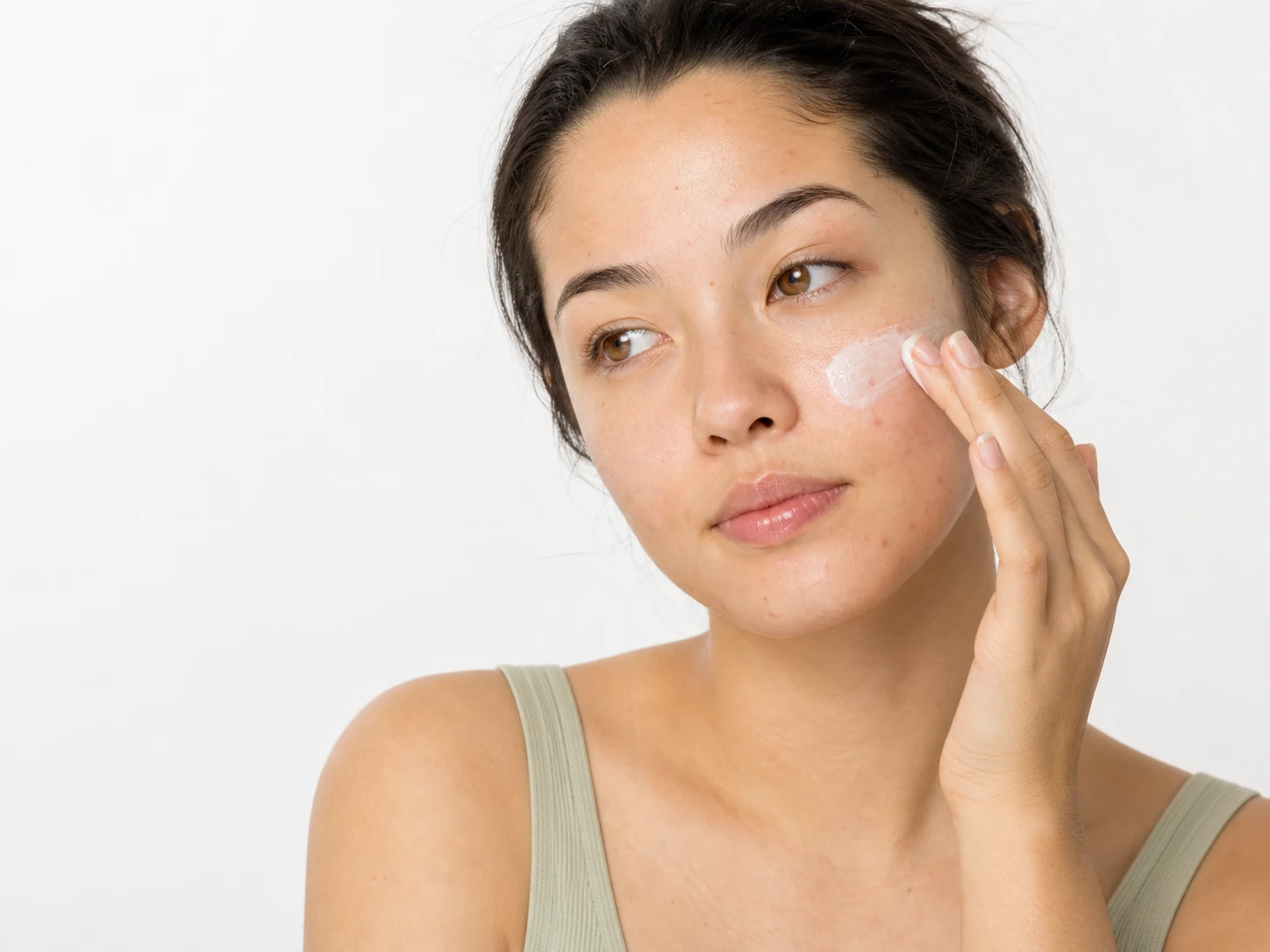
Sensitive skin's visual signature is less about a fixed appearance and more about speed and visibility of reaction, since it often looks unremarkable until something triggers it.
Use this section to decide
Does this advice apply to me?
Find the concern or goal closest to yours, then use the fit signal to decide how much weight to give this guide.If your goal is
At restUse caution- Fit signal
- Limited evidence
Often looks typical
If your goal is
During reactionDepends- Fit signal
- Possible fit
Redness, flushing
If your goal is
Onset speedUse caution- Fit signal
- Limited evidence
Minutes to hours
If your goal is
Overlaps withDepends- Fit signal
- Possible fit
Rosacea, allergies
Explanation
How it works
Exposure to a trigger
A product, temperature change, or friction reaches the skin.
Barrier lets it through
A less robust barrier allows the trigger to reach deeper skin layers.
Nerve and vessel response
Nerve endings and blood vessels react, producing redness or a stinging sensation.
Visible flare-up
Skin shows flushing, redness, or fine dryness in the affected area.
Expected results
Results and timeframe
Redness, flushing, and fine dry patches are the most common visible signs of sensitivity.
Tracking triggers and reaction patterns over time is more reliable than judging from a single flare-up.
Practical use
How to use it
Note recent changes
Track any new products, weather shifts, or exposures before a reaction.
Observe onset and duration
Sensitive skin reactions tend to appear quickly and settle down once the trigger is removed.
Watch for recurring patterns
Consistent reactions to similar triggers over time point more clearly to sensitivity.
Safety
Side effects and cautions
- Judging sensitivity only by how skin looks at rest
Pay closer attention to how skin reacts to specific triggers.
- Assuming all redness means sensitive skin
Consider other causes like heat, exertion, or an underlying condition.
- Ignoring how quickly and consistently reactions recur
Track patterns over time rather than relying on a single incident.
Fit
Who should be careful
- Ruling out rosacea or allergic conditions on appearance alone
Helpful context
What else is worth knowing
Checking your own skin
A few quick self-checks for common situations.
Worth noting
Small details that can change the answer
- Reaction-Based. Sensitive skin's appearance is often defined more by how it reacts than how it looks at rest.
- Common Trigger Response. Redness and flushing are the most typical visible signs of a reaction.
- Fast Onset. Reactions often appear within minutes to a few hours of exposure to a trigger.
- Overlap With Other Conditions. Some signs of sensitivity resemble rosacea or allergic reactions, which can make self-diagnosis tricky.
Sensitive skin often looks fairly typical at rest, with its defining signs appearing mainly during a reaction.
Reactions tend to appear relatively quickly after exposure to a trigger.
Sensitive skin's appearance can overlap with conditions like rosacea or allergic reactions.
Definition
What sensitive skin looks like
Sensitive skin often appears fairly ordinary at rest but shows visible redness, flushing, or fine dryness relatively quickly after exposure to a trigger like a new product or environmental change.
- Can look typical between reactions
- Redness or flushing after triggers
- Fine dry patches sometimes present
Explanation
Why the reaction shows up so visibly
Sensitive skin often has blood vessels closer to the surface and a barrier that lets irritants penetrate more easily, which is part of why reactions can appear as visible redness relatively quickly.
Avoid
Signs that may point elsewhere
May indicate rosacea rather than general sensitivity
Could indicate an allergic reaction requiring different management
Dos Donts
Confirming sensitive skin correctly
Do
Helps identify true triggers rather than one-off coincidences.
Fast onset and resolution is typical of general sensitivity.
Avoid
Occasional flushing can happen to any skin type from heat or exertion.
Ongoing visible redness may need a professional look to rule out other conditions.
Questions
Frequently asked questions
Does sensitive skin always look red?
Not constantly; redness and flushing tend to appear specifically in response to a trigger.
How is sensitive skin different from rosacea?
Rosacea often involves more persistent visible redness and blood vessels, while general sensitivity tends to flare and settle more quickly.
Can sensitive skin look completely normal most of the time?
Yes, many people with sensitive skin see few visible signs until they encounter a specific trigger.
Should I see a dermatologist about sensitive skin?
If redness is persistent or accompanied by visible blood vessels or swelling, a dermatologist can help clarify the cause.