A gentle place to begin
A few first stops if “Which...” questions still feel new.
Questions that begin with “Which…”
For the aisle stare: two good options, one decision, and a clearer way to choose.
63 calm answers for the moments you hover over a bottle, or a habit, and wonder what comes next.

Popular guides
Which
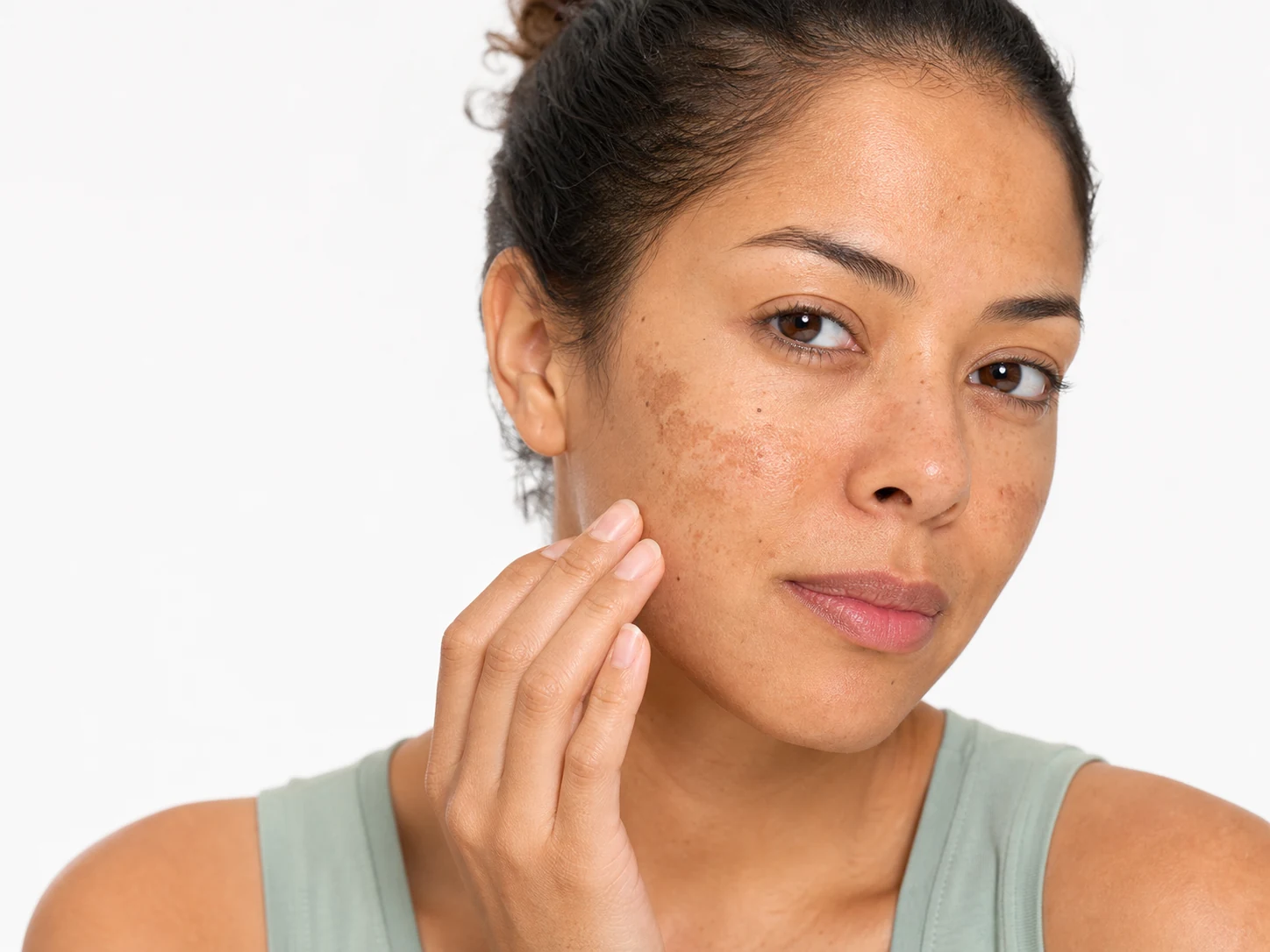
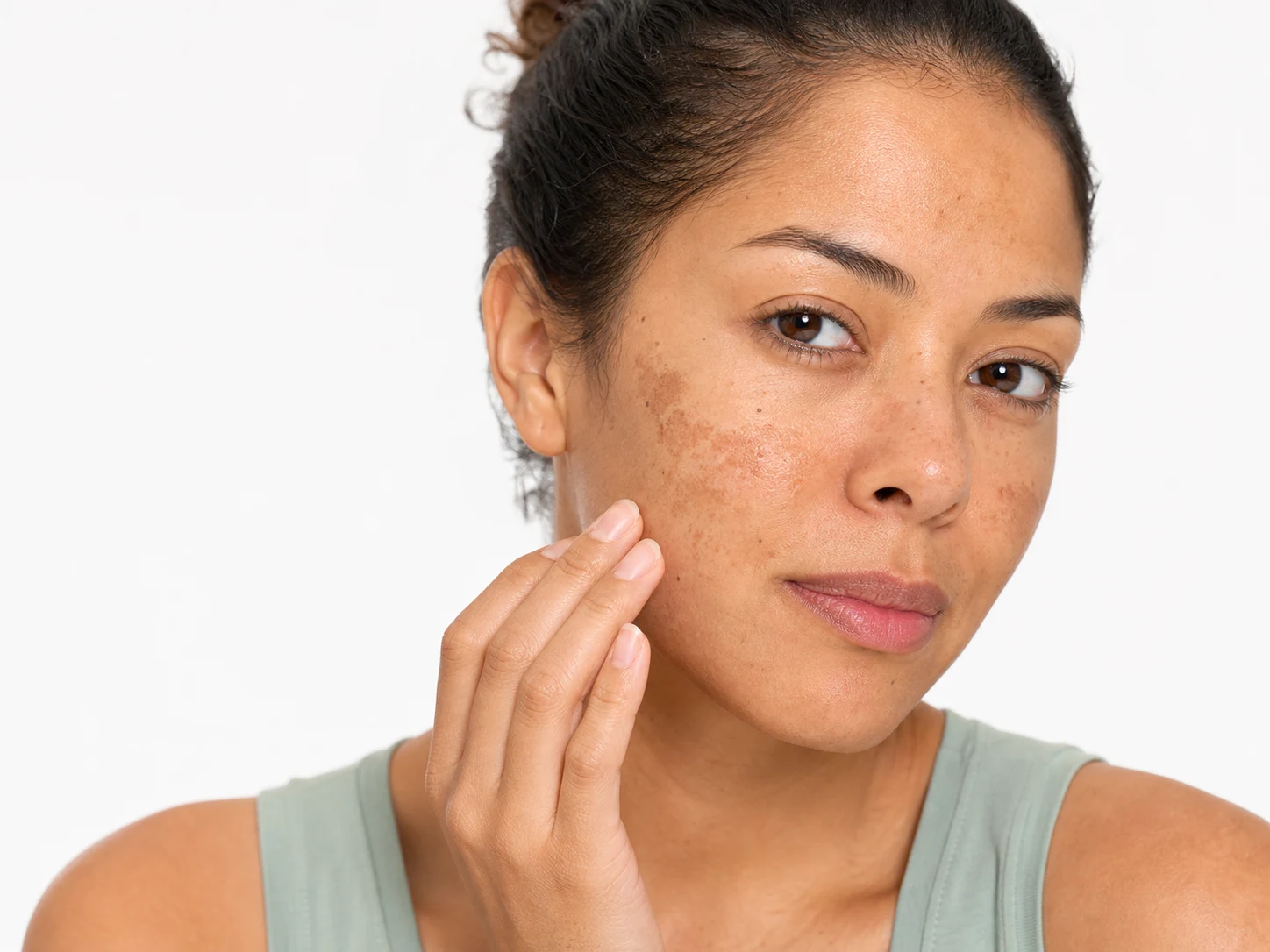
That is because melasma is unusually sensitive to visible light, the ordinary light bouncing off a window or a laptop screen, and standard SPF ratings say nothing about how well a product blocks that.
Most sunscreen advice stops at "wear SPF 30 or higher," which is fine for sunburn but not nearly specific enough for melasma. Melasma responds to visible light as much as UV, which quietly rules out a lot of otherwise perfectly good sunscreens.
Which
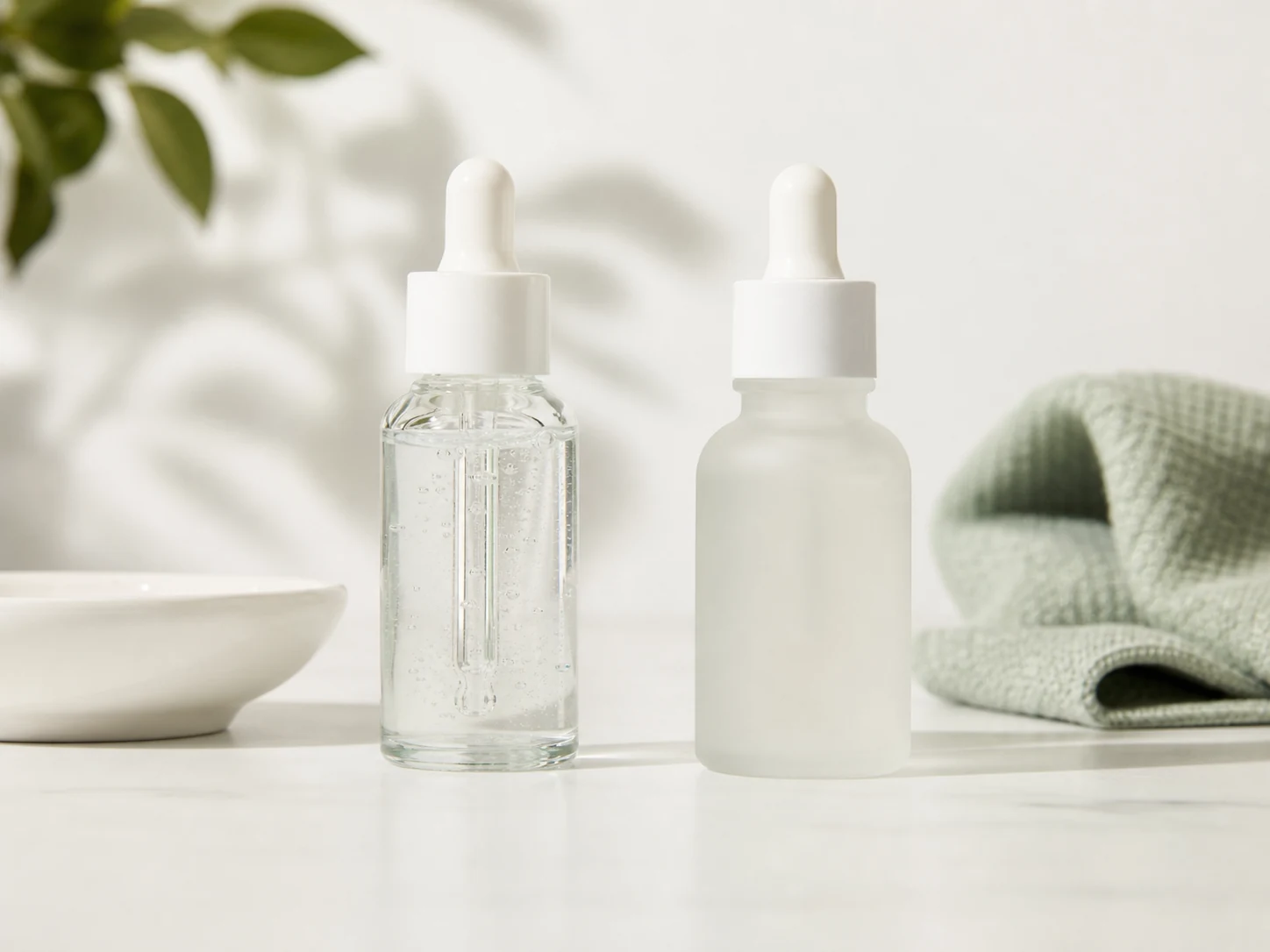
But 10% niacinamide is a high percentage, and these serums have very different supporting formulations. The better choice depends on your skin type.

Which
But the right acid doesn't just remove dead cells; it actually helps your skin attract and retain moisture.

Which
Glycolic acid, the darling of chemical exfoliation, works because it's tiny and fast - which means it penetrates deep and disrupts a dry skin barrier with impressive efficiency.

Which
The surprising thing is that you can wash your body three times in hard water and still feel like you haven't gotten the soap off.
Which
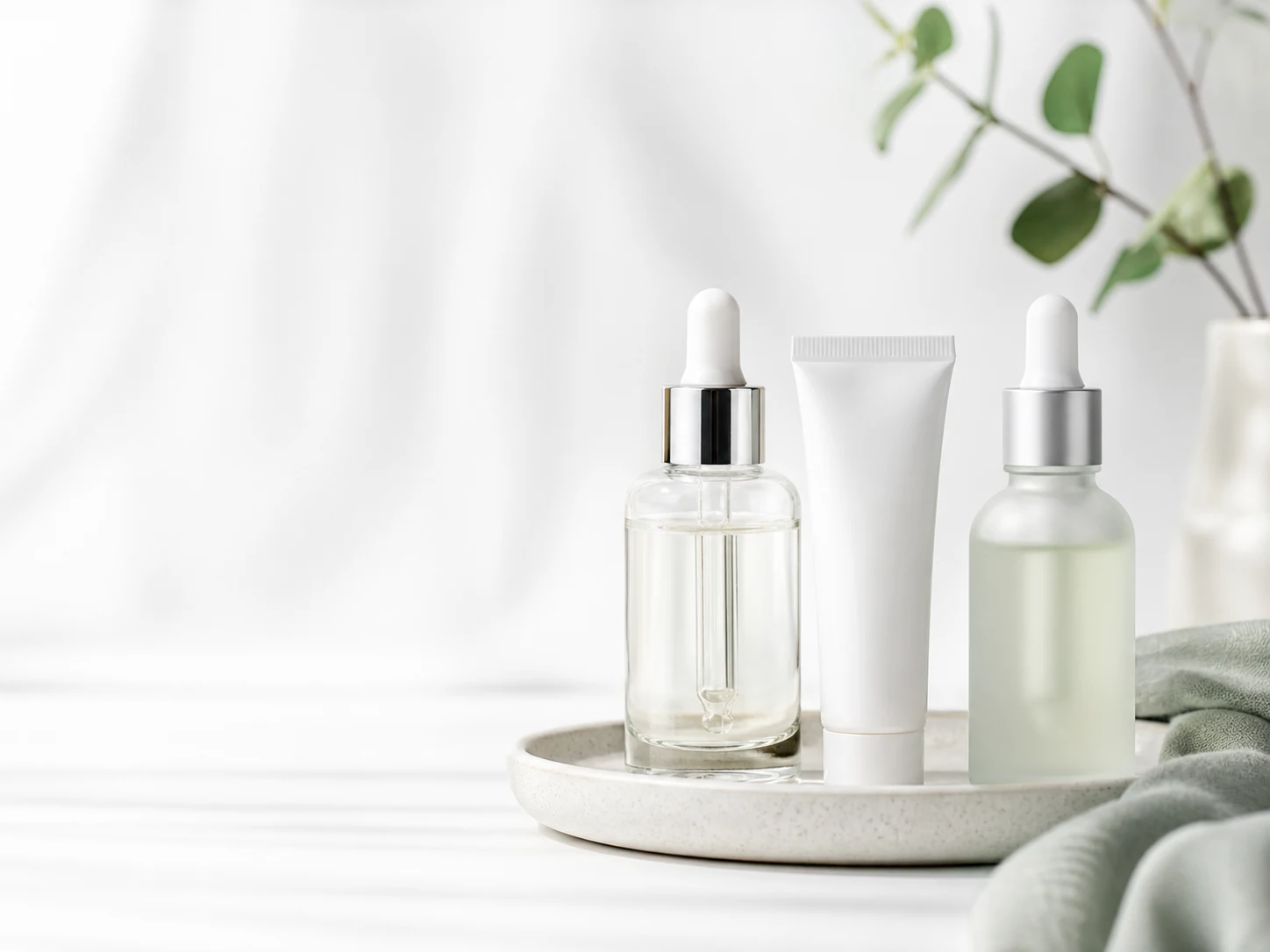
The best brand for you isn't necessarily the most expensive or the most hyped.
The best brand of niacinamide depends on your budget, skin type, and preferences. Several excellent options exist across price points.
Which
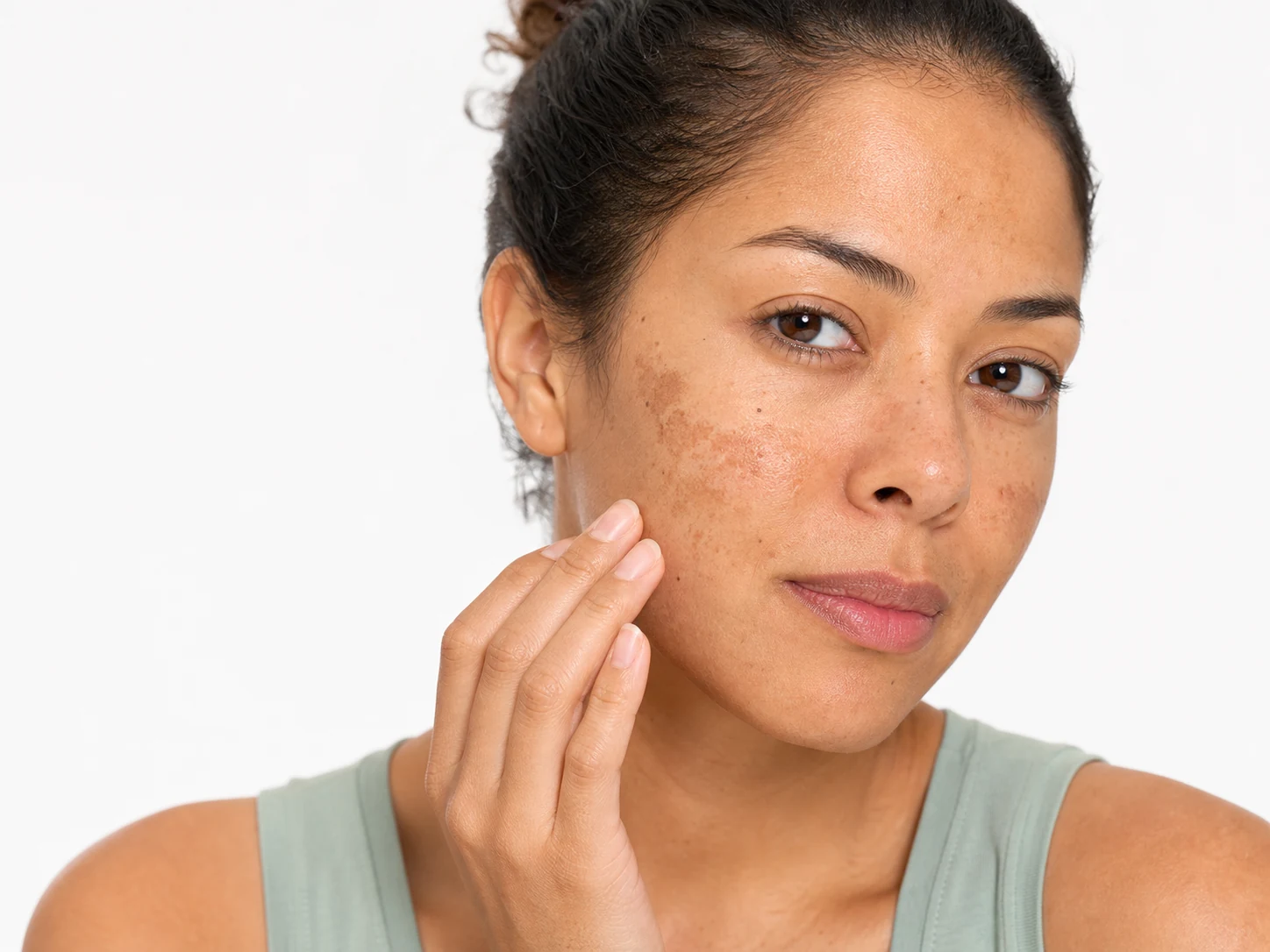
The surprising thing is that different peels work on different types of hyperpigmentation, and the wrong peel can actually make pigmentation worse.
Which
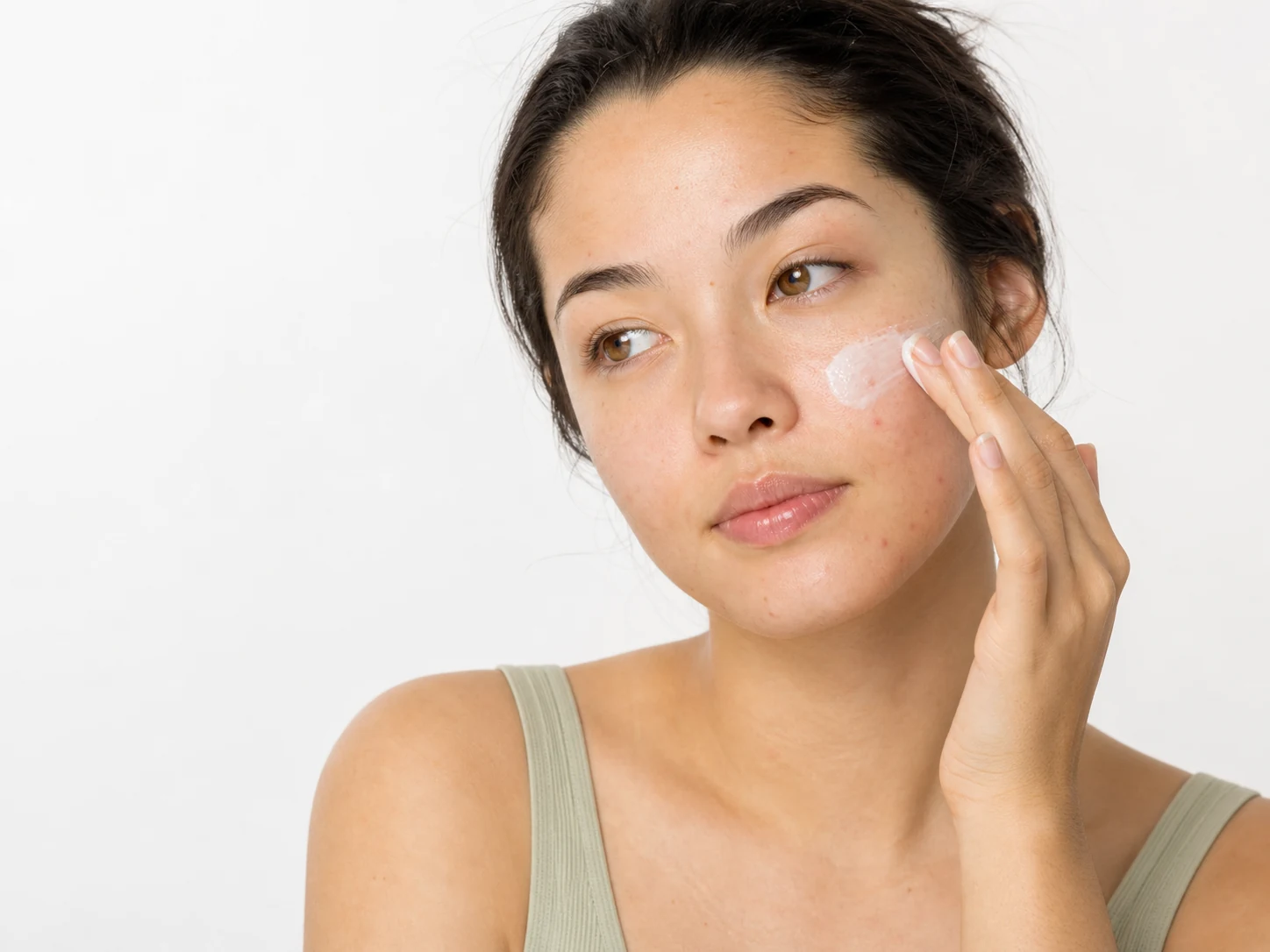
But when your barrier is damaged, your cleanser is just as much about what it puts back as what it takes away.
Which
Your T-zone produces enough oil to run a small engine, while your cheeks sometimes feel as parched as the Sahara. No wonder finding a cleanser that works for both is like searching for a unicorn.
Which
It doesn't need oil control, it doesn't need intense hydration, and it doesn't need "calming." What it needs is a cleanser that simply maintains the status quo.
Which
The right order can make a significant difference in how well both ingredients work.
The order of application can make a difference in how well your skincare products work. For niacinamide and retinol, there's a clear best practice.
Which
The surprising thing is that the same cream that works brilliantly for one person might do nothing for another, simply because the type of hyperpigmentation is different.
Start with the popular ones above, or scroll the full set when you are in a browsing mood.
Which
That is because melasma is unusually sensitive to visible light, the ordinary light bouncing off a window or a laptop screen, and standard SPF ratings say nothing about how well a product blocks that.
Most sunscreen advice stops at "wear SPF 30 or higher," which is fine for sunburn but not nearly specific enough for melasma. Melasma responds to visible light as much as UV, which quietly rules out a lot of otherwise perfectly good sunscreens.
Which
But 10% niacinamide is a high percentage, and these serums have very different supporting formulations. The better choice depends on your skin type.
Which
But the right acid doesn't just remove dead cells; it actually helps your skin attract and retain moisture.
Which
Glycolic acid, the darling of chemical exfoliation, works because it's tiny and fast - which means it penetrates deep and disrupts a dry skin barrier with impressive efficiency.
Which
The surprising thing is that you can wash your body three times in hard water and still feel like you haven't gotten the soap off.
If you've ever stepped out of the shower feeling less than clean, with a slightly sticky film on your skin, you've experienced the hard water effect. The right body wash can make all the difference, transforming a drying, irritating experience into a cleansing and hydrating one.
Which
The best brand for you isn't necessarily the most expensive or the most hyped.
Which
The surprising thing is that different peels work on different types of hyperpigmentation, and the wrong peel can actually make pigmentation worse.
Which
But when your barrier is damaged, your cleanser is just as much about what it puts back as what it takes away.
When your skin barrier is compromised, washing your face becomes a surprisingly fraught exercise - the wrong cleanser can undo weeks of repair work in a single wash. The right one, however, can be part of the solution.
Which
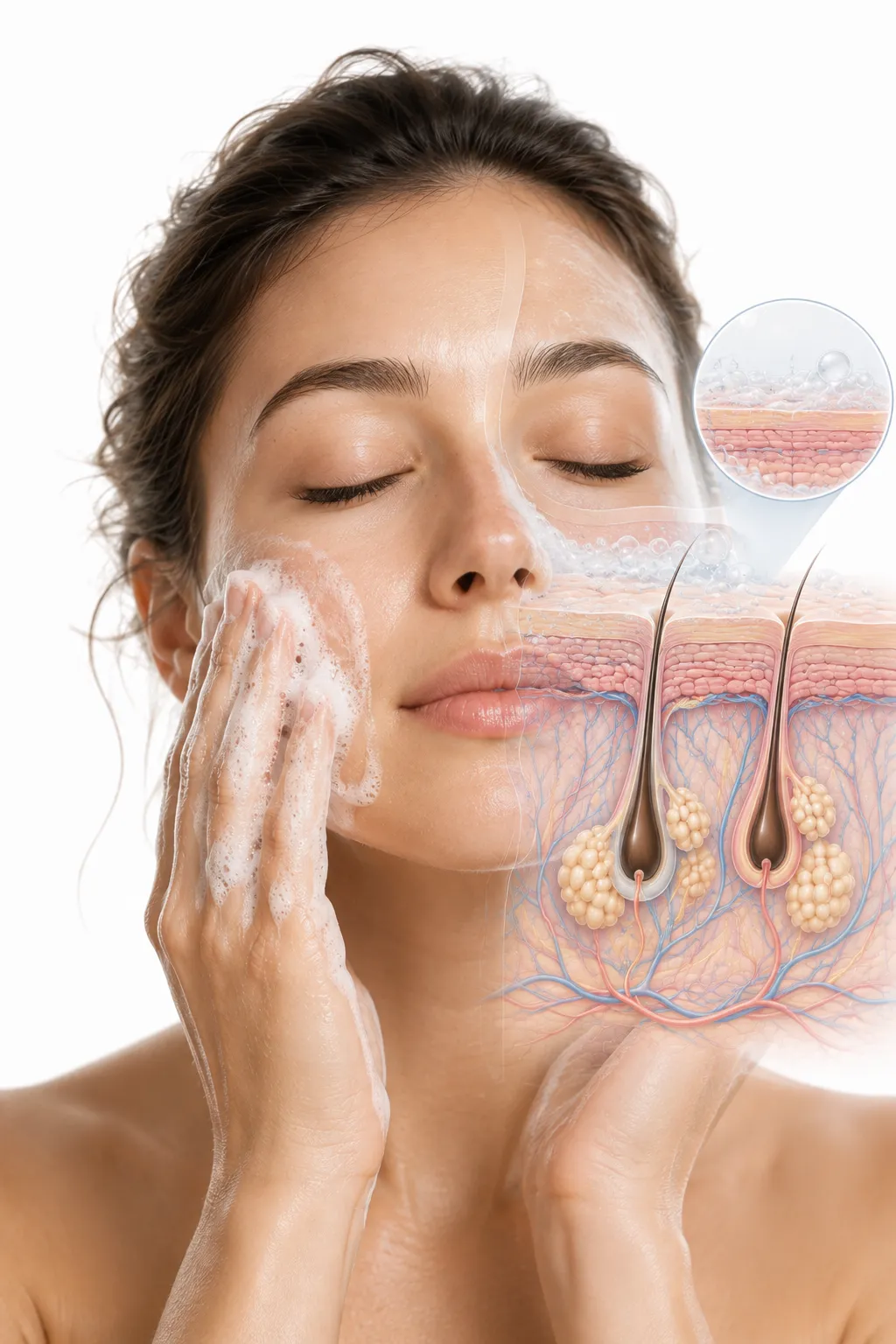
Your T-zone produces enough oil to run a small engine, while your cheeks sometimes feel as parched as the Sahara. No wonder finding a cleanser that works for both is like searching for a unicorn.
Combination skin is a bit like a skincare identity crisis - dry cheeks and an oily T-zone in the same face. The right cleanser needs to be a diplomat, addressing both without aggravating either.
Which
It doesn't need oil control, it doesn't need intense hydration, and it doesn't need "calming." What it needs is a cleanser that simply maintains the status quo.
Which
The right order can make a significant difference in how well both ingredients work.
Which
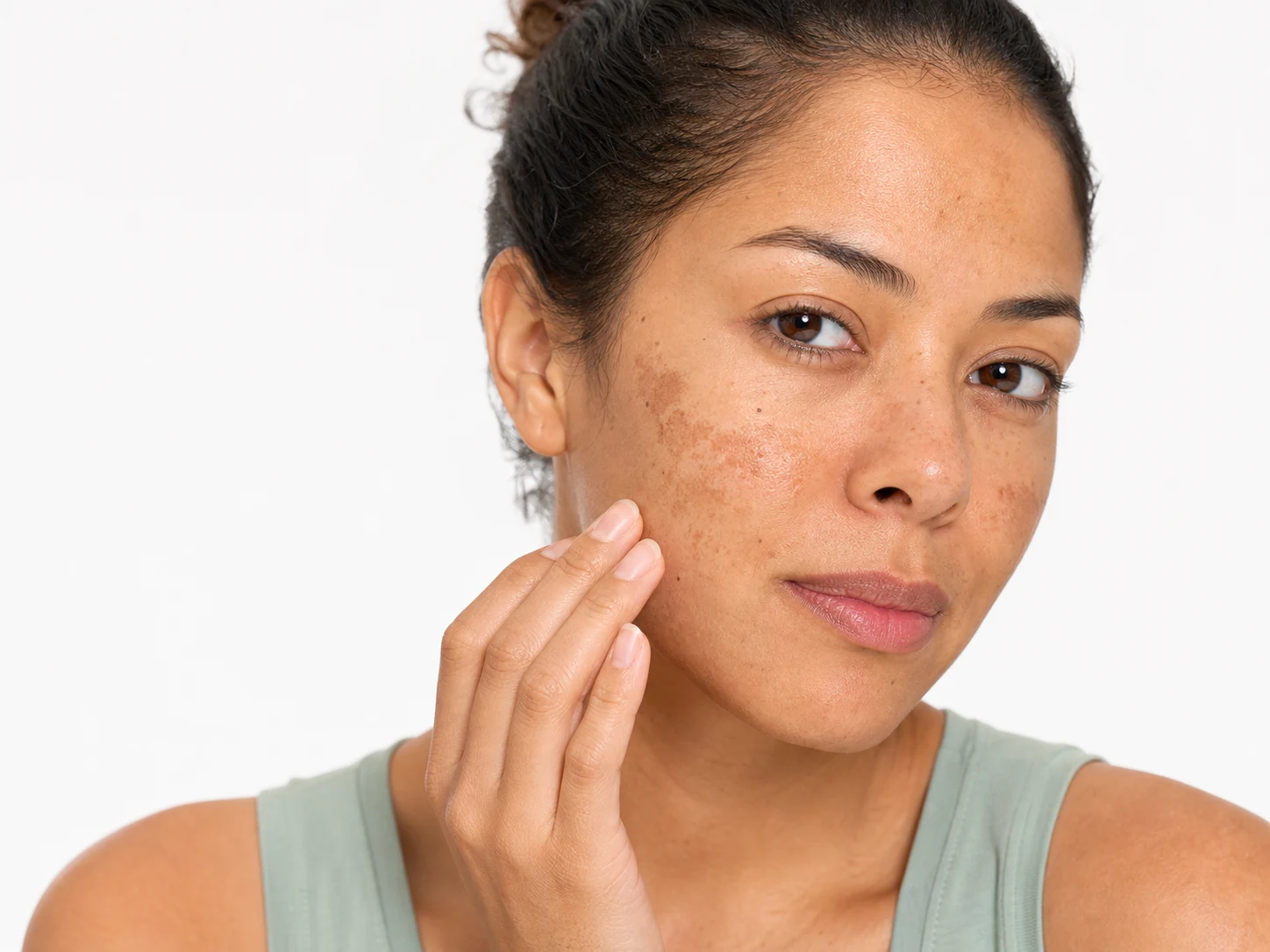
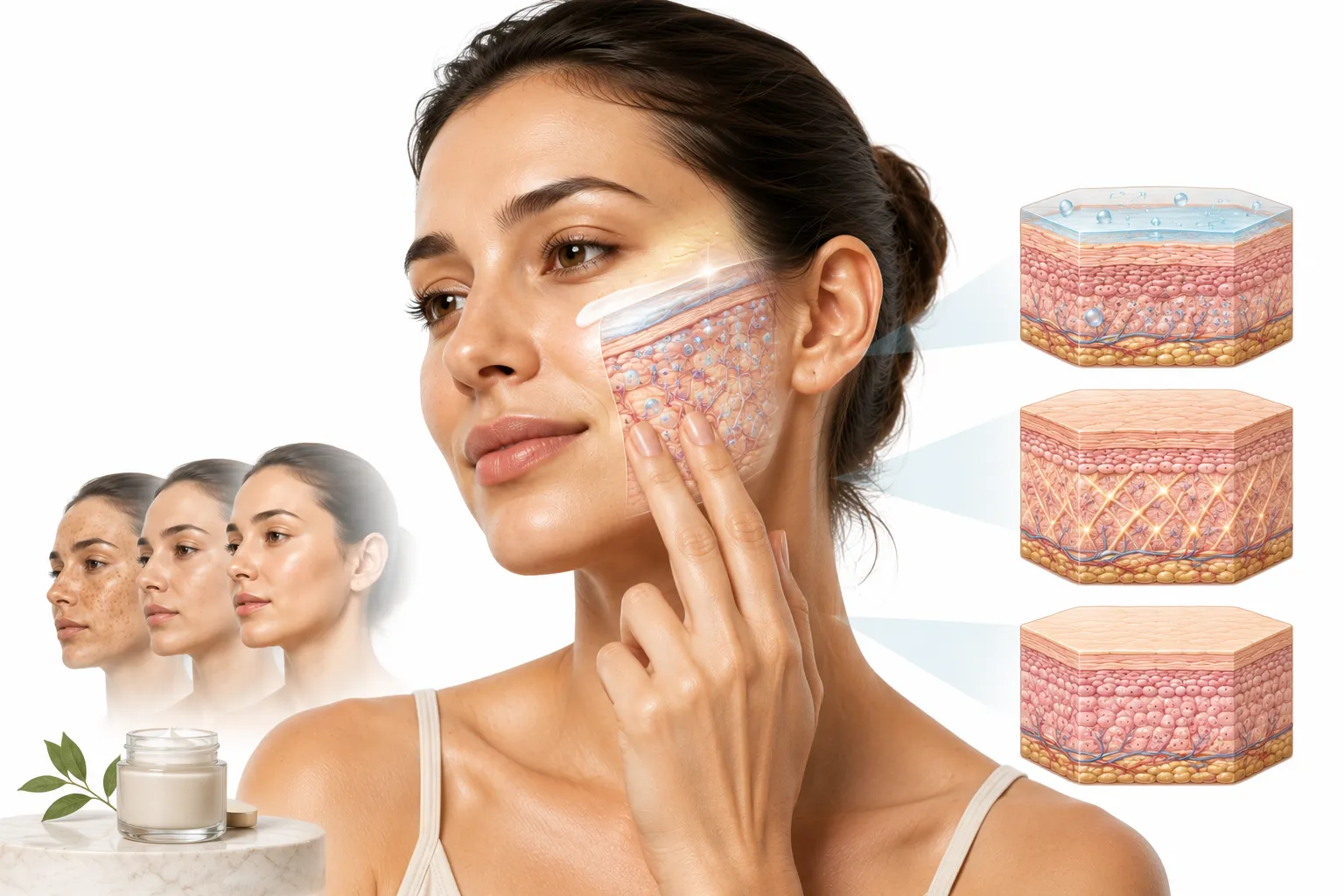
The surprising thing is that the same cream that works brilliantly for one person might do nothing for another, simply because the type of hyperpigmentation is different.
Which
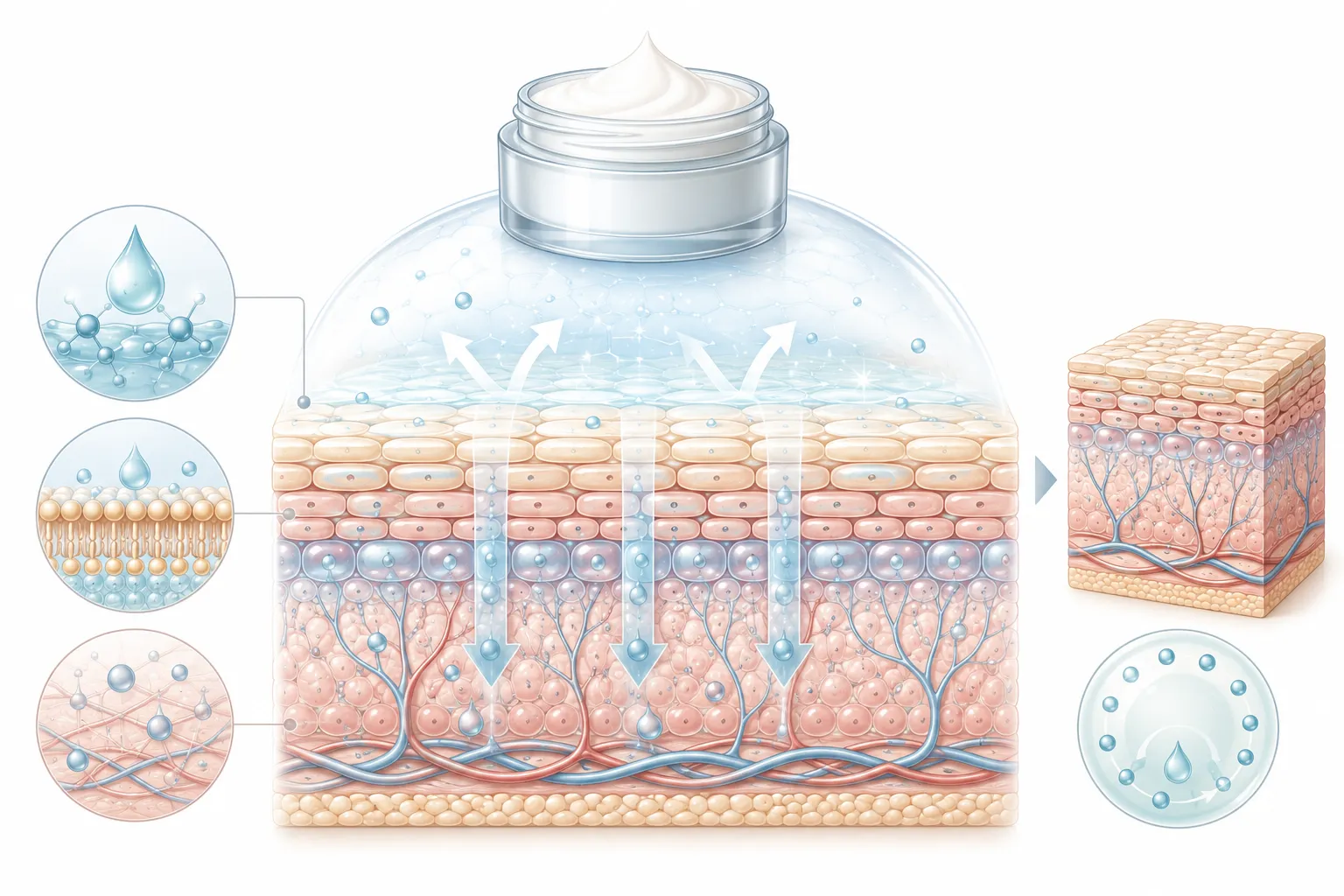
A good cream doesn't just add water; it rebuilds the riverbank.
A rich cream is often the best delivery system for barrier repair in photodamaged skin. The best creams combine deep hydration with active ingredients that support collagen, soothe inflammation, and replenish lipids.
Which
But you can't skip cleansing entirely - dirt and grime will only worsen the problem. The solution lies in changing what you wash with, not whether you wash.
Which
But if you have combination skin, the right face wash isn't about choosing a side - it's about finding something that works for both.
Combination skin is a balancing act - different needs in different zones, all on the same face. The right face wash has to be a flexible diplomat, managing the oily T-zone while respecting the drier cheeks.

Which
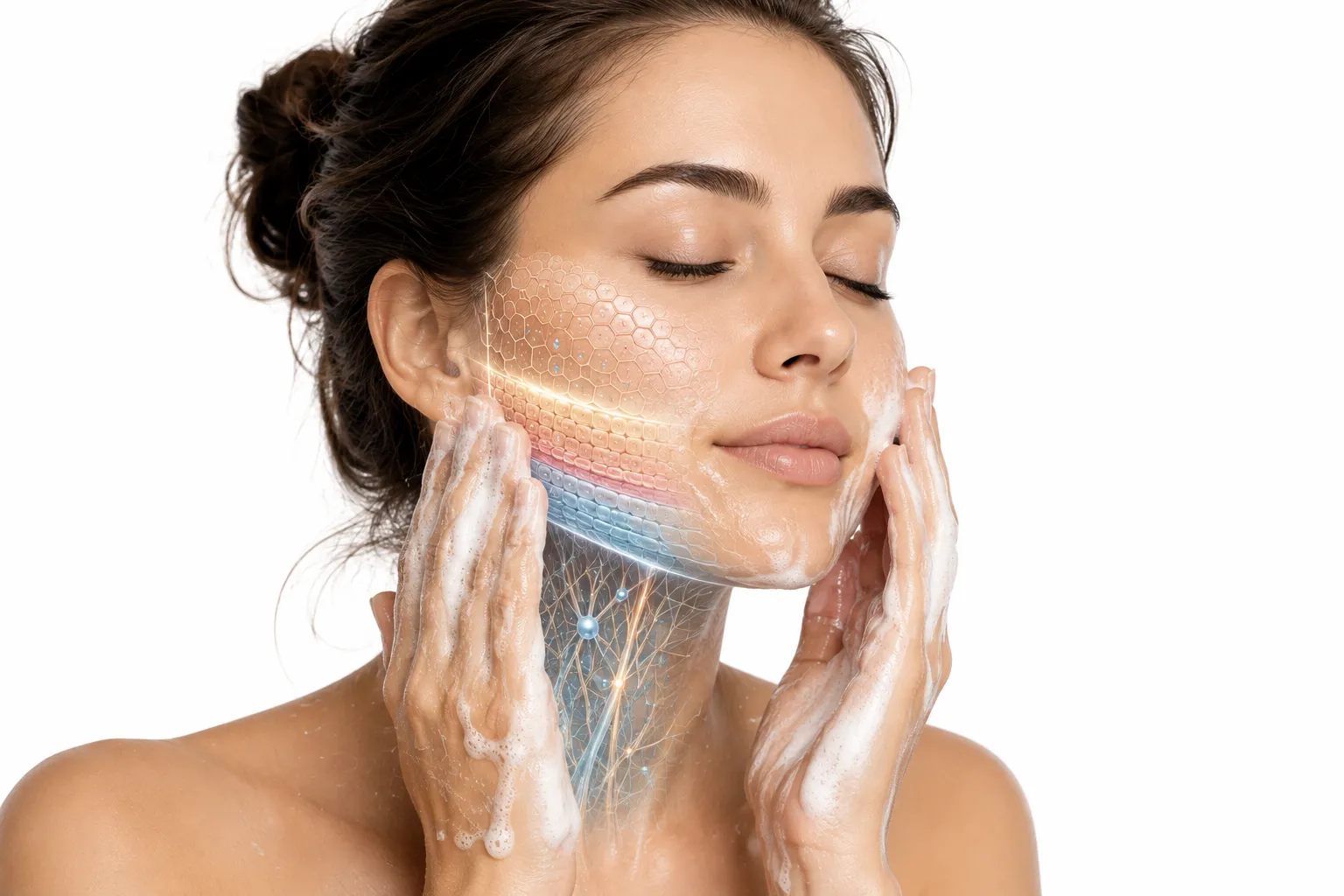
The surprising thing is that the wrong face wash can actually make the problem worse, by reacting with the minerals to form a sticky film on the skin.
Which
But that doesn't mean you can use any face wash. The wrong one can turn normal skin into dry, sensitive, or oily skin.
If you have normal skin, you've won the genetic lottery - and your face wash shouldn't be trying to "fix" anything. The best face wash for normal skin is one that simply maintains the good thing you already have going.
Which
Niacinamide is the form of B3 that's used in skincare, but the foods we eat provide the B3 our bodies need to function.
Which
But combination skin sits awkwardly in the middle, seeming to need both and neither simultaneously.
Which
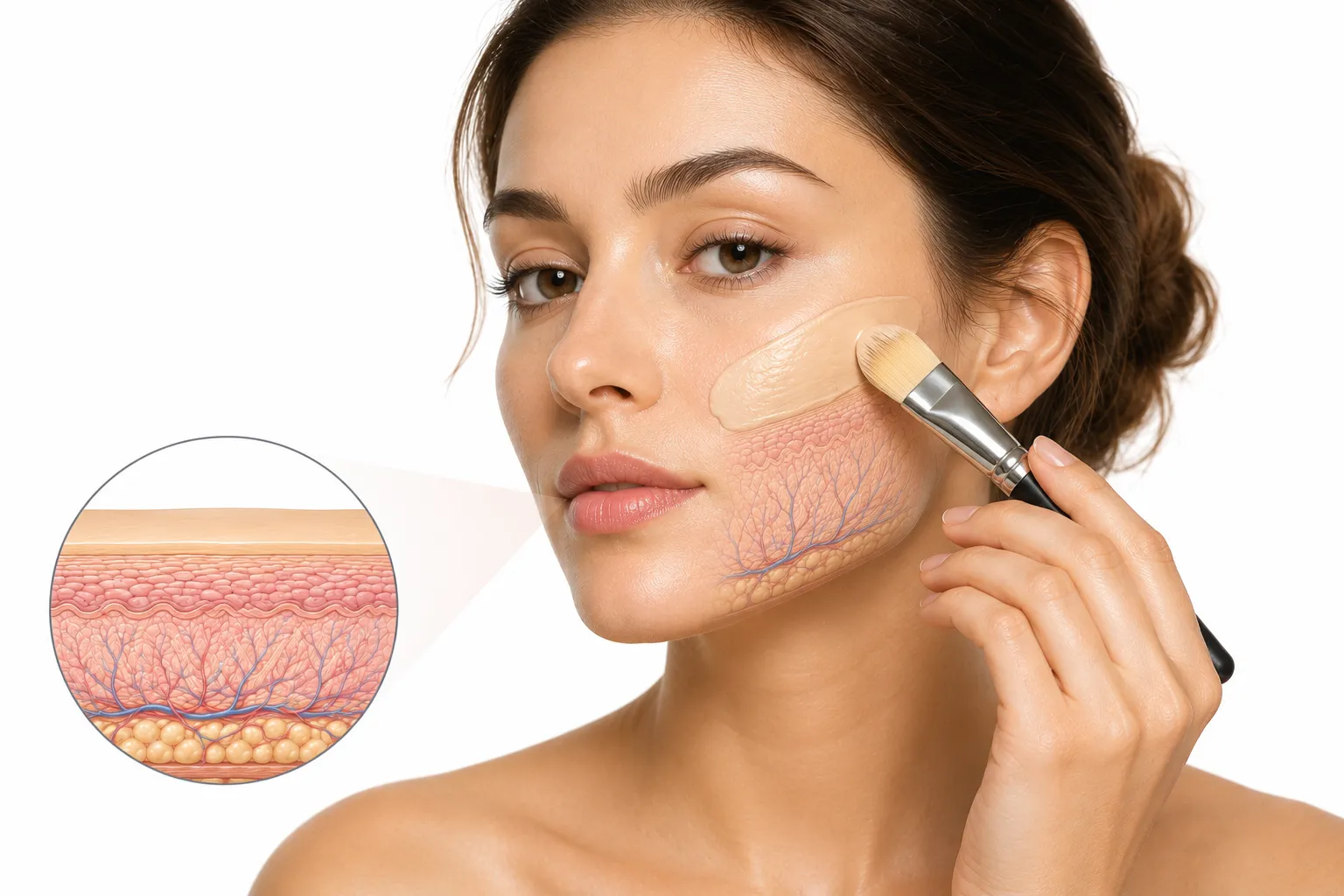
But the real question isn't which one works - it's which one works best without overcomplicating things.
Which
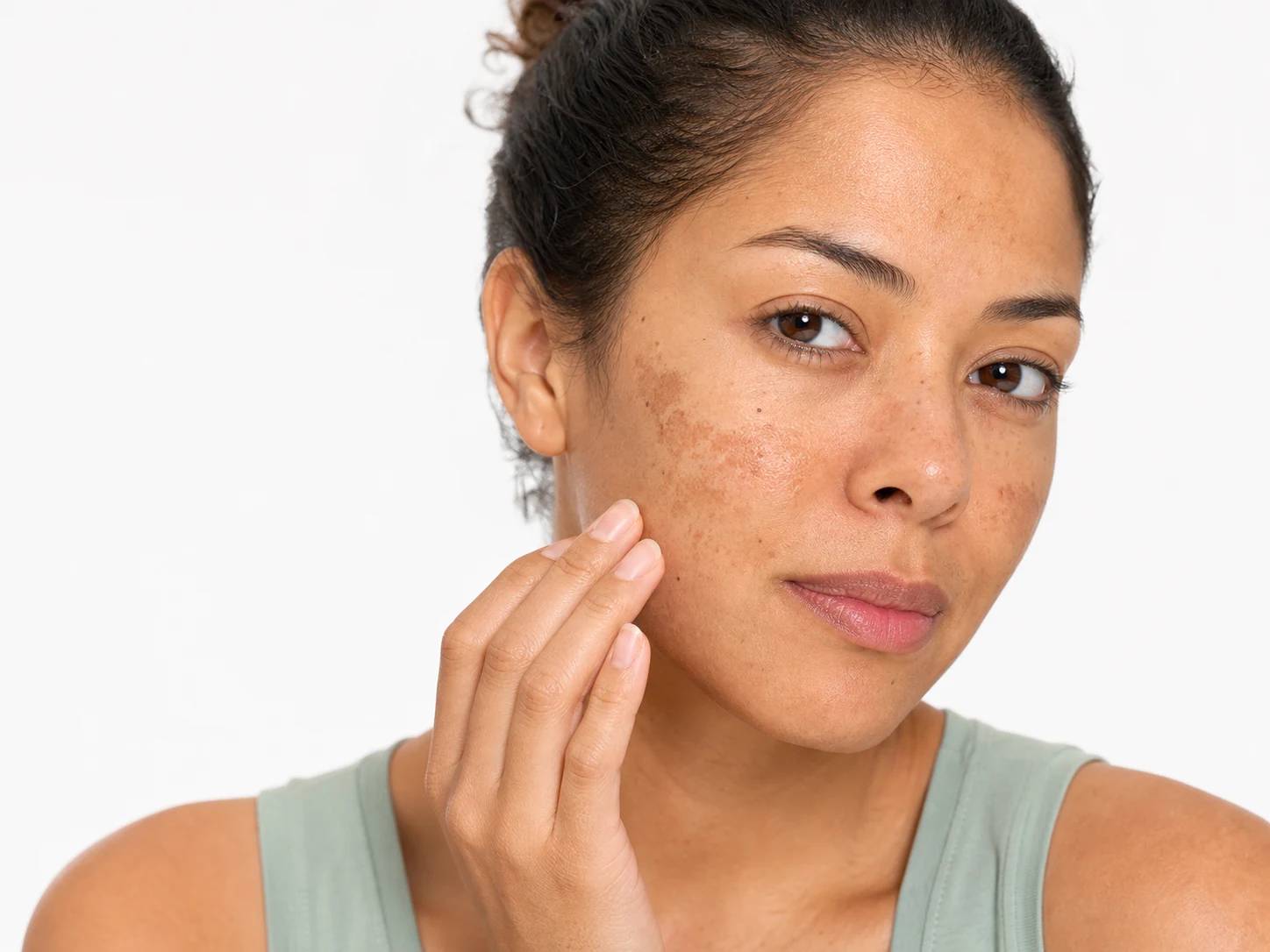
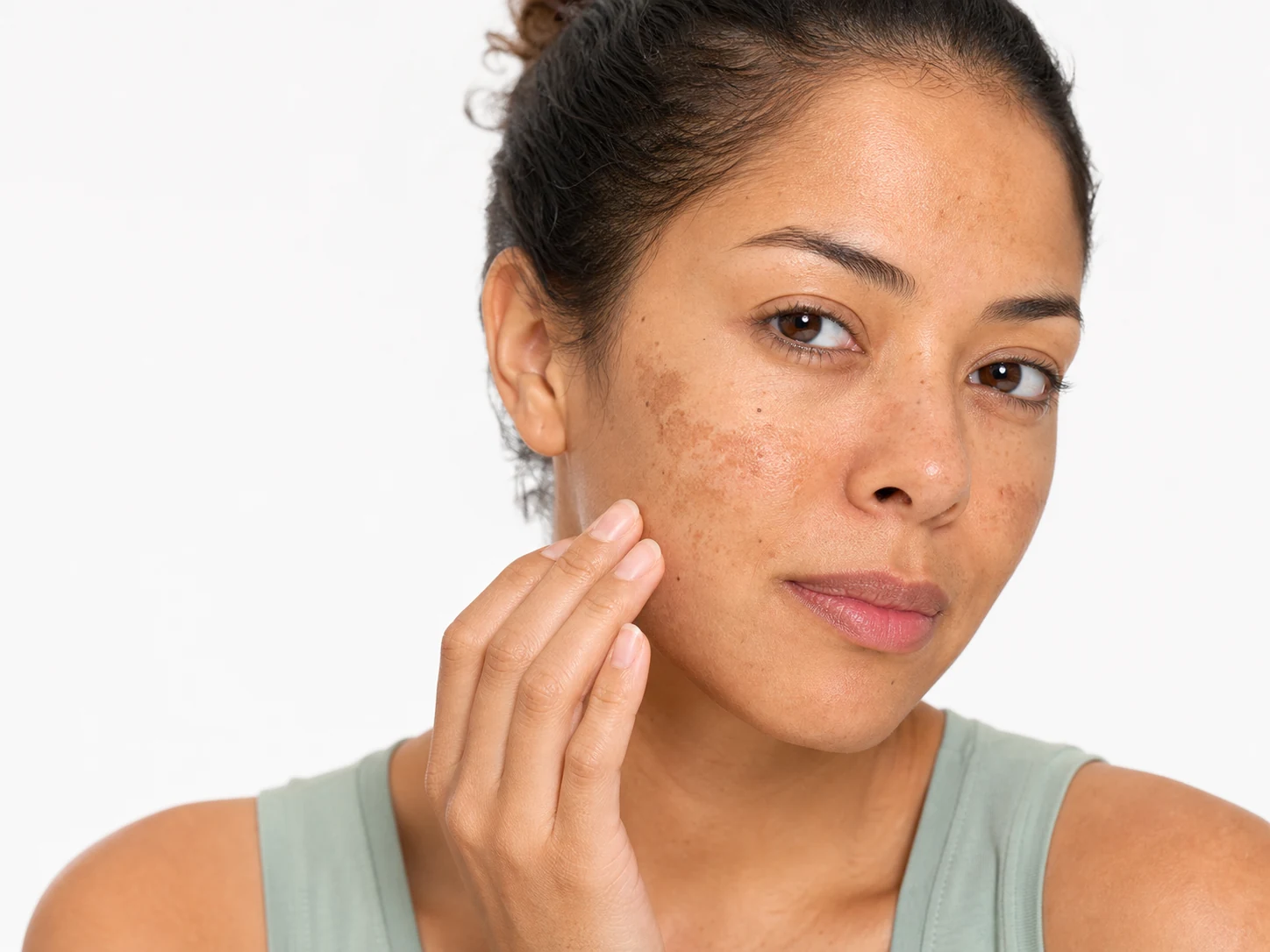
The strange part is that scientists aren't entirely sure which hormone does what - the evidence points to both estrogen and progesterone, but their relationship is complicated.
Melasma is often called the "mask of pregnancy," but the hormones behind it aren't quite as simple as that nickname suggests. The short answer is estrogen and progesterone working together in ways that dermatologists are still untangling.
Which
The surprising thing is that the most effective ingredients for hyperpigmentation work on different steps of the melanin production process, from creation to transfer to removal.
The ingredient list on a hyperpigmentation product can be overwhelming. But understanding which ingredients actually work - and how they work - can help you choose the right product for your specific type of pigmentation.

Which
When your skin is dry and sensitive, the choice between these two isn't about which is more popular - it's about which one actually helps.
Which
They combine the proven benefits of niacinamide with traditional Korean ingredients like ginseng, mugwort, and green tea.
Which
You need something that fits the dry areas without drowning the oily ones, and it's not always easy to find.
Combination skin presents a unique challenge: you need hydration for your cheeks and oil control for your T-zone. The right moisturizer walks this line, providing enough moisture to keep dry areas comfortable without overwhelming the oily parts.

Which
The surprising thing is that the same moisturizer that works wonders in a soft-water area can feel entirely inadequate in a hard-water area.
Which
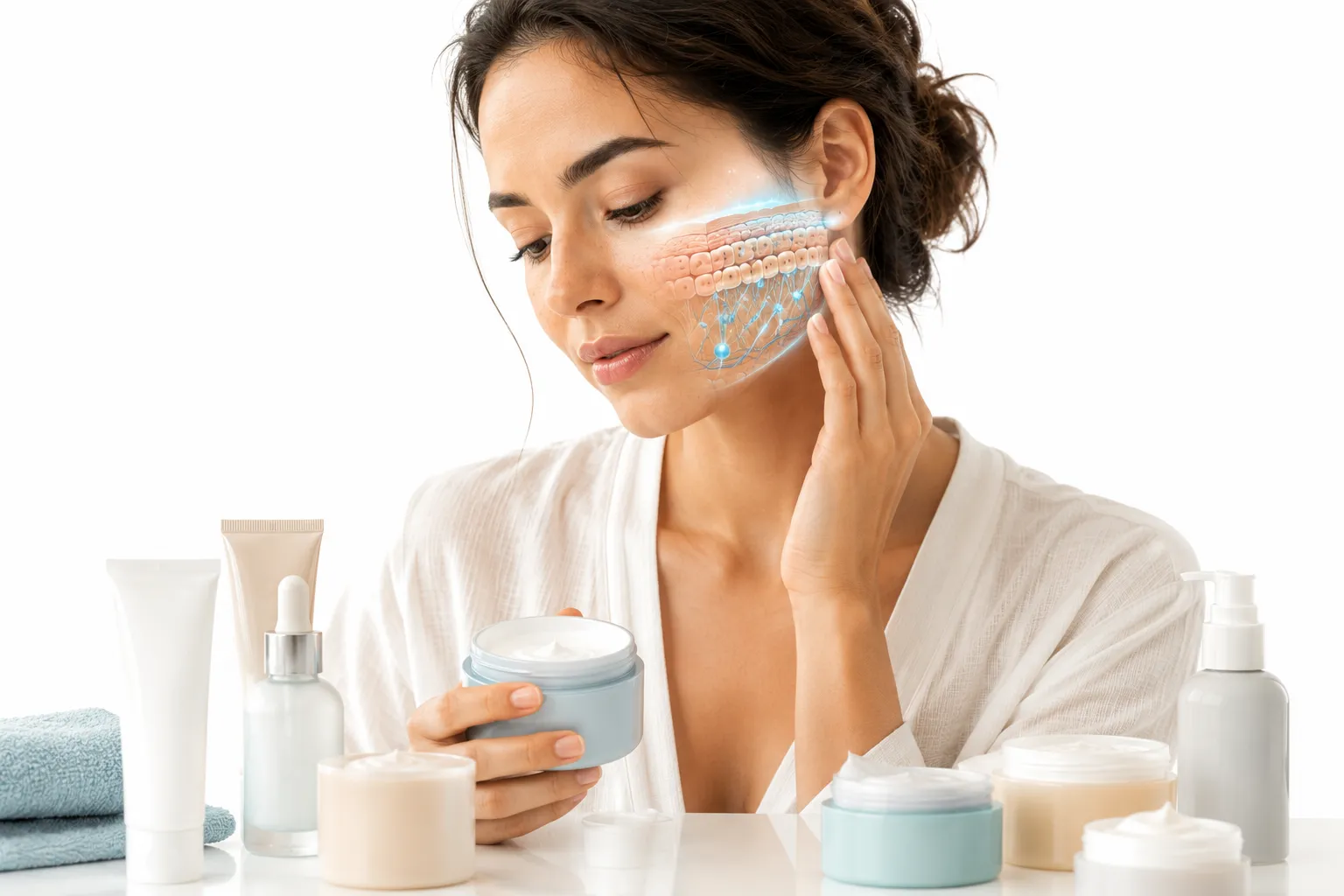
But the right moisturizer can enhance your skin's natural balance, protect it from environmental stress, and keep it looking its best.
Which
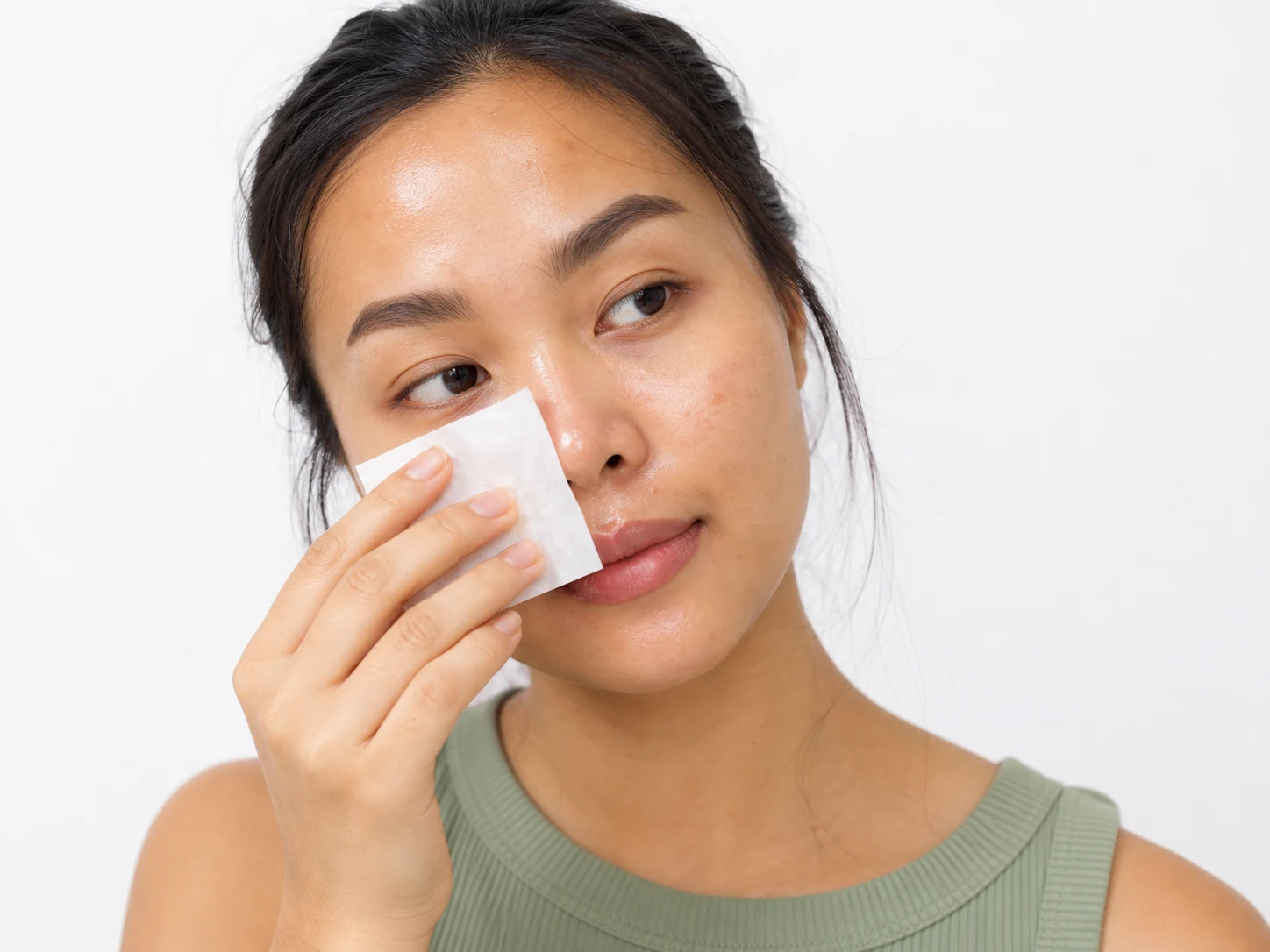
But not every moisturizer is created equal, and the wrong one can actually make things worse.
Which
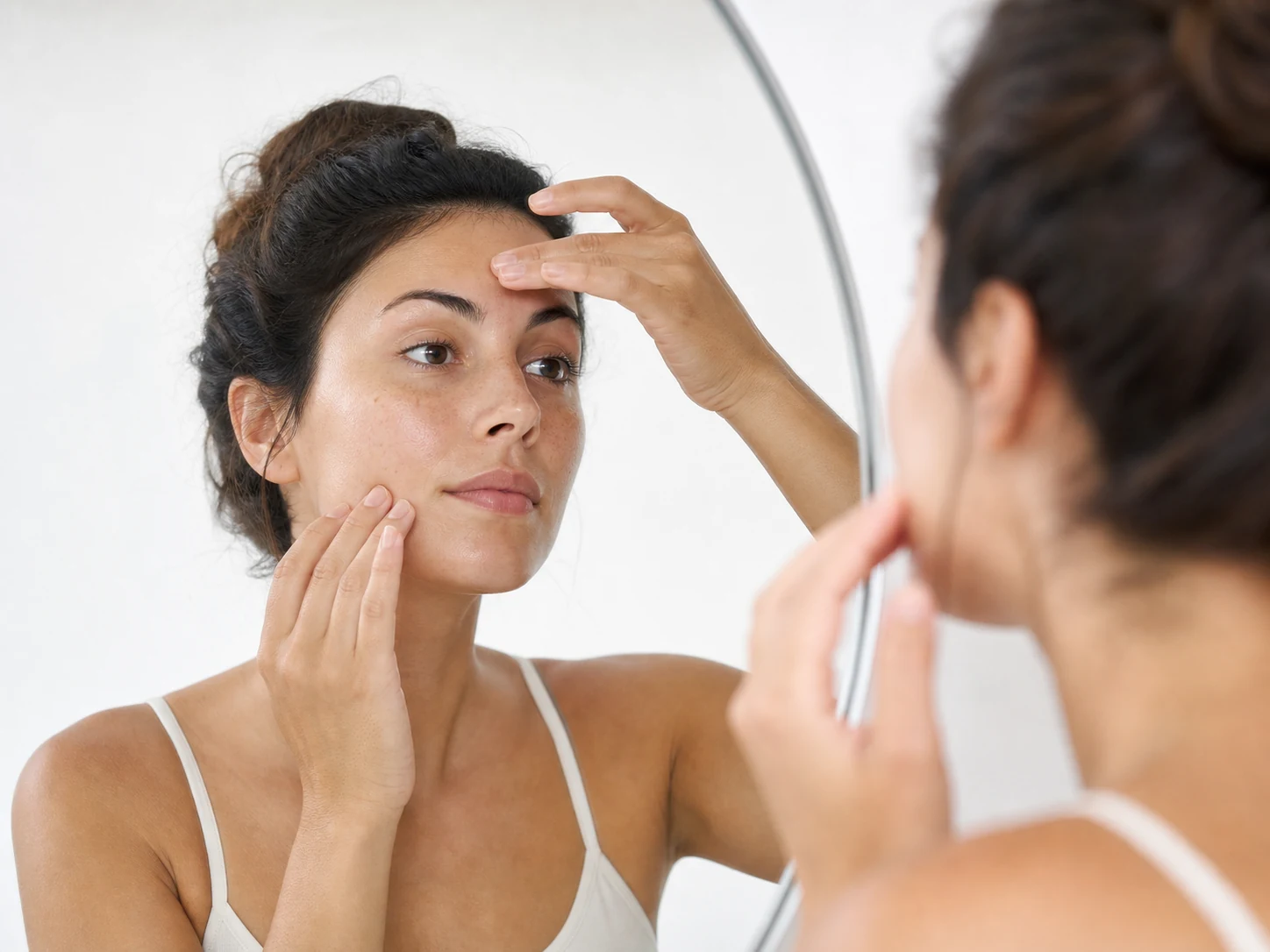
The best niacinamide for open pores doesn't just contain the ingredient - it combines it with others that address the underlying causes of visible pores.
Not all niacinamide products are created equal when it comes to pore refinement. The best ones combine the right concentration with ingredients that support oil control and skin firmness.
Which
The right niacinamide serum can help balance both oily and dry areas, but the wrong one can make matters worse.

Which
A niacinamide serum that's perfect for oily skin can leave dry skin feeling even drier. The wrong formulation is worse than none at all.
Which
Niacinamide, especially in the right formulation, can address both issues simultaneously.
Which
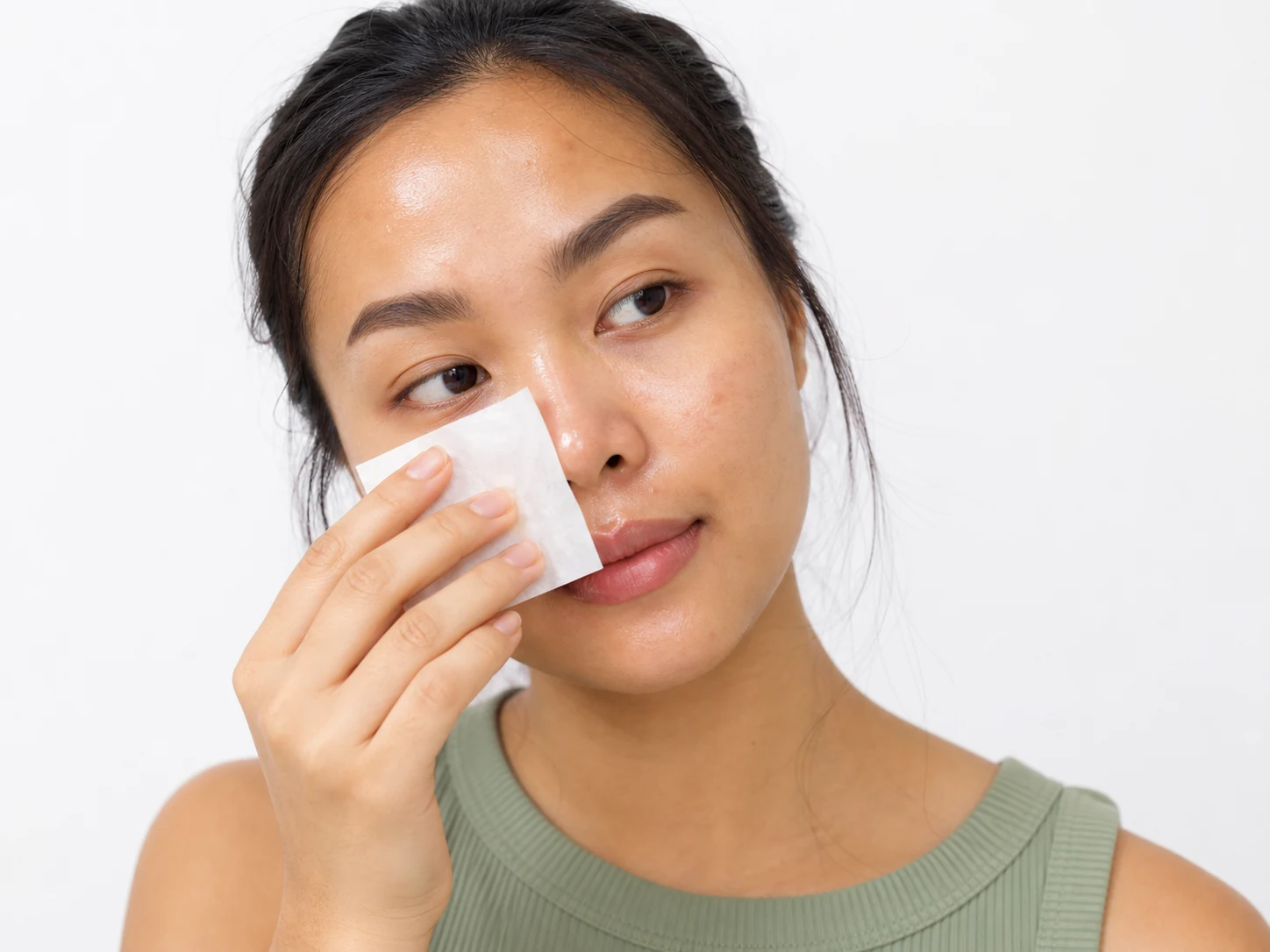
The right niacinamide serum for oily skin balances oil regulation with a weightless, comfortable feel. The wrong one leaves you feeling greasy.
Oily skin needs niacinamide's oil-regulating benefits, but it needs the right formulation - lightweight, non-comedogenic, and often with supporting ingredients that control shine without causing dryness.
Which
On paper, they look almost identical - same concentration, same zinc, similar price. But the devil is in the details.
Which
But the best serum for you has more to do with your skin type and preferences than with rankings and awards.

Which
But niacinamide's benefits don't scale up neatly with concentration, and past a certain point, higher percentages mainly raise the odds of irritation rather than delivering extra benefit.
Walk down the niacinamide aisle, real or digital, and you'll find everything from a gentle 2 percent lotion to an assertive 20 percent serum, all marketed as though the number were the whole story. It isn't, and picking the right one has more to do with your skin's tolerance than with chasing the highest percentage on the shelf.

Which
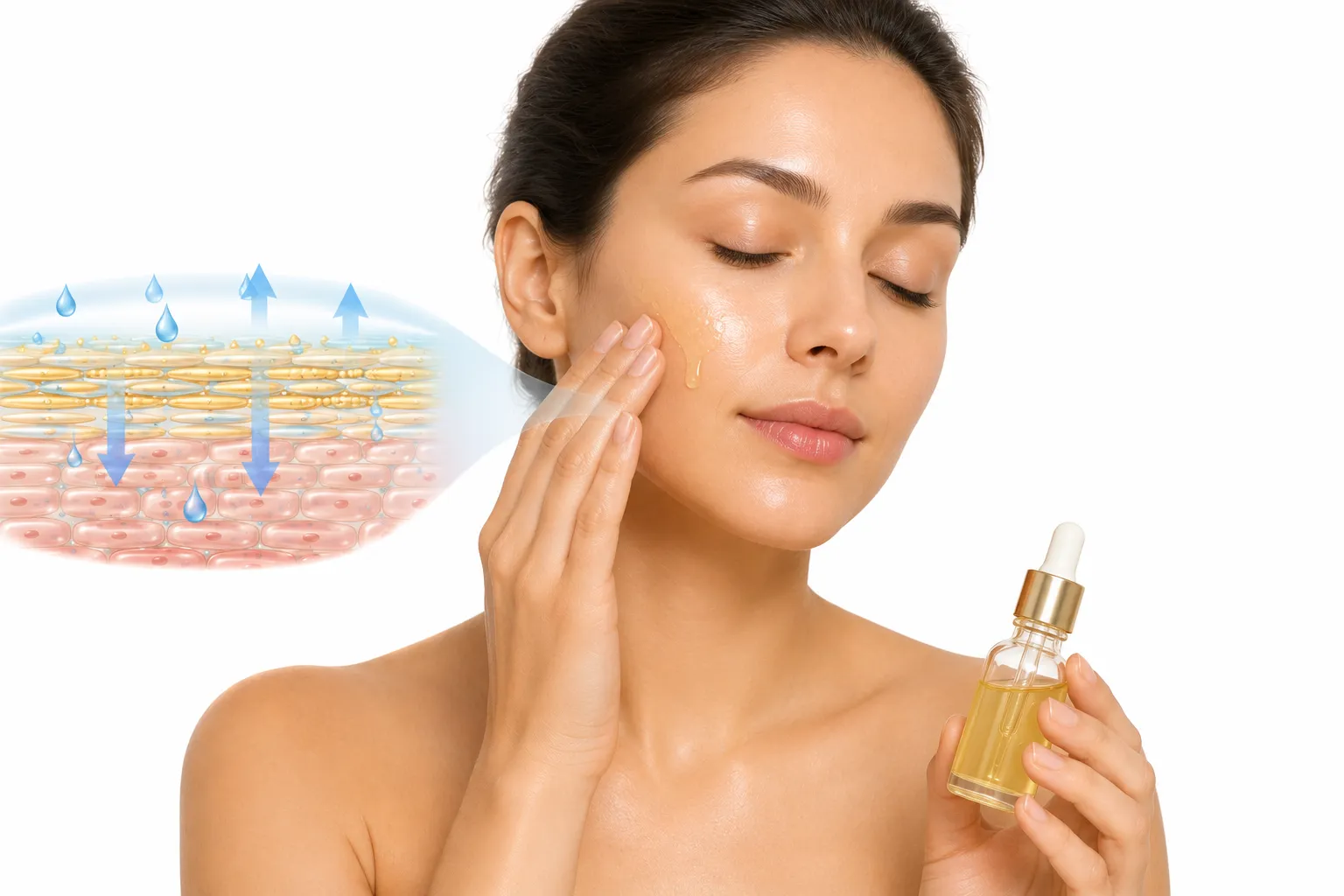
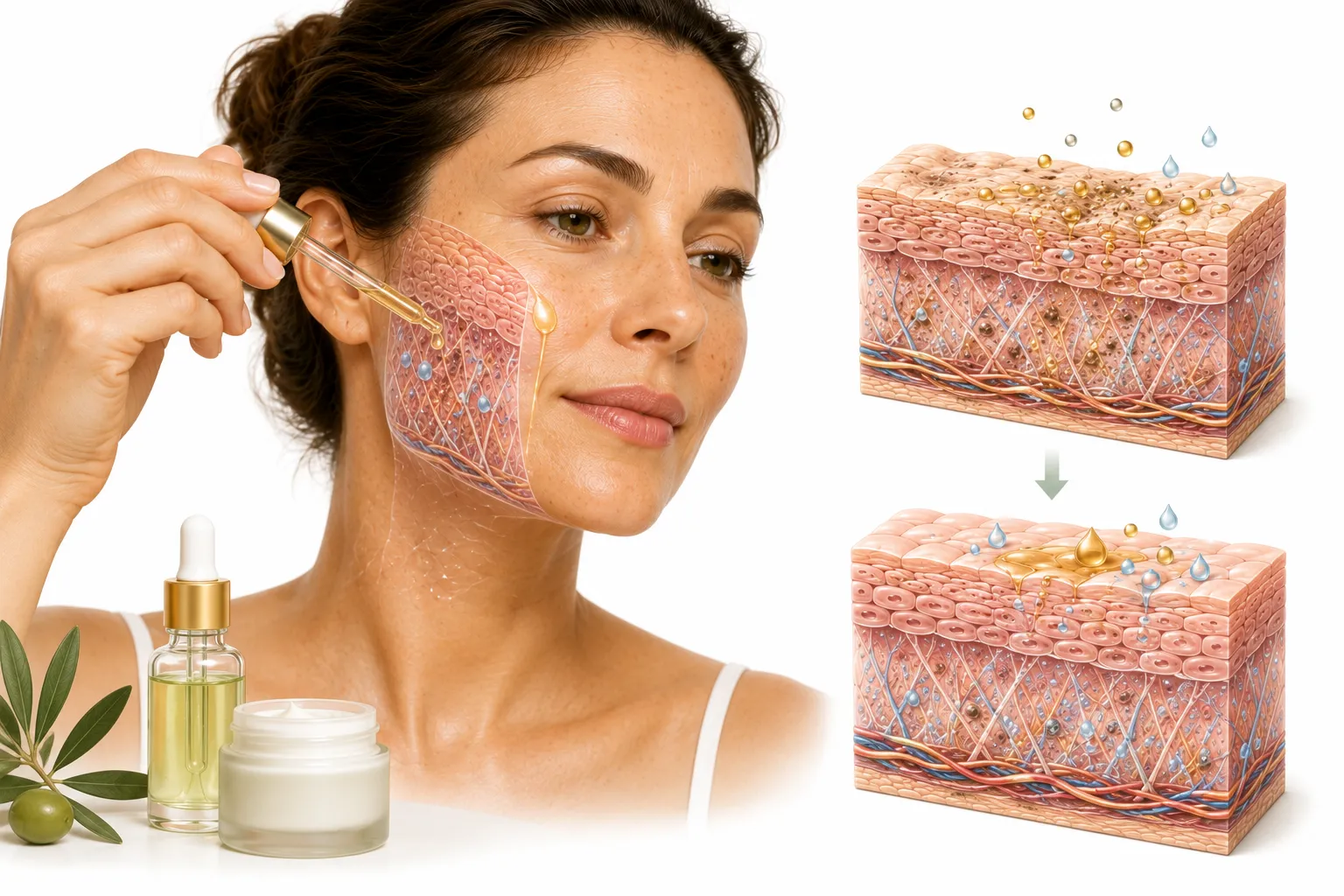
The surprising thing is that the right oil can actually protect your skin from the drying effects of hard water.
Oil and water may not mix, but oil and hard water can be a surprisingly good combination. In the oil cleansing method, oils are used to dissolve impurities, including the mineral residue that hard water leaves behind. But not all oils are created equal.
Which
The right oil can provide exactly the fatty acids your damaged barrier needs to rebuild. The wrong oil can just sit on the surface and do nothing useful.
Which
A good oil doesn't just sit on top; it penetrates, fills the cracks, and protects.

Which
Not necessarily. With niacinamide, the dose-response curve flattens out - and higher concentrations can actually cause more problems than they solve.
Which
A good primer is the bridge between these two worlds, creating a balanced canvas that keeps everything in place.
Combination skin can make makeup application feel like navigating two different terrains - the oily T-zone and the drier cheeks. The right primer bridges the gap, providing a balanced canvas that keeps your makeup looking fresh throughout the day.
Which
The surprising thing is that the most effective retinol for hyperpigmentation isn't necessarily the strongest one - it's the one your skin can tolerate consistently.
Which
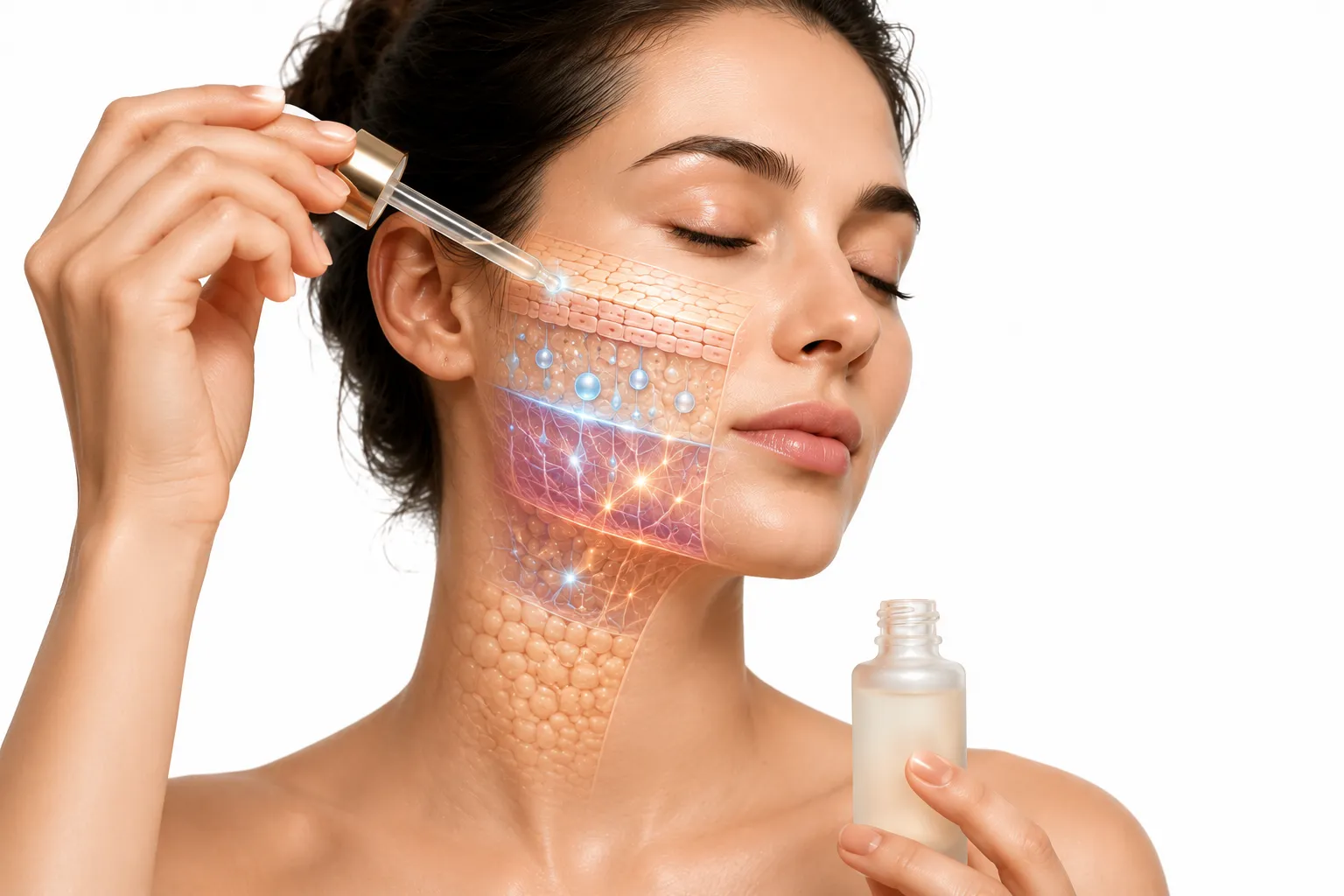
For combination skin, you need a serum that can work across different zones, balancing oil in the T-zone while hydrating and supporting the cheeks.
Serums deliver concentrated active ingredients that can transform your skin. For combination skin, the right serum needs to balance - regulating oil in the T-zone while hydrating and supporting the cheeks. Niacinamide is the clear winner.
Which
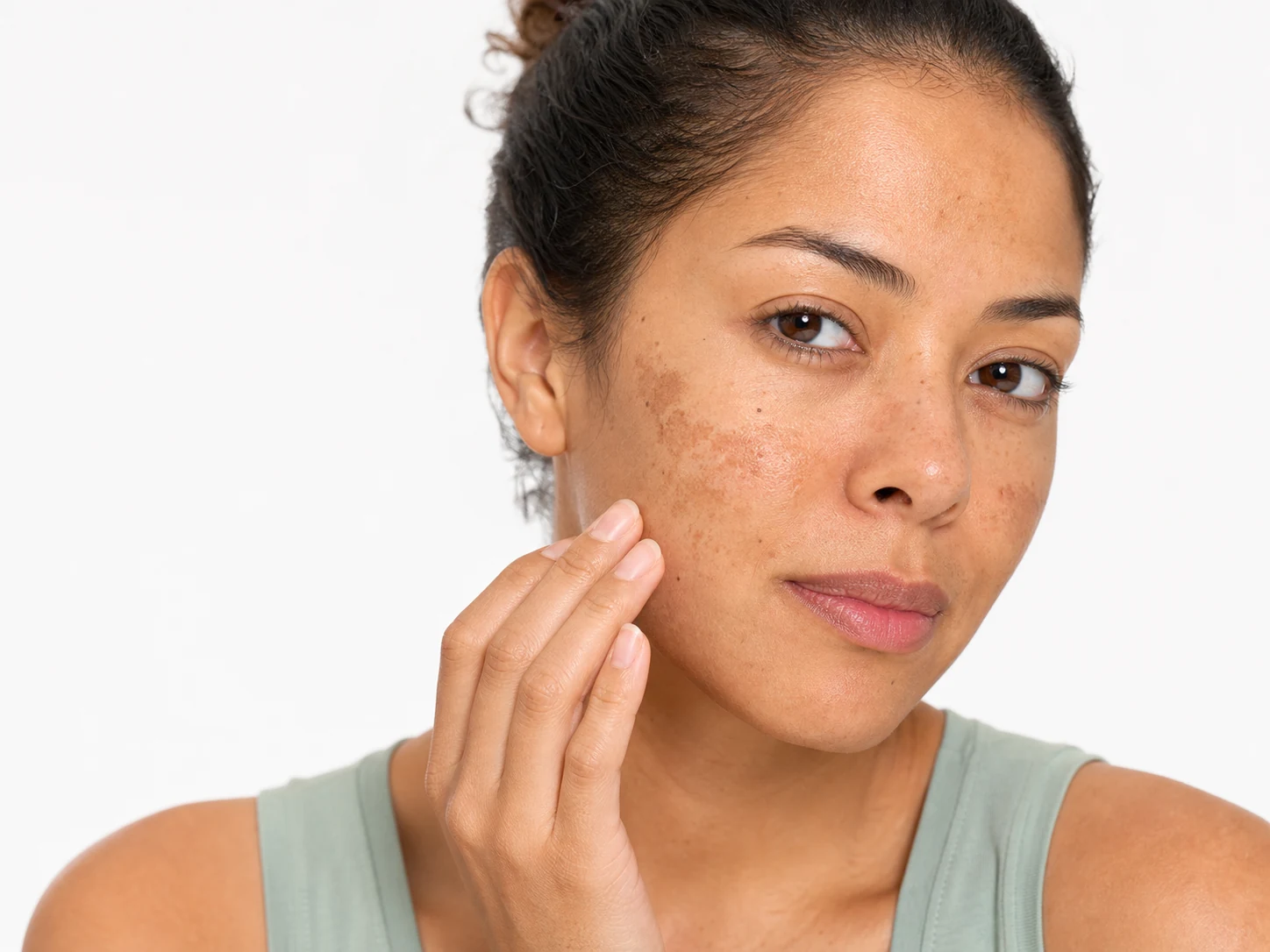
But with so many options, choosing the right one for hyperpigmentation requires understanding what each ingredient does.
Which
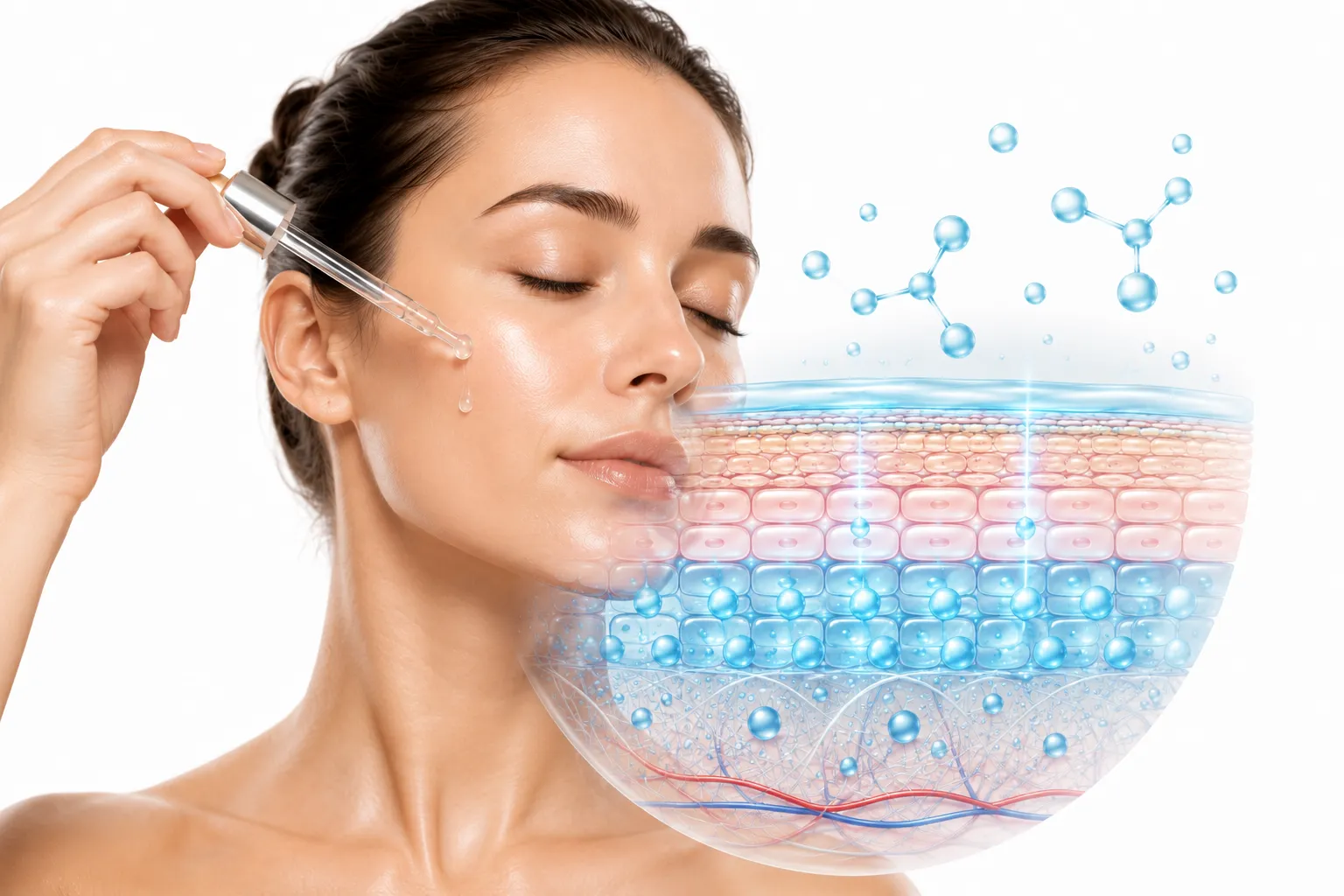
But normal skin still benefits from the right serum, protecting your skin from environmental damage and keeping it looking its best.
Normal skin is the envy of many, but that doesn't mean it can't benefit from a good serum. The right serum can maintain your skin's health, protect it from environmental damage, and keep it looking its best.
Which
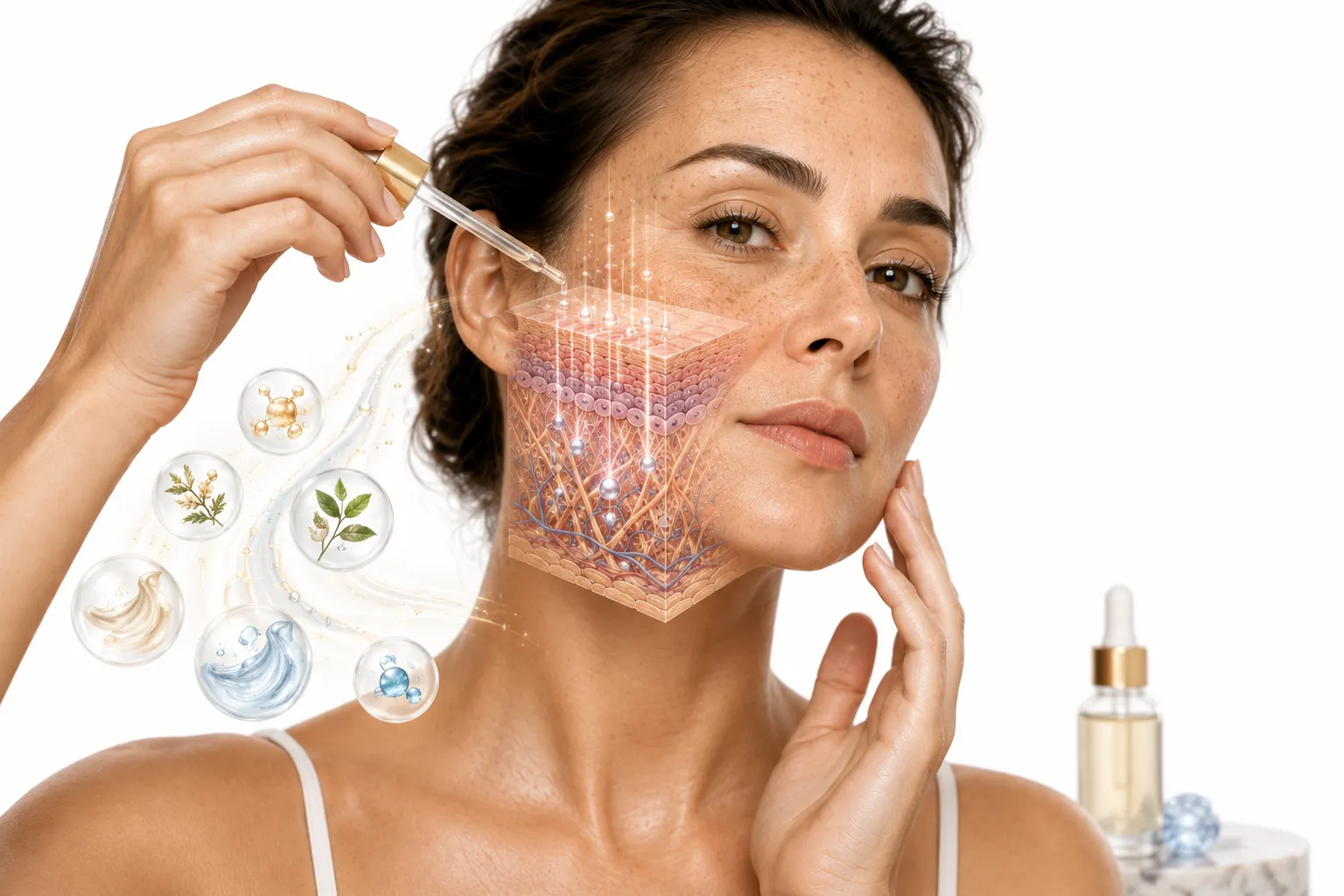
But when your barrier is damaged, using the wrong serum can be like pouring gasoline on a fire. The right one, however, can be exactly what you need to speed recovery.
Which
Choosing the right serum for sun-damaged skin means picking the right tool for the specific type of damage.

Which
That myth has mostly been debunked, but it points to something real: not every serum combination with niacinamide behaves quite the same way, even if none of them are actually dangerous.

Which
The surprising thing is that the minerals in hard water don't just coat your hair; they can also make it harder for your regular shampoo to work.
Hard water doesn't just affect your skin - it's a notorious enemy of healthy hair. The minerals in hard water build up on the hair shaft, leaving it dull, dry, and difficult to manage. But the right shampoo can help counteract the effects of hard water.
Which
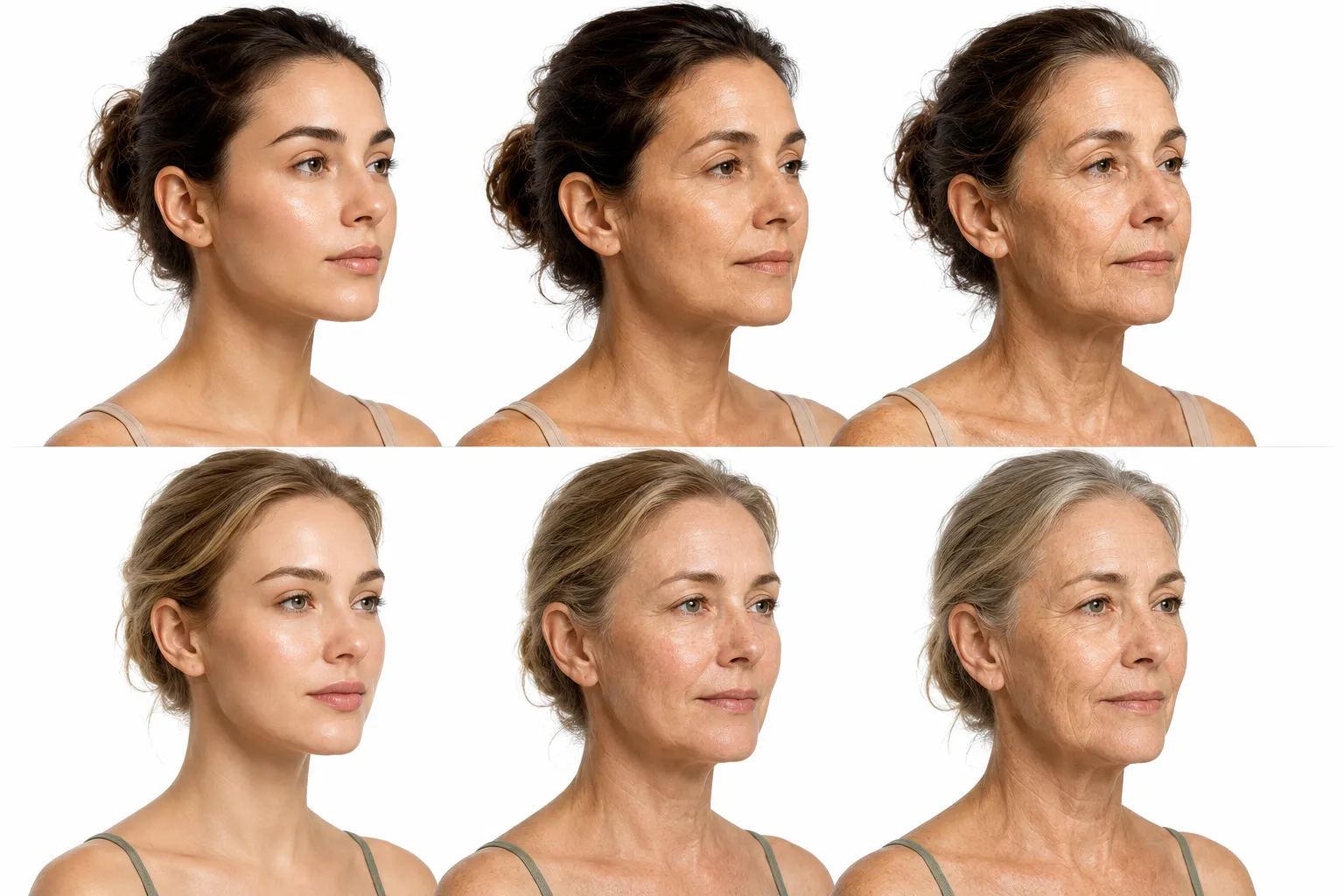
That seems backwards to anyone who spent their twenties fighting shine and breakouts and assumed oily skin was the harder cross to bear.
Dry skin tends to show visible signs of aging earlier and more noticeably than other skin types, largely because it has less built-in defense against moisture loss. But "fastest" is a relative term, and lifestyle factors often matter more than skin type alone.
Which
But the truth is more nuanced. While niacinamide is one of the best-tolerated active ingredients, it's not for everyone.

Which
The surprising thing is that the very ingredient that makes soap good at cleaning - its ability to bind to oils - is the same thing that makes it bind to hard water minerals and form soap scum.
Which
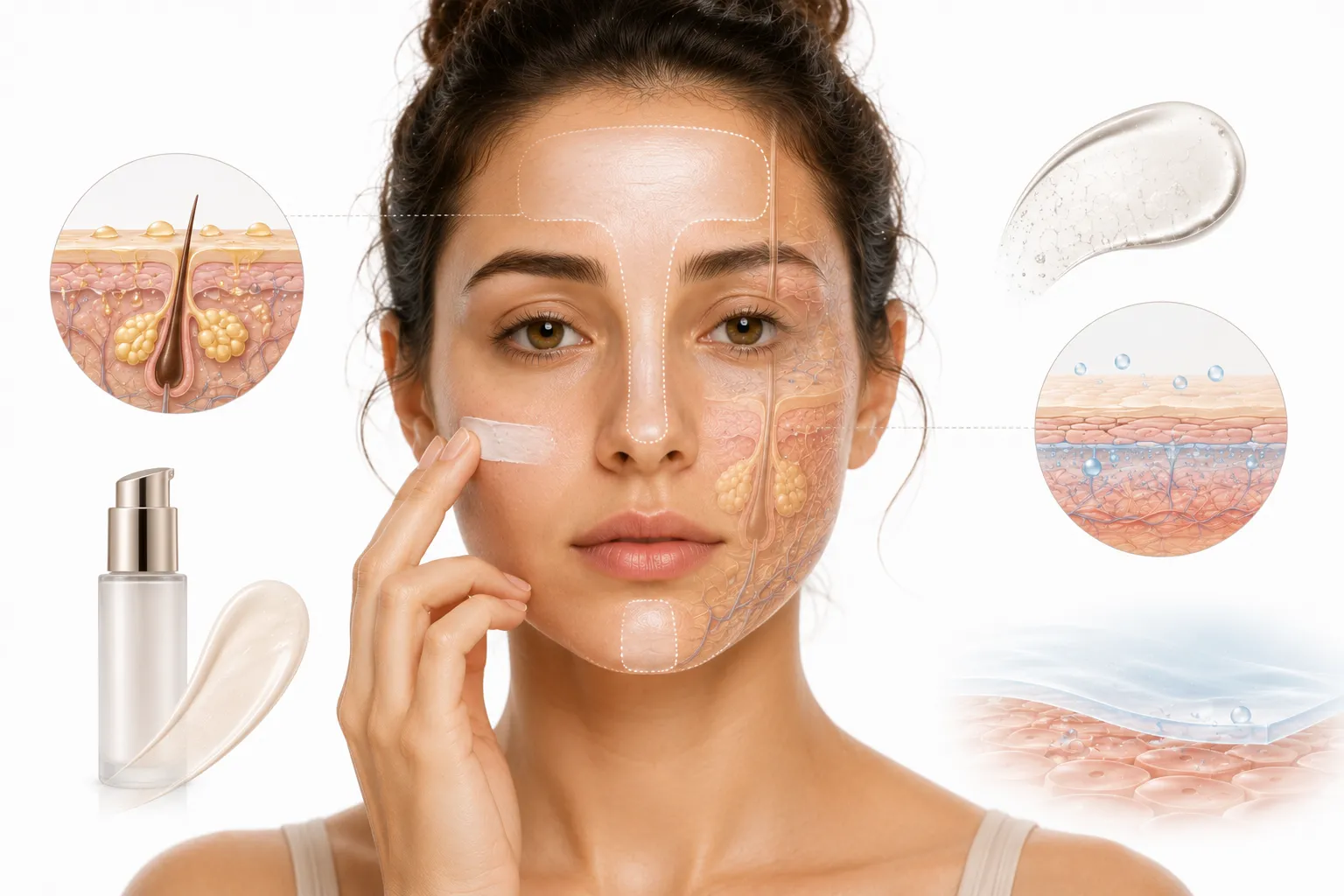
The right sunscreen doesn't make you choose. It provides broad-spectrum protection without making the T-zone greasy or the cheeks dry.
Sunscreen is non-negotiable for all skin types, but combination skin presents a unique challenge - you need protection that doesn't make the T-zone greasy or dry out the cheeks. The right sunscreen balances both.
Which
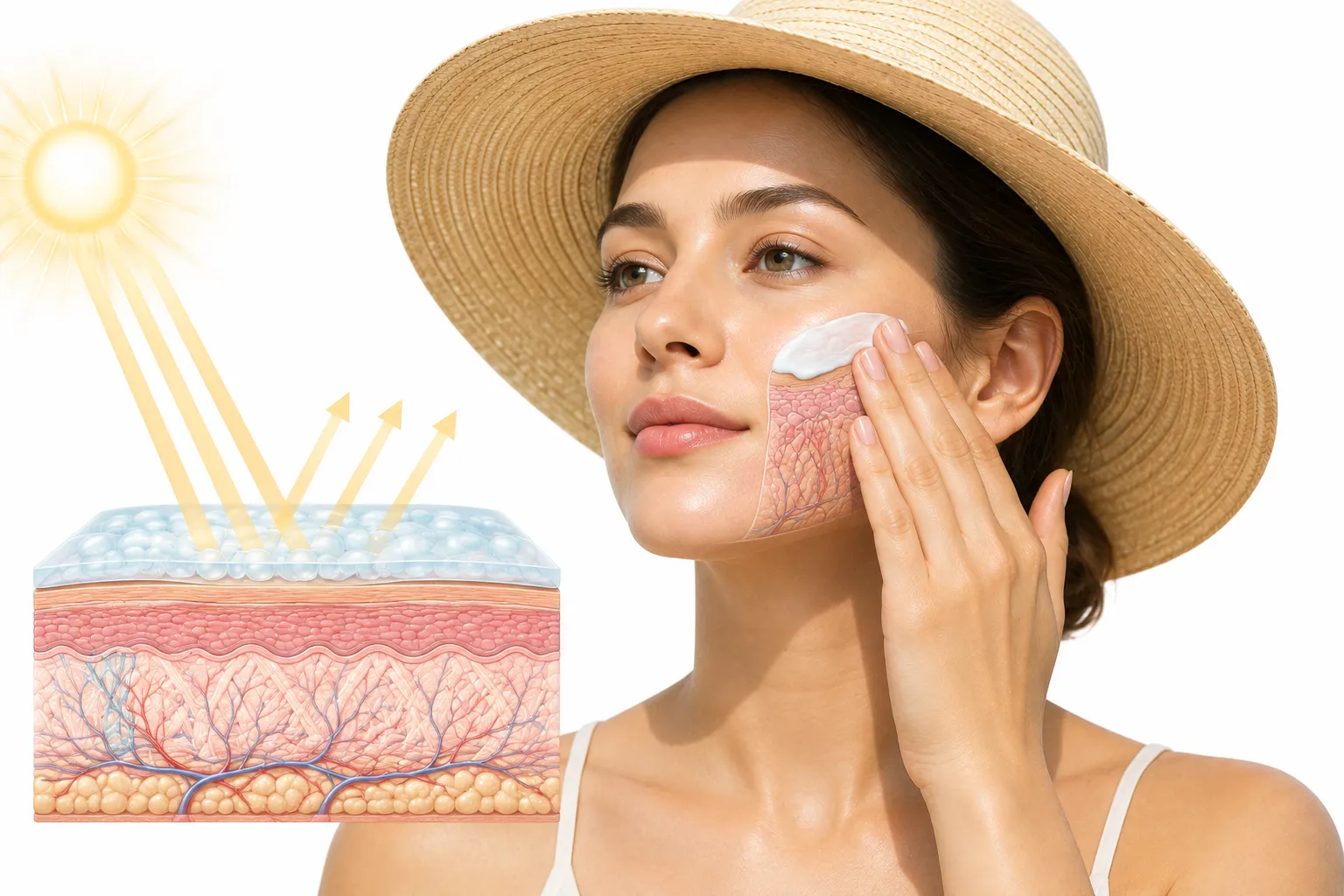
The surprising thing is that the best sunscreen for hyperpigmentation does more than just block UV rays - it also blocks visible light, which can trigger melasma.
Which
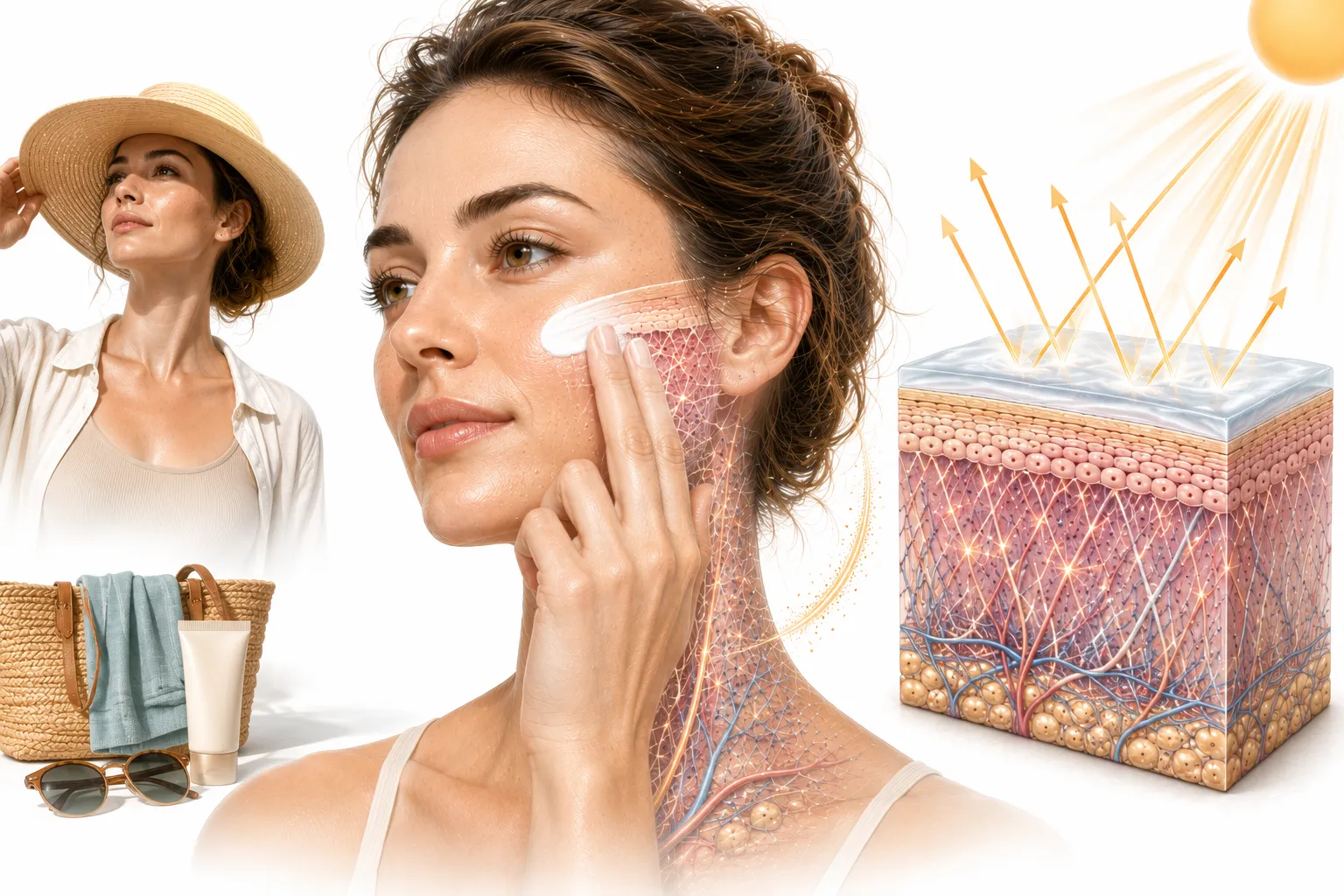
When it comes to sunscreen, normal skin has more options than any other type, but the best choices still share certain characteristics.
Which
The best sunscreen for photodamaged skin does double duty: it protects from future UV and soothes the damage that's already there.
Which
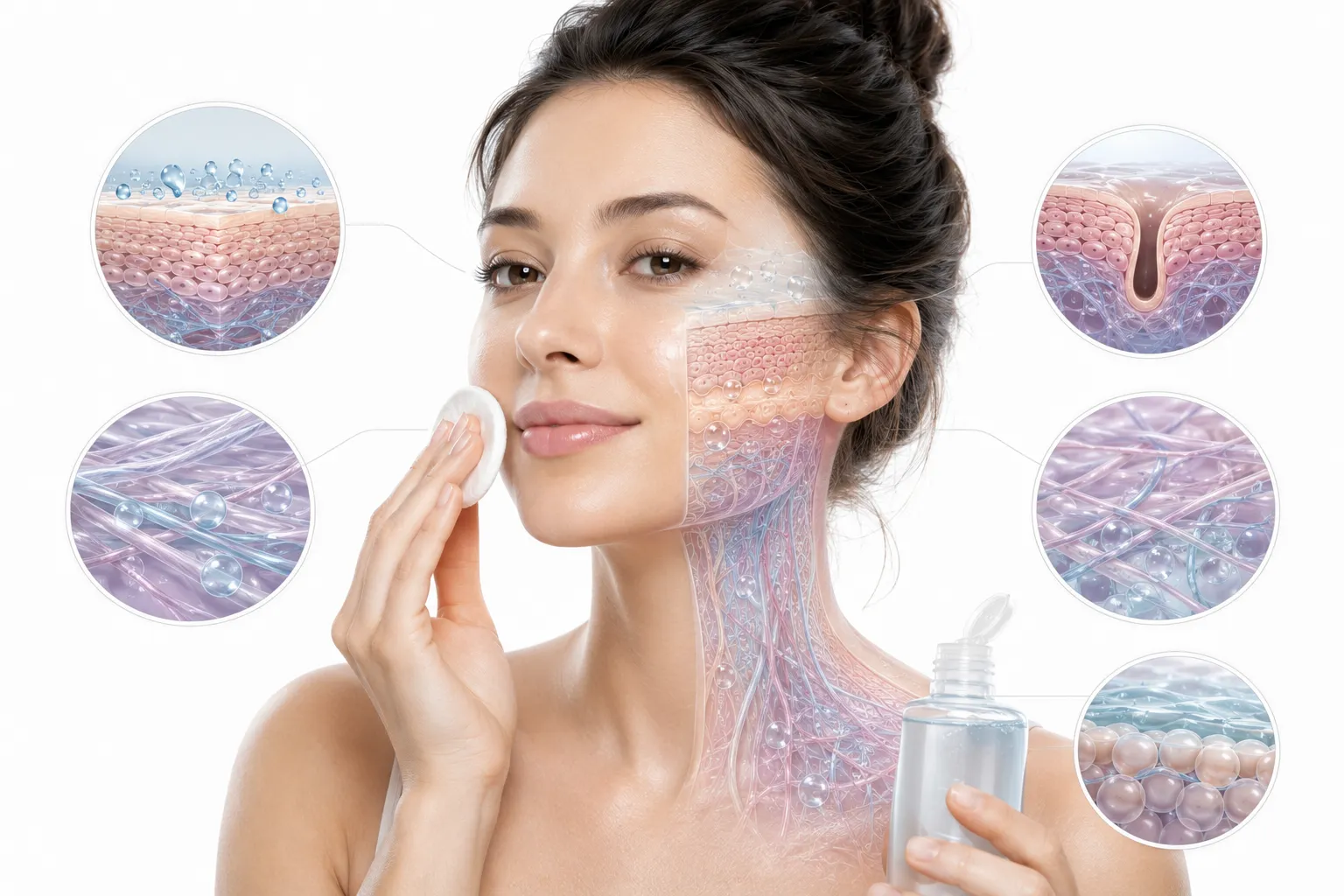
The right toner can balance both zones - but it needs to be formulated with a light touch.
Combination skin presents a unique challenge - the T-zone needs control while the cheeks need comfort. The right toner can help balance these competing needs.
Which
Toner is one of those optional maintenance steps - it can support your skin, but the wrong one can throw off the balance.
Which
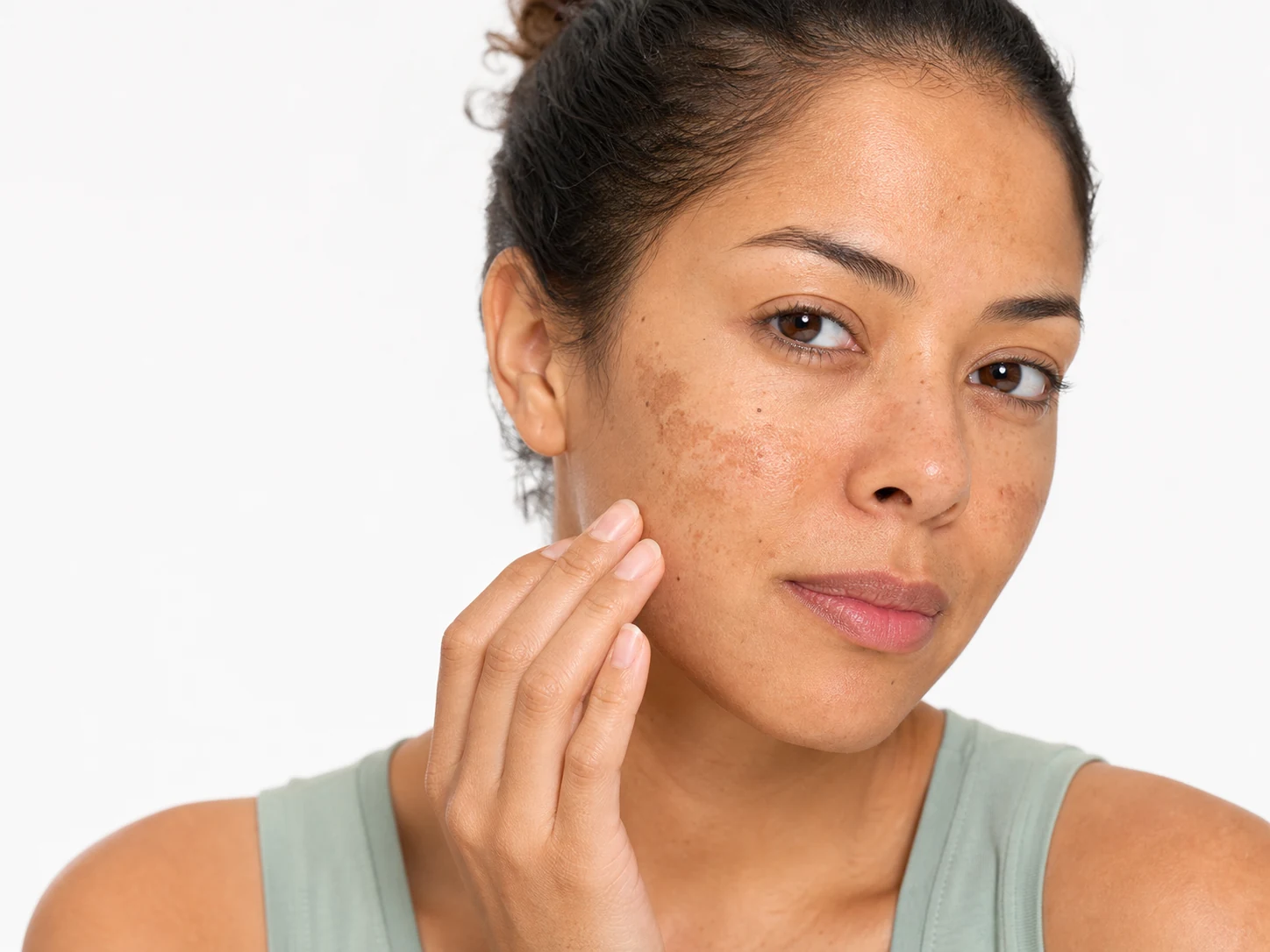
The best treatment depends entirely on the type of pigmentation you have.
Which
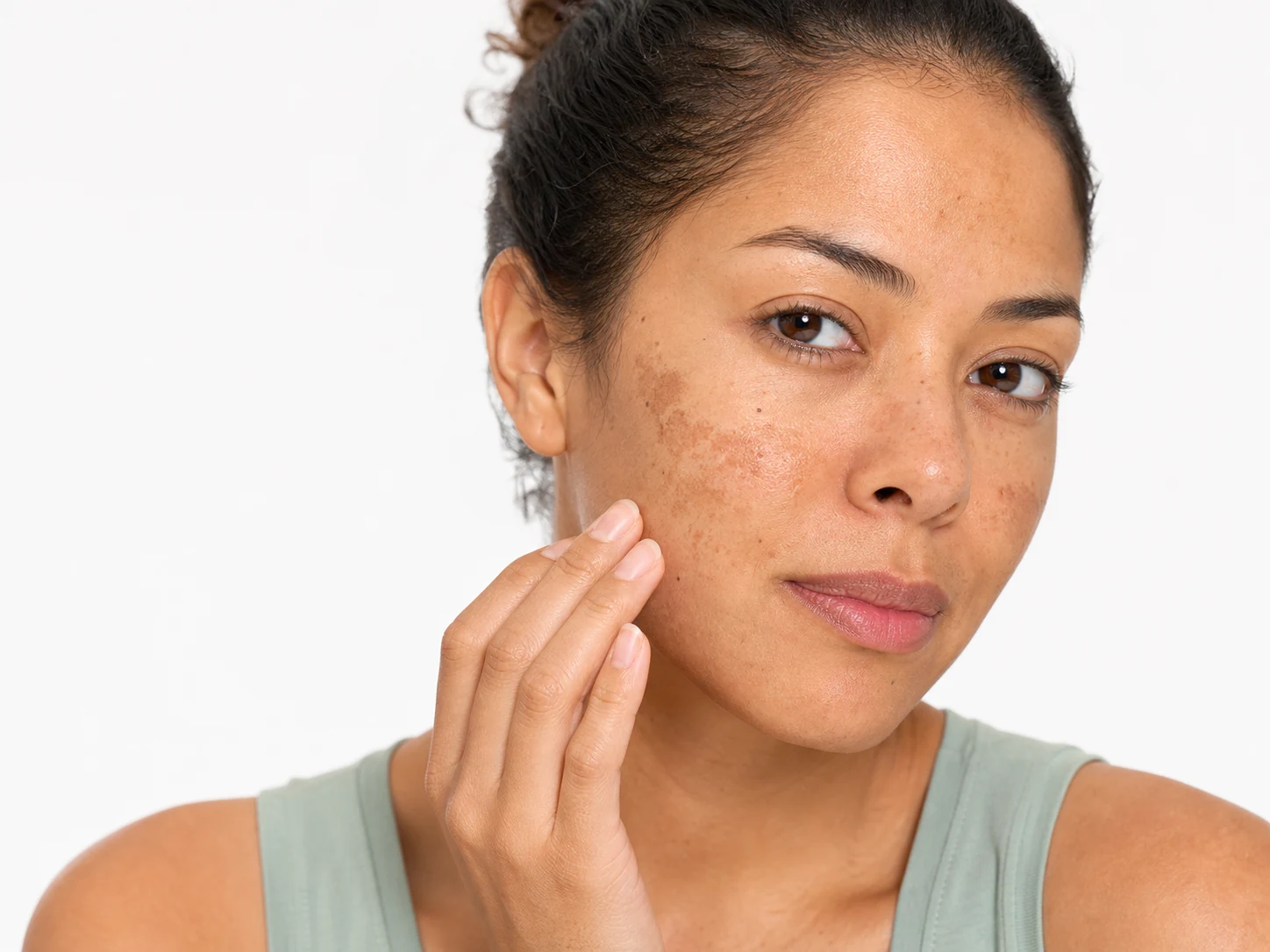
The strange part is that melasma doesn't start immediately when pregnancy begins. There's a delay, and understanding why it happens when it does tells us something about the hormones behind it.
Which
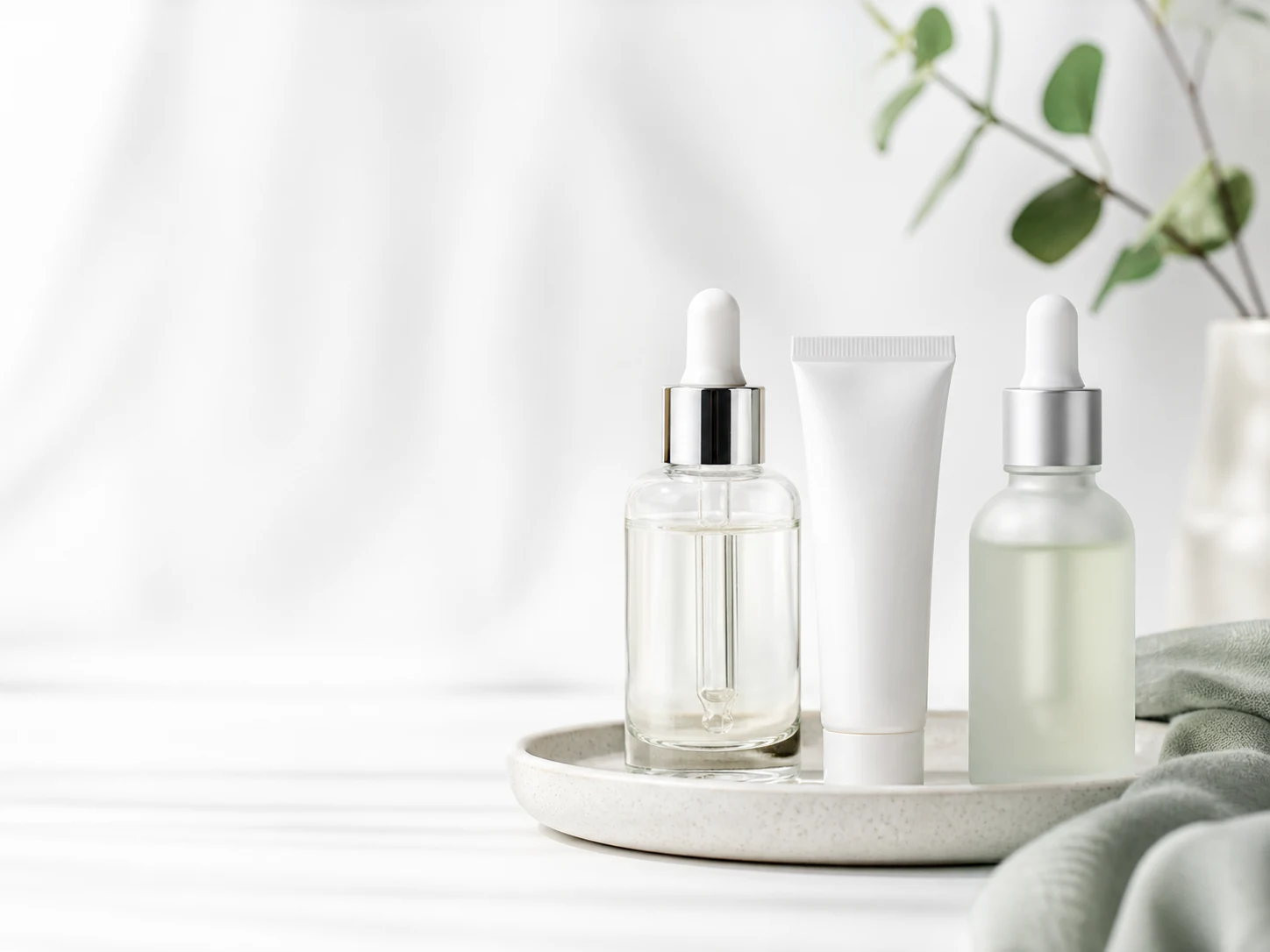
Choosing the right type of niacinamide product can be the difference between results and disappointment.
Niacinamide appears in serums, moisturizers, toners, and even powders. The best type depends on your skin, your routine, and your goals.
Which
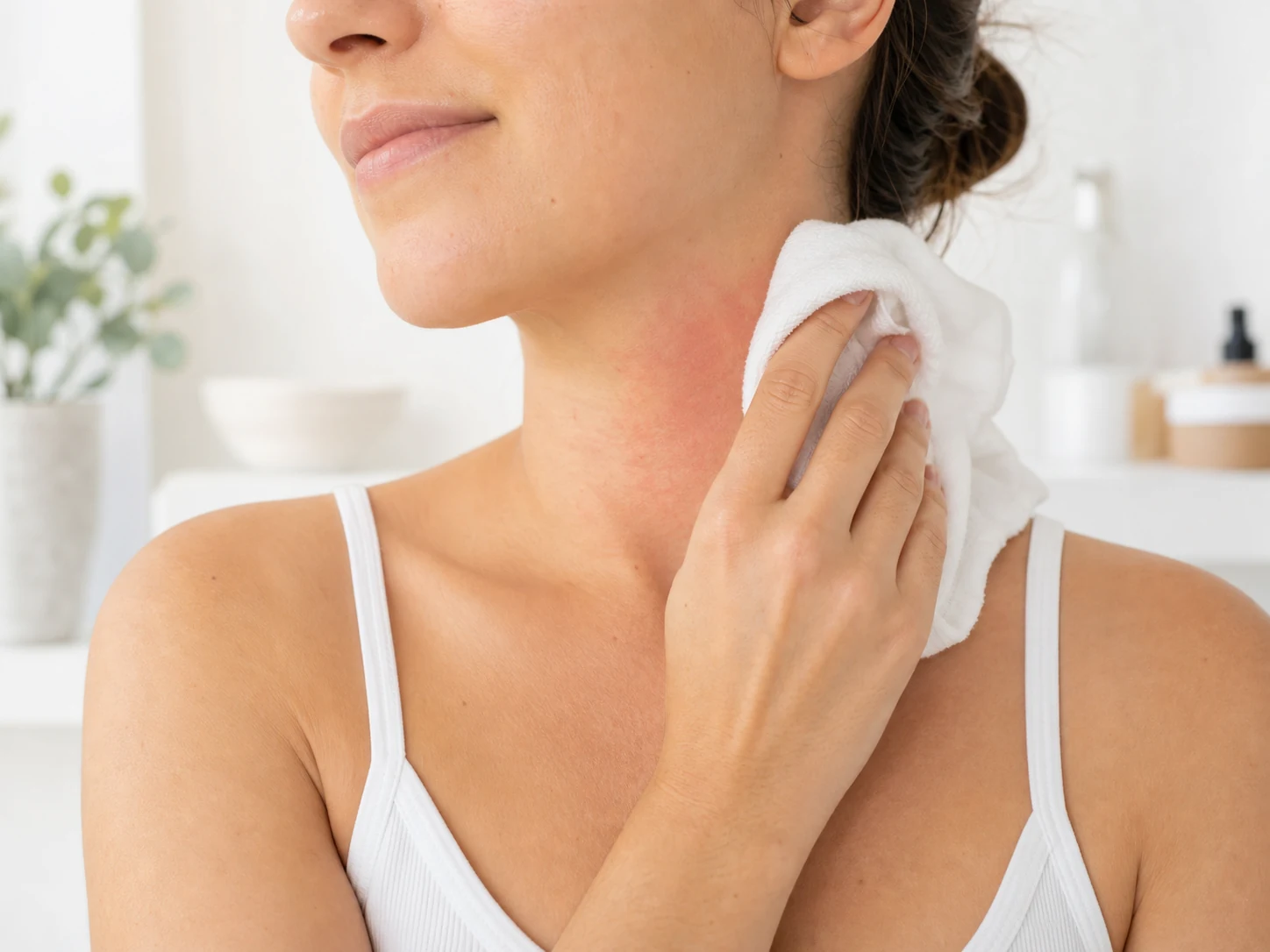
It's an appealing idea, since it suggests a fix as simple as a supplement bottle, but the actual cause of heat rash has almost nothing to do with what's on your plate.
Which
Niacinamide belongs to that family, specifically vitamin B3. But it's not the only form of B3.
A few gentle first stops if this corner of skincare still feels new.
A few first stops if “Which...” questions still feel new.
Side-by-side guides when two paths feel equally plausible.
Product Comparison
But 10% niacinamide is a high percentage, and these serums have very different supporting formulations. The better choice depends on your skin type.
Derma Co vs. Plum Niacinamide Serum: Which Is Best?Ingredients & Dry Skin
When your skin is dry and sensitive, the choice between these two isn't about which is more popular - it's about which one actually helps.
Which Is Better for Dry Skin - Vitamin C or Niacinamide?Products & Brand Comparison
On paper, they look almost identical - same concentration, same zinc, similar price. But the devil is in the details.
Which Niacinamide Serum Is Best: Minimalist or Derma Co?Routine & Application Order
The right order can make a significant difference in how well both ingredients work.
Which Comes First, Niacinamide or Retinol?Recently updated
Other kinds of questions wait just next door.
Can...
The polite pause before you try something new: will this get along with your skin?
Will...
What might change if you keep going: timelines, expectations, and honest outcomes.
Is...
Straight answers for claims, myths, and the questions that really want a yes or no.
Are...
When the question is about a whole category: ingredients, products, or the signs skin leaves behind.
Does...
Cause and effect: what a product or habit actually does once it meets skin.
Do...
Practical wondering about what skin needs, what routines ask for, and what to do next.