A gentle place to begin
A few first stops if “Does...” questions still feel new.
Questions that begin with “Does…”
Cause and effect: what a product or habit actually does once it meets skin.
82 calm answers for the moments you hover over a bottle, or a habit, and wonder what comes next.

Popular guides
Does
When that air is dry, your skin works harder to hold onto moisture, and it often loses that battle.
If you've ever woken up in winter with skin that feels like parchment, you've experienced the drying effects of low humidity. A humidifier seems like an obvious solution, but does it actually help your skin, or is it just making your room feel nicer?
Does
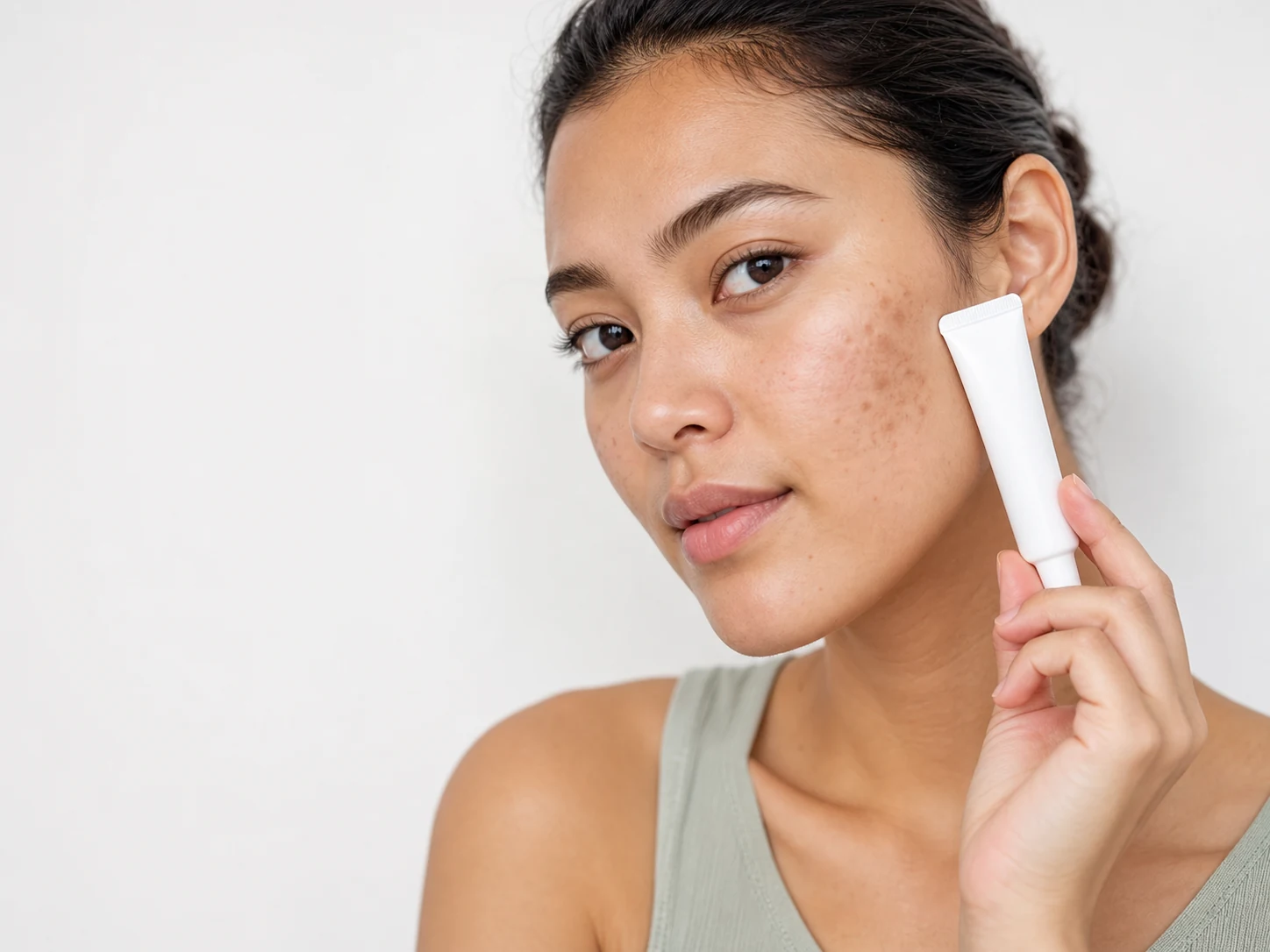
For hyperpigmentation, it works primarily by preventing new marks and accelerating the fading of existing ones.
Does
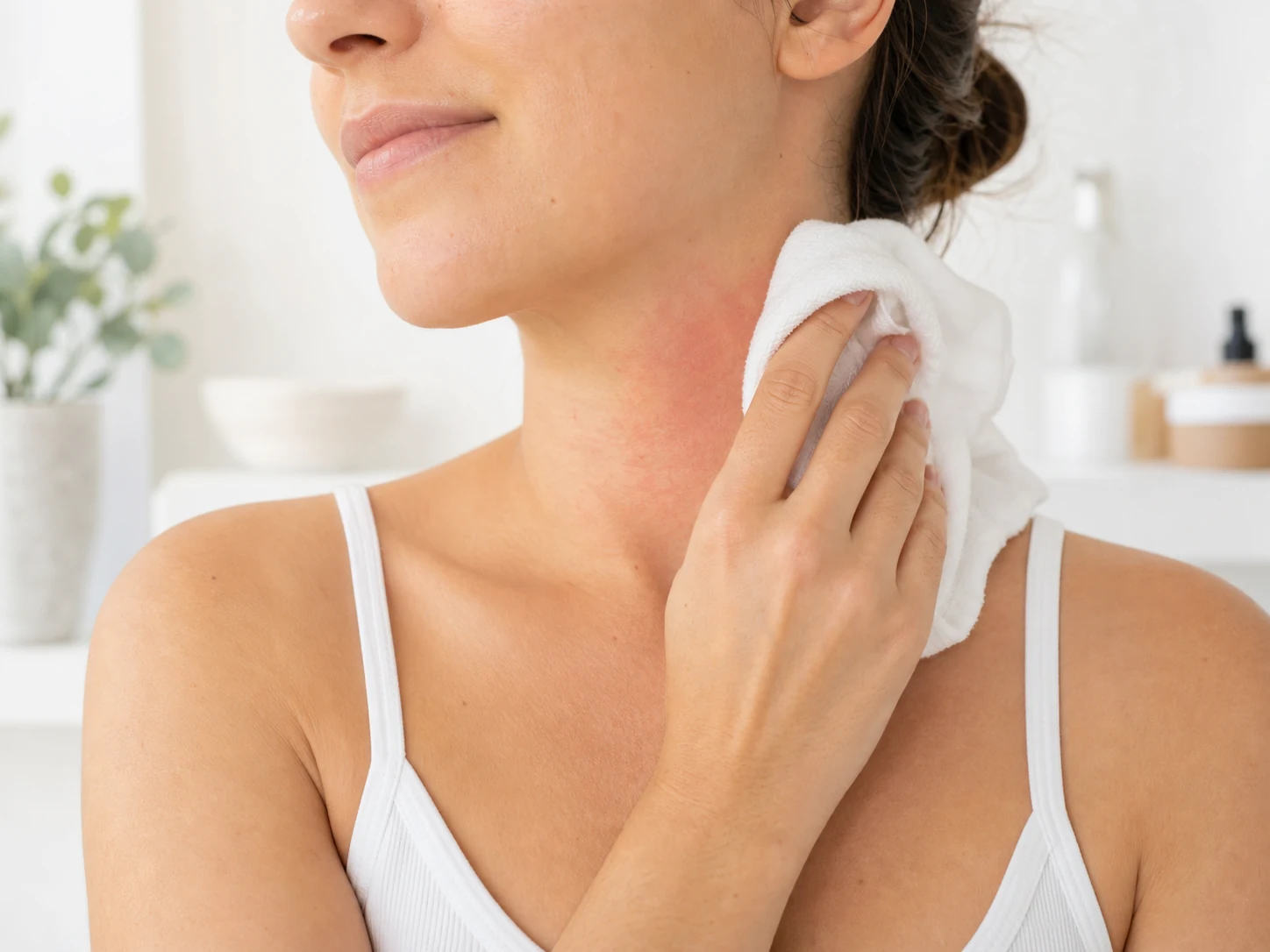
So when heat rash strikes, your hand instinctively reaches for the aloe vera bottle.
Does
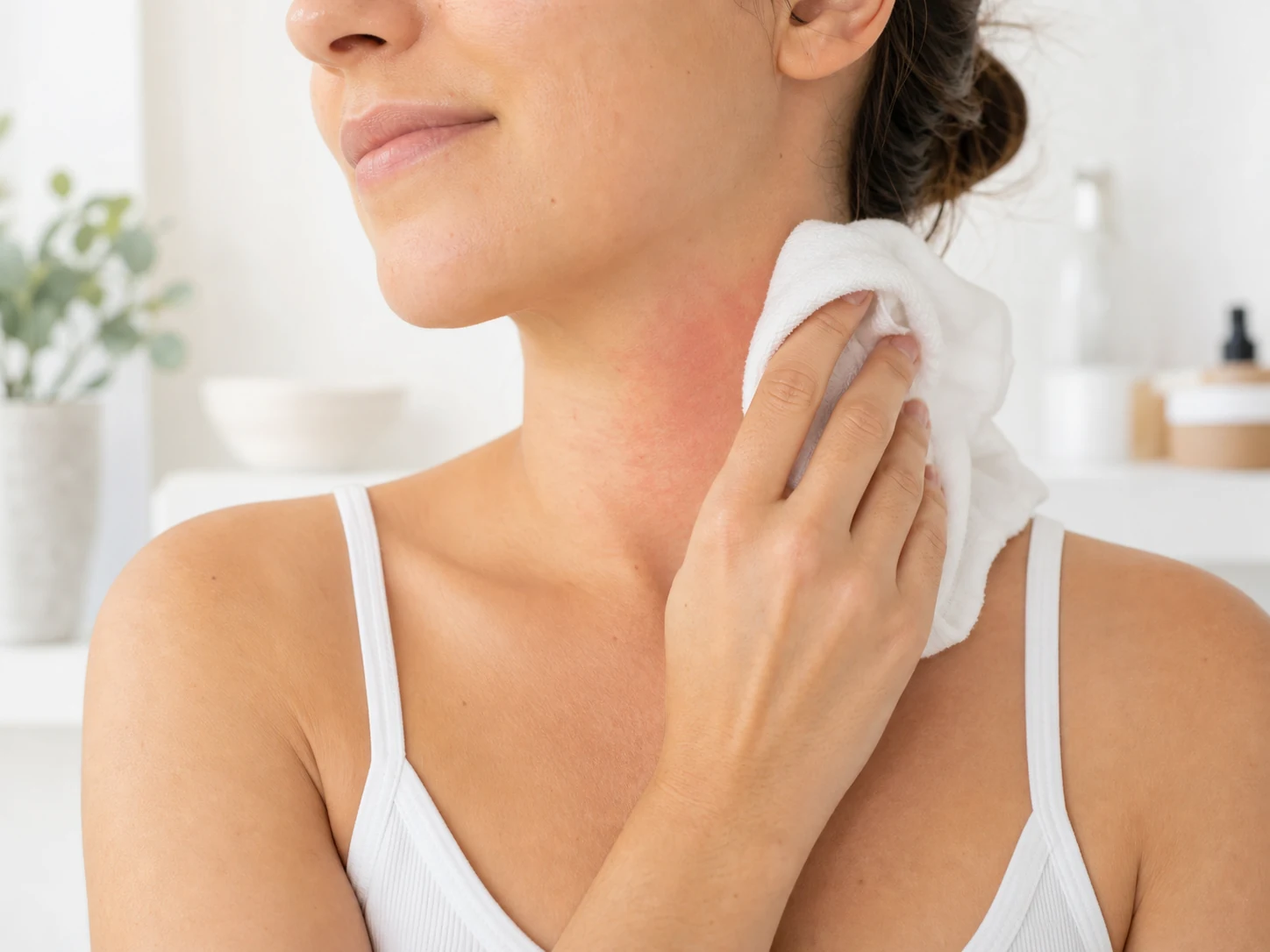
But antihistamines work by blocking histamine, the chemical behind allergic itching, and heat rash isn't really an allergic reaction at all.
Does
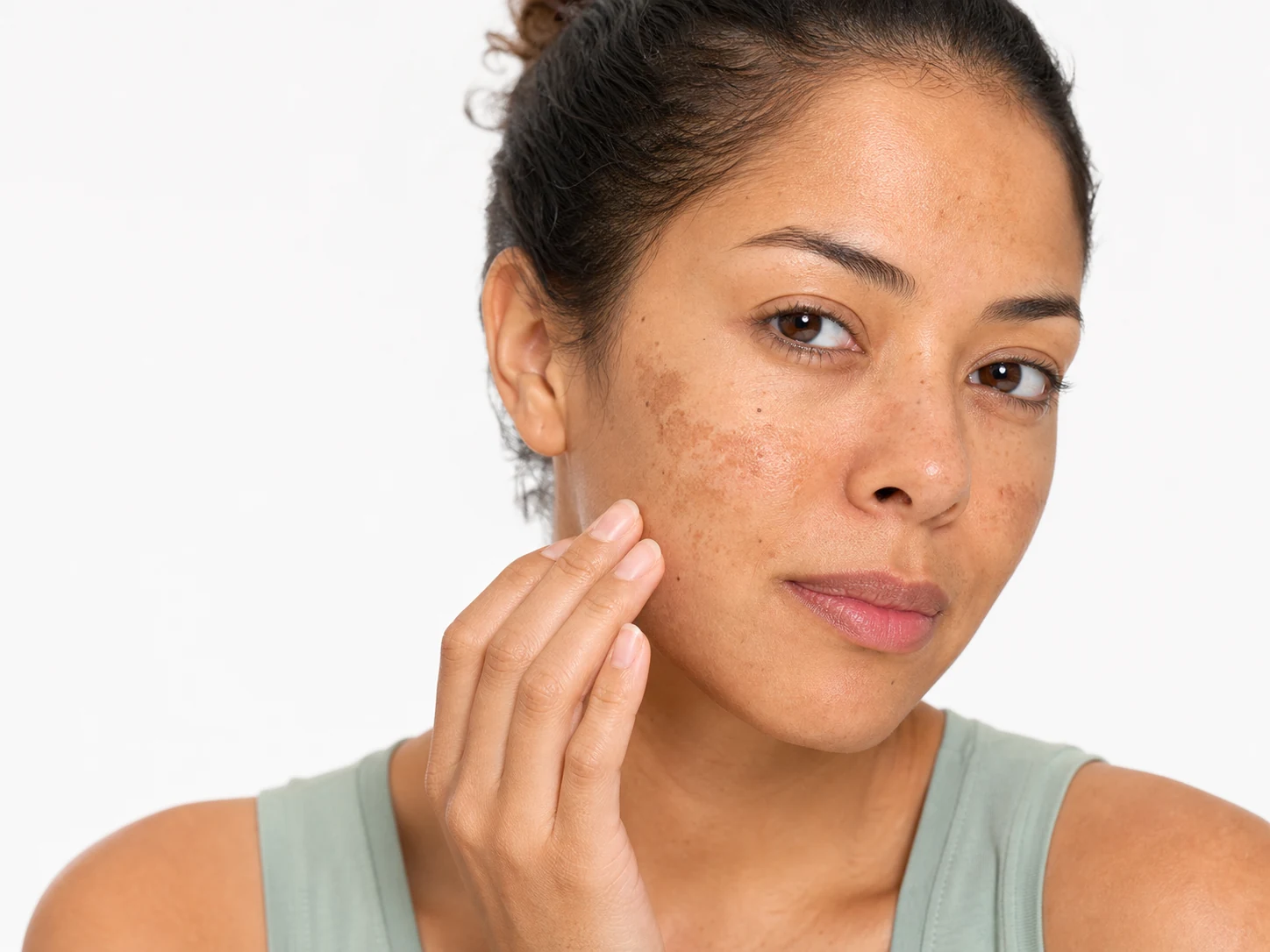
It treats hyperpigmentation, redness, and acne all at once, without the irritation of other acids.
Does
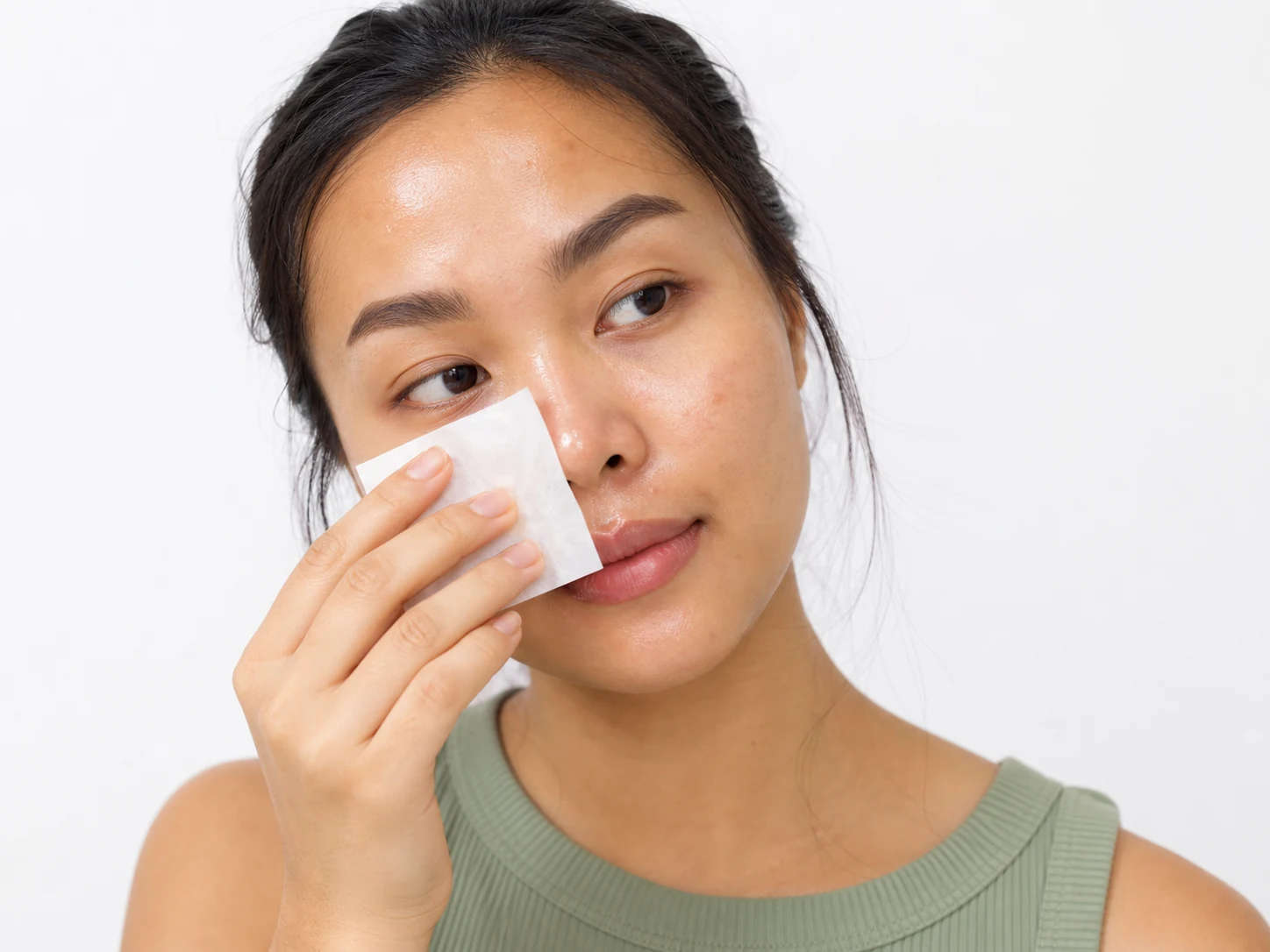
But the way it works is often misunderstood. It doesn't actually add moisture to the skin - it prevents moisture from leaving.
Baby oil has been a staple of skincare for generations - that simple, clear bottle that's been used on babies and adults alike. But its effectiveness for dry skin is often misunderstood. It works, but not the way you might think.
Does
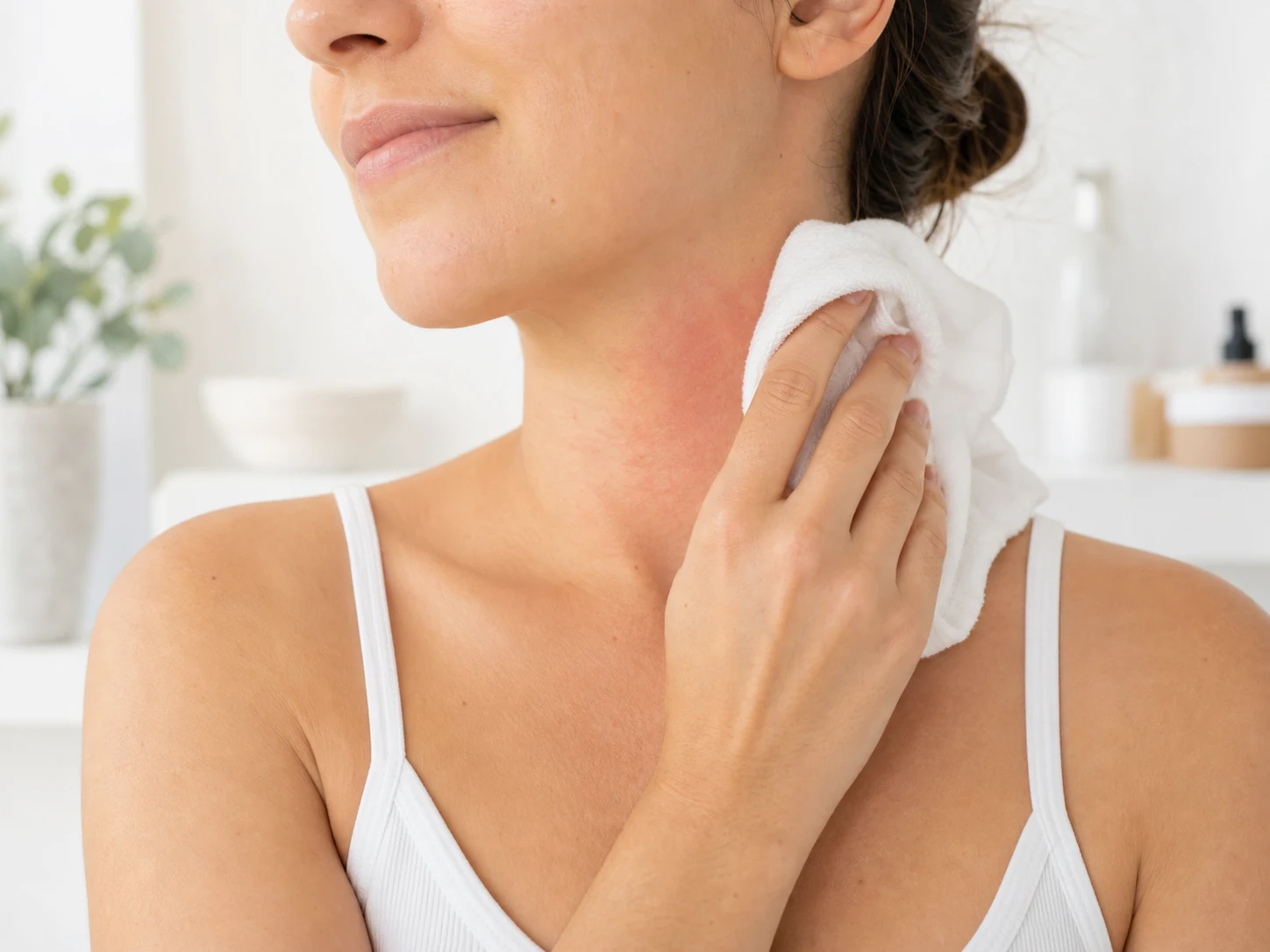
It genuinely does absorb moisture and cut down on friction, which sounds exactly like what overheated, sweaty skin needs.
Does
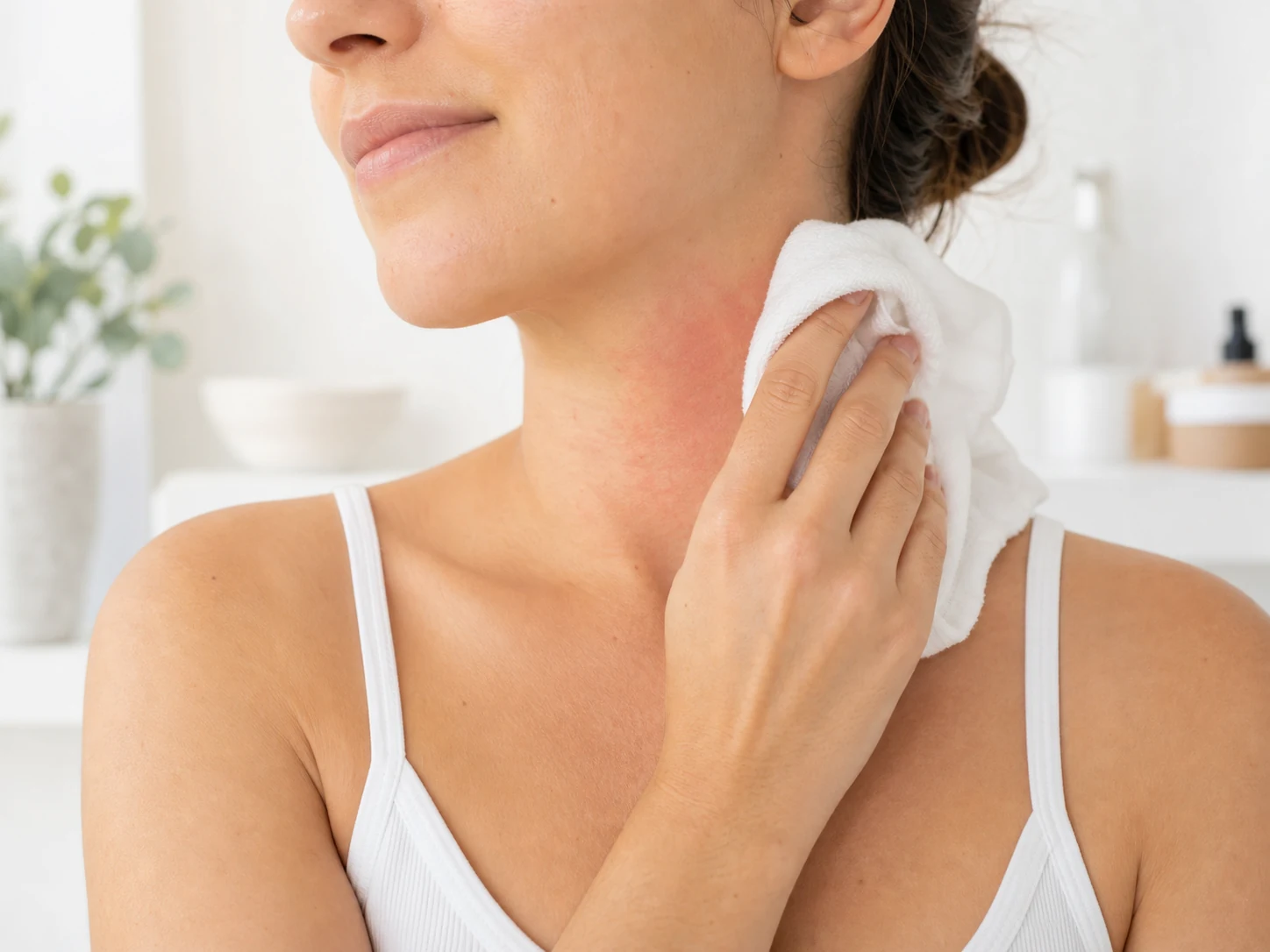
It survives not because it cures anything, but because it's remarkably good at making irritated skin feel calmer within minutes.
Does
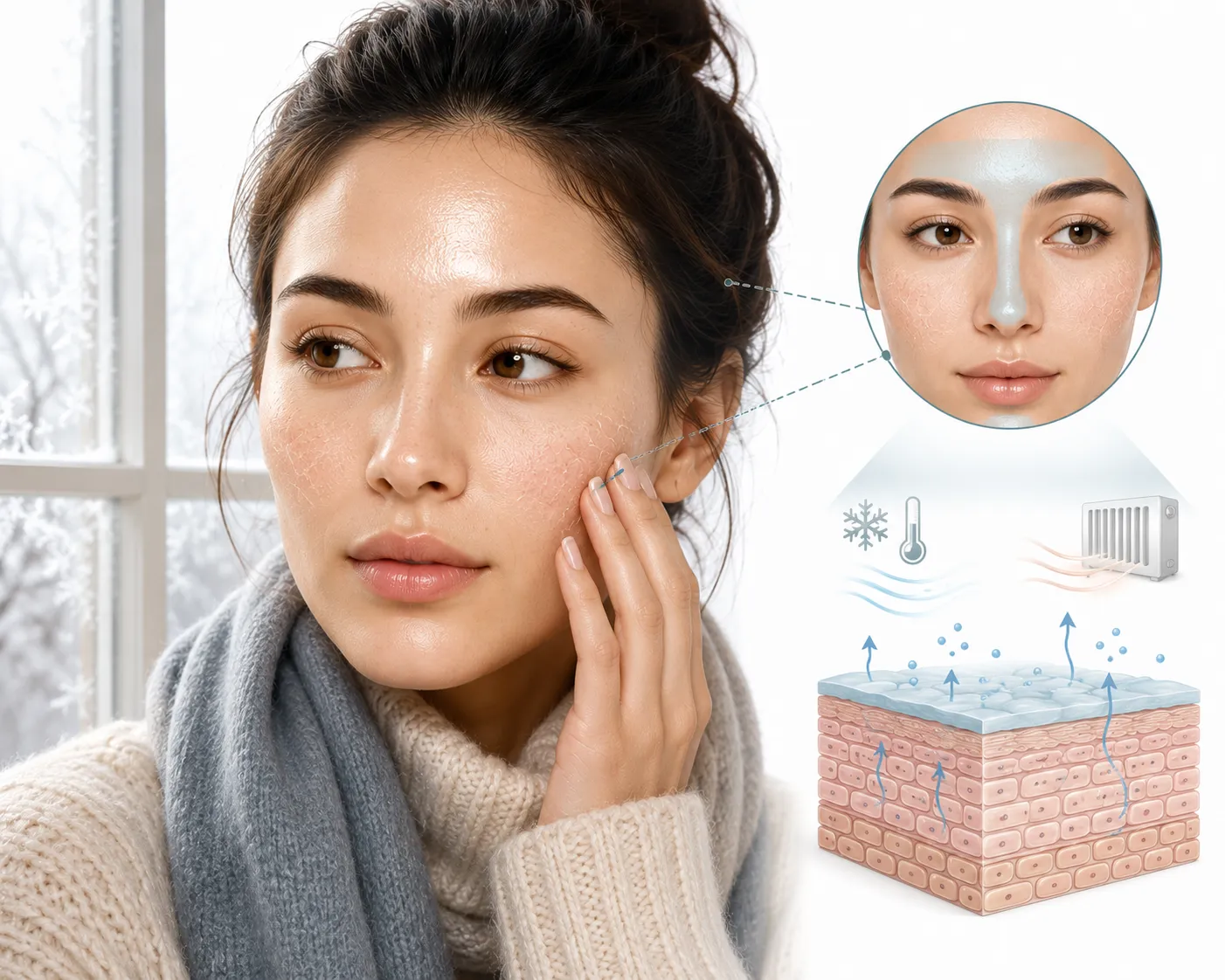
The cheeks get tight and uncomfortable while the T-zone still produces its usual oil, leaving you with the worst of both worlds.

Does
The difference isn't about fate or luck - it's about moisture's role in maintaining the skin's structure.
Does
When dry skin burns, it's not just the lack of moisture causing the problem - it's a sign that the barrier has been breached and nerve endings are being exposed.
Dry skin is usually described as tight, flaky, and uncomfortable - but for some people, it goes beyond discomfort and becomes a burning sensation. This isn't just dryness; it's a sign that the skin's barrier has been compromised and something else is going on.
Does
The mechanism is different from oily skin acne - it's not about excess oil, but about a compromised barrier that allows bacteria to penetrate.
Start with the popular ones above, or scroll the full set when you are in a browsing mood.
Does
When that air is dry, your skin works harder to hold onto moisture, and it often loses that battle.
If you've ever woken up in winter with skin that feels like parchment, you've experienced the drying effects of low humidity. A humidifier seems like an obvious solution, but does it actually help your skin, or is it just making your room feel nicer?
Does
For hyperpigmentation, it works primarily by preventing new marks and accelerating the fading of existing ones.
Does
So when heat rash strikes, your hand instinctively reaches for the aloe vera bottle.
Does
But antihistamines work by blocking histamine, the chemical behind allergic itching, and heat rash isn't really an allergic reaction at all.
Does
It treats hyperpigmentation, redness, and acne all at once, without the irritation of other acids.
Azelaic acid is one of the most versatile acids in skincare. It treats hyperpigmentation, redness, and acne simultaneously, making it invaluable for certain skin types.
Does
But the way it works is often misunderstood. It doesn't actually add moisture to the skin - it prevents moisture from leaving.
Does
It genuinely does absorb moisture and cut down on friction, which sounds exactly like what overheated, sweaty skin needs.
Does
It survives not because it cures anything, but because it's remarkably good at making irritated skin feel calmer within minutes.
Calamine lotion has been dabbed onto itchy skin for well over a century, and heat rash sufferers reach for it out of pure habit. The question is whether that pink bottle is actually doing anything useful, or just feels like it is.
Does
The cheeks get tight and uncomfortable while the T-zone still produces its usual oil, leaving you with the worst of both worlds.
Combination skin is a balancing act in any season, but winter throws a particular wrench into the works. The cold, dry air and indoor heating can make the cheeks feel tight and parched while the T-zone still manages to produce its usual oil.
Does
The difference isn't about fate or luck - it's about moisture's role in maintaining the skin's structure.
Does
When dry skin burns, it's not just the lack of moisture causing the problem - it's a sign that the barrier has been breached and nerve endings are being exposed.
Does
The mechanism is different from oily skin acne - it's not about excess oil, but about a compromised barrier that allows bacteria to penetrate.
Does
The bumps are usually a sign that the skin's natural shedding process has gone haywire, and keratin is building up where it shouldn't.
Dry skin is usually associated with flaking and roughness - but bumps? That seems like a different category of skin complaint. Yet bumpy skin is a common companion to dryness, and understanding the connection requires looking at what's happening beneath the surface.
Does
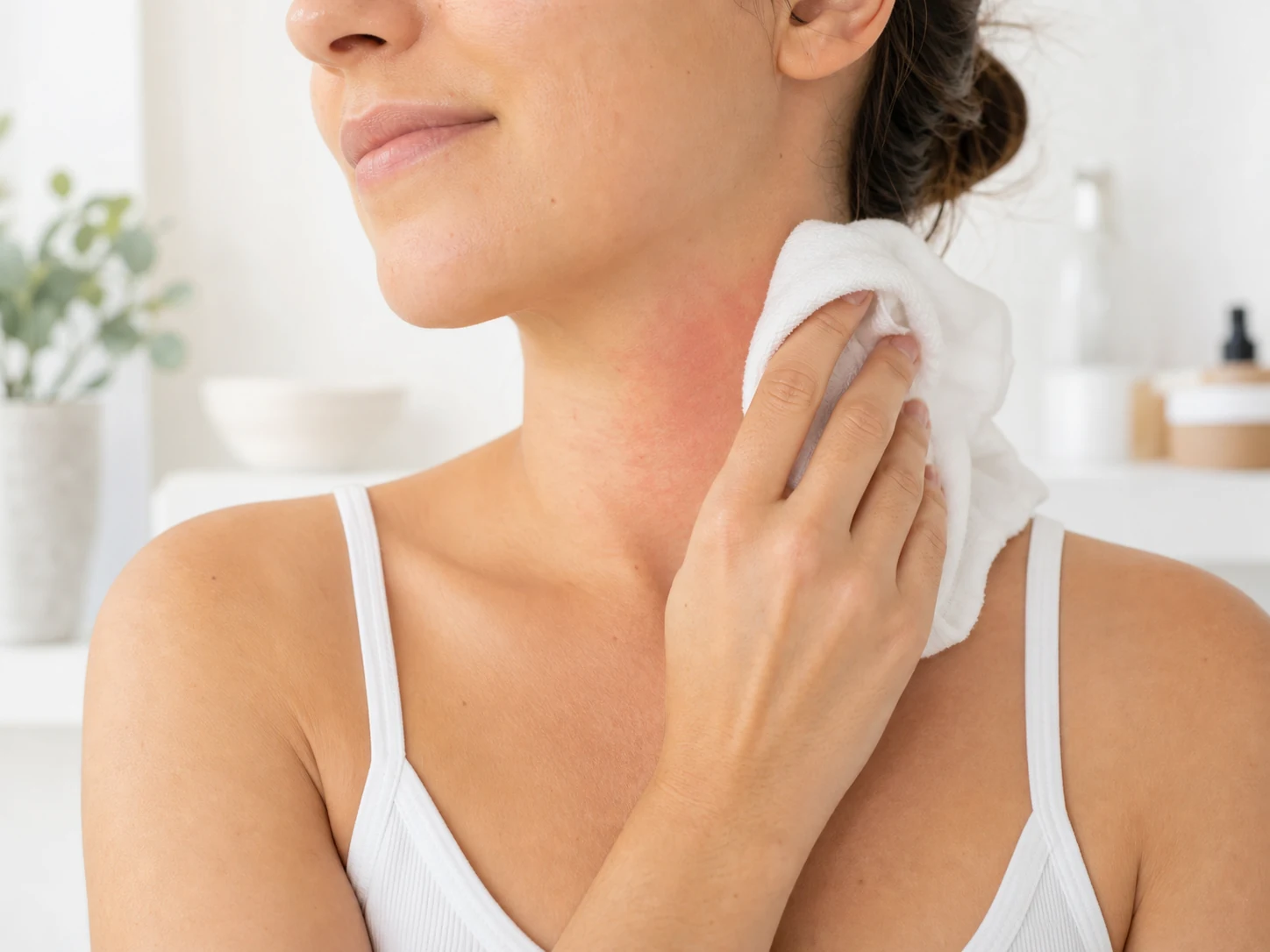
The relationship is more like a chain reaction: dry skin creates the conditions where eczema can flare up, even if it didn't start the fire.
Does
But the relationship between dry skin and hives is more about skin vulnerability than causation. Dry skin doesn't cause hives directly, but it can make you more susceptible to the triggers that do.
Hives are itchy, raised welts that appear suddenly, often as an allergic response. Dry skin and hives can feel connected - the dryness seems to trigger the welts - but the relationship is more about skin reactivity than direct causation.
Does
The mechanism is different from oily skin acne, but the result is the same: pimples. Understanding the difference is key to treating them effectively.

Does
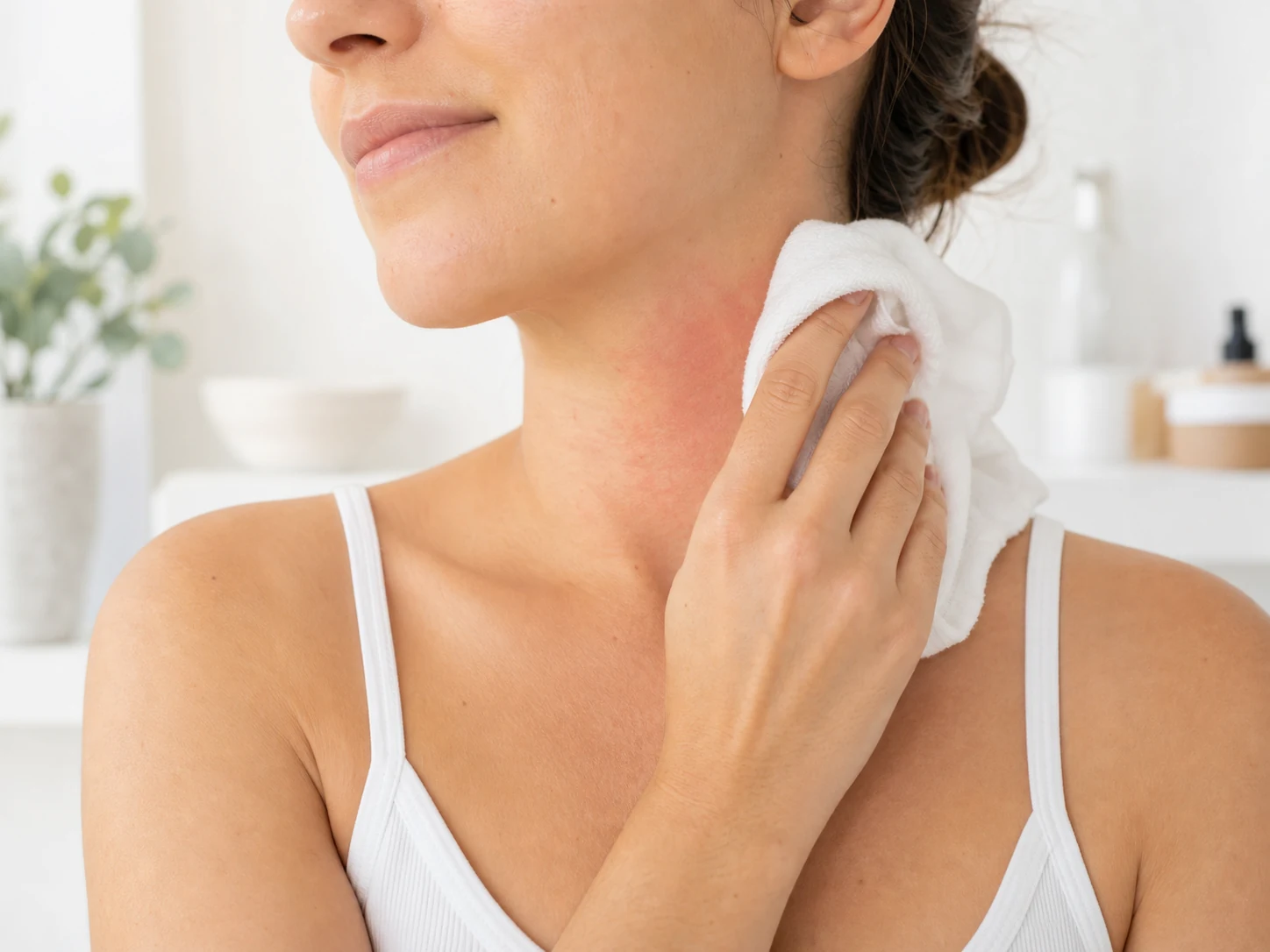
Dry skin doesn't create wrinkles - it just reveals them. The difference between dry and hydrated skin is the difference between a wrinkled shirt and a freshly pressed one.
If you have dry skin, you've probably been told that you'll get more wrinkles. But the relationship between dryness and wrinkles is more about visibility than causation. Dry skin doesn't cause wrinkles - it makes them look worse.
Does
The itching isn't just a side effect - it's a biological signal that your skin barrier is compromised. Understanding the mechanism helps you break the cycle.
Does
The difference matters because eczema requires specific treatment and management. Using simple moisturizers on eczema can help, but you're missing the bigger picture.
Does
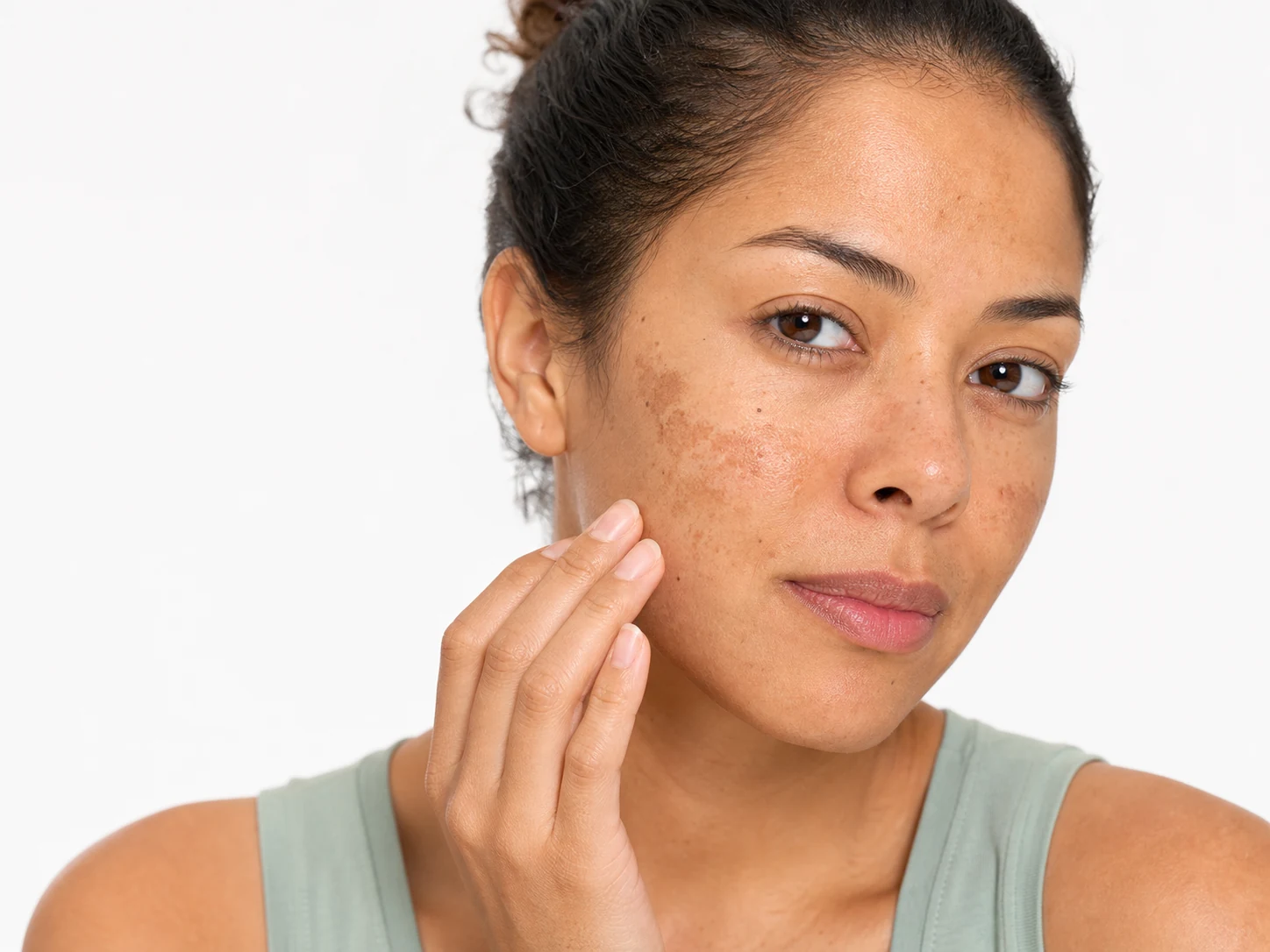
This makes it ideal for certain types of hyperpigmentation, but not others.
Does
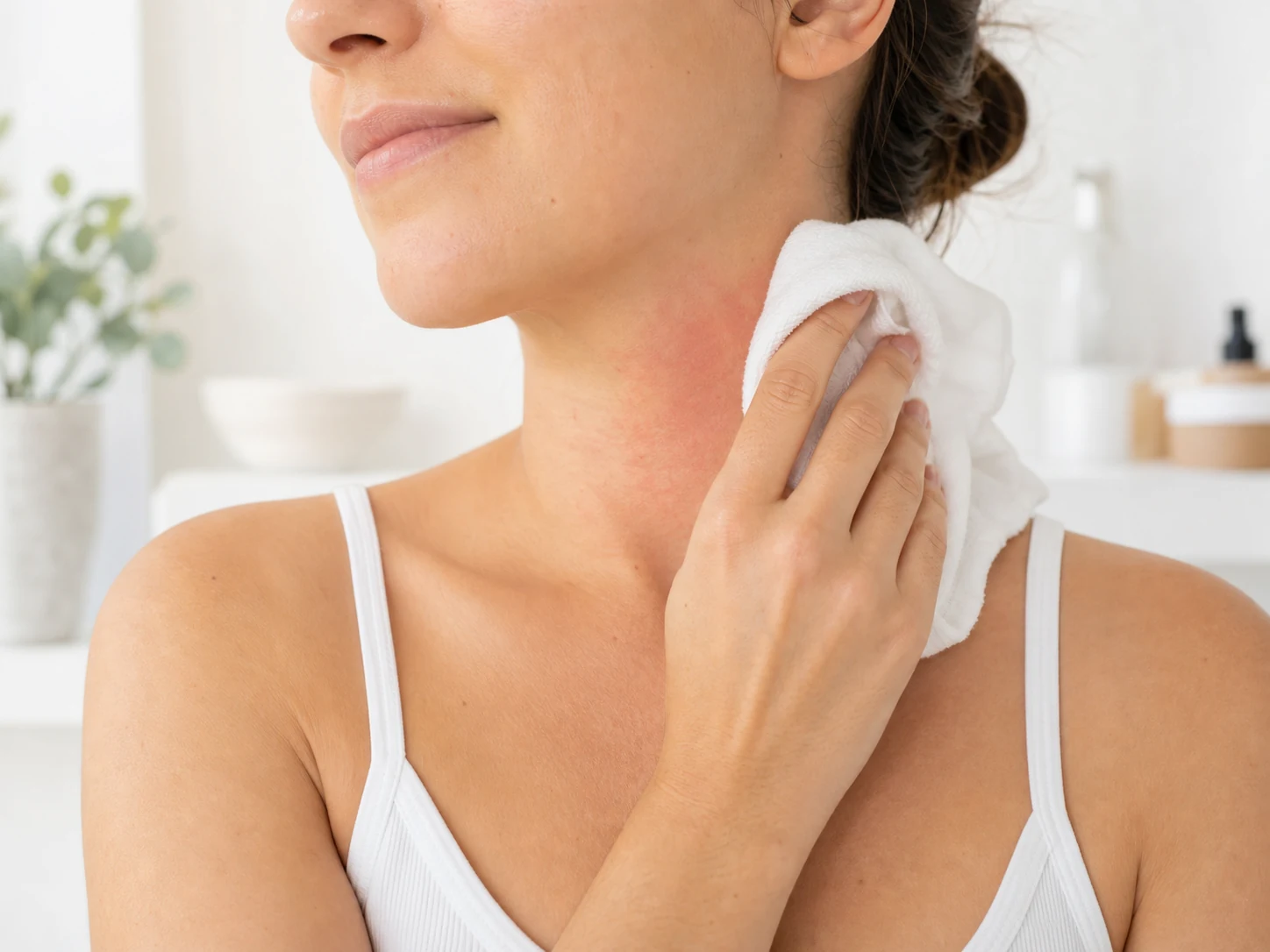
But the truth is, it often doesn't need anything beyond what you can do yourself.
Heat rash is famously self-limiting - it usually clears up without medical intervention. But "on its own" doesn't mean "ignore it completely." A few simple measures make the difference between a 2-day nuisance and a 2-week ordeal.
Does
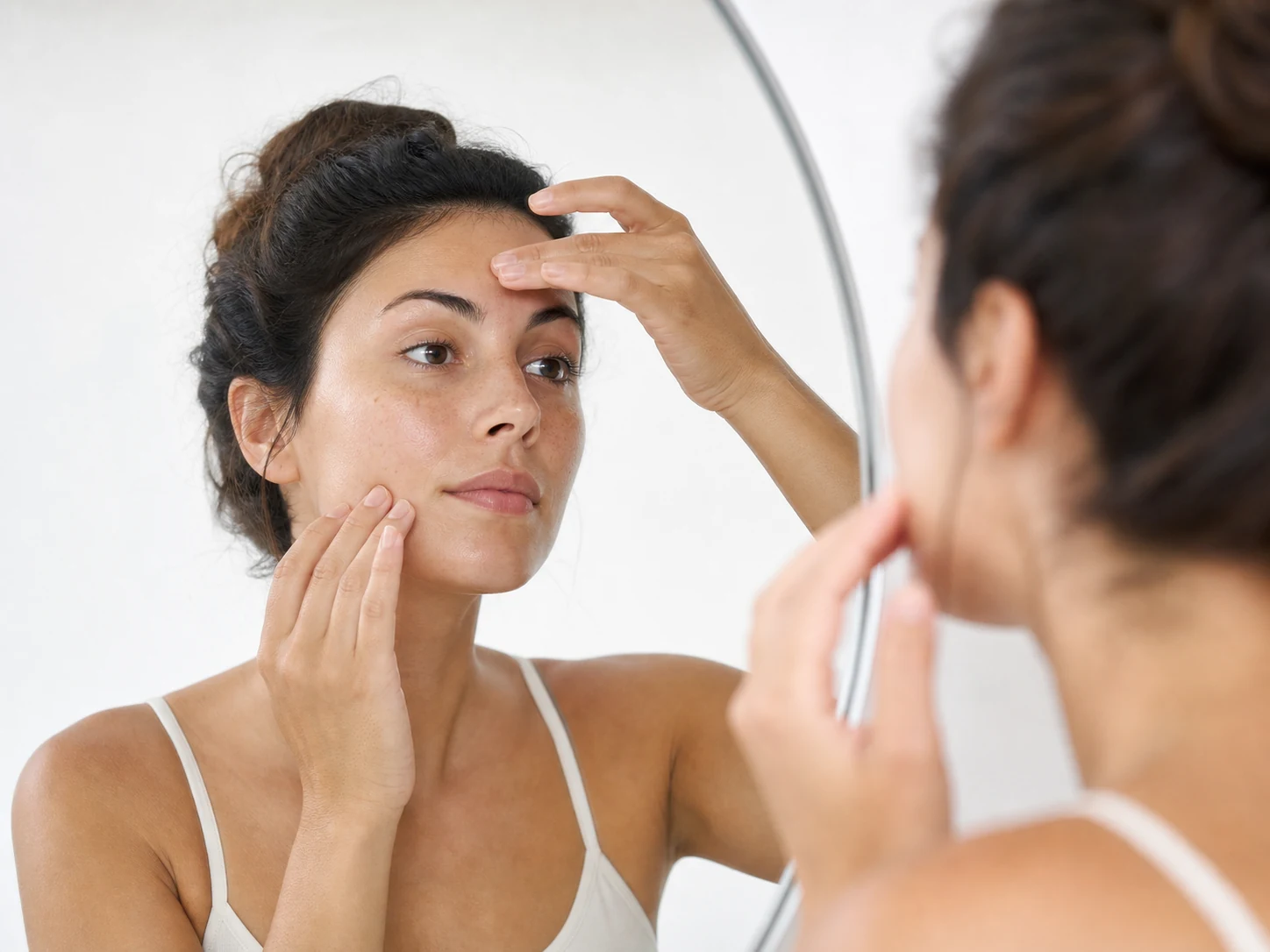
For combination skin, it's particularly useful because it provides what the dry areas need (hydration) without what the oily areas don't need (heavy, greasy moisture).
Hyaluronic acid is one of those ingredients that seems to work for everyone - and for combination skin, it's genuinely beneficial. It hydrates the dry areas without making the oily areas greasy, which is exactly what combination skin needs.

Does
The catch is that hyaluronic acid isn't a moisturizer. It's a humectant - it attracts water, but it doesn't keep it in your skin. Without the right application, it can actually make dry skin worse.
Does
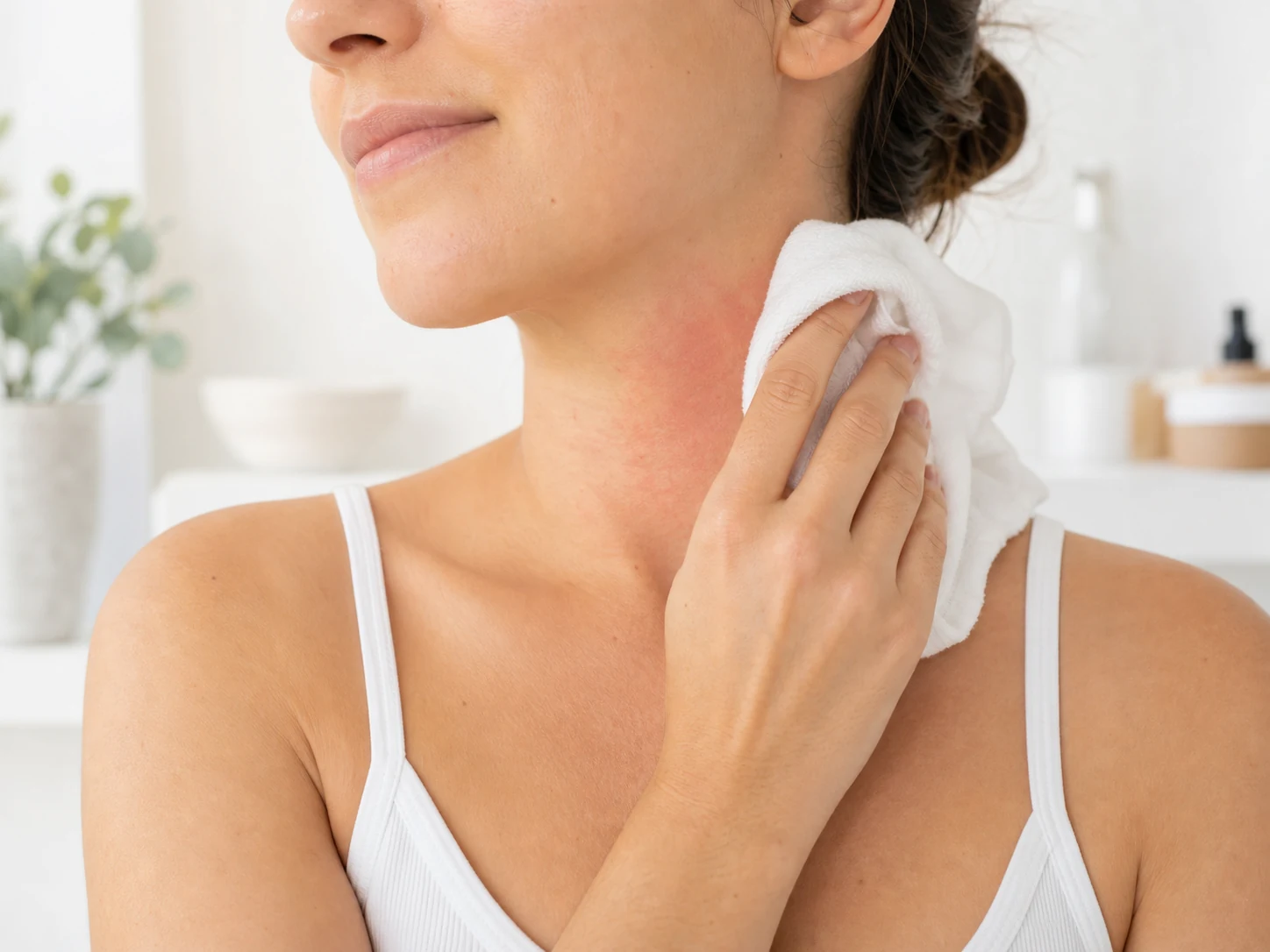
Heat rash gets added to that list too, though the logic behind it is subtler than "it's red and itchy, so use the steroid cream."

Does
The strange part is that the answer depends on what you mean by "ever" - are you asking about complete resolution, or significant improvement? Because the two are different things.
The word "ever" is doing a lot of work in that question. It's asking not just whether melasma can go away, but whether it can go away completely and permanently - and the answer to that is more complicated than a simple yes or no.

Does
The strange part is that for some people, melasma does exactly that. For others, it persists regardless. The difference tells us something important about how melasma works.

Does
The strange part is that the answer depends almost entirely on the question behind the question - why do you have it, and what can you do about it?

Does
Melasma is the notable exception. It just sits there, quietly darkening your skin, usually without any sensation at all.

Does
It's tempting to picture it spreading the way a stain spreads through fabric, but melasma isn't traveling into new territory so much as it is intensifying in territory that was already primed for it.
Anyone who has watched a melasma patch creep further across their cheek each summer could be forgiven for thinking it behaves like something contagious. It doesn't, but the patches genuinely can grow, darken, and multiply, and understanding why makes the difference between managing melasma well and chasing it forever.
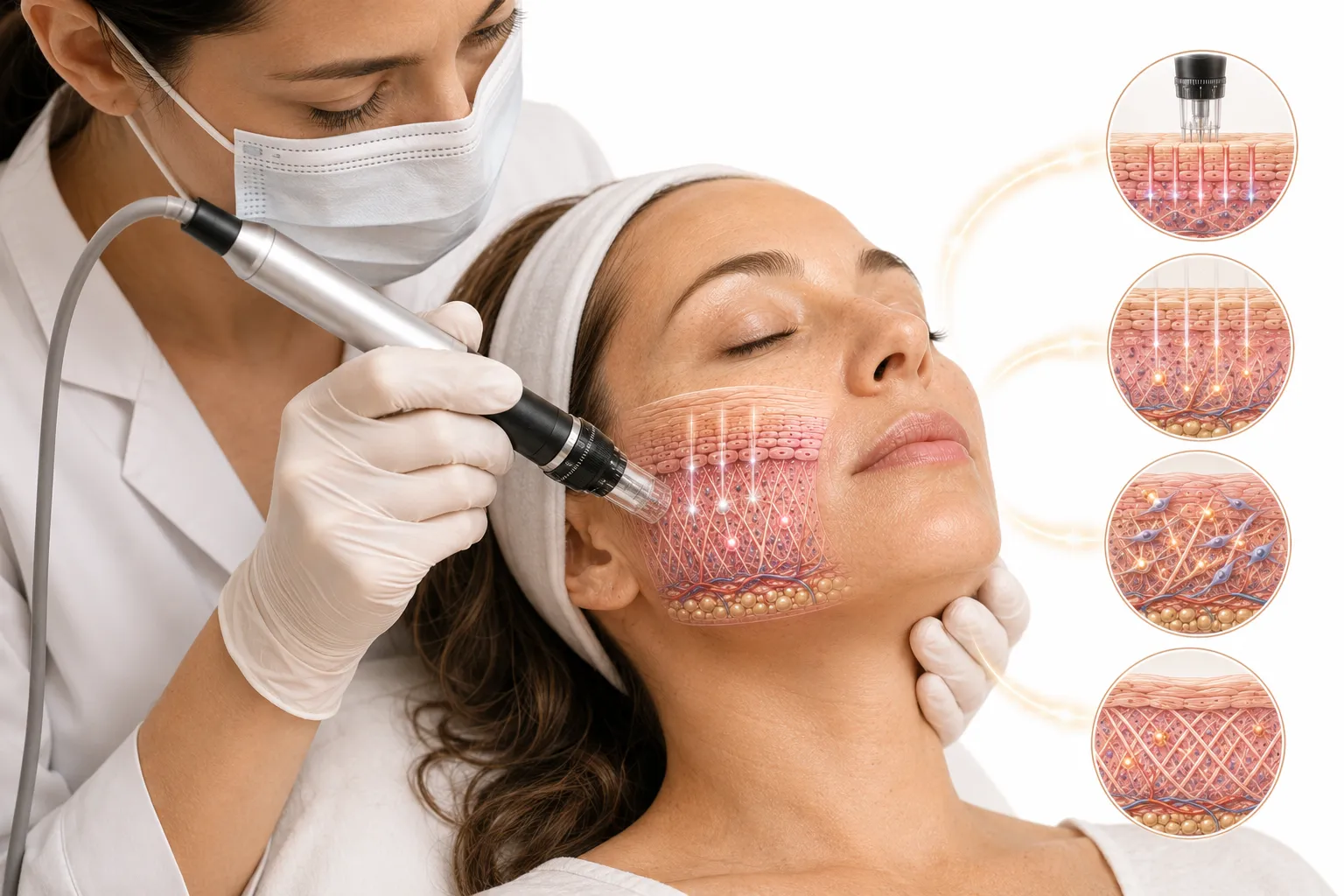
Does
By creating hundreds of microscopic punctures, the treatment convinces skin it needs to rebuild, and rebuilding, conveniently, means more collagen.
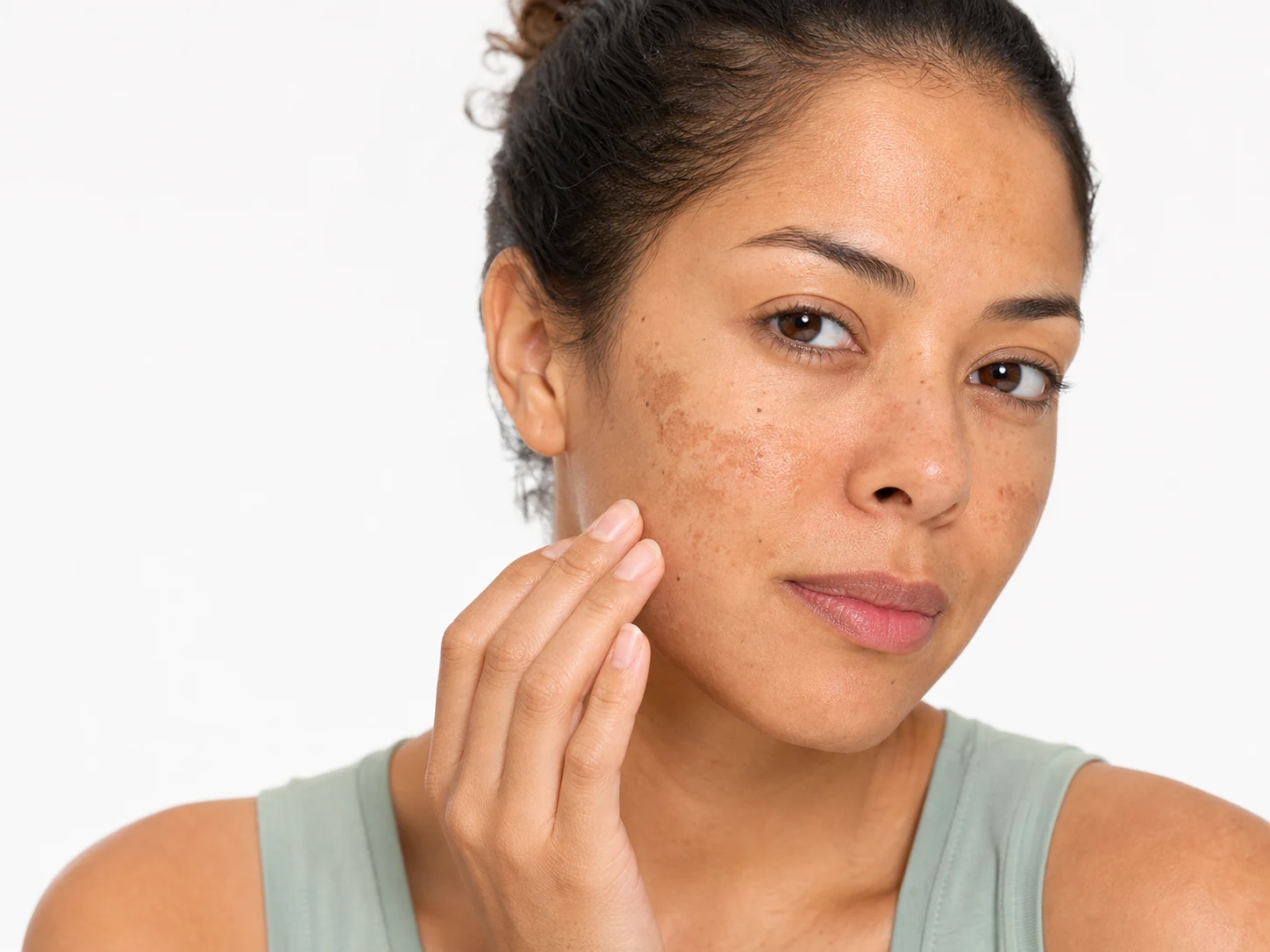
Does
But it's not a one-size-fits-all solution for hyperpigmentation.
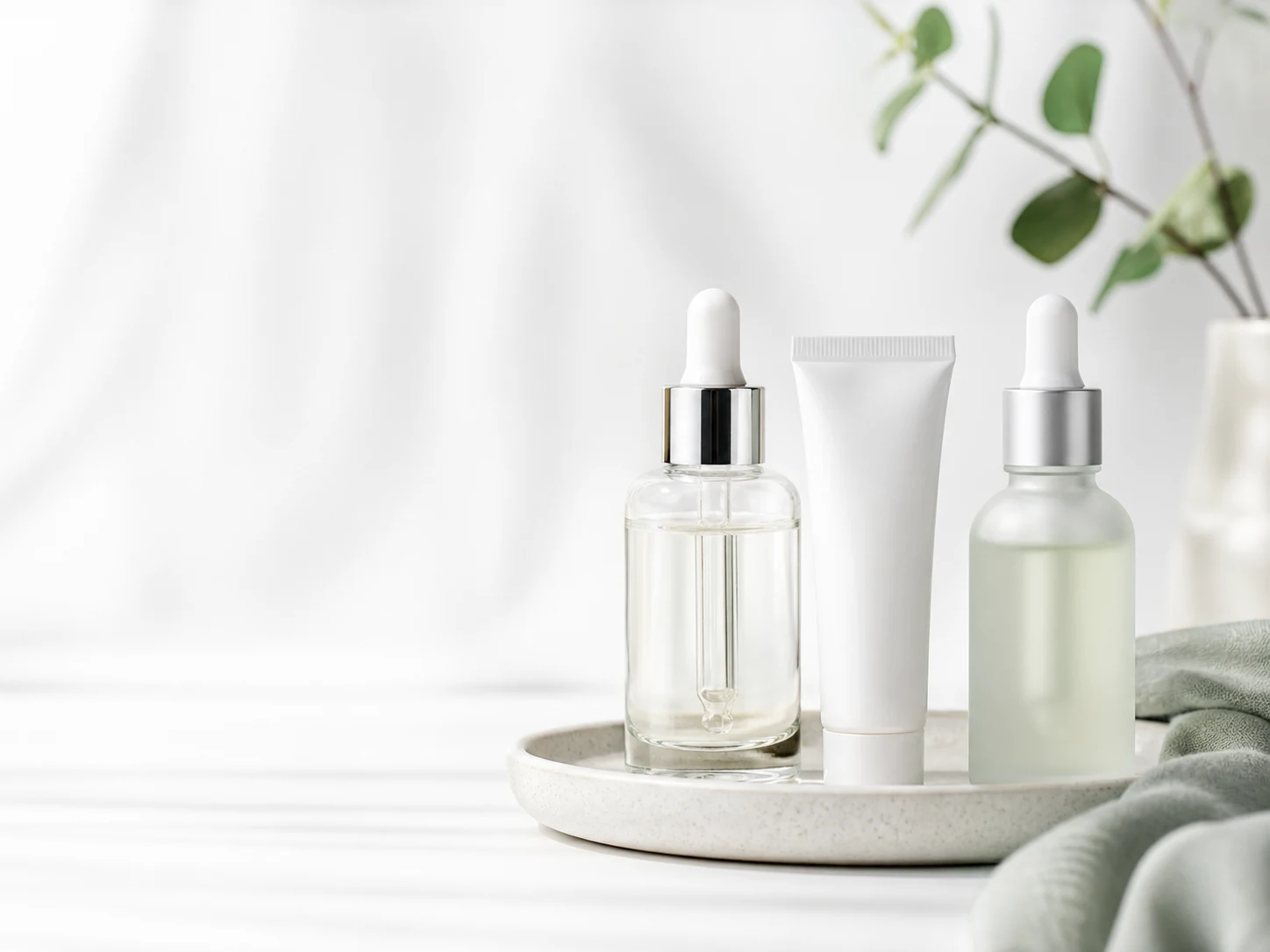
Does
Niacinamide offers a solution, but not through bleaching or harsh exfoliation. It works more subtly.
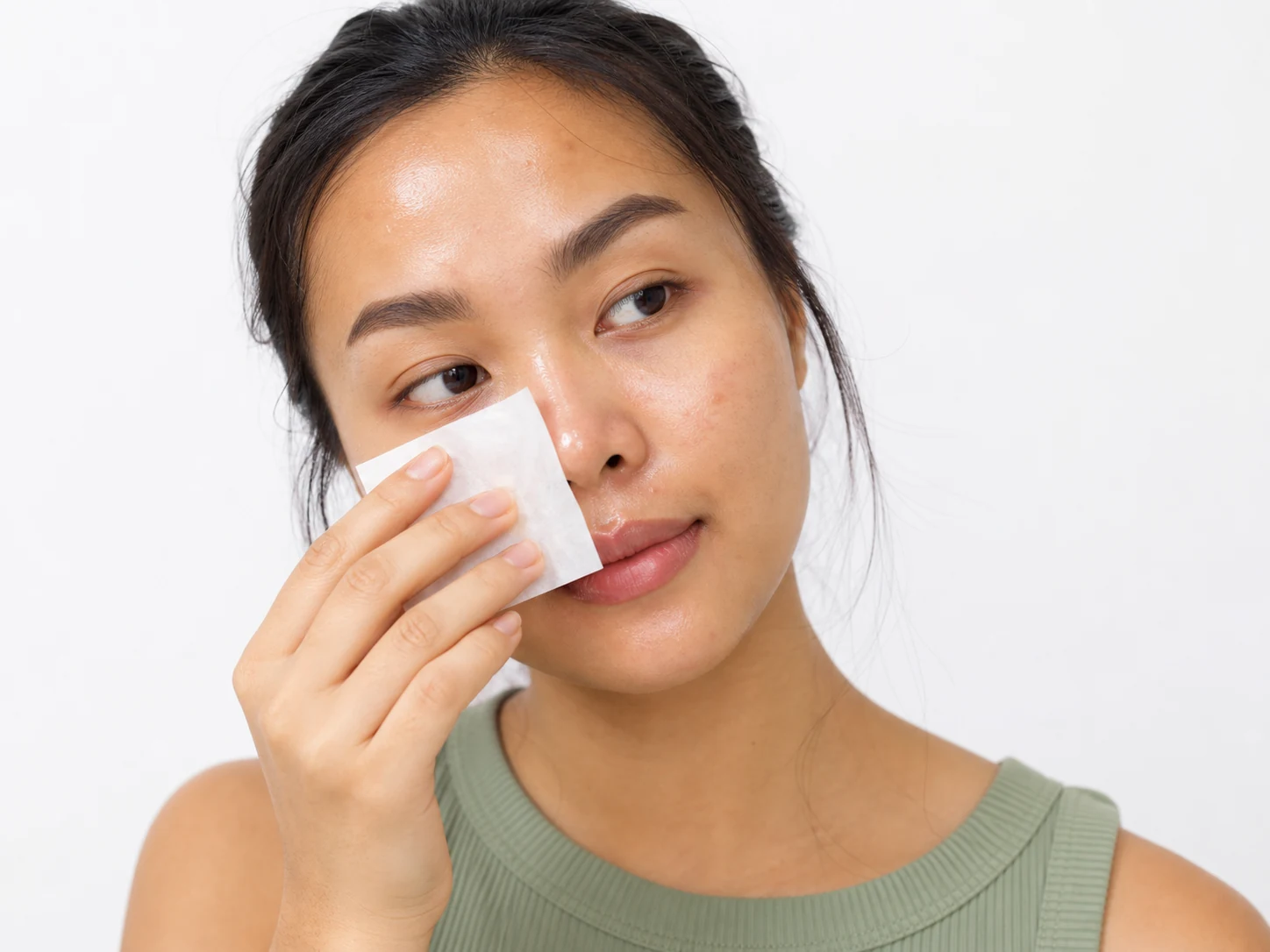
Does
But what people call "acne from niacinamide" is usually something else entirely.
Niacinamide is often recommended for acne-prone skin, but sometimes it seems to make things worse. Understanding the difference between purging and irritation is key.

Does
But it happens, and usually for a simple reason.
Does
But purging is actually a very specific biological process that only certain ingredients can trigger.
Does
Some scars are surface-level stains, while others are structural changes to the skin. The treatment for each is completely different.
Acne scars come in different forms, and niacinamide addresses one type effectively while having limited effect on another. Understanding the difference is key.
Does
Niacinamide takes a different approach. It works by changing the environment so that acne is less likely to develop.
Niacinamide is often recommended for acne, and the evidence supports its use. It works differently from traditional acne treatments, but it's effective.
Does
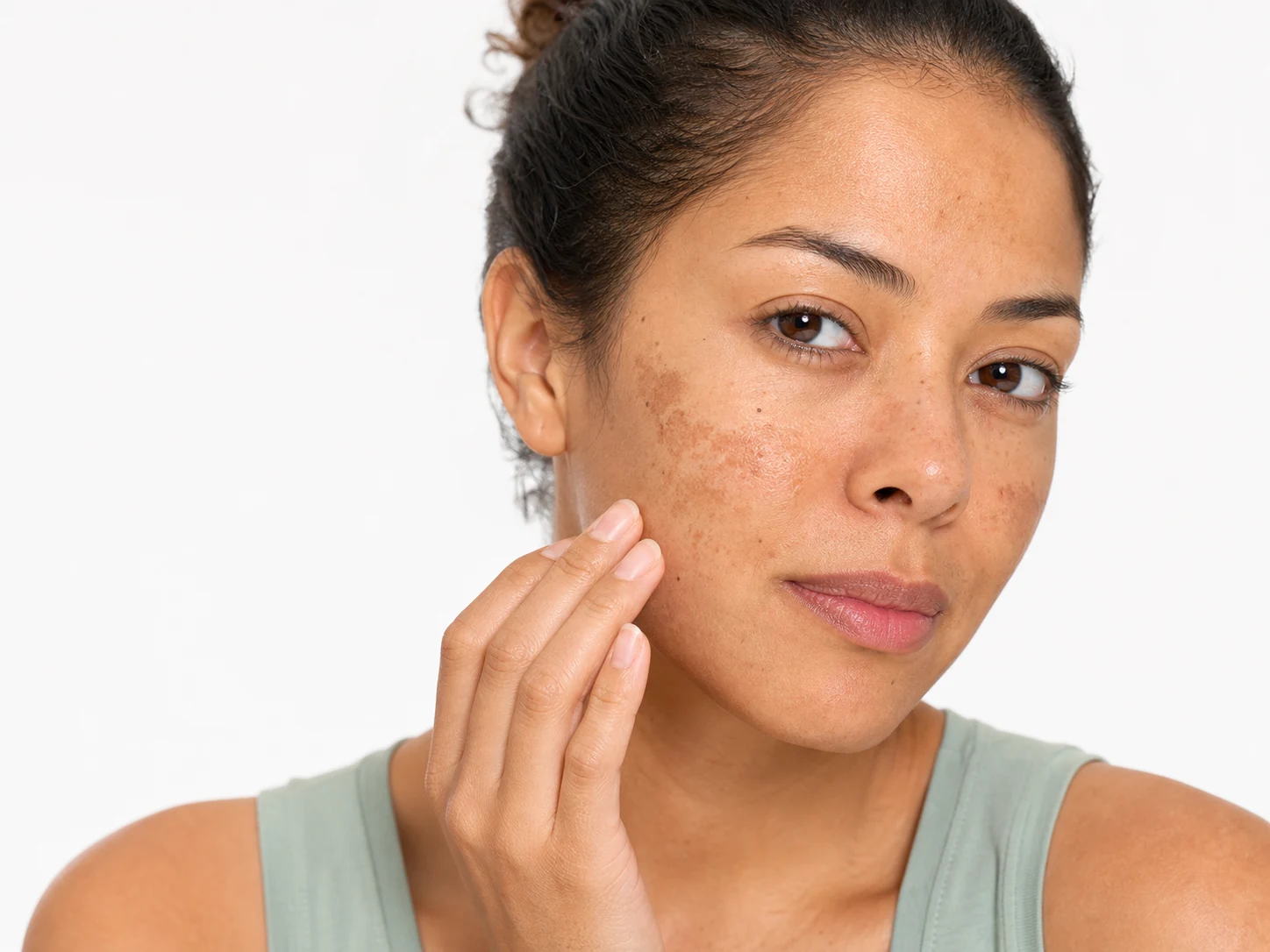
The surprising thing about niacinamide is that it doesn't bleach the skin like some other ingredients. It works by stopping the pigment from reaching the surface in the first place.
Does
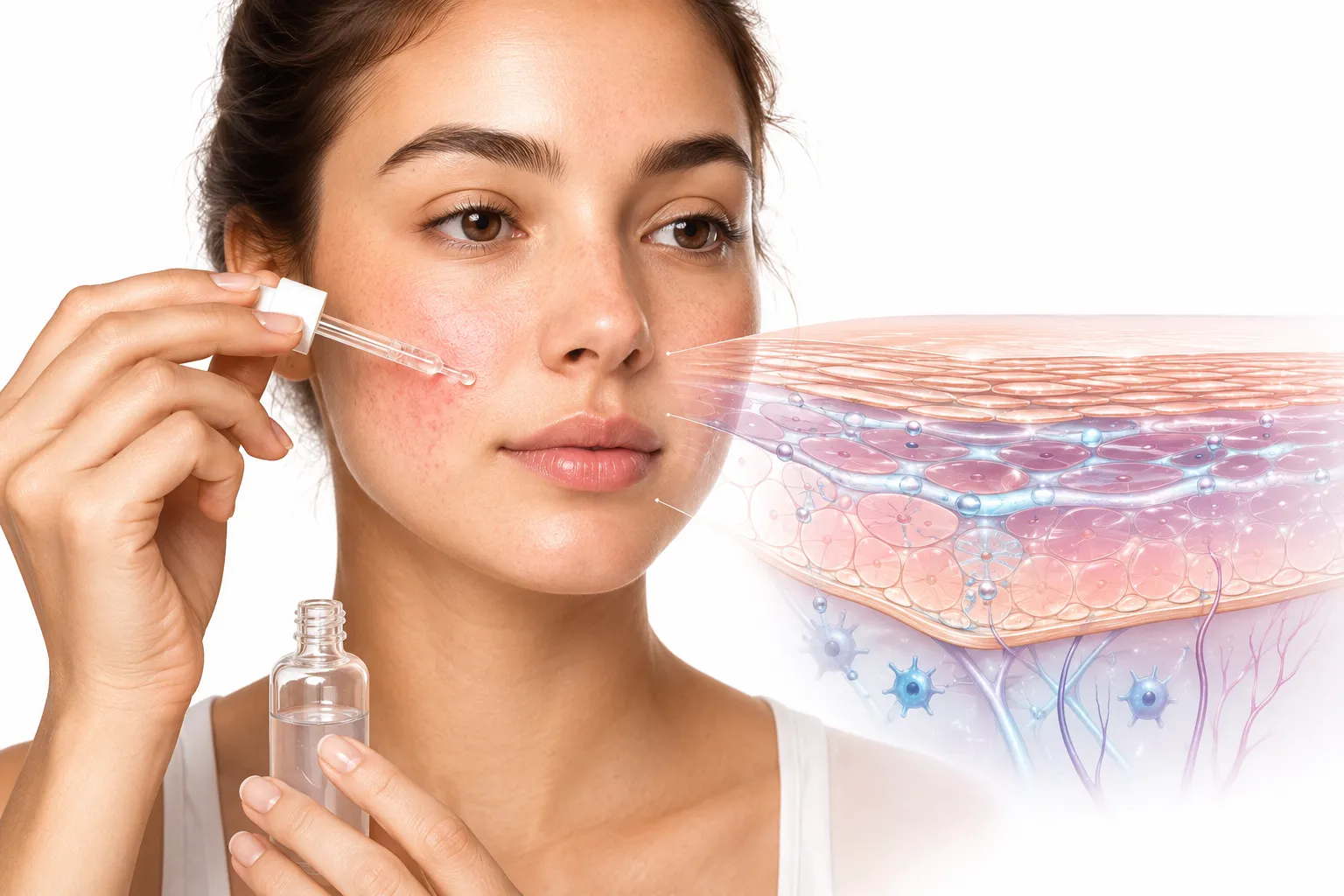
The surprising thing is that niacinamide doesn't just surface-treat this memory - it works on the cellular processes that allow it to form in the first place.
Does
The surprise is that niacinamide isn't usually the problem - it's the formulation. The concentration, other ingredients, and how you introduce it all matter more than the ingredient itself.
Does
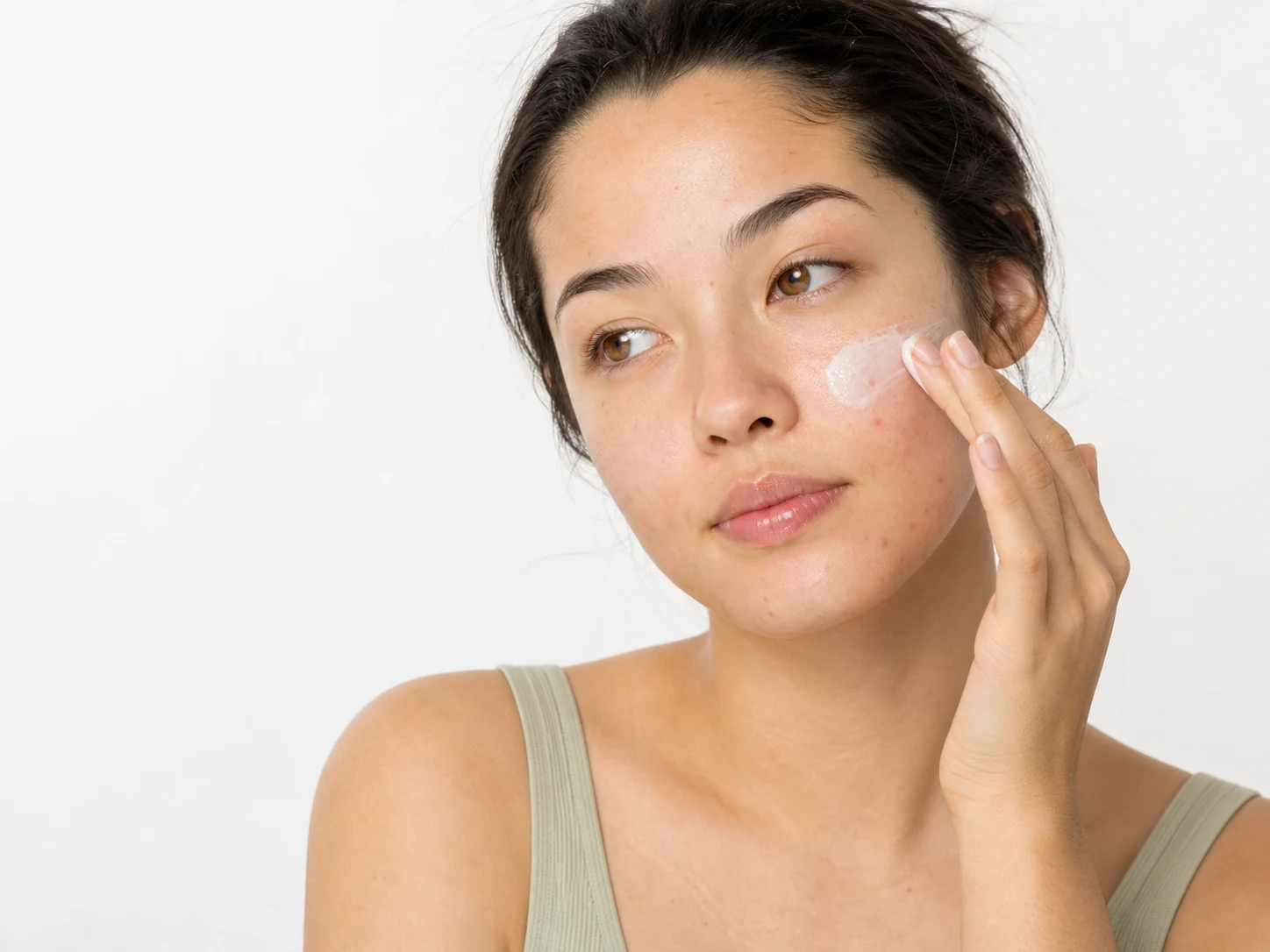
The surprising thing is that niacinamide doesn't actually lighten your natural skin tone at all. It helps fade hyperpigmentation, which can make your skin appear lighter and more even.
Niacinamide is often described as a skin-brightening ingredient. But "brightening" and "lightening" are different things. Understanding the distinction is important for setting realistic expectations about what niacinamide can and cannot do.
Does
The surprising thing is that niacinamide doesn't just patch up the wall - it helps your skin produce more "mortar" (ceramides) to build a stronger wall from the inside out.
Does
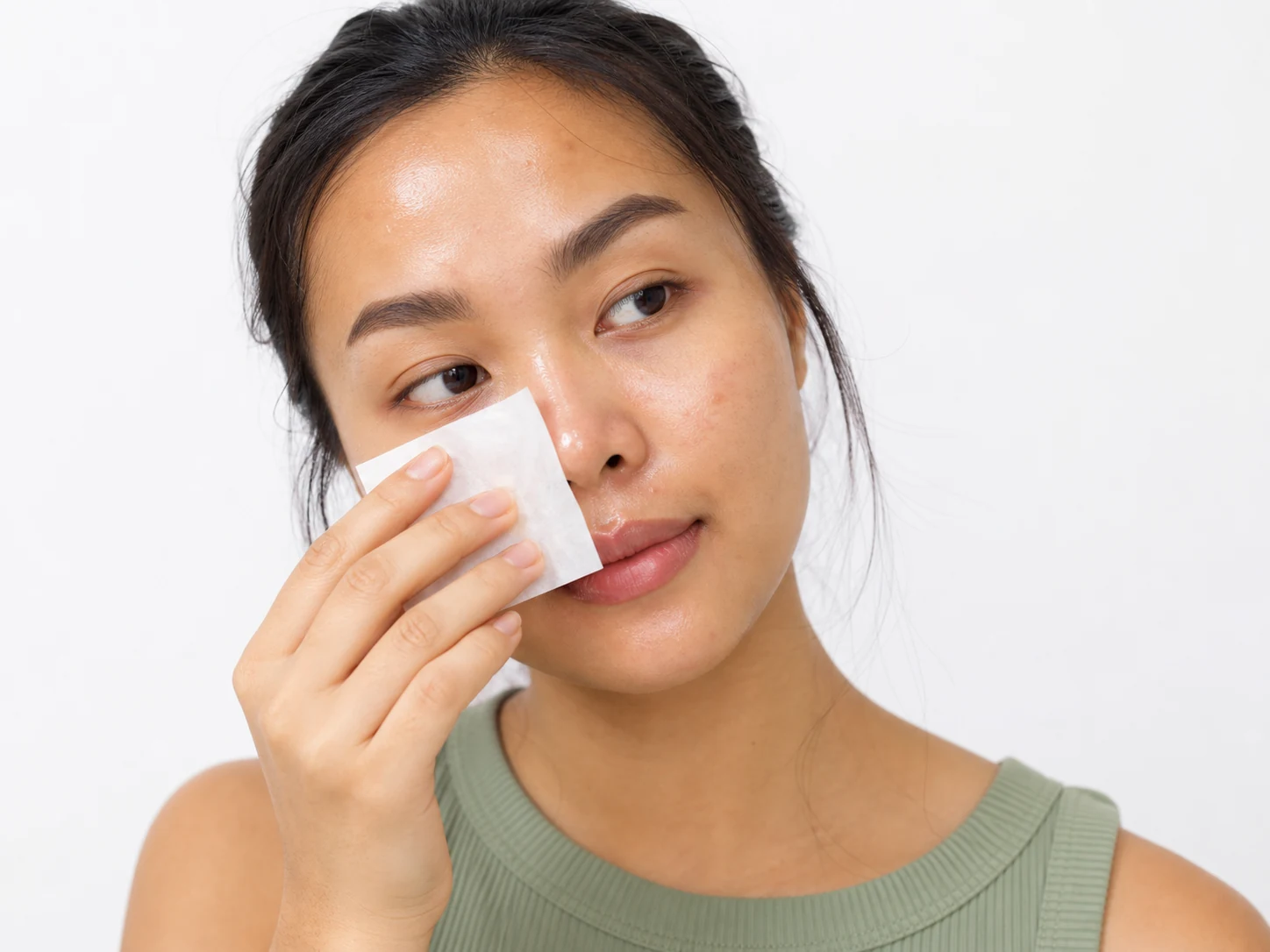
The surprising thing is that niacinamide doesn't change the physical size of your pores at all - it changes the factors that make them look larger.
Pores are a fact of life, not doors that open and close. You can't physically shrink them, but you can change how they look. Niacinamide is often credited with pore-shrinking powers, but the reality is a bit more subtle.
Does
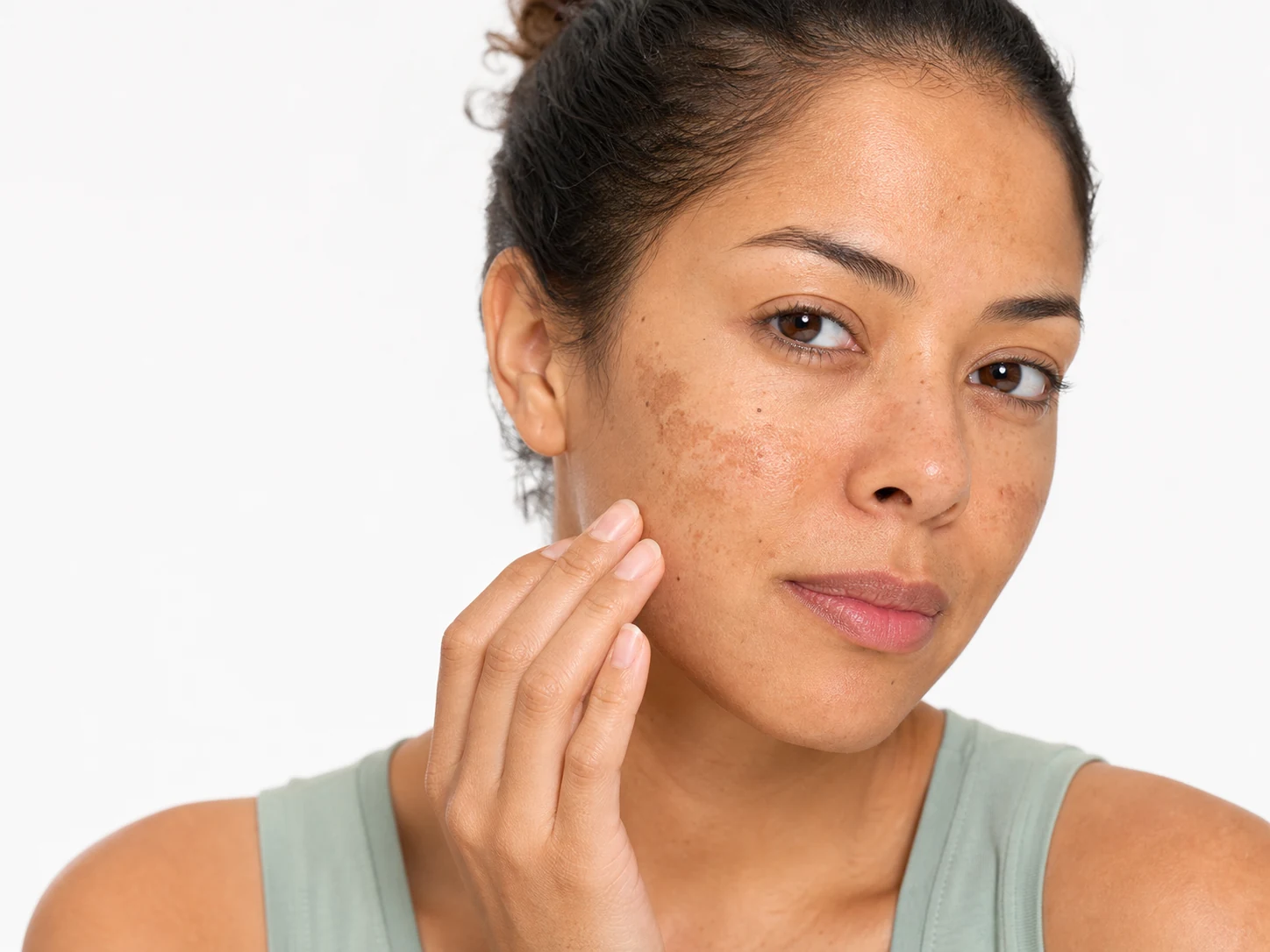
One changes the essential color; the other just lets the true color shine through.
Does
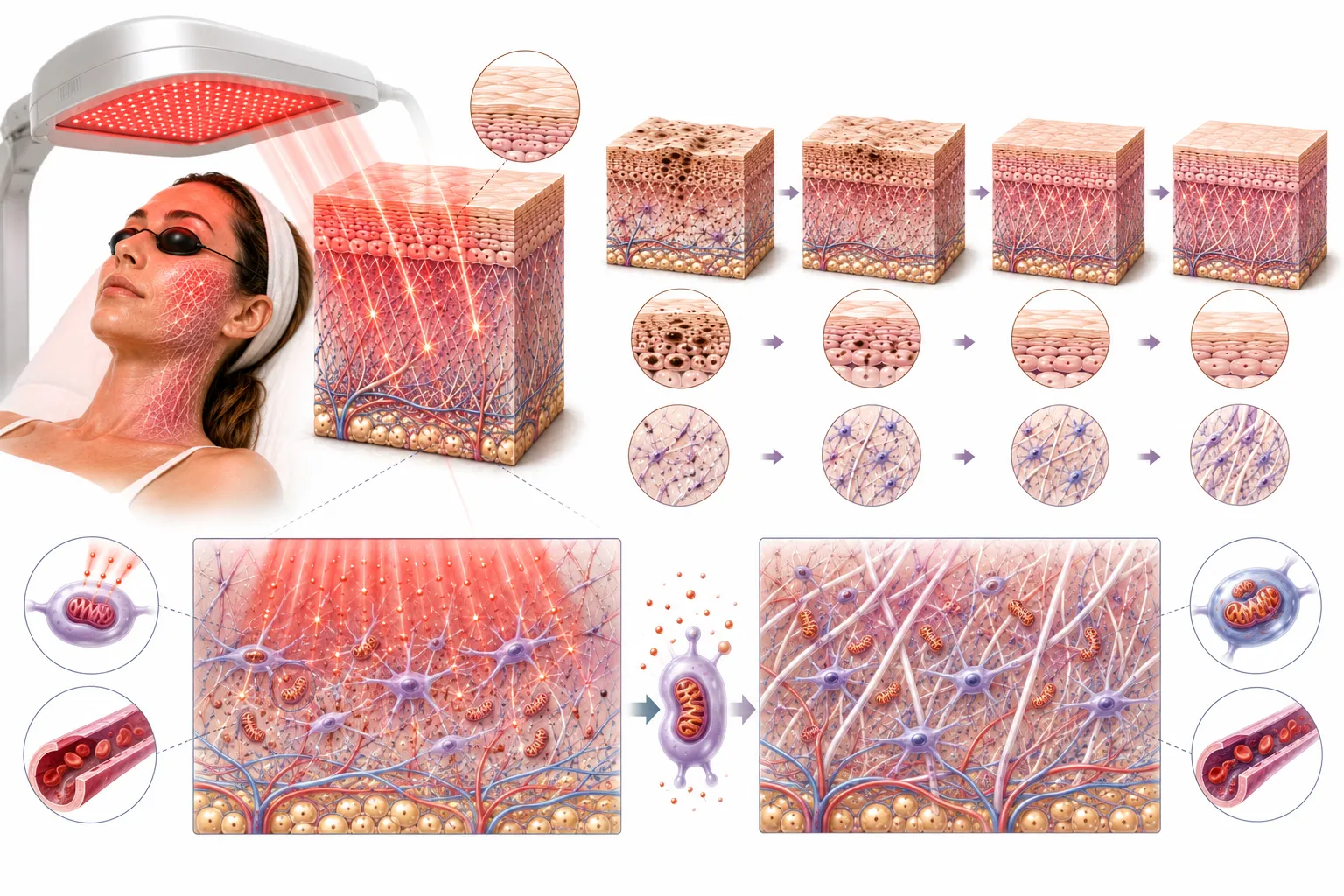
And yet there's a real, if modest, mechanism at work: certain wavelengths of red light appear to nudge skin cells into producing more energy, and with it, a bit more collagen.
Red light masks have gone from dermatology offices to bathroom shelves in under a decade, riding a wave of interest in low-effort, at-home repair. The science behind them is real, but it's also more modest than the marketing suggests.
Does
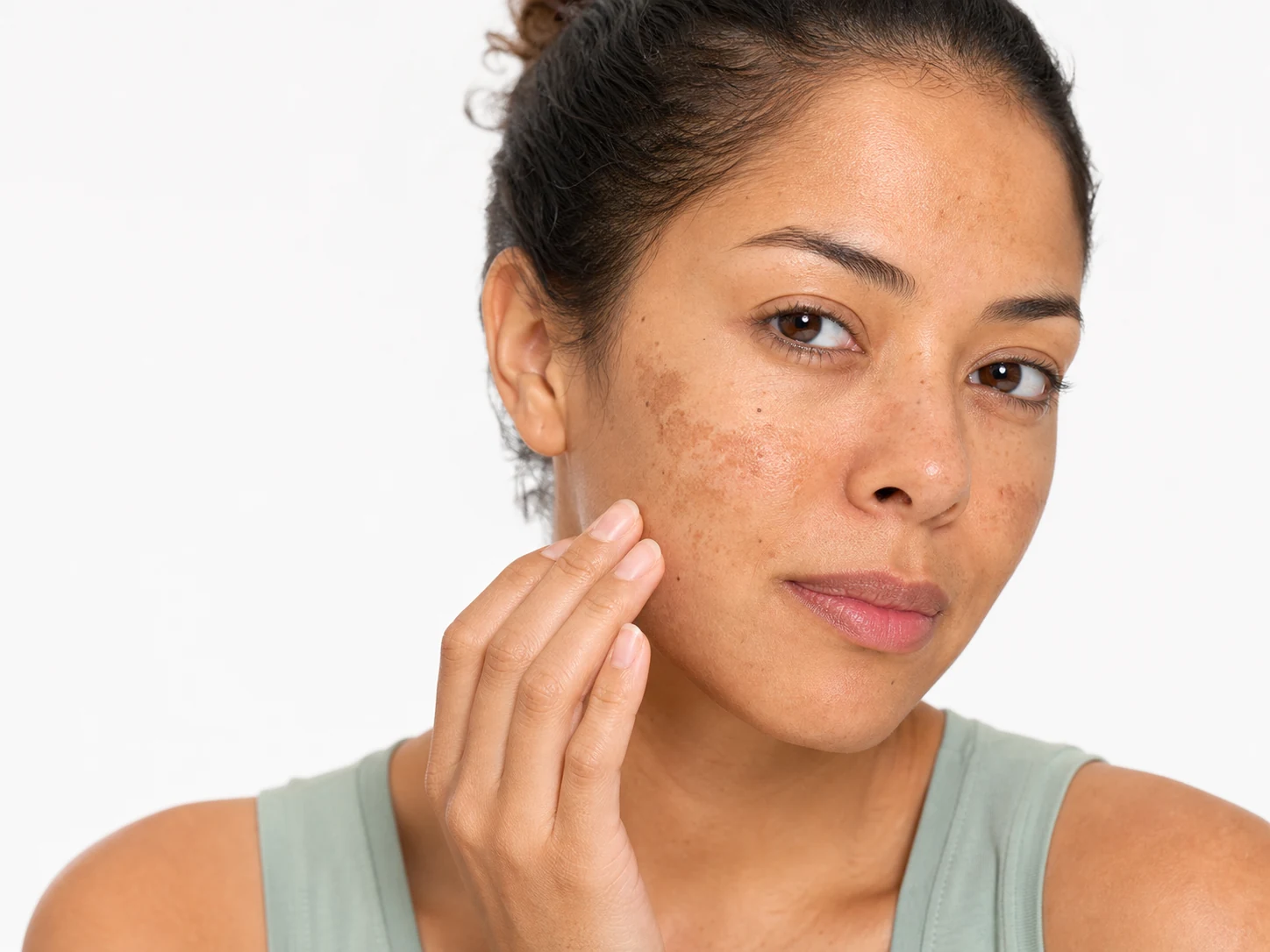
The research is clear: retinol is one of the most evidence-backed ingredients for hyperpigmentation. But it works differently than you might think.
Does
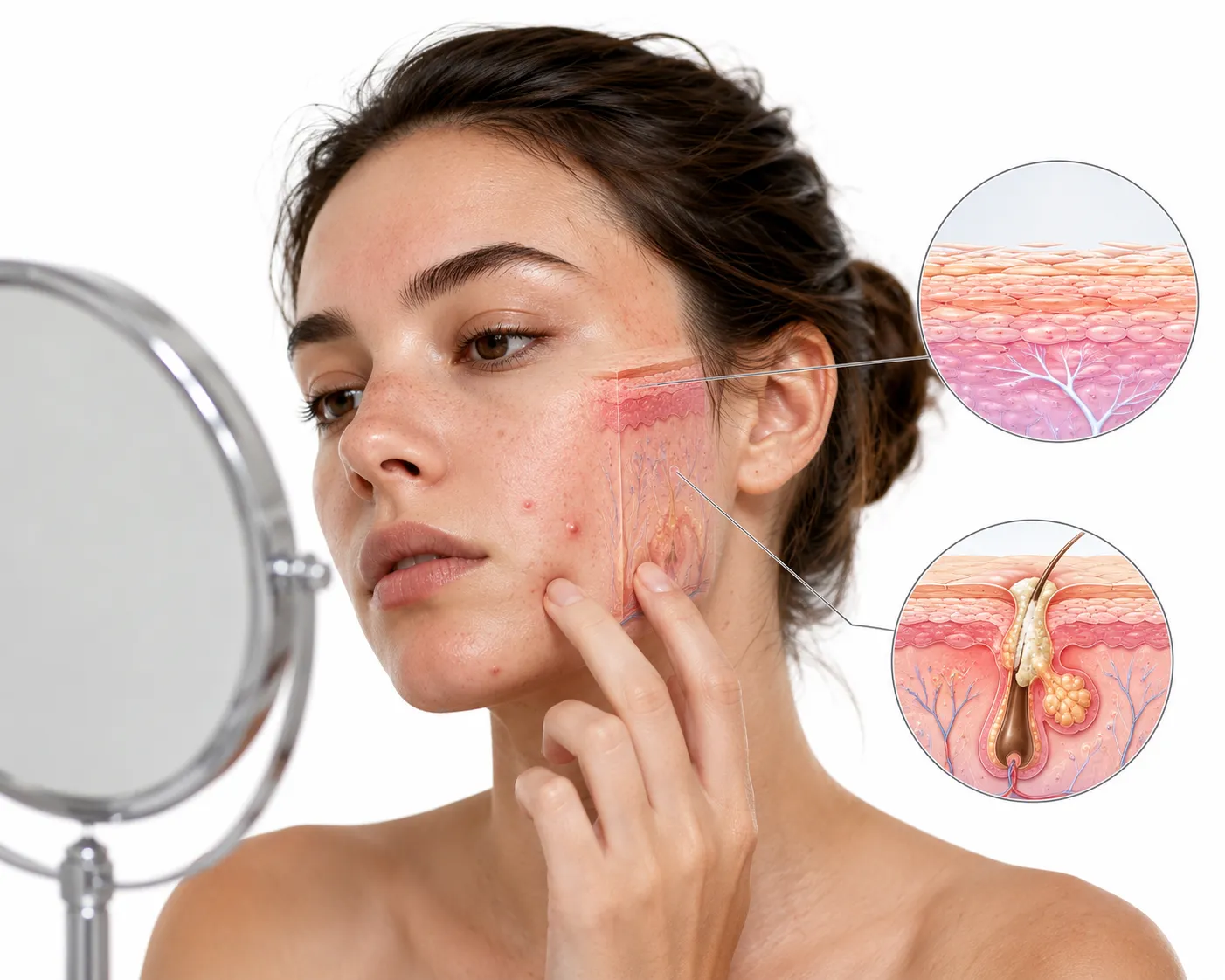
Its primary skill is clearing pores, but it has a secondary talent for helping with the marks acne leaves behind.
Does
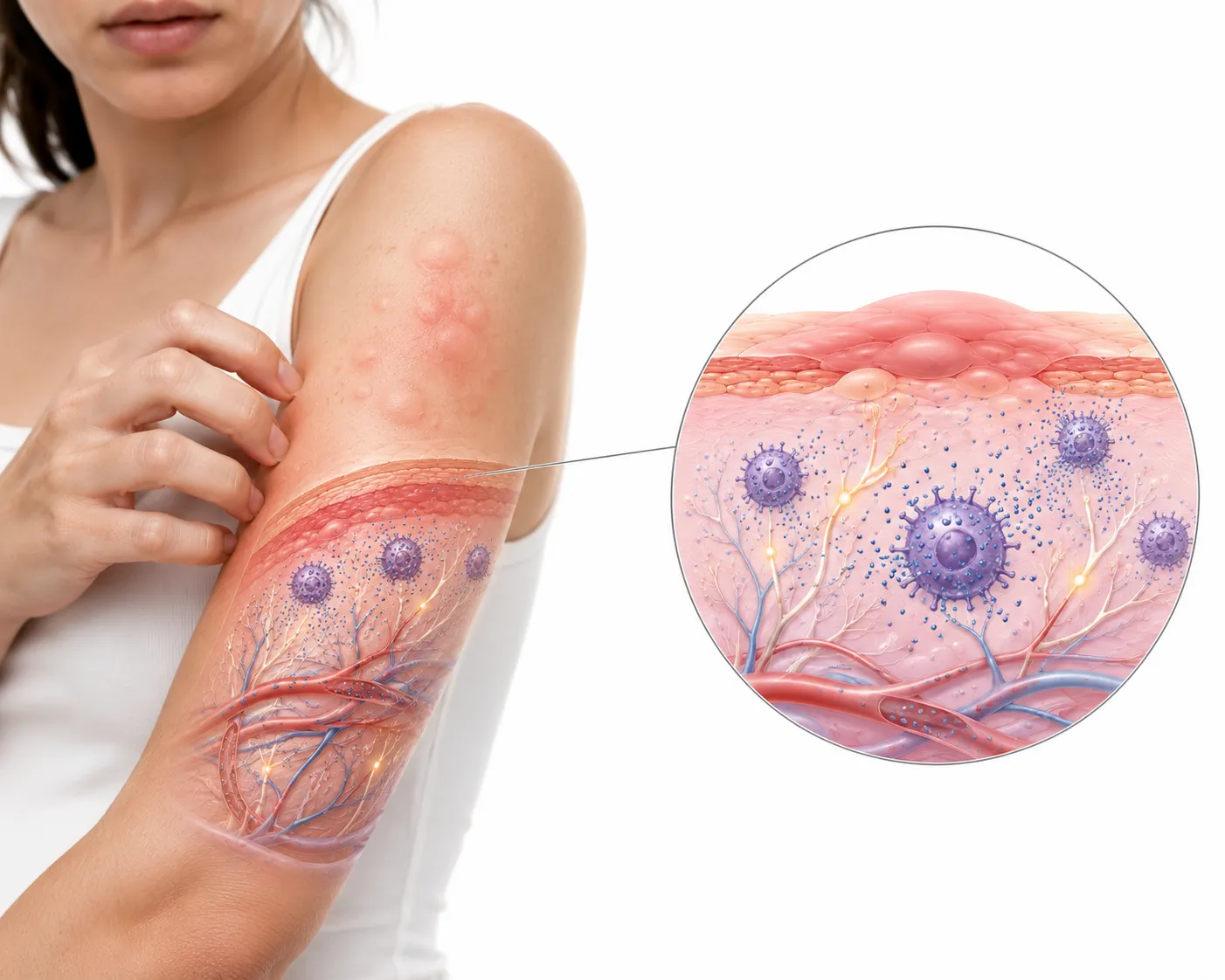
The connection isn't a simple cause-and-effect, but there's a real relationship. Understanding it is the key to managing both conditions.
Does
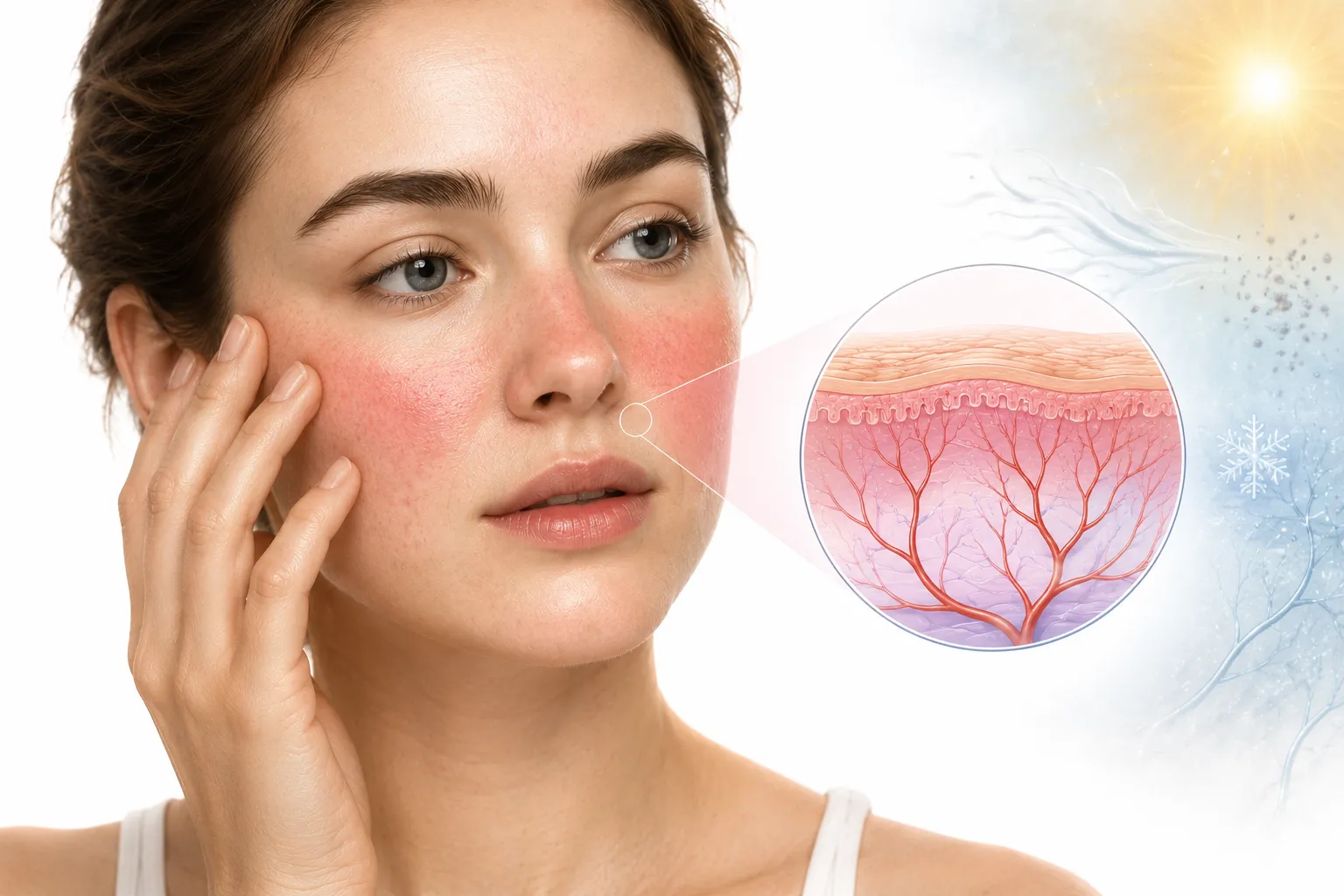
The connection is real, but it's not a simple cause-and-effect relationship. Understanding the mechanism helps you manage both conditions.
If you have sensitive skin, you might notice that you get hives more easily than other people. But does sensitive skin cause hives, or is there a different explanation? The answer involves histamine, barrier function, and skin reactivity.
Does
The redness isn't in your imagination, and it's not a sign of weakness. It's biology - a combination of a compromised barrier and reactive blood vessels that work together to create a flushed appearance.
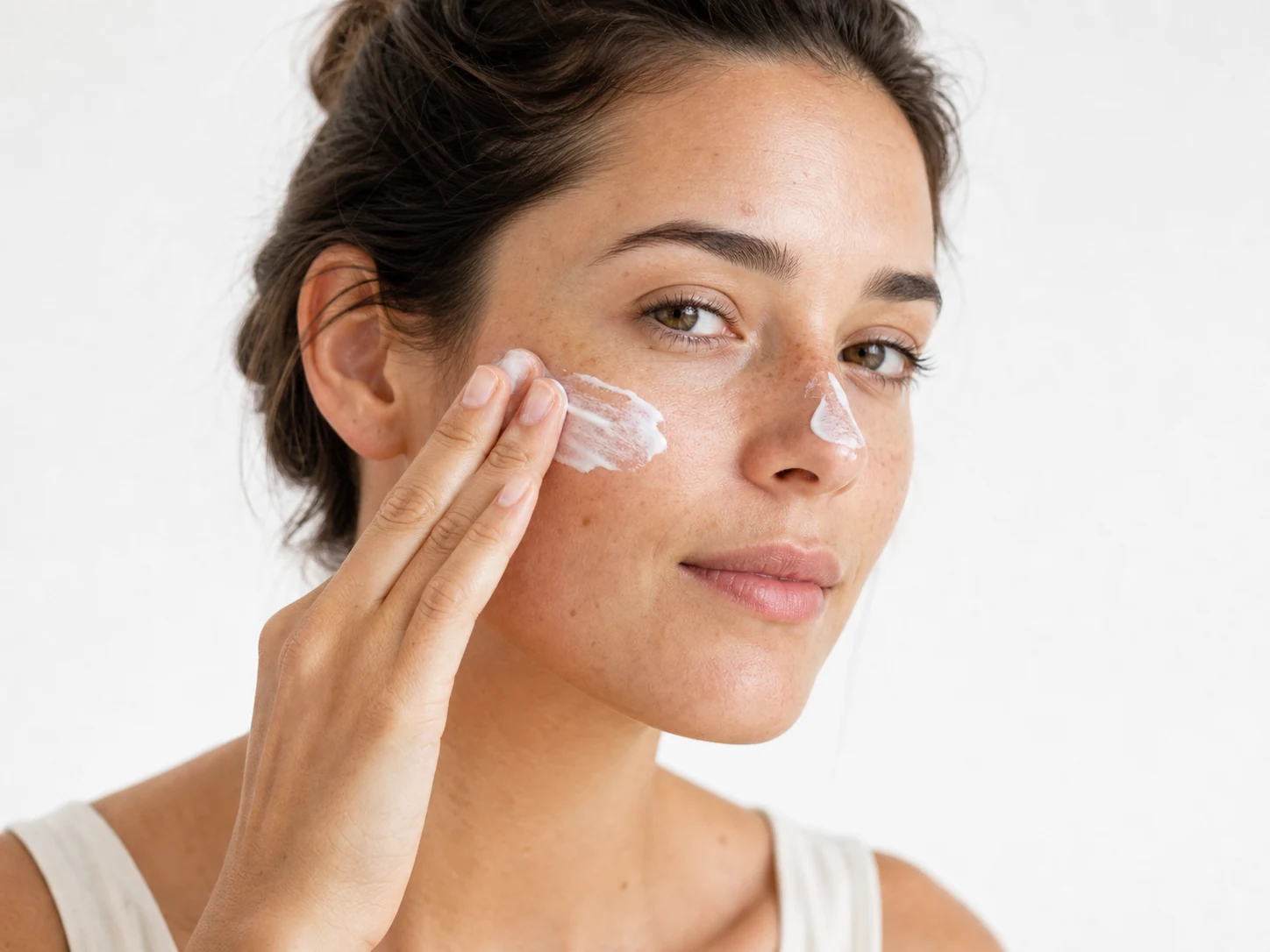
If you have sensitive skin, you've probably noticed that your face turns red at the slightest provocation - a change in temperature, a new product, or even emotional stress. Sensitive skin does get red easily, and there are biological reasons for it.
Does
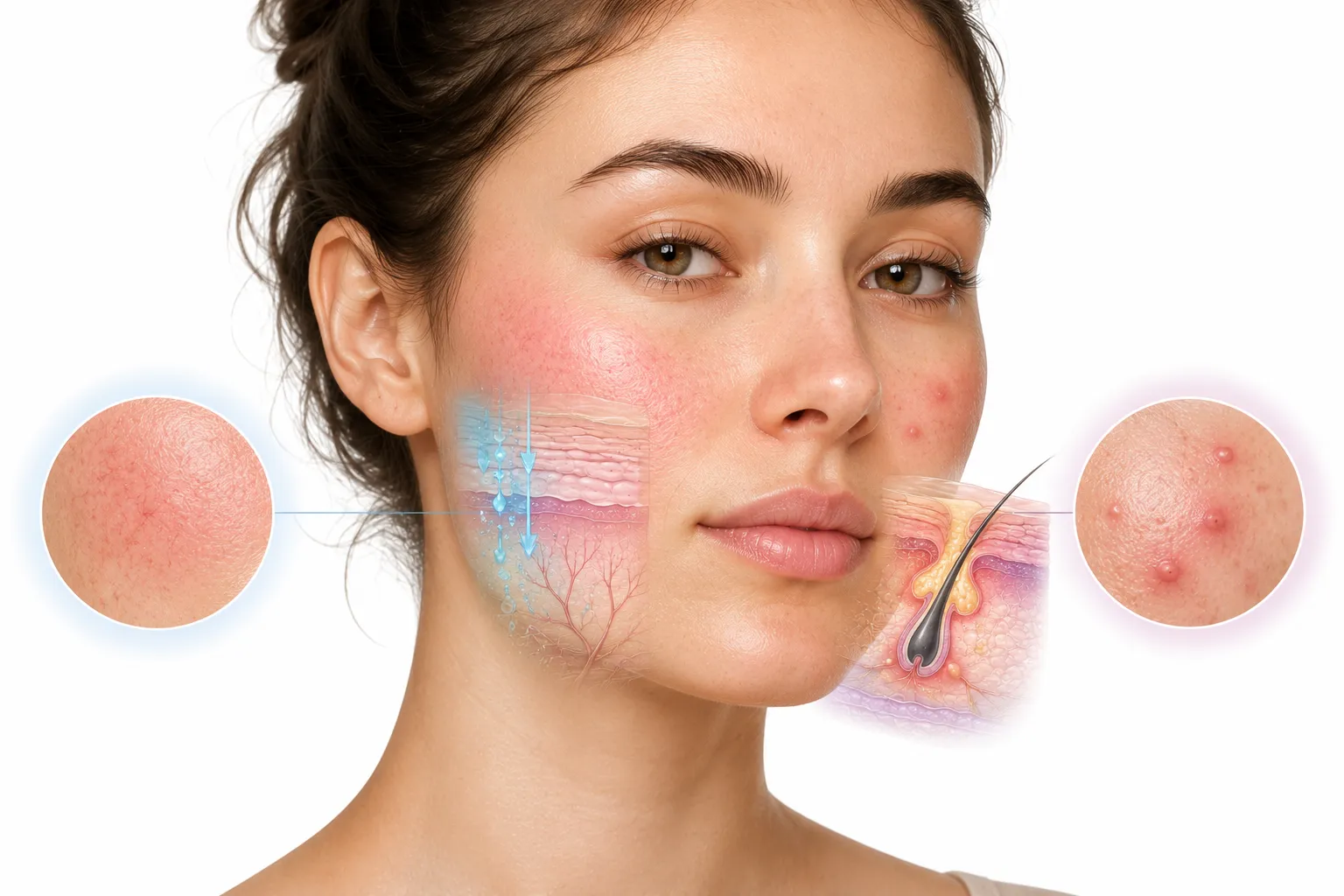
The question of whether it goes away depends entirely on whether you were born with it or developed it over time.
Does
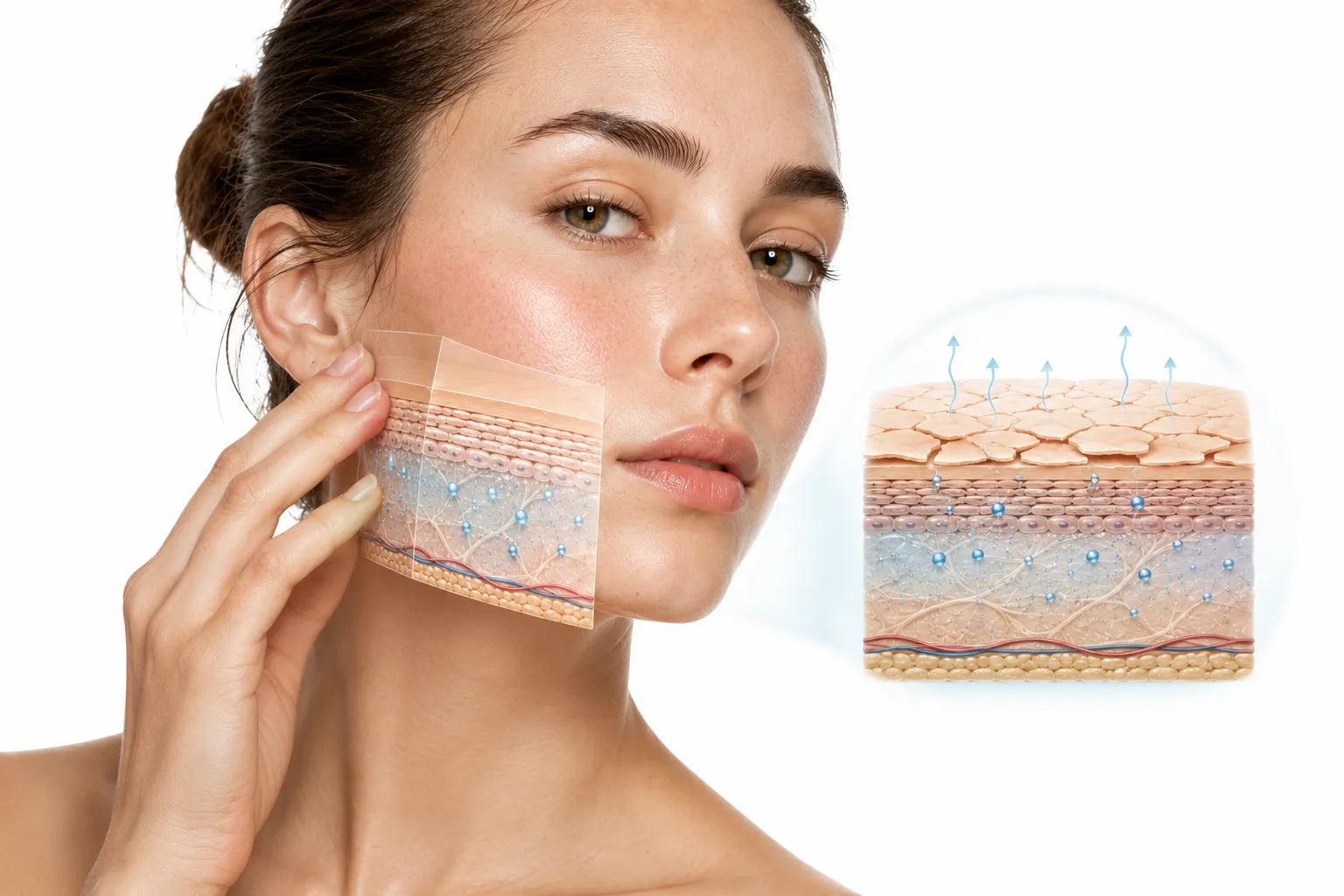
But having one doesn't guarantee you'll have the other - and treating them requires understanding the difference.
Does
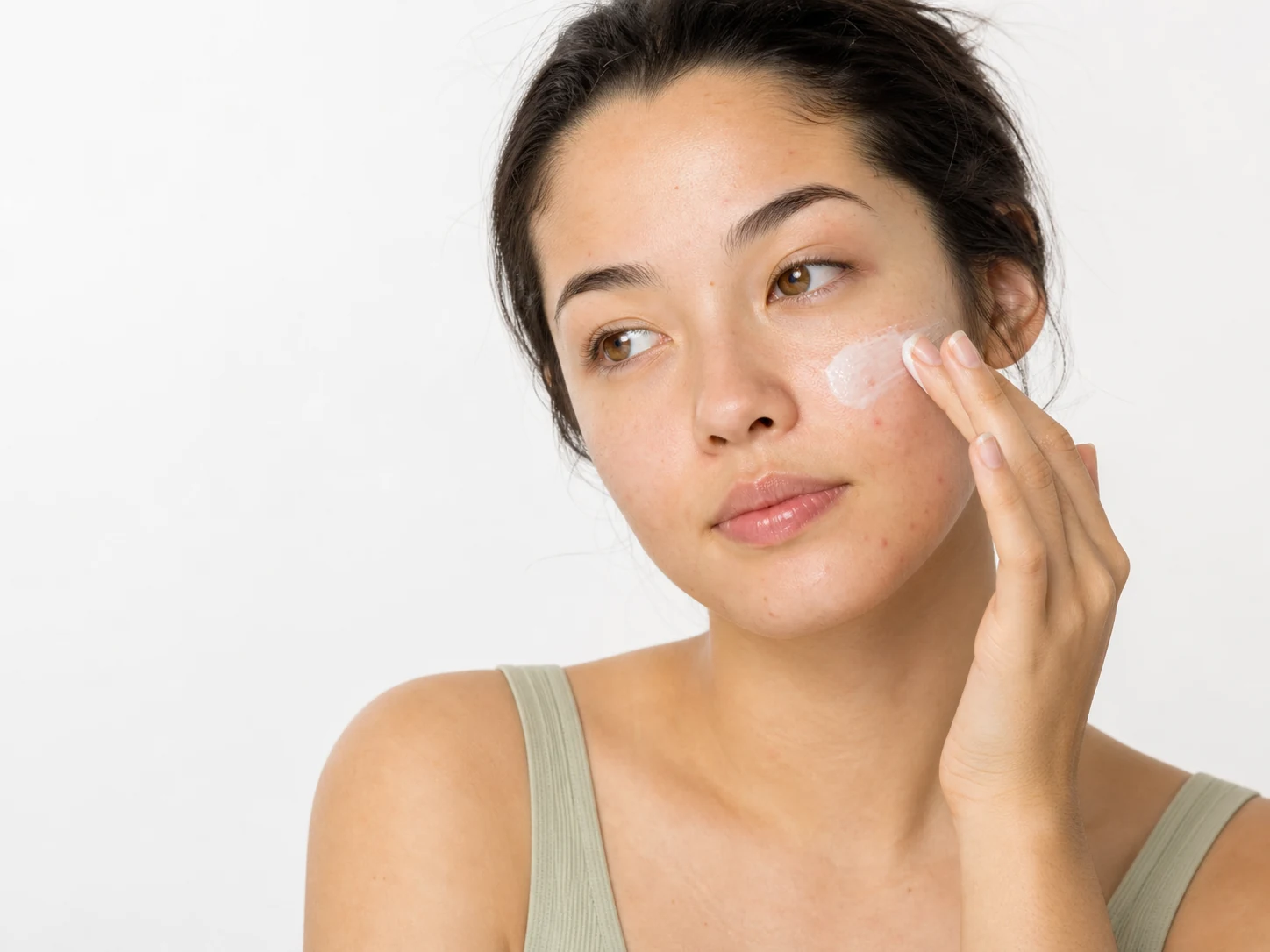
One is about how your skin reacts, the other is about how much oil it produces. They overlap frequently, but you can have one without the other.
Sensitive skin and dry skin are often used interchangeably, but they're not the same thing. However, they do frequently overlap, and understanding the relationship is key to effective skincare.
Does
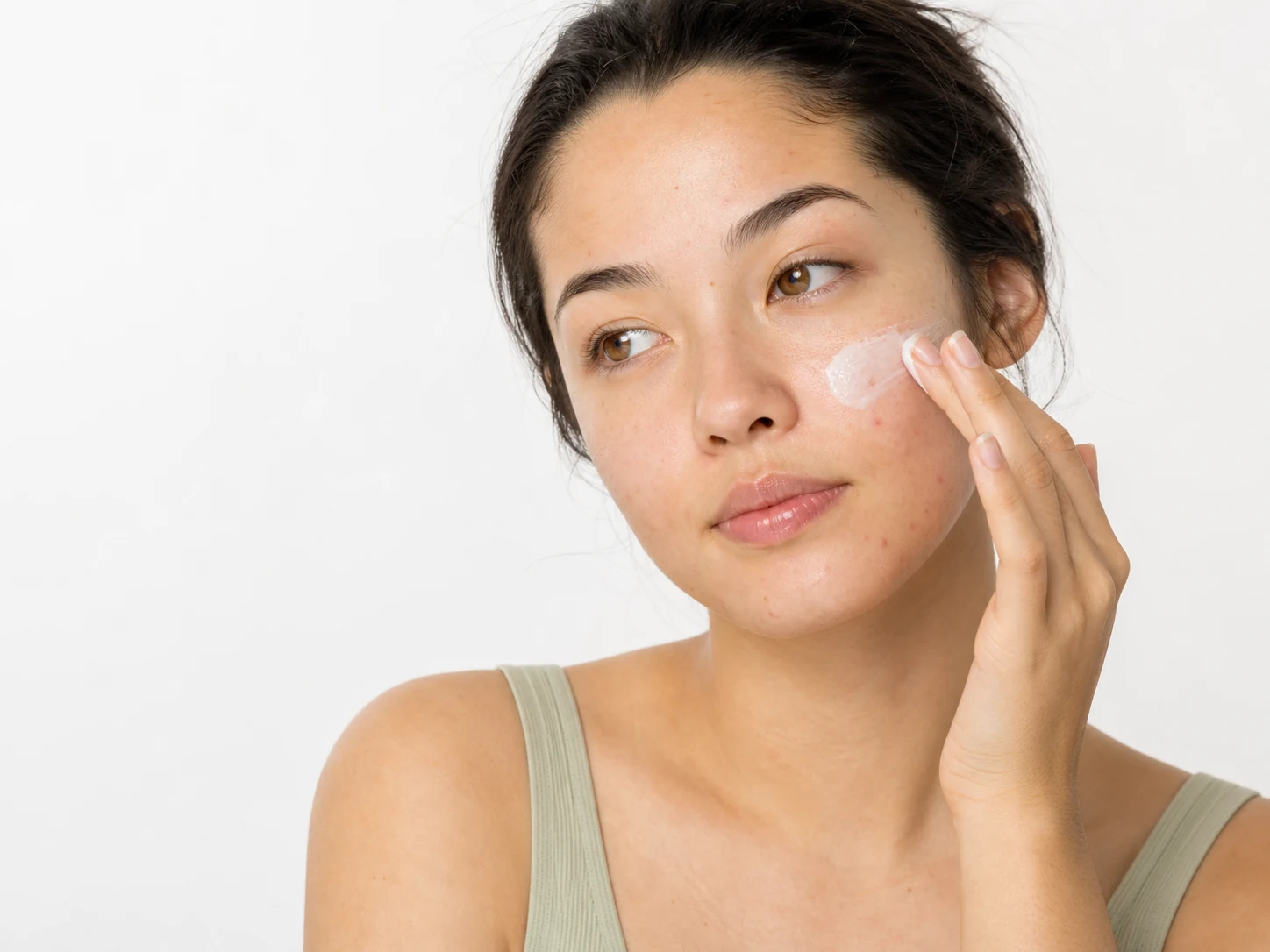
But for sensitive skin, a standard spring cleaning can feel more like a demolition job.
Does
Today's toners are almost the opposite - hydrating, soothing, and packed with nutrients. But do they actually have a place in a sensitive skin routine?
Does
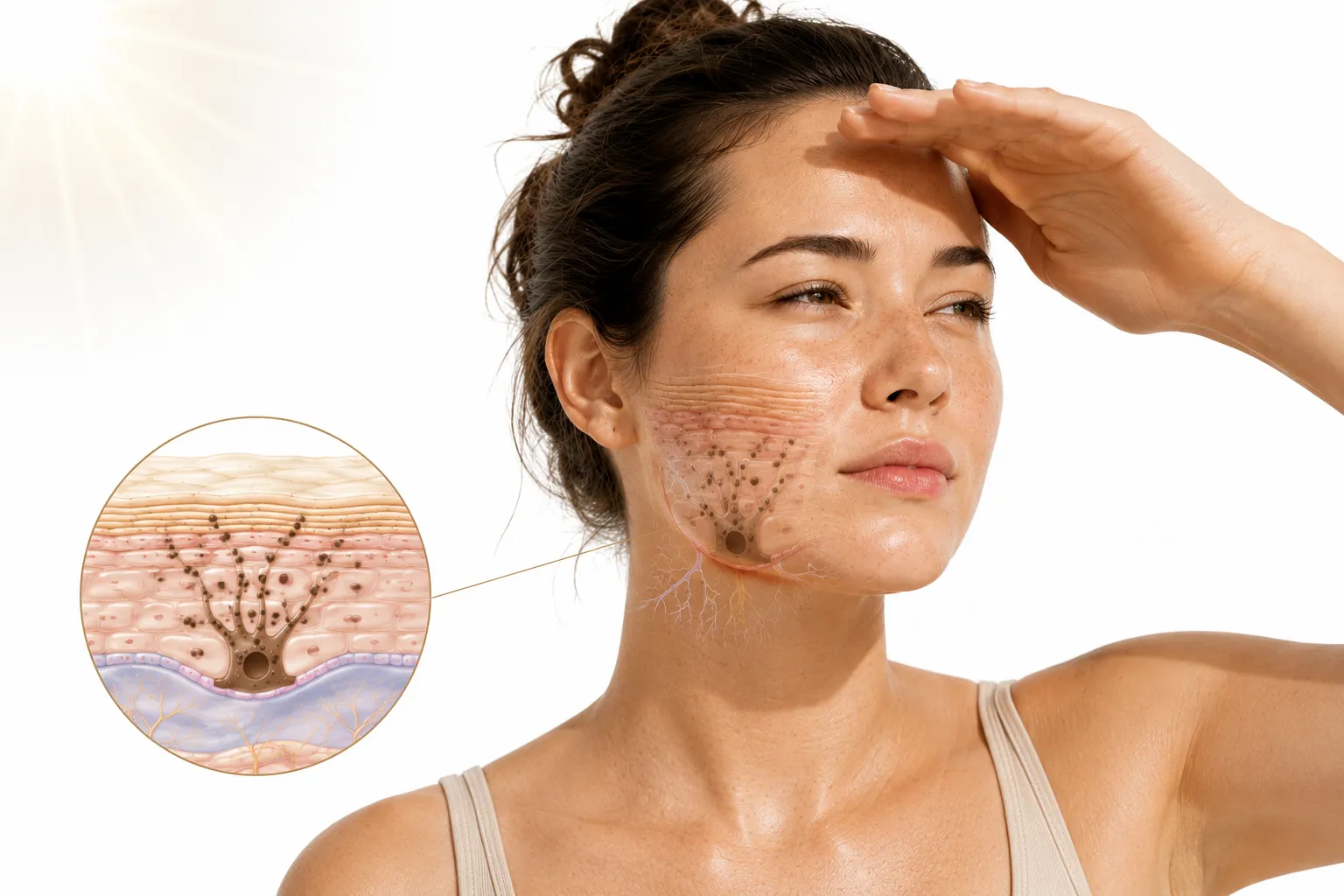
Tanning ability is determined by your skin's melanin production, which is linked to your skin tone, not your sensitivity.

Does
If you burn easily and barely tan, you're likely a Type II - and you need to be careful.
If you have fair skin that burns easily and tans with difficulty, you likely have Fitzpatrick Skin Type II. Understanding your skin type is the first step to proper sun protection.

Does
A routine that works in the humid heat of July will often fail in the dry cold of January - and vice versa.
Does
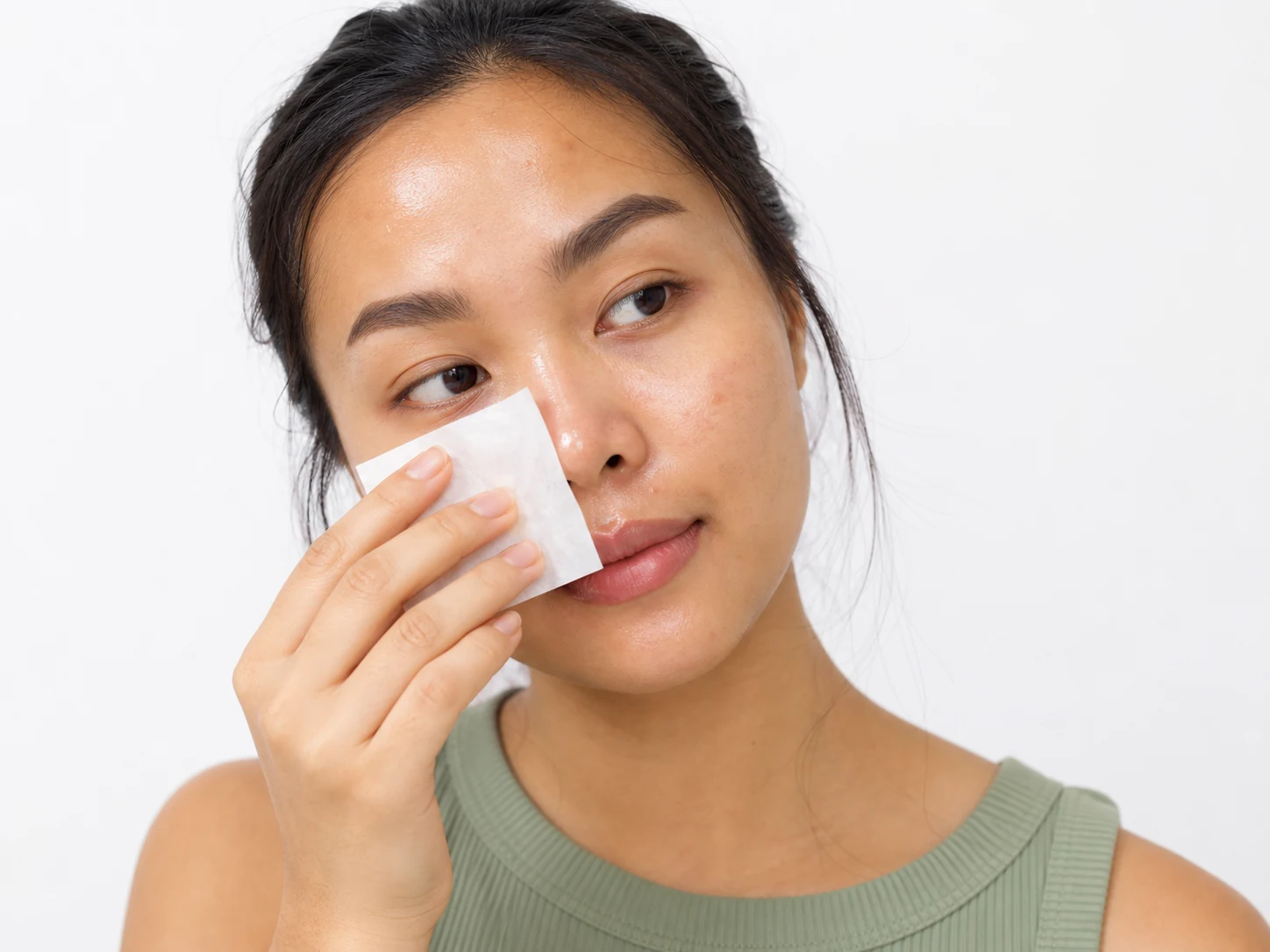
It turns out that's not just a figure of speech, stress hormones really can nudge your sebaceous glands into overdrive.
Does
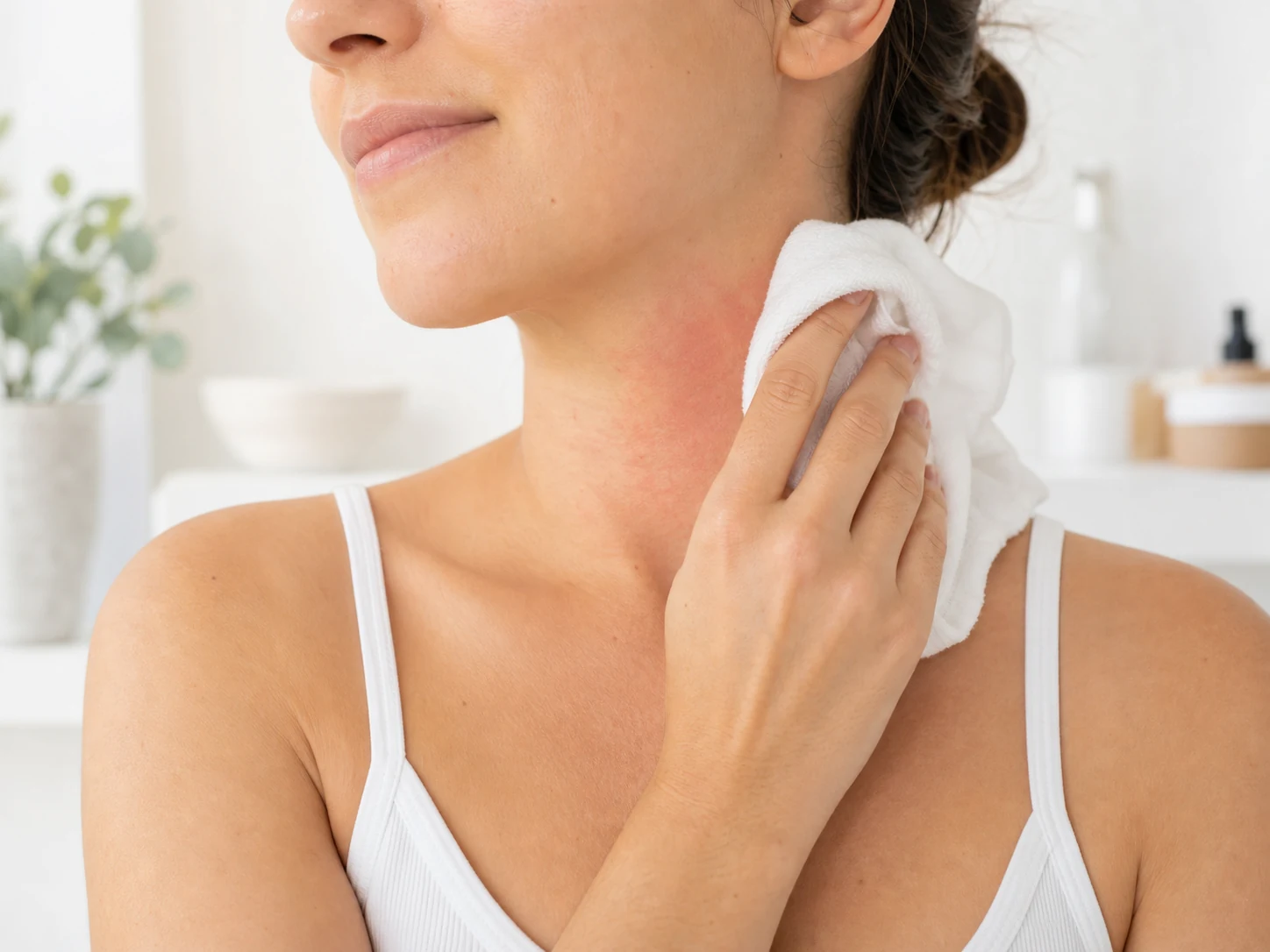
But the very thing that makes it so good at protecting nappy rash from moisture, a thick, occlusive texture, is arguably the opposite of what trapped, overheated skin needs.
Does
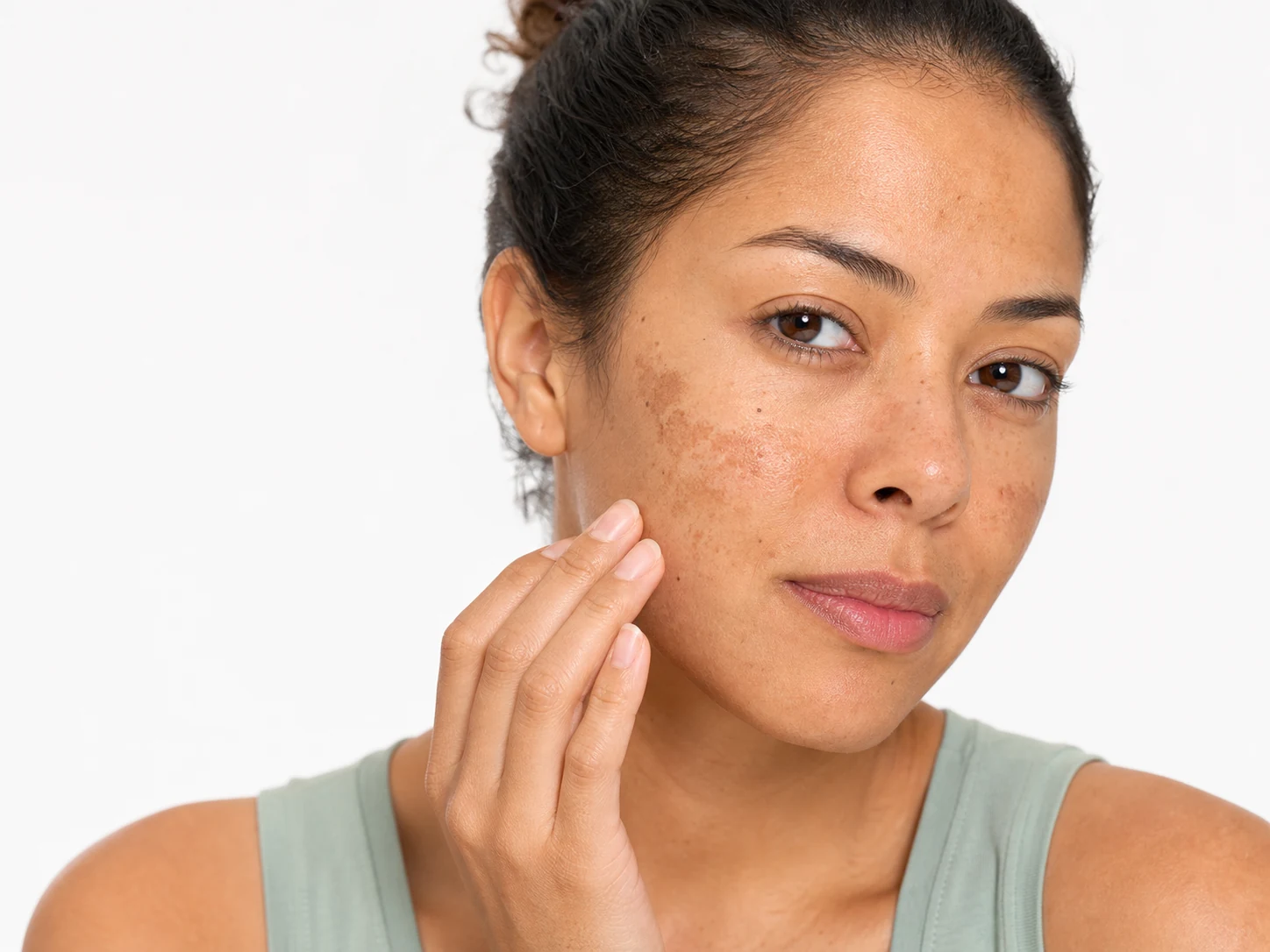
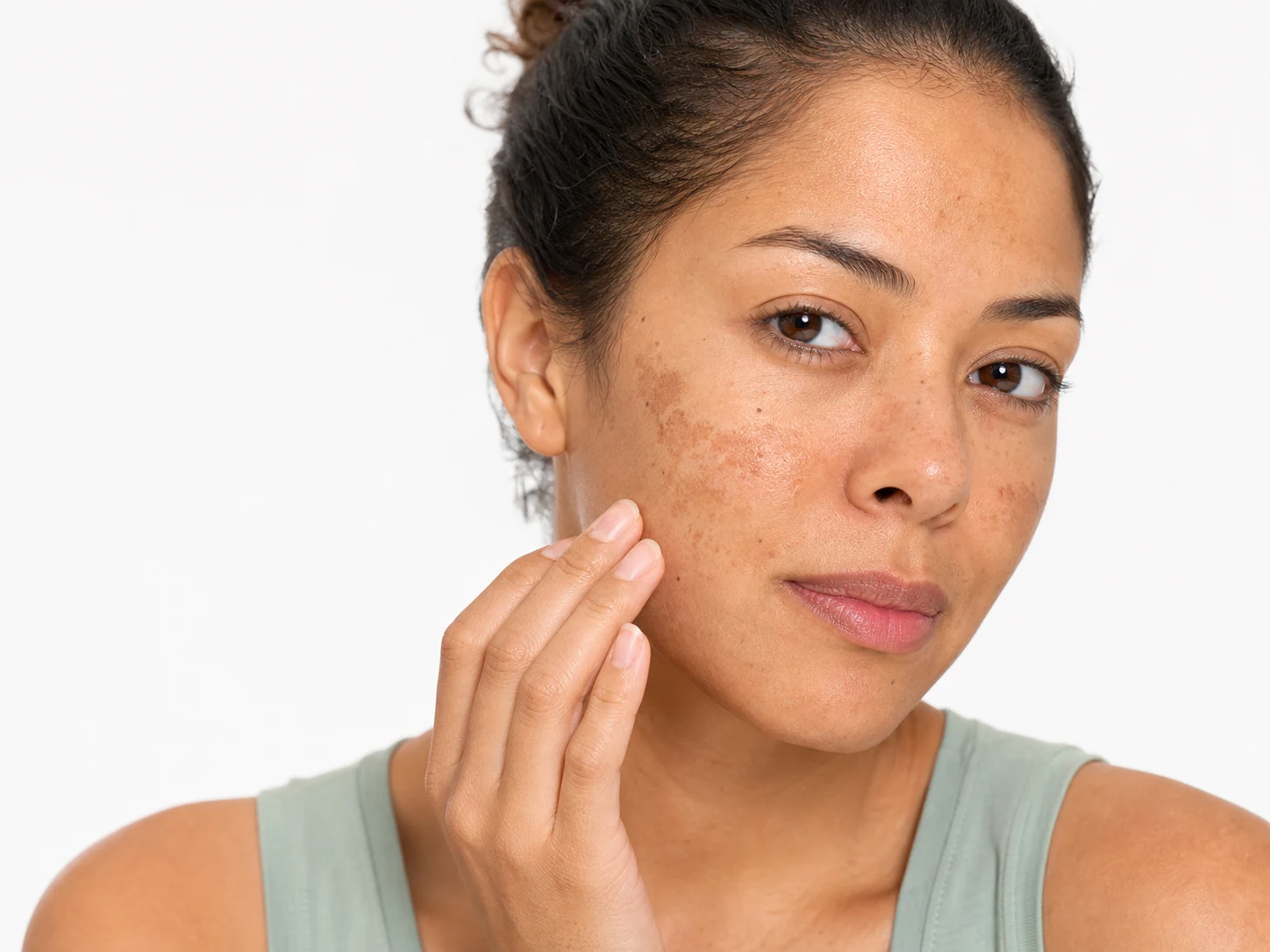
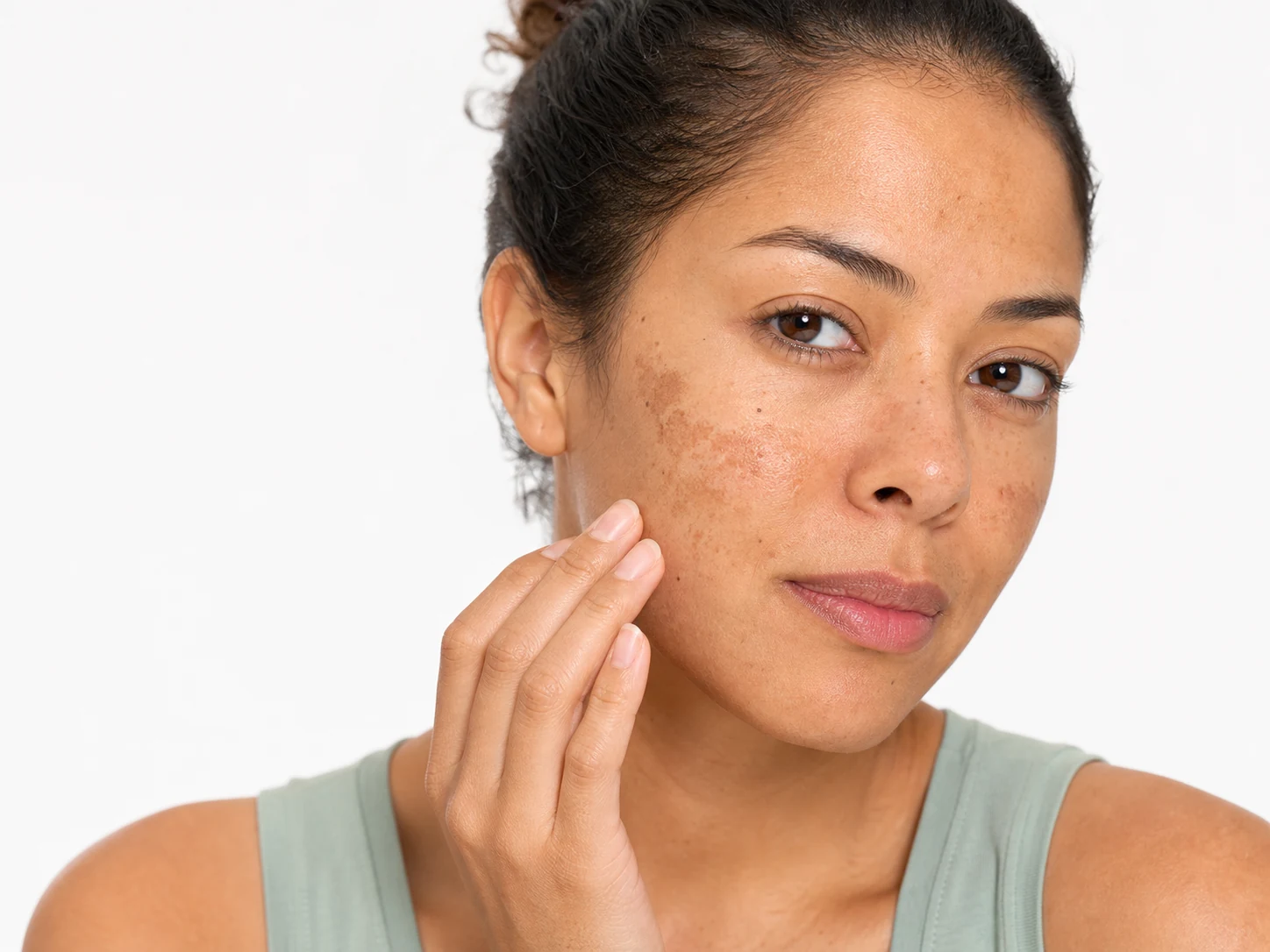
Every treatment you use is working against new pigmentation caused by the sun.
Sunscreen is often called the most important skincare product. For hyperpigmentation, it's not just important, it's essential. No other treatment will work effectively without it.
Does
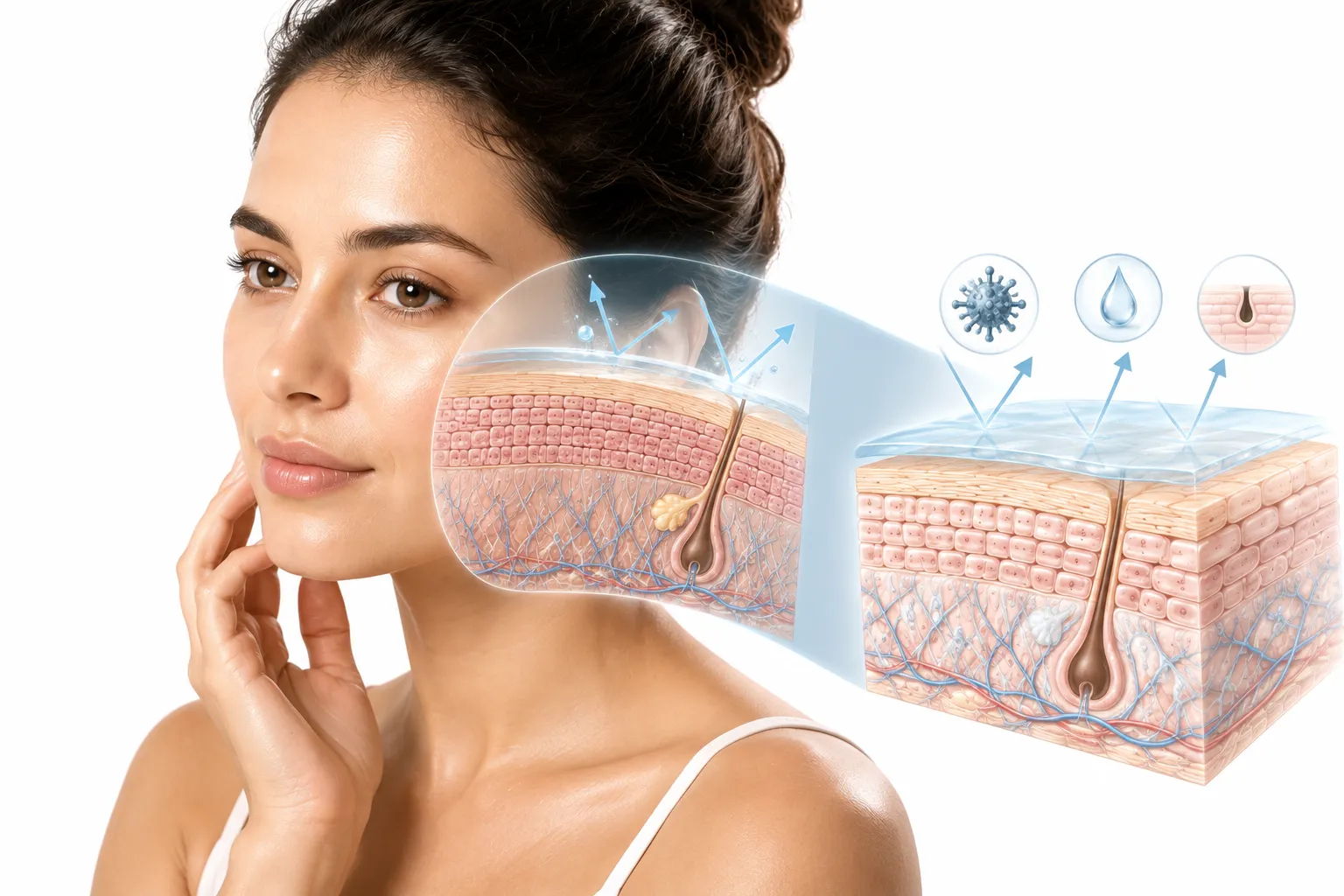
When it comes to acne, the barrier's main job is to keep acne-causing bacteria from getting too comfortable in your pores.
Does
But like any champion, it demands respect and proper training to deliver its best.

Does
Its longevity isn't a coincidence: it's one of the most effective occlusives ever discovered.
Vaseline is one of the oldest and most trusted skincare products, but its use for dry skin is sometimes debated. The science, however, is clear: it's one of the most effective occlusives available.

Does
Yet some of the most effective skincare ingredients for dry skin - niacinamide and panthenol - are actually B vitamins, doing their work in ways that are quiet, effective, and often surprising.
Vitamin B isn't a single vitamin but a group of essential nutrients that play diverse roles in skin health. While some B vitamins are crucial for energy metabolism, others - particularly B3 (niacinamide) and B5 (panthenol) - have direct effects on skin hydration and barrier function.

Does
It doesn't just protect against free radicals - it also supports the skin's structure and hydration.
Does
This dual action makes it incredibly valuable, but its instability means you need to choose your product carefully.

Does
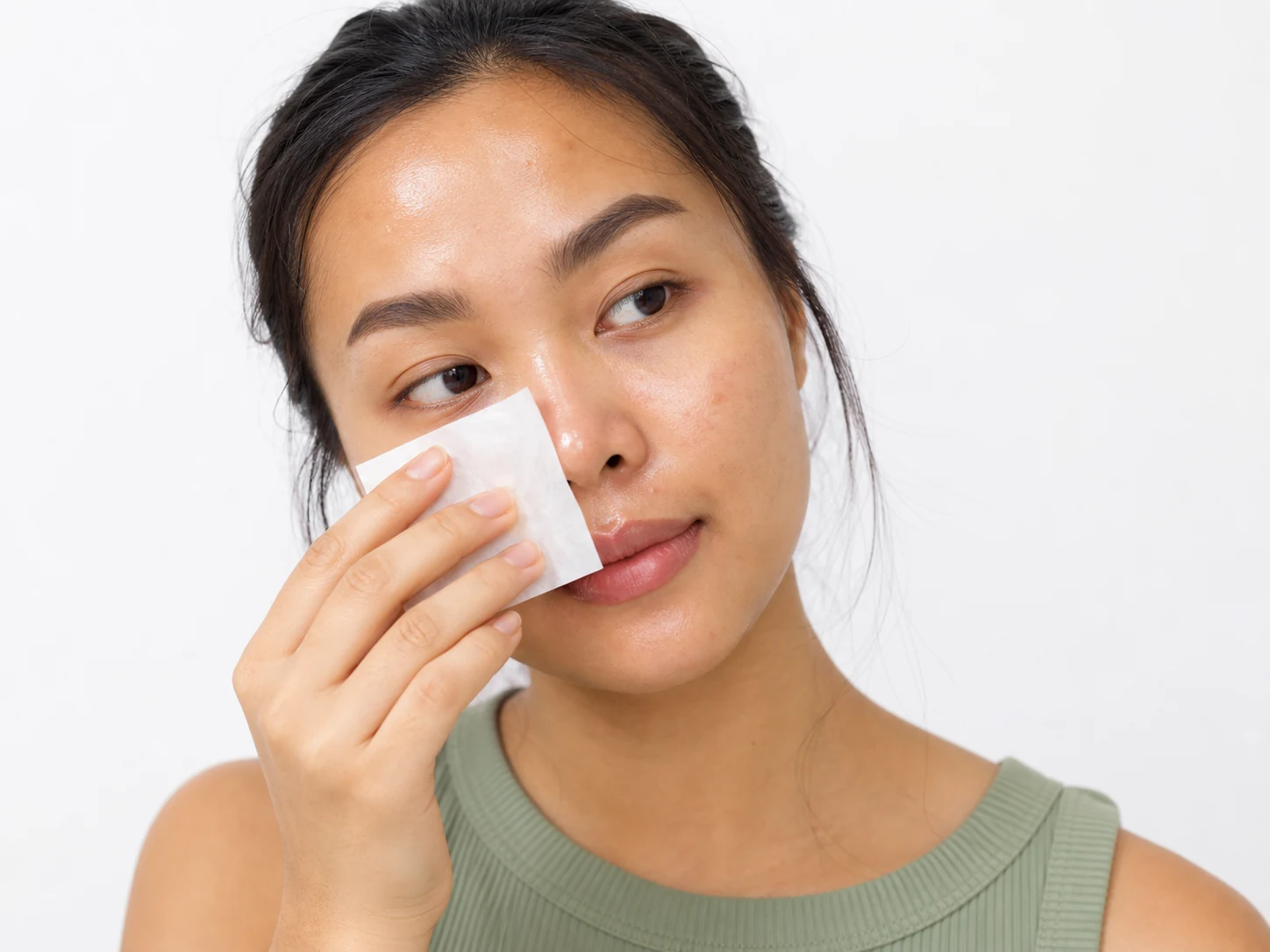
The water itself might be the problem, not your cleanser. Hard water doesn't just rinse away - it deposits.
Does
Niacinamide works more like a diplomat - it doesn't attack the acne directly but works to change the conditions that allow acne to thrive.
When you think of acne treatments, you probably think of harsh ingredients - benzoyl peroxide that bleaches towels, salicylic acid that tingles, retinoids that cause peeling. But niacinamide works differently, and that's part of its power.

Does
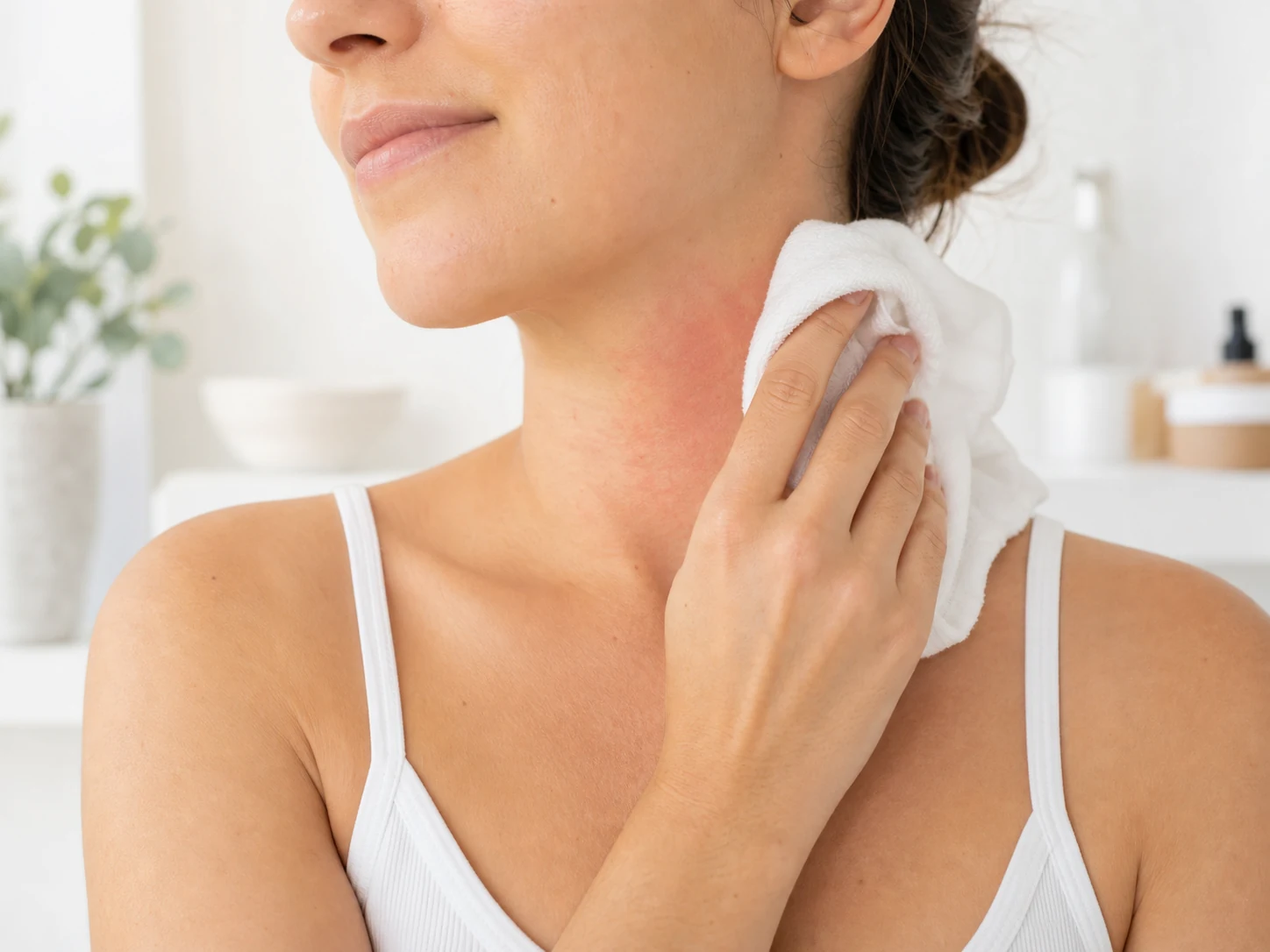
The healing process depends on the severity of the dryness, how long it's been going on, and how consistently you treat it.
Does
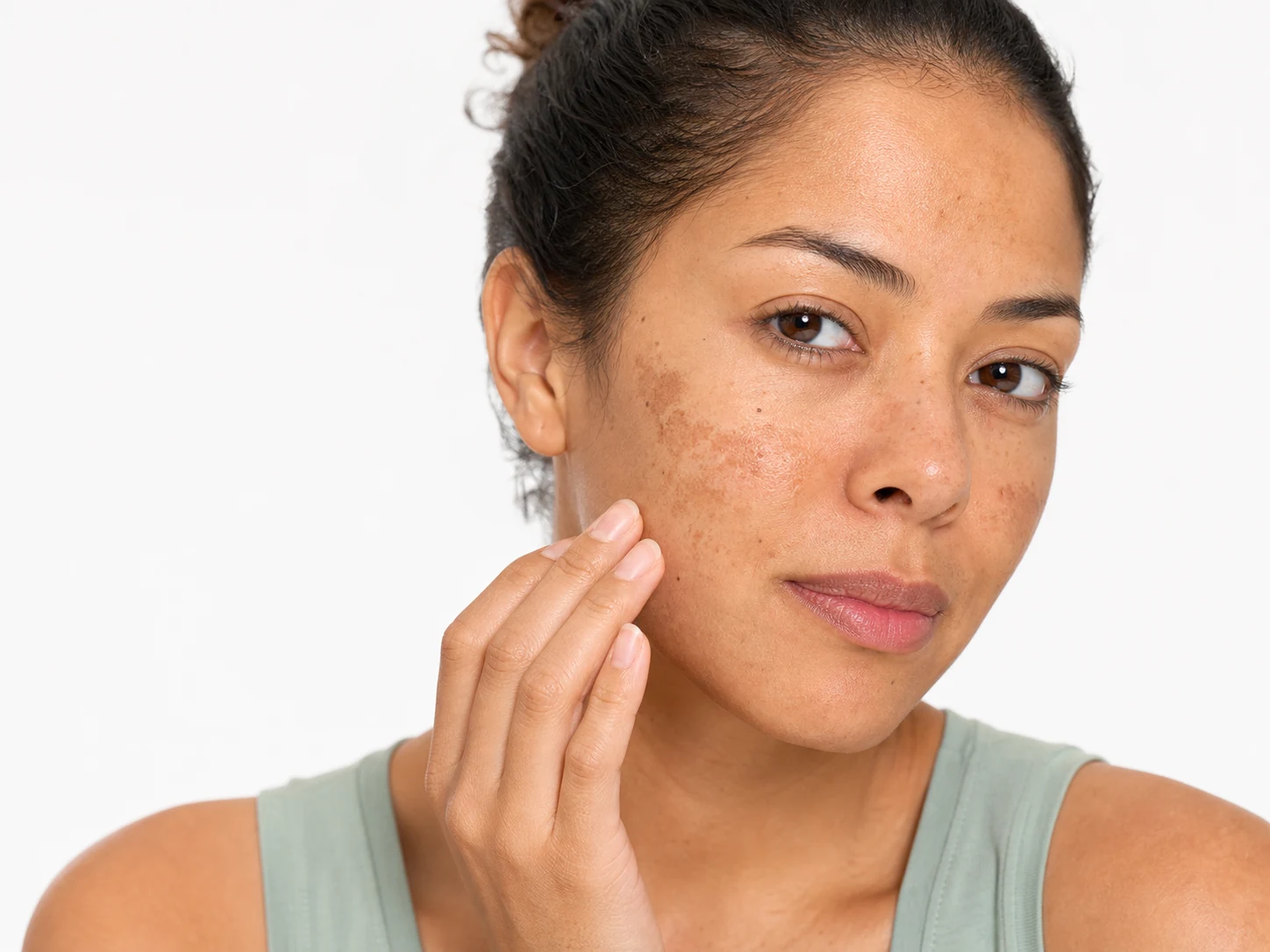
The answer depends less on your skin type than you might think, and more on how you handle the first 48 hours.
Heat rash is uncomfortable and irritating, but here's the good news: it's usually short-lived. Most cases resolve in a few days with straightforward care - provided you don't make it worse with well-meaning but wrong treatments.
Does
The waiting is the hardest part, and the lack of a clear timeline can make you feel like nothing is working.
Does
Niacinamide works at the cellular level, and cells don't change on a daily basis. The timeline is longer than most people expect.
Niacinamide is not a quick fix - it's a consistent, gradual improvement. Understanding the timeline helps you stay patient and avoid giving up too soon.
Does
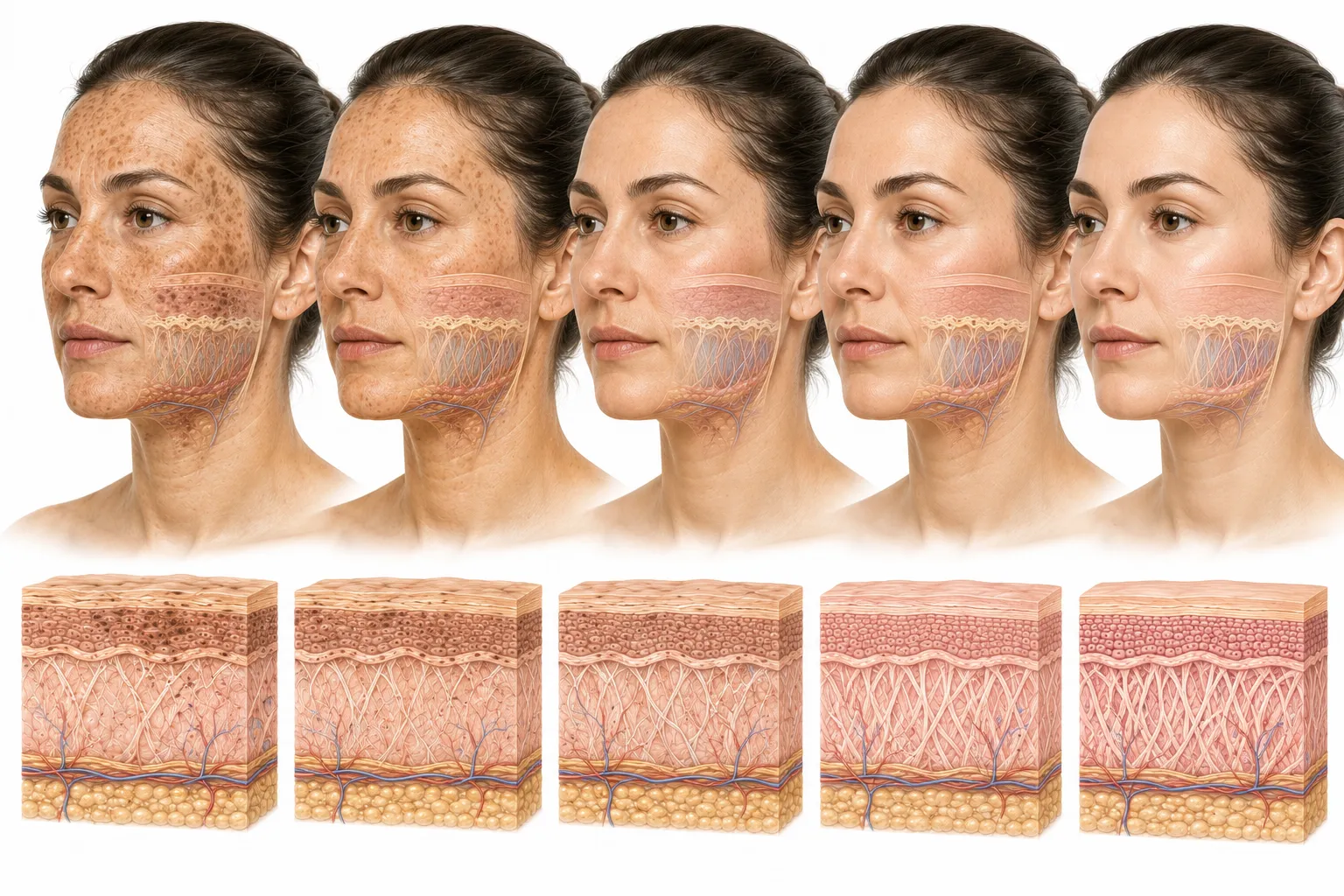
The surprising thing is that the skin's repair process is ongoing, but it's slow, and it's easily undone by new sun exposure.
Does
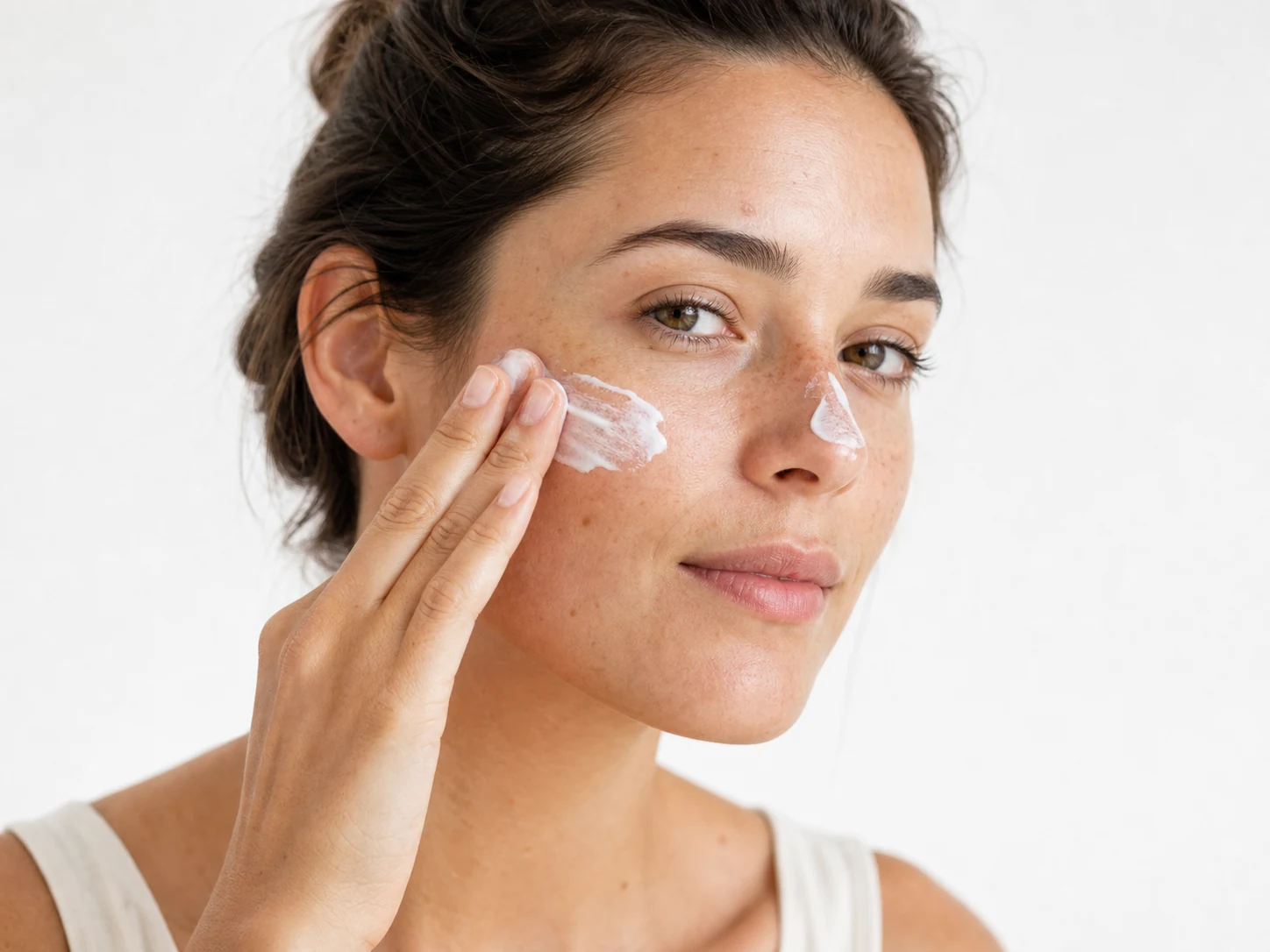
The truth is, niacinamide is working within hours - just not in a way you can see. And that distinction is crucial.
Does
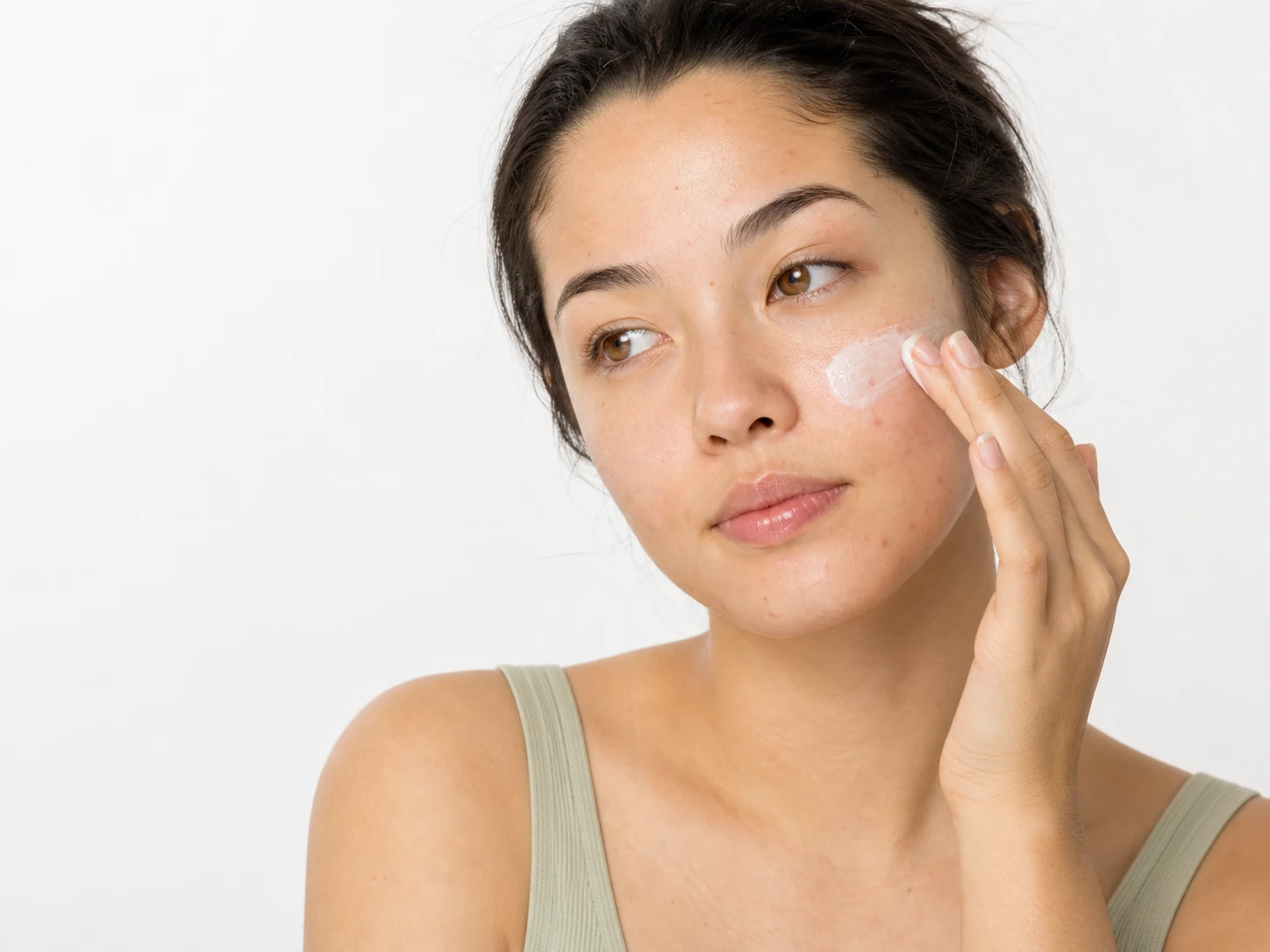
Sensitive skin is often felt before it's seen. The stinging, burning, or itching can be present without any visible redness at all.
Does
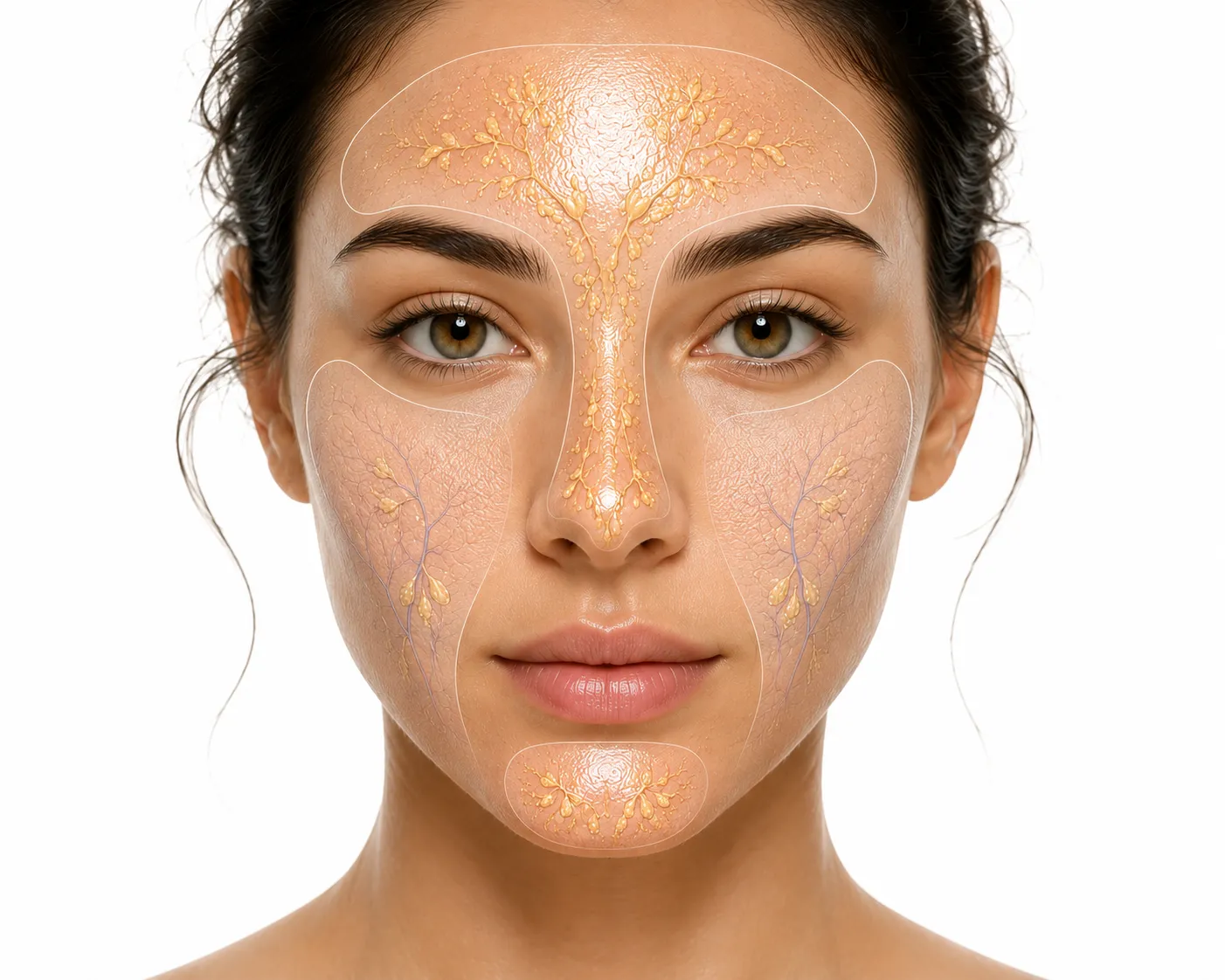
That split is not random; it follows the actual density of oil glands across your face, which was never evenly distributed to begin with.
Combination skin puzzles a lot of people because it seems to break the rule that skin should be one consistent type, but the explanation is really just a matter of geography.
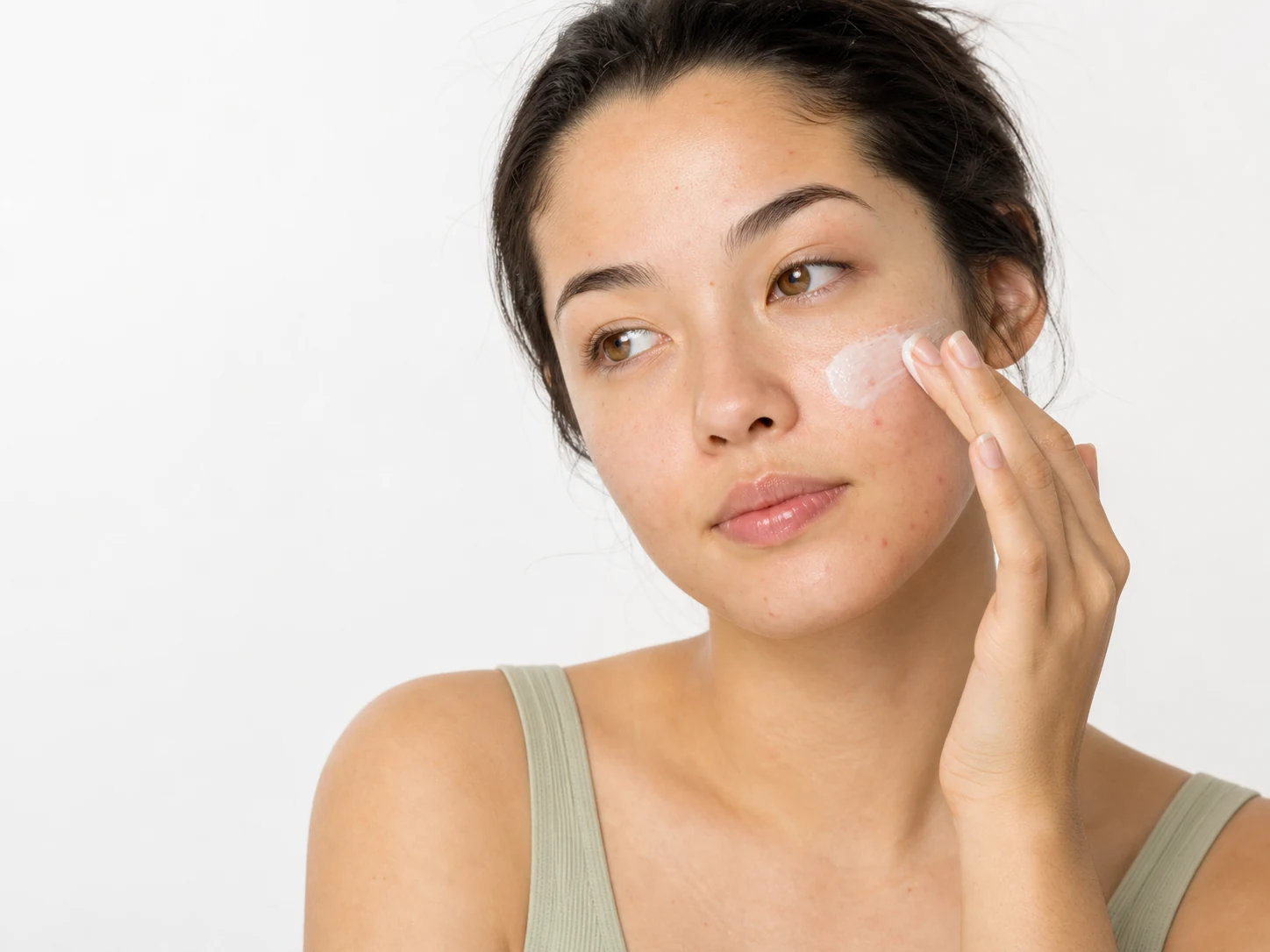
Does
It's not "in your head." The feeling is real, caused by actual physical changes in your skin.
Your skin feels sensitive because its barrier is compromised, allowing irritants to reach nerve endings in the epidermis. This triggers a cascade of sensations - stinging, burning, itching, or tightness - that are your skin's way of telling you something is wrong. The feeling is real and measurable, even if the skin looks normal.
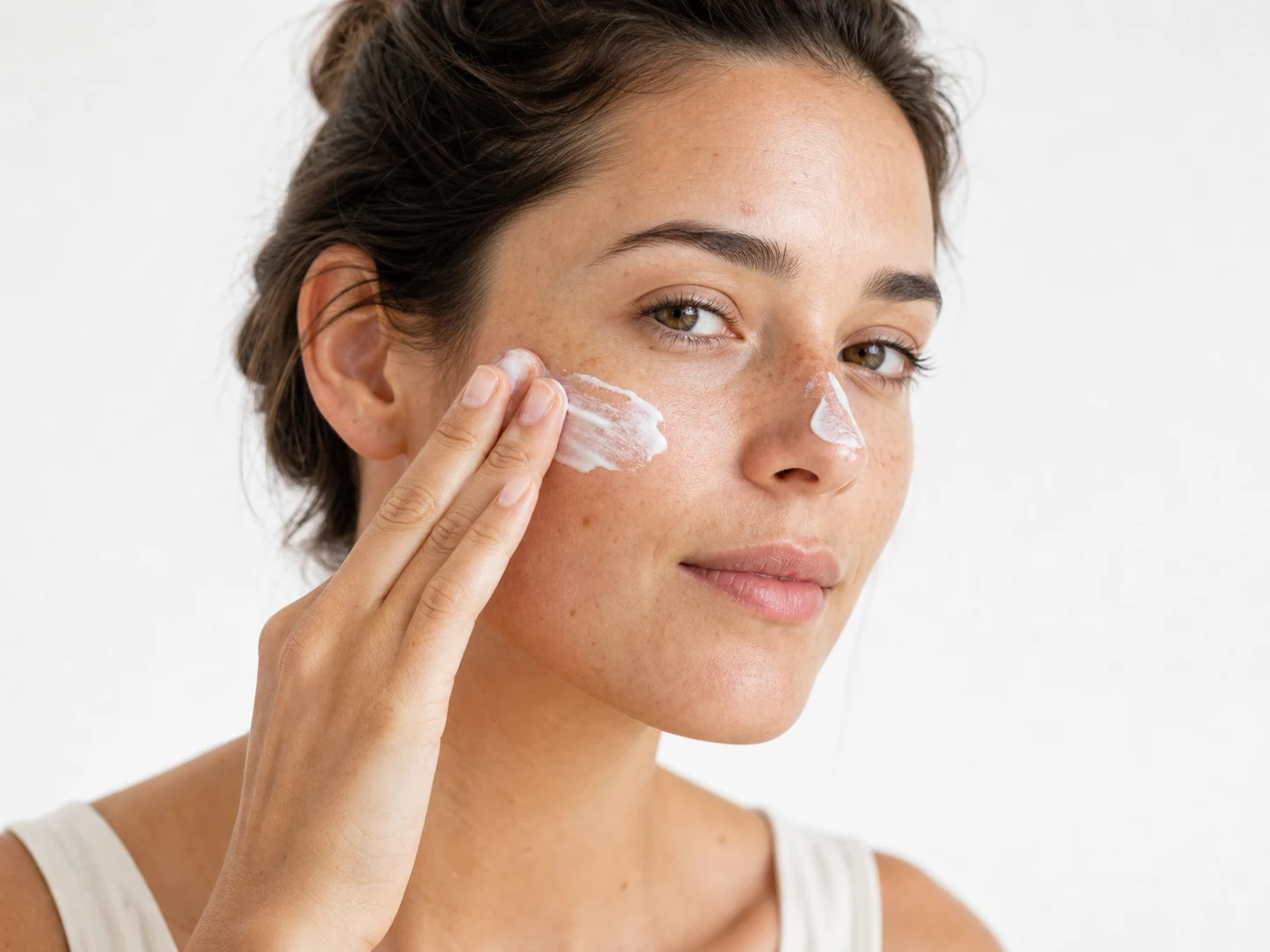
Does
The surprising thing is that niacinamide is one of the best-tolerated skincare ingredients, so a reaction is often about something other than the ingredient itself.
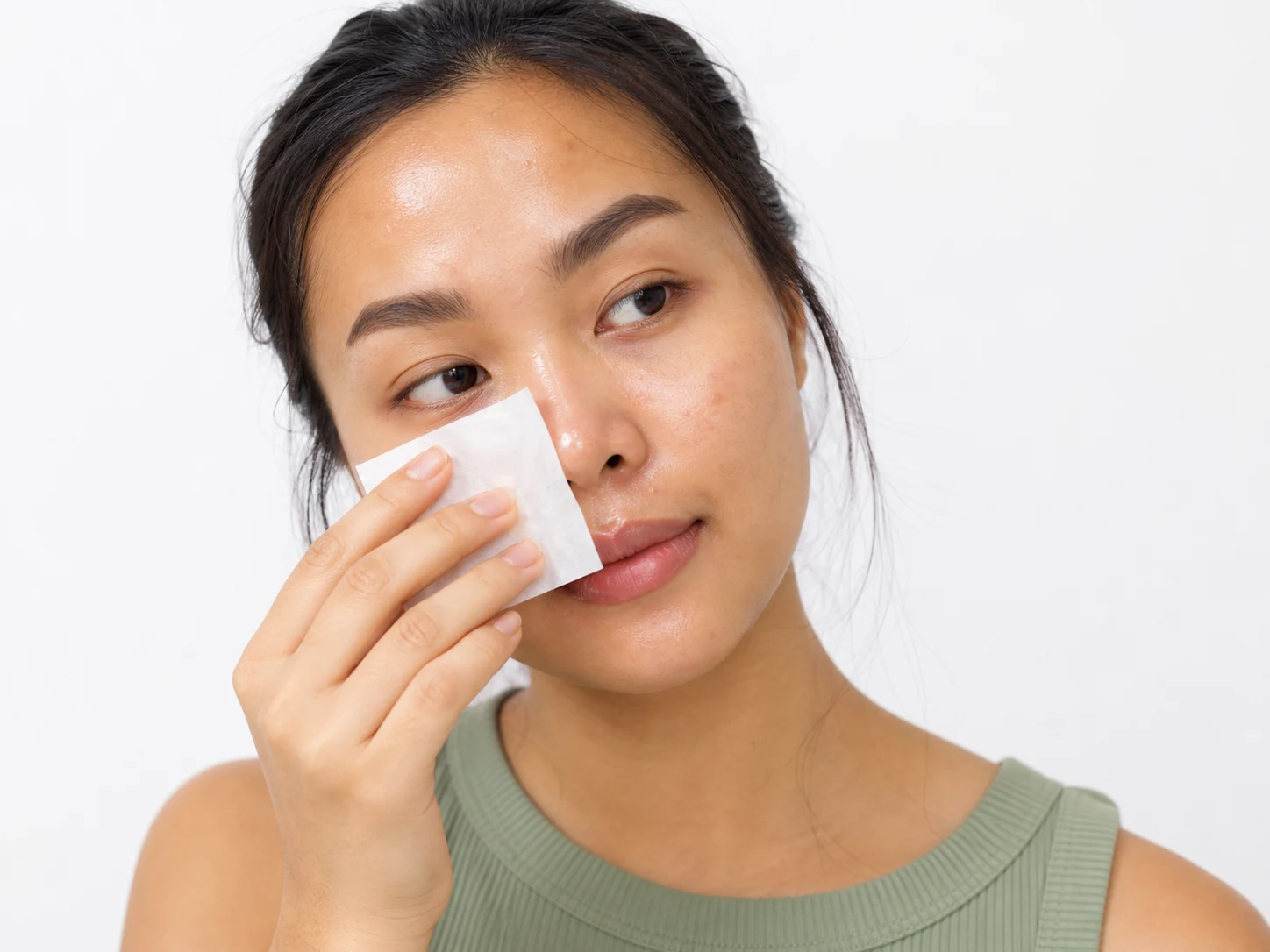
Does
But winter throws a wrench into oily skin's usual workings, turning its natural protection mechanism against it.
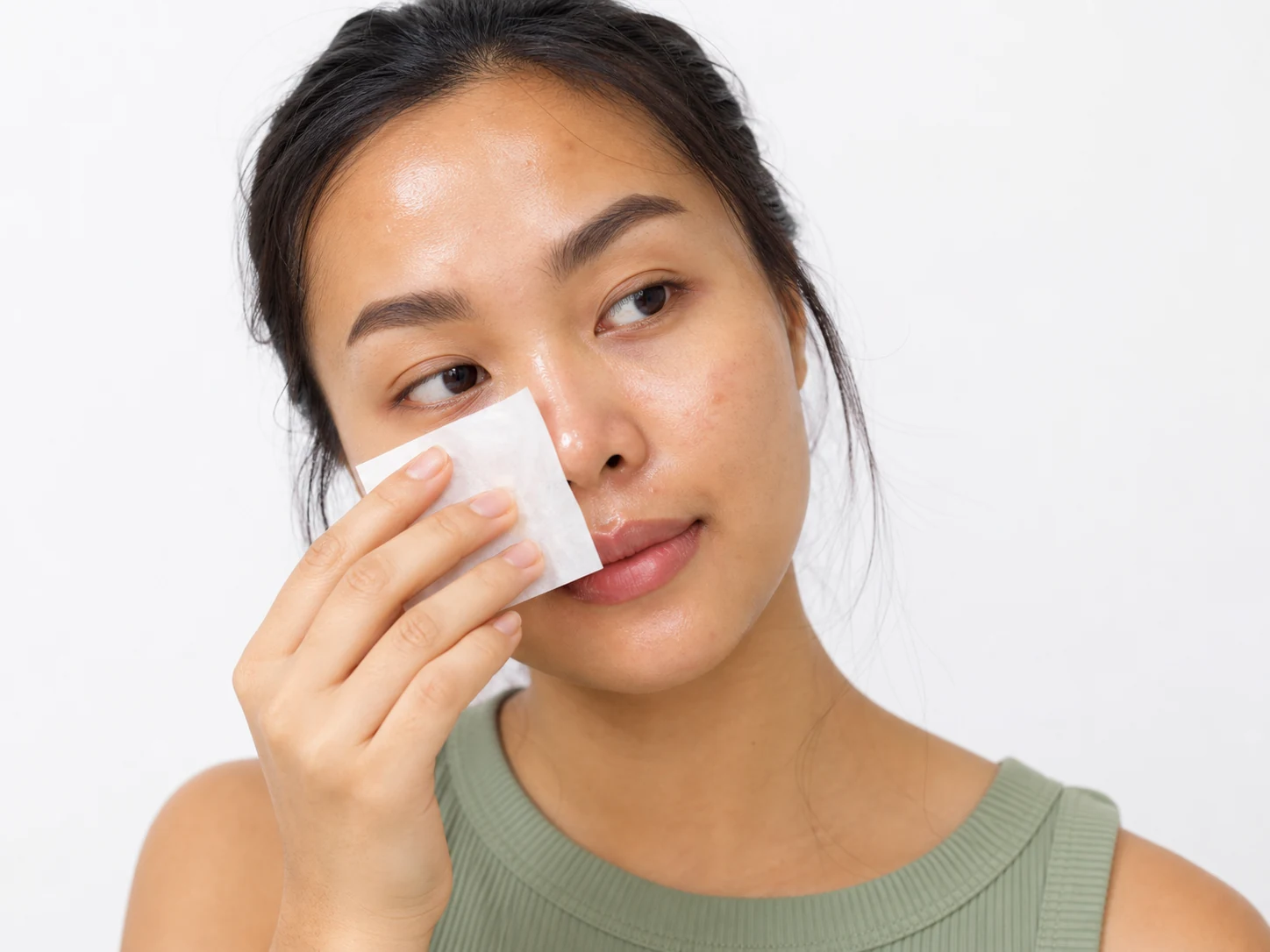
Does
But oily skin can absolutely become dry, often quite suddenly, and usually because something has disrupted the delicate balance the skin was maintaining.
One of the more confusing experiences in skincare is waking up one day to find that your reliably oily skin suddenly feels tight, flaky, and distinctly un-oily. This isn't just a random twist - it's usually a sign that something has gone wrong with the skin's protective barrier, often as a direct result of what you're putting on it.
Does
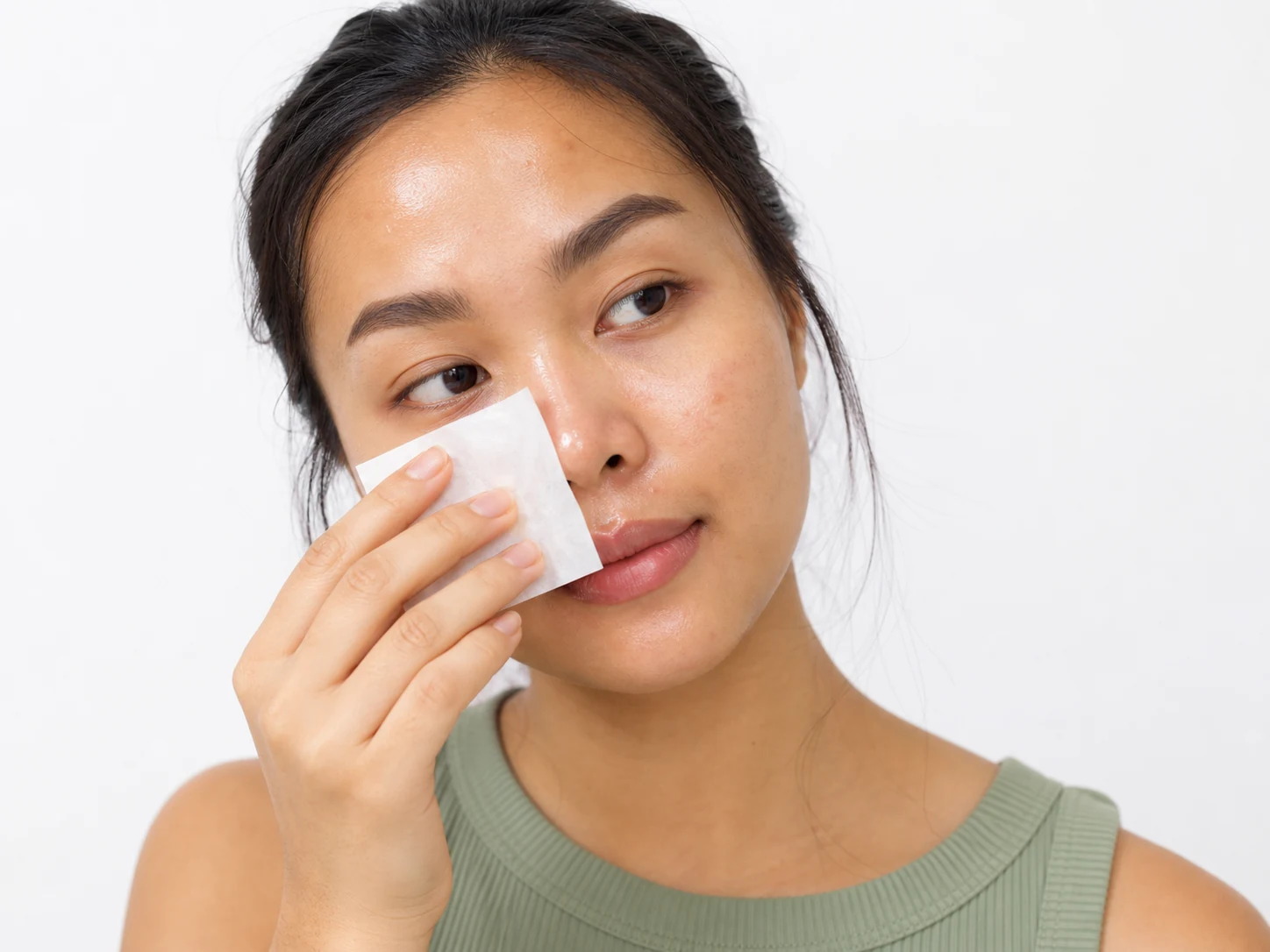
Actually, it's not quite that simple. Oily skin creates the conditions in which acne can happen, but oil alone doesn't cause breakouts - it's a three-way relationship that involves dead skin cells and a specific bacteria.
A few gentle first stops if this corner of skincare still feels new.
A few first stops if “Does...” questions still feel new.
Recently updated
Other kinds of questions wait just next door.
Can...
The polite pause before you try something new: will this get along with your skin?
Will...
What might change if you keep going: timelines, expectations, and honest outcomes.
Is...
Straight answers for claims, myths, and the questions that really want a yes or no.
Are...
When the question is about a whole category: ingredients, products, or the signs skin leaves behind.
Do...
Practical wondering about what skin needs, what routines ask for, and what to do next.
Why...
The satisfying “why” behind redness, oil, flaking, and other everyday mysteries.