A gentle place to begin
A few first stops if “How...” questions still feel new.
Questions that begin with “How…”
Step-by-step guidance for routines, application, and the small decisions that stack up.
108 calm answers for the moments you hover over a bottle, or a habit, and wonder what comes next.
Popular guides
How
The difference between effective use and wasted product is about technique, not just what you buy.
Applying niacinamide is simple, but the order matters. Here's exactly how to work it into your routine for maximum benefit without waste or irritation.
How
Skin is fairly honest about what it's doing once you take products out of the equation for a while.
How
The thing about combination skin is that it doesn't always look like what you'd expect - and many people misidentify it as oily or dry, leading to skincare choices that only make things worse.
How
The two conditions look similar, feel similar, and even respond to some of the same treatments - at least initially.
How
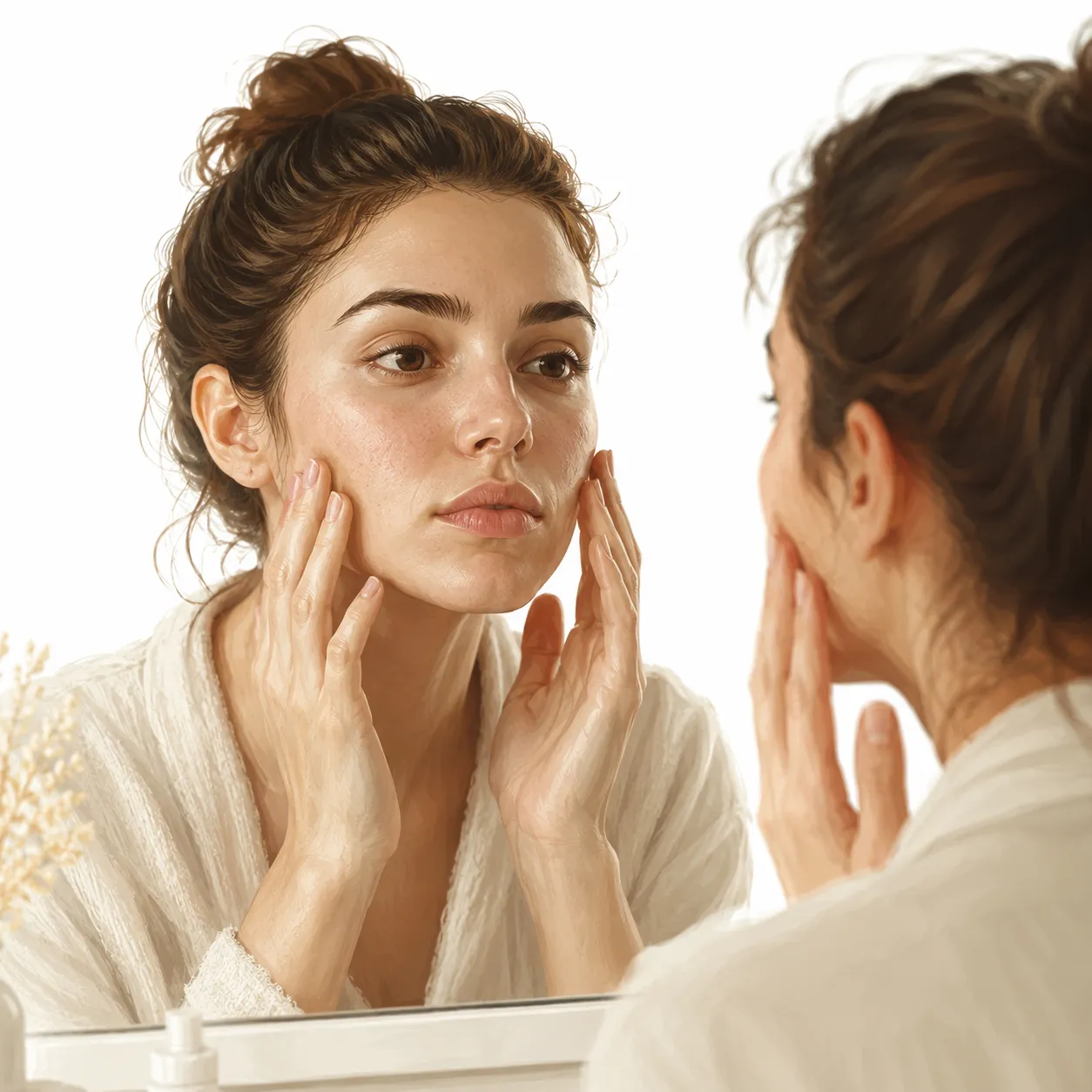
But dry skin isn't always obvious. It can be subtle enough that you've gotten used to the feeling, or so mild that you've just been putting up with it instead of treating it properly.
How
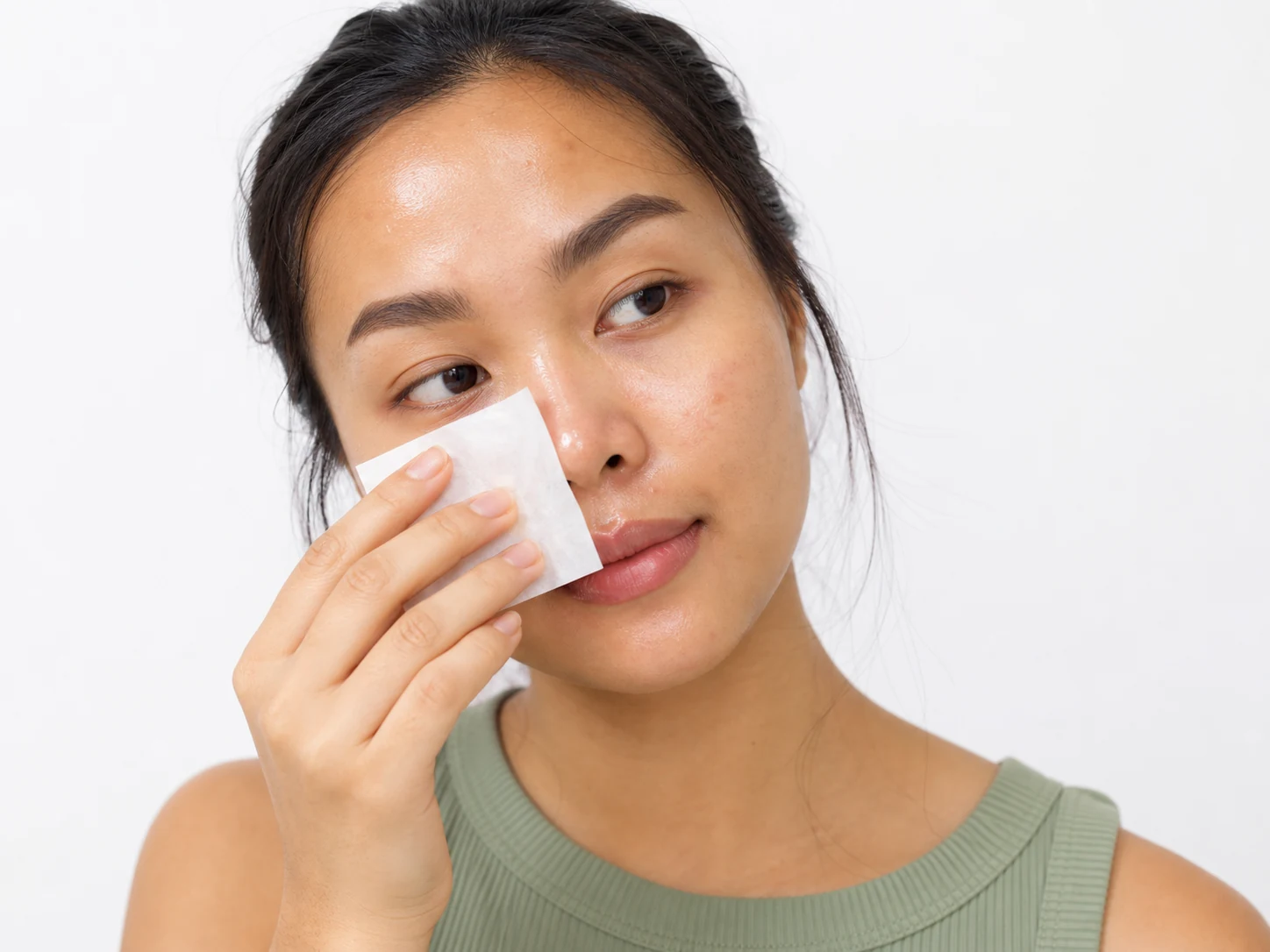
The thing about oily skin is that it's often misunderstood. People think they have oily skin when they actually have combination skin, or they think they have normal skin when they've just been using products that temporarily dry them out.
Oily skin is the one skin type that announces itself loudly - with shine, enlarged pores, and a tendency toward breakouts. But sometimes it's not as obvious as you might think, especially if you've been unknowingly stripping your skin with harsh products that mask the true signs.
How
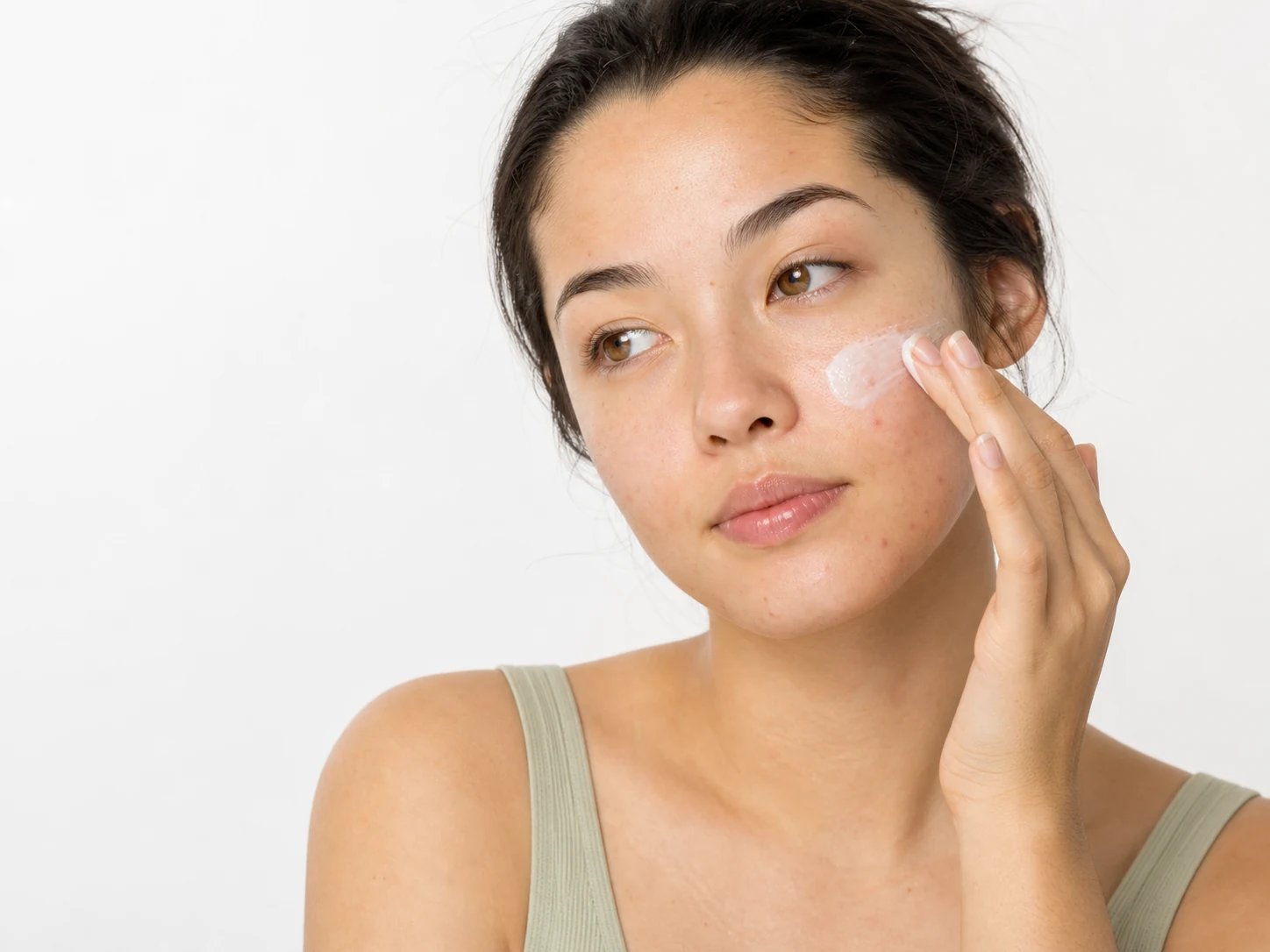
But sensitivity isn't always obvious. Some people have subtle reactions they've learned to ignore, while others have dramatic responses that are impossible to miss. The key is recognizing the pattern.
How
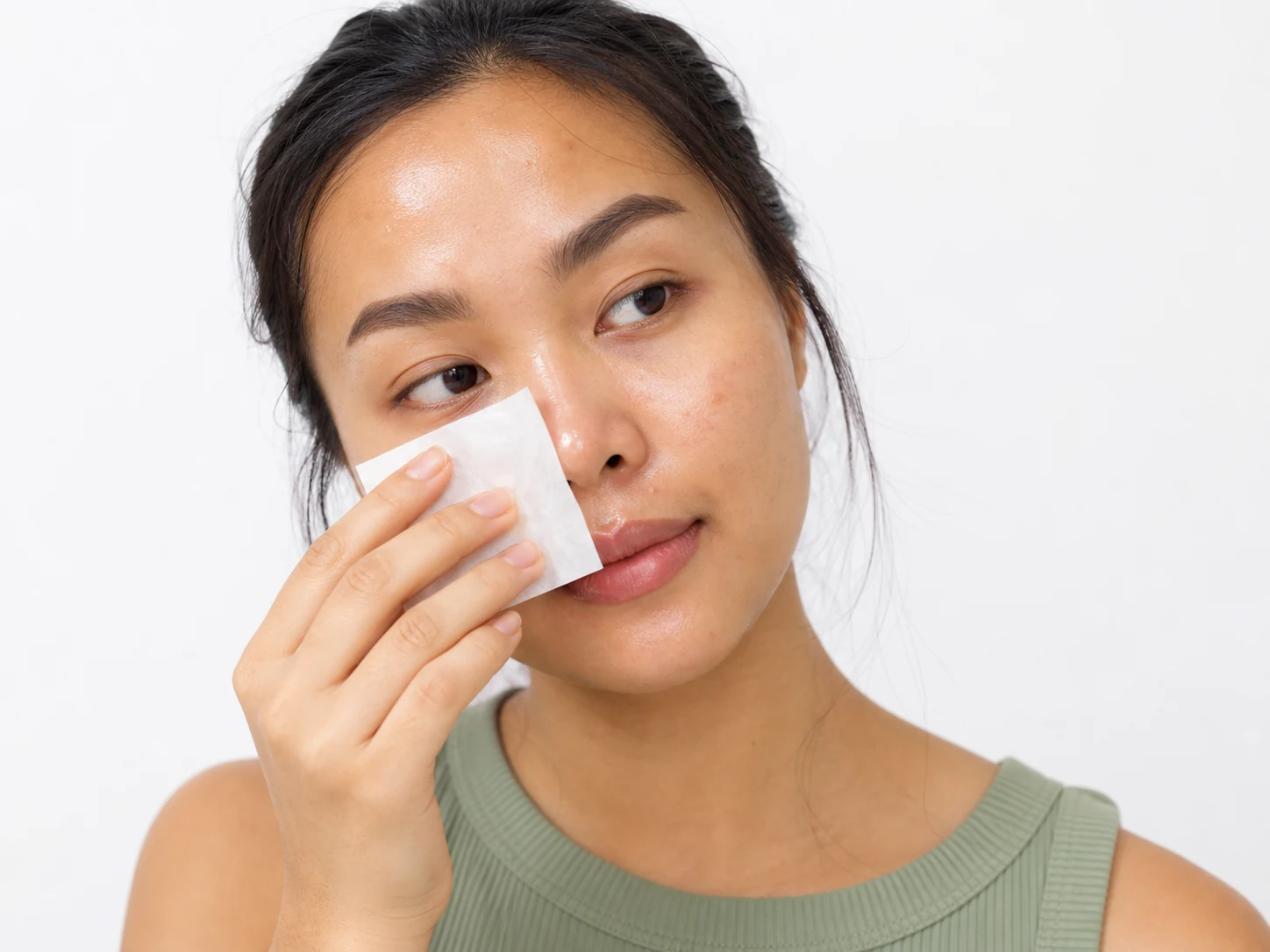
The confusion often comes from skin conditions that mimic the symptoms of these types. For example, dehydrated skin can look oily on the surface while feeling tight, and oily skin can feel dry if it's been over-stripped.
How
A blotting sheet or a mirror can only tell you so much; a couple of hours of patience tells you more.

How
But it's not a disease you catch from someone else. It's something you develop, often through a specific set of life events.
How
Ceramides are the most important type of mortar - they hold everything together. When they're missing, the wall crumbles.
Ceramides are the glue that holds the skin barrier together. For dry skin, which often has lower levels of these essential lipids, replenishing them is the key to long-term hydration and barrier health.

How
Its simplicity is its superpower: it's a molecule that does one thing very well, attracting water to the skin.
Start with the popular ones above, or scroll the full set when you are in a browsing mood.
How
The difference between effective use and wasted product is about technique, not just what you buy.
Applying niacinamide is simple, but the order matters. Here's exactly how to work it into your routine for maximum benefit without waste or irritation.
How
Skin is fairly honest about what it's doing once you take products out of the equation for a while.
How
The thing about combination skin is that it doesn't always look like what you'd expect - and many people misidentify it as oily or dry, leading to skincare choices that only make things worse.
How
The two conditions look similar, feel similar, and even respond to some of the same treatments - at least initially.
How
But dry skin isn't always obvious. It can be subtle enough that you've gotten used to the feeling, or so mild that you've just been putting up with it instead of treating it properly.
Dry skin can feel like an uncomfortable secret - your skin tightens after washing, flakes appear without warning, and your moisturizer seems to disappear into nowhere. But it's actually one of the easiest skin types to identify once you know the signs.
How
The thing about oily skin is that it's often misunderstood. People think they have oily skin when they actually have combination skin, or they think they have normal skin when they've just been using products that temporarily dry them out.
How
But sensitivity isn't always obvious. Some people have subtle reactions they've learned to ignore, while others have dramatic responses that are impossible to miss. The key is recognizing the pattern.
How
The confusion often comes from skin conditions that mimic the symptoms of these types. For example, dehydrated skin can look oily on the surface while feeling tight, and oily skin can feel dry if it's been over-stripped.
Dry skin and oily skin are at opposite ends of the skin type spectrum, but they can sometimes feel confusingly similar - particularly when products or weather are temporarily affecting your skin. Understanding the key differences is the first step to building a routine that actually works.
How
A blotting sheet or a mirror can only tell you so much; a couple of hours of patience tells you more.
Figuring out your skin type doesn't require a lab test, just a bit of patient observation and a willingness to leave your skin alone long enough to see how it actually behaves.
How
But it's not a disease you catch from someone else. It's something you develop, often through a specific set of life events.
How
Ceramides are the most important type of mortar - they hold everything together. When they're missing, the wall crumbles.
How
Its simplicity is its superpower: it's a molecule that does one thing very well, attracting water to the skin.

How
Hyaluronic acid works more like a sponge - it soaks up water from the environment and pulls it into the skin.
Hyaluronic acid is one of the most hyped ingredients in skincare, but for dry skin, it genuinely delivers. Its ability to attract and hold water is unmatched, making it a powerful tool for restoring hydration.

How
The pigment doesn't just materialize. It's built, molecule by molecule, through a process that you can see happen if you look closely enough.

How
It's not a random blemish but a predictable sequence of events that happens in a very specific way.
Melasma is not a mystery; it's a biological event with a clear cause and effect. It happens when the skin's natural systems are pushed into overdrive by a combination of environmental and internal factors.

How
But if you look closely, it's less like a random event and more like a slow-motion avalanche - a series of steps that build on each other until the pigmentation becomes visible.

How
You won't see it happening, but you will see the results days or weeks later.
Melasma begins quietly, with a signal. That signal is usually a dose of UV light or a hormonal shift, and it starts a cascade that eventually leads to visible pigment.
How
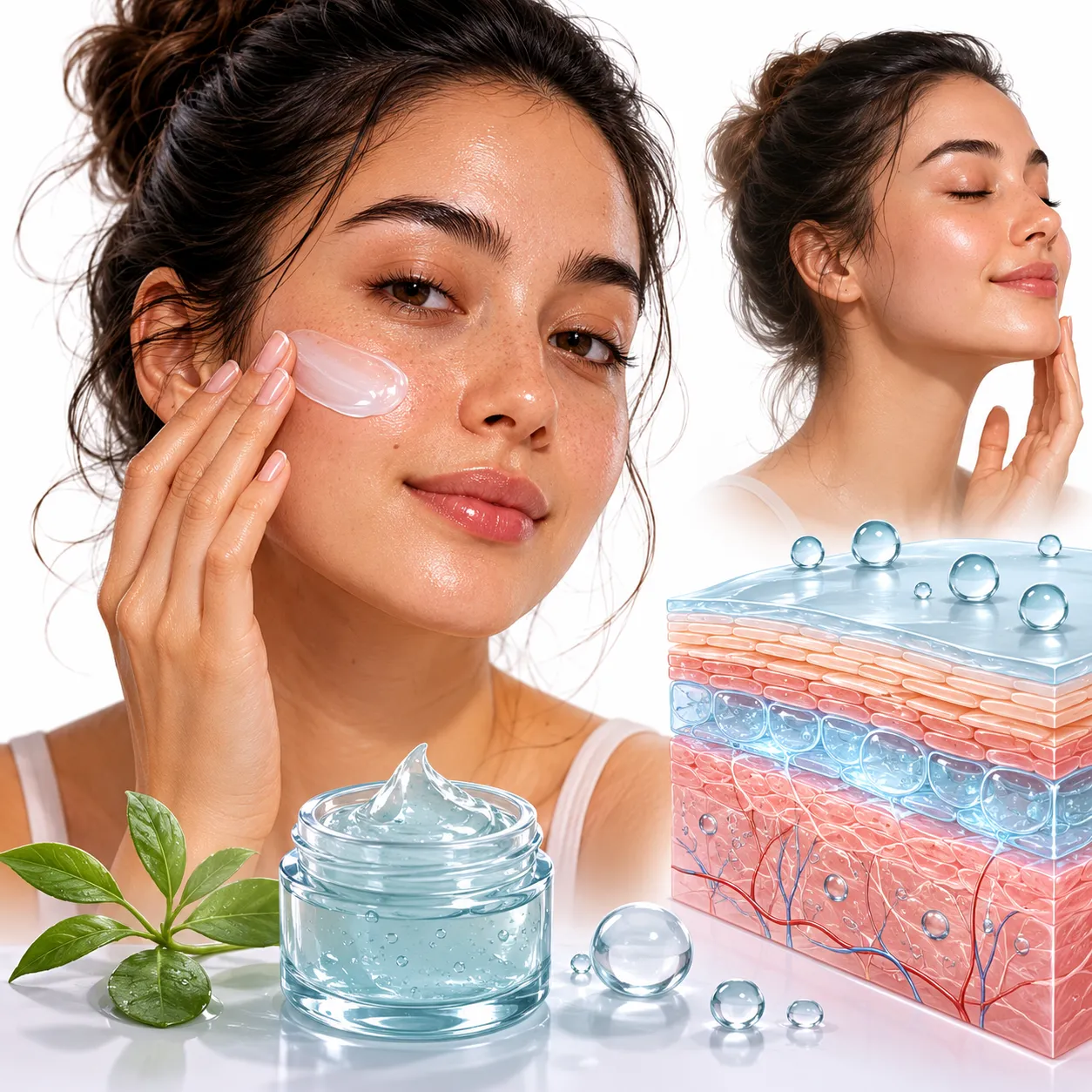
But oily skin and hydrated skin are two different things - and oily skin is often dehydrated skin in disguise.
How
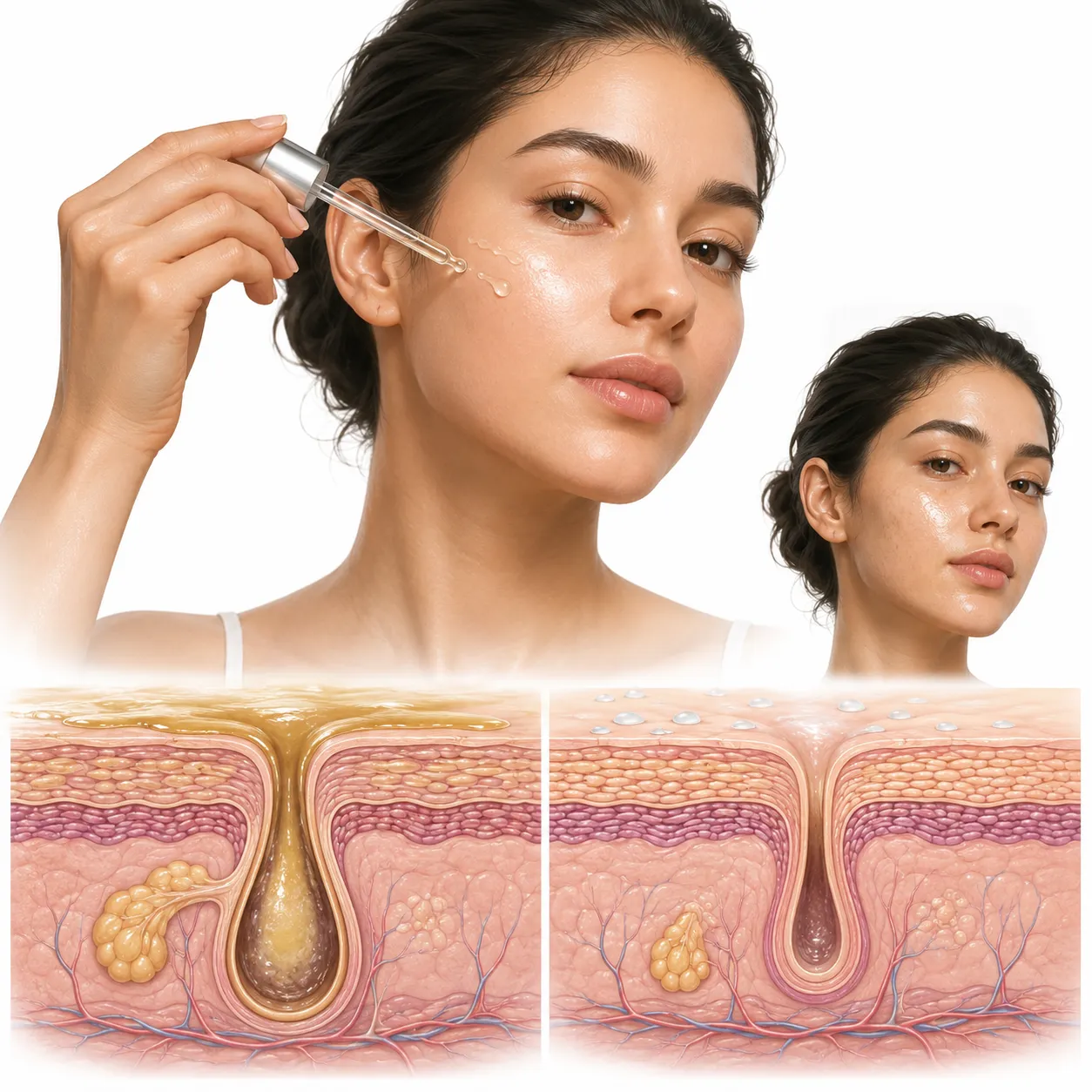
Niacinamide takes a different approach: it regulates sebum production while strengthening the barrier, breaking the cycle of oil overproduction.

How
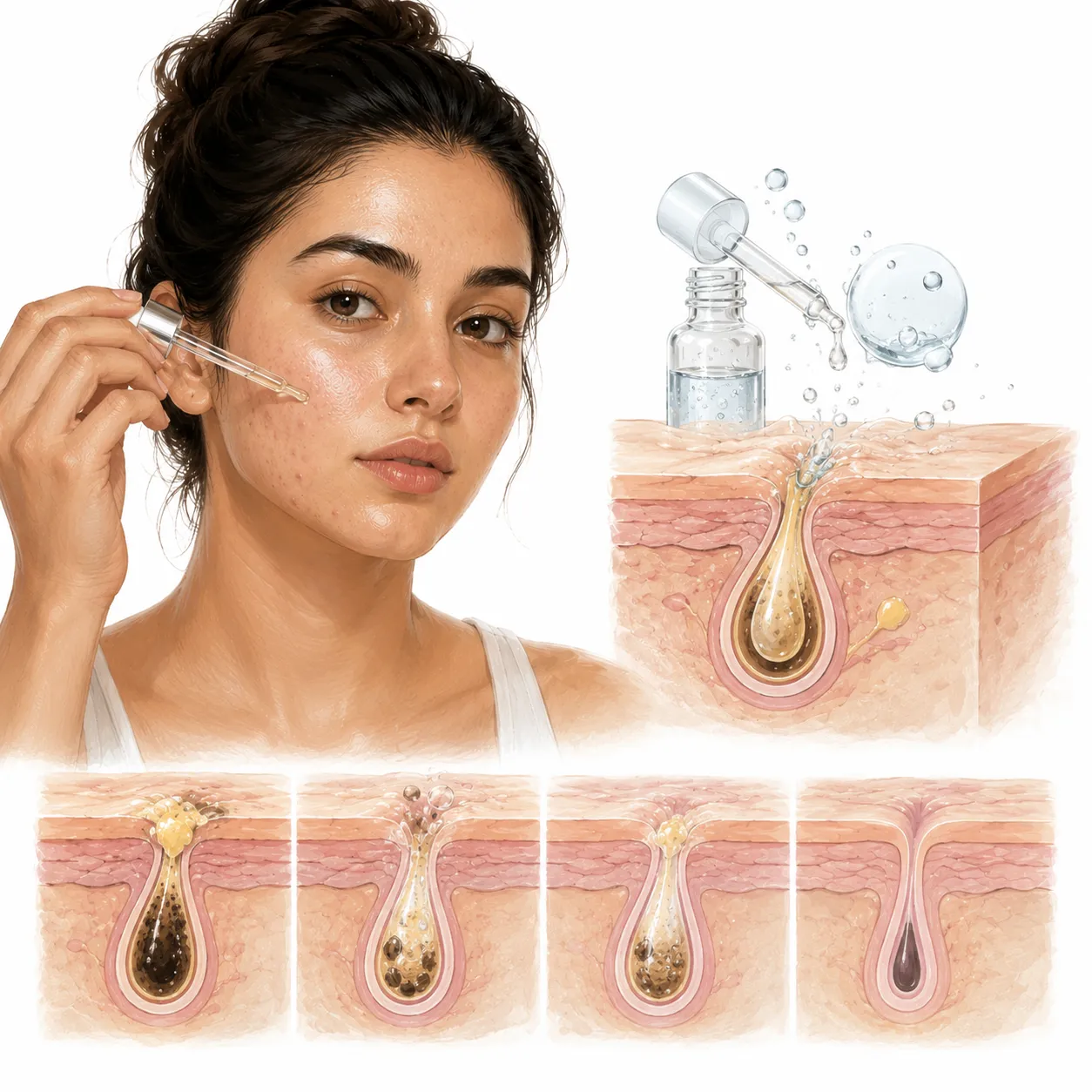
For oily skin, retinol acts as a deep unclogger, working at the cellular level to prevent congestion before it starts.
How
Salicylic acid does something stranger and more useful: it dissolves into oil and follows it down into the pore itself.
Salicylic acid is one of the few skincare ingredients that works exactly where oily skin needs it most - inside the pore. Its oil-soluble nature makes it uniquely suited to the oily skin type.
How
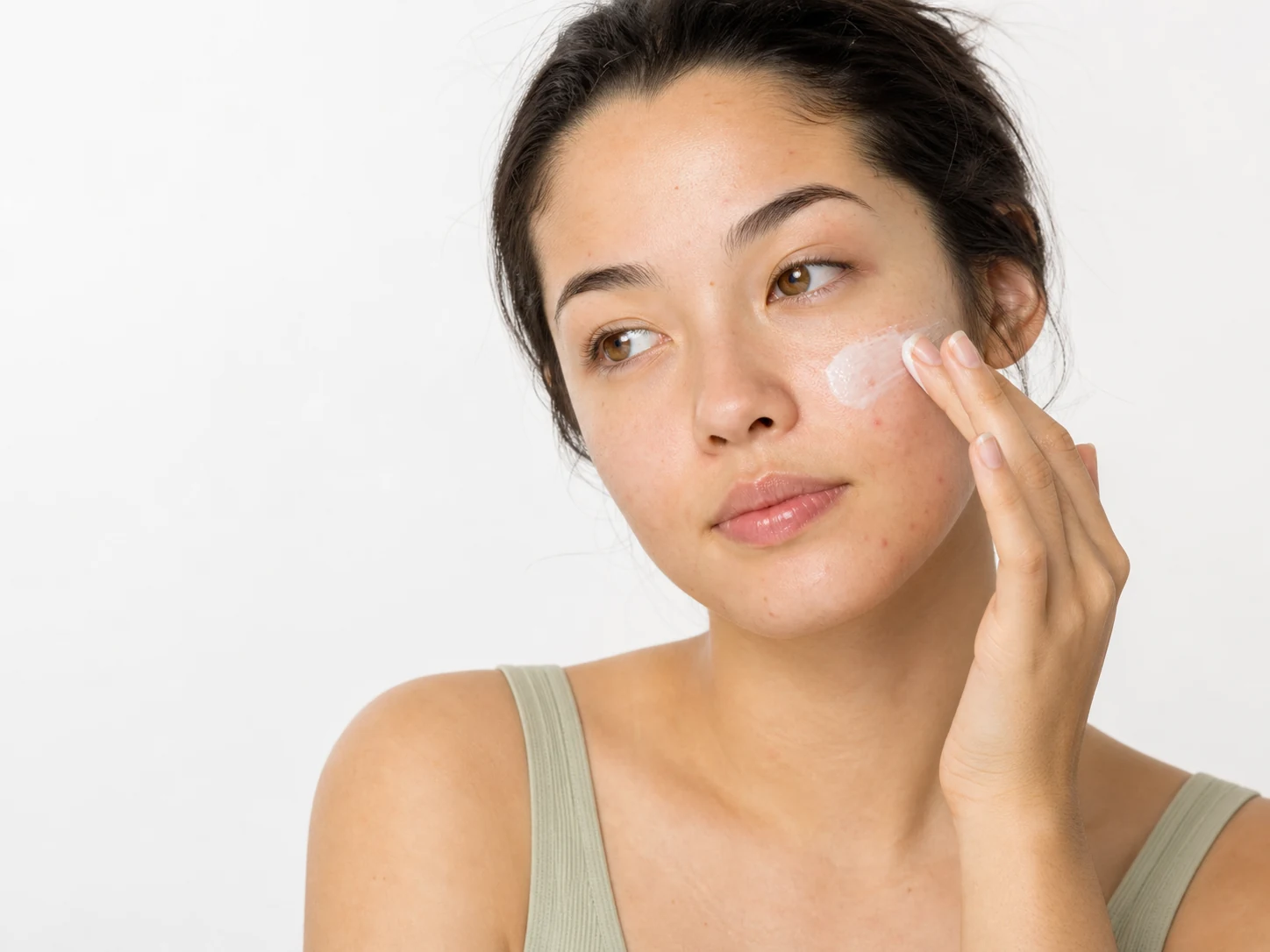
The sensations of sensitive skin are the result of nerve endings being more exposed due to a compromised barrier.
Sensitive skin isn't just a skin type - it's a set of sensations. The experience of sensitive skin is deeply personal, but there are common threads: tightness, stinging, itching, and a general feeling of reactivity.
How
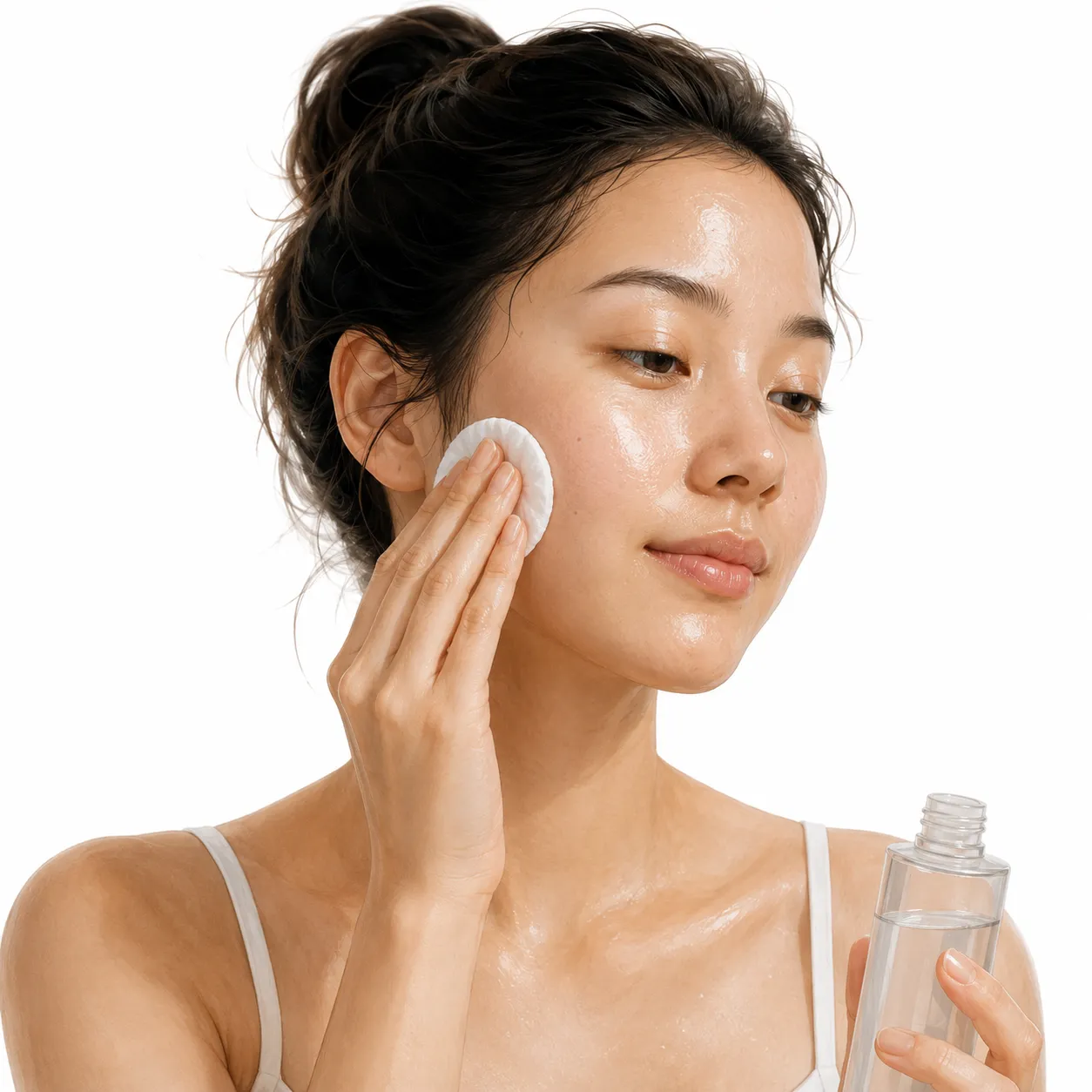
Modern toners have done a complete 180 - they're now hydrating, soothing, and essential for oily skin.
How
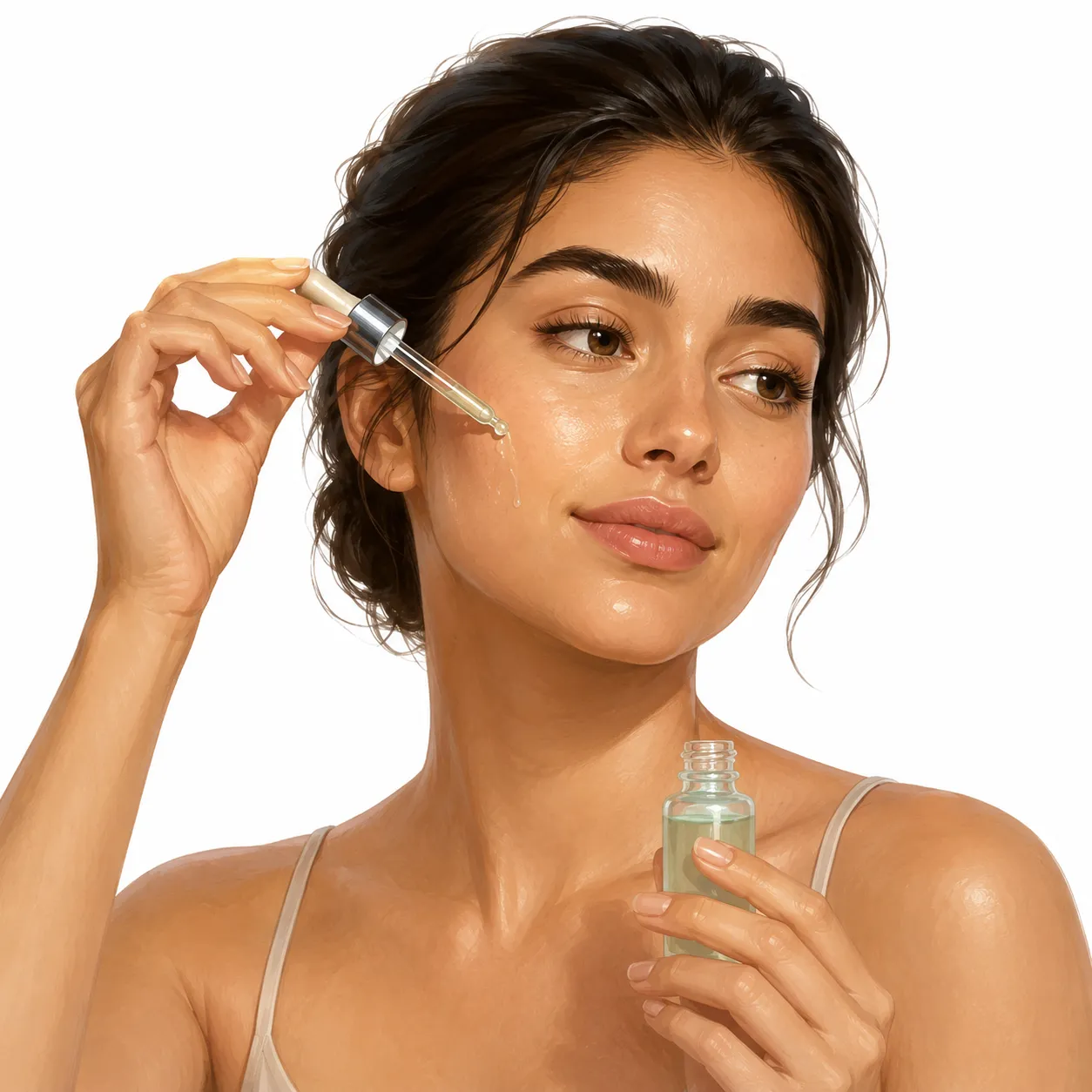
It regulates oil production, calms inflammation, and fights the bacteria that cause breakouts - a rare triple threat.
How
It's been called a "miracle worker," a "multitasker," and a "game-changer." But how good is it really?
Niacinamide is one of the most hyped ingredients in skincare, but is it actually good? The short answer is yes - but the longer answer is more nuanced, and understanding how "good" it is requires looking at what it does and what it doesn't do.
How
Niacinamide is one of those rare ingredients that does nearly everything well, and it does it without irritating your skin in the process.
How
So where does niacinamide actually come from, and how is it made?
How
Their 10% niacinamide serum is one of their bestsellers, but does it actually work, or is it just a well-designed package?

How
In reality, skin color is one of the most genetically complicated traits we have, built from the combined input of dozens of genes rather than a single switch.
Skin color is not controlled by a single gene, but by dozens working together to set how much melanin your skin produces and what type. The result is one of the most visibly variable traits in humans, shaped by thousands of years of adaptation to sunlight.

How
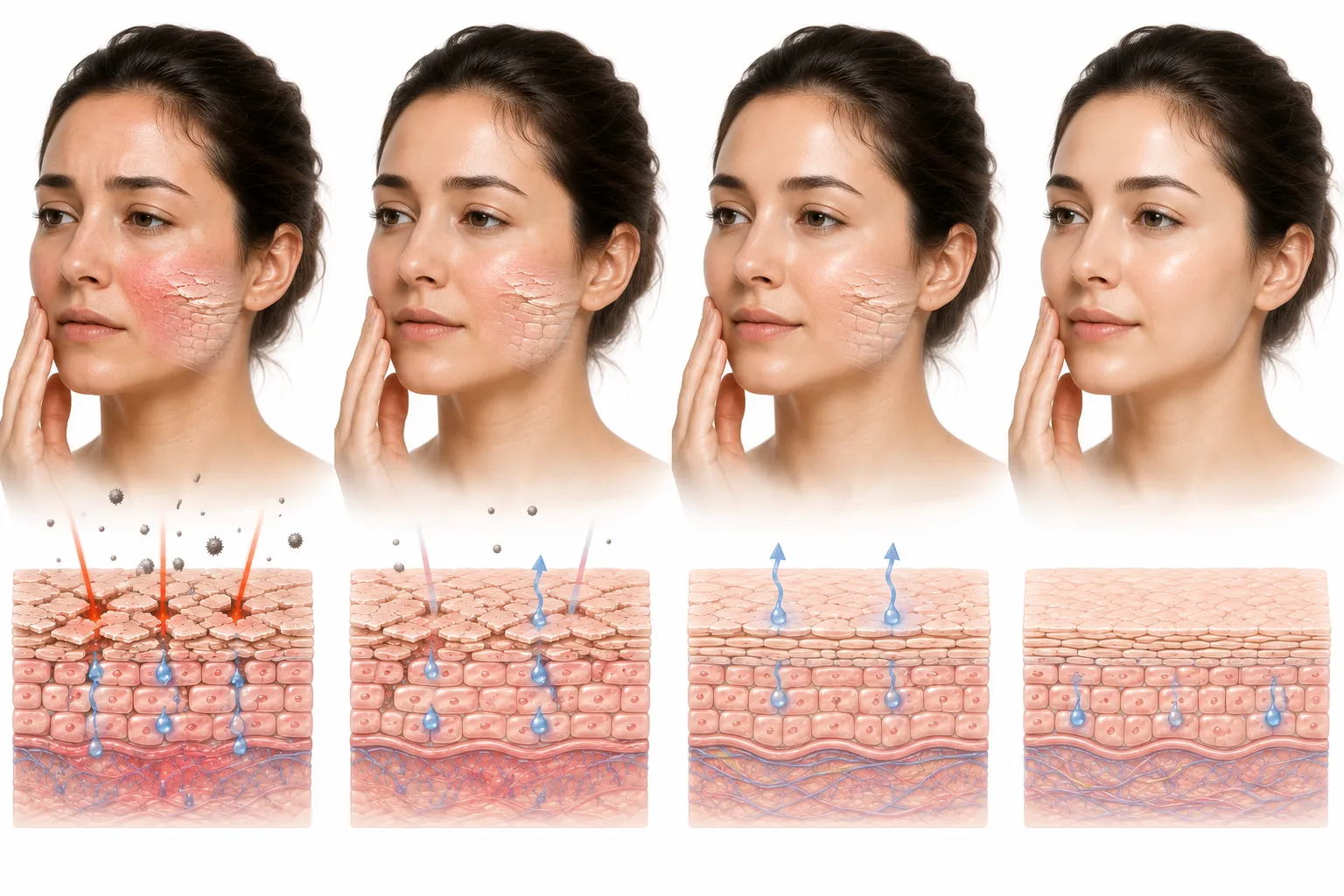
The skin's outer layer completely replaces itself roughly every three to four weeks, which sets a rough floor on how fast noticeable healing can actually happen.
How
When the mortar cracks, the wall becomes unstable. Repairing it is a slow, methodical process - you can't just slap new mortar over a broken wall.
How
Their niacinamide serum offers a high concentration of vitamin B3 along with other brightening ingredients, but how much does it cost, and is it worth the price?
How
But what does it actually cost, and is the price too good to be true?
The Ordinary's niacinamide serum is one of the most popular skincare products on the market, largely because of its combination of efficacy and affordability. But what does it actually cost, and is it good value?
How
Niacinamide is different. It works by doing about a dozen things, all of them beneficial, without irritating the skin.
How
Niacinamide takes a different approach: it calms the inflammation that makes acne worse, while also reducing the oil that feeds it.
How
And niacinamide happens to be particularly well-suited to addressing the specific concerns of facial skin.
Your face has different skin than the rest of your body - more oil glands, thinner skin, more exposure to the elements. And niacinamide happens to work on every single one of those facial skin characteristics.
How
Niacinamide takes a different approach. Instead of removing oil, it stops the overproduction at the source, like turning down a tap rather than mopping up the floor.
Oily skin presents a particular challenge: you need to control oil without drying out the skin, which can cause a rebound effect. Niacinamide is one of the few ingredients that manages this balance, and it does it through a very specific mechanism.
How
Niacinamide works differently. It's a vitamin - a fundamental nutrient that your skin cells need to function. When you apply it topically, you're not tricking your skin into doing something; you're giving it something it already needs.
How
There's actually a correct way to apply this ingredient, and getting it right can significantly improve your results.
How
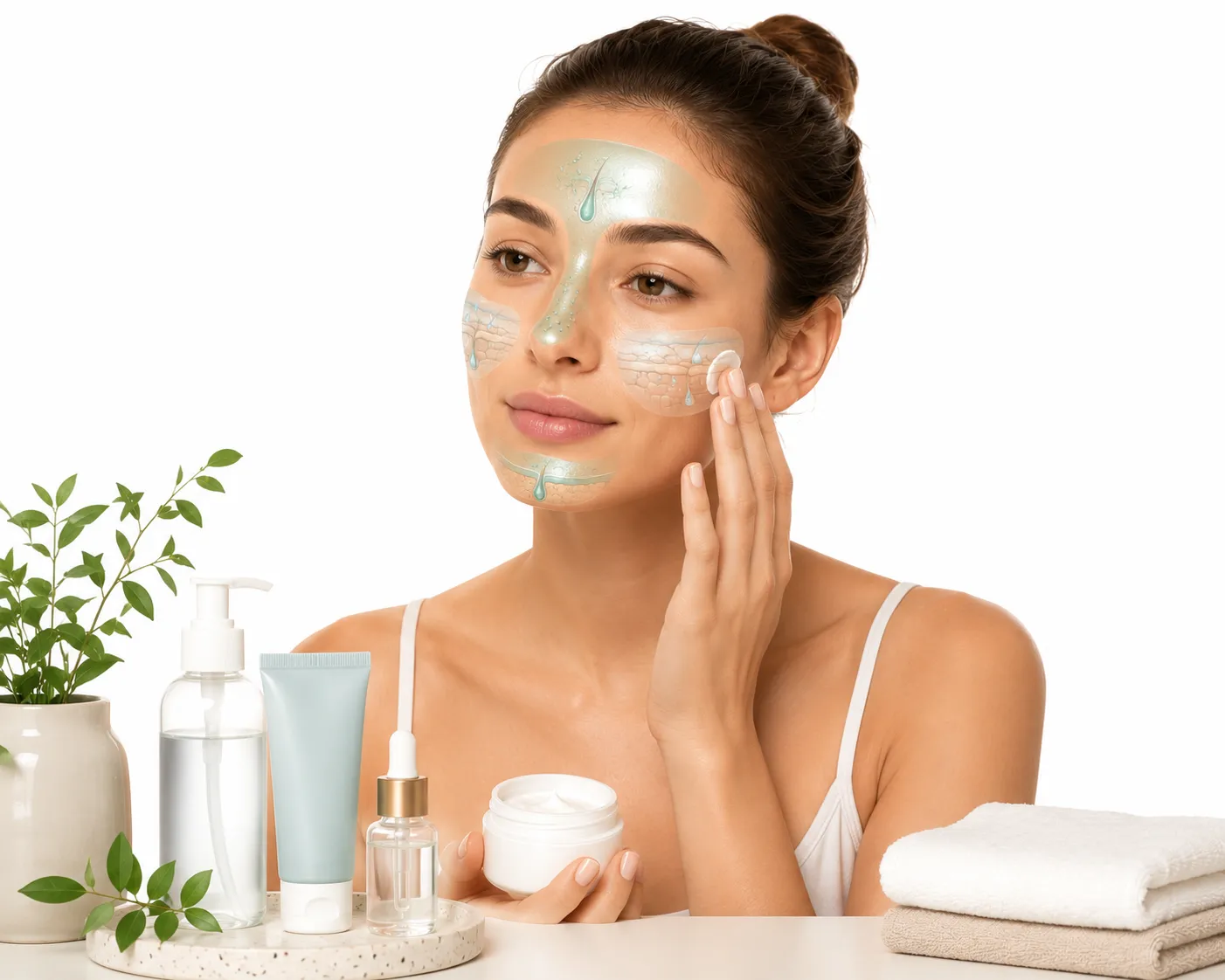
The approach that works for your oily T-zone will usually make your dry cheeks unhappy, and vice versa.
How
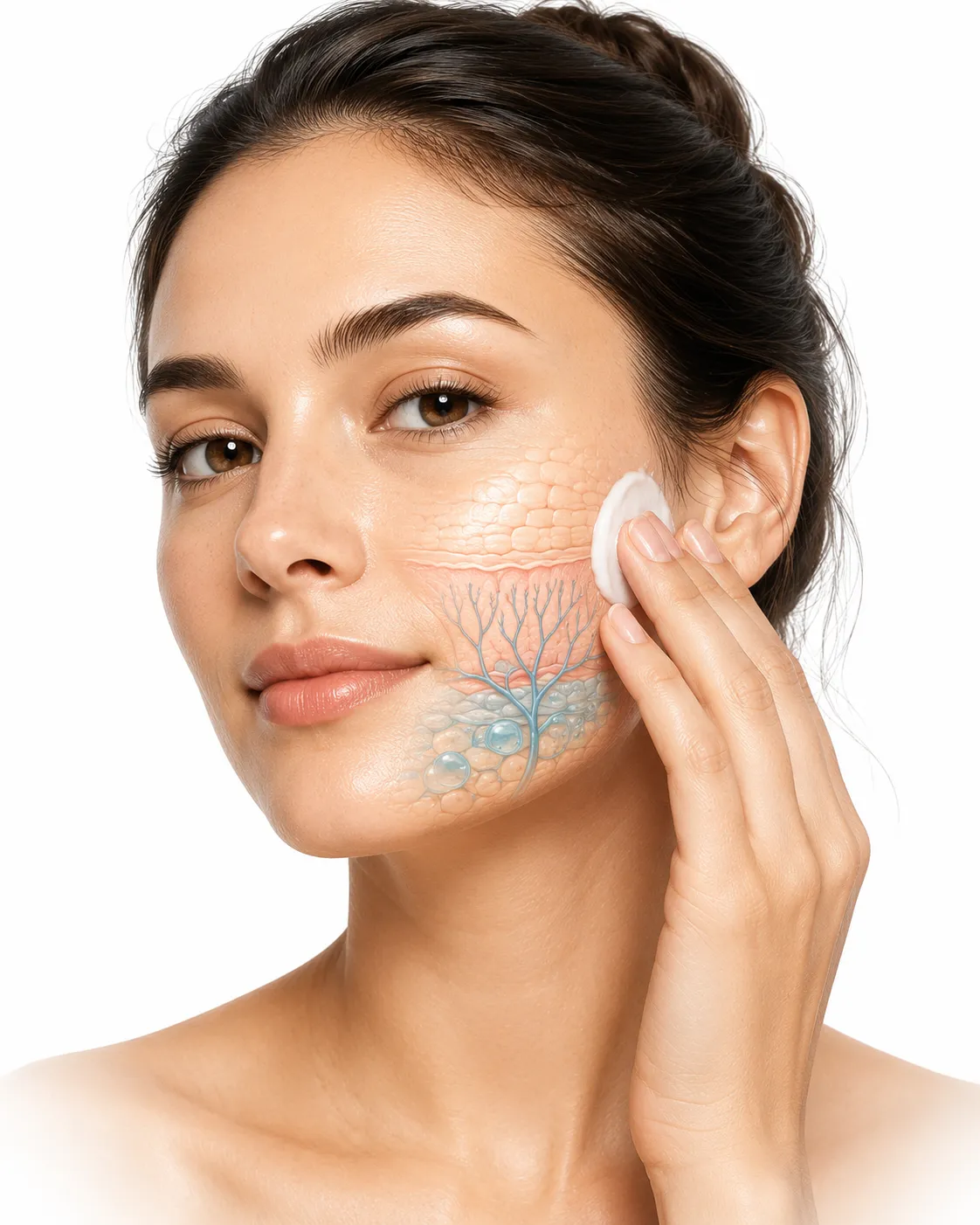
People with normal skin often make the mistake of doing nothing at all, or doing too much and disrupting a good thing.
Normal skin has a reputation for being effortlessly low-maintenance - and in many ways, that's true. It's not too oily, not too dry, and generally responds well to a simple routine. But having normal skin doesn't mean ignoring it; it means giving it what it needs without overcomplicating things.
How
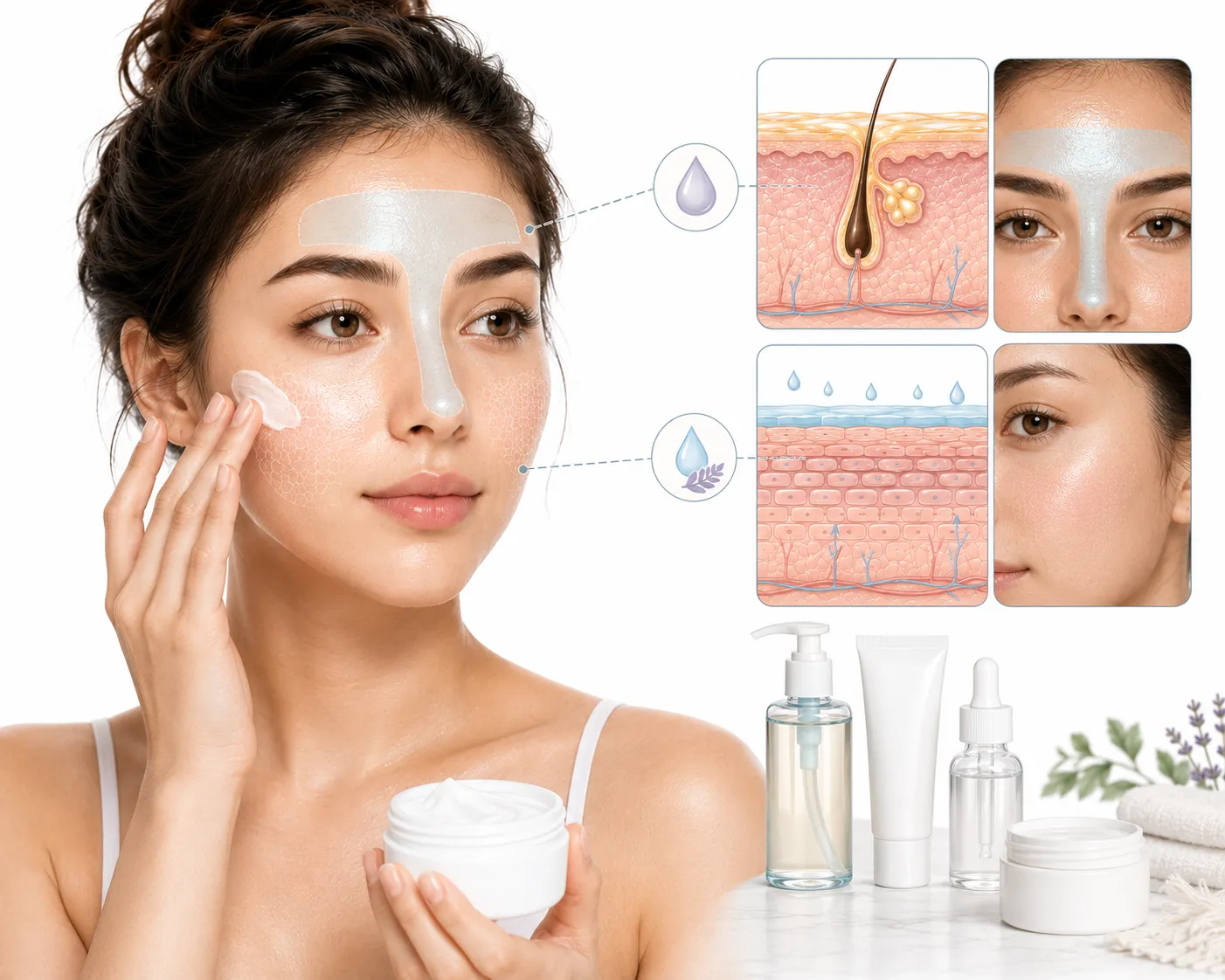
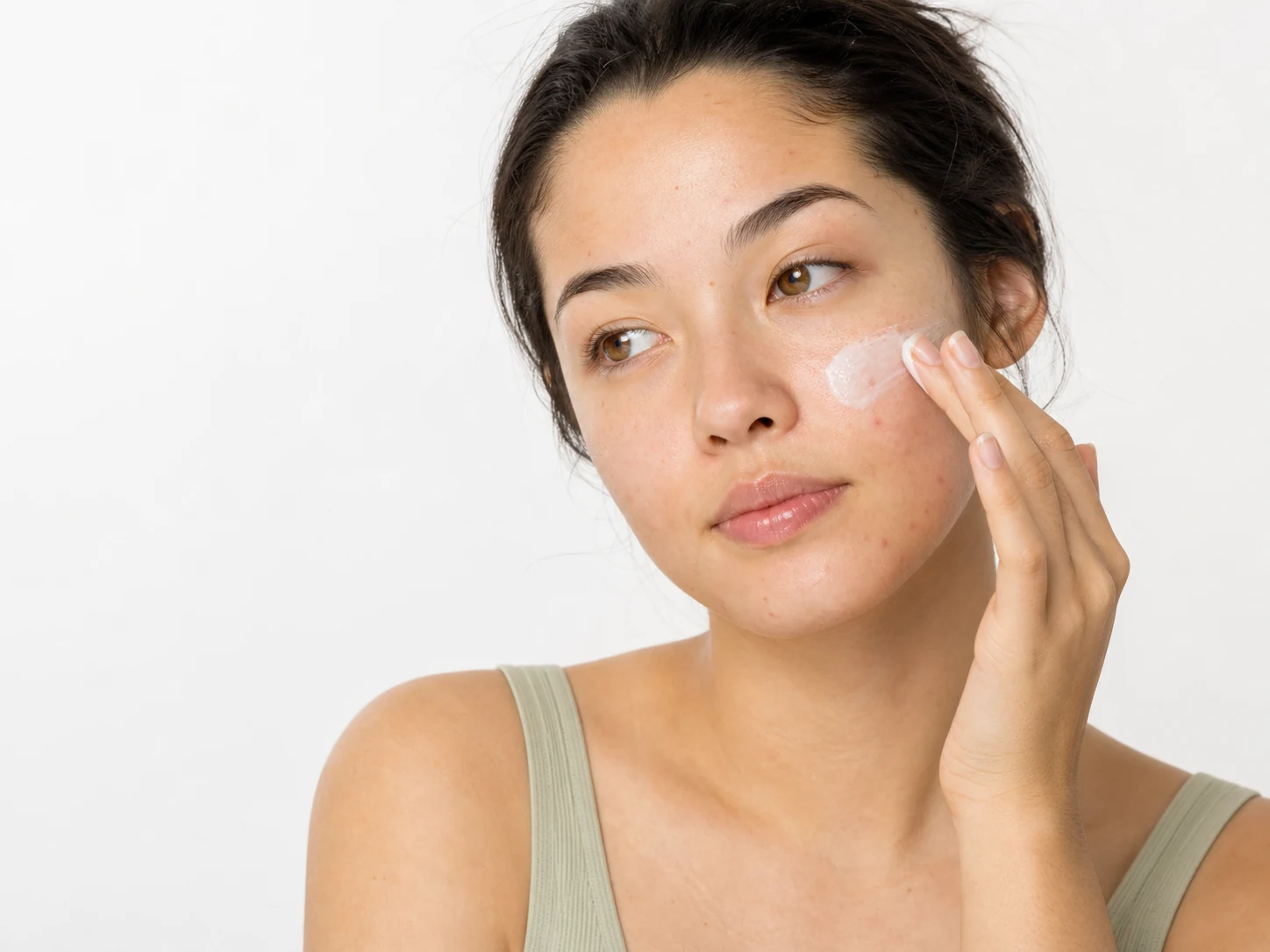
The trick is to give each area what it needs without causing conflict.
How
The goal isn't to become insensitive - it's to understand what triggers the reaction and avoid it.
Sensitive skin is a demanding companion. It reacts to things that other skin types don't even notice - a new ingredient, a change in weather, a product with fragrance. Caring for sensitive skin is less about achieving perfection and more about avoiding problems before they start.

How
The real goal isn't to eliminate oil entirely - it's to reduce the overproduction that makes oily skin feel like a problem.
How
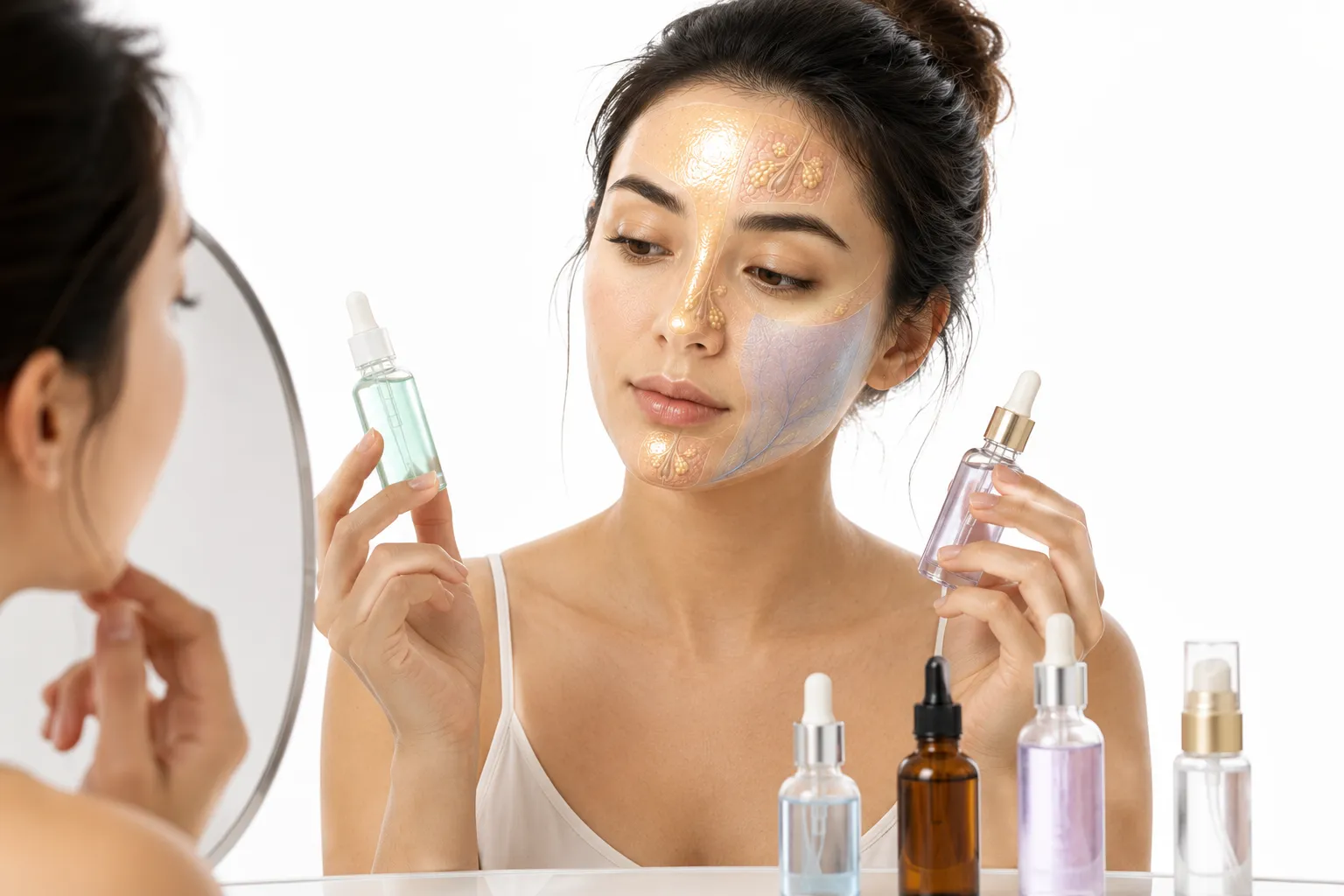
The wrong serum will either clog the T-zone or fail to hydrate the cheeks. The right one manages to do both.
Serums are the heavy lifters of the skincare routine - they deliver concentrated active ingredients where they matter most. But for combination skin, choosing the right serum means finding an ingredient that addresses both the oily T-zone and the dry cheeks without making either worse.
How
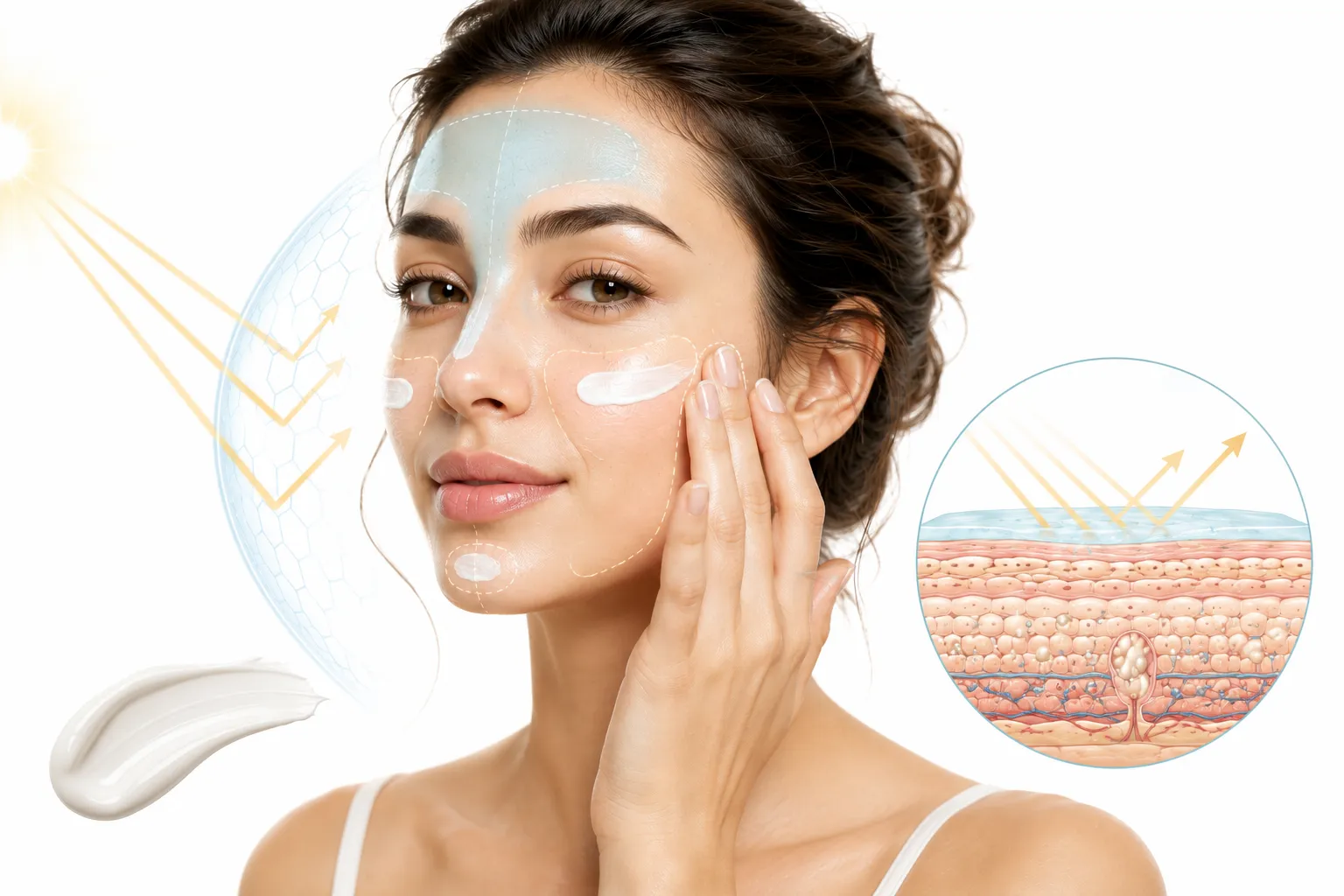
The right sunscreen is out there, but it's often hidden among a sea of products that just don't quite work for both zones.

How
The skin on your legs is just as real as the skin on your face, with the same barrier function and the same need for proper care.
How
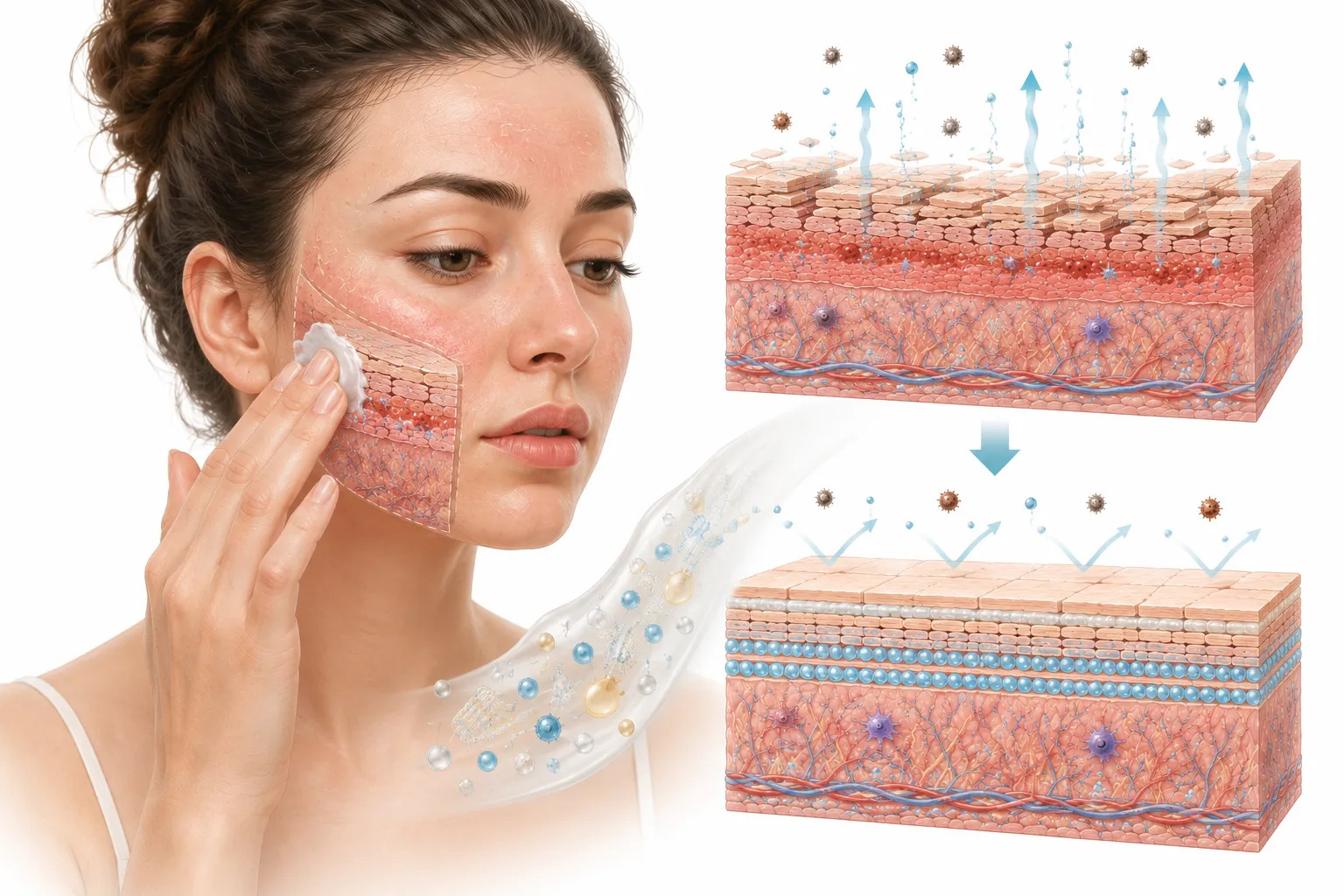
The key to exfoliating sensitive skin is rethinking the approach entirely - less is more, gentleness is everything, and chemical is often better than physical.
How
Sensitivity, breakouts, and a sudden intolerance to products you've used for years are all signs that your barrier needs attention.
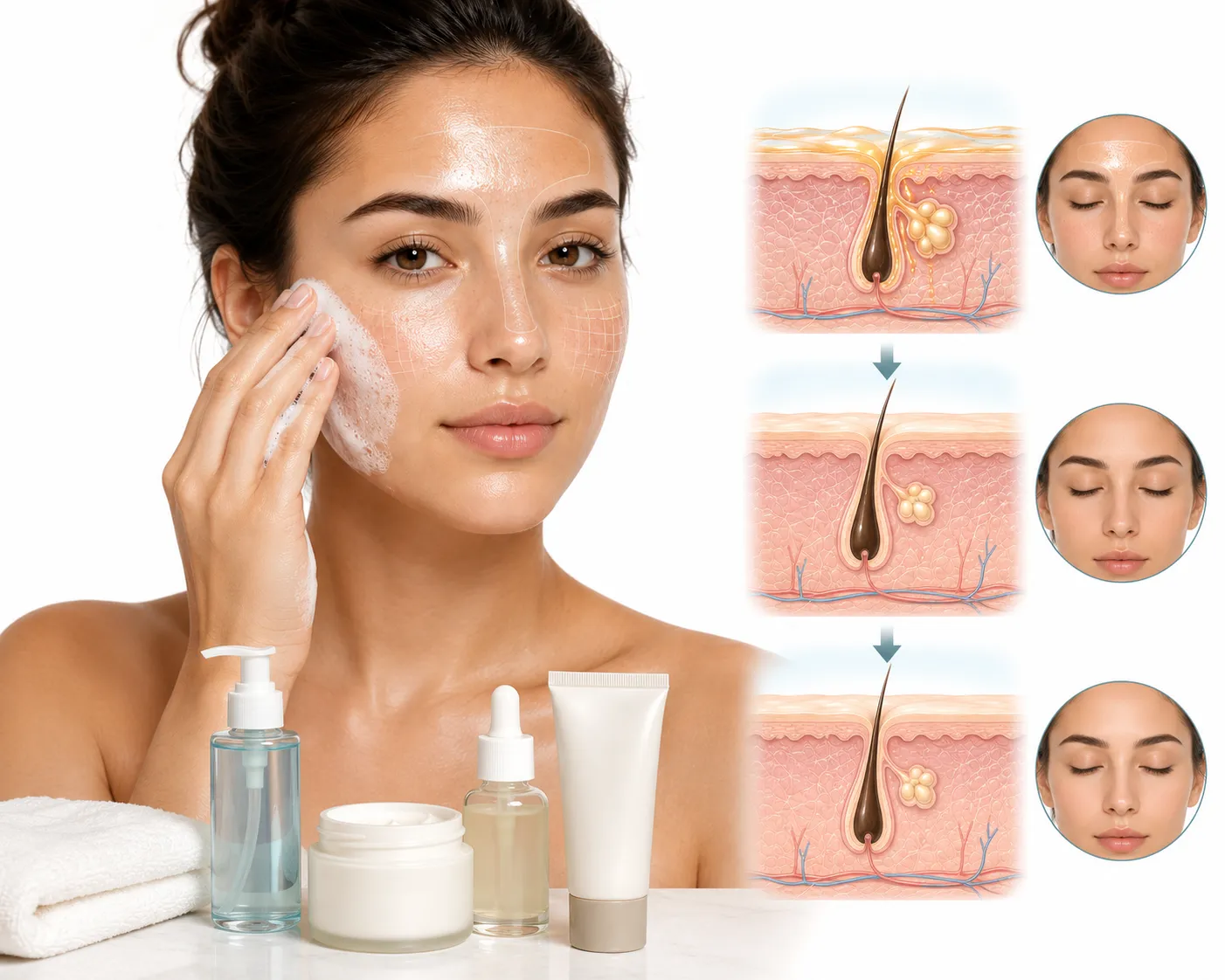
A damaged skin barrier is one of the most common yet misunderstood skin conditions. It's the underlying cause of most persistent sensitivity, and it's often misdiagnosed as other conditions. The good news is that barrier damage is almost always repairable with the right approach.
How
The solution isn't to make your skin choose one identity - it's to give each zone the care it actually needs.
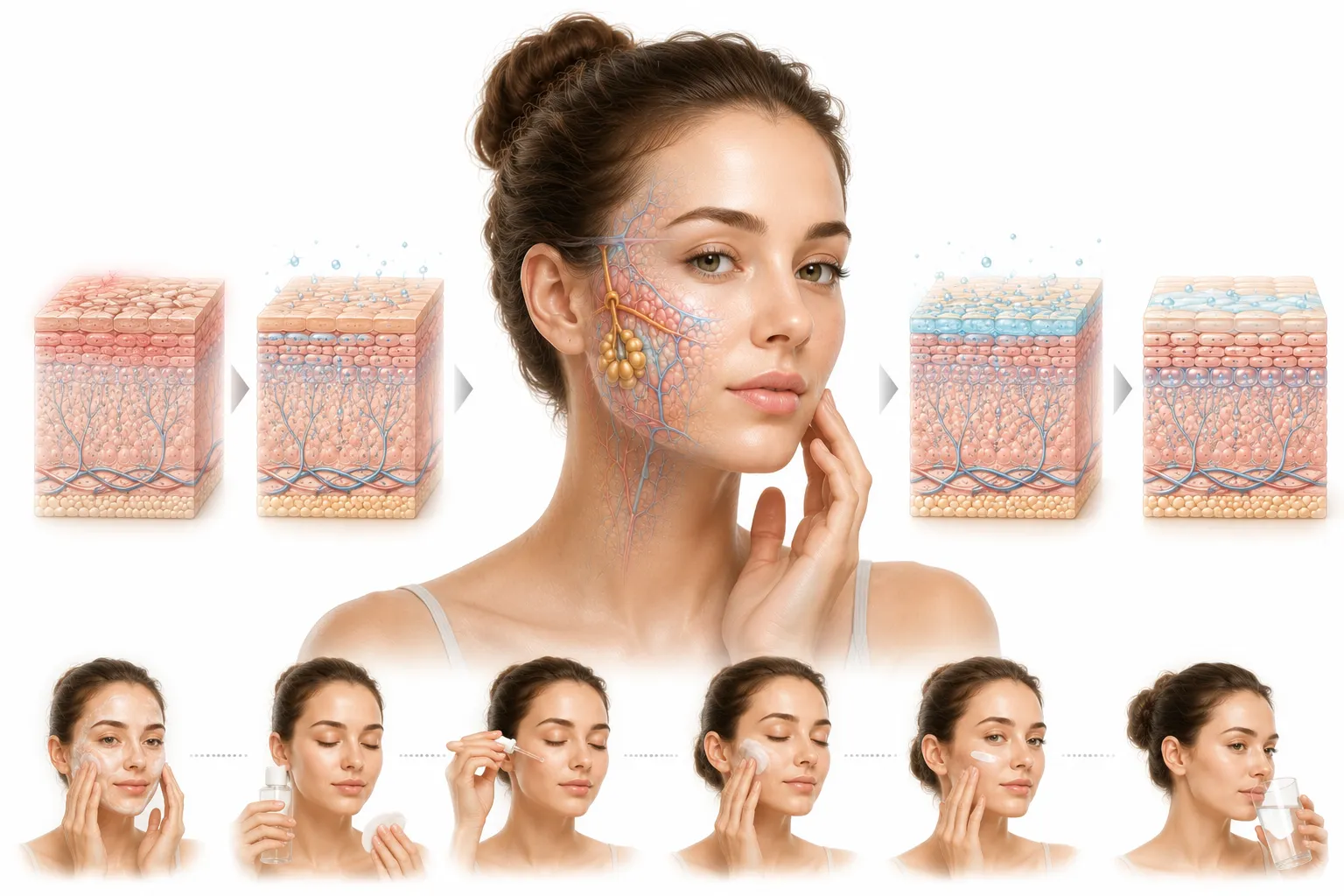
Combination skin is the Janus-faced skin type - one face, two different needs. The T-zone tends toward oiliness while the cheeks run dry, creating a daily balancing act that can feel impossible. But "fixing" combination skin isn't about making both zones the same - it's about giving each one exactly what it needs.
How
But normal skin isn't a starting point - it's the result of consistent, balanced care over time.

How
It's such a small area, but it's also one of the most mobile and sensitive parts of your face, making it a hotspot for dryness.

How
The good news is that facial dryness is one of the most treatable skin concerns, provided you understand what's causing it.
Dry skin on the face is one of those problems that can feel both visible and frustrating. But with the right approach, you can treat it effectively and prevent recurrence.

How
By the time dry skin on your feet becomes painful, you've probably ignored it for a while - but fixing it isn't as hard as you think.

How
The desire to get rid of it fast is understandable, and while you can't make it vanish in an hour, you can significantly speed up the process.

How
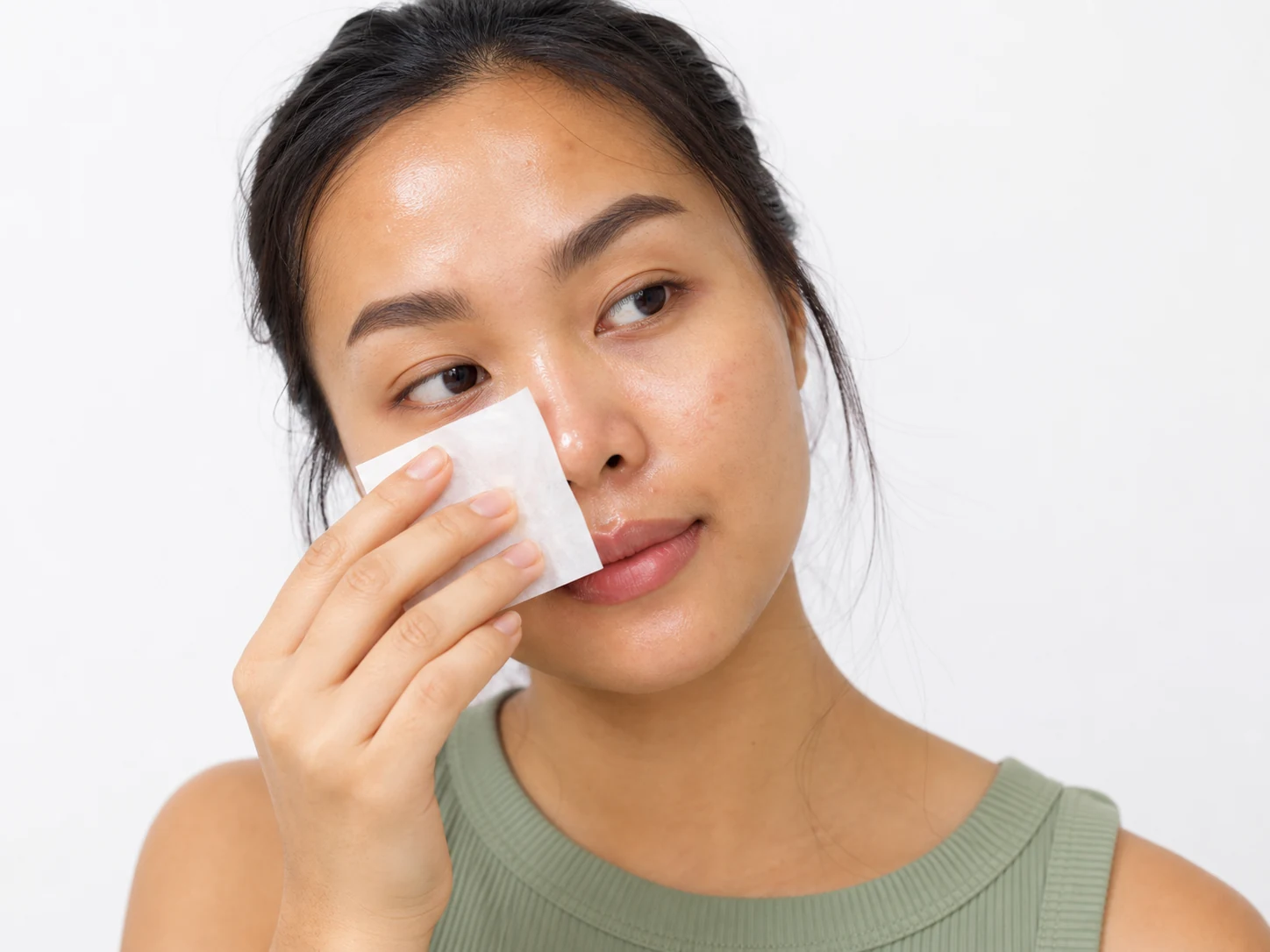
Melasma pigment lives deep enough in the skin, and is driven by enough different triggers, that quick fixes simply don't exist. The treatments that actually work take time, consistency, and ongoing maintenance.
How
But the most effective strategy often works against your instincts - instead of stripping oil, you need to work with your skin's natural biology.
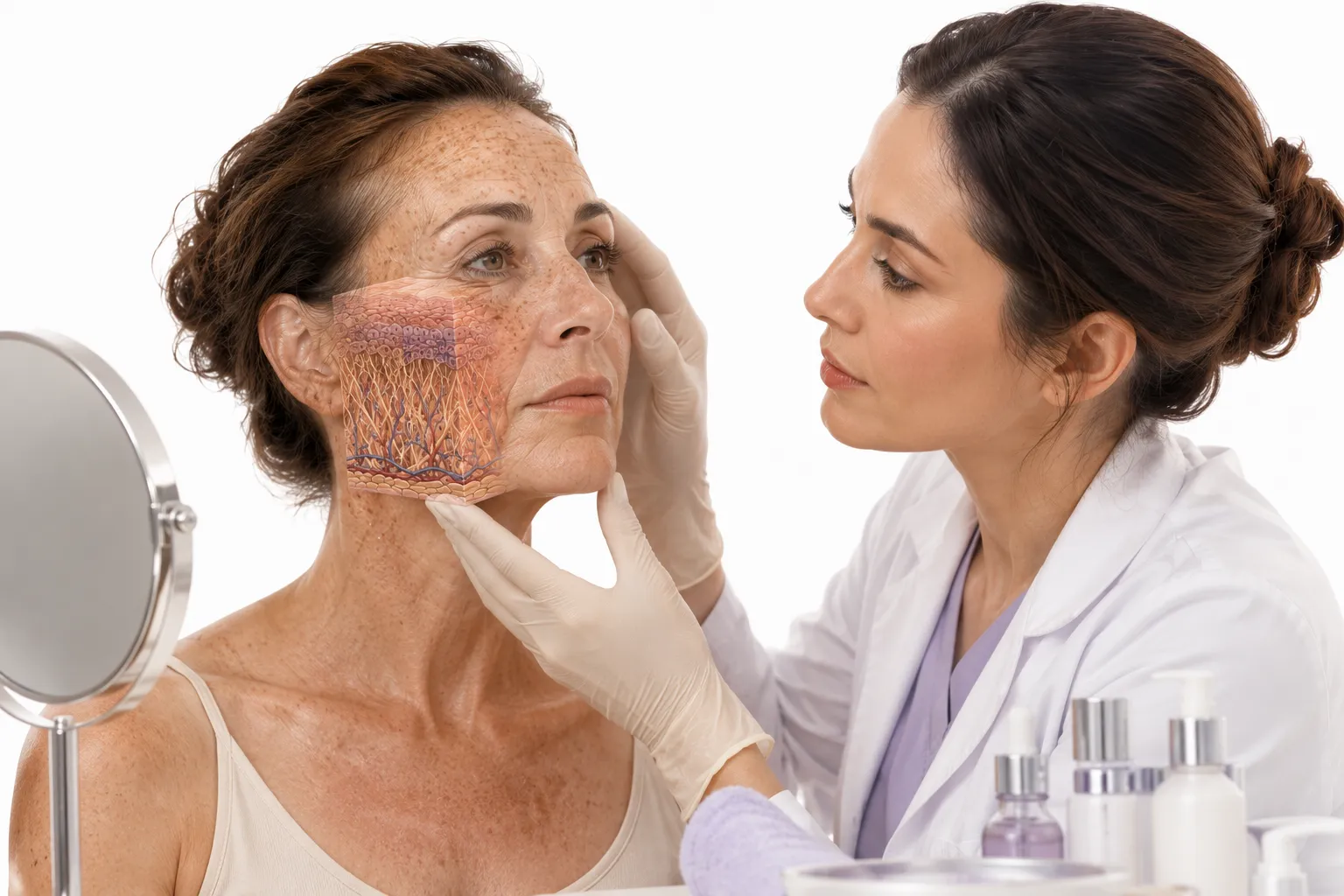
Oily skin is one of the most common skin concerns, and it's also one of the most misunderstood. The key to managing it isn't stripping away oil - it's finding the right balance.
How
The surprising thing is that even severe damage can be improved, but it requires a commitment to professional treatments and a long-term approach.
How
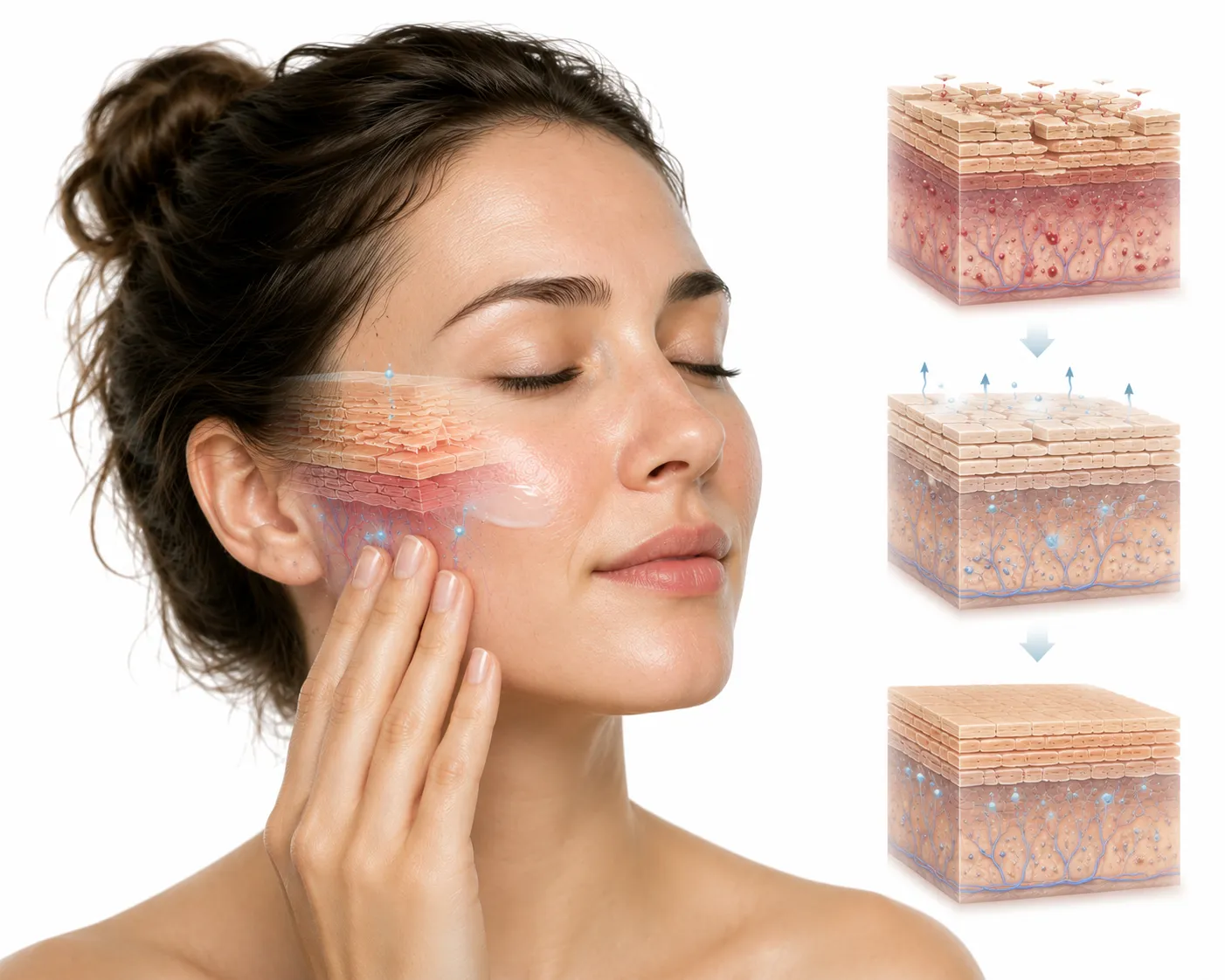
The good news is that the barrier is remarkably resilient, and with the right support, it will heal.
How
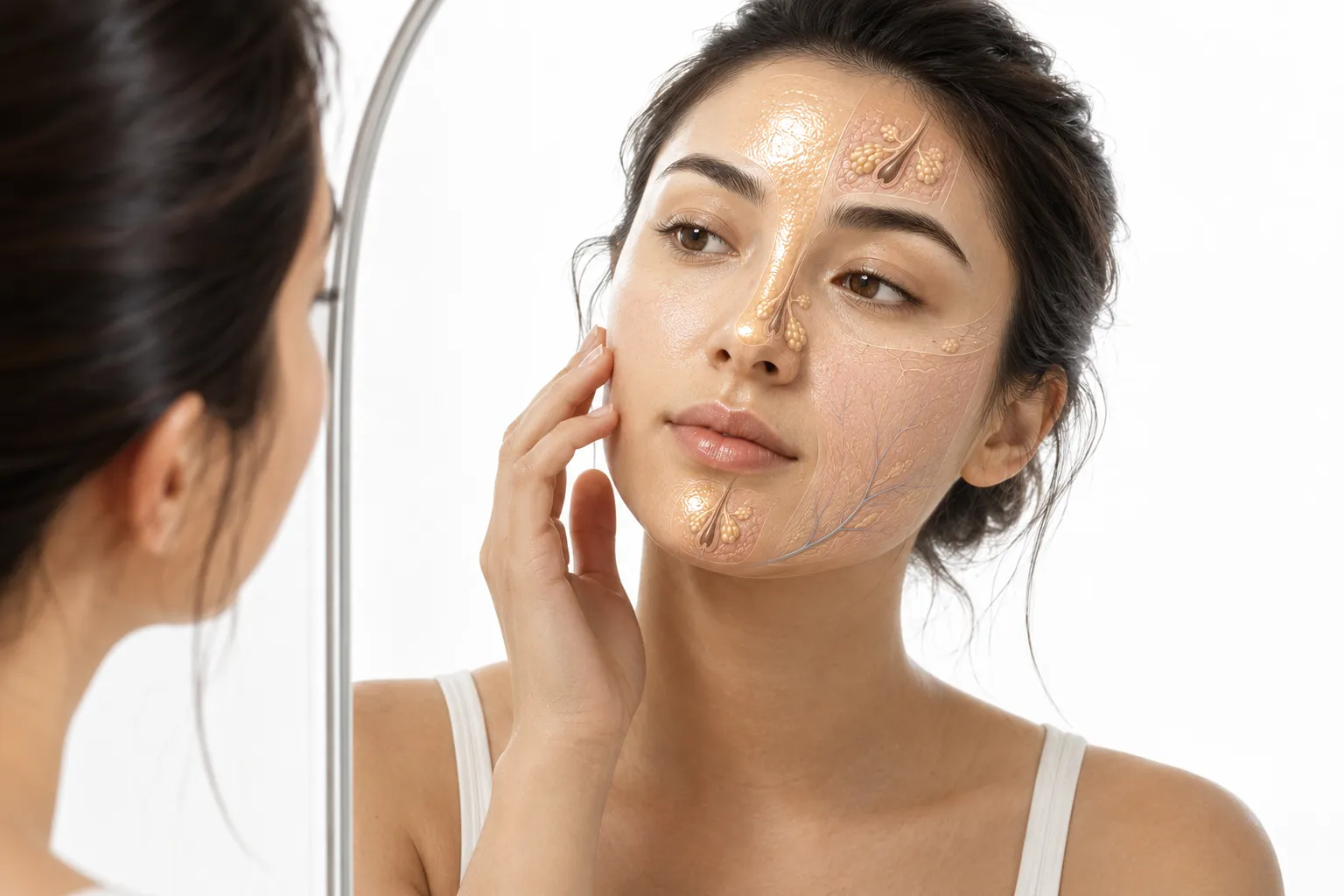
But because it's a mix of different types, it's also the most frequently misdiagnosed.
How
Normal skin is so rare that most people don't believe it exists, and those who have it don't realize how unusual it is.
Normal skin is the rarest skin type, and people who have it often don't realize it. Learning to identify it can help you understand why your skin behaves the way it does.
How
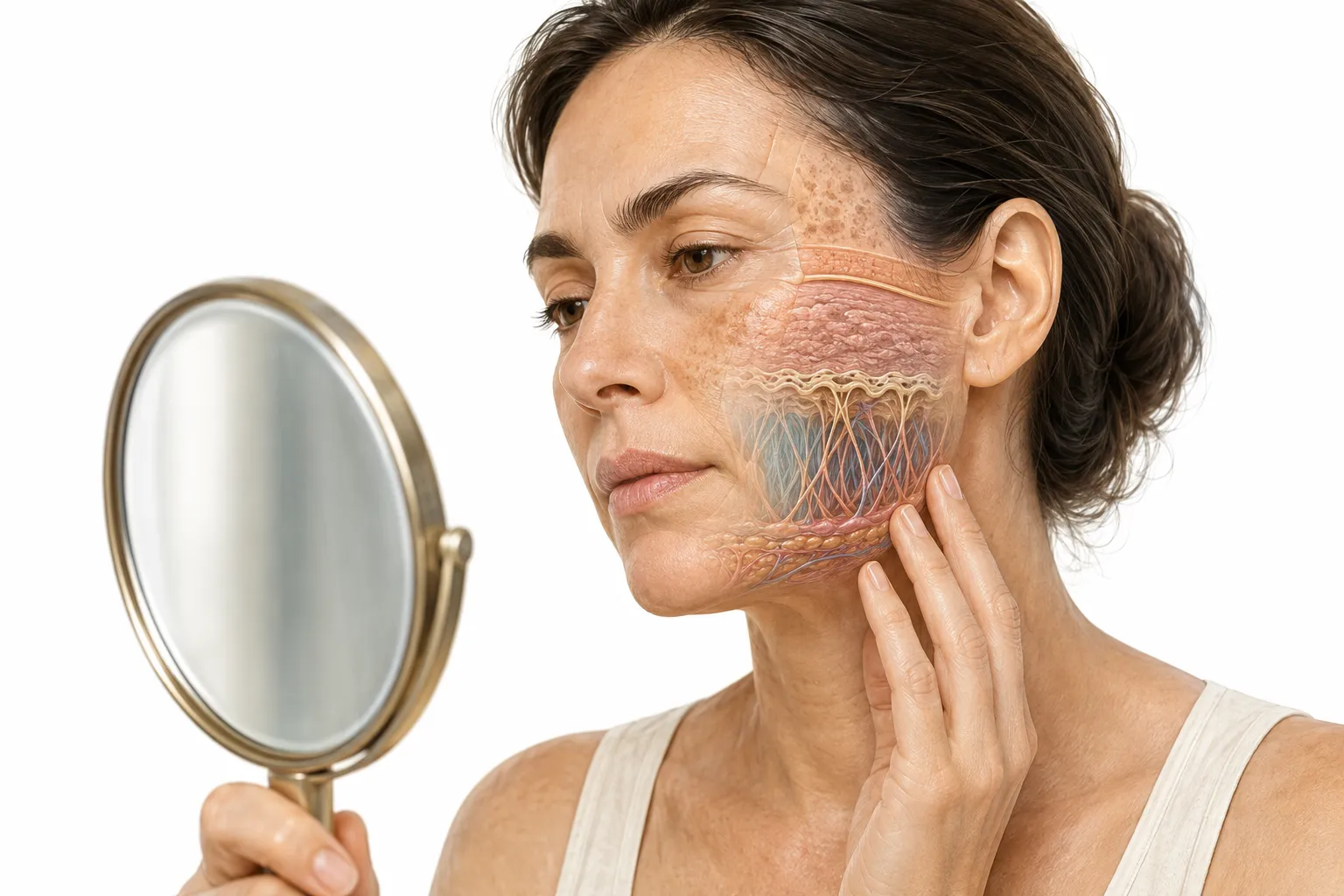
The surprising thing is that many people have sun damage without realizing it, because they've been misattributing the signs to natural aging.
How
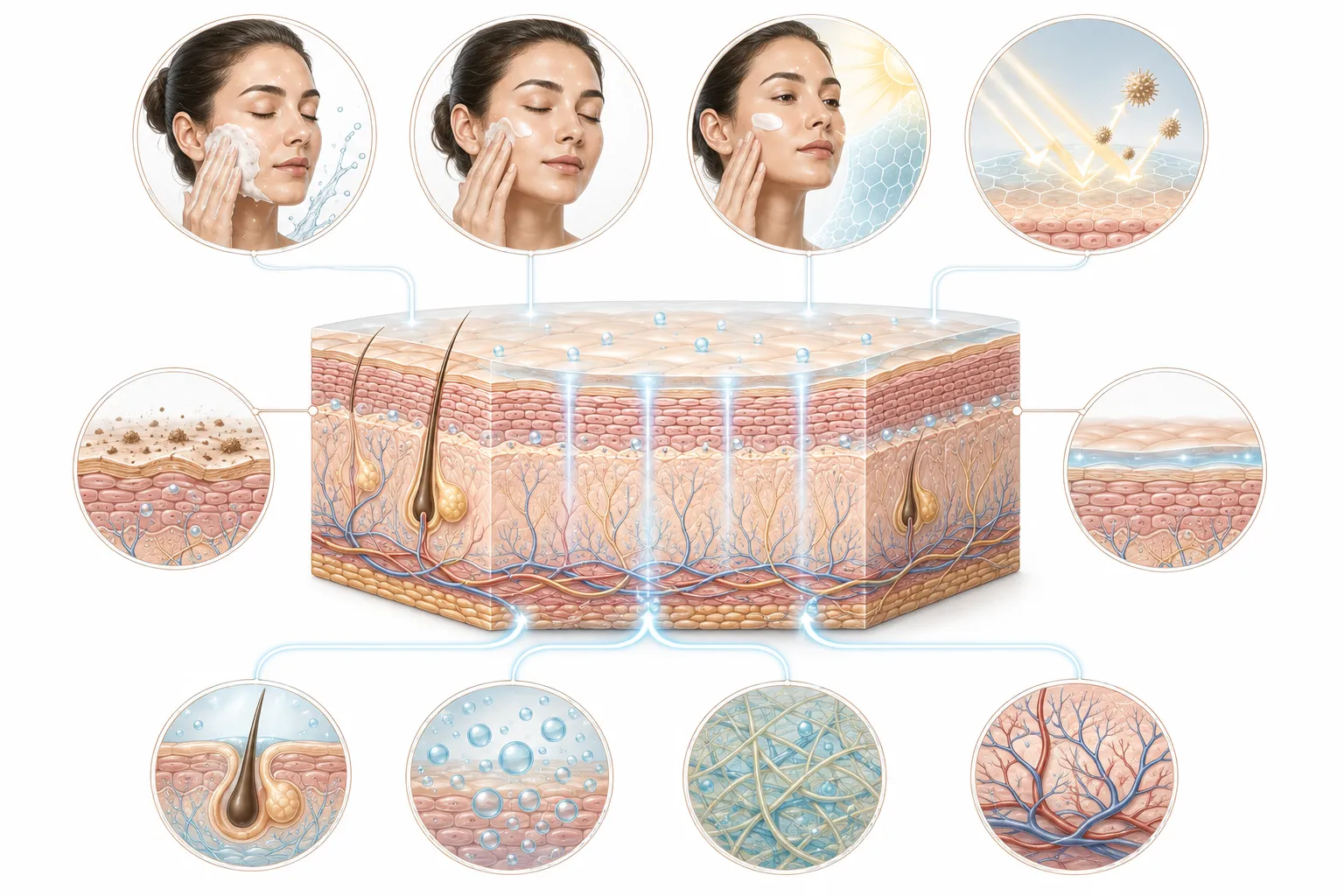
But niacinamide is a subtle ingredient - the signs of success are often about what you stop seeing (redness, irritation, excess oil) rather than dramatic transformations.
How
Normal skin is the easiest skin type to care for, but it's also the easiest to neglect because it doesn't demand attention.
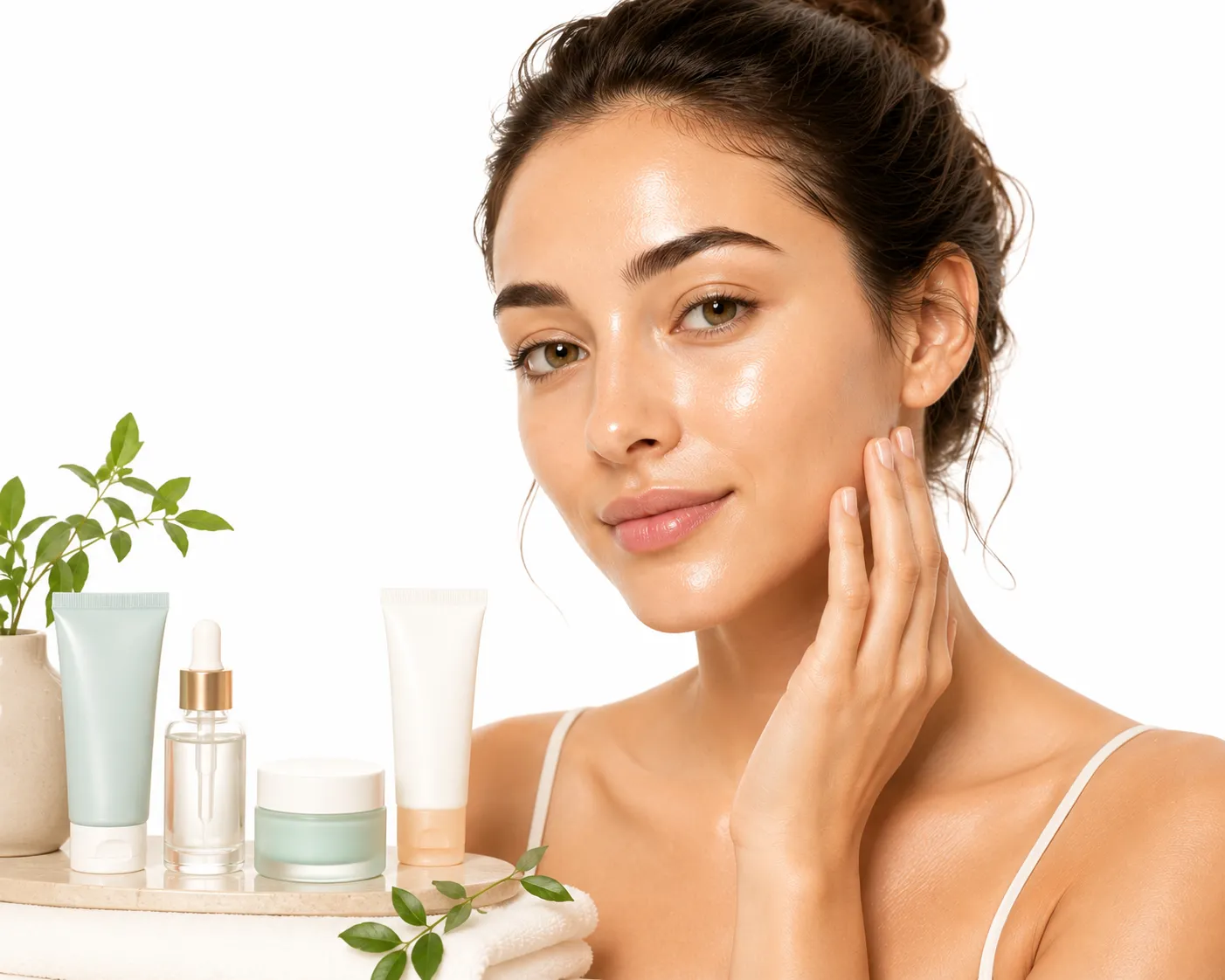
Normal skin is a gift, but it's not a free pass. Like any well-functioning system, it needs regular maintenance to stay that way. The good news is that the routine is refreshingly simple.
How
The key is understanding that combination skin needs different things in different areas - but the result can be a unified, radiant complexion.
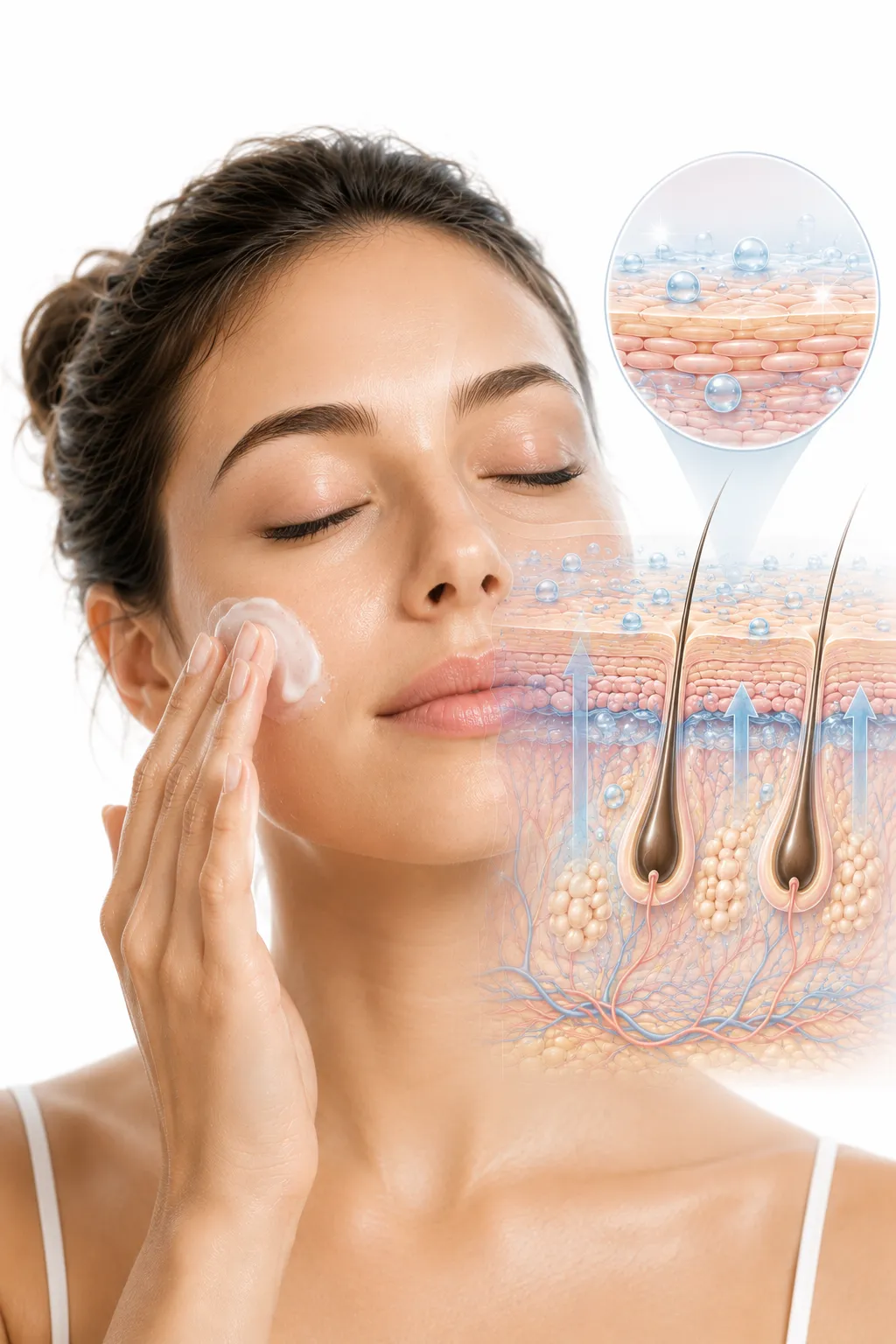
Combination skin presents a unique challenge for achieving a glow - the T-zone doesn't need help with shine, but the cheeks often do. The trick is finding the right balance.
How
But here's the thing: dry skin is a type, not a fixed state. With consistent care, it can shift toward balance.

How
The way you apply moisturizer to your body matters as much as the product you choose.

How
And just as predictable as the rash is the way to prevent it: a few simple adjustments that cost nothing and require minimal effort.

How
The same principles that prevent heat rash on flat skin still apply, but the execution requires more attention to detail.
Skin folds are a perfect storm for heat rash: trapped heat, trapped moisture, and friction combine to create ideal conditions for blocked sweat ducts. Preventing heat rash in these vulnerable areas requires a slightly different approach.

How
Hard water damage is cumulative and can be largely avoided with the right strategies, none of which require a major home renovation.

How
Removing dry skin from feet isn't just about aesthetics; it's about preventing painful cracks and maintaining overall foot health.
The skin on your feet is thicker than anywhere else on your body - and it has to withstand more friction and pressure. When it gets dry, it's not just uncomfortable; it can lead to cracking.
How
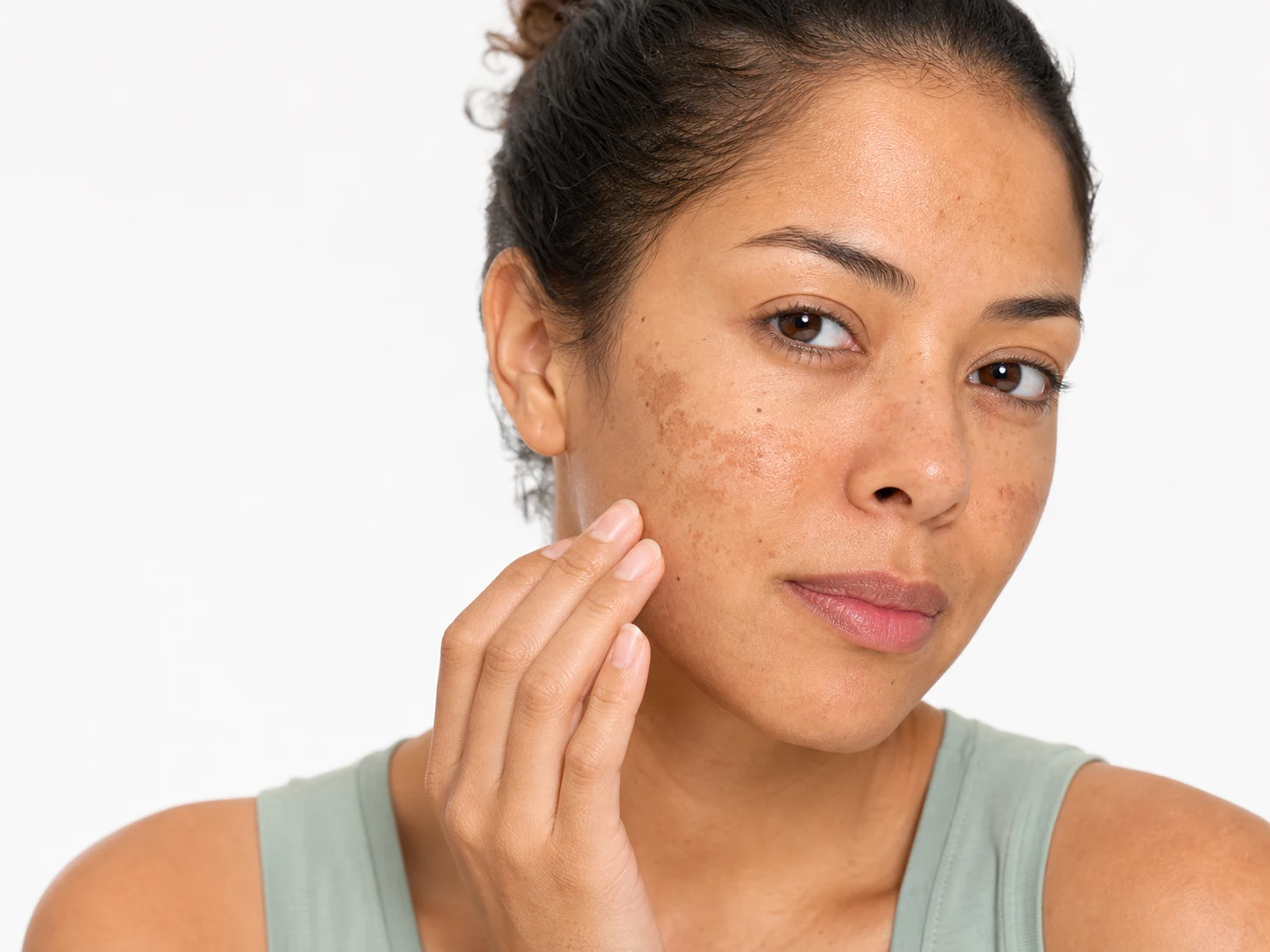
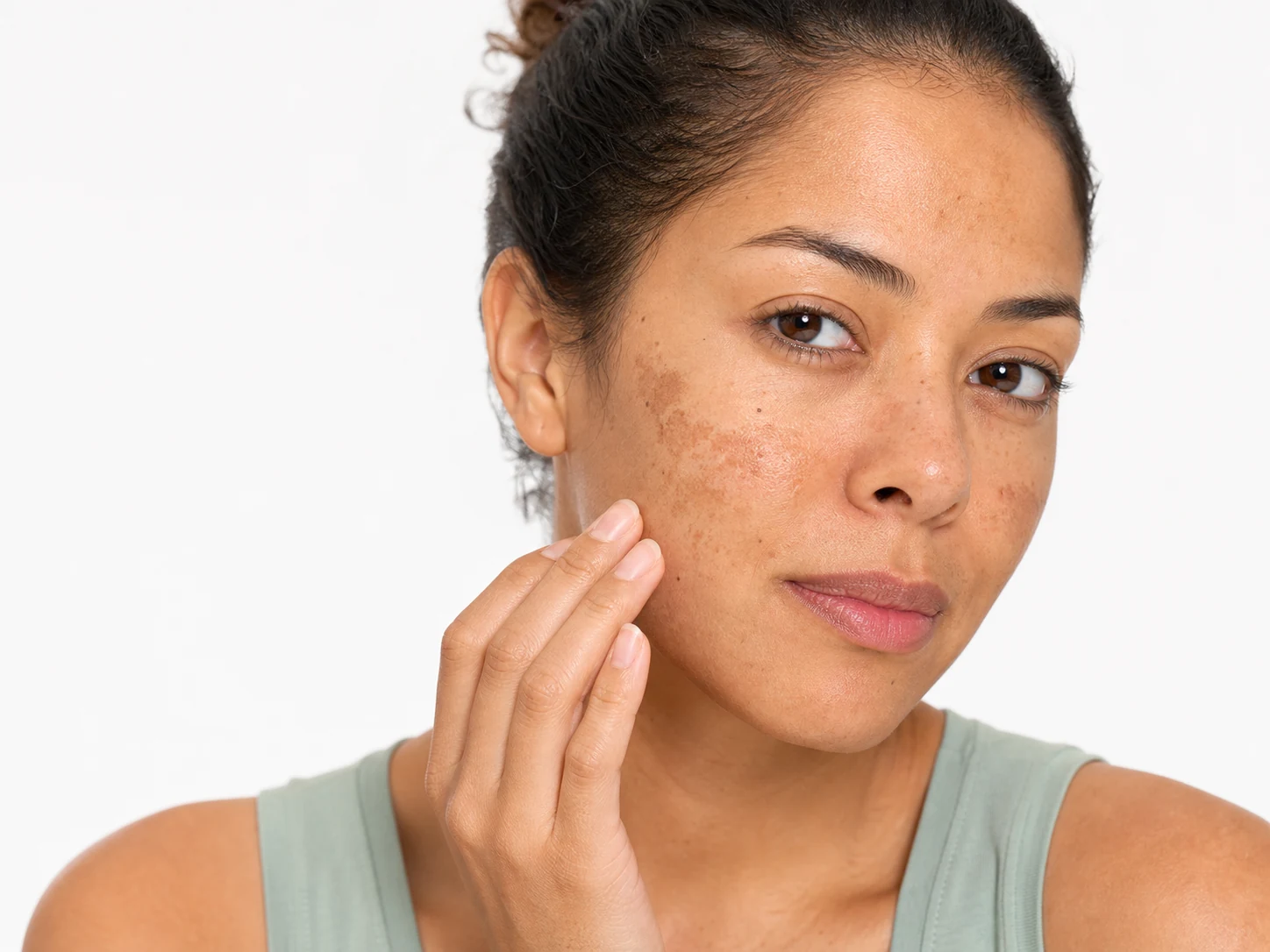
The area around your mouth is delicate, prone to irritation, and often a sign of hormonal pigmentation. Treating it requires a gentle but consistent approach.
How
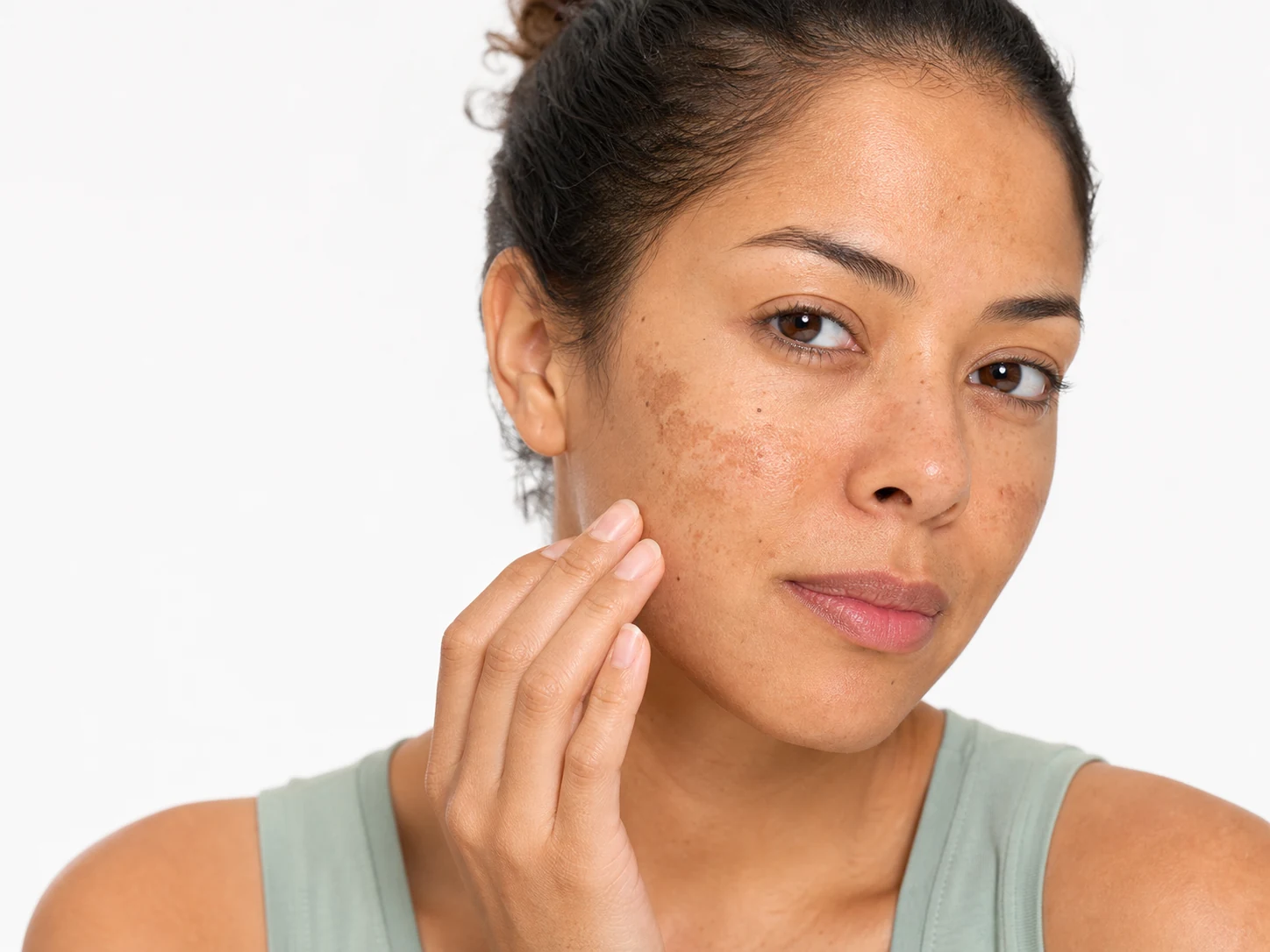
But when it comes to hyperpigmentation, "natural" doesn't always mean "effective." Some natural ingredients work beautifully; others are just folklore.
The natural skincare aisle is full of promises, but not all of them deliver. Some natural ingredients genuinely help with hyperpigmentation - others are just marketing. Here's what actually works.
How
Treating facial hyperpigmentation requires an approach that's gentle enough for delicate facial skin but effective enough to fade stubborn pigmentation.
How
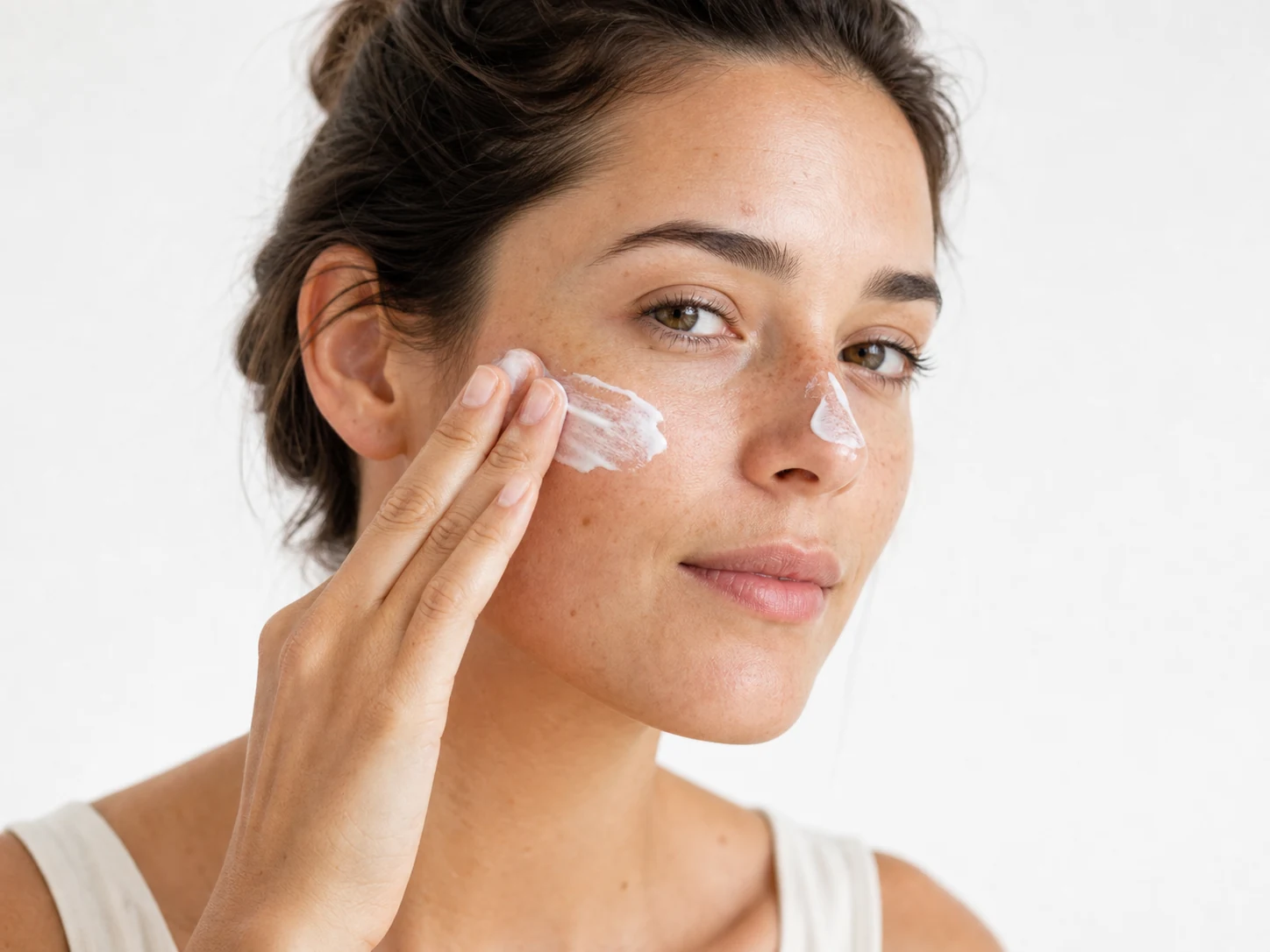
Fast relief for dry skin is possible, but it requires the right combination of ingredients and application techniques.

How
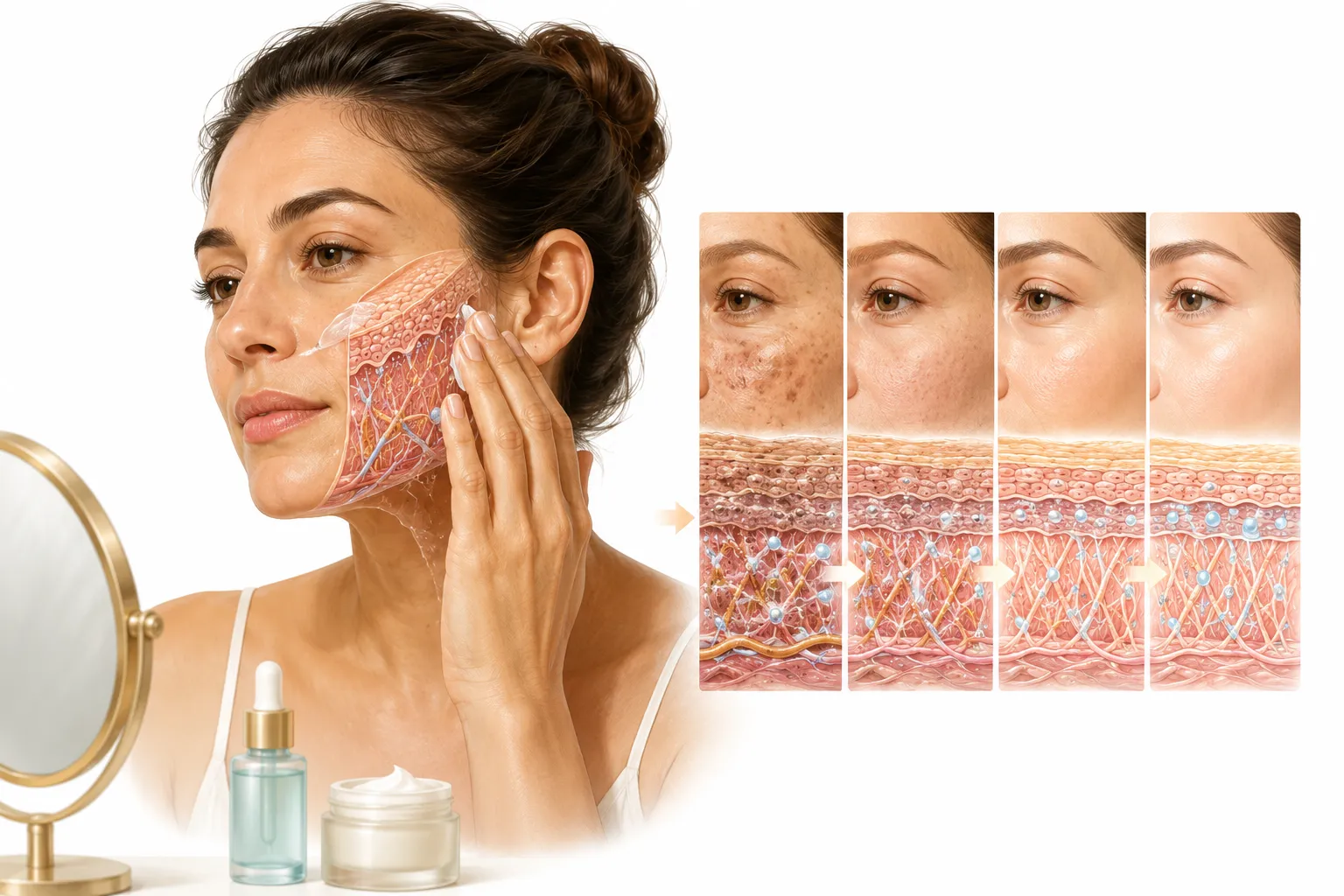
The good news is that hard water damage is almost always reversible. The bad news is that just slapping on more moisturizer won't cut it.
How
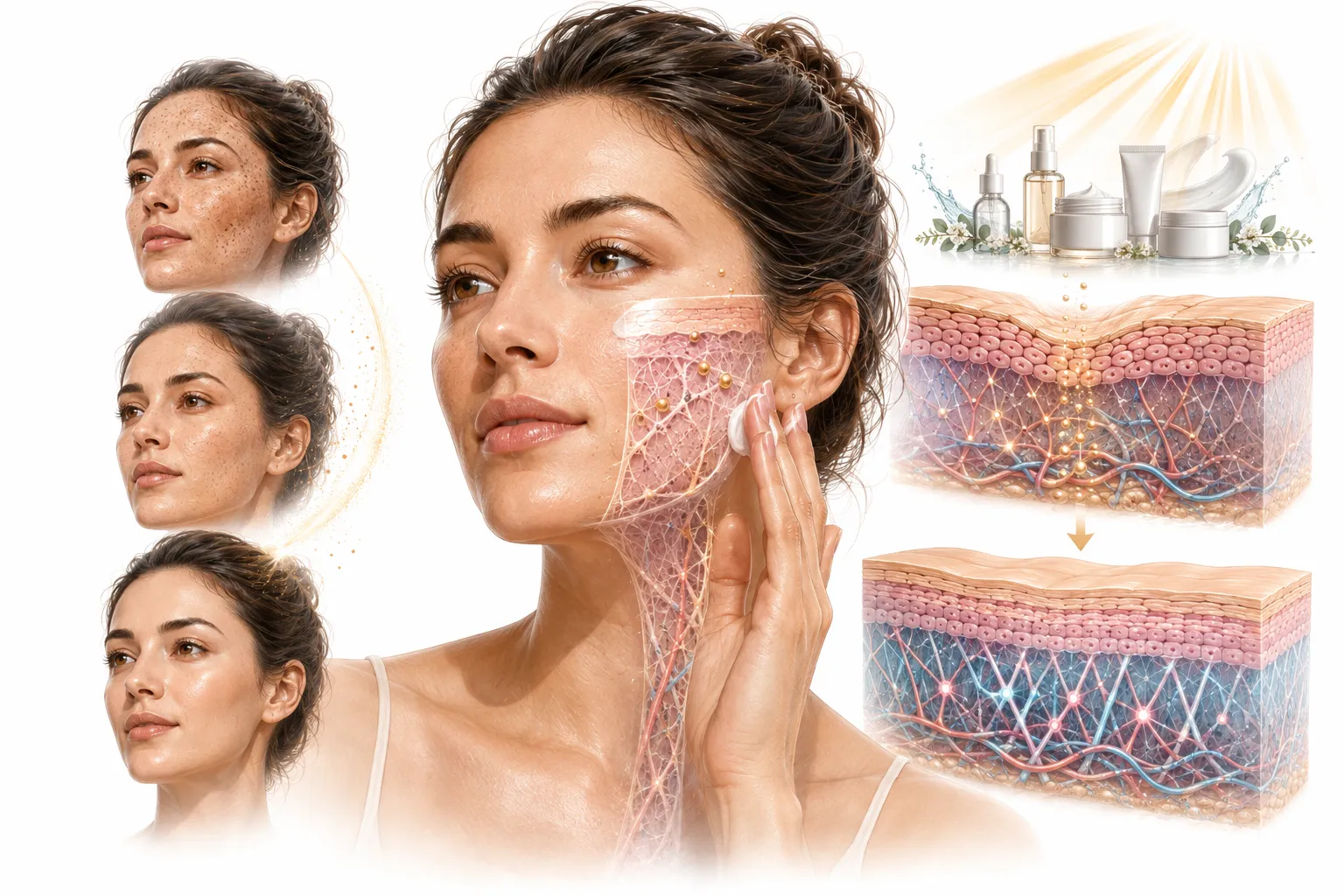
The surprising thing is that the skin's own repair mechanisms are often robust enough to make a visible difference with the right support.
Sun-damaged skin is not a permanent condition. With the right approach, you can improve its appearance and health. The skin has a remarkable ability to repair itself, and with the right support, you can reverse some of the signs of photoaging.

How
The surprising thing is that some of the most effective natural compounds have become the basis for some of the most powerful clinical treatments.
The idea of repairing sun-damaged skin naturally has a powerful appeal. The body has its own repair systems, and the right nutrients and lifestyle habits can support them. While natural approaches are not a substitute for clinical treatments, they can be a valuable part of a holistic skin care strategy.
How
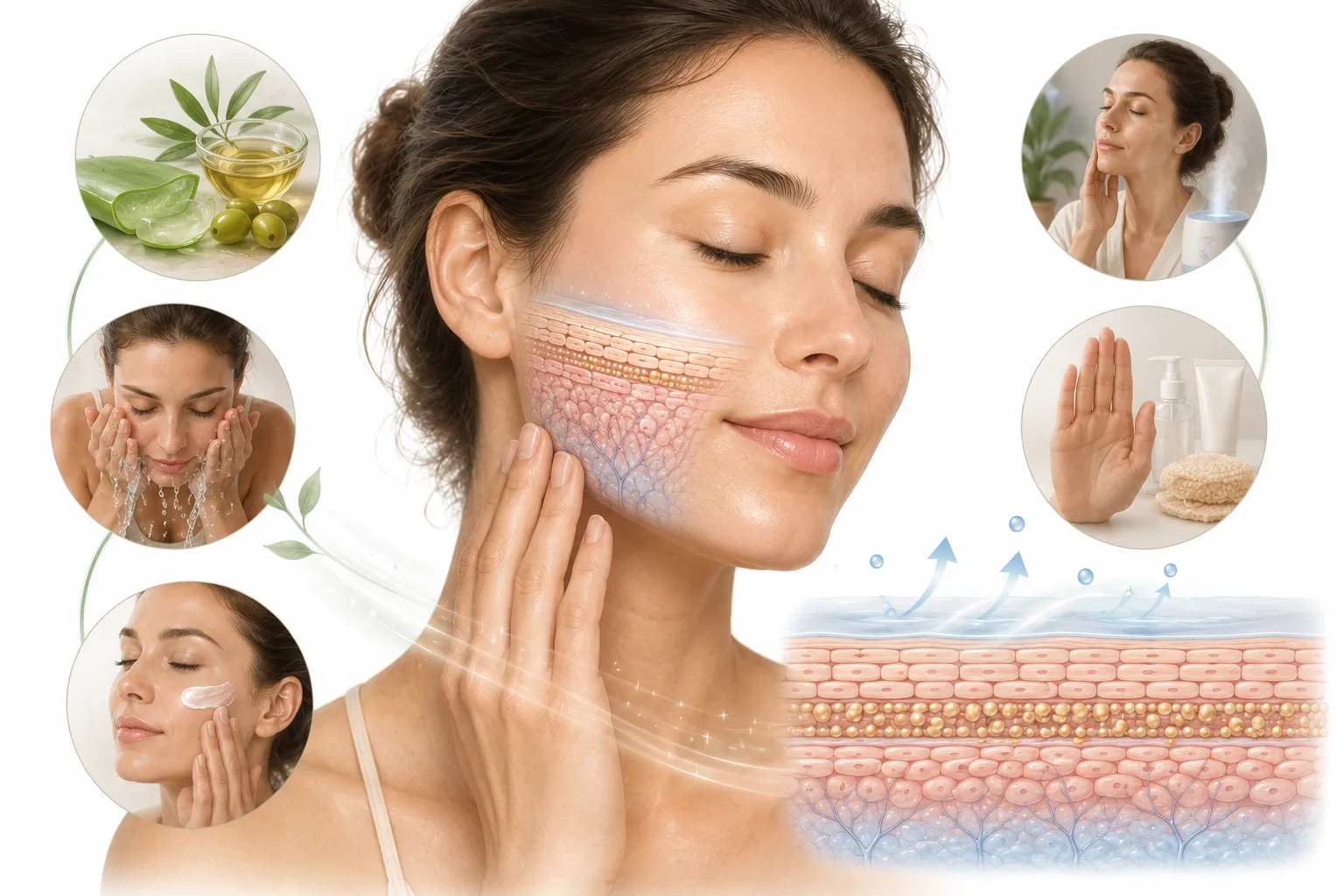
But the face is also the part of the body that responds most effectively to treatment - it's a canvas that can be restored with the right approach.
How
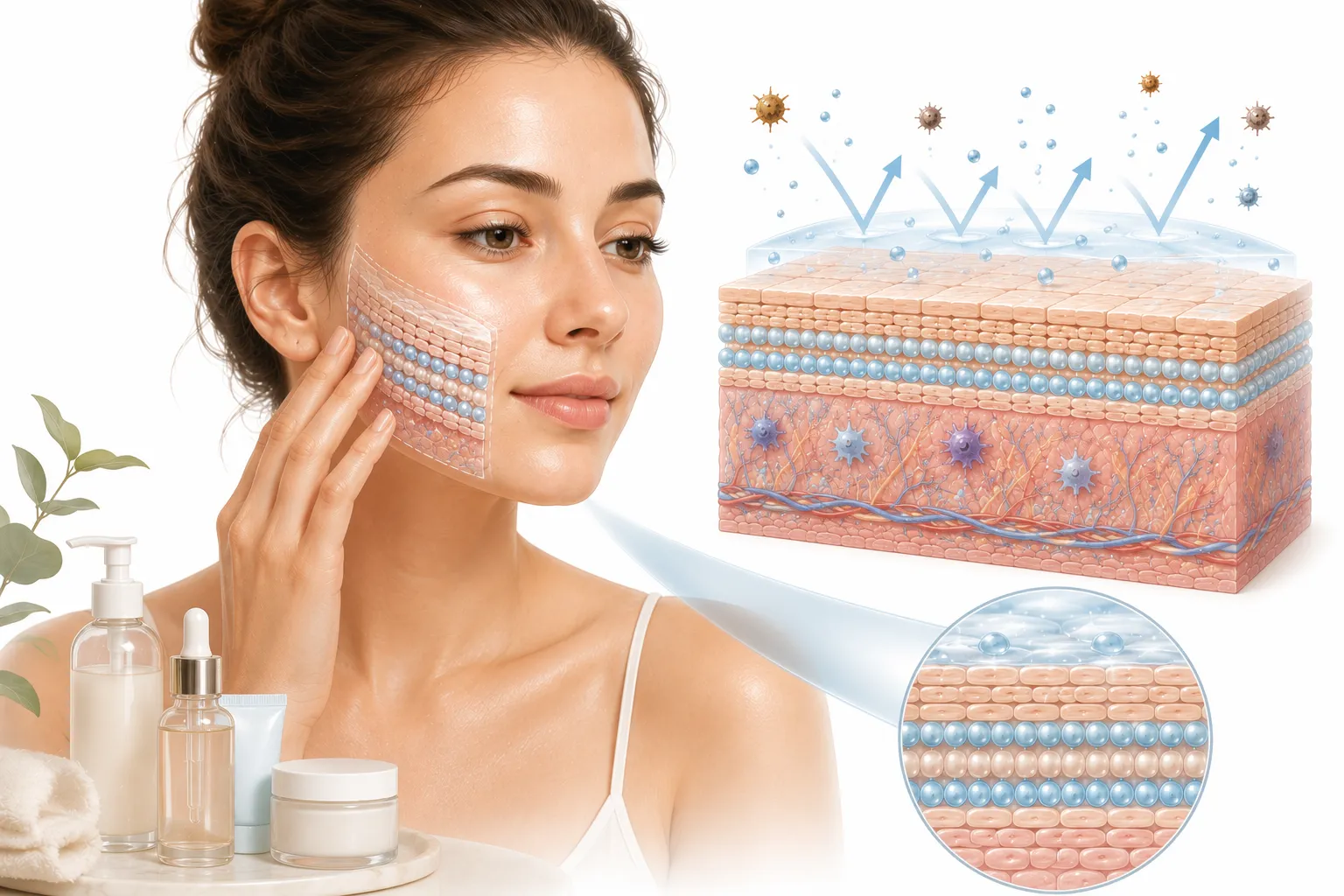
The skin barrier is designed to repair itself; it just needs the right raw materials and a favorable environment.
How
The goal of barrier-strengthening is to support the skin's natural structure and make it more resilient over time.
A strong skin barrier is the difference between skin that's resilient and skin that's reactive. Strengthening it isn't complicated - it's about consistency and the right ingredients.

How
But before you blame your cleanser or your moisturizer for your skin issues, it's worth figuring out whether the water itself is the culprit.
How
Some people's skin simply doesn't get along with it, and the reaction can be subtle enough to confuse with other issues.
How
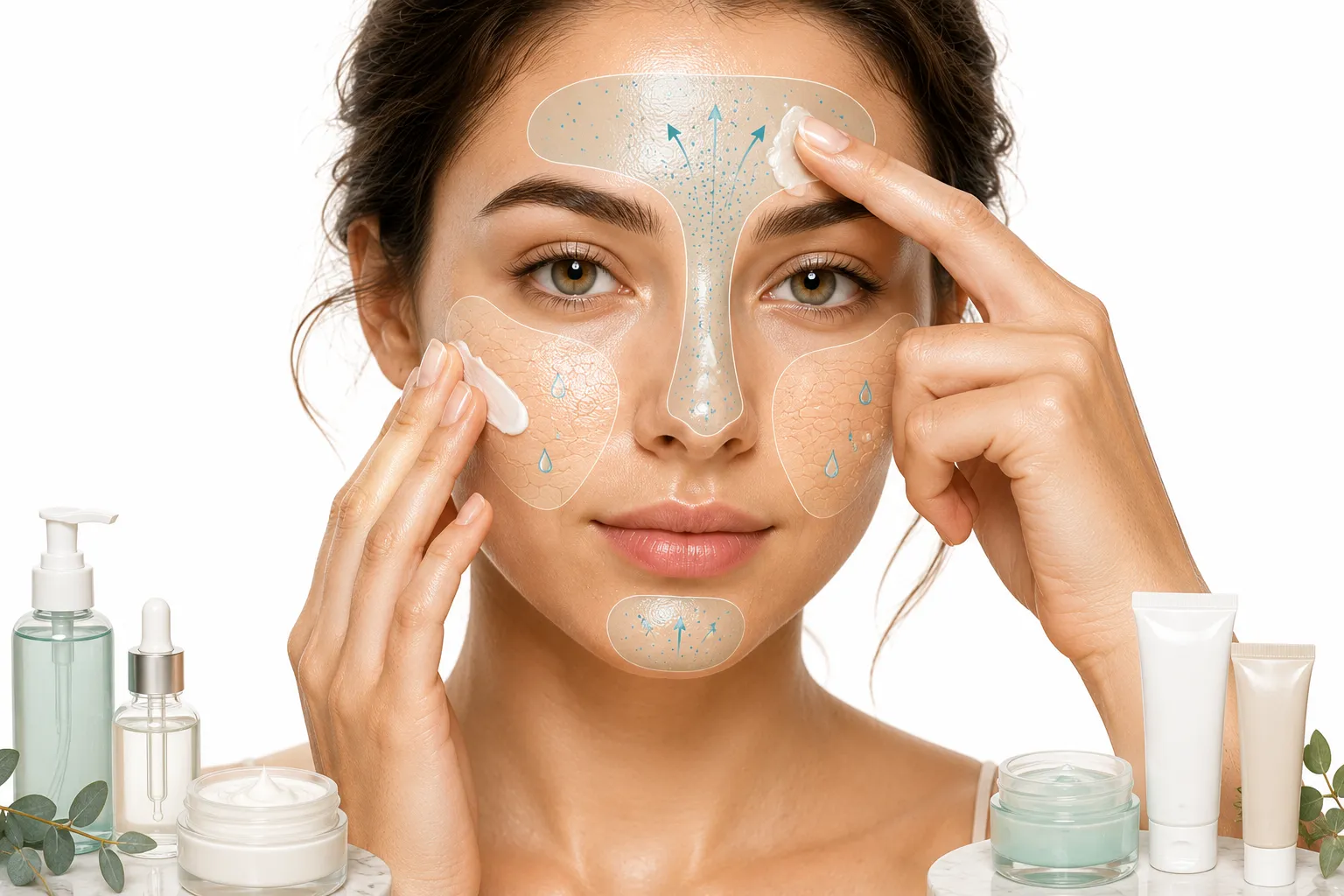
The challenge is that most skincare treats the face as a single entity, but combination skin requires a split-personality approach.

How
When it does complain - in the form of dryness, flaking, or irritation - it needs the gentlest possible treatment.
Treating dry skin around the eyes requires gentle care, moisturizing, and identifying the cause. Use a fragrance-free, hypoallergenic eye cream or moisturizer, avoid irritants, and consider a humidifier. The skin around the eyes is the thinnest on the face - treat it with extra care.

How
The skin is the largest organ, and it reflects your internal health as much as your external care.

How
Treating dry facial skin requires a gentler, more targeted approach than you might use on your body.

How
But with heat rash, the most effective treatments are often the least exciting ones. No creams, no potions, just getting cool and staying dry.

How
But some of the most effective remedies for heat rash are already in your kitchen or bathroom cabinet.
The best home treatments for heat rash are often the simplest: cool water, gentle drying, and a bit of patience. No elaborate remedies required, just common sense and a willingness to let the skin do its own healing.

How
They're warm, dark, and damp - exactly what a sweat duct needs to get clogged and cranky.

How
It looks like acne, feels prickly, and your usual products make it angrier, not better.
How
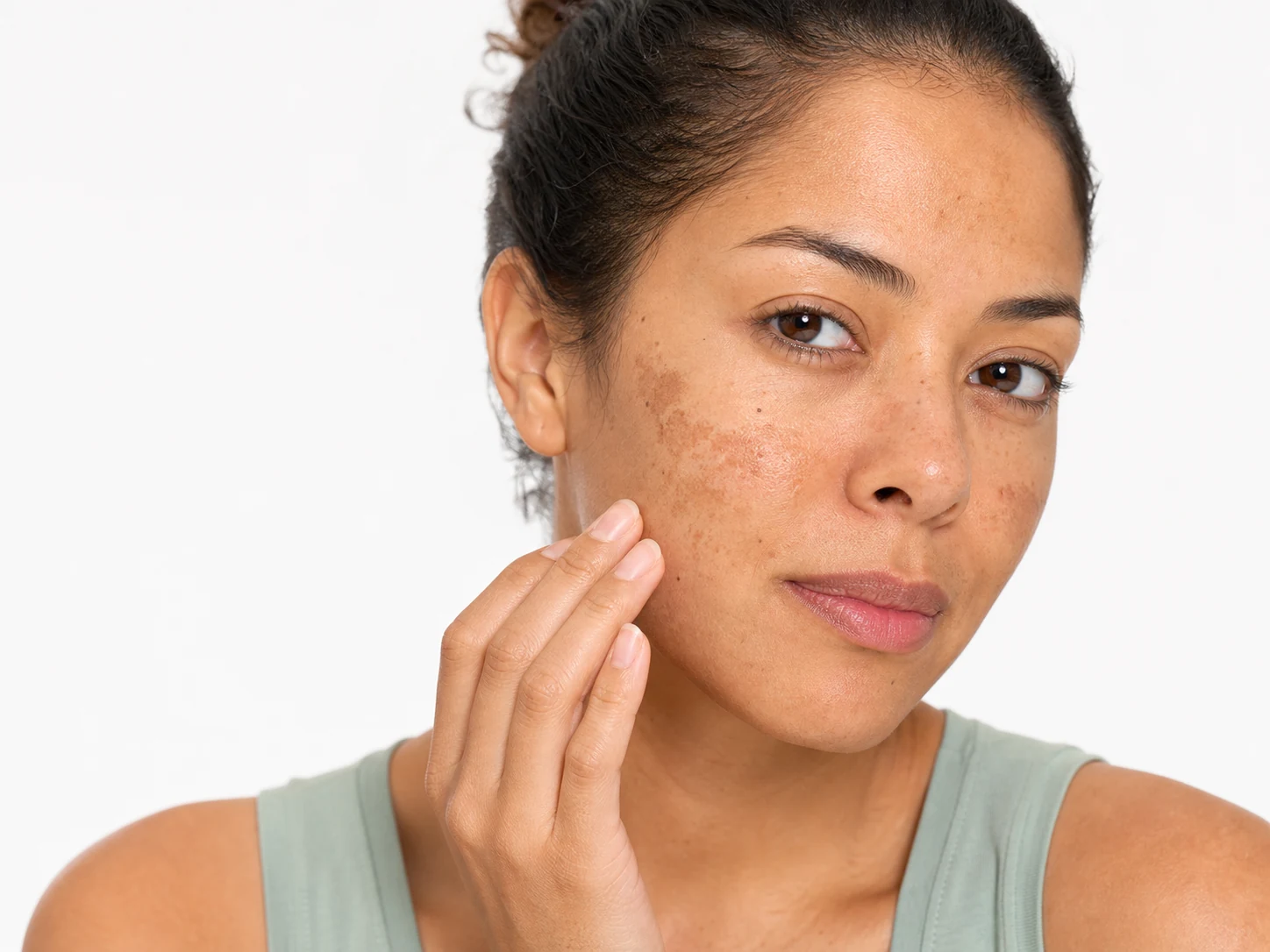
The problem isn't that hyperpigmentation is untreatable. The problem is that most people use the right ingredients in the wrong way, or the right ingredients in isolation, or the right ingredients without sunscreen.
Hyperpigmentation is stubborn, but it's not untreatable. The key is a combination approach - using the right ingredients, the right way, for the right amount of time.

How
But natural remedies have a blind spot: they can cause irritation and inflammation, which is exactly what triggers more melanin production in melasma-prone skin.
The internet is full of suggestions for treating melasma with lemon juice, potato slices, and hope. But natural doesn't mean harmless, and it doesn't always mean effective. Here's what actually has some evidence, what's just folklore, and what can make melasma worse.

How
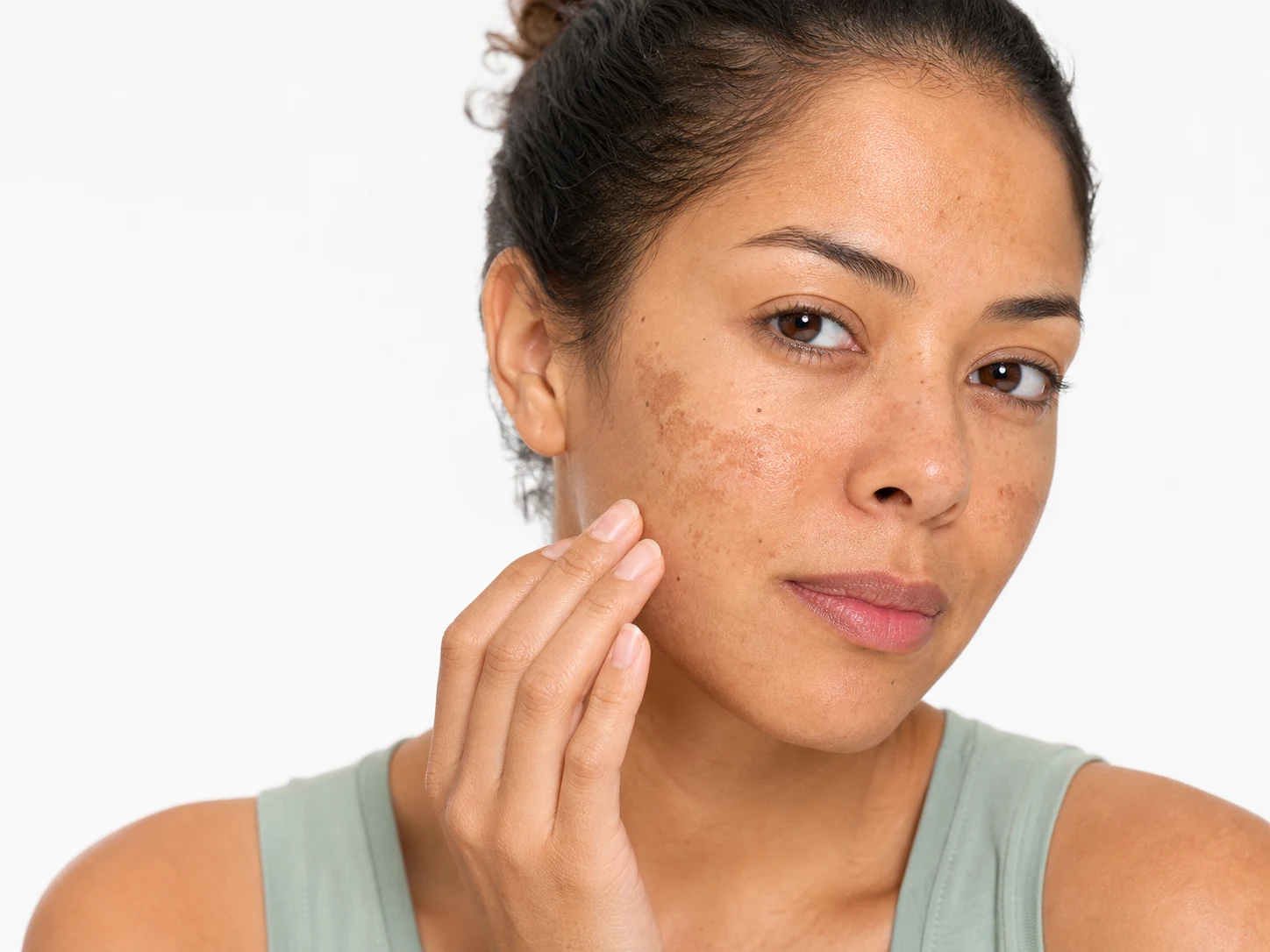
Unlike sunspots that live in the outer layers of skin, melasma pigment sits deeper and is triggered by a complicated mix of hormones, sunlight, and even heat.
How
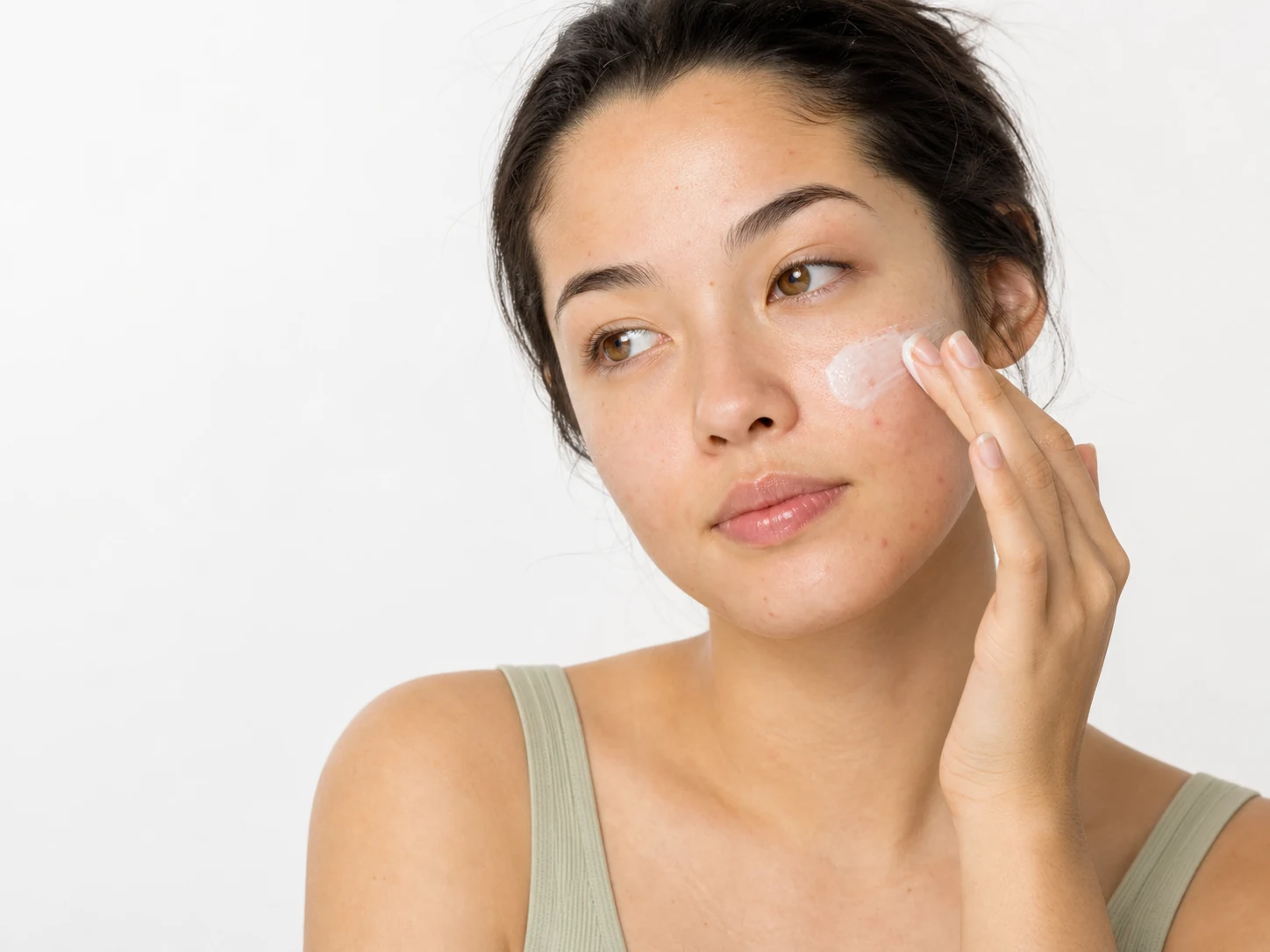
Post-inflammatory hyperpigmentation is the most common type of hyperpigmentation, and it has its own rules, triggers, and treatment challenges.
How
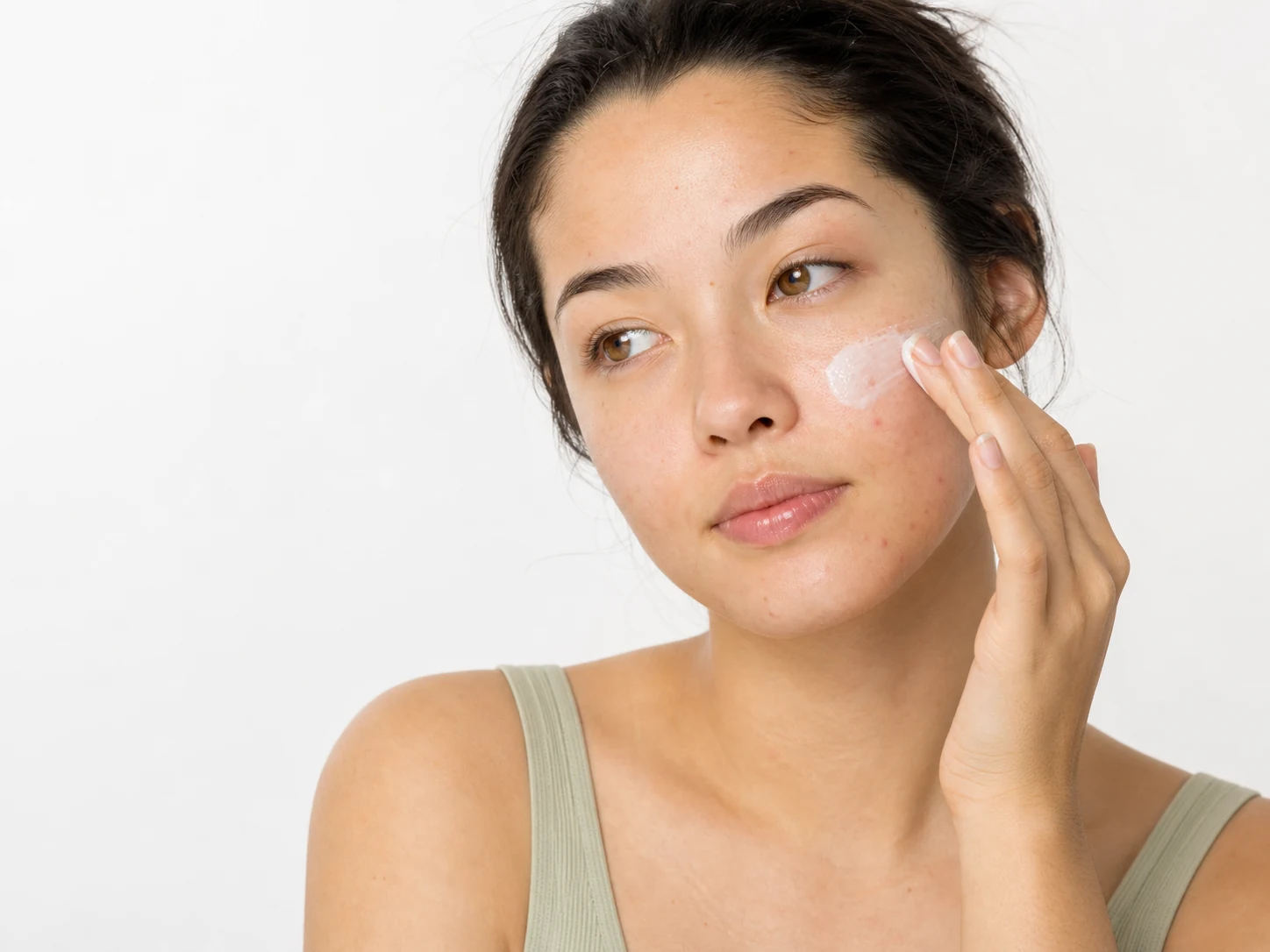
But that doesn't mean you have to live in constant discomfort. With the right home care, you can keep the alarm from going off unnecessarily.
How
Treating sensitive skin isn't about fighting it; it's about creating conditions where it can be itself without reacting.
Sensitive skin isn't just a feeling - it's a response. Treating it effectively requires understanding why it reacts and giving it what it needs to calm down.

How
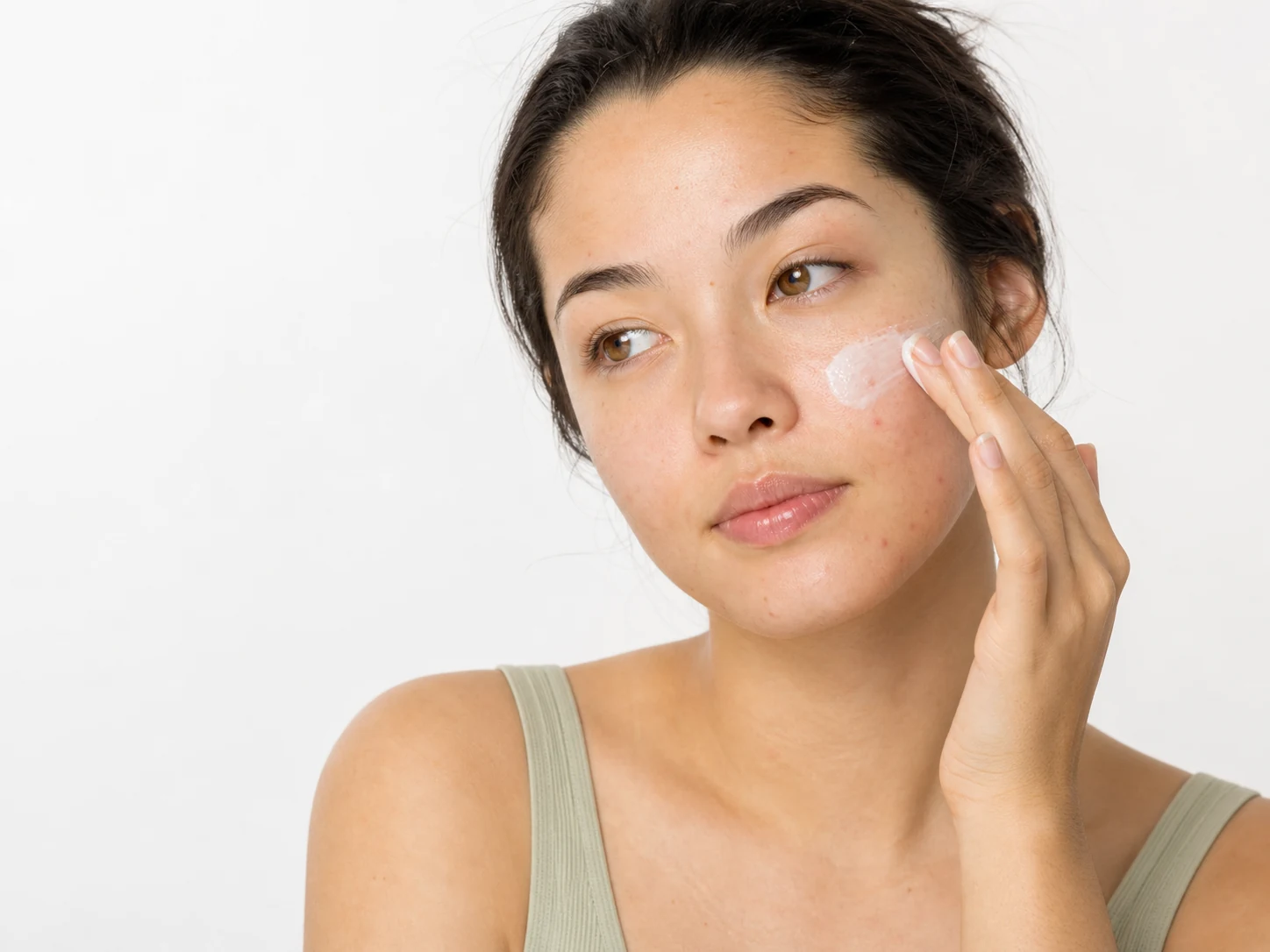
But you can change how you use it and what you follow it with. Treating hard water irritation isn't complicated, but it does require a different approach than treating other types of skin irritation.
How
For sensitive skin, the way you wash matters just as much as what you wash with - and the right technique can transform how your skin feels.
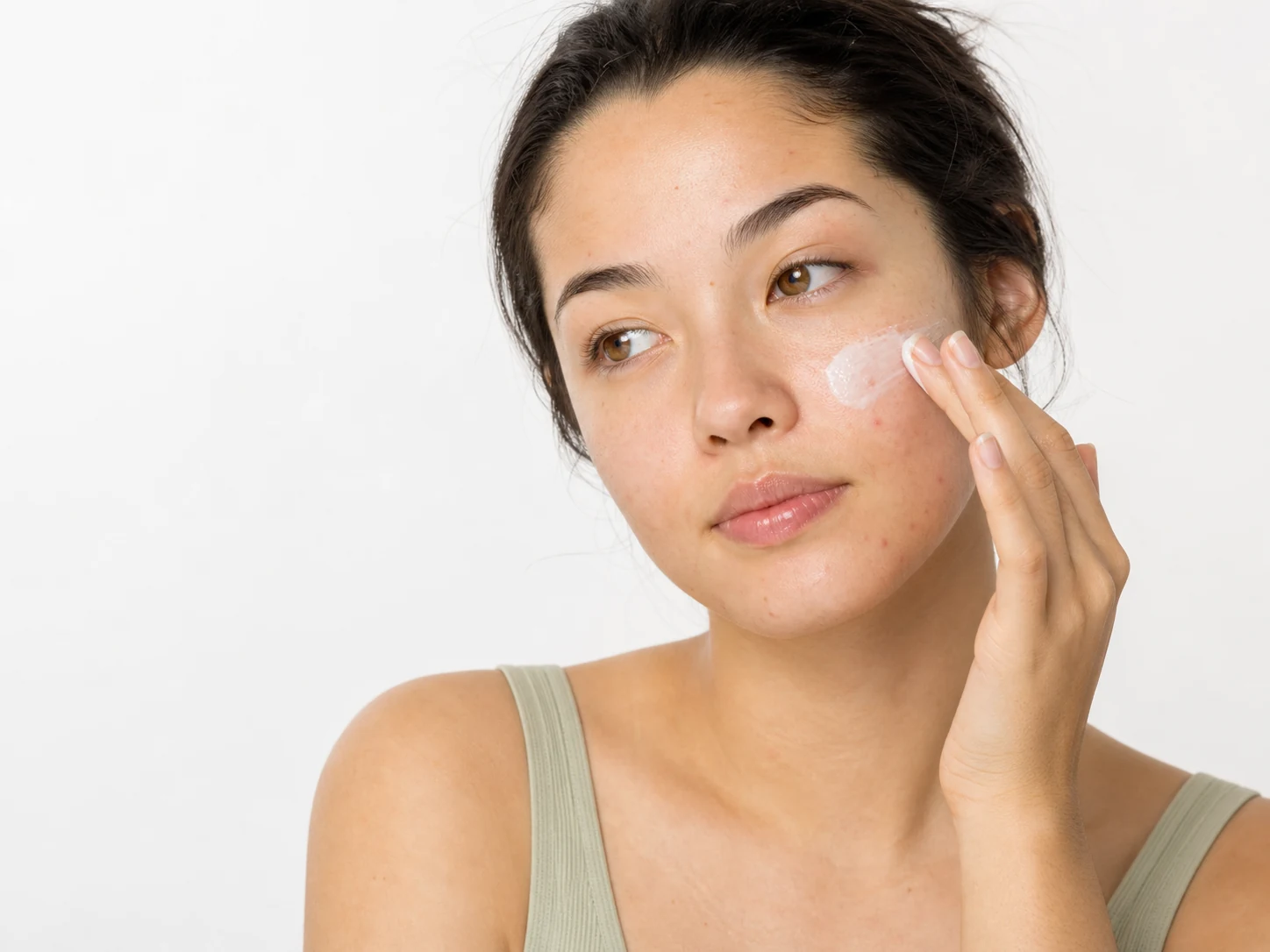
Washing sensitive skin seems like it should be simple, but it's one of the most common places where people go wrong. Too hot, too harsh, too aggressive - and suddenly your skin is red and stinging.

How
The problem isn't your technique - it's the water. But you can adapt your approach to work with hard water rather than against it.
How
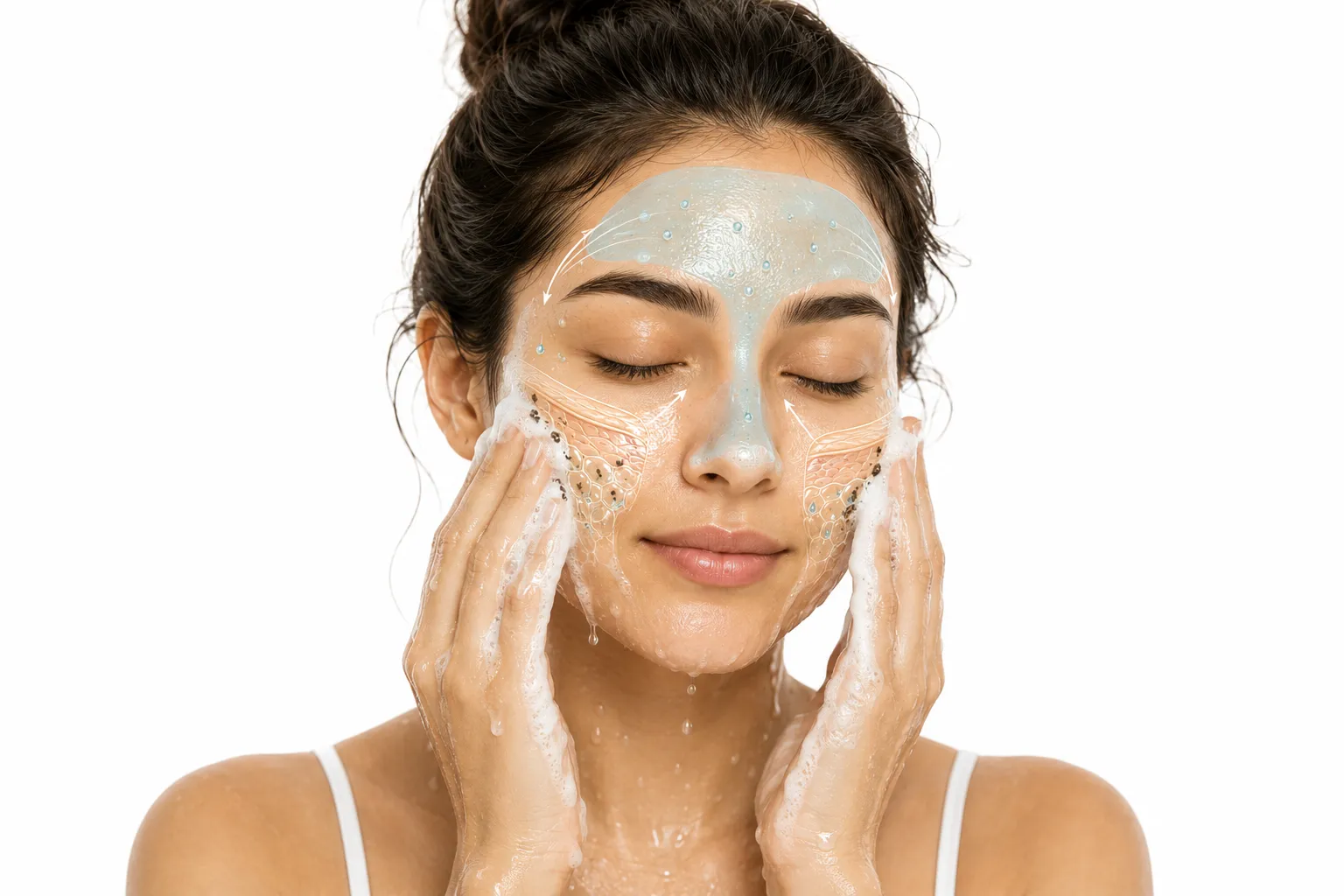
The secret to washing combination skin isn't finding one perfect product - it's using the right technique for each zone.
Combination skin is the most common skin type, but it's also the trickiest to wash. Too aggressive and your cheeks protest; too gentle and your T-zone stays congested.
How
The good news is that washing sensitive skin isn't just possible - it can actually help calm your skin when done correctly.
How
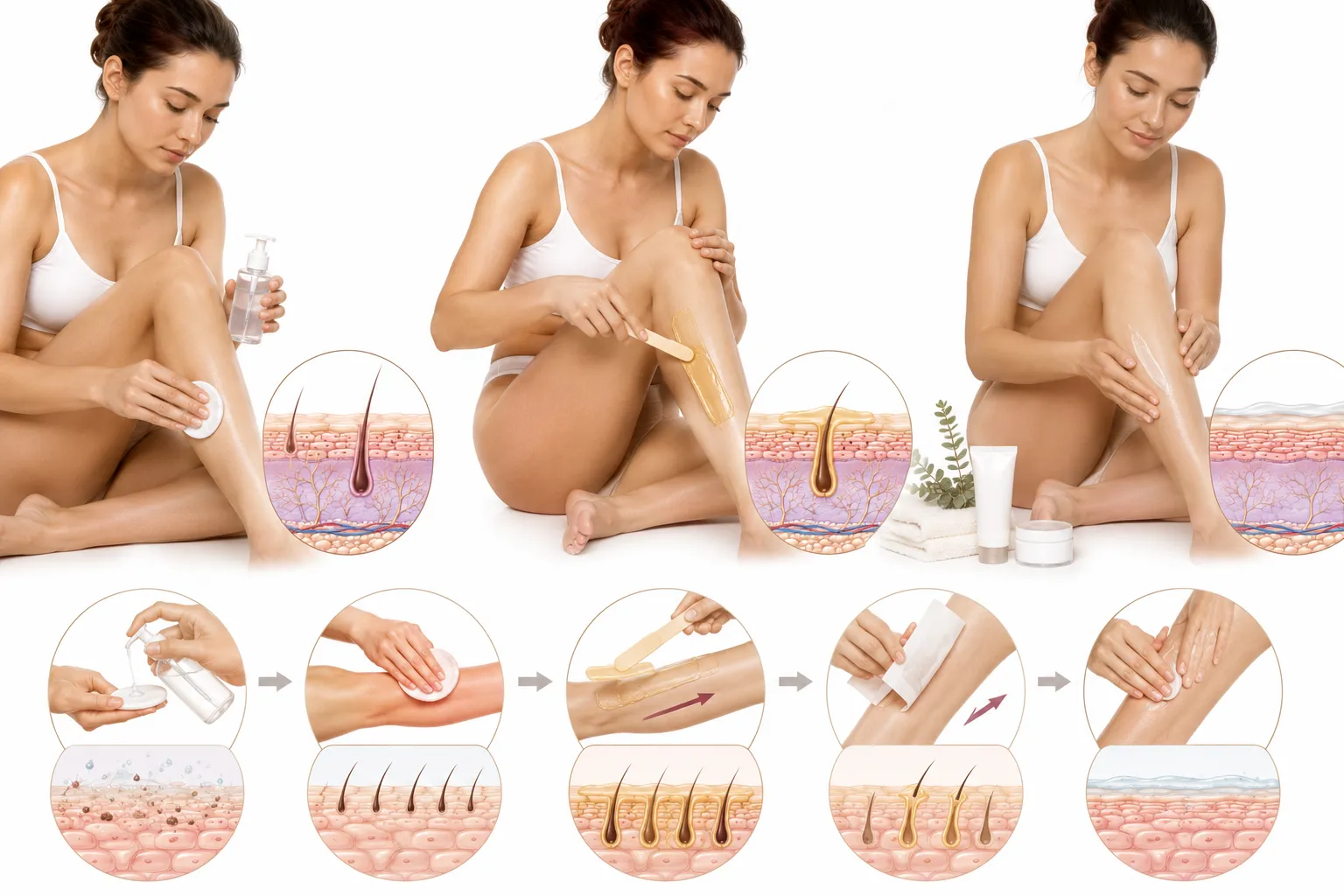
But with the right preparation and aftercare, waxing doesn't have to be a traumatic experience for your skin.
How
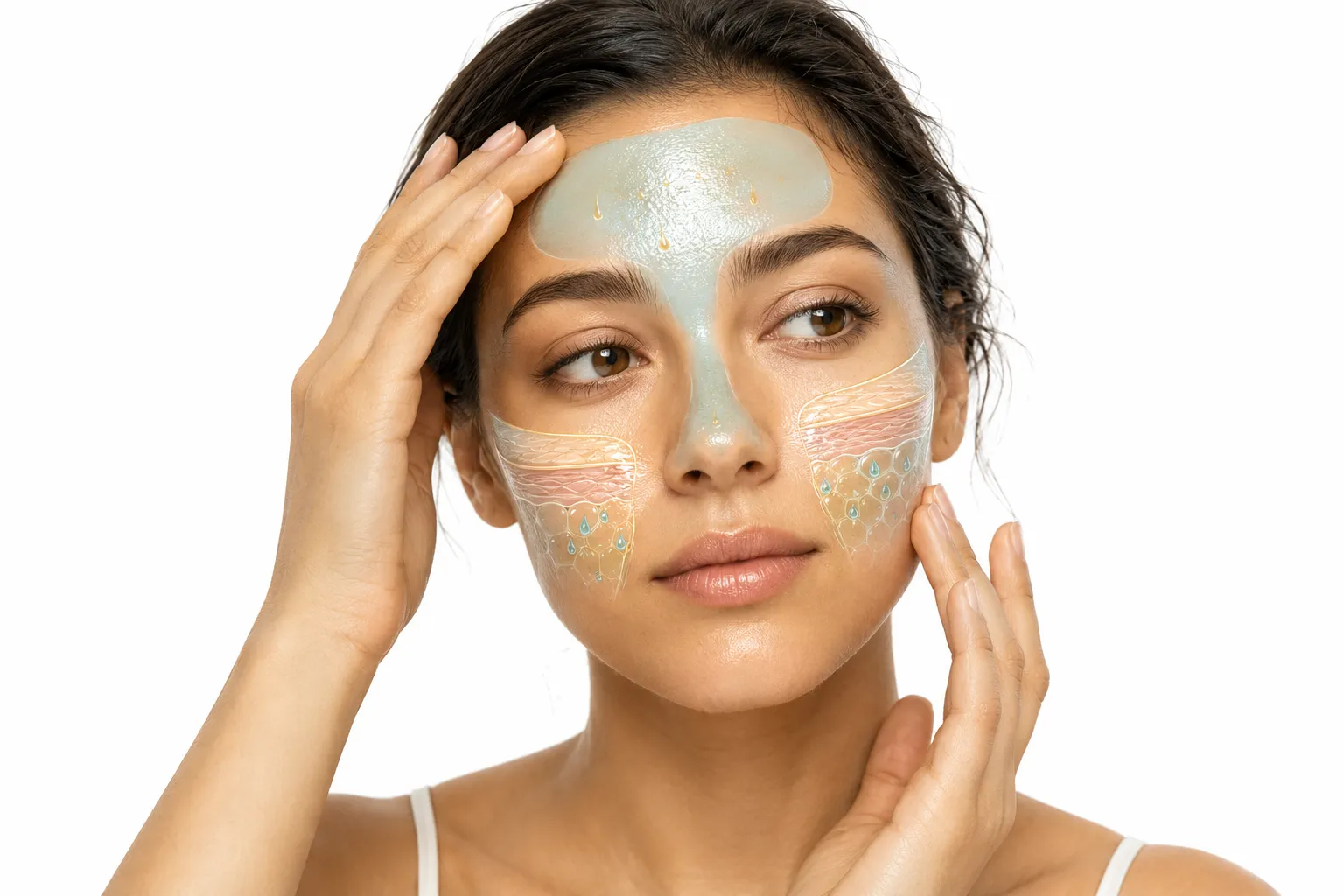
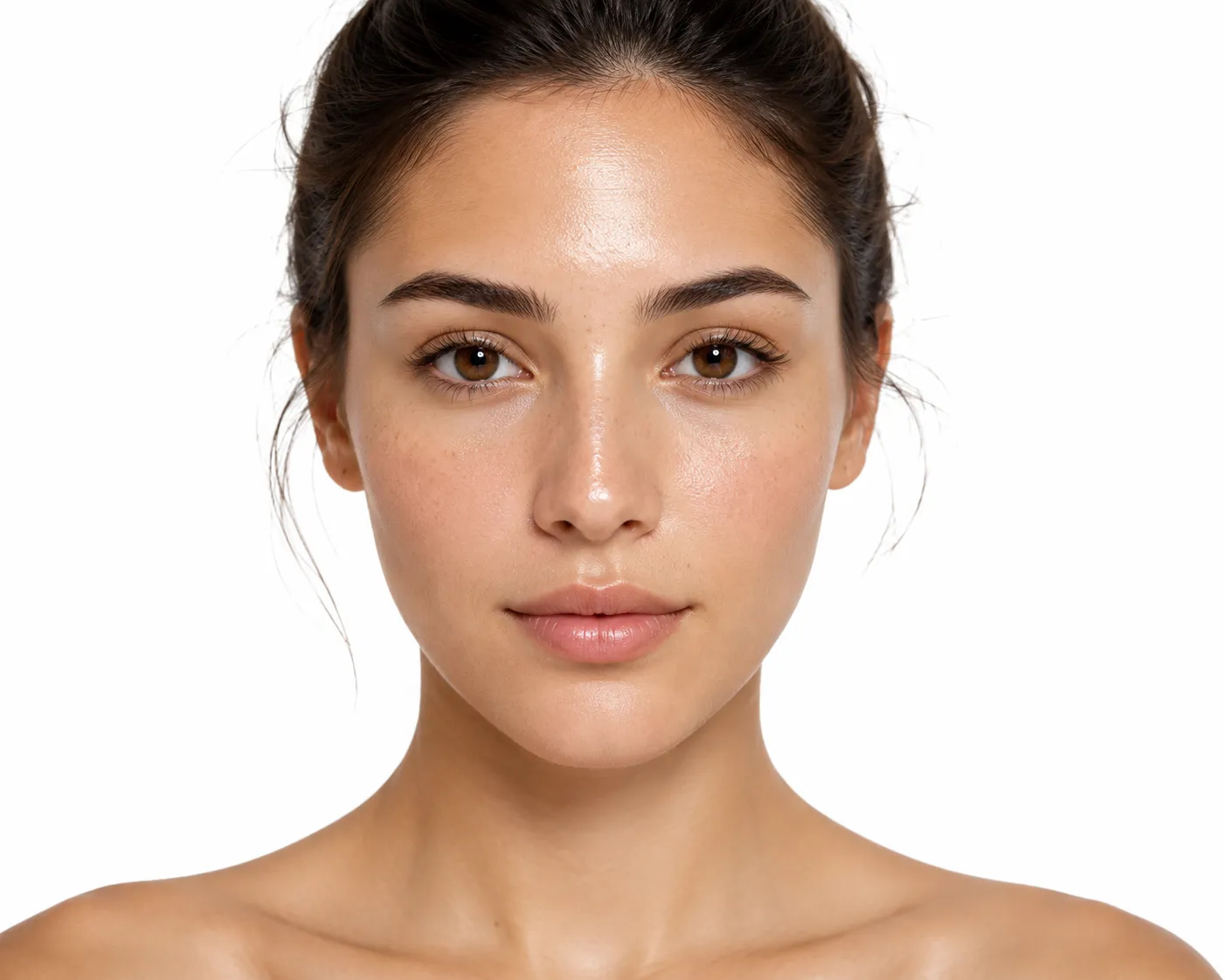
The sensory experience of combination skin is as distinctive as its appearance. It's not just what you see; it's what you feel.
How
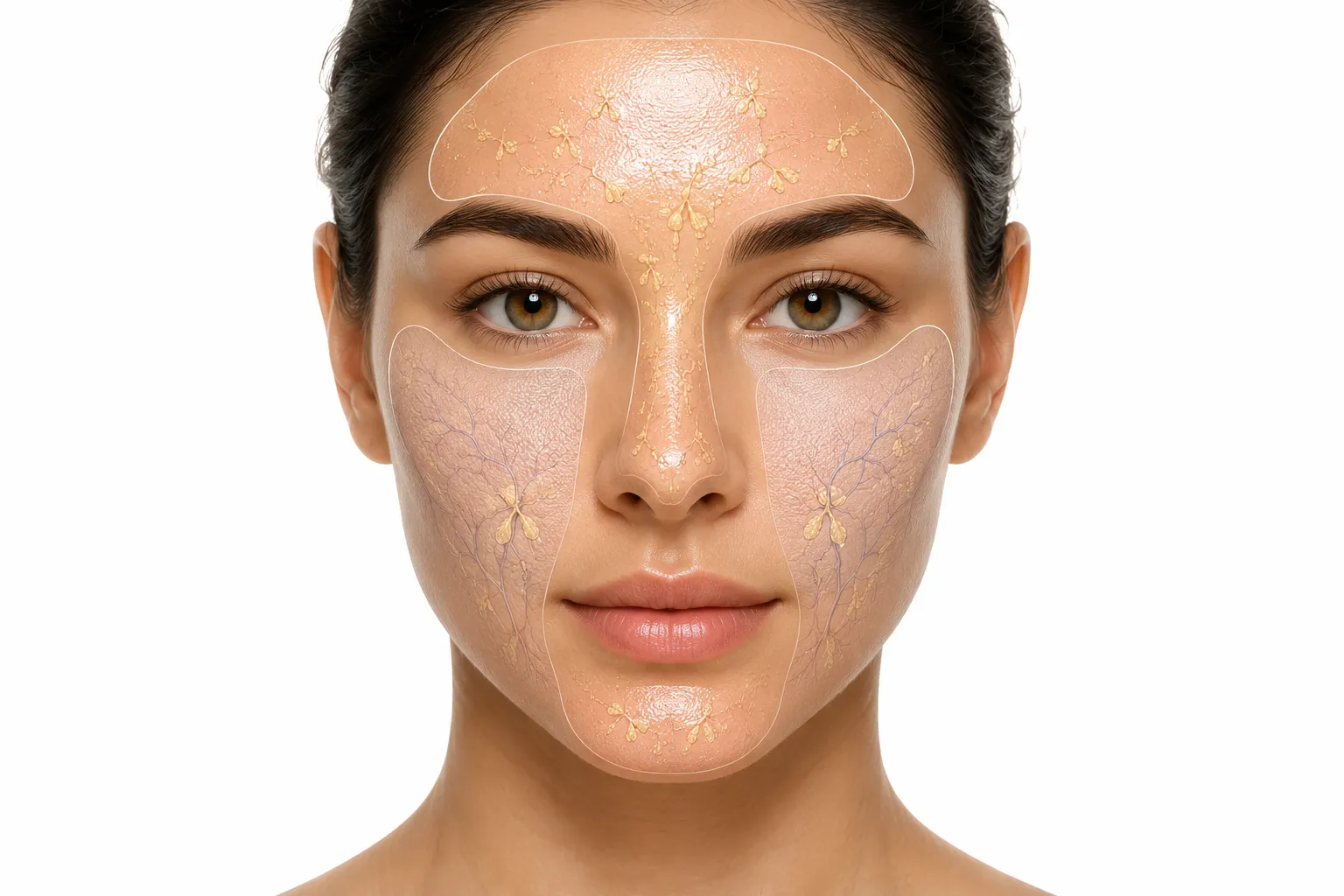
The visual signs of combination skin are quite specific: it's not just oily skin in some areas, but a distinct pattern of oiliness in the middle and dryness on the edges.
Combination skin has a distinctive appearance: a shiny T-zone with visible pores, and drier, sometimes flaky cheeks. It's a visual contrast across the face that's unmistakable once you know what to look for.
How
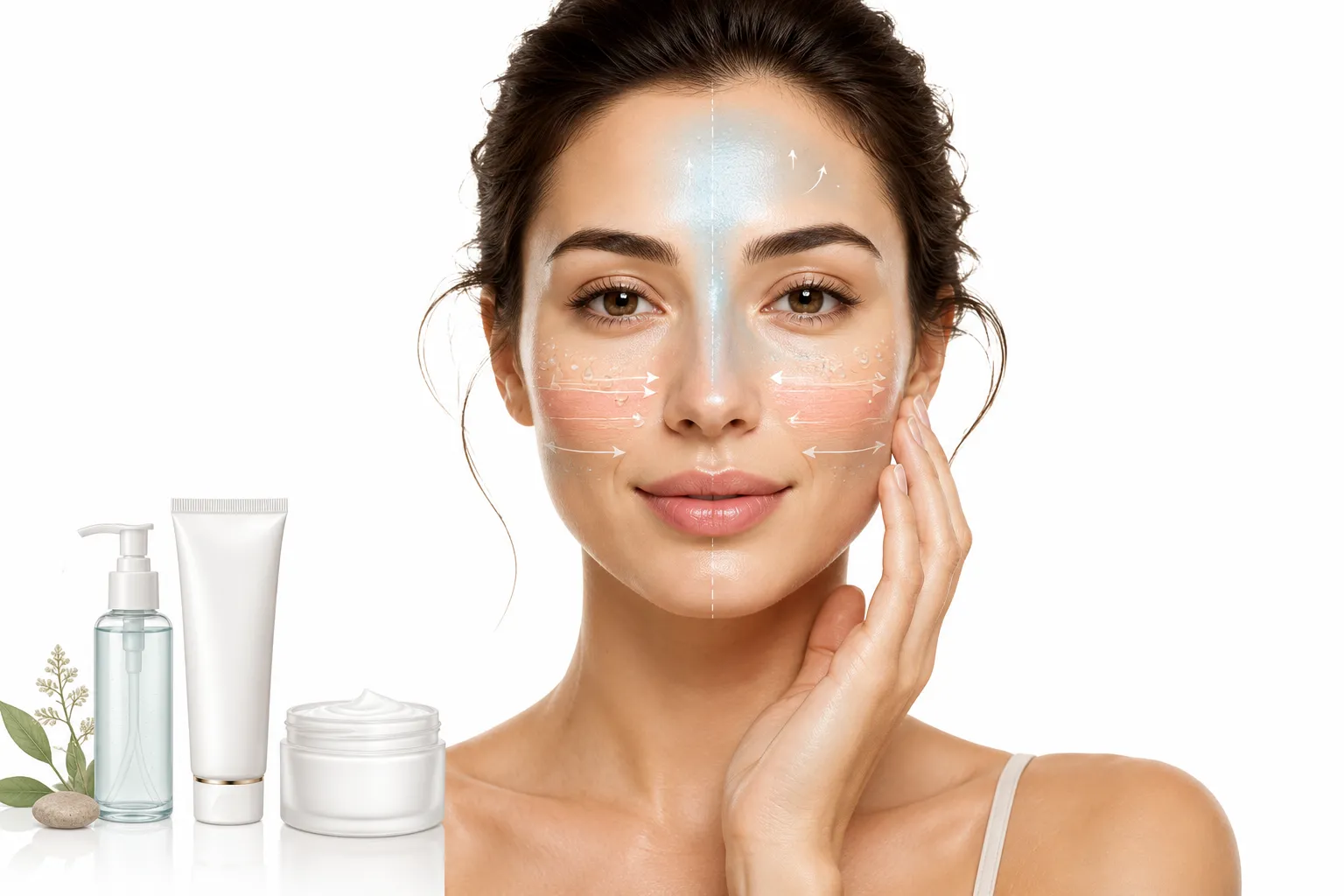
Combination skin means something quite specific in skincare, but many people misunderstand it to mean something vague or unhelpful.
When we say someone has combination skin, we're making a statement about the distribution of oil production across their face. It's a descriptive term, not a diagnosis, and it has specific implications for how you should care for your skin.
How
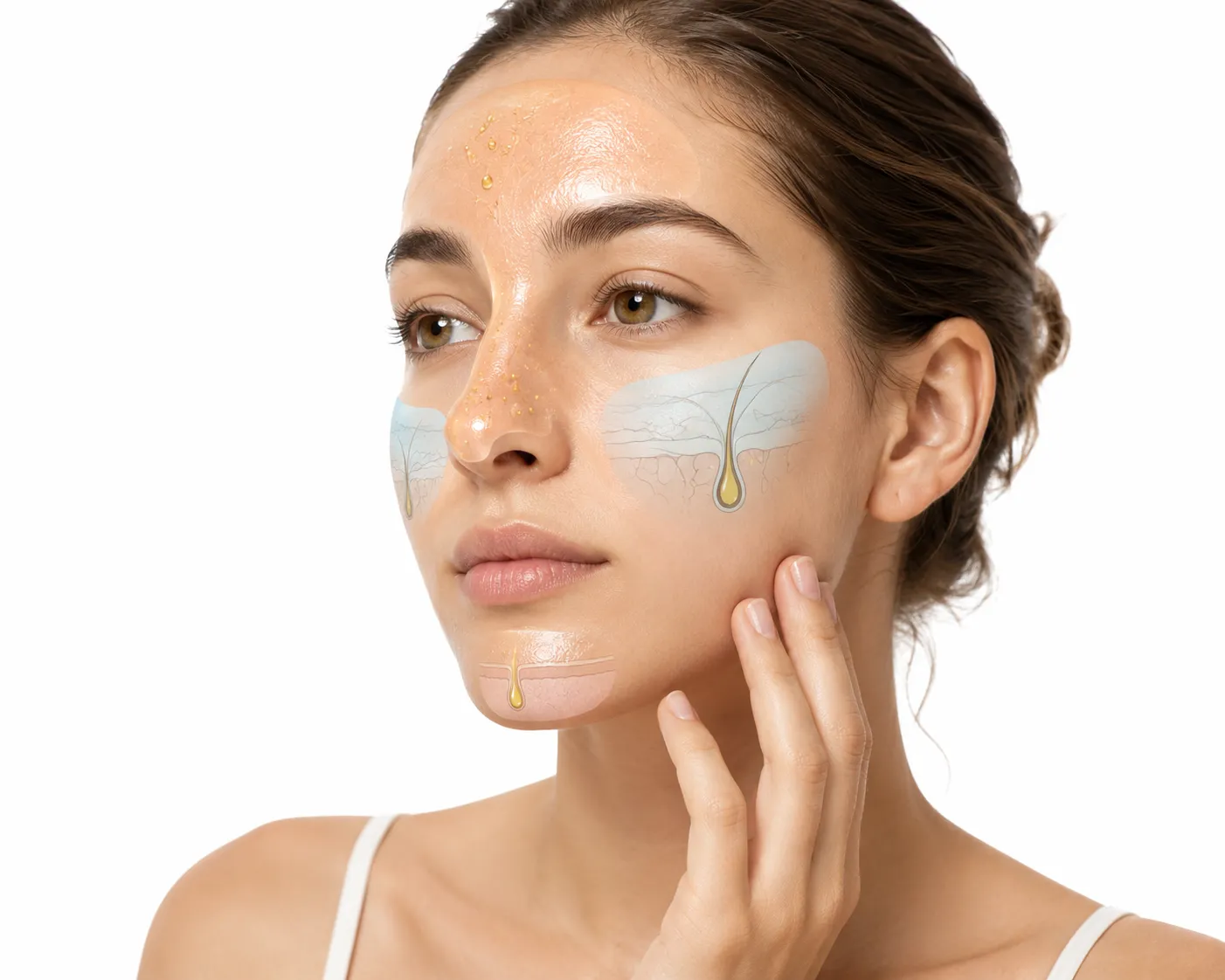
The challenge isn't finding one product that does everything - it's finding a strategy that gives each zone what it needs without upsetting the other.
How
The way we classify skin types has evolved over the years, but combination skin has always been recognized as a distinct category, partly because it's so common and partly because it's so obviously different from the others.
A few gentle first stops if this corner of skincare still feels new.
A few first stops if “How...” questions still feel new.
Recently updated
Other kinds of questions wait just next door.
Can...
The polite pause before you try something new: will this get along with your skin?
Will...
What might change if you keep going: timelines, expectations, and honest outcomes.
Is...
Straight answers for claims, myths, and the questions that really want a yes or no.
Are...
When the question is about a whole category: ingredients, products, or the signs skin leaves behind.
Does...
Cause and effect: what a product or habit actually does once it meets skin.
Do...
Practical wondering about what skin needs, what routines ask for, and what to do next.